The Best Fluffy Pancakes recipe you will fall in love with. Full of tips and tricks to help you make the best pancakes.
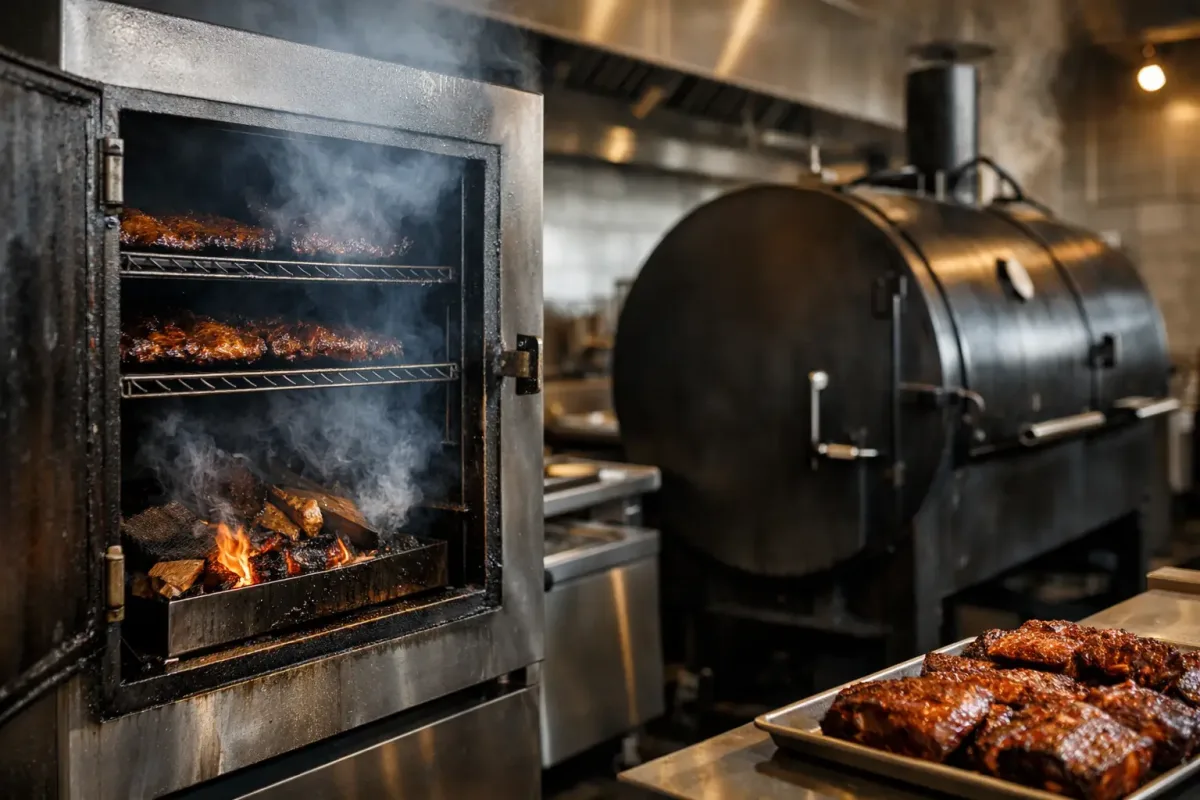
Let me start with a confession: I once thought buying a commercial smoker was as simple as picking the biggest one with the shiniest stainless steel. Oh, how wrong I was. Back in my early days running a pop-up BBQ joint in Oakland, I splurged on a massive offset smoker because, well, it looked like what you’d see at a Texas BBQ competition. Turns out, that thing was a nightmare to maintain, guzzled wood like it was going out of style, and, here’s the kicker, produced inconsistent results that had customers asking if we’d changed our recipe. Lesson learned: choosing the right commercial smoker for your restaurant isn’t just about aesthetics or size. It’s about matching your menu, your volume, your kitchen’s workflow, and even your staff’s skill level to the right piece of equipment. And trust me, that’s easier said than done.
Fast forward to today, and I’ve had the (sometimes painful) privilege of testing, researching, and talking to chefs across the country about their smoker setups. From Nashville’s hot chicken joints to Brooklyn’s artisanal smokehouses, I’ve seen what works, and what doesn’t. So, if you’re standing at the crossroads of buying a commercial smoker and feeling overwhelmed by the options, you’re in the right place. By the end of this guide, you’ll know:
- How to assess your restaurant’s specific smoking needs (because not all smokers are created equal).
- The pros and cons of the four main types of commercial smokers, from offset to pellet to electric.
- Why fuel type might be the most important decision you make, and how to avoid buyer’s remorse.
- How to balance upfront costs vs. long-term savings (and why the cheapest option might cost you more in the end).
- The often-overlooked factors like ventilation, space, and maintenance that can make or break your smoker’s performance.
- Real-world advice from chefs who’ve been in your shoes (and the mistakes they wish they’d avoided).
So, grab a coffee (or a bourbon, no judgment here), and let’s dive in. Because when it comes to choosing the right commercial smoker for your restaurant, the devil is in the details, and I’m here to help you navigate them.
The Big Picture: Why Your Smoker Choice Matters More Than You Think
Before we get into the nitty-gritty, let’s take a step back. Why does this decision carry so much weight? For starters, a commercial smoker isn’t just another piece of kitchen equipment. It’s the heart of your flavor profile, the backbone of your menu, and, if you’re doing it right, a major draw for customers. Think about it: when people rave about your smoked brisket, pulled pork, or even smoked cocktails, they’re not just complimenting your recipe. They’re praising the equipment that made it possible.
But here’s the thing: a smoker is also a long-term investment. Unlike a blender or a fryer, you can’t just swap it out every couple of years. A good commercial smoker should last you a decade or more, which means your choice will shape your kitchen’s workflow, your utility bills, and even your staff’s morale for years to come. Get it right, and you’ve got a workhorse that delivers consistent, mouthwatering results with minimal fuss. Get it wrong, and you’re stuck with a money pit that drains your time, energy, and profits.
So, where do you even begin? I’d argue the first step isn’t researching brands or comparing specs. It’s asking yourself a few tough questions about your restaurant’s identity and goals. For example:
- What’s your menu’s smoking volume? Are you smoking a few racks of ribs a day, or are you cranking out hundreds of pounds of meat for catering orders?
- What’s your flavor profile? Are you going for a deep, traditional smoke ring, or do you prefer a lighter, more versatile smokiness?
- Who’s running the smoker? Do you have a pitmaster with years of experience, or is your staff learning on the job?
- What’s your kitchen’s layout? Do you have outdoor space for an offset smoker, or are you working with a tight indoor footprint?
- What’s your budget? Not just for the smoker itself, but for fuel, maintenance, and potential upgrades down the line.
I’ll be honest: these questions might feel overwhelming at first. But trust me, answering them now will save you a world of headaches later. And if you’re not sure where to start, that’s okay. We’ll tackle each of these points in detail as we go along. For now, just keep this in mind: the best commercial smoker for your restaurant is the one that aligns with your unique needs, not the one with the most bells and whistles.
Section 1: Assessing Your Restaurant’s Smoking Needs
Volume: How Much Are You Really Smoking?
Let’s talk numbers. One of the biggest mistakes I see restaurants make is underestimating (or overestimating) their smoking volume. I get it, it’s easy to get caught up in the excitement of adding smoked dishes to your menu. But if you’re not realistic about how much you’ll actually be smoking, you could end up with a smoker that’s either too small to keep up with demand or too large to justify its cost.
So, how do you figure out your volume? Start by looking at your current menu and sales data. If you’re already offering smoked items, how many pounds of meat are you going through per week? If you’re adding smoking to your menu for the first time, think about your target output. Are you planning to smoke a few racks of ribs for weekend specials, or are you aiming to become the go-to spot for smoked meats in your city?
Here’s a rough guideline to help you ballpark your needs:
- Low volume: 50-100 lbs of meat per week. This is typical for restaurants that offer smoked items as a side dish or occasional special.
- Medium volume: 100-500 lbs of meat per week. This is common for BBQ joints, smokehouses, and restaurants with a dedicated smoking menu.
- High volume: 500+ lbs of meat per week. This is where you’re looking at catering operations, large BBQ restaurants, or establishments with multiple locations.
But here’s the thing: volume isn’t just about how much meat you’re smoking. It’s also about how often you’re smoking. Are you running your smoker once a week for a few hours, or are you smoking daily for 12+ hours? The more frequently you use your smoker, the more important it becomes to choose a model that can handle the workload without breaking down.
I’ll never forget talking to a chef in Austin who bought a high-capacity smoker for his food truck, only to realize he didn’t have enough demand to justify its size. He ended up selling it at a loss and downgrading to a smaller model. Don’t be that guy. Be honest about your volume, and choose a smoker that fits your actual needs, not your aspirations.
Menu: What Are You Smoking, and How?
Not all smoked foods are created equal. The type of dishes you’re planning to smoke will have a huge impact on the kind of smoker you need. For example, if you’re smoking brisket, you’re looking at a long, slow cook at low temperatures (around 225°F). But if you’re smoking wings or sausages, you might need higher temperatures and shorter cook times. And if you’re experimenting with smoked cocktails or desserts, you’ll need a smoker that can handle delicate flavors without overpowering them.
Here’s a quick breakdown of how different menu items might influence your smoker choice:
- Brisket, pork shoulder, ribs: These cuts require low-and-slow cooking (12-18 hours) and benefit from a smoker that can maintain consistent temperatures. Offset smokers and pellet smokers are popular choices for these dishes.
- Chicken, turkey, fish: These proteins cook faster and can handle slightly higher temperatures. A vertical smoker or electric smoker might be a good fit here, as they offer more control over temperature and smoke levels.
- Sausages, wings, appetizers: These items often require higher temperatures and shorter cook times. A rotisserie smoker or a smoker with a high-heat option could be ideal.
- Vegetables, cheeses, cocktails: Delicate items like these need a milder smoke flavor and precise temperature control. An electric or pellet smoker might be your best bet.
But here’s where it gets tricky: what if your menu is diverse? Maybe you want to smoke brisket for your BBQ platters but also experiment with smoked cheeses for your charcuterie boards. In that case, you’ll need a smoker that’s versatile enough to handle different cooking styles. This is where things like dual-fuel smokers (which can switch between wood and gas) or smokers with multiple cooking chambers can come in handy.
I’ll admit, I’ve made the mistake of assuming one smoker could do it all. Spoiler alert: it can’t. If your menu is varied, you might need to consider multiple smokers or a hybrid model that can adapt to different cooking needs. It’s not the cheapest route, but it’s often the most practical.
Staff: Who’s Running the Show?
This is one of those factors that often gets overlooked until it’s too late. The truth is, not all smokers are user-friendly. Some require a skilled pitmaster to operate, while others are more forgiving for staff who are new to smoking. If you’re lucky enough to have an experienced smoker on your team, you might be able to get away with a more hands-on model like an offset smoker. But if your staff is still learning the ropes, you’ll want something that’s easier to manage, like an electric or pellet smoker.
Here’s what to consider when thinking about your staff:
- Skill level: Do you have someone on your team who’s comfortable managing a fire, adjusting airflow, and troubleshooting temperature fluctuations? If not, you might want to steer clear of offset smokers, which require a lot of babysitting.
- Time commitment: How much time can your staff dedicate to smoking? If you’re running a busy restaurant, you might not have the luxury of tending to a smoker every hour. In that case, a set-it-and-forget-it model like an electric or pellet smoker could be a lifesaver.
- Training: Are you willing to invest time in training your staff on how to use the smoker? If not, you’ll want to choose a model that’s intuitive and easy to learn.
I’ve seen restaurants make the mistake of buying a high-maintenance smoker because it’s what the “pros” use, only to realize their staff doesn’t have the time or expertise to operate it properly. Don’t let that be you. Choose a smoker that matches your team’s skill level, not the other way around.
Section 2: The Four Main Types of Commercial Smokers (And How to Choose Between Them)
Alright, now that we’ve covered the basics of assessing your needs, let’s dive into the fun part: the smokers themselves. There are four main types of commercial smokers, each with its own strengths, weaknesses, and quirks. I’ll break down each one so you can get a sense of which might be the best fit for your restaurant.
1. Offset Smokers: The Traditionalist’s Choice
If you’ve ever dreamed of being a pitmaster, this is the smoker for you. Offset smokers are the gold standard of traditional BBQ, and for good reason. They consist of a large cooking chamber with a separate firebox attached to the side. The heat and smoke from the firebox travel into the cooking chamber, where they envelop the meat in that signature low-and-slow goodness.
Pros:
- Authentic flavor: Offset smokers produce some of the best smoke flavor out there, thanks to the direct heat and wood combustion.
- Versatility: You can cook at a wide range of temperatures, from low-and-slow to high-heat searing.
- Capacity: These smokers are often large enough to handle big cuts of meat, making them ideal for high-volume restaurants.
Cons:
- High maintenance: Offset smokers require constant attention. You’ll need to tend to the fire, adjust the airflow, and monitor the temperature closely.
- Fuel consumption: These smokers can be fuel-hungry, especially in cold or windy conditions.
- Learning curve: They’re not the easiest smokers to master. If your staff isn’t experienced, you might struggle with temperature control and consistency.
- Space: Offset smokers are large and typically need to be installed outdoors, which might not be feasible for all restaurants.
Best for: Restaurants with experienced pitmasters, high-volume BBQ joints, and establishments that prioritize traditional smoke flavor over convenience.
I’ll be honest: offset smokers are my personal favorite. There’s something magical about the way they produce that deep, smoky flavor. But they’re not for everyone. If you’re not prepared to put in the time and effort to master them, you might end up frustrated. If you’re considering an offset smoker, make sure you have the staff and space to make it work.
2. Vertical Smokers: The Space-Saving Workhorse
Vertical smokers, also known as cabinet smokers, are exactly what they sound like: smokers that stand upright, with the cooking chamber stacked vertically. They’re a popular choice for restaurants with limited space, as they take up less floor space than offset smokers. Vertical smokers can be fueled by wood, charcoal, gas, or electricity, giving you plenty of options to choose from.
Pros:
- Space-efficient: Their vertical design makes them ideal for small kitchens or food trucks.
- Versatility: Many vertical smokers can double as ovens, allowing you to bake or roast in addition to smoking.
- Ease of use: They’re generally easier to operate than offset smokers, with more consistent temperature control.
- Fuel options: You can find vertical smokers that run on wood, charcoal, gas, or electricity, depending on your needs.
Cons:
- Limited capacity: While they’re great for small to medium volumes, they might not be the best choice for high-volume restaurants.
- Less traditional flavor: Some chefs argue that vertical smokers don’t produce the same depth of smoke flavor as offset smokers.
- Temperature gradients: Because heat rises, you might experience uneven cooking if you’re not careful about how you arrange your meat.
Best for: Restaurants with limited space, food trucks, and establishments that need a versatile, easy-to-use smoker for small to medium volumes.
Vertical smokers are a great middle-ground option. They’re not as hands-on as offset smokers, but they still deliver solid smoke flavor. Plus, their compact size makes them a practical choice for urban restaurants or food trucks. If space is a concern, a vertical smoker might be your best bet.
3. Pellet Smokers: The Set-It-and-Forget-It Option
Pellet smokers are the new kids on the block, and they’ve quickly gained a following for their ease of use and consistency. These smokers use compressed wood pellets as fuel, which are fed into a firebox by an auger. A digital controller regulates the temperature, making it easy to set and forget. Pellet smokers are often praised for their versatility, as they can smoke, grill, bake, and even sear.
Pros:
- Ease of use: Pellet smokers are incredibly user-friendly. Just set the temperature, add pellets, and let the smoker do the work.
- Consistency: The digital controller ensures precise temperature control, which is great for achieving consistent results.
- Versatility: Many pellet smokers can handle a wide range of cooking styles, from smoking to grilling to baking.
- Fuel efficiency: Pellets burn cleanly and efficiently, which can save you money on fuel in the long run.
Cons:
- Less traditional flavor: Some purists argue that pellet smokers don’t produce the same depth of smoke flavor as wood or charcoal smokers.
- Dependence on electricity: Pellet smokers require electricity to run the auger and digital controller, which means they’re not ideal for off-grid use.
- Mechanical complexity: Because they have more moving parts, pellet smokers can be more prone to mechanical issues.
- Cost: High-quality pellet smokers can be expensive, especially for commercial-grade models.
Best for: Restaurants that prioritize convenience and consistency, establishments with less experienced staff, and kitchens that need a versatile smoker for a variety of dishes.
Pellet smokers are a fantastic option if you’re looking for something that’s easy to use and delivers consistent results. They’re not the cheapest option, but their versatility and efficiency can make them worth the investment. If you’re short on time or staff, a pellet smoker might be the way to go.
4. Electric Smokers: The Low-Maintenance Choice
Electric smokers are the simplest of the bunch. They use an electric heating element to generate heat and smoke, which is then circulated around the cooking chamber. Because they don’t rely on wood or charcoal, they’re incredibly easy to use and maintain. Electric smokers are often the go-to choice for restaurants that want to add smoking to their menu without the hassle of managing a fire.
Pros:
- Ease of use: Just plug it in, set the temperature, and you’re good to go. No fire management required.
- Consistency: Electric smokers offer precise temperature control, which is great for achieving consistent results.
- Low maintenance: Because there’s no fire to tend, electric smokers require minimal upkeep.
- Indoor-friendly: Many electric smokers are compact and can be used indoors, making them ideal for restaurants with limited space.
Cons:
- Limited smoke flavor: Electric smokers don’t produce the same depth of smoke flavor as wood or charcoal smokers. Some models use wood chips to enhance the flavor, but it’s still not the same.
- Dependence on electricity: Like pellet smokers, electric smokers require a power source, which can be a limitation in some settings.
- Less versatile: Electric smokers are primarily designed for smoking, so they’re not as versatile as other types of smokers.
- Capacity: Many electric smokers are smaller than other types, which might not be ideal for high-volume restaurants.
Best for: Restaurants that want a low-maintenance, easy-to-use smoker for small to medium volumes, establishments with limited space, and kitchens that prioritize convenience over traditional smoke flavor.
Electric smokers are the ultimate set-it-and-forget-it option. They’re not going to give you the same depth of flavor as a wood or charcoal smoker, but they’re a great choice if you’re looking for something simple and reliable. If you’re new to smoking or short on time, an electric smoker might be the perfect fit.
Section 3: Fuel Type, The Most Important Decision You’ll Make
Now that we’ve covered the main types of smokers, let’s talk about fuel. The type of fuel you choose will have a huge impact on your smoker’s performance, flavor, and operating costs. There are four main fuel options for commercial smokers: wood, charcoal, pellets, and electricity. Each has its own pros and cons, so let’s break them down.
Wood: The Gold Standard of Smoke Flavor
Wood is the traditional fuel of choice for smoking, and for good reason. It produces a deep, rich smoke flavor that’s hard to beat. But not all wood is created equal. Different types of wood impart different flavors, so it’s important to choose the right one for your menu.
Here’s a quick guide to some of the most popular wood types for smoking:
- Hickory: Strong, bold flavor. Great for pork, ribs, and beef.
- Mesquite: Intense, earthy flavor. Best for beef and game meats.
- Oak: Medium, versatile flavor. Works well with most meats.
- Apple: Mild, sweet flavor. Ideal for poultry, pork, and fish.
- Cherry: Sweet, fruity flavor. Great for poultry, pork, and beef.
- Pecan: Rich, nutty flavor. Works well with most meats.
Pros of wood:
- Authentic flavor: Wood produces the most traditional smoke flavor, which is why it’s the go-to choice for many pitmasters.
- Versatility: You can mix and match wood types to create custom flavor profiles.
- Cost-effective: Wood is often cheaper than other fuel options, especially if you buy it in bulk.
Cons of wood:
- High maintenance: Wood requires constant attention. You’ll need to tend to the fire, adjust the airflow, and monitor the temperature closely.
- Inconsistency: Wood fires can be unpredictable, which can lead to temperature fluctuations and uneven cooking.
- Storage: Wood needs to be stored in a dry, well-ventilated area to prevent mold and rot.
Best for: Restaurants that prioritize traditional smoke flavor, establishments with experienced pitmasters, and kitchens that have the space and resources to manage a wood fire.
Wood is my personal favorite fuel, but it’s not for everyone. If you’re not prepared to put in the time and effort to manage a wood fire, you might want to consider a different fuel type. If you’re committed to wood, make sure you have the staff and space to make it work.
Charcoal: The Middle Ground
Charcoal is a popular choice for restaurants that want a balance between traditional smoke flavor and ease of use. It burns hotter and cleaner than wood, making it a good option for high-heat cooking. Plus, it’s easier to manage than a wood fire, which can be a lifesaver for busy kitchens.
Pros of charcoal:
- Good flavor: Charcoal produces a solid smoke flavor, though it’s not as deep as wood.
- Ease of use: Charcoal is easier to manage than wood, with more consistent temperature control.
- Versatility: You can use charcoal for both smoking and grilling, making it a versatile fuel option.
Cons of charcoal:
- Less traditional flavor: While charcoal produces good smoke flavor, it’s not as rich as wood.
- Ash cleanup: Charcoal produces a lot of ash, which can be a hassle to clean up.
- Cost: Charcoal can be more expensive than wood, especially if you’re using it in large quantities.
Best for: Restaurants that want a balance between traditional smoke flavor and ease of use, establishments with less experienced staff, and kitchens that need a versatile fuel for both smoking and grilling.
Charcoal is a great middle-ground option. It’s not as hands-on as wood, but it still delivers solid smoke flavor. If you’re looking for something that’s easy to manage but still produces good results, charcoal might be the way to go.
Pellets: The Convenient Choice
Pellets are a relatively new fuel option, but they’ve quickly gained a following for their convenience and consistency. Made from compressed wood, pellets burn cleanly and efficiently, making them a great choice for restaurants that want a set-it-and-forget-it fuel option. Plus, they come in a variety of flavors, so you can experiment with different smoke profiles.
Pros of pellets:
- Ease of use: Pellets are incredibly easy to use. Just load them into the hopper, set the temperature, and let the smoker do the work.
- Consistency: Pellets burn cleanly and efficiently, with minimal temperature fluctuations.
- Versatility: Pellets come in a variety of flavors, so you can experiment with different smoke profiles.
- Fuel efficiency: Pellets burn cleanly and efficiently, which can save you money on fuel in the long run.
Cons of pellets:
- Less traditional flavor: Some purists argue that pellets don’t produce the same depth of smoke flavor as wood or charcoal.
- Dependence on electricity: Pellet smokers require electricity to run the auger and digital controller, which means they’re not ideal for off-grid use.
- Cost: High-quality pellets can be expensive, especially for commercial-grade models.
Best for: Restaurants that prioritize convenience and consistency, establishments with less experienced staff, and kitchens that need a versatile fuel for a variety of dishes.
Pellets are a fantastic option if you’re looking for something that’s easy to use and delivers consistent results. They’re not the cheapest option, but their versatility and efficiency can make them worth the investment. If you’re short on time or staff, pellets might be the way to go.
Electricity: The Low-Maintenance Option
Electricity is the simplest fuel option for smoking. Electric smokers use an electric heating element to generate heat and smoke, which is then circulated around the cooking chamber. Because they don’t rely on wood or charcoal, they’re incredibly easy to use and maintain. Electric smokers are often the go-to choice for restaurants that want to add smoking to their menu without the hassle of managing a fire.
Pros of electricity:
- Ease of use: Just plug it in, set the temperature, and you’re good to go. No fire management required.
- Consistency: Electric smokers offer precise temperature control, which is great for achieving consistent results.
- Low maintenance: Because there’s no fire to tend, electric smokers require minimal upkeep.
- Indoor-friendly: Many electric smokers are compact and can be used indoors, making them ideal for restaurants with limited space.
Cons of electricity:
- Limited smoke flavor: Electric smokers don’t produce the same depth of smoke flavor as wood or charcoal smokers. Some models use wood chips to enhance the flavor, but it’s still not the same.
- Dependence on electricity: Like pellet smokers, electric smokers require a power source, which can be a limitation in some settings.
- Less versatile: Electric smokers are primarily designed for smoking, so they’re not as versatile as other types of smokers.
- Capacity: Many electric smokers are smaller than other types, which might not be ideal for high-volume restaurants.
Best for: Restaurants that want a low-maintenance, easy-to-use smoker for small to medium volumes, establishments with limited space, and kitchens that prioritize convenience over traditional smoke flavor.
Electricity is the ultimate set-it-and-forget-it fuel option. It’s not going to give you the same depth of flavor as wood or charcoal, but it’s a great choice if you’re looking for something simple and reliable. If you’re new to smoking or short on time, electricity might be the perfect fit.
Section 4: Balancing Upfront Costs vs. Long-Term Savings
Let’s talk money. Because when it comes to choosing the right commercial smoker for your restaurant, the cost isn’t just about the sticker price. It’s about the long-term investment, fuel, maintenance, repairs, and even the potential impact on your menu prices. I’ve seen too many restaurants make the mistake of focusing solely on the upfront cost, only to realize later that they’re spending a fortune on fuel or repairs. So, how do you strike the right balance?
The True Cost of Ownership
When you’re comparing smokers, it’s easy to get caught up in the initial price tag. But the truth is, the upfront cost is just one piece of the puzzle. To get a real sense of what a smoker will cost you over time, you need to consider:
- Fuel costs: How much will you spend on wood, charcoal, pellets, or electricity over the life of the smoker?
- Maintenance: How much will you spend on cleaning, repairs, and replacement parts?
- Labor costs: How much time will your staff spend operating and maintaining the smoker?
- Energy efficiency: How much will the smoker add to your utility bills?
- Downtime: How much revenue will you lose if the smoker breaks down and needs repairs?
For example, let’s say you’re comparing an offset smoker and a pellet smoker. The offset smoker might have a lower upfront cost, but it could end up costing you more in the long run due to higher fuel consumption and maintenance needs. On the other hand, the pellet smoker might have a higher upfront cost, but its fuel efficiency and ease of use could save you money over time.
I’ll never forget talking to a chef in Nashville who bought a cheap offset smoker for his BBQ joint, only to realize later that it was costing him hundreds of dollars a month in wood and repairs. He ended up upgrading to a higher-quality pellet smoker, which paid for itself in just a few months. Don’t make the same mistake, think about the long-term costs, not just the upfront price.
Financing and Leasing Options
If the upfront cost of a commercial smoker is giving you sticker shock, don’t panic. There are plenty of financing and leasing options available to help you spread out the cost. Many equipment suppliers offer financing plans, and some even specialize in restaurant equipment. Leasing is another option, especially if you’re not sure how long you’ll need the smoker or if you want to upgrade in a few years.
Here are a few things to consider when exploring financing or leasing options:
- Interest rates: Make sure you understand the interest rates and fees associated with the financing plan.
- Term length: How long will you be making payments? Make sure the term length aligns with your budget and goals.
- Ownership: With leasing, you won’t own the smoker at the end of the term. Make sure you’re comfortable with that.
- Flexibility: Can you upgrade or downgrade the smoker during the term? Make sure the plan offers the flexibility you need.
I’ll be honest: financing and leasing aren’t for everyone. If you have the cash on hand, it’s often cheaper to buy the smoker outright. But if you’re working with a tight budget, these options can make it easier to get the equipment you need without breaking the bank. Just make sure you read the fine print and understand the terms before you sign on the dotted line.
ROI: How Your Smoker Can Pay for Itself
Here’s the thing about commercial smokers: they’re not just an expense. They’re an investment. A good smoker can help you create signature dishes that draw customers in, increase your menu prices, and even open up new revenue streams like catering or wholesale. So, when you’re crunching the numbers, don’t just think about the cost, think about the return on investment (ROI).
For example, let’s say you’re adding smoked brisket to your menu. A high-quality brisket can sell for $20-$30 per pound, which means a single brisket can generate hundreds of dollars in revenue. If your smoker allows you to smoke multiple briskets at once, you could be looking at thousands of dollars in additional revenue per week. And that’s not even counting the potential for catering orders or wholesale sales.
But here’s the catch: to maximize your ROI, you need to choose a smoker that aligns with your menu and volume. If you buy a smoker that’s too small or too finicky, you might not be able to keep up with demand or achieve consistent results. On the other hand, if you buy a smoker that’s too large or too expensive, you might not be able to justify the cost.
I’ve seen restaurants transform their businesses by adding a smoker. One chef in Brooklyn told me that his pellet smoker allowed him to add smoked cocktails to his menu, which became a major draw for customers. Another chef in Nashville used his offset smoker to launch a catering business that now accounts for 30% of his revenue. The key is to choose a smoker that fits your goals and helps you create dishes that customers will love.
Section 5: The Often-Overlooked Factors That Can Make or Break Your Smoker’s Performance
Alright, we’ve covered the big stuff, types of smokers, fuel options, costs. But now it’s time to talk about the often-overlooked factors that can make or break your smoker’s performance. These are the details that don’t always make it into the product descriptions but can have a huge impact on your day-to-day operations. Trust me, I’ve learned these lessons the hard way.
Ventilation: The Silent Killer of Smoker Performance
Let’s talk about ventilation. It’s not the sexiest topic, but it’s one of the most important when it comes to choosing the right commercial smoker for your restaurant. Poor ventilation can lead to a host of problems, from inconsistent temperatures to smoke buildup in your kitchen. And if you’re not careful, it can even pose a safety hazard.
First things first: if you’re installing an outdoor smoker, like an offset or vertical model, you’ll need to make sure it’s placed in a well-ventilated area. This means away from walls, fences, or other structures that could trap heat and smoke. You’ll also need to consider the direction of the wind, you don’t want smoke blowing into your dining area or neighboring businesses.
If you’re installing an indoor smoker, like an electric or pellet model, ventilation becomes even more critical. You’ll need to make sure your kitchen’s exhaust system is up to the task. This might mean upgrading your hood or adding a dedicated exhaust fan for the smoker. And don’t forget about fire safety, indoor smokers should be installed with proper fire suppression systems in place.
I’ll never forget the time I visited a restaurant in Chicago that had installed a pellet smoker indoors without upgrading their ventilation. The kitchen was constantly filled with smoke, and the staff was complaining of headaches and respiratory issues. The chef ended up having to move the smoker outdoors, which cost him thousands of dollars in modifications. Don’t make the same mistake, think about ventilation before you buy.
Space: The Logistics of Smoker Placement
Space is another factor that often gets overlooked until it’s too late. Commercial smokers come in all shapes and sizes, and it’s important to choose one that fits your kitchen’s layout. But it’s not just about the smoker itself, you also need to think about the space around it. For example:
- Clearance: How much space do you need around the smoker for safe operation? This includes clearance for doors, vents, and maintenance access.
- Workflow: How will the smoker fit into your kitchen’s workflow? Will it create bottlenecks or interfere with other equipment?
- Storage: Where will you store fuel, tools, and accessories? Do you have enough space for wood, pellets, or charcoal?
- Future growth: Will the smoker still fit if you expand your menu or increase your volume?
I’ve seen restaurants make the mistake of buying a smoker that’s too large for their space, only to realize later that it’s causing workflow issues or safety hazards. On the flip side, I’ve seen restaurants buy a smoker that’s too small, only to outgrow it within a year. The key is to measure your space carefully and think about how the smoker will fit into your kitchen’s layout.
Here’s a pro tip: if you’re tight on space, consider a vertical smoker or a compact electric model. These smokers take up less floor space and can often be installed in tight quarters. And if you’re really pressed for space, you might even consider an outdoor smoker that can be placed on a patio or rooftop.
Maintenance: The Hidden Cost of Ownership
Let’s talk about maintenance. Because when it comes to commercial smokers, the work doesn’t stop once you’ve made your purchase. Regular maintenance is essential for keeping your smoker running smoothly and extending its lifespan. But not all smokers are created equal when it comes to maintenance. Some require daily cleaning, while others can go weeks between deep cleans. Some have complex parts that need regular replacement, while others are relatively low-maintenance.
Here’s what you need to consider when it comes to maintenance:
- Cleaning: How often will you need to clean the smoker? What kind of cleaning products and tools will you need?
- Parts replacement: How often will you need to replace parts like gaskets, burners, or augers?
- Seasoning: Does the smoker need to be seasoned regularly to maintain its performance?
- Warranty: What does the warranty cover, and how long does it last? Will you need to perform regular maintenance to keep the warranty valid?
I’ll be honest: maintenance is one of those things that’s easy to overlook until it’s too late. I’ve seen restaurants neglect their smokers, only to end up with costly repairs or even safety hazards. Don’t let that be you, make a maintenance plan before you buy, and stick to it.
Here’s a quick maintenance checklist to get you started:
- Clean the cooking chamber after each use to prevent grease buildup.
- Inspect and clean the vents and chimney regularly to ensure proper airflow.
- Check the gaskets and seals for wear and tear, and replace them as needed.
- Season the smoker regularly to maintain its performance and prevent rust.
- Inspect the fuel system (wood, charcoal, pellets, or electricity) for any issues.
Safety: Don’t Cut Corners
Last but not least, let’s talk about safety. Commercial smokers can be dangerous if they’re not used or installed properly. From fire hazards to carbon monoxide poisoning, there are plenty of risks to consider. So, how do you keep your staff and customers safe?
First things first: make sure your smoker is installed by a professional. This is especially important for outdoor smokers, which need to be placed on a stable, non-combustible surface. If you’re installing an indoor smoker, make sure it’s equipped with a proper fire suppression system and that your kitchen’s ventilation is up to code.
Here are a few safety tips to keep in mind:
- Fire safety: Keep a fire extinguisher nearby, and make sure your staff knows how to use it. Never leave the smoker unattended while it’s in use.
- Carbon monoxide: If you’re using a wood or charcoal smoker indoors, make sure your kitchen is equipped with carbon monoxide detectors.
- Electrical safety: If you’re using an electric or pellet smoker, make sure it’s plugged into a dedicated circuit to prevent overloading.
- Training: Make sure your staff is trained on how to use the smoker safely, including how to handle fuel, manage fires, and respond to emergencies.
I’ll never forget the time I visited a restaurant in Texas that had installed an offset smoker too close to a wooden fence. A stray spark from the firebox ignited the fence, and the restaurant had to shut down for a week while they repaired the damage. Don’t cut corners when it comes to safety, it’s not worth the risk.
Section 6: Real-World Advice from Chefs Who’ve Been There
At this point, you might be feeling a little overwhelmed. Trust me, I get it. Choosing the right commercial smoker for your restaurant is a big decision, and there’s a lot to consider. But here’s the good news: you don’t have to figure it out alone. I’ve talked to chefs across the country who’ve been in your shoes, and they’ve shared some invaluable advice. Here’s what they had to say.
Chef Mark’s Story: The Offset Smoker That Almost Broke Him
Mark is the owner of a popular BBQ joint in Austin, Texas. When he first opened his restaurant, he splurged on a massive offset smoker because, well, it’s what all the “pros” use. But he quickly realized that offset smokers aren’t for the faint of heart. “I spent more time tending to the fire than I did cooking,” he told me. “And the temperature fluctuations were driving me crazy. Some days, the brisket would come out perfect. Other days, it was dry and tough.”
After a year of struggling, Mark decided to switch to a pellet smoker. “It was a game-changer,” he said. “I could set the temperature and walk away, knowing it would stay consistent. And the flavor was still great, just a little different.” Mark’s advice? “Don’t buy an offset smoker unless you’re prepared to put in the time and effort. It’s not as easy as it looks.”
Chef Lisa’s Story: The Vertical Smoker That Saved Her Food Truck
Lisa runs a food truck in Portland, Oregon, specializing in smoked salmon and veggies. When she first started out, she used a small electric smoker, but it couldn’t keep up with demand. “I was constantly running out of smoked salmon, and my customers were getting frustrated,” she said. “I knew I needed something bigger, but I didn’t have the space for a full-sized smoker.”
That’s when Lisa discovered vertical smokers. “I found a compact vertical smoker that fit perfectly in my truck,” she said. “It doubled my capacity, and the flavor was even better than my electric smoker. Plus, it was so easy to use, I could set it up in the morning and let it run all day.” Lisa’s advice? “If you’re tight on space, don’t overlook vertical smokers. They’re a lifesaver for food trucks and small kitchens.”
Chef Javier’s Story: The Pellet Smoker That Transformed His Menu
Javier is the chef-owner of a modern American restaurant in Brooklyn. He wanted to add smoked dishes to his menu but wasn’t sure how to make it work in his small, urban kitchen. “I didn’t have the space for an offset smoker, and I didn’t want to deal with the hassle of wood or charcoal,” he said. “That’s when I discovered pellet smokers.”
Javier bought a high-end pellet smoker and started experimenting with smoked cocktails, cheeses, and even desserts. “The versatility blew me away,” he said. “I could smoke a brisket for 12 hours, then switch to smoking cocktail ingredients for a few minutes. It opened up a whole new world of possibilities for my menu.” Javier’s advice? “If you’re looking for something versatile and easy to use, don’t overlook pellet smokers. They’re not just for BBQ.”
Chef Sarah’s Story: The Electric Smoker That Was a Total Bust
Sarah is the owner of a cozy café in Nashville. She wanted to add smoked dishes to her menu but didn’t have the staff or space for a traditional smoker. “I thought an electric smoker would be the perfect solution,” she said. “It was compact, easy to use, and I could set it up indoors.”
But Sarah quickly realized that electric smokers have their limitations. “The flavor just wasn’t there,” she said. “My customers loved the idea of smoked dishes, but they could tell the difference between my electric smoker and a wood or charcoal smoker. I ended up having to take the smoked items off the menu.” Sarah’s advice? “If you’re serious about smoke flavor, don’t rely on an electric smoker. It’s just not the same.”
Section 7: Making the Final Decision, What’s Right for You?
Alright, we’ve covered a lot of ground. By now, you should have a good sense of what to look for when choosing the right commercial smoker for your restaurant. But how do you make the final decision? Here’s a quick recap of the key factors to consider:
- Volume: How much are you smoking, and how often?
- Menu: What are you smoking, and what kind of flavor profile do you want?
- Staff: Who’s running the smoker, and what’s their skill level?
- Space: How much room do you have, and where will the smoker be installed?
- Fuel: What type of fuel do you want to use, and how much are you willing to spend on it?
- Budget: What’s your upfront budget, and what are the long-term costs?
- Ventilation: Does your kitchen have proper ventilation for the smoker?
- Maintenance: Are you prepared to handle the maintenance requirements?
- Safety: Is the smoker installed and operated safely?
Now, let’s put it all together. Here’s a quick decision-making guide to help you narrow down your options:
- If you’re smoking high volumes of traditional BBQ (brisket, ribs, pork shoulder) and have an experienced pitmaster on staff, an offset smoker might be the way to go.
- If you’re tight on space but still want a versatile smoker, a vertical smoker could be your best bet.
- If you’re looking for something easy to use and versatile, a pellet smoker might be the perfect fit.
- If you’re new to smoking or short on time, an electric smoker could be a good starting point.
But here’s the thing: there’s no one-size-fits-all answer. The best smoker for your restaurant is the one that aligns with your unique needs and goals. So, take your time, do your research, and don’t be afraid to ask for advice. And remember, choosing the right commercial smoker for your restaurant is just the first step. The real magic happens when you start using it to create dishes that your customers will love.
Section 8: Final Thoughts, The Smoker That Fits Your Vision
At the end of the day, choosing the right commercial smoker for your restaurant is about more than just specs and price tags. It’s about finding a piece of equipment that fits your vision, your menu, and your kitchen’s workflow. It’s about creating dishes that your customers will rave about and that will keep them coming back for more. And it’s about making an investment that will pay off in the long run.
So, where do you go from here? Start by revisiting the questions we asked at the beginning of this guide. What’s your volume? What’s your menu? Who’s running the smoker? What’s your budget? Once you have a clear sense of your needs, start researching specific models. Talk to other chefs, read reviews, and, if possible, test out a few smokers before you buy.
And remember, it’s okay to start small. You don’t have to buy the biggest, most expensive smoker on the market to get great results. In fact, some of the best smoked dishes I’ve ever had came from small, humble smokers in unassuming restaurants. What matters most is how you use the smoker, not how much you spent on it.
So, take a deep breath, trust your instincts, and choose the smoker that feels right for you. And when you’re standing in your kitchen, pulling a perfectly smoked brisket out of the smoker for the first time, you’ll know you made the right choice.
FAQ: Your Burning Questions About Commercial Smokers
Q: What’s the most important factor to consider when choosing a commercial smoker?
A: The most important factor is matching the smoker to your restaurant’s specific needs. This includes your volume, menu, staff skill level, space, and budget. A smoker that works perfectly for a high-volume BBQ joint might be overkill for a small café, and vice versa. Don’t get caught up in what’s “trendy” or “popular”-focus on what’s right for you.
Q: How much should I expect to spend on a commercial smoker?
A: Commercial smokers can range anywhere from $1,000 to $20,000 or more, depending on the type, size, and features. Here’s a rough breakdown:
- Entry-level: $1,000-$3,000 (small electric or pellet smokers).
- Mid-range: $3,000-$8,000 (vertical smokers, mid-sized pellet smokers).
- High-end: $8,000-$20,000+ (large offset smokers, high-capacity pellet smokers).
But remember, the upfront cost is just one piece of the puzzle. You also need to consider long-term costs like fuel, maintenance, and repairs. A cheaper smoker might end up costing you more in the long run.
Q: Can I use a commercial smoker indoors, or does it need to be outdoors?
A: It depends on the type of smoker. Electric and pellet smokers can often be used indoors, as long as you have proper ventilation and fire safety measures in place. However, wood and charcoal smokers should always be used outdoors due to the risk of fire and carbon monoxide poisoning. If you’re installing a smoker indoors, make sure your kitchen is equipped to handle it safely.
Q: How do I know if my kitchen has proper ventilation for a commercial smoker?
A: Proper ventilation is critical for both safety and performance. If you’re installing an outdoor smoker, make sure it’s placed in a well-ventilated area away from walls, fences, or other structures. If you’re installing an indoor smoker, you’ll need to make sure your kitchen’s exhaust system is up to the task. This might mean upgrading your hood or adding a dedicated exhaust fan for the smoker. When in doubt, consult a professional to assess your ventilation needs.
Q: What’s the best way to maintain a commercial smoker?
A: Regular maintenance is key to keeping your smoker running smoothly. Here’s a quick checklist to get you started:
- Clean the cooking chamber after each use to prevent grease buildup.
- Inspect and clean the vents and chimney regularly to ensure proper airflow.
- Check the gaskets and seals for wear and tear, and replace them as needed.
- Season the smoker regularly to maintain its performance and prevent rust.
- Inspect the fuel system (wood, charcoal, pellets, or electricity) for any issues.
Don’t neglect maintenance, it’s the key to extending your smoker’s lifespan and ensuring consistent results.
@article{choosing-the-right-commercial-smoker-for-your-restaurant-a-chefs-guide-to-flavor-efficiency-and-long-term-success,
    title   = {Choosing the Right Commercial Smoker for Your Restaurant: A Chef’s Guide to Flavor, Efficiency, and Long-Term Success},
    author  = {Chef's icon},
    year    = {2026},
    journal = {Chef's Icon},
    url     = {https://chefsicon.com/choosing-the-right-commercial-smoker-for-your-restaurant/}
}