The Best Fluffy Pancakes recipe you will fall in love with. Full of tips and tricks to help you make the best pancakes.
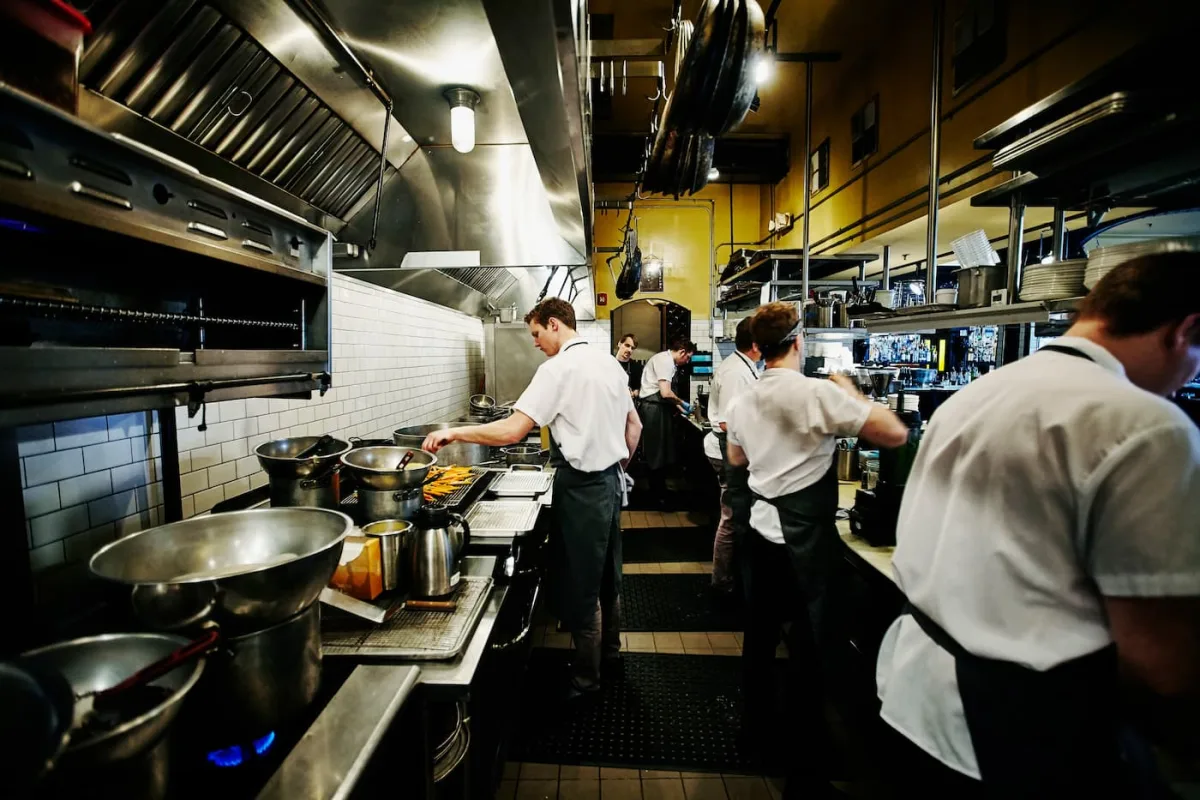
Let me tell you about the time I almost burned down my friend’s tiny ramen shop in Oakland. It was 2019, and I’d just moved from the Bay Area to Nashville, leaving behind a food scene that felt like my second home. My buddy Kenji had opened this little 12-seat spot called Golden Broth, and I’d offered to help during the lunch rush one Saturday. “How hard can it be?” I thought, rolling up my sleeves like some kind of culinary white knight. Famous last words.
Within twenty minutes, I’d managed to: 1) Set off the fire suppression system (twice), 2) Overcook 30 orders of chashu pork to the consistency of shoe leather, and 3) Nearly electrocute myself trying to adjust the wok burner. The health inspector showed up mid-service (unrelated, thank god), took one look at my “help,” and suggested Kenji might want to reconsider his staffing choices. That day taught me something crucial: Asian restaurant kitchens aren’t just about great recipes or skilled chefs. They’re about having the right commercial kitchen staples – the unsung workhorses that make the magic happen while preventing disasters like me from happening.
If you’re opening an Asian restaurant in 2026 – whether it’s a sleek sushi bar in Austin, a bustling dim sum palace in Chicago, or a late-night pho joint in Nashville like where I now live – your equipment choices will determine whether you’re celebrating your first anniversary or closing your doors before the paint dries. This isn’t just about having the fanciest gadgets; it’s about understanding which commercial kitchen equipment truly moves the needle for Asian cuisine. The kind that handles high volume without breaking, adapts to multiple cooking styles, and maybe – just maybe – prevents well-meaning idiots like me from burning the place down.
In this deep dive, we’ll explore the 10 essential pieces of equipment that separate thriving Asian restaurants from those that become cautionary tales. I’ll share what I’ve learned from chefs across the country, the mistakes I’ve made (and watched others make), and the hard-won wisdom about what actually matters when outfitting your kitchen. By the end, you’ll know exactly what to invest in, what to avoid, and how to set up your space for success – even if your only prior experience is burning microwave ramen.
The Foundation: Equipment That Handles Asian Cooking’s Unique Demands
1. The Wok Station: Where Most Western Kitchens Get It Wrong
Let’s start with the most iconic piece of Asian cooking equipment – the wok. But here’s the thing: most American restaurants treat woks like they’re just big frying pans. They’re not. A proper commercial wok station is a completely different beast, and getting it wrong is like trying to play baseball with a cricket bat. You might hit the ball, but you’re not going to win any games.
First, you need the right heat source. In most professional Asian kitchens, that means a high-BTU wok burner – we’re talking 100,000 to 150,000 BTUs minimum. These aren’t your standard restaurant range burners. They’re designed to create that signature “wok hei” – the breath of the wok – that gives stir-fried dishes their characteristic smoky, slightly charred flavor. I’ve seen too many restaurants try to cut corners with standard burners, only to end up with sad, steamed vegetables instead of proper stir-fries. The difference is night and day.
But the burner is just part of the equation. A proper wok station also includes:
- A custom-built wok range with a powerful exhaust hood designed specifically for the high heat and smoke wok cooking produces
- A round-bottom wok (14-16 inches is standard for most restaurants) paired with a well-seasoned carbon steel or cast iron wok
- A wok spatula with the right angle and weight for tossing ingredients without wrist strain
- Proper fuel delivery systems – natural gas is standard, but some high-volume operations use propane for even higher heat output
- A dedicated prep area right next to the wok station for mise en place (trust me, you don’t want to be running across the kitchen mid-service)
Is this the most expensive setup? Absolutely. Is it worth it? Only if you want your stir-fries to taste like they’re supposed to. I learned this the hard way when I tried to help Kenji cut costs by using a standard range. The first batch of kung pao chicken came out tasting like it had been boiled. The second batch set off the smoke alarm. The third batch… well, let’s just say the fire department has our number on speed dial now.
One thing I’m still torn about: whether to go with gas or induction wok burners. Gas gives you that authentic high heat, but induction is more energy-efficient and easier to clean. Some high-end places are experimenting with hybrid systems, but I haven’t seen enough long-term data to make a definitive recommendation. Maybe I should clarify that this is one area where you’ll need to do your own testing based on your specific menu and volume.
2. The Rice Cooker: Your Silent Workhorse (That’s Probably More Important Than Your Oven)
Here’s a question that might surprise you: What’s the most important piece of equipment in an Asian restaurant? If you said the wok, you’re wrong. If you said the deep fryer, still wrong. For most Asian cuisines, the humble commercial rice cooker is the true MVP of the kitchen. Think about it – how many dishes in your restaurant depend on perfectly cooked rice? Fried rice, donburi bowls, sushi, congee, the list goes on. Get the rice wrong, and your entire menu suffers.
But not all rice cookers are created equal. The cheap residential models you find at Asian markets? They’re fine for home use, but they won’t cut it in a restaurant setting. You need something that can handle high volume, maintain consistent quality, and – most importantly – keep the rice warm for hours without turning it into a mushy mess. Here’s what to look for:
- Capacity: For most restaurants, you’ll want at least a 30-cup (uncooked) model. High-volume places might need multiple 50-cup units or even larger.
- Heating system: Look for cookers with both direct and indirect heating elements. This ensures even cooking and prevents the dreaded “crust” at the bottom.
- Material: Stainless steel exteriors are durable and easy to clean. The inner pot should be non-stick and preferably made of thick aluminum for even heat distribution.
- Keep-warm function: This is crucial. The best commercial rice cookers can maintain perfect rice texture for 12+ hours.
- Programmability: Some high-end models allow you to program different rice types (jasmine, short-grain, brown rice) with specific cooking times and temperatures.
I’ll never forget the first time I saw a really good commercial rice cooker in action. It was at a tiny izakaya in San Francisco’s Japantown. The chef, a woman in her 60s who’d been cooking professionally since she was a teenager, showed me how she could cook 20 cups of rice to absolute perfection – every grain separate, with just the right amount of stickiness. Then she left it on the keep-warm setting for six hours, and when she served it, it was still perfect. No drying out, no mushiness. That’s when I realized that a great rice cooker isn’t just equipment; it’s an extension of the chef’s skill.
One thing that often gets overlooked: the importance of water quality. Hard water can affect rice texture, so many restaurants install water filtration systems specifically for their rice cookers. It’s one of those small details that makes a big difference in consistency.
3. The Steamers: Why Your Dim Sum Will Fail Without Them
If you’re planning to serve dim sum, bao, or any steamed dishes, your commercial steamers are non-negotiable. I’ve seen too many restaurants try to cut corners here, and it always ends the same way: soggy dumplings, collapsed buns, and disappointed customers. Steaming might seem simple, but doing it at restaurant volume requires the right equipment.
There are two main types of commercial steamers used in Asian restaurants:
- Compartment steamers: These are the workhorses of dim sum kitchens. They consist of stacked compartments (usually 3-6) that can be loaded with different items. The best ones have:
- Stainless steel construction for durability
- Individual compartment controls so you can steam different items at different times
- Powerful boilers that recover heat quickly between batches
- Easy-to-clean drainage systems
- Convection steamers: These are more versatile and can handle a wider range of dishes. They work by circulating steam around the food, which cooks more evenly and quickly. They’re great for:
- Large batches of dumplings
- Steamed fish
- Vegetables
- Even some desserts
One thing I’ve learned from dim sum chefs: the material of your steamer baskets matters. Bamboo baskets are traditional and look great, but they’re a pain to clean and maintain in a commercial setting. Most restaurants use stainless steel baskets with perforated bottoms. They’re durable, easy to sanitize, and they don’t absorb odors like bamboo can.
Here’s a pro tip I picked up from a Cantonese chef in Vancouver: always have a separate steamer dedicated to seafood. The flavors from fish and shellfish can linger, and you don’t want your delicate pork buns tasting like shrimp. It’s one of those small details that customers might not notice when it’s done right, but they’ll definitely notice when it’s wrong.
I’m still on the fence about whether to recommend gas or electric steamers. Gas models heat up faster and are often more powerful, but electric models are more energy-efficient and easier to install. Maybe I should clarify that this depends on your kitchen’s existing utilities and your specific menu needs.
The Power Players: Equipment That Handles High Volume Without Breaking
4. The Deep Fryer: Not Just for French Fries
When most people think of deep fryers in Asian restaurants, they picture tempura or maybe some spring rolls. But in reality, commercial deep fryers are workhorses that handle everything from crispy pork belly to youtiao (Chinese crullers) to perfectly fried wontons. The problem? Most restaurants don’t invest in fryers that can handle the unique demands of Asian frying.
First, let’s talk about oil capacity. Asian frying often involves multiple small batches of different items throughout service. You need a fryer with enough oil capacity to maintain consistent temperature between batches, but not so much that you’re wasting oil. For most restaurants, that means a 35-50 pound oil capacity per vat. High-volume places might need multiple vats or even a split vat fryer that allows you to fry different items simultaneously at different temperatures.
But capacity is just the beginning. Here’s what really matters:
- Temperature recovery: Asian frying often involves adding cold, wet ingredients to the oil. A good commercial fryer should recover to the set temperature within 1-2 minutes. If it takes longer, you’ll end up with greasy, soggy food.
- Filtration system: You’ll be frying a lot, which means you need to filter the oil frequently to maintain quality. Look for fryers with built-in filtration systems or easy-to-use portable filters.
- Basket size and shape: Standard fryer baskets are often too small for items like whole fish or large batches of spring rolls. Many Asian restaurants use custom baskets or even fry directly in the oil (with proper tools).
- Oil type compatibility: Some Asian frying techniques call for specific oils (like peanut oil for certain dishes). Make sure your fryer can handle the oil you plan to use.
One thing I wish I’d known earlier: the importance of oil quality. Cheap oil breaks down faster, which affects both flavor and food safety. Many Asian restaurants use high-oleic oils because they have a longer fry life and better heat stability. It’s a bit more expensive upfront, but it pays off in the long run.
I’m torn between recommending gas or electric fryers. Gas fryers heat up faster and are often more powerful, but electric fryers are more energy-efficient and easier to control. Maybe I should clarify that this depends on your kitchen’s existing utilities and your specific frying needs.
5. The Noodle Cooker: The Secret Weapon of Ramen Shops and Pho Houses
If you’re serving noodle dishes – whether it’s ramen, pho, udon, or any of the countless other Asian noodle varieties – your commercial noodle cooker might be the most important piece of equipment you buy. I learned this the hard way when I tried to help Kenji set up his ramen shop using standard stock pots. By the end of the first week, we’d ruined more noodles than I care to admit, and our wrists were permanently damaged from lifting heavy pots of boiling water.
A proper noodle cooker is essentially a large, specialized boiling station designed specifically for cooking noodles at high volume. Here’s what makes them different from standard boiling equipment:
- Capacity: Most commercial noodle cookers hold 20-40 gallons of water. This ensures you have enough volume to cook large batches without the water temperature dropping too much when you add the noodles.
- Powerful burners: Noodle cookers need high-BTU burners (often 100,000+ BTUs) to maintain a rolling boil even when you’re cooking multiple batches.
- Easy drainage: Look for models with built-in spigots or easy-to-use drainage systems. You’ll be draining and refilling these multiple times during service.
- Stainless steel construction: This is crucial for durability and easy cleaning. Some models even have double-walled construction to maintain water temperature better.
- Built-in timers: Some high-end models have timers to help you keep track of cooking times for different noodle types.
But here’s the thing most people don’t realize: noodle cookers aren’t just for noodles. In many Asian restaurants, they serve multiple purposes:
- Blanching vegetables
- Par-cooking proteins
- Making large batches of broth
- Even cleaning and sanitizing small equipment
I’ll never forget the first time I saw a really good noodle cooker in action. It was at a tiny ramen shop in Osaka, and the chef was cooking noodles for 50+ bowls during the lunch rush. The water never stopped boiling, the noodles came out perfect every time, and he never seemed rushed or stressed. That’s when I realized that a great noodle cooker isn’t just equipment – it’s the backbone of your noodle operation.
One thing that often gets overlooked: water quality. Hard water can affect noodle texture, so many restaurants install water softeners or filtration systems specifically for their noodle cookers. It’s one of those small details that makes a big difference in consistency.
6. The Refrigeration System: Where Most Asian Restaurants Cut Corners (And Regret It)
Here’s a hard truth: most Asian restaurants don’t invest enough in their commercial refrigeration. I get it – when you’re opening a restaurant, it’s tempting to skimp on things that don’t directly contribute to the food. But your refrigeration system is the unsung hero that keeps your ingredients fresh, your food safe, and your operation running smoothly. Cut corners here, and you’ll pay for it in spoiled ingredients, health code violations, and unhappy customers.
First, let’s talk about what makes Asian restaurant refrigeration different. Unlike many Western restaurants, Asian kitchens often deal with:
- A wider variety of fresh ingredients (many of which are highly perishable)
- Large quantities of prepped ingredients that need to stay fresh for service
- Specific temperature requirements for items like sushi-grade fish
- High humidity needs for certain vegetables and herbs
Here’s what you actually need:
- Walk-in cooler: This is non-negotiable for most restaurants. Look for:
- At least 8′ x 10′ for most operations (bigger if you’re doing high volume)
- Proper insulation (at least 4″ thick walls)
- A good refrigeration system that can maintain consistent temperatures
- Easy-to-clean floors and walls
- Proper shelving for organization
- Reach-in refrigerators: You’ll need several of these for different purposes:
- One near the prep area for ingredients that are used frequently
- One near the cooking stations for mise en place
- One dedicated to proteins (especially important for sushi restaurants)
- One for beverages and desserts
- Undercounter refrigerators: These are great for keeping frequently used items within easy reach at each station.
- Specialty refrigeration:
- Sushi display cases: If you’re serving sushi, you’ll need refrigerated display cases that keep the fish at the right temperature while still looking appealing to customers.
- Kimchi refrigerators: Many Korean restaurants use specialized refrigerators for fermenting and storing kimchi at the perfect temperature.
- Dough proofers: For restaurants that make their own dumpling wrappers or bao dough, a proofer with temperature and humidity control is essential.
One thing I’ve learned from working with Asian restaurants: organization is key. Many Asian ingredients look similar but have very different storage requirements. I’ve seen too many restaurants lose money because they stored fish next to tofu (which absorbs odors) or kept herbs in the wrong humidity conditions. Invest in good storage containers and label everything clearly.
Here’s a pro tip I picked up from a Chinese chef in New York: always have a separate refrigerator for seafood, especially if you’re serving sushi or sashimi. The flavors from fish can permeate other ingredients, and you don’t want your delicate vegetables tasting like the ocean. It’s one of those small details that customers might not notice when it’s done right, but they’ll definitely notice when it’s wrong.
I’m still on the fence about whether to recommend self-contained or remote refrigeration systems. Self-contained units are easier to install and maintain, but remote systems are more energy-efficient for large operations. Maybe I should clarify that this depends on your kitchen’s size and layout.
The Game Changers: Equipment That Gives You an Edge
7. The Food Processor: Why Your Knife Skills Don’t Matter (As Much As You Think)
Let me tell you something that might get me run out of some chef circles: your knife skills, while impressive, aren’t the most important factor in a busy Asian restaurant kitchen. What matters more? Having the right commercial food processor and knowing how to use it. I learned this the hard way when I tried to help Kenji prep 50 pounds of cabbage for kimchi using nothing but a chef’s knife. By the time I was done, my hands were blistered, my shoulders ached, and I’d only prepped about a quarter of what we needed.
A good commercial food processor is a game-changer for Asian restaurants. It can handle everything from chopping vegetables for stir-fries to grinding meat for dumplings to pureeing sauces. But not all food processors are created equal. Here’s what to look for:
- Motor power: For most Asian restaurants, you’ll want at least a 2-horsepower motor. This ensures you can handle tough jobs like grinding meat or processing large quantities of vegetables without burning out the motor.
- Capacity: Look for a bowl capacity of at least 4 quarts. Larger operations might need multiple processors or even a continuous-feed model that can handle large volumes without stopping.
- Attachments: The best commercial food processors come with a variety of attachments for different tasks:
- Slicing discs for vegetables
- Shredding discs for cabbage, carrots, etc.
- Grinding attachments for meat
- Julienne discs for garnishes
- Dough blades for making wrappers or noodles
- Durability: Commercial food processors take a beating. Look for models with stainless steel construction and heavy-duty motors.
- Safety features: This is crucial in a busy kitchen. Look for models with:
- Safety interlocks that prevent operation when the bowl isn’t properly attached
- Overload protection to prevent motor burnout
- Easy-to-clean designs to prevent cross-contamination
But here’s the thing most people don’t realize: food processors aren’t just for prep work. In many Asian restaurants, they’re used during service for tasks like:
- Making fresh sauces and pastes
- Grinding spices
- Preparing garnishes
- Even making noodle dough
I’ll never forget the first time I saw a really good commercial food processor in action. It was at a dim sum restaurant in Hong Kong, and the chef was using it to make har gow (shrimp dumpling) filling. He threw in whole shrimp, some pork fat, and a few other ingredients, and in less than a minute, he had perfectly ground filling ready for wrapping. No knives, no cutting boards, just pure efficiency. That’s when I realized that a great food processor isn’t just a tool – it’s a force multiplier for your kitchen.
One thing that often gets overlooked: the importance of proper maintenance. Food processors have a lot of moving parts, and they need regular cleaning and lubrication to keep running smoothly. Many restaurants neglect this, and then wonder why their processor starts making strange noises or stops working mid-service. Don’t be that restaurant.
I’m torn between recommending batch bowl processors or continuous-feed models. Batch processors are more versatile, but continuous-feed models are better for high-volume operations. Maybe I should clarify that this depends on your specific menu and volume needs.
8. The Dough Sheeter: The Secret to Perfect Dumplings and Bao
If you’re planning to serve dumplings, bao, or any other dishes that require thin, consistent wrappers, a commercial dough sheeter might be the best investment you make. I learned this the hard way when I tried to help Kenji make gyoza wrappers by hand. By the time we’d rolled out enough wrappers for 50 orders, my arms felt like they were going to fall off, and our wrappers were all different thicknesses. Some were so thick they wouldn’t cook properly; others were so thin they tore when we tried to fold them.
A dough sheeter is essentially a machine that rolls out dough to a consistent thickness. It might seem like a luxury, but in a busy restaurant, it’s a necessity. Here’s why:
- Consistency: A dough sheeter ensures every wrapper is the same thickness, which means they’ll all cook at the same rate. No more undercooked or overcooked dumplings.
- Speed: What takes an experienced chef 10 minutes to do by hand, a dough sheeter can do in 30 seconds.
- Labor savings: In a busy restaurant, the time you save on making wrappers can be better spent on other tasks.
- Versatility: Many dough sheeters can handle different types of dough, from the thin wrappers for dumplings to the thicker dough for bao.
Here’s what to look for in a commercial dough sheeter:
- Adjustable thickness: Look for a model that can roll dough from paper-thin (for dumplings) to about 1/4 inch thick (for bao).
- Width: For most Asian restaurants, a sheeter with a 16-20 inch width is ideal. This gives you enough room to roll out large sheets of dough.
- Speed: Look for a model with adjustable speed settings. You’ll want to start slow when the dough is thick, then increase speed as it gets thinner.
- Durability: Commercial dough sheeters take a beating. Look for models with stainless steel construction and heavy-duty motors.
- Safety features: This is crucial in a busy kitchen. Look for models with:
- Emergency stop buttons
- Safety guards to prevent hands from getting caught in the rollers
- Easy-to-clean designs to prevent dough buildup
- Ease of use: Some models have digital controls for precise thickness adjustments, while others use manual dials. Choose what works best for your staff.
But here’s the thing most people don’t realize: dough sheeters aren’t just for wrappers. In many Asian restaurants, they’re used for:
- Making noodles
- Rolling out flatbreads
- Preparing pastry dough for desserts
- Even making some types of crackers
I’ll never forget the first time I saw a really good commercial dough sheeter in action. It was at a dumpling house in Taipei, and the chef was using it to make wrappers for xiao long bao (soup dumplings). He fed a ball of dough into the machine, and out came a perfect sheet, ready to be cut into circles. The whole process took less than a minute, and the wrappers were absolutely consistent. That’s when I realized that a great dough sheeter isn’t just a tool – it’s the key to perfect dumplings every time.
One thing that often gets overlooked: the importance of proper dough preparation. A dough sheeter can only do so much – if your dough isn’t properly mixed or rested, even the best sheeter won’t save you. Many restaurants skip this step, and then wonder why their wrappers tear or don’t hold their shape. Don’t be that restaurant.
I’m still on the fence about whether to recommend manual or electric dough sheeters. Manual sheeters are more affordable and easier to maintain, but electric sheeters are faster and more consistent. Maybe I should clarify that this depends on your specific menu and volume needs.
9. The Induction Cooktop: The Modern Solution for Delicate Asian Cooking
I have to admit, when I first heard about commercial induction cooktops for Asian restaurants, I was skeptical. After all, traditional Asian cooking relies on high heat and the ability to quickly adjust temperatures – things that induction cooktops weren’t known for. But after seeing them in action in several high-end restaurants, I’ve become a believer. They’re not right for every application, but for certain tasks, they’re game-changers.
First, let’s talk about what induction cooking actually is. Unlike gas or electric cooktops that heat the cooking vessel indirectly, induction cooktops use electromagnetic energy to heat the pan directly. This means:
- Instant heat: Induction cooktops heat up almost instantly, and they cool down just as quickly.
- Precise control: You can adjust the temperature in very small increments, which is crucial for delicate Asian cooking techniques.
- Energy efficiency: Induction cooktops are about 90% energy-efficient, compared to about 55% for gas and 65% for electric.
- Safety: The cooktop itself doesn’t get hot – only the pan does. This reduces the risk of burns and makes the kitchen cooler.
- Easy cleaning: Since the cooktop doesn’t get hot, spills don’t burn on. You can wipe it clean with a damp cloth.
But here’s where induction cooktops really shine in Asian restaurants:
- Hot pot: Many modern hot pot restaurants use induction cooktops at each table. This allows customers to control their own cooking temperature, and it eliminates the safety concerns of open flames.
- Teppanyaki: Induction cooktops are perfect for teppanyaki-style cooking, where precise temperature control is crucial.
- Delicate sauces: For sauces that require gentle, even heating (like some Chinese sweet and sour sauces or Japanese teriyaki), induction cooktops are ideal.
- Banquet cooking: Many hotels and banquet halls use induction cooktops for their versatility and safety.
- Desserts: For delicate Asian desserts that require precise temperature control, induction cooktops are perfect.
Now, I know what you’re thinking: “But what about wok cooking? Induction can’t handle that, right?” You’re mostly correct. Traditional wok cooking with its high heat and tossing techniques is still best done on a gas wok burner. However, some manufacturers have developed induction wok burners that can reach very high temperatures. They’re not quite as powerful as gas, but they’re getting closer. And for restaurants that can’t install gas lines, they’re a viable alternative.
Here’s what to look for in a commercial induction cooktop:
- Power: For most Asian restaurant applications, you’ll want at least 3,500 watts. High-power models can go up to 5,000 watts or more.
- Temperature range: Look for a model that can maintain temperatures from about 140°F to 460°F. This gives you the range you need for most Asian cooking techniques.
- Pan detection: This safety feature automatically shuts off the cooktop if no pan is detected.
- Timer: Many induction cooktops have built-in timers, which are useful for precise cooking.
- Durability: Commercial induction cooktops take a beating. Look for models with stainless steel construction and heavy-duty glass tops.
- Ease of cleaning: Since induction cooktops don’t get hot, spills don’t burn on. Look for models with smooth, easy-to-clean surfaces.
One thing I’ve learned from working with Asian restaurants: induction cooktops are particularly popular in places with strict ventilation requirements. Since they don’t produce open flames or as much heat as gas burners, they’re often easier to get approved by building inspectors.
I’m still on the fence about whether induction cooktops will ever fully replace gas for traditional Asian cooking. The heat output and control just aren’t quite there yet for some techniques. But for many applications, they’re an excellent choice – especially as the technology continues to improve. Maybe I should clarify that this is one area where it’s worth experimenting to see what works best for your specific menu.
10. The Vacuum Sealer: The Secret to Freshness and Efficiency
If there’s one piece of equipment that most Asian restaurants overlook, it’s the commercial vacuum sealer. I get it – when you’re setting up a kitchen, it’s easy to focus on the flashy stuff like wok burners and noodle cookers. But a good vacuum sealer can be a game-changer for your operation. It can extend the shelf life of your ingredients, improve food safety, and even help you prep more efficiently.
First, let’s talk about why vacuum sealing is particularly important for Asian restaurants. Many Asian ingredients are highly perishable, and they often come in large quantities. Think about it:
- Fresh herbs like cilantro and Thai basil
- Seafood like shrimp and fish
- Meats like pork belly and chicken
- Prepared ingredients like dumpling fillings and sauces
- Even dry goods like rice and noodles
All of these can benefit from vacuum sealing. Here’s how:
- Extended shelf life: Vacuum sealing removes oxygen, which is what causes food to spoil. This can extend the shelf life of your ingredients by 3-5 times.
- Improved food safety: By removing oxygen, vacuum sealing also inhibits the growth of bacteria and mold.
- Better flavor: Vacuum sealing locks in the natural flavors of your ingredients, so they taste fresher when you’re ready to use them.
- Efficient prep: You can prep large quantities of ingredients in advance and vacuum seal them for later use. This saves time during service.
- Portion control: Vacuum sealing allows you to portion out ingredients in advance, which makes service faster and more consistent.
- Marinating: Vacuum sealing can speed up the marinating process by forcing the marinade into the meat.
But not all vacuum sealers are created equal. Here’s what to look for in a commercial model:
- Chamber vs. nozzle: There are two main types of vacuum sealers:
- Nozzle sealers: These are more affordable and easier to use, but they can only seal bags that have a special channel for the nozzle.
- Chamber sealers: These are more expensive and take up more space, but they can seal any type of bag and are better for liquids.
For most Asian restaurants, a chamber sealer is the better choice because it can handle liquids (like sauces and marinades) and is more versatile.
- Size: Commercial vacuum sealers come in different sizes. For most restaurants, a model with a chamber that’s at least 12″ x 15″ is ideal.
- Power: Look for a model with a strong vacuum pump. This ensures a tight seal every time.
- Durability: Commercial vacuum sealers take a beating. Look for models with stainless steel construction and heavy-duty components.
- Ease of use: Some models have digital controls for precise vacuum and seal times, while others use manual dials. Choose what works best for your staff.
- Ease of cleaning: Vacuum sealers can get messy, especially when sealing liquids. Look for models with easy-to-clean surfaces and removable drip trays.
One thing I’ve learned from working with Asian restaurants: vacuum sealing is particularly useful for:
- Sous vide cooking: Many Asian restaurants use vacuum sealing for sous vide cooking, which allows for precise temperature control and perfect doneness every time.
- Marinating: Vacuum sealing can speed up the marinating process by forcing the marinade into the meat. This is particularly useful for dishes like bulgogi or char siu.
- Prep work: You can prep large quantities of ingredients in advance and vacuum seal them for later use. This is great for items like dumpling fillings, sauces, and even whole dishes.
- Storage: Vacuum sealing extends the shelf life of your ingredients, which reduces waste and saves money.
I’ll never forget the first time I saw a really good commercial vacuum sealer in action. It was at a high-end Chinese restaurant in San Francisco, and the chef was using it to prepare ingredients for a banquet. He vacuum sealed everything – from whole ducks to individual portions of sauce – and the difference in quality was amazing. The ingredients stayed fresh longer, the flavors were more intense, and the prep work was much more efficient. That’s when I realized that a great vacuum sealer isn’t just a tool – it’s a secret weapon for your kitchen.
One thing that often gets overlooked: the importance of proper bag selection. Not all vacuum sealer bags are created equal. Some are better for liquids, some are better for dry goods, and some are better for freezing. Many restaurants use the wrong type of bag and then wonder why their vacuum-sealed items aren’t staying fresh. Don’t be that restaurant.
I’m torn between recommending chamber sealers or nozzle sealers. Chamber sealers are more versatile, but nozzle sealers are more affordable and take up less space. Maybe I should clarify that this depends on your specific needs and budget.
Putting It All Together: How to Outfit Your Asian Restaurant Kitchen for Success
So, you’ve read through all this information about commercial kitchen staples for Asian restaurant success, and now you’re probably wondering: where do I even start? How do I prioritize all these equipment needs? How much is this going to cost? And most importantly, how do I avoid making the same mistakes I did when I nearly burned down my friend’s ramen shop?
First, let me say this: outfitting a restaurant kitchen is overwhelming, no matter how much experience you have. I’ve been in this industry for years, and I still get that pit in my stomach when I walk into a new kitchen and see all the possibilities – and all the potential pitfalls. The key is to approach this systematically, with a clear understanding of your menu, your volume, and your budget.
Here’s how I recommend tackling this:
Step 1: Start with Your Menu
Before you buy a single piece of equipment, you need to have a clear understanding of what you’ll be serving. This might seem obvious, but I’ve seen too many restaurants make the mistake of buying equipment based on what they think they might serve in the future, rather than what they know they’ll serve on day one.
Sit down with your menu and ask yourself these questions:
- What are your signature dishes? These should dictate your equipment priorities.
- What cooking techniques will you be using most frequently? (Stir-frying, steaming, deep-frying, etc.)
- What ingredients will you be using in large quantities? (Rice, noodles, dumpling wrappers, etc.)
- What dishes require specialized equipment? (Sushi, hot pot, teppanyaki, etc.)
- What’s your projected volume? This will determine the size and capacity of your equipment.
For example, if you’re opening a ramen shop, your priorities might be:
- A high-quality noodle cooker
- A powerful wok station for stir-frying toppings
- A commercial rice cooker for rice bowls
- Good refrigeration for ingredients
- A food processor for prep work
If you’re opening a dim sum restaurant, your priorities might be:
- A multi-compartment steamer
- A dough sheeter for wrappers
- A deep fryer for items like spring rolls
- A wok station for stir-fried dishes
- Good refrigeration for ingredients
Step 2: Consider Your Space
One of the biggest mistakes I see restaurants make is buying equipment without considering their physical space. Asian restaurant kitchens often have unique layouts that need to accommodate multiple cooking techniques in a relatively small area. Before you buy anything, you need to:
- Measure your space carefully, including ceiling height and door widths.
- Consider the workflow of your kitchen. Where will ingredients come in? Where will dishes go out? How will staff move between stations?
- Think about ventilation. Asian cooking often produces a lot of smoke and steam, which means you’ll need a powerful exhaust system.
- Consider utilities. Do you have the gas lines, electrical capacity, and water supply to support your equipment?
I learned this the hard way when I helped a friend set up a small sushi bar. We bought a beautiful sushi display case, only to realize that it wouldn’t fit through the kitchen door. We ended up having to return it and buy a smaller model, which wasn’t ideal for our volume. Measure twice, buy once.
Step 3: Set a Budget (And Stick to It)
Let’s be real: outfitting a restaurant kitchen is expensive. Really expensive. And it’s easy to get carried away with all the shiny equipment options. But here’s the thing: you don’t need to buy everything at once. In fact, I recommend starting with the essentials and adding equipment as your business grows.
Here’s a rough breakdown of how to prioritize your spending:
- Essential equipment: These are the items you absolutely need to open your doors. For most Asian restaurants, this includes:
- Cooking equipment (wok station, steamers, fryers, etc.)
- Refrigeration
- Prep equipment (food processor, cutting boards, knives, etc.)
- Storage (shelving, containers, etc.)
- Important but not essential: These are items that will make your life easier but aren’t strictly necessary to open. This might include:
- Dough sheeter
- Vacuum sealer
- Specialty equipment for specific dishes
- Nice to have: These are items that can wait until you’re more established. This might include:
- High-end induction cooktops
- Specialty display cases
- Automated equipment
One thing I’ve learned from working with restaurants: it’s better to buy one really good piece of equipment than three mediocre ones. For example, a high-quality wok burner will last you years and produce better food than a cheap one that breaks down after six months. Invest in quality where it counts.
Step 4: Think About Maintenance
Here’s something that most new restaurant owners don’t consider: equipment maintenance. Commercial kitchen equipment takes a beating, and if you don’t take care of it, it will break down – often at the worst possible time. Before you buy anything, ask yourself:
- How easy is this equipment to clean?
- What kind of maintenance does it require?
- Are replacement parts readily available?
- Does the manufacturer offer good customer support?
- What’s the warranty like?
I can’t tell you how many restaurants I’ve seen struggle because they bought cheap equipment that was difficult to maintain. One friend of mine bought a used wok burner from an auction site, only to realize that the manufacturer had gone out of business and replacement parts were impossible to find. He ended up having to replace the entire unit after just a few months.
Here’s a pro tip: build a relationship with a good restaurant equipment repair company before you open. They can help you with installation, maintenance, and repairs, and they’ll be a lifesaver when something breaks down mid-service.
Step 5: Plan for Growth
Finally, think about how your equipment needs might change as your business grows. What works for a small, 30-seat restaurant might not work for a larger operation. When you’re buying equipment, ask yourself:
- Can this equipment handle higher volume if my business grows?
- Is this equipment versatile enough to adapt to menu changes?
- Can I add more units of this equipment if I need to?
- Is this equipment scalable?
For example, if you’re starting with a small noodle shop, you might buy one noodle cooker. But if you plan to expand, you might want to buy a model that can be linked with additional units as your volume increases. Similarly, if you’re starting with a small wok station, you might want to leave room in your kitchen for additional wok burners as your business grows.
The Bottom Line: It’s About More Than Just Equipment
As I sit here in my home office in Nashville, with Luna the cat curled up on my lap and the sounds of the city drifting in through the window, I can’t help but reflect on how much I’ve learned about commercial kitchen staples for Asian restaurant success since that disastrous day in Kenji’s ramen shop. The truth is, while having the right equipment is crucial, it’s not the whole story. The best-equipped kitchen in the world won’t save a restaurant with poor management, bad food, or lousy service.
But here’s what the right equipment will do: it will give you the foundation you need to execute your vision consistently, efficiently, and safely. It will help you turn out dish after dish of high-quality food, even during the busiest rushes. It will make your staff’s jobs easier and your customers happier. And maybe, just maybe, it will prevent well-meaning idiots like me from nearly burning the place down.
So, if you’re opening an Asian restaurant in 2026, take the time to invest in the right equipment. Start with the essentials, prioritize quality over quantity, and don’t be afraid to ask for help. Talk to other restaurant owners, consult with equipment specialists, and visit other kitchens to see what works and what doesn’t. And remember: every piece of equipment is just a tool. It’s what you do with it that matters.
Now, if you’ll excuse me, I need to go check on the batch of kimchi I’ve got fermenting in the fridge. Luna keeps giving me the side-eye every time I open the door, like she’s judging my fermentation skills. Maybe I should invest in a better kimchi refrigerator… but that’s a story for another article.
FAQ: Your Burning Questions About Asian Restaurant Equipment
Q: I’m on a tight budget. What’s the one piece of equipment I absolutely shouldn’t skimp on?
A: If I had to pick just one, I’d say your wok station. A proper high-BTU wok burner with good ventilation is the heart of most Asian kitchens. You can get by with cheaper versions of other equipment, but a subpar wok setup will affect the quality of your food and the efficiency of your kitchen. That said, if you’re not serving many stir-fried dishes, your priorities might be different. For a ramen shop, I’d say the noodle cooker is non-negotiable. For a dim sum restaurant, it’s the steamers. Think about what’s central to your menu and invest there first.
Q: I’ve heard that induction cooktops are the future. Should I go all-in on induction for my new restaurant?
A: Induction cooktops are amazing for certain applications, but they’re not a complete replacement for gas – at least not yet. For delicate cooking, precise temperature control, and energy efficiency, induction is hard to beat. But for traditional wok cooking, high-heat stir-frying, and some other Asian techniques, gas still has the edge. Many restaurants are using a hybrid approach, with gas for high-heat cooking and induction for everything else. My advice? Experiment with both before you commit. Some manufacturers offer demo units, and many restaurant equipment suppliers will let you test equipment before you buy.
Q: How do I know if I need a walk-in cooler or if reach-in refrigerators will be enough?
A: This is one of the most common questions I get, and the answer depends on several factors. As a general rule, if you’re storing more than about 50 cubic feet of refrigerated ingredients, a walk-in cooler is probably worth the investment. Other signs you might need a walk-in:
- You’re receiving large deliveries of perishable ingredients (like weekly seafood orders)
- You’re doing a lot of prep work in advance
- You need to store large items (like whole fish or large cuts of meat)
- You’re running out of space in your reach-in refrigerators
That said, walk-in coolers are expensive to install and maintain, and they take up a lot of space. If you’re a small operation with limited storage needs, reach-in refrigerators might be sufficient. Many restaurants start with reach-ins and add a walk-in later as their business grows. One thing to consider: walk-ins are more energy-efficient for large volumes, so if you’re storing a lot of ingredients, a walk-in might actually save you money in the long run.
Q: I’m opening a small sushi bar. What equipment do I absolutely need that might not be obvious?
A: Great question! Sushi restaurants have some unique equipment needs that aren’t always obvious to newcomers. Here are a few things you might not have considered:
- Rice mixer: Sushi rice needs to be mixed with vinegar, sugar, and salt while it’s still warm. A rice mixer does this quickly and evenly, which is crucial for consistent flavor and texture.
- Fish scalers and filleting knives: If you’re breaking down whole fish, you’ll need specialized tools. A good fish scaler will save you time and mess, and the right filleting knives will make your job much easier.
- Sushi rice cooker: While a standard rice cooker can work, many sushi restaurants use specialized sushi rice cookers that have features like automatic vinegar mixing and precise temperature control.
- Refrigerated sushi display case: This isn’t just for show – it keeps your fish at the right temperature while still looking appealing to customers. Look for models with good humidity control to prevent the fish from drying out.
- Neta tray refrigerators: These are specialized refrigerators designed to store sushi toppings (neta) at the perfect temperature. They often have multiple compartments with different temperature zones.
- Wasabi grater: Fresh wasabi is a game-changer for sushi, but it’s tricky to grate by hand. A specialized wasabi grater will give you better results with less effort.
- Sushi mat press: If you’re making pressed sushi (like oshi sushi), a sushi mat press will help you achieve the perfect shape and texture.
One thing that often gets overlooked: the importance of proper fish storage. Sushi-grade fish needs to be stored at very specific temperatures, and it’s crucial to prevent cross-contamination. Many sushi restaurants use separate refrigerators for different types of fish, and some even have specialized fish storage rooms with precise temperature and humidity control. Don’t cut corners here – the quality and safety of your fish is paramount.
@article{the-unsung-heroes-of-asian-restaurant-kitchens-10-commercial-staples-that-make-or-break-your-success,
    title   = {The Unsung Heroes of Asian Restaurant Kitchens: 10 Commercial Staples That Make or Break Your Success},
    author  = {Chef's icon},
    year    = {2026},
    journal = {Chef's Icon},
    url     = {https://chefsicon.com/commercial-kitchen-staples-for-asian-restaurant-success/}
}