The Best Fluffy Pancakes recipe you will fall in love with. Full of tips and tricks to help you make the best pancakes.
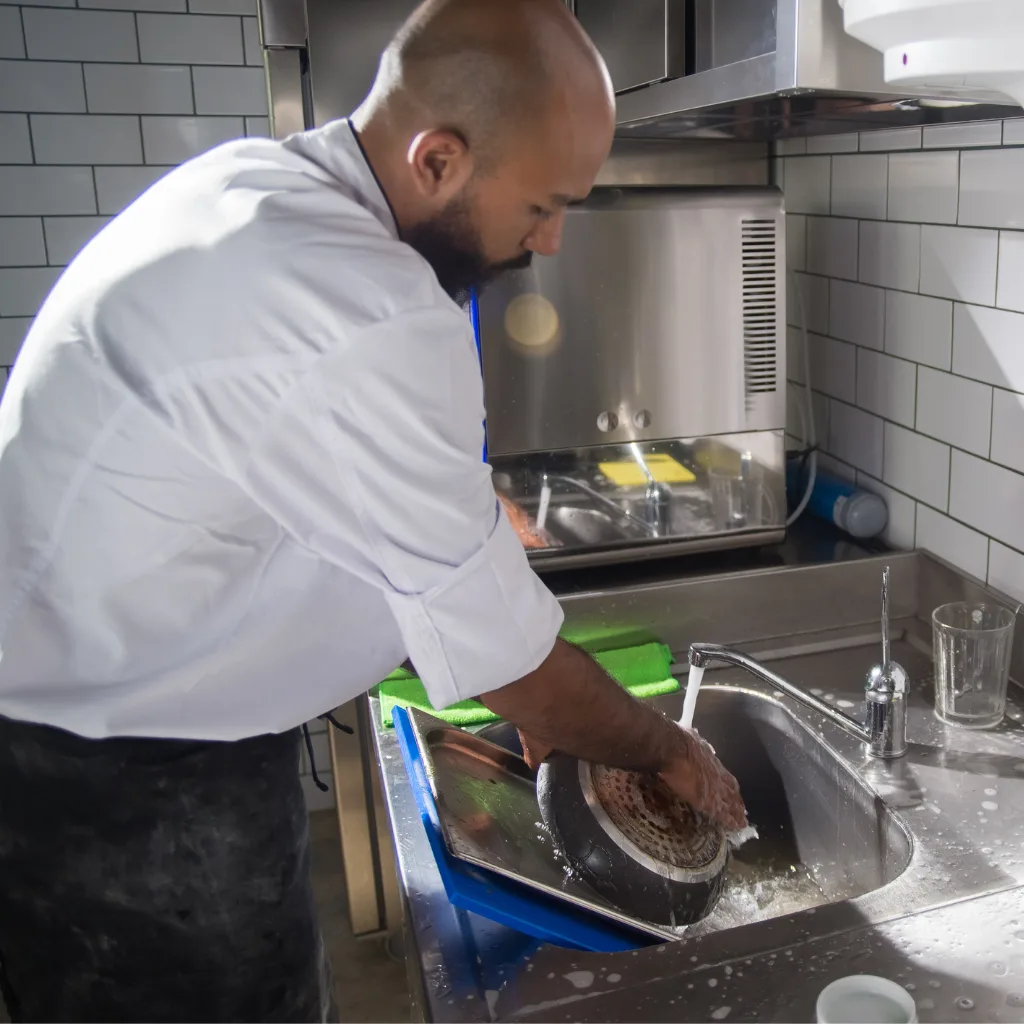
Let me tell you something, if you’ve ever worked in a commercial kitchen, you know the drill. The rush, the heat, the constant pressure to deliver perfection in a chaotic environment. It’s exhilarating, sure, but it’s also a one-way ticket to burnout if you’re not careful. And here’s the thing: burnout doesn’t just affect the individual. It ripples through the entire team, the quality of the food, and ultimately, the success of the business. So, how do you prevent it? How do you keep your staff motivated, engaged, and, dare I say, happy in an industry that’s notorious for chewing people up and spitting them out?
I’ve been around the block a few times, both in kitchens and behind the scenes in food service management. I’ve seen the good, the bad, and the downright ugly when it comes to staff morale. And let me be real with you: there’s no magic bullet. But there are strategies, practical, actionable, and sometimes counterintuitive, that can make a world of difference. That’s what we’re diving into today. By the end of this, you’ll have a toolkit to not only prevent burnout but also foster a kitchen culture that people actually want to be a part of. Sound good? Let’s get into it.
Oh, and before we go any further, full disclosure, I’m not a therapist, a psychologist, or even a full-time chef. I’m just a guy who’s spent way too much time in kitchens, talking to chefs, line cooks, and managers about what works and what doesn’t. So take this with a grain of salt, but also with the understanding that these tips come from real people who’ve been in the trenches. Alright, enough preamble. Let’s talk about preventing staff burnout in commercial kitchens.
The Burnout Epidemic: Why Commercial Kitchens Are a Pressure Cooker
First, let’s address the elephant in the room. Burnout isn’t just a buzzword; it’s a real, documented phenomenon that’s especially prevalent in high-stress industries like food service. According to the World Health Organization, burnout is characterized by three dimensions: feelings of energy depletion or exhaustion, increased mental distance from one’s job (or feelings of negativism or cynicism related to one’s job), and reduced professional efficacy. Sound familiar?
In commercial kitchens, burnout isn’t just common, it’s almost expected. The long hours, the physical demands, the relentless pace, and the high stakes (because, let’s face it, people get very opinionated about their food) create a perfect storm for exhaustion. And here’s the kicker: burnout doesn’t just affect the individual. It spreads. A burnt-out chef snaps at their team, the team’s morale dips, service suffers, customers complain, and suddenly, you’ve got a full-blown crisis on your hands. It’s a vicious cycle, and breaking it requires intention, effort, and a willingness to challenge the status quo.
So, why does this happen? Is it just the nature of the beast? Partly, yes. But that doesn’t mean we’re powerless to change it. The first step in preventing staff burnout is understanding the root causes. Let’s break it down:
- Unrealistic Expectations: The idea that chefs and kitchen staff should work 80-hour weeks, sacrifice their personal lives, and never complain is outdated and toxic. Yet, it’s still pervasive in many kitchens. This “tough it out” mentality is a one-way ticket to burnout.
- Lack of Control: When staff feel like they have no say in their schedules, their workload, or even their creative input, it breeds resentment and disengagement. Autonomy is a basic psychological need, and denying it is a surefire way to burn people out.
- Poor Work-Life Balance: This one’s a doozy. In an industry where “the customer is always right” and “the show must go on,” personal time often takes a backseat. But here’s the thing: no one can pour from an empty cup. If your staff are constantly sacrificing their personal lives for the job, they will burn out.
- Lack of Recognition: Let’s be honest, how often do we celebrate the small wins in the kitchen? A perfectly executed service, a well-organized prep station, or even just showing up on time (because, let’s face it, that’s not always a given) often go unnoticed. Recognition doesn’t have to be grand, but it does have to be genuine.
- Physical and Mental Exhaustion: The physical demands of a commercial kitchen are no joke. Standing for 12+ hours, lifting heavy pots, working in extreme heat, it takes a toll. And that’s not even touching on the mental load of remembering orders, managing timing, and dealing with the occasional irate customer. It’s a lot.
Okay, so now we know the problem. But knowing the problem is only half the battle. The real question is: what do we do about it? How do we create a kitchen environment that doesn’t just survive but thrives? Let’s dive into some practical strategies.
1. Rethinking the Kitchen Hierarchy: Why the Old Model Is Broken
Let’s talk about the traditional kitchen hierarchy. You know the one, the brigade system, where the executive chef is at the top, followed by the sous chef, line cooks, prep cooks, and so on. It’s a system that’s been around for centuries, and in many ways, it works. It creates structure, accountability, and a clear chain of command. But here’s the thing: it’s also a breeding ground for burnout, especially at the lower levels.
In the traditional model, the people at the bottom, the prep cooks, the dishwashers, the newbies, often bear the brunt of the grunt work with little recognition or upward mobility. They’re expected to “pay their dues,” which often translates to long hours, low pay, and minimal respect. And let’s be real: that’s not sustainable. People don’t stick around in environments where they feel like cogs in a machine. They burn out, they quit, and suddenly, you’re left scrambling to fill positions.
So, what’s the alternative? Is there a way to maintain structure while also fostering a culture of respect and growth? I think so. Here are a few ideas:
- Flatten the Hierarchy (Slightly): I’m not suggesting we do away with titles or responsibilities, but maybe it’s time to rethink how we treat the people at the “bottom.” What if prep cooks had more input in menu planning? What if dishwashers were given opportunities to cross-train in other areas? Small changes like these can make a big difference in how valued people feel.
- Rotate Roles: Sticking someone in the same role day in and day out is a recipe for burnout. Rotating roles not only keeps things fresh but also helps staff develop new skills. Plus, it fosters empathy, when a line cook spends a day washing dishes, they’re less likely to snap at the dishwasher for not keeping up.
- Encourage Mentorship: Pairing newer staff with experienced mentors can help them feel more supported and less like they’re drowning. Mentorship isn’t just about teaching skills; it’s about building relationships and creating a sense of belonging.
Is this the best approach? Let’s consider the counterargument. Some might say that flattening the hierarchy or rotating roles could lead to confusion or inefficiency. And they’re not wrong, change can be messy. But here’s the thing: the current system isn’t working either. If we’re losing talented staff to burnout, isn’t it worth experimenting with something new?
Maybe I should clarify: I’m not suggesting we throw the baby out with the bathwater. The brigade system has its merits, and structure is important. But structure without flexibility is a recipe for disaster. The key is finding a balance, one that respects tradition while also adapting to the needs of modern staff.
2. The Power of Scheduling: Why Your Staff’s Time Is More Valuable Than You Think
Let’s talk about scheduling. If you’ve ever worked in a kitchen, you know that scheduling can make or break your week. A good schedule can leave you feeling energized and balanced; a bad one can leave you exhausted, resentful, and counting down the minutes until your shift ends. And yet, despite how crucial scheduling is to preventing staff burnout, it’s often treated as an afterthought.
Here’s the hard truth: if you’re still using paper schedules or last-minute text messages to organize your team, you’re doing it wrong. Not only is it inefficient, but it also sends a message to your staff that their time isn’t valued. And when people feel like their time isn’t valued, they check out. They show up late, they call in sick, they quit. It’s a domino effect, and it starts with the schedule.
So, what’s the solution? How do you create a schedule that works for everyone-the business, the staff, and even the customers? It’s not easy, but it’s doable. Here are a few tips:
- Use Scheduling Software: There are plenty of tools out there designed specifically for restaurant scheduling. These tools can help you create fair, balanced schedules that take into account your staff’s availability, preferences, and even their skill sets. Plus, they make it easy to swap shifts, request time off, and communicate changes. It’s a game-changer.
- Give Staff Control Over Their Schedules: This one’s a biggie. When staff have no say in their schedules, they feel powerless. But when they can request time off, swap shifts with coworkers, or even set their availability, they feel more in control of their lives. And when people feel in control, they’re less likely to burn out.
- Plan Ahead: Last-minute scheduling is the enemy of work-life balance. If your staff don’t know their schedules until a few days before the week starts, how can they plan their lives? Aim to post schedules at least two weeks in advance. It’s not always possible, but it’s a goal worth striving for.
- Respect Time Off: This should go without saying, but it’s worth repeating: when someone requests time off, respect it. Unless it’s an absolute emergency, there’s no excuse for denying a request for a day off. People need time to recharge, and denying that time is a surefire way to burn them out.
Now, I know what you’re thinking: “Sammy, this all sounds great, but what about the business? What about the customers? What about the bottom line?” And you’re right, scheduling isn’t just about making staff happy. It’s about creating a system that works for everyone. But here’s the thing: happy staff = happy customers = happy business. It’s not rocket science.
I’m torn between the ideal and the reality here. On one hand, I want to say that scheduling should be a collaborative, flexible process. On the other hand, I know that restaurants are businesses, and sometimes, the needs of the business have to come first. But ultimately, I think there’s a middle ground. A schedule that respects both the needs of the staff and the needs of the business isn’t just possible, it’s necessary for long-term success.
3. The Importance of Breaks: Why You’re Probably Doing It Wrong
Breaks. They’re such a simple concept, and yet, in the fast-paced world of commercial kitchens, they’re often the first thing to go. How many times have you seen a line cook skip their break because the kitchen was “too busy”? How many times have you done it yourself? I’ll admit it, I’ve been there. You tell yourself you’ll take a break “when things slow down,” but let’s be real: in a busy kitchen, things never slow down. And before you know it, you’ve worked a 10-hour shift without so much as a sip of water.
Here’s the thing: breaks aren’t a luxury. They’re a necessity. Studies have shown that taking regular breaks improves focus, productivity, and even creativity. And yet, in an industry where “hustle culture” is glorified, breaks are often seen as a sign of weakness. That’s a problem. A big one.
So, how do you make breaks a non-negotiable part of your kitchen culture? It starts with leadership. If the head chef is skipping breaks, the rest of the team will follow suit. But if the head chef is enforcing breaks and leading by example, the culture shifts. Here’s how to make it happen:
- Schedule Breaks: This might sound obvious, but it’s worth saying: breaks should be scheduled into the shift. Just like you schedule prep time or service, you should schedule breaks. And once they’re scheduled, they should be treated as non-negotiable.
- Create a Break Space: If your staff are taking breaks in the walk-in or on a milk crate in the corner, you’re doing it wrong. Create a designated break space, somewhere comfortable, clean, and away from the chaos of the kitchen. It doesn’t have to be fancy, but it should be a place where people can actually relax.
- Encourage Real Breaks: A “break” where someone is scarfing down a sandwich while still keeping an eye on the line isn’t a break. A real break means stepping away from the kitchen, sitting down, and disconnecting for a few minutes. Encourage your staff to do just that.
- Lead by Example: If you’re the head chef or manager, your behavior sets the tone. If you’re skipping breaks, your staff will too. But if you’re taking your breaks and encouraging others to do the same, it sends a message that breaks are important.
I’ll be honest, I used to think breaks were a waste of time. “We’re too busy for breaks,” I’d tell myself. “The kitchen needs me.” But here’s the thing: the kitchen doesn’t need you if you’re burnt out. It doesn’t need you if you’re making mistakes because you’re exhausted. It doesn’t need you if you’re snapping at your team because you’re running on fumes. Breaks aren’t a waste of time; they’re an investment in your team’s well-being and the success of the business.
Maybe I should clarify: I’m not saying breaks should be long or frequent. Even a 10-minute break every few hours can make a world of difference. The key is consistency. Make breaks a regular part of the shift, and enforce them like you would any other part of the schedule.
4. Communication: The Glue That Holds Your Team Together
Let’s talk about communication. Or, more specifically, the lack thereof. How many times have you worked in a kitchen where the left hand doesn’t know what the right hand is doing? Where the chef is barking orders, the line cooks are scrambling, and the dishwasher is left wondering what the hell is going on? It’s chaotic, it’s stressful, and it’s a breeding ground for burnout.
Good communication is the glue that holds a team together. It reduces stress, prevents mistakes, and fosters a sense of camaraderie. But in a fast-paced kitchen, communication often takes a backseat to speed and efficiency. And that’s a mistake. Because when communication breaks down, everything else follows.
So, how do you improve communication in a commercial kitchen? It’s not as hard as you might think. Here are a few strategies:
- Start with a Pre-Shift Meeting: A quick 10-minute meeting before the shift starts can work wonders. Use this time to go over the menu, assign roles, and address any questions or concerns. It’s a small investment that pays off in spades.
- Use Clear, Concise Language: In a busy kitchen, there’s no time for long-winded explanations. Use clear, concise language to communicate orders, changes, and expectations. And for the love of all that is holy, avoid yelling. Yelling is not communication; it’s just noise.
- Encourage Questions: A culture where questions are discouraged is a culture where mistakes happen. Encourage your staff to ask questions, even if they seem “stupid.” It’s better to ask a question than to assume and get it wrong.
- Give Feedback (the Right Way): Feedback is crucial, but it has to be done right. Criticism should be constructive, specific, and delivered in a way that doesn’t demoralize the recipient. And don’t forget to give positive feedback too. A little recognition goes a long way.
- Listen: Communication is a two-way street. If your staff are trying to tell you something, listen. Even if you don’t agree, hearing them out can prevent resentment and foster a sense of respect.
I’m torn between the ideal and the reality here. On one hand, I want to say that communication should be open, honest, and frequent. On the other hand, I know that in a busy kitchen, there’s not always time for long conversations. But here’s the thing: communication doesn’t have to be time-consuming. A quick check-in, a clear instruction, a word of encouragement, these things take seconds but can make a world of difference.
Maybe I should clarify: good communication isn’t about talking more; it’s about talking better. It’s about being clear, concise, and respectful. It’s about creating a culture where people feel heard and valued. And it’s about recognizing that communication isn’t just a tool for getting things done, it’s a tool for preventing staff burnout.
5. Training and Development: Why Investing in Your Staff Pays Off
Let’s talk about training. Or, more specifically, the lack thereof. How many times have you seen a new hire thrown into the deep end with little to no training? How many times have you been that new hire? It’s a common story in the restaurant industry, and it’s a huge contributor to burnout. When people feel unprepared, overwhelmed, and unsupported, they burn out fast.
Training isn’t just about teaching someone how to do their job. It’s about setting them up for success. It’s about giving them the tools they need to feel confident, competent, and valued. And when people feel confident, competent, and valued, they’re less likely to burn out. It’s that simple.
So, how do you create a training program that actually works? It starts with intention. Here are a few tips:
- Start with the Basics: Before you throw someone into the fire, make sure they understand the basics. This includes everything from kitchen safety and hygiene to the layout of the kitchen and the flow of service. It might seem like overkill, but trust me, it’s worth it.
- Use a Buddy System: Pairing a new hire with an experienced mentor can make all the difference. The mentor can show them the ropes, answer questions, and provide support. Plus, it fosters a sense of camaraderie and teamwork.
- Break It Down: Training doesn’t have to happen all at once. Break it down into manageable chunks, and give the new hire time to absorb the information. Rushing through training is a recipe for disaster.
- Provide Written Materials: Sometimes, people learn better by reading than by doing. Provide written materials, cheat sheets, manuals, or even just notes, that the new hire can refer back to. It’s a small thing, but it can make a big difference.
- Encourage Questions: A culture where questions are discouraged is a culture where mistakes happen. Encourage your staff to ask questions, even if they seem “stupid.” It’s better to ask a question than to assume and get it wrong.
- Offer Ongoing Training: Training shouldn’t stop after the first week. Offer ongoing training opportunities, workshops, cross-training, or even just informal learning sessions. The more skills your staff have, the more valuable they are to the team.
I’ll be honest, I used to think training was a waste of time. “They’ll learn on the job,” I’d tell myself. But here’s the thing: learning on the job is stressful. It’s overwhelming. It’s a surefire way to burn out new hires before they even get started. Training isn’t a waste of time; it’s an investment in your team’s success.
Maybe I should clarify: training doesn’t have to be formal or time-consuming. It can be as simple as a quick demo, a written guide, or a shadowing session. The key is to make it intentional. Give your staff the tools they need to succeed, and they’ll reward you with loyalty, hard work, and, most importantly, longevity.
6. The Role of Leadership: Why Your Behavior Sets the Tone
Let’s talk about leadership. Or, more specifically, the lack thereof. How many times have you worked in a kitchen where the leadership was more of a hindrance than a help? Where the chef was more concerned with their ego than the well-being of the team? Where the manager was absent, disengaged, or just plain toxic? It’s a common story, and it’s a huge contributor to burnout.
Leadership isn’t just about giving orders. It’s about setting the tone, fostering a positive culture, and creating an environment where people feel valued and supported. And when leadership fails, the entire team suffers. Burnout spreads, morale dips, and turnover skyrockets. It’s a recipe for disaster.
So, what does good leadership look like in a commercial kitchen? It’s not as complicated as you might think. Here are a few key traits:
- Lead by Example: If you want your team to work hard, show up on time, and treat each other with respect, you have to do the same. Your behavior sets the tone for the entire kitchen. If you’re skipping breaks, snapping at staff, or cutting corners, your team will follow suit.
- Be Present: Good leaders are present. They’re engaged, they’re available, and they’re willing to roll up their sleeves and help when needed. If you’re constantly holed up in your office or too busy to check in with your team, you’re not leading, you’re managing. And there’s a difference.
- Communicate: We’ve already talked about the importance of communication, but it bears repeating. Good leaders communicate clearly, consistently, and respectfully. They listen to their team, they provide feedback, and they foster an environment where people feel heard.
- Show Appreciation: A little recognition goes a long way. Good leaders show appreciation for their team’s hard work, whether it’s a simple “thank you,” a shout-out in a team meeting, or even just a pat on the back. People want to feel valued, and it’s your job as a leader to make that happen.
- Be Fair: Nothing breeds resentment faster than favoritism. Good leaders treat everyone on the team with the same level of respect, regardless of their role or experience. They enforce rules consistently, they give everyone a chance to shine, and they don’t play favorites.
- Invest in Your Team: Good leaders invest in their team’s growth and development. They provide training, they offer opportunities for advancement, and they encourage their staff to learn new skills. When people feel like they’re growing, they’re less likely to burn out.
I’m torn between the ideal and the reality here. On one hand, I want to say that leadership should be all about empathy, communication, and support. On the other hand, I know that kitchens are high-pressure environments, and sometimes, tough decisions have to be made. But here’s the thing: being a good leader doesn’t mean being a pushover. It means being firm but fair, demanding but supportive, and tough but kind.
Maybe I should clarify: good leadership isn’t about being liked. It’s about being respected. And respect is earned through consistency, fairness, and a genuine commitment to the well-being of your team. If you can do that, you’re already ahead of the game.
7. The Power of Team Bonding: Why Camaraderie Matters
Let’s talk about team bonding. Or, more specifically, the lack thereof. How many times have you worked in a kitchen where the team was more like a group of strangers than a cohesive unit? Where people kept to themselves, avoided eye contact, and barely spoke to each other outside of work? It’s a common story, and it’s a huge contributor to burnout.
Team bonding isn’t just about having fun. It’s about creating a sense of camaraderie, trust, and mutual respect. It’s about fostering an environment where people feel like they’re part of something bigger than themselves. And when people feel like they’re part of a team, they’re more engaged, more motivated, and, you guessed it, less likely to burn out.
So, how do you foster team bonding in a commercial kitchen? It’s not as hard as you might think. Here are a few ideas:
- Team Outings: Organize regular team outings, dinner, drinks, a bowling night, whatever. The goal is to get people out of the kitchen and interacting in a different setting. It’s a small thing, but it can make a big difference in how people relate to each other.
- Team-Building Activities: This doesn’t have to be cheesy or forced. It can be as simple as a group cooking challenge, a trivia night, or even just a team lunch where everyone brings a dish. The key is to create opportunities for people to interact and have fun together.
- Celebrate Milestones: Birthdays, work anniversaries, promotions, celebrate them. It doesn’t have to be a big deal, but acknowledging these milestones shows that you care about your team as people, not just as workers.
- Encourage Collaboration: Foster a culture where people work together, not just alongside each other. Encourage collaboration on projects, menu planning, or even just problem-solving. When people feel like they’re part of a team, they’re more engaged and motivated.
- Create a Safe Space: A kitchen where people feel comfortable being themselves is a kitchen where people want to work. Encourage open, honest communication, and create a culture where people feel safe to share their thoughts and ideas.
I’ll be honest, I used to think team bonding was a waste of time. “We’re here to work, not to make friends,” I’d tell myself. But here’s the thing: when people feel like they’re part of a team, they work better together. They communicate better, they support each other, and they’re more likely to stick around. Team bonding isn’t a waste of time; it’s an investment in your team’s success.
Maybe I should clarify: team bonding doesn’t have to be elaborate or expensive. It can be as simple as a group lunch, a quick game during a slow shift, or even just a few minutes of casual conversation before service starts. The key is to create opportunities for people to connect and build relationships.
8. The Importance of Work-Life Balance: Why You Can’t Pour from an Empty Cup
Let’s talk about work-life balance. Or, more specifically, the lack thereof. How many times have you heard someone say, “I’ll sleep when I’m dead”? How many times have you said it yourself? It’s a common refrain in the restaurant industry, and it’s a huge contributor to burnout. Because here’s the thing: you can’t pour from an empty cup. If you’re constantly sacrificing your personal life for the job, you will burn out. It’s not a question of if; it’s a question of when.
Work-life balance isn’t just about having time off. It’s about creating a life outside of work that fulfills you, recharges you, and gives you something to look forward to. It’s about setting boundaries, prioritizing self-care, and recognizing that your worth isn’t defined by your job. And when you have work-life balance, you’re more engaged, more productive, and, most importantly, less likely to burn out.
So, how do you foster work-life balance in a commercial kitchen? It starts with intention. Here are a few tips:
- Respect Time Off: When someone requests time off, respect it. Unless it’s an absolute emergency, there’s no excuse for denying a request for a day off. People need time to recharge, and denying that time is a surefire way to burn them out.
- Encourage Hobbies: Encourage your staff to pursue hobbies and interests outside of work. Whether it’s painting, hiking, playing music, or just binge-watching their favorite show, having something to look forward to outside of work can make all the difference.
- Set Boundaries: Encourage your staff to set boundaries between work and personal time. This might mean not checking work emails after hours, not taking work calls on their days off, or simply disconnecting from work when they’re not on the clock.
- Prioritize Self-Care: Self-care isn’t just a buzzword; it’s a necessity. Encourage your staff to prioritize their physical and mental health, whether it’s through exercise, meditation, therapy, or just taking time to relax.
- Lead by Example: If you’re the head chef or manager, your behavior sets the tone. If you’re constantly working late, skipping breaks, and neglecting your personal life, your staff will follow suit. But if you’re setting boundaries, prioritizing self-care, and encouraging your team to do the same, it sends a message that work-life balance is important.
I’m torn between the ideal and the reality here. On one hand, I want to say that work-life balance should be a non-negotiable part of kitchen culture. On the other hand, I know that restaurants are businesses, and sometimes, the needs of the business have to come first. But here’s the thing: work-life balance isn’t just good for the staff; it’s good for the business. Happy, well-rested staff are more productive, more engaged, and less likely to quit. It’s a win-win.
Maybe I should clarify: work-life balance doesn’t mean working less. It means working better. It means being present when you’re at work and fully disengaged when you’re not. It means recognizing that your worth isn’t defined by your job, and that taking care of yourself isn’t selfish, it’s necessary.
9. The Role of Compensation: Why Paying Your Staff Fairly Is Non-Negotiable
Let’s talk about money. Or, more specifically, the lack thereof. How many times have you heard someone say, “If you want to make money, don’t work in a kitchen”? How many times have you said it yourself? It’s a common refrain in the restaurant industry, and it’s a huge contributor to burnout. Because here’s the thing: people don’t work for free. If they’re not being compensated fairly, they will burn out. It’s not a question of if; it’s a question of when.
Compensation isn’t just about paying your staff. It’s about showing them that their work is valued, that their time is respected, and that they’re an integral part of the team. And when people feel valued, they’re more engaged, more motivated, and, you guessed it, less likely to burn out.
So, how do you ensure your staff are being compensated fairly? It starts with intention. Here are a few tips:
- Pay a Living Wage: This should go without saying, but it’s worth repeating: pay your staff a living wage. If they can’t afford to live on what you’re paying them, they will burn out. It’s that simple.
- Offer Benefits: Benefits aren’t just a perk; they’re a necessity. Whether it’s health insurance, paid time off, or even just a meal stipend, benefits show your staff that you care about their well-being.
- Provide Opportunities for Advancement: People want to feel like they’re growing, both personally and professionally. Provide opportunities for advancement, promotions, raises, or even just new responsibilities. When people feel like they’re moving forward, they’re less likely to burn out.
- Be Transparent: Be open and honest about compensation. If someone asks for a raise, don’t dismiss them, listen. If someone wants to know how their pay is calculated, explain it. Transparency builds trust, and trust is the foundation of a healthy team.
- Recognize Hard Work: Recognition doesn’t have to be monetary, but it should be meaningful. Whether it’s a bonus, a raise, or even just a public shout-out, recognizing hard work shows your staff that their efforts are valued.
I’ll be honest, I used to think that compensation was just about the paycheck. “As long as they’re getting paid, they should be happy,” I’d tell myself. But here’s the thing: compensation is about more than just money. It’s about respect, recognition, and a sense of value. And when people feel valued, they’re more engaged, more motivated, and less likely to burn out.
Maybe I should clarify: fair compensation isn’t just about paying the minimum. It’s about paying what your staff are worth. It’s about recognizing that their time, their skills, and their hard work have value. And it’s about showing them that you appreciate everything they do.
10. The Future of Kitchen Culture: Why Change Is Necessary
Let’s talk about the future. Or, more specifically, the future of kitchen culture. Because here’s the thing: the old way of doing things isn’t working. The long hours, the toxic hierarchies, the lack of work-life balance, it’s all contributing to burnout, high turnover, and a shrinking talent pool. And if we don’t change, the industry will suffer.
But here’s the good news: change is possible. It’s not easy, and it’s not quick, but it’s possible. And it starts with us, chefs, managers, owners, and staff. We have the power to create a kitchen culture that’s sustainable, supportive, and, dare I say, enjoyable. A culture where people don’t just survive but thrive. A culture where burnout isn’t the norm but the exception.
So, what does the future of kitchen culture look like? It’s not as complicated as you might think. Here are a few ideas:
- Embrace Flexibility: The traditional 9-to-5 doesn’t work for everyone, and that’s okay. Embrace flexible scheduling, remote work (where possible), and alternative work arrangements. The goal is to create a system that works for everyone, not just the business.
- Prioritize Mental Health: Mental health isn’t a luxury; it’s a necessity. Prioritize mental health by offering resources, support, and a culture where people feel safe to talk about their struggles. And don’t forget to lead by example, if you’re not taking care of your own mental health, how can you expect your team to?
- Foster Inclusivity: A kitchen where everyone feels welcome is a kitchen where everyone wants to work. Foster inclusivity by creating a culture of respect, openness, and acceptance. And don’t forget to address any biases or discrimination head-on.
- Invest in Technology: Technology isn’t the enemy; it’s a tool. Invest in technology that makes your staff’s lives easier, scheduling software, communication tools, or even just better equipment. The goal is to reduce stress, not add to it.
- Lead with Empathy: Empathy isn’t a weakness; it’s a strength. Lead with empathy by listening to your team, understanding their struggles, and showing them that you care. And don’t forget to extend that empathy to yourself, you can’t pour from an empty cup.
I’m torn between the ideal and the reality here. On one hand, I want to say that the future of kitchen culture should be all about flexibility, inclusivity, and empathy. On the other hand, I know that change is hard, and old habits die hard. But here’s the thing: the industry is changing, whether we like it or not. The question is, will we be part of that change, or will we be left behind?
Maybe I should clarify: the future of kitchen culture isn’t about throwing out the old ways entirely. It’s about taking the best of the old and combining it with the best of the new. It’s about creating a culture that respects tradition while also embracing innovation. And it’s about recognizing that the people who make the food are just as important as the food itself.
Putting It All Together: Your Action Plan for Preventing Staff Burnout
Alright, let’s bring it all home. We’ve covered a lot of ground, from rethinking the kitchen hierarchy to fostering work-life balance, from improving communication to investing in training. But here’s the thing: knowledge is useless without action. So, what’s your next step? How do you take all of this information and turn it into real, tangible change?
It starts with a plan. Not a grand, sweeping overhaul, but small, incremental changes that add up over time. Here’s your action plan for preventing staff burnout in commercial kitchens:
- Assess Your Current Culture: Take a hard look at your kitchen culture. What’s working? What’s not? Where are the pain points? Be honest with yourself, this is the first step toward change.
- Start Small: You don’t have to change everything at once. Pick one or two areas to focus on, maybe it’s scheduling, maybe it’s communication, maybe it’s training. Start small, and build from there.
- Involve Your Team: Change can’t happen in a vacuum. Involve your team in the process. Ask for their input, listen to their concerns, and make them part of the solution.
- Set Clear Goals: What does success look like? Is it reduced turnover? Higher morale? Better service? Set clear, measurable goals, and track your progress.
- Lead by Example: As a leader, your behavior sets the tone. If you’re not willing to change, why should your team? Lead by example, and show them that you’re committed to creating a better kitchen culture.
- Be Patient: Change takes time. Don’t expect overnight results. Be patient, stay committed, and keep pushing forward.
- Celebrate the Wins: Change is hard, and it’s important to celebrate the small wins along the way. Did someone stick around longer than usual? Did morale improve? Celebrate it. It’s a sign that you’re on the right track.
I’ll be honest, I don’t have all the answers. No one does. But what I do know is that change is possible. It’s not easy, and it’s not quick, but it’s possible. And it starts with us, chefs, managers, owners, and staff. We have the power to create a kitchen culture that’s sustainable, supportive, and, dare I say, enjoyable. A culture where people don’t just survive but thrive. A culture where burnout isn’t the norm but the exception.
So, what’s your next step? What’s one thing you can do today to start preventing staff burnout in your kitchen? Maybe it’s having a conversation with your team. Maybe it’s revisiting your scheduling process. Maybe it’s just taking a damn break. Whatever it is, start small, stay committed, and keep pushing forward. The future of your kitchen, and your team, depends on it.
FAQ: Your Burning Questions About Preventing Staff Burnout in Commercial Kitchens
Q: What are the first signs of burnout in kitchen staff?
A: Great question. Burnout doesn’t happen overnight, it’s a gradual process. The first signs are often subtle, but they’re there if you know what to look for. You might notice a usually punctual staff member starting to show up late or call in sick more often. There could be a drop in their usual energy levels, or they might seem more irritable or withdrawn than usual. Mistakes that were once rare might start happening more frequently, and their enthusiasm for the job might wane. It’s easy to dismiss these signs as “just a bad day,” but if you’re seeing a pattern, it’s worth paying attention to. Early intervention can make all the difference in preventing staff burnout before it becomes a full-blown crisis.
Q: How can I improve morale in my kitchen without spending a lot of money?
A: Money helps, but it’s not the only way to boost morale. Some of the most effective strategies cost little to nothing. Start by showing genuine appreciation for your team’s hard work, something as simple as a heartfelt “thank you” or a public shout-out can go a long way. Encourage open communication and make sure your staff feel heard. Create opportunities for team bonding, like a group lunch or a quick game during a slow shift. And don’t underestimate the power of a positive attitude, your energy sets the tone for the entire kitchen. Small gestures can make a big difference in how your team feels about their work and each other.
Q: What’s the best way to handle a staff member who’s already burnt out?
A: Handling burnout requires a delicate balance of empathy and practicality. First, have a private conversation with the staff member. Listen more than you talk, let them share what they’re feeling and what they think might help. Sometimes, just feeling heard can make a world of difference. From there, work together to find solutions. Maybe they need a short break, a temporary reduction in hours, or a change in responsibilities. The key is to approach the situation with compassion and a willingness to find a solution that works for both the individual and the business. And don’t forget to follow up, burnout doesn’t disappear overnight, and ongoing support is crucial.
Q: How do I balance the needs of the business with the well-being of my staff?
A: This is the million-dollar question, isn’t it? The truth is, it’s not an either/or situation. A healthy, happy team is more productive, more engaged, and less likely to quit, all of which are good for the business. That said, there will be times when the needs of the business and the needs of your staff seem at odds. In those moments, it’s important to communicate openly, set clear expectations, and find creative solutions. Maybe it’s offering flexible scheduling, cross-training staff to cover multiple roles, or even just being transparent about the challenges the business is facing. The key is to approach the situation with empathy and a willingness to find a middle ground. Remember: your staff are your most valuable asset. Treat them that way, and the business will thrive.
@article{preventing-staff-burnout-in-commercial-kitchens-a-no-nonsense-guide-to-keeping-your-team-and-yourself-sane,
    title   = {Preventing Staff Burnout in Commercial Kitchens: A No-Nonsense Guide to Keeping Your Team (and Yourself) Sane},
    author  = {Chef's icon},
    year    = {2026},
    journal = {Chef's Icon},
    url     = {https://chefsicon.com/preventing-staff-burnout-commercial-kitchens-tips/}
}