The Best Fluffy Pancakes recipe you will fall in love with. Full of tips and tricks to help you make the best pancakes.
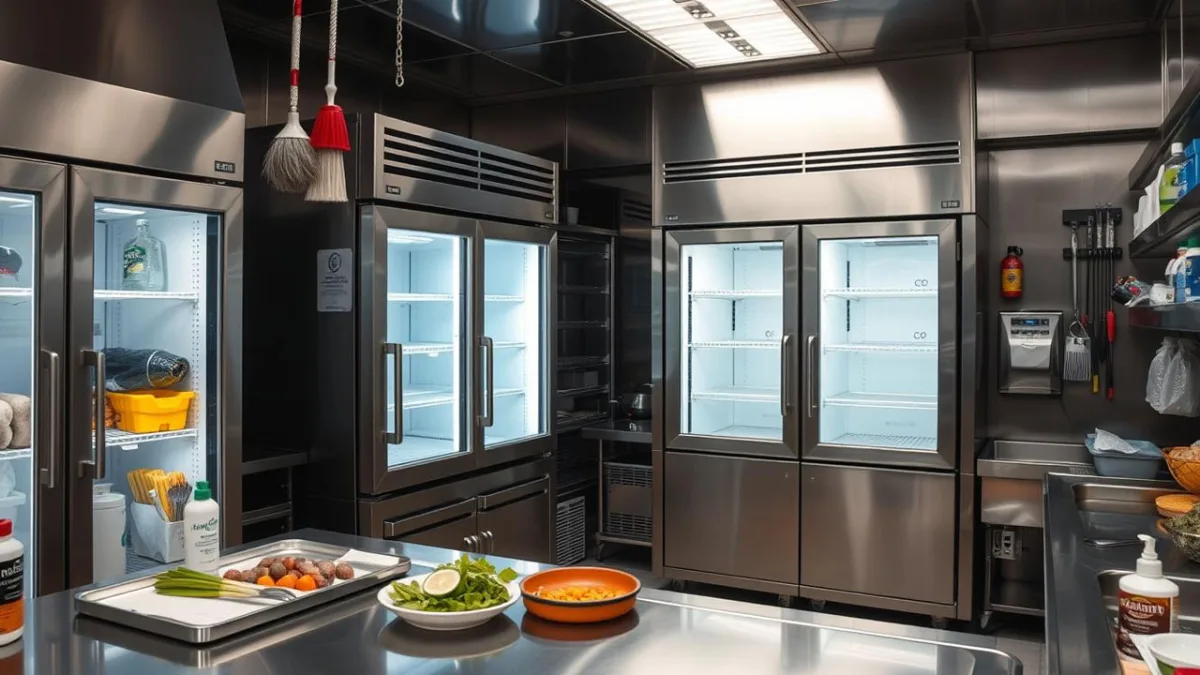
Let me tell you about the time I walked into a bustling Nashville diner at 2 AM, the kind of place where the coffee never stops flowing and the grill sizzles like it’s auditioning for a rock band. The owner, a friend of mine, was staring at his utility bill like it was a riddle wrapped in an enigma. “Sammy,” he said, rubbing his temples, “I swear, this freezer’s costing me more than my mortgage.” And he wasn’t wrong. Commercial freezers are the silent energy hogs of the food service world, always running, always hungry, and always expensive. But here’s the thing: most of us focus *only* on the refrigeration side of things, tweaking temperatures and defrost cycles like it’s the only lever we’ve got. What if I told you there’s a whole world of energy-saving hacks beyond refrigeration? That’s what we’re diving into today.
Now, I’m not claiming to be the oracle of commercial freezers. Far from it. I’ve spent years writing about food systems, sure, but I’m still the guy who once unplugged his home fridge to “save energy” only to realize, too late, that the milk had turned into a science experiment. But that’s the beauty of this journey: we’re all learning. So, whether you’re running a food truck, a hotel kitchen, or a 24-hour diner, these hacks are about working *smarter*, not harder. And maybe, just maybe, saving enough on energy costs to finally upgrade that ancient coffee machine that sounds like a jet engine.
In this article, we’re going beyond the usual advice. We’ll talk about thermal mass, smart loading strategies, lighting tricks, and even how the layout of your kitchen can make or break your freezer’s efficiency. By the end, you’ll have a toolkit of ideas, some obvious, some surprising, to slash your energy bills without sacrificing performance. And who knows? Maybe you’ll even impress your local utility rep when they see your next bill. (Okay, that last part might be a stretch, but a guy can dream.)
Let’s get started.
The Hidden Energy Drains in Your Commercial Freezer
Before we dive into the hacks, let’s talk about what’s *actually* draining your energy. It’s not just the compressor, though that’s a big part of it. It’s the cumulative effect of small inefficiencies that add up over time. Think of your freezer like a bucket with a slow leak. You can keep filling it up, or you can patch the holes. Most of us are too busy filling the bucket to notice the leaks.
First, there’s heat infiltration. Every time you open that freezer door, warm air rushes in, and your unit has to work overtime to cool it back down. But it’s not just the door, it’s the seals, the gaskets, even the way the door swings. Then there’s poor airflow. If your freezer is packed to the gills or the vents are blocked, the air can’t circulate properly, and your compressor has to run longer to maintain temperature. And don’t even get me started on ice buildup. That’s like throwing a blanket over your freezer and telling it to cool down. It’s a losing battle.
But here’s the kicker: most of these issues are fixable *without* buying a new unit. That’s what this article is about. We’re not talking about replacing your freezer with some high-tech, $20,000 model (though if you’ve got the budget, go for it). We’re talking about low-cost, high-impact tweaks that anyone can implement. So, let’s roll up our sleeves and get into it.
1. Master the Art of Thermal Mass
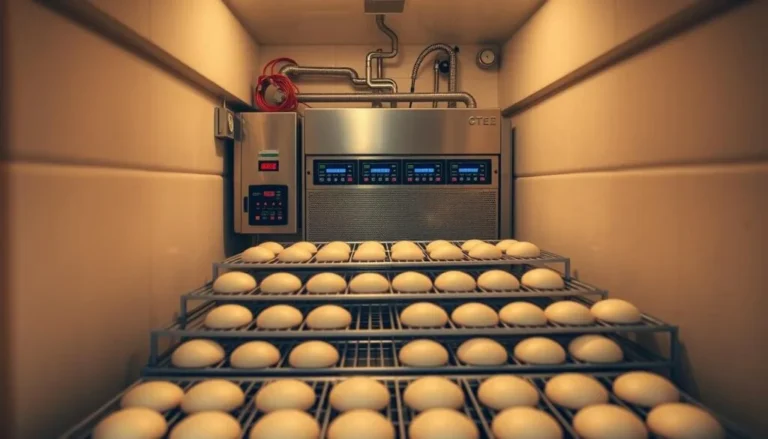
Okay, let’s start with something that sounds fancy but is actually pretty simple: thermal mass. In layman’s terms, thermal mass is the ability of a material to absorb and store heat. Think of it like a battery, but for temperature. The more thermal mass you have inside your freezer, the more stable the temperature will be. And the more stable the temperature, the less your compressor has to work. It’s a beautiful cycle.
So, how do you use thermal mass to your advantage? It’s all about what you store and how you store it. For example, water has a high thermal mass. If you’ve got space in your freezer, consider adding a few jugs of water (sealed, obviously). They’ll absorb heat during the day and release it slowly at night, reducing temperature fluctuations. This is especially useful in environments where the door is opened frequently, like in a busy restaurant or catering operation.
But it’s not just about water. The packaging of your food matters too. Dense, solid items like blocks of cheese or frozen meats have more thermal mass than, say, a bag of frozen peas. If you’re storing a mix of items, try to group the high-thermal-mass items together. This creates a “thermal buffer” that helps maintain a consistent temperature. And here’s a pro tip: if you’re storing liquids (like soups or sauces), freeze them in shallow, wide containers rather than tall, narrow ones. The increased surface area allows for faster freezing and better heat absorption.
Is this the best approach for every freezer? Maybe not. If you’re running a small café with limited space, cramming in jugs of water might not be practical. But for larger operations, it’s a game-changer. I’ve seen kitchens cut their energy use by 10-15% just by optimizing their thermal mass. That’s not chump change.
2. The Science of Smart Loading
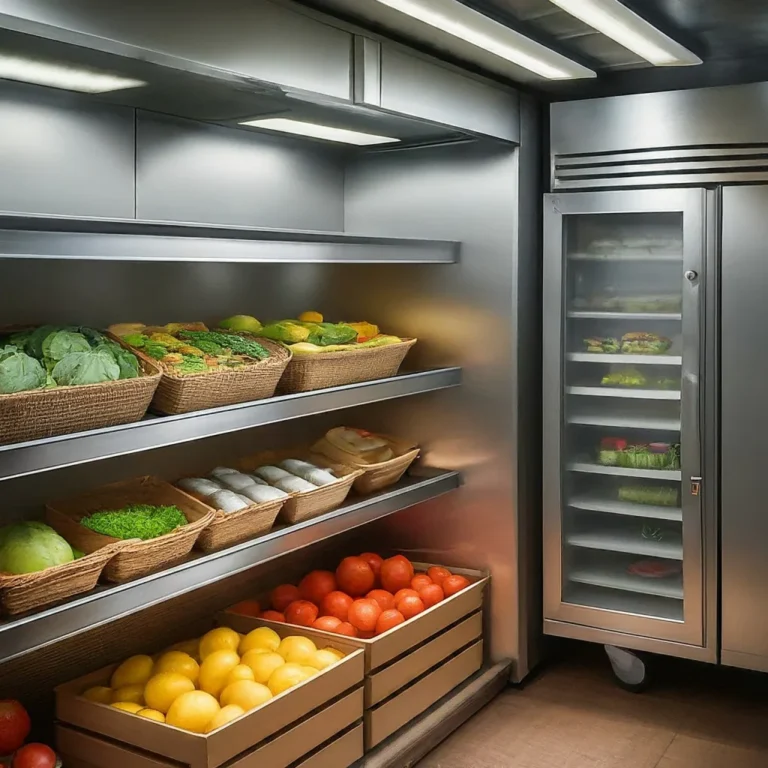
Here’s a question for you: when was the last time you thought about *how* you load your freezer? If you’re like most people, the answer is probably “never.” We toss things in, shut the door, and hope for the best. But the way you load your freezer can have a huge impact on its efficiency. It’s not just about fitting everything in, it’s about maximizing airflow and minimizing energy waste.
First, let’s talk about airflow. Your freezer’s evaporator coils need space to do their job. If they’re blocked by boxes or bags of food, the air can’t circulate properly, and your compressor has to work harder. This is why most freezers have vents, usually at the back or along the sides. Make sure these vents are never blocked. Leave at least 2-3 inches of space around them. It might seem like a small thing, but it adds up.
Next, think about organization. A well-organized freezer isn’t just easier to navigate, it’s more energy-efficient. Here’s why: the longer the door is open, the more warm air gets in. If you’re digging through a mountain of frozen goods to find that one bag of fries, you’re wasting time *and* energy. Instead, try the “first in, first out” (FIFO) method. Store newer items at the back and older items at the front. This way, you’re not only reducing door-open time, but you’re also minimizing food waste. Win-win.
And here’s a tip I learned from a chef friend of mine: use clear bins. It sounds simple, but it’s a game-changer. When you can see what’s inside, you spend less time searching and more time grabbing. Plus, clear bins make it easier to spot ice buildup or condensation issues before they become major problems. If you’re not using bins, consider investing in some. They’re cheap, and they’ll pay for themselves in energy savings.
But what if your freezer is already packed to the brim? I get it, space is at a premium in most kitchens. In that case, focus on consolidation. Are there half-empty boxes taking up valuable real estate? Can you combine smaller items into larger containers? Every inch of wasted space is an inch of wasted energy. It’s like playing Tetris, but with your utility bill on the line.
3. Lighting: The Overlooked Energy Vampire
Let’s talk about something that’s so obvious, most of us don’t even think about it: lighting. Specifically, the lights inside your freezer. You might be thinking, “Sammy, it’s just a little light. How much energy can it *really* use?” More than you’d think. Freezer lights are often left on 24/7, and over time, they can add up to a significant energy drain. Plus, they generate heat, which forces your compressor to work harder. It’s a double whammy.
So, what’s the solution? LED lights. If your freezer still has an old incandescent or fluorescent bulb, swap it out for an LED. LEDs use up to 80% less energy and generate far less heat. They’re also more durable, so they’ll last longer. And here’s the kicker: some newer freezers come with motion-activated LEDs. That means the light only turns on when the door is open. No more forgetting to turn it off. No more wasted energy. It’s a no-brainer.
But let’s say you’re not ready to upgrade your lighting just yet. There are still things you can do. For starters, check the bulb wattage. If your freezer’s manual recommends a 40-watt bulb, don’t use a 60-watt one. It might seem like a small difference, but it adds up. And if your freezer has a manual switch for the light, make it a habit to turn it off when you’re done. It’s a tiny change, but it’s one less thing for your compressor to deal with.
Here’s another idea: use external lighting. If your freezer is in a well-lit area, do you *really* need the internal light? Maybe not. Try turning it off for a week and see if it makes a difference. You might be surprised. And if you’re worried about visibility, consider adding a battery-powered LED strip to the outside of the freezer. It’s a cheap fix that can save you money in the long run.
I’ll admit, this one feels a little nitpicky. But when you’re trying to squeeze every last drop of efficiency out of your freezer, every little bit counts. And who knows? Maybe you’ll inspire your staff to turn off the lights in the walk-in cooler too. (A guy can dream, right?)
4. The Door Dilemma: Seals, Gaskets, and Swing Direction
Let’s talk about doors. Specifically, the door to your freezer. It’s the gateway between your carefully controlled cold environment and the chaotic, warm world outside. And if that gateway isn’t sealed properly, you’re basically throwing money out the window. Literally.
First, let’s talk about gaskets. Those rubber seals around the edge of the door? They’re not just there for decoration. Their job is to create an airtight seal when the door is closed. But over time, gaskets can wear out, crack, or get dirty. When that happens, warm air seeps in, and your freezer has to work harder to maintain temperature. It’s like trying to keep your house cool with the windows open. Not ideal.
So, how do you know if your gaskets are failing? Here’s a simple test: take a dollar bill and close it in the door. If you can pull it out easily, your gasket isn’t sealing properly. Do this test in multiple spots around the door. If the bill slides out in any of them, it’s time to replace the gasket. It’s a cheap fix, usually under $50-and it can save you hundreds in energy costs over time.
But gaskets aren’t the only issue. Let’s talk about door swing direction. This might sound like a minor detail, but it can make a big difference in high-traffic kitchens. If your freezer door swings *into* a busy aisle, it’s going to get left open more often. People are in a hurry, and they’re not always thinking about the door. But if the door swings *out of* the way, it’s less likely to get blocked or left open. It’s a small change, but it can reduce door-open time significantly.
And here’s a pro tip: install a door closer. If your freezer doesn’t have one, consider adding one. It’s a small device that automatically closes the door after it’s been opened. No more relying on staff to remember to shut it. No more accidental energy waste. It’s a simple fix, but it’s one of those things that pays for itself in no time.
But what if you’re dealing with a walk-in freezer? The same principles apply, but on a larger scale. Walk-ins have multiple doors, and each one is a potential energy leak. Make sure all the gaskets are in good shape, and consider adding strip curtains to the inside of the door. These plastic strips create a barrier that reduces air exchange when the door is open. They’re not pretty, but they work. And in a commercial kitchen, function always trumps form.
5. The Power of Preventative Maintenance
Here’s a hard truth: most commercial freezers are not maintained properly. We buy them, install them, and then forget about them until something breaks. But freezers, like any piece of equipment, need regular love and attention to run efficiently. And the more you neglect them, the more energy they waste. It’s like driving a car without ever changing the oil. Sure, it’ll run for a while, but eventually, it’s going to cost you.
So, what does preventative maintenance look like for a commercial freezer? Let’s break it down.
- Clean the coils. The condenser coils on the back or bottom of your freezer are responsible for dissipating heat. If they’re covered in dust and grime, they can’t do their job properly. This forces your compressor to work harder, which uses more energy. Clean the coils at least once a month with a coil brush or a vacuum. It’s a quick job, but it can make a big difference.
- Check the refrigerant levels. If your freezer is low on refrigerant, it’s not going to cool efficiently. This is a job for a professional, but it’s worth the investment. A refrigerant top-up can improve efficiency by up to 20%.
- Defrost regularly. Ice buildup is the enemy of efficiency. The more ice there is, the harder your freezer has to work to maintain temperature. Most modern freezers have automatic defrost cycles, but if yours doesn’t, you’ll need to do it manually. Aim for at least once a month, or more often if you notice ice buildup.
- Inspect the fans. The fans in your freezer help circulate air and keep the temperature consistent. If they’re not working properly, your freezer has to work harder. Make sure the fans are clean and free of obstructions. If they’re making strange noises, it might be time to replace them.
- Lubricate moving parts. If your freezer has a door hinge or other moving parts, make sure they’re well-lubricated. A squeaky hinge isn’t just annoying, it can also cause the door to close improperly, leading to energy waste.
Now, I know what you’re thinking: “Sammy, I don’t have time for all this.” And I get it. Running a kitchen is a full-time job, and maintenance often falls to the bottom of the to-do list. But here’s the thing: preventative maintenance doesn’t have to be time-consuming. Set aside 30 minutes a month to check the basics. Clean the coils, inspect the gaskets, and defrost if needed. It’s a small investment of time that can save you a ton of money in the long run.
And if you’re not comfortable doing it yourself, hire a professional. Most HVAC companies offer maintenance plans for commercial refrigeration. It’s a small price to pay for peace of mind. Plus, a well-maintained freezer lasts longer, so you’ll save money on replacement costs too.
6. Harness the Power of Smart Technology
We live in the future, folks. And in the future, even our freezers are smart. Smart technology isn’t just for your phone or your thermostat, it’s for your commercial freezer too. And if you’re not taking advantage of it, you’re leaving money on the table.
Let’s start with smart thermostats. These devices allow you to monitor and control your freezer’s temperature remotely. Some even come with alerts that notify you if the temperature rises above a certain threshold. This is a game-changer for busy kitchens. No more guessing if the freezer is running properly. No more coming in on Monday morning to find a thawed-out disaster. With a smart thermostat, you can check the temperature from your phone and make adjustments on the fly.
But it’s not just about temperature control. Some smart freezers come with energy monitoring features. These systems track how much energy your freezer is using and provide insights into how you can improve efficiency. For example, they might alert you if the door is being left open too long or if the compressor is running more than it should. It’s like having a personal energy coach for your freezer.
And then there are automated defrost systems. Traditional defrost cycles can be inefficient, especially in humid environments. But smart defrost systems use sensors to determine when defrosting is actually needed. This reduces energy waste and keeps your freezer running at peak efficiency. It’s a small upgrade, but it can make a big difference.
But what if you’re not ready to invest in a brand-new smart freezer? No problem. There are plenty of retrofit options that can turn your existing freezer into a smart one. For example, you can add a smart plug that monitors energy usage and turns the freezer off during peak energy hours. Or you can install a wireless temperature sensor that sends alerts to your phone. These upgrades are relatively cheap and can pay for themselves in energy savings.
I’ll admit, I was skeptical about smart technology at first. I’m the kind of guy who still uses a flip phone (don’t judge me). But after seeing the energy savings in action, I’m a believer. If you’re running a commercial kitchen, smart technology isn’t just a luxury, it’s a necessity. And with energy costs on the rise, it’s an investment that pays for itself.
7. The Role of Kitchen Layout in Freezer Efficiency
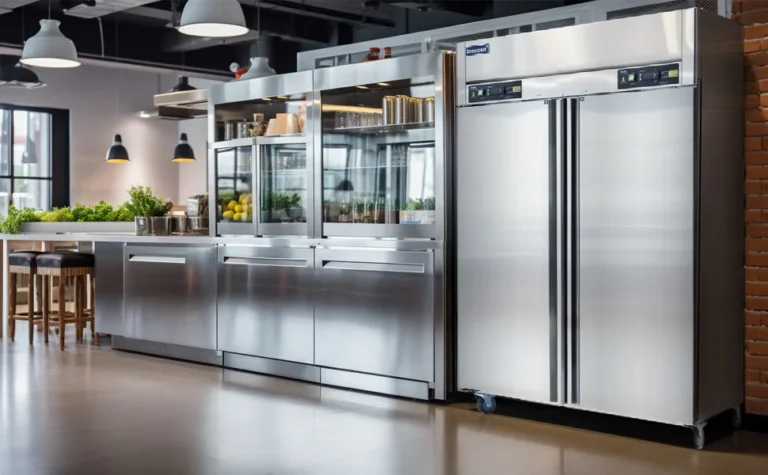
Here’s something most people don’t think about: the layout of your kitchen can affect your freezer’s efficiency. It’s not just about where the freezer is placed, it’s about how the entire kitchen flows. A well-designed kitchen can reduce energy waste, improve workflow, and even extend the life of your equipment. And the best part? You don’t have to remodel your entire kitchen to see the benefits.
Let’s start with placement. Where is your freezer located? If it’s next to a hot grill or oven, it’s going to have to work harder to maintain temperature. Heat rises, and if your freezer is in the line of fire, it’s going to absorb that heat. This forces the compressor to run longer, which uses more energy. If possible, move your freezer away from heat sources. Even a few feet can make a difference.
But it’s not just about heat. It’s also about airflow. If your freezer is crammed into a tight corner with no space around it, the air can’t circulate properly. This can lead to hot spots and cold spots, which forces your freezer to work harder. Make sure there’s at least 6 inches of space around the sides and back of the unit. And if your freezer has a vented back, make sure it’s not blocked. Those vents are there for a reason.
Next, think about traffic flow. How often is the freezer door opened? If it’s in a high-traffic area, it’s going to get opened more often, which means more warm air getting in. Try to place your freezer in a spot that’s easily accessible but not in the main traffic flow. For example, if you’re running a café, don’t put the freezer right next to the coffee machine. Every time someone grabs a cup, they’re going to brush past the freezer, and the door is going to get left open. It’s a small thing, but it adds up.
And here’s a tip I learned from a restaurant designer: use zoning. Divide your kitchen into zones based on function. For example, have a prep zone, a cooking zone, and a storage zone. Keep your freezer in the storage zone, away from the heat and traffic of the cooking zone. This not only improves efficiency but also makes your kitchen safer and more organized. It’s a win-win.
But what if you’re stuck with a less-than-ideal layout? Maybe you’re renting your space, or maybe you’re working with a small kitchen. In that case, focus on small tweaks. Can you add a strip curtain to the freezer door to reduce air exchange? Can you move a shelf or two to improve airflow? Every little bit helps. And if you’re planning a kitchen remodel, keep efficiency in mind from the start. It’s much easier to design an efficient kitchen than to retrofit one later.
8. The Impact of Humidity on Freezer Performance
Humidity is the silent killer of freezer efficiency. It’s not something most of us think about, but it can have a huge impact on how your freezer performs. When the air is humid, moisture gets into your freezer, where it freezes and turns into ice. And as we’ve already discussed, ice buildup is the enemy of efficiency. It forces your compressor to work harder, which uses more energy. So, if you’re dealing with high humidity, you’re basically fighting a losing battle.
So, how do you combat humidity? Let’s start with the basics: dehumidifiers. If your kitchen is particularly humid, consider adding a dehumidifier to the space. This will reduce the amount of moisture in the air, which means less ice buildup in your freezer. It’s a simple fix, but it can make a big difference. And if you’re running a walk-in freezer, consider adding a dehumidifier inside the unit. Some newer models come with built-in dehumidifiers, but if yours doesn’t, you can add a standalone unit.
But dehumidifiers aren’t the only solution. Let’s talk about packaging. If you’re storing food in open containers or bags, moisture from the food can escape into the air, where it freezes and turns into ice. To prevent this, make sure all your food is properly sealed. Use airtight containers or vacuum-sealed bags. This not only reduces ice buildup but also helps prevent freezer burn. It’s a win-win.
And here’s a tip I learned from a seafood distributor: pre-chill your food. If you’re putting warm or room-temperature food into your freezer, it’s going to release moisture as it cools. This moisture then freezes and turns into ice. To prevent this, chill your food in the fridge before transferring it to the freezer. This reduces the amount of moisture released and helps maintain efficiency. It’s a small step, but it can make a big difference.
But what if you’re dealing with a walk-in freezer? Humidity is an even bigger issue in walk-ins because they’re larger and have more surface area for ice to form. In this case, consider adding anti-sweat heaters to the door. These heaters prevent condensation from forming on the door, which reduces ice buildup. They’re not cheap, but they’re a worthwhile investment if you’re dealing with high humidity.
I’ll admit, humidity isn’t the most exciting topic. But if you’re serious about improving your freezer’s efficiency, it’s something you can’t ignore. And the best part? Most of these solutions are relatively cheap and easy to implement. So, if you’re dealing with ice buildup, don’t just defrost and move on. Take a step back and ask yourself: is humidity the real culprit?
9. The Economics of Energy-Efficient Upgrades
Let’s talk about money. Specifically, the economics of energy-efficient upgrades. Because at the end of the day, that’s what this is all about. You’re not just trying to save energy, you’re trying to save *money*. And while some of these hacks are free or cheap, others require an upfront investment. So, how do you know if it’s worth it?
First, let’s talk about payback periods. This is the amount of time it takes for an upgrade to pay for itself in energy savings. For example, if you spend $200 on a new gasket and it saves you $50 a month in energy costs, the payback period is 4 months. After that, it’s pure profit. Most energy-efficient upgrades have a payback period of 1-3 years, which is pretty reasonable. But it’s not just about the payback period, it’s also about the lifetime savings. A $200 gasket might save you $600 over its lifetime. That’s a 300% return on investment. Not bad, right?
But how do you calculate the payback period? It’s not as complicated as it sounds. Here’s a simple formula:
Payback Period (in years) = Upfront Cost / Annual Savings
For example, let’s say you’re considering a smart thermostat that costs $500 and saves you $200 a year in energy costs. The payback period would be:
500 / 200 = 2.5 years
After 2.5 years, the thermostat has paid for itself, and every dollar you save after that is pure profit. It’s a no-brainer.
But it’s not just about the numbers. It’s also about intangible benefits. For example, a well-maintained freezer lasts longer, so you’ll save money on replacement costs. And a more efficient freezer is less likely to break down, which means less downtime and fewer emergency repair bills. These benefits are harder to quantify, but they’re just as important.
And here’s something else to consider: rebates and incentives. Many utility companies offer rebates for energy-efficient upgrades. For example, you might get a $100 rebate for installing a smart thermostat or a $200 rebate for upgrading to an energy-efficient freezer. These rebates can significantly reduce the upfront cost and shorten the payback period. So, before you make any upgrades, check with your local utility company to see what’s available. You might be surprised.
But what if you’re on a tight budget? Not all of us have the cash to drop on a brand-new freezer or a smart thermostat. In that case, focus on the low-cost, high-impact upgrades. Things like cleaning the coils, replacing the gaskets, and optimizing your loading strategy. These upgrades cost little to nothing but can save you a ton of money. And if you’re really strapped for cash, start with the free stuff. Turn off the lights, defrost regularly, and make sure the door is sealed properly. It’s not sexy, but it works.
I’ll admit, I’m not a numbers guy. I’m the kind of person who still uses a calculator to figure out a 15% tip. But even I can see the value in energy-efficient upgrades. They’re not just good for the environment, they’re good for your bottom line. And in a world where every penny counts, that’s something we can all get behind.
10. The Future of Commercial Freezer Efficiency
So, what’s next for commercial freezer efficiency? What does the future hold? Well, if I had a crystal ball, I’d be a lot richer (and probably a lot less stressed). But I can make some educated guesses based on the trends I’m seeing. And one thing’s for sure: the future is smart.
Let’s start with AI and machine learning. We’re already seeing smart thermostats that learn your usage patterns and adjust accordingly. But imagine a freezer that doesn’t just adjust, it *predicts*. A freezer that knows when you’re going to open the door, how long it’s going to stay open, and how much warm air is going to get in. It could pre-cool the unit before the door opens, reducing energy waste. It’s like having a psychic freezer. And while this might sound like science fiction, it’s closer than you think.
Next, let’s talk about renewable energy. Solar panels are already a common sight on rooftops, but what if your freezer could run on solar power? Some companies are already experimenting with solar-powered refrigeration, and the results are promising. Imagine a freezer that doesn’t just save energy, it *generates* it. It’s a game-changer for off-grid operations like food trucks and remote catering events. And as solar technology improves, it’s only going to get more efficient and affordable.
And then there’s phase-change materials (PCMs). These are substances that absorb and release heat as they change from solid to liquid and back again. Think of them like thermal batteries. Some companies are already using PCMs in commercial freezers to reduce energy use. For example, a freezer might use a PCM to absorb heat during the day and release it at night, reducing the load on the compressor. It’s a cutting-edge technology, but it’s one to watch.
But it’s not just about technology. It’s also about design. The freezers of the future are going to be smarter, sleeker, and more efficient. We’re already seeing freezers with vacuum-insulated panels that reduce heat transfer. And some companies are experimenting with aerogel insulation, which is one of the most effective insulating materials in the world. It’s lightweight, durable, and incredibly efficient. And as these technologies become more mainstream, they’re going to drive down energy costs even further.
But here’s the thing: the future isn’t just about the freezer itself. It’s about the entire ecosystem. The kitchens of the future are going to be fully integrated, with smart appliances that talk to each other and optimize energy use in real time. For example, your freezer might communicate with your oven to adjust its cooling cycle based on how much heat the oven is generating. Or your smart thermostat might adjust the temperature based on the weather forecast. It’s a brave new world, and it’s one that’s going to make our kitchens more efficient than ever.
I’ll admit, I’m a little skeptical about some of these technologies. I’m the kind of guy who still uses a flip phone, remember? But even I can see the potential. And if these innovations can help us save energy and reduce costs, I’m all for it. So, keep an eye on the horizon. The future of commercial freezer efficiency is bright, and it’s coming sooner than you think.
Putting It All Together: Your Energy-Saving Action Plan
Alright, let’s take a step back. We’ve covered a lot of ground-thermal mass, smart loading, lighting, door seals, maintenance, smart technology, kitchen layout, humidity, economics, and the future. It’s a lot to take in, and I wouldn’t blame you if you’re feeling a little overwhelmed. But here’s the good news: you don’t have to do everything at once. Start small, pick a few hacks that resonate with you, and build from there. Rome wasn’t built in a day, and neither is an energy-efficient kitchen.
So, where should you start? Here’s a step-by-step action plan to get you going:
- Assess your current setup. Take a walk around your kitchen and identify the biggest energy drains. Is your freezer next to a heat source? Are the gaskets in good shape? Is the door being left open too often? Make a list of the issues you find.
- Prioritize the low-hanging fruit. Start with the easiest and cheapest fixes. Clean the coils, replace the gaskets, and turn off the lights. These upgrades cost little to nothing but can make a big difference.
- Optimize your loading strategy. Organize your freezer to maximize airflow and minimize door-open time. Use clear bins, implement the FIFO method, and make sure the vents aren’t blocked.
- Consider smart upgrades. If you’ve got the budget, invest in a smart thermostat or an energy monitoring system. These upgrades pay for themselves in energy savings.
- Tackle humidity. If you’re dealing with ice buildup, look into dehumidifiers or anti-sweat heaters. And make sure all your food is properly sealed to reduce moisture.
- Plan for the future. Keep an eye on emerging technologies like AI, renewable energy, and phase-change materials. The future of commercial freezer efficiency is bright, and you don’t want to be left behind.
And remember, you don’t have to do this alone. Talk to your staff, get them involved, and make energy efficiency a team effort. The more buy-in you have, the more successful you’ll be. And if you’re not sure where to start, hire a professional. A good HVAC technician can assess your setup and recommend the best upgrades for your specific needs.
At the end of the day, this isn’t just about saving energy, it’s about saving money, reducing waste, and running a more efficient kitchen. And in a world where every penny counts, that’s something we can all get behind. So, take a deep breath, pick a starting point, and get to work. Your freezer (and your wallet) will thank you.
FAQ: Your Burning Questions About Commercial Freezer Efficiency
Q: How much can I *really* save by implementing these energy-saving hacks?
A: It depends on your current setup and how many hacks you implement, but most kitchens see 10-30% reductions in energy use. For example, cleaning the coils alone can improve efficiency by 5-10%, while upgrading to a smart thermostat can save you 15-20%. And if you combine multiple hacks, the savings add up. I’ve seen kitchens cut their energy bills by $1,000 or more per year just by making a few simple changes. It’s not chump change.
Q: What’s the *quickest* way to improve my freezer’s efficiency?
A: Start with the low-hanging fruit. Clean the coils, replace the gaskets, and turn off the internal lights. These upgrades cost little to nothing but can make a big difference. For example, replacing a worn-out gasket can improve efficiency by 5-10%, and it only takes a few minutes. And if you’re dealing with ice buildup, defrost the unit. It’s a quick fix that can save you a ton of energy.
Q: Are smart freezers *really* worth the investment?
A: It depends on your budget and your needs. If you’re running a large operation with multiple freezers, a smart freezer can pay for itself in energy savings. But if you’re running a small café, the upfront cost might not be worth it. That said, there are plenty of retrofit options that can turn your existing freezer into a smart one. For example, you can add a smart plug or a wireless temperature sensor for under $100. These upgrades are relatively cheap and can pay for themselves in energy savings. So, if you’re on the fence, start small and see how it goes.
Q: How often should I perform preventative maintenance on my freezer?
A: At a minimum, you should clean the coils and inspect the gaskets once a month. And if you’re dealing with ice buildup, defrost the unit as needed. But if you’re running a busy kitchen, you might want to do it more often. For example, if your freezer is in a high-traffic area, check the gaskets every two weeks. And if you’re dealing with high humidity, clean the coils every two weeks. The key is to stay on top of it. Preventative maintenance isn’t a one-time thing, it’s an ongoing process. And the more you do it, the more efficient your freezer will be.
@article{energy-saving-hacks-for-commercial-freezers-beyond-the-basics-of-refrigeration,
    title   = {Energy-Saving Hacks for Commercial Freezers: Beyond the Basics of Refrigeration},
    author  = {Chef's icon},
    year    = {2026},
    journal = {Chef's Icon},
    url     = {https://chefsicon.com/energy-saving-hacks-for-commercial-freezers-beyond-refrigeration/}
}