The Best Fluffy Pancakes recipe you will fall in love with. Full of tips and tricks to help you make the best pancakes.

How to Train Staff on Equipment Maintenance Best Practices: Because a Well-Oiled Kitchen Isn’t Just a Metaphor
Let me set the scene: It’s a Friday night service, tickets are flying, and the line cook just discovered, mid-rush, that the grill’s thermostat is stuck at 200°F. The steaks are sweating, the tickets are backing up, and suddenly, your entire evening hinges on whether someone knows how to reset a circuit breaker. Sound familiar? If you’ve ever worked in a commercial kitchen, you’ve lived this moment. And if you haven’t, well, consider yourself lucky. But luck isn’t a strategy.
I’ve spent years in kitchens, from high-volume restaurants in the Bay Area to cozy Nashville bistros, and one truth has become painfully clear: equipment maintenance isn’t just the responsibility of the “maintenance guy.” It’s everyone’s job. And yet, most staff training programs treat it like an afterthought. We drill knife skills, plating techniques, and fire suppression protocols, but when it comes to keeping the actual tools of the trade in working order? Crickets. Or worse, a hastily printed PDF taped to the walk-in freezer door.
Here’s the thing: Training staff on equipment maintenance isn’t just about preventing breakdowns. It’s about respect. Respect for the tools, for the craft, and for the people who rely on those tools to do their jobs. A well-maintained kitchen runs smoother, safer, and more efficiently. It reduces stress, cuts costs, and, let’s be honest, makes everyone’s life easier. So why do so many kitchens treat maintenance training like a chore instead of a cornerstone of their culture?
In this guide, I’m going to walk you through how to train your staff on equipment maintenance best practices in a way that actually sticks. We’ll cover everything from building a culture of ownership to creating hands-on training programs that don’t put your team to sleep. And yes, I’ll even share some of the mistakes I’ve made along the way, because if there’s one thing I’ve learned, it’s that the best training programs aren’t perfect. They’re practical, adaptable, and, above all, human.
So grab a coffee (or a beer, no judgment), and let’s dive in. By the end of this, you’ll have a roadmap for turning your staff into a team of proactive problem-solvers who treat your kitchen equipment like the lifelines they are.
The Psychology of Maintenance: Why Your Staff Doesn’t Care (And How to Change That)
Before we get into the nuts and bolts of training, let’s talk about the elephant in the room: Most staff don’t care about maintenance. And honestly? I don’t blame them. When you’re juggling a dozen tickets, a line cook screaming for more mise en place, and a dishwasher who just called out, the last thing on your mind is whether the convection oven’s gasket is properly seated. Maintenance feels like something that happens *after* the chaos, not during it.
But here’s the kicker: That’s exactly why maintenance training fails. We treat it like a separate task, something to be checked off a list, rather than an integral part of the job. And when we do that, we’re fighting an uphill battle against human nature. People don’t like doing things that feel disconnected from their immediate goals. So if maintenance feels like a chore, it’ll always be the first thing to get ignored.
So how do we fix this? We reframe it. Maintenance isn’t about “keeping things running.” It’s about **keeping *you* running. It’s about making sure the tools you rely on don’t betray you when you need them most. It’s about pride in your workspace. It’s about not looking like an idiot when the health inspector walks in and your reach-in freezer is iced over like a yeti’s lair.
Here’s how to make that shift:
- Connect maintenance to their daily work. Don’t just tell them to clean the fryer filter. Explain how a clogged filter affects oil temperature, which affects frying time, which affects ticket times, which affects tips. Suddenly, it’s not just a chore, it’s part of their success.
- Make it personal. Ask your staff: “What’s the most frustrating equipment failure you’ve ever dealt with?” Let them vent. Then ask, “How would you have prevented it?” When they see maintenance as a way to avoid their own pain points, they’re more likely to buy in.
- Lead by example. If you’re the chef or manager, and you’re not wiping down the prep station or checking the walk-in’s temperature logs, why should they? Maintenance starts at the top. (And yes, I’ve been guilty of this too. No one’s perfect.)
Is this the best approach? Let’s consider the alternative: You can force compliance with threats and write-ups, but that’s a short-term fix. If you want maintenance to become second nature, you have to make it matter to them. And that starts with understanding why they don’t care in the first place.
The Maintenance Mindset: From “Not My Job” to “I Got This”
I remember my first kitchen job. I was 19, fresh out of culinary school, and convinced I was hot stuff. Then I was handed a mop and told to “detail the walk-in.” I scoffed. “I’m a cook, not a janitor.” My chef at the time, a grizzled veteran named Marco, looked at me and said, “You’re not a cook if you can’t take care of your tools.” That stuck with me.
Marco understood something fundamental: A kitchen is a system. And in any system, every part relies on the others. If the dishwasher doesn’t clean the prep station properly, the line cook’s mise en place is compromised. If the line cook doesn’t wipe down the grill, the next shift has to deal with caked-on carbon. And if no one checks the oil levels in the fryer, you’re looking at a mid-service breakdown. Maintenance isn’t a separate job, it’s part of the job.
So how do you instill this mindset in your staff? It’s not as hard as you might think, but it does require consistency. Here’s what’s worked for me:
- Start with the “why.” Don’t just hand out a checklist. Explain the consequences of neglect. Show them pictures of a neglected grill (the kind that looks like it’s been through a war). Explain how much money it costs to replace a compressor because no one bothered to defrost the freezer. Make it real.
- Make it visible. Post maintenance logs in high-traffic areas. Use a whiteboard to track daily tasks. The more visible it is, the harder it is to ignore. (And the easier it is to hold people accountable.)
- Celebrate the wins. Did someone catch a potential issue before it became a problem? Call it out in the pre-shift meeting. Did the team keep the kitchen spotless during a rush? Acknowledge it. Positive reinforcement works, especially in a high-stress environment.
- Tie it to performance. This is a controversial one, but hear me out: If maintenance is part of the job, it should be part of the evaluation. That doesn’t mean punishing people for mistakes, it means recognizing when someone goes above and beyond. Maybe it’s a bonus, maybe it’s a shout-out, maybe it’s just a pat on the back. But it sends a message: This matters.
I’m torn between the carrot and the stick here. On one hand, I believe in positive reinforcement, it’s more sustainable and creates a better work environment. On the other hand, I’ve seen kitchens where the “carrot” approach leads to complacency. Maybe the answer is a balance: Set clear expectations, provide the tools and training to meet them, and then hold people accountable. But ultimately, I think the key is making maintenance feel like a natural part of the workflow, not an extra task.
Building Your Training Program: Where to Start (And What to Avoid)
Alright, let’s get practical. You’re convinced that maintenance training is important, but where do you even start? The thought of creating a training program from scratch can feel overwhelming, especially if you’re already stretched thin. But here’s the good news: You don’t need a fancy, formal program to make an impact.** You just need a plan, some consistency, and a willingness to adapt.
First, let’s talk about what *not* to do. I’ve seen too many kitchens fall into these traps:
- Overloading with information. Handing someone a 50-page manual on day one is a great way to ensure they never read it. Start small. Focus on the most critical tasks first.
- Assuming knowledge. Just because someone has worked in kitchens before doesn’t mean they know how to maintain a combi oven. Don’t skip the basics.
- Making it boring. If your training feels like a corporate seminar, no one’s going to pay attention. Keep it engaging, interactive, and relevant.
- Ignoring feedback. Your staff are the ones using the equipment every day. If they’re telling you something isn’t working, listen.
So where *do* you start? Here’s a step-by-step approach to building a training program that actually works:
Step 1: Audit Your Equipment and Identify Critical Tasks
Before you can train your staff, you need to know what you’re training them *on*. Start by making a list of all the equipment in your kitchen. Then, for each piece, identify:
- The daily maintenance tasks (e.g., cleaning, inspecting, logging).
- The weekly/monthly tasks (e.g., deep cleaning, filter changes, calibration).
- The troubleshooting steps for common issues (e.g., resetting a tripped breaker, adjusting a thermostat).
Not all equipment is created equal. A walk-in freezer is more critical than a countertop mixer, so prioritize accordingly. Focus on the tools that, if they fail, would bring your kitchen to a grinding halt.
Pro tip: Don’t rely on memory. Walk through your kitchen and physically inspect each piece of equipment. You’d be surprised how many “maintenance tasks” are just things someone *thinks* they’re supposed to do, but no one actually knows for sure. If you’re unsure, check the manufacturer’s manual. (Yes, those things actually exist for a reason.)
Step 2: Create Simple, Actionable Checklists
Once you’ve identified the critical tasks, turn them into checklists. But not just any checklists-simple, actionable, and idiot-proof checklists. Here’s what I mean:
- Be specific. Don’t just write “Clean the grill.” Write “Scrape off carbon buildup with a grill brush, then wipe down with a damp cloth and degreaser.”
- Use visuals. A picture is worth a thousand words, especially in a fast-paced kitchen. Include photos or diagrams where possible.
- Keep it short. If the checklist is longer than a single page, it’s too long. Break it into smaller, more manageable chunks.
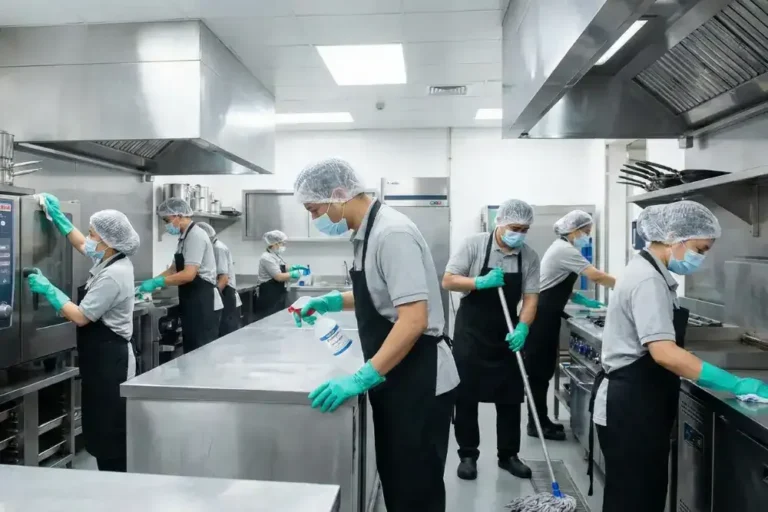
- Make it accessible. Post checklists near the equipment they pertain to. Laminate them if you have to. The easier they are to find, the more likely they are to be used.
Here’s an example of a good vs. bad checklist item:
Bad: “Check the fryer.”
Good: “1. Turn off fryer and let oil cool to 100°F. 2. Skim oil surface for debris. 3. Check oil level, add if below the fill line. 4. Inspect filter for clogs, clean if necessary.”
See the difference? The “good” version leaves no room for interpretation. It tells the staff exactly what to do, step by step.
Step 3: Train the Trainers
You can’t be everywhere at once, so you need to deputize some of your staff to help with training. But not just anyone, you need people who are:
- Knowledgeable. They should know the equipment inside and out.
- Patient. Training requires repetition and a willingness to explain things multiple times.
- Respected. If the rest of the staff doesn’t respect them, they won’t listen.
- Enthusiastic. If they don’t care about maintenance, why should anyone else?
Once you’ve identified your trainers, give them the tools they need to succeed. That means:
- Providing them with the checklists and manuals.
- Walking them through the training process so they know what to expect.
- Giving them time to train. Don’t just throw them into it during a rush. Schedule dedicated training time.
I’ve found that the best trainers are often the ones who’ve been burned by equipment failures in the past. They have a personal stake in making sure it doesn’t happen again. So if you have a line cook who’s had to deal with a broken grill mid-service, they might be your best candidate.
Step 4: Make Training Hands-On (Because No One Learns by Watching)
Here’s a hard truth: People don’t learn by watching. They learn by doing. And yet, so many training programs rely on passive methods, videos, manuals, PowerPoint presentations. Don’t get me wrong, those things have their place, but they shouldn’t be the *only* tool in your toolbox.
Hands-on training is the most effective way to teach equipment maintenance. Here’s how to do it:
- Demonstrate first. Show them how to perform the task, step by step. Explain what you’re doing and why.
- Let them try. Have them perform the task while you watch. Offer guidance and correct mistakes in real time.
- Repeat. Have them do it again. And again. And again. Repetition is key to building muscle memory.
- Test them. Once they’ve got the hang of it, have them perform the task without guidance. This reinforces their confidence and ensures they’ve actually learned it.
For example, if you’re training someone on how to clean a combi oven, don’t just hand them the manual. Show them how to remove the racks, how to scrub the interior, how to check the gasket for wear. Then have them do it while you watch. Correct any mistakes, and then have them do it again. By the third time, they’ll be pros.
I know what you’re thinking: “This sounds time-consuming.” And you’re right, it is. But here’s the thing: It’s an investment. The time you spend training now will save you countless hours (and dollars) down the road. Think of it like changing the oil in your car. It’s a pain in the moment, but it prevents a much bigger headache later.
The Art of Troubleshooting: Teaching Staff to Think Like Mechanics
Let’s be real: No matter how well you maintain your equipment, things will go wrong. A thermostat will fail, a burner will clog, a compressor will die. And when that happens, you don’t want your staff standing around like deer in headlights, waiting for the maintenance guy to show up. You want them to be able to troubleshoot the problem and, if possible, fix it themselves.
But here’s the catch: Troubleshooting isn’t just about knowing what to do. It’s about knowing how to think. It’s about being able to diagnose a problem, rule out potential causes, and take logical steps to fix it. And that’s a skill that can be taught.
Step 1: Teach the Basics of How Equipment Works
You can’t troubleshoot a problem if you don’t understand how the equipment works in the first place. So start by teaching your staff the basics of each piece of equipment. For example:
- Refrigeration: How compressors, condensers, and evaporators work together to cool things down. Why defrosting is important. What happens when the coils get dirty.
- Cooking equipment: How gas burners ignite, how thermostats regulate temperature, how grease buildup affects performance.
- Ventilation: How hoods and exhaust fans work together to remove heat and smoke. Why filters need to be cleaned regularly.
You don’t need to turn your staff into engineers, but they should have a basic understanding of how things work. This knowledge will help them diagnose problems more effectively. For example, if they know that a walk-in freezer’s compressor is what cools the air, they’ll understand why it’s a problem if the compressor isn’t running.
Step 2: Create a Troubleshooting Guide for Common Issues
Every piece of equipment has its quirks. A grill might have a burner that clogs frequently, a fryer might have a thermostat that drifts, a walk-in might have a door that doesn’t seal properly. Over time, you’ll start to notice patterns, common issues that crop up again and again.
Create a troubleshooting guide for these issues. For each problem, list:
- The symptoms (e.g., “Fryer oil temperature is inconsistent”).
- The possible causes (e.g., “Thermostat is faulty,” “Oil level is low,” “Filter is clogged”).
- The steps to diagnose (e.g., “Check oil level,” “Inspect filter,” “Test thermostat with a separate thermometer”).
- The steps to fix (e.g., “Clean filter,” “Add oil,” “Replace thermostat”).
Here’s an example for a gas range that won’t light:
Symptom: Burner won’t light.
Possible causes:
- Gas supply is off.
- Igniter is dirty or faulty.
- Burner ports are clogged.
- Thermocouple is malfunctioning.
Diagnosis:
- Check that the gas supply is on.
- Listen for the “click” of the igniter. If you don’t hear it, the igniter may be faulty.
- Inspect the burner ports for clogs. Use a wire brush to clean if necessary.
- If the burner still won’t light, the thermocouple may need to be replaced.
Fix:
- Clean or replace the igniter.
- Clean the burner ports.
- Replace the thermocouple if necessary.
Post these guides near the equipment they pertain to. The more accessible they are, the more likely your staff will use them.
Step 3: Teach the “Process of Elimination”
Troubleshooting is essentially a process of elimination. You start with the most likely causes and work your way down the list until you find the problem. Teach your staff to think this way. For example:
If a walk-in freezer isn’t cooling properly, the possible causes might include:
- The door isn’t sealing properly.
- The condenser coils are dirty.
- The evaporator fan isn’t running.
- The compressor isn’t working.
- The refrigerant level is low.
Teach your staff to start with the simplest and most likely causes (e.g., the door seal) and work their way down the list. This approach saves time and prevents unnecessary repairs.
Step 4: Empower Them to Fix What They Can
Not every problem requires a professional. Some issues, like a clogged burner, a dirty filter, or a tripped breaker, can be fixed in-house. Teach your staff how to handle these minor repairs safely and effectively.
But here’s the key: Know your limits. Some repairs should *only* be handled by professionals. For example:
- Electrical issues (unless you’re a licensed electrician).
- Refrigerant leaks (requires EPA certification).
- Gas line repairs (requires a licensed plumber).
Make it clear to your staff what they *can* fix and what they *can’t.* The last thing you want is someone getting hurt because they tried to fix something beyond their skill level.
Step 5: Create a Culture of Reporting
Even with the best training, some problems will require professional help. That’s why it’s important to create a culture of reporting. Your staff should feel comfortable reporting issues, even if they can’t fix them themselves.
Here’s how to encourage reporting:
- Make it easy. Have a simple system for reporting issues, whether it’s a whiteboard, a digital form, or just telling a manager.
- Don’t punish mistakes. If someone reports an issue they caused (e.g., they broke a gasket while cleaning), don’t reprimand them. Use it as a teaching moment.
- Act quickly. If someone reports an issue, address it as soon as possible. If you ignore it, they’ll stop reporting.
I’ve worked in kitchens where staff were afraid to report problems because they thought they’d get in trouble. That’s a recipe for disaster. You want your staff to feel like they’re part of the solution, not the problem.
Making Maintenance a Habit: The Power of Routine
Here’s the thing about maintenance: It’s not a one-time thing. It’s a habit. And like any habit, it takes time to build. You can’t just train your staff once and expect them to remember everything forever. You have to reinforce it, day in and day out, until it becomes second nature.
So how do you make maintenance a habit? It’s all about routine and repetition. Here’s how to do it:
Step 1: Integrate Maintenance into Daily Workflows
Maintenance shouldn’t feel like an extra task. It should feel like part of the job. The best way to do this is to integrate it into your daily workflows. For example:
- Pre-shift: Have staff perform a quick inspection of their stations. Check that equipment is clean, functioning properly, and ready for service.
- Mid-shift: Encourage staff to clean as they go. Wipe down surfaces, empty grease traps, and check oil levels during downtime.
- Post-shift: Assign specific closing tasks, like deep cleaning the grill, sanitizing the prep station, or checking the walk-in’s temperature logs.
The key is to make maintenance feel like a natural part of the workflow. If it’s something they do every day, it’ll become a habit.
Step 2: Use Visual Reminders
People forget. It’s human nature. That’s why visual reminders are so important. Post checklists, signs, and logs in high-traffic areas. The more visible they are, the more likely they are to be used.
Here are some ideas:
- Checklists: Post laminated checklists near each piece of equipment. Include daily, weekly, and monthly tasks.
- Whiteboards: Use a whiteboard to track maintenance tasks. Assign tasks to specific staff members and check them off as they’re completed.
- Logs: Keep logs for critical tasks, like walk-in temperature checks or fryer oil changes. Have staff initial them when they’re done.
- Signs: Post signs with quick tips, like “Remember to clean the grill grates after every use!” or “Check the oil level in the fryer before service.”
I know what you’re thinking: “This seems like overkill.” But trust me, the more reminders you have, the less likely people are to forget. And in a busy kitchen, forgetfulness is the enemy of maintenance.
Step 3: Assign Ownership
One of the biggest mistakes I see in kitchens is no one taking ownership of maintenance. It’s always “someone else’s job.” And when that happens, things fall through the cracks.
The solution? Assign ownership. Give each staff member responsibility for specific tasks or pieces of equipment. For example:
- The line cook is responsible for the grill.
- The prep cook is responsible for the walk-in freezer.
- The dishwasher is responsible for the hood filters.
When someone has ownership, they’re more likely to take pride in their work. They’ll notice when something’s off, and they’ll be more proactive about fixing it.
But here’s the catch: Ownership only works if it’s clear and consistent. Don’t just assign tasks willy-nilly. Create a system where everyone knows what they’re responsible for, and hold them accountable.
Step 4: Reinforce with Positive Feedback
Positive reinforcement works. When someone does a good job with maintenance, tell them. Acknowledge it in the pre-shift meeting, give them a shout-out, or just say “thanks.” The more you reinforce good behavior, the more likely it is to continue.
But here’s the thing: Positive feedback has to be genuine. If you’re just going through the motions, your staff will see right through it. So when you give feedback, make it specific. Instead of “Good job,” say “I noticed you cleaned the grill grates really well yesterday. That’s going to make a big difference in how the grill performs today.”
I’ve found that the best time to give feedback is right after the task is completed. That way, it’s fresh in their mind, and they can connect the feedback to the action.
Step 5: Lead by Example
This is the most important step, and it’s also the one that’s most often overlooked. If you want your staff to take maintenance seriously, you have to take it seriously too. That means:
- Following the same checklists and procedures you expect them to follow.
- Jumping in to help when things get busy (instead of just barking orders).
- Showing pride in your workspace. If the kitchen is clean and well-maintained, they’ll notice.
I’ll be honest: This is the part I struggle with the most. When you’re busy, it’s easy to let things slide. But I’ve learned that the little things add up. If I skip wiping down the prep station, the next shift has to deal with it. If I don’t check the walk-in’s temperature logs, we might not catch a problem until it’s too late. So I try to lead by example, even when it’s inconvenient.
Maybe I should clarify: Leading by example doesn’t mean you have to do everything yourself. It means showing that you care, that you’re willing to put in the effort, and that you expect the same from your team.
Dealing with Resistance: When Staff Push Back on Maintenance
Let’s be real: Not everyone is going to buy into your maintenance program. Some staff will see it as a waste of time, others will think it’s beneath them, and a few will just plain resist because they don’t like change. So how do you deal with resistance?
First, don’t take it personally. Resistance is a natural part of any change. People are creatures of habit, and when you ask them to change their routine, they’re going to push back. The key is to understand where the resistance is coming from and address it head-on.
Common Reasons for Resistance (And How to Overcome Them)
Here are some of the most common reasons staff resist maintenance training, along with strategies for overcoming them:
- “It’s not my job.”
This is the most common pushback, and it’s usually rooted in a lack of understanding. People don’t see how maintenance affects their work, so they don’t see why they should care.
Solution: Connect maintenance to their daily tasks. Show them how a clean grill cooks food more evenly, how a well-maintained fryer produces better-tasting food, how a properly sealed walk-in keeps ingredients fresh. When they see the direct impact, they’re more likely to buy in.
- “It takes too much time.”
In a busy kitchen, time is precious. If maintenance feels like it’s slowing them down, they’ll resist.
Solution: Make maintenance as efficient as possible. Provide the right tools (e.g., degreasers that work quickly, easy-to-use cleaning supplies). Integrate maintenance into their workflow so it doesn’t feel like an extra task. And emphasize that preventative maintenance saves time in the long run-no one wants to deal with a breakdown mid-service.
- “I don’t know how.”
Some staff resist because they’re afraid of doing it wrong. They’d rather not try than risk making a mistake.
Solution: Provide hands-on training and clear instructions. Make it easy for them to ask questions. And reassure them that mistakes are part of the learning process. The goal isn’t perfection, it’s progress.
- “It’s not my problem.”
This is a cultural issue. If the kitchen has a “not my problem” mentality, maintenance will always be an afterthought.
Solution: Foster a culture of ownership. Make it clear that everyone is responsible for the kitchen’s success. When someone sees a problem, they should feel empowered to fix it or report it. And when they do, acknowledge it.
- “I’ve been doing this for years, I don’t need training.”
Experienced staff can be the hardest to train because they think they already know everything. But here’s the thing: Maintenance practices change. New equipment has different requirements, and even seasoned pros can learn something new.
Solution: Frame training as an opportunity to share knowledge. Ask them to demonstrate their methods and see if they align with best practices. If they’re resistant, remind them that even the best chefs need to adapt. And if all else fails, appeal to their pride: “I know you’re great at what you do. Let’s make sure the rest of the team is too.”
How to Handle the Hard Cases
No matter how well you train, there will always be a few staff members who just don’t buy in. So what do you do with the hard cases?
- Have a one-on-one conversation. Sometimes, resistance is rooted in a misunderstanding or a personal issue. A private conversation can help you get to the bottom of it.
- Set clear expectations. Make it clear that maintenance is part of the job, not an optional extra. If they’re not willing to do it, they’re not a good fit for your team.
- Provide additional training. If they’re struggling, offer extra help. Maybe they need a refresher, or maybe they learn better with hands-on instruction.
- Hold them accountable. If they’re not meeting expectations, address it. Start with a verbal warning, then move to written warnings if necessary. And if they still don’t improve, it might be time to let them go.
I’ll be honest: This is the hardest part of the job. No one likes confrontation, and no one wants to fire someone. But here’s the thing: A single resistant staff member can undermine your entire maintenance program. If they’re not willing to buy in, they’re doing more harm than good. And in the long run, it’s better for everyone if they move on.
Maybe I’m being too harsh. Maybe there’s a way to reach them. But after years in this industry, I’ve learned that you can’t force someone to care. You can train them, you can encourage them, you can hold them accountable, but at the end of the day, they have to want to do the work. And if they don’t, it’s better to part ways.
Beyond the Basics: Advanced Maintenance Strategies for a Proactive Kitchen
Alright, let’s say you’ve got the basics down. Your staff knows how to clean the grill, check the walk-in’s temperature, and troubleshoot common issues. What’s next? How do you take your maintenance program to the next level?
This is where advanced strategies come into play. These are the things that separate a good kitchen from a great one. They’re not always easy, but they’re worth the effort.
Strategy 1: Predictive Maintenance
Predictive maintenance is all about anticipating problems before they happen. Instead of waiting for something to break, you use data and observation to predict when it’s likely to fail. This allows you to fix it before it becomes a crisis.
Here’s how to implement predictive maintenance in your kitchen:
- Track equipment performance. Keep logs of things like temperature fluctuations, oil usage, and energy consumption. Over time, you’ll start to notice patterns. For example, if your walk-in’s temperature starts creeping up every three months, you can schedule a maintenance check before it becomes a problem.
- Use technology. Some modern equipment comes with built-in diagnostics that can alert you to potential issues. If your budget allows, invest in these tools. If not, even a simple spreadsheet can help you track trends.
- Train staff to recognize warning signs. Teach them to look for things like unusual noises, inconsistent temperatures, or increased energy usage. These can all be early indicators of a problem.
Predictive maintenance takes time and effort, but it’s one of the best ways to prevent costly breakdowns. And in a busy kitchen, prevention is always better than cure.
Strategy 2: Cross-Training
Cross-training is all about giving your staff the skills to handle multiple roles. In the context of maintenance, this means teaching them how to maintain equipment outside their usual station. For example:
- A line cook learns how to maintain the walk-in freezer.
- A prep cook learns how to troubleshoot the grill.
- A dishwasher learns how to clean the hood filters.
Why is this important? Because it creates redundancy. If someone calls out sick, you don’t want to be stuck with no one who knows how to maintain the fryer. Cross-training ensures that there’s always someone who can step in.
But cross-training isn’t just about redundancy. It’s also about building a deeper understanding of the kitchen as a system. When staff see how all the pieces fit together, they’re more likely to take ownership of the big picture.
Here’s how to implement cross-training:
- Start with the basics. Teach everyone the fundamentals of each piece of equipment, even if they don’t use it regularly.
- Rotate stations. Have staff spend a day or two working in a different station. This gives them hands-on experience with the equipment and maintenance tasks.
- Create a buddy system. Pair staff members with different areas of expertise. They can learn from each other and provide backup when needed.
I’ll be honest: Cross-training takes time, and it can be disruptive in the short term. But in the long run, it’s one of the best investments you can make in your team.
Strategy 3: Continuous Improvement
Maintenance isn’t a “set it and forget it” kind of thing. It’s an ongoing process that should evolve and improve over time. The best kitchens are always looking for ways to do things better, faster, and more efficiently.
Here’s how to foster a culture of continuous improvement:
- Regularly review your maintenance program. What’s working? What’s not? Are there tasks that could be streamlined or eliminated? Are there new tools or technologies that could help?
- Solicit feedback from your staff. They’re the ones using the equipment every day, so they’re in the best position to identify pain points and suggest improvements.
- Stay up-to-date on best practices. Attend industry conferences, read trade publications, and network with other chefs. The more you know, the better you can adapt.
- Experiment with new approaches. Try new cleaning products, test different maintenance schedules, or pilot new training methods. Not everything will work, but you’ll never know unless you try.
Continuous improvement is all about being proactive. It’s about not settling for “good enough” and always striving to do better. And in a fast-paced industry like ours, that’s the only way to stay ahead.
Strategy 4: Invest in the Right Tools
You can’t maintain equipment properly if you don’t have the right tools. And yet, so many kitchens skimp on this. They buy cheap degreasers, flimsy brushes, and subpar cleaning supplies. And then they wonder why their equipment is falling apart.
Here’s the thing: Investing in the right tools is an investment in your kitchen’s longevity. High-quality tools make maintenance easier, faster, and more effective. And in the long run, they save you money by extending the life of your equipment.
Here are some tools every kitchen should have:
- Degreasers: Look for industrial-strength degreasers that can cut through grease and grime quickly. Avoid cheap, watered-down products.
- Brushes and scrubbers: Invest in durable brushes with stiff bristles for scrubbing grills, fryers, and other heavy-duty equipment.
- Thermometers: A good thermometer is essential for checking temperatures in refrigerators, freezers, and cooking equipment. Invest in a high-quality, digital model.
- Grease traps and filters: These are critical for keeping your fryers and hoods clean. Don’t skimp on quality.
- Lubricants: Some equipment, like mixers and slicers, requires regular lubrication. Use food-grade lubricants to ensure safety.
- Toolkits: Put together a basic toolkit for minor repairs. Include things like screwdrivers, pliers, and wrenches. (Just make sure staff know when to call a professional.)
I know what you’re thinking: “This stuff is expensive.” And you’re right, it is. But here’s the thing: It’s cheaper than replacing broken equipment. A $50 degreaser might seem like a lot, but it’s a drop in the bucket compared to the cost of a new grill.
Putting It All Together: Your 30-Day Maintenance Training Plan
Alright, let’s bring this all together. You’ve got the theory, you’ve got the strategies, but how do you actually implement this in your kitchen? Here’s a 30-day plan to get your staff trained and your maintenance program up and running.
Week 1: Lay the Groundwork
Day 1-2: Audit Your Equipment
- Walk through your kitchen and make a list of all the equipment.
- Identify the critical maintenance tasks for each piece.
- Check the manufacturer’s manuals for specific guidelines.
Day 3-4: Create Checklists
- Turn your audit into simple, actionable checklists.
- Post them near the equipment they pertain to.
- Laminate them if possible.
Day 5: Train the Trainers
- Identify your trainers (e.g., lead line cook, prep cook, dishwasher).
- Walk them through the checklists and demonstrate the tasks.
- Give them time to practice and ask questions.
Day 6-7: Hold a Team Meeting
- Introduce the maintenance program to the team.
- Explain the “why” behind it (e.g., smoother service, cost savings, pride in the workspace).
- Hand out the checklists and go over them as a group.
Week 2: Hands-On Training
Day 8-10: Demonstrate and Practice
- Have your trainers demonstrate the maintenance tasks to the team.
- Have each staff member practice the tasks while the trainers watch.
- Correct mistakes and offer guidance in real time.
Day 11-14: Integrate Maintenance into Workflows
- Assign specific tasks to each staff member (e.g., “You’re responsible for the grill”).
- Integrate maintenance into pre-shift, mid-shift, and post-shift routines.
- Use visual reminders (e.g., whiteboards, signs) to keep tasks top of mind.
Week 3: Reinforce and Refine
Day 15-17: Provide Feedback
- Observe your staff as they perform maintenance tasks.
- Offer positive feedback and correct mistakes.
- Encourage them to ask questions.
Day 18-21: Address Resistance
- Identify any staff members who are resistant to the program.
- Have one-on-one conversations to address their concerns.
- Provide additional training if needed.
Day 22-24: Cross-Train
- Start cross-training staff on equipment outside their usual station.
- Pair staff members with different areas of expertise.
- Encourage them to learn from each other.
Week 4: Evaluate and Improve
Day 25-28: Review Progress
- Review your maintenance logs and checklists.
- Identify any gaps or areas for improvement.
- Solicit feedback from your staff.
Day 29-30: Celebrate Successes
- Acknowledge the team’s hard work in a pre-shift meeting.
- Highlight any improvements (e.g., fewer breakdowns, cleaner equipment).
- Encourage them to keep up the good work.
And there you have it, a 30-day plan to get your maintenance program off the ground. Is it perfect? No. Will you run into challenges along the way? Absolutely. But the key is to start small, stay consistent, and keep improving.
The Long Game: Why Maintenance Training Never Really Ends
Here’s the thing about maintenance training: It’s not a one-and-done deal. It’s an ongoing process that requires constant reinforcement, adaptation, and improvement. The best kitchens don’t just train their staff once, they make maintenance a core part of their culture.
So what does that look like in practice? It means:
- Regular refresher training. Even the best staff need a reminder now and then. Schedule quarterly training sessions to go over the basics and introduce new techniques.
- Staying up-to-date on best practices. The industry is always evolving, and so should your maintenance program. Attend workshops, read trade publications, and network with other chefs to stay ahead of the curve.
- Adapting to changes. New equipment, new staff, new challenges, your maintenance program should evolve to meet them. Don’t be afraid to tweak your checklists, update your training methods, or try new approaches.
- Fostering a culture of ownership. Maintenance isn’t just about following a checklist. It’s about taking pride in your workspace and feeling responsible for its success. Encourage your staff to think of the kitchen as *theirs*-because in many ways, it is.
I’ll be honest: This is the part that trips me up the most. It’s easy to get complacent. You train your staff, you set up a system, and then you move on to the next fire. But maintenance isn’t a fire, it’s a slow burn. It requires consistent effort over time. And if you let it slide, even for a little while, you’ll start to see the consequences.
So here’s my challenge to you: Don’t let maintenance become an afterthought. Make it a priority, not just for your equipment, but for your team. Because at the end of the day, a well-maintained kitchen isn’t just about the tools, it’s about the people who use them.
And who knows? Maybe one day, you’ll walk into your kitchen on a Friday night, tickets flying, and realize that the grill is working perfectly, the walk-in is at the right temperature, and the fryer oil is clean. And for once, you’ll be able to focus on what really matters: the food, the service, and the people who make it all possible.
Now, if you’ll excuse me, I’ve got a cat to feed. Luna’s been giving me the stink eye for the past hour, and I think she’s starting to question my priorities.
FAQ: Your Burning Questions About Equipment Maintenance Training
Q: How often should I train my staff on equipment maintenance?
A: Training should be an ongoing process, not a one-time event. Start with an initial training session when new staff join, then schedule regular refresher courses, at least quarterly. You should also provide additional training whenever you introduce new equipment or notice recurring issues. Think of it like brushing your teeth: You don’t just do it once and call it a day. Consistency is key.
Q: What’s the best way to train staff who are resistant to maintenance tasks?
A: Resistance usually stems from a lack of understanding or a feeling that the task is irrelevant. Start by explaining the “why” behind the task, how it affects their work, the team, and the kitchen as a whole. Make it personal. For example, if someone resists cleaning the fryer filter, explain how a clogged filter affects oil temperature, which affects frying time, which affects ticket times, which affects tips. Then, make the task as easy as possible. Provide the right tools, clear instructions, and hands-on training. And don’t forget to acknowledge their efforts. Positive reinforcement goes a long way.
Q: How do I balance maintenance training with all the other training my staff needs?
A: It’s all about integration. Maintenance shouldn’t feel like a separate task, it should feel like part of the job. Integrate it into your existing training programs. For example, when you’re training a new line cook on knife skills, also train them on how to maintain their station. When you’re teaching a prep cook how to use the slicer, also teach them how to clean and lubricate it. The goal is to make maintenance feel like a natural part of the workflow, not an extra burden. And remember, you don’t have to train everything at once. Start with the most critical tasks and build from there.
Q: What are some common mistakes to avoid when training staff on equipment maintenance?
A: Oh, where do I start? Here are a few of the biggest mistakes I see:
- Overloading with information. Don’t dump a 50-page manual on someone and expect them to remember it all. Start small, focus on the most critical tasks, and build from there.
- Assuming knowledge. Just because someone has worked in kitchens before doesn’t mean they know how to maintain a combi oven. Don’t skip the basics.
- Making it boring. If your training feels like a corporate seminar, no one’s going to pay attention. Keep it engaging, interactive, and relevant.
- Ignoring feedback. Your staff are the ones using the equipment every day. If they’re telling you something isn’t working, listen.
- Not leading by example. If you’re not following the same maintenance procedures you expect from your staff, why should they? Maintenance starts at the top.
- Punishing mistakes. If someone makes a mistake, use it as a teaching moment. The goal is to create a culture of learning, not fear.
Avoid these mistakes, and you’ll be well on your way to a successful maintenance training program.
@article{how-to-train-staff-on-equipment-maintenance-best-practices-a-chefs-guide-to-keeping-your-kitchen-running-smoothly,
    title   = {How to Train Staff on Equipment Maintenance Best Practices: A Chef’s Guide to Keeping Your Kitchen Running Smoothly},
    author  = {Chef's icon},
    year    = {2026},
    journal = {Chef's Icon},
    url     = {https://chefsicon.com/how-to-train-staff-on-equipment-maintenance-best-practices/}
}