The Best Fluffy Pancakes recipe you will fall in love with. Full of tips and tricks to help you make the best pancakes.
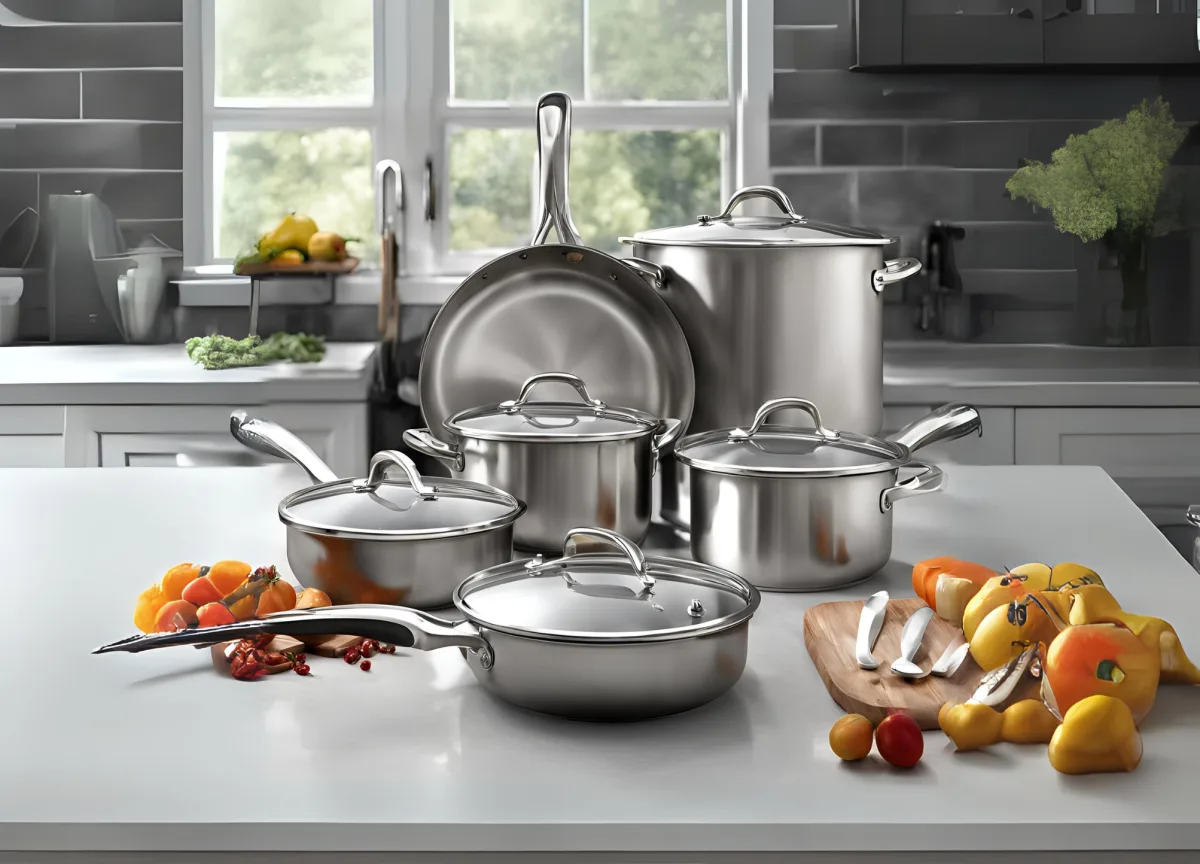
How to Season Ninja Stainless Steel Pans for Commercial Use: Because Your Kitchen Deserves Better
Let me start with a confession: I ruined my first stainless steel pan. Not just any pan, one of those sleek, heavy-duty Ninja Foodi NeverStick Pro models that cost more than my first car’s down payment. I thought I knew what I was doing. I’d read the manual, watched a few YouTube tutorials, and even asked a line cook at a local diner for advice. But when I cranked the heat to high, slathered on what I thought was the right amount of oil, and let it sit for an hour, I ended up with a pan that looked like it had survived a small war. The surface was splotchy, sticky in some places, and downright stubborn in others. Worst of all? Eggs still stuck to it like they were auditioning for a glue commercial.
If you’re reading this, you’re probably standing in a commercial kitchen, staring at a stack of brand-new Ninja stainless steel pans, and wondering if you’re about to make the same mistake. Maybe you’ve heard the myths: “Stainless steel doesn’t need seasoning.” Or “Just heat it up and you’re good to go.” Or my personal favorite, “If it’s nonstick, why bother?” Here’s the truth: Ninja’s NeverStick line is a game-changer for commercial kitchens, but it’s not magic. It’s a tool, and like any tool, it needs to be treated right. Seasoning isn’t just about preventing food from sticking, it’s about extending the life of your pans, improving heat distribution, and making your job easier when you’re juggling tickets during a Saturday night rush. And yes, even stainless steel benefits from a little TLC.
In this guide, I’m going to walk you through exactly how to season Ninja stainless steel pans for commercial use. We’ll cover why seasoning matters, what you’ll need, step-by-step instructions (including the mistakes I made so you don’t have to), and how to maintain your pans so they last longer than your last kitchen renovation. By the end, you’ll know how to turn those shiny new pans into workhorses that can handle everything from searing steaks to scrambling eggs without breaking a sweat. And if you’re still skeptical? Well, I get it. But trust me, your future self, the one who’s not scraping burnt cheese off a pan at 2 AM, will thank you.
The Big Question: Why Bother Seasoning Stainless Steel?
Because Stainless Steel Isn’t as “Nonstick” as You Think
Let’s get one thing straight: stainless steel is not naturally nonstick. It’s durable, it’s versatile, and it can handle high heat like a champ, but out of the box, it’s about as nonstick as a brick. The reason Ninja’s NeverStick line is so popular in commercial kitchens is because of its proprietary coating, which is designed to mimic some of the properties of traditional nonstick pans. But here’s the catch, even that coating needs a little help to reach its full potential. Seasoning creates a microscopic layer of polymerized oil on the surface of the pan, which fills in the tiny imperfections and creates a smoother, more uniform cooking surface. Think of it like waxing a car: the wax doesn’t change the metal underneath, but it makes the surface slicker, shinier, and more resistant to the elements. The same principle applies to your pans.
Now, you might be thinking, “But Sammy, I’ve used stainless steel pans for years without seasoning them, and they’ve been fine.” And you’re not wrong. Stainless steel is forgiving, and with enough oil and the right technique, you can cook just about anything in it. But here’s the difference: seasoning isn’t just about making your life easier in the moment. It’s about long-term performance. A well-seasoned pan will distribute heat more evenly, reducing hot spots that can burn food or cause uneven cooking. It’ll also develop a natural patina over time, a dark, almost glossy finish that not only looks pro but also improves the pan’s nonstick properties. And let’s not forget the most obvious benefit: less food sticking means less scrubbing, less wasted product, and less frustration when you’re trying to flip a delicate piece of fish during a busy service.
Because Commercial Kitchens Are a Different Beast
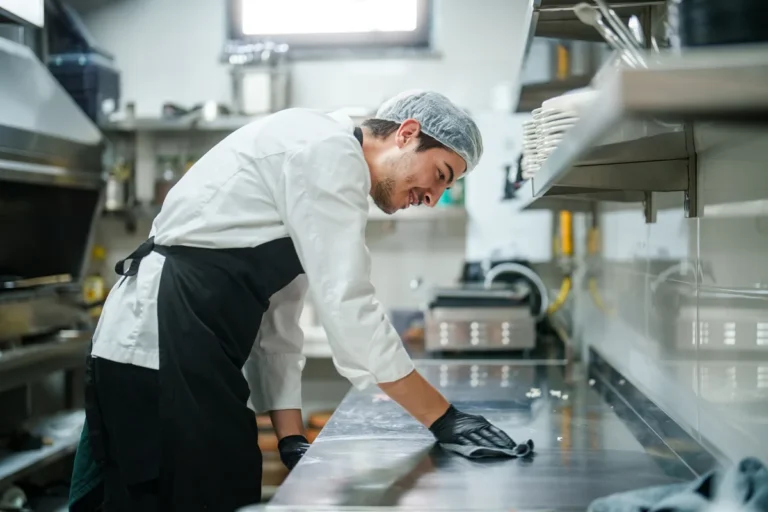
If you’re cooking at home, you can afford to baby your pans a little. You might use medium heat, take your time with each step, and clean up with a soft sponge and some elbow grease. But in a commercial kitchen? Forget about it. You’re dealing with high heat, constant use, abrasive cleaners, and the occasional pan that gets tossed into a sink full of soapy water to soak for an hour (or three). Seasoning acts as a protective barrier, shielding the pan’s surface from the wear and tear of daily use. It also makes cleanup faster and easier, which is a godsend when you’re trying to turn over a station between lunch and dinner service.
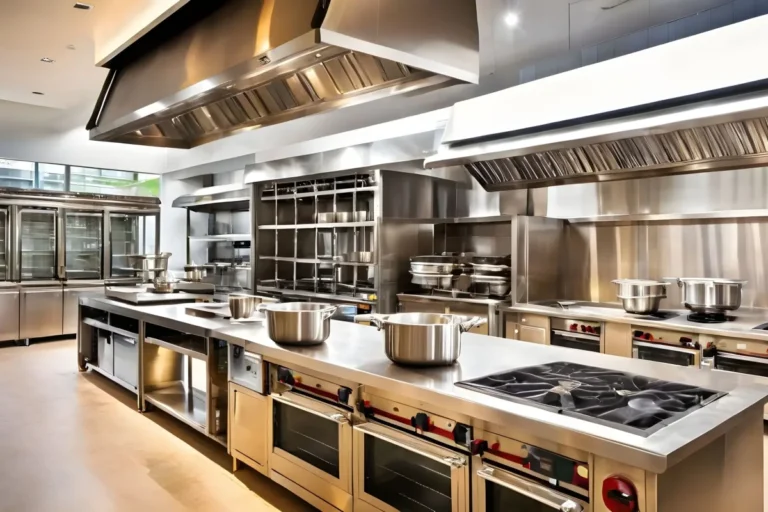
Here’s another thing to consider: commercial kitchens often use induction burners or high-BTU gas ranges, which can be brutal on cookware. Stainless steel is tough, but it’s not indestructible. Without proper seasoning, the repeated thermal shock of high heat followed by rapid cooling (like when you plunge a hot pan into a sink) can cause the metal to warp or develop micro-cracks over time. Seasoning helps mitigate this by creating a more resilient surface that can better handle the extremes of a commercial kitchen. It’s not a silver bullet, but it’s one of those small things that adds up to big savings in the long run.
Because It’s Not Just About the Pan, It’s About the Food
Let’s talk about flavor. You might not think of seasoning as a flavor enhancer, but it is. When you cook in a well-seasoned pan, the food develops a better sear, which means more fond (those browned bits stuck to the bottom of the pan) that you can deglaze into a sauce. Fond is flavor, and flavor is what separates a good dish from a great one. A poorly seasoned pan, on the other hand, can leave you with food that sticks, burns, or cooks unevenly, which means you’re not just fighting the pan, you’re fighting your ingredients.
And here’s a pro tip: seasoning isn’t just for the cooking surface. If you’re using your Ninja pans for tasks like reducing sauces or caramelizing onions, seasoning the exterior of the pan can help prevent discoloration and buildup from high heat. It’s a small detail, but in a commercial kitchen, where presentation matters as much as taste, it’s the kind of thing that can make your food look as good as it tastes.
What You’ll Need to Season Your Ninja Stainless Steel Pans
The Right Oil: Not All Fats Are Created Equal
If you’ve ever read a guide on seasoning cast iron, you’ve probably seen the same advice repeated ad nauseam: “Use flaxseed oil for the best seasoning.” Or “Stick with Crisco for a classic finish.” But here’s the thing, seasoning stainless steel isn’t the same as seasoning cast iron. Cast iron is porous, which means it absorbs oil and creates a thick, durable layer over time. Stainless steel, on the other hand, is non-porous, so the oil doesn’t penetrate the surface. Instead, it polymerizes on top, creating a thin, slick coating. That means you need an oil with a high smoke point and a neutral flavor, but you also need one that’s stable enough to form a strong bond with the metal.
So, what’s the best oil for seasoning Ninja stainless steel pans? After testing a few options (and ruining a pan or two in the process), here’s what I recommend:
- Avocado oil: This is my top pick. It has a smoke point of around 520°F (270°C), which is high enough to handle the heat without breaking down. It’s also neutral in flavor, so it won’t impart any unwanted tastes to your food. Plus, it’s rich in monounsaturated fats, which polymerize well and create a smooth, durable finish.
- Refined coconut oil: Another solid choice. It has a smoke point of about 450°F (232°C), which is lower than avocado oil but still high enough for most seasoning tasks. The key here is to use refined coconut oil, not unrefined. Unrefined coconut oil has a lower smoke point and a strong coconut flavor, which you don’t want in your seasoning layer.
- Grapeseed oil: This is a good middle-ground option. It has a smoke point of around 420°F (216°C) and a neutral flavor. It’s not as stable as avocado oil, but it’s more affordable and easier to find in bulk, which is a plus for commercial kitchens.
- Vegetable shortening (like Crisco): This is the old-school choice, and it works, but it’s not my favorite. Shortening has a lower smoke point than the oils listed above, and it can leave a slightly sticky residue if you don’t heat it enough. That said, it’s cheap, it’s easy to find, and it’s what a lot of chefs swear by. If you go this route, just be sure to heat the pan thoroughly to burn off any excess.
What you shouldn’t use:
- Olive oil: Even extra-virgin olive oil has a relatively low smoke point (around 375°F/190°C), which means it can break down and create a sticky, uneven layer. Plus, it has a strong flavor that can transfer to your food over time.
- Butter or ghee: These are great for cooking, but they’re terrible for seasoning. They have low smoke points and contain milk solids that can burn and create a gummy mess.
- Unrefined oils (like unrefined coconut or sesame oil): These oils have lower smoke points and stronger flavors, which can interfere with the seasoning process.
One last thing: no matter what oil you choose, make sure it’s fresh. Rancid oil won’t polymerize properly and can leave your pan with a funky smell or taste. If you’re buying in bulk for a commercial kitchen, store your oil in a cool, dark place and check the expiration date before using it.
The Tools of the Trade
Seasoning a pan isn’t complicated, but having the right tools can make the process faster, easier, and more consistent. Here’s what you’ll need:
- A high-heat burner: You’ll need a burner that can get hot, really hot. If you’re seasoning in a commercial kitchen, this shouldn’t be a problem. Just make sure the burner is clean and free of debris before you start. If you’re seasoning at home (or in a kitchen without high-BTU burners), you can use your oven, but we’ll get to that later.
- A clean, lint-free cloth or paper towels: You’ll use this to apply the oil and wipe away any excess. Avoid using regular towels or sponges, as they can leave behind fibers or residue that can burn onto the pan.
- A pair of tongs or a spatula: You’ll need something to handle the pan when it’s hot. A pair of metal tongs or a silicone spatula works best, as they won’t melt or warp under high heat.
- A timer: Seasoning isn’t something you can eyeball. You’ll need to time each step to ensure the oil polymerizes properly. Your phone’s timer works, but if you’re seasoning multiple pans, a kitchen timer or even a stopwatch can be helpful.
- A well-ventilated space: Seasoning a pan creates smoke, sometimes a lot of it. Make sure you’re working in a space with good ventilation, or you’ll set off the fire alarm (trust me, I’ve been there). If you’re in a commercial kitchen, turn on the exhaust hood and open any windows or doors to keep the air moving.
- A heat-resistant surface: You’ll need a place to set the pan down when it’s hot. A trivet, a cooling rack, or even a folded towel will work. Just don’t set it directly on a countertop or table, as the heat can damage the surface.
Optional (but helpful) tools:
- A thermometer: If you want to be precise, an infrared thermometer can help you monitor the pan’s temperature. This isn’t strictly necessary, but it can be useful if you’re seasoning multiple pans and want to ensure consistency.
- A fan: If your kitchen’s ventilation isn’t great, a small fan can help disperse the smoke. Just make sure it’s not blowing directly on the pan, as this can cause uneven heating.
- A second pair of hands: Seasoning a pan isn’t a two-person job, but having someone else around can be helpful if you’re working with large or heavy pans. They can help you maneuver the pan, time the steps, or just keep you company while you wait for the oil to polymerize.
Step-by-Step: How to Season Ninja Stainless Steel Pans for Commercial Use
Step 1: Clean the Pan (Yes, Even If It’s New)
I know what you’re thinking: “It’s brand new. Why do I need to clean it?” Here’s the deal: even new pans can have manufacturing residues, dust, or oils from the factory that can interfere with the seasoning process. If you skip this step, you risk creating a seasoning layer that’s uneven, sticky, or prone to flaking. And nobody wants that.
Start by washing the pan with warm, soapy water and a soft sponge or cloth. Avoid using abrasive scrubbers or steel wool, as these can scratch the surface and create tiny imperfections that can trap oil and food particles. Rinse the pan thoroughly to remove any soap residue, then dry it completely with a clean towel. If you want to be extra thorough, you can heat the pan on the stove for a minute or two to evaporate any remaining moisture. Just don’t let it get too hot, you’re not seasoning yet, just drying.
Once the pan is dry, inspect it for any visible residues or imperfections. If you see any spots that look oily or sticky, wash the pan again and dry it thoroughly. You want the surface to be as clean and smooth as possible before you start seasoning.
Step 2: Heat the Pan (The Right Way)
This is where things can go wrong if you’re not careful. The goal here is to heat the pan evenly and gradually, so the oil polymerizes properly. If you crank the heat to high right away, you risk creating hot spots that can cause the oil to burn or the pan to warp. On the other hand, if you don’t heat the pan enough, the oil won’t polymerize, and you’ll end up with a sticky, uneven layer.
Here’s how to do it right:
- Place the pan on a burner over medium heat. You want the heat to be high enough to warm the pan gradually but not so high that it gets too hot too quickly. If you’re using a gas burner, adjust the flame so it’s about the size of the pan’s base. If you’re using an electric or induction burner, set it to medium.
- Let the pan heat for 2-3 minutes. You’ll know it’s ready when it’s warm to the touch but not too hot to handle. If you’re unsure, you can test it by flicking a few drops of water onto the surface. If the water sizzles and evaporates immediately, the pan is ready. If it beads up and rolls around, it’s not hot enough yet.
- Once the pan is warm, increase the heat to medium-high. You want the pan to get hot enough to polymerize the oil, but not so hot that the oil smokes excessively. If you’re using an infrared thermometer, aim for a temperature of around 350-400°F (175-200°C).
Is this the best approach? Let’s consider: some guides recommend heating the pan to a specific temperature before adding the oil, while others suggest adding the oil to a cold pan and heating them together. I’ve tried both methods, and I’ve found that heating the pan first gives me more control over the process. It allows the metal to expand gradually, which helps create a more even seasoning layer. But if you’re in a hurry, you can skip this step and add the oil to a cold pan, just be aware that you might need to adjust the heat as you go.
Step 3: Add the Oil (Less Is More)
This is where most people mess up. They think that more oil equals better seasoning, but that’s not the case. Too much oil can create a thick, sticky layer that doesn’t polymerize properly and can flake off over time. Too little oil, on the other hand, can result in a patchy, uneven seasoning. The key is to use just enough oil to coat the surface thinly and evenly.
Here’s how to do it:
- Pour a small amount of oil into the pan, about 1/2 teaspoon for a 10-inch pan or 1 teaspoon for a 12-inch pan. You can always add more if needed, but it’s harder to remove excess oil once it’s in the pan.
- Use a clean, lint-free cloth or paper towel to spread the oil evenly across the entire cooking surface. Don’t forget the sides and the exterior of the pan if you want to season those as well. The oil should form a thin, almost invisible layer. If you can see a visible sheen, you’ve used too much.
- Once the oil is spread evenly, use a fresh cloth or paper towel to wipe away any excess. You want the surface to look dry, not oily. This might seem counterintuitive, but trust me, it’s the key to a smooth, durable seasoning layer.
I’m torn between recommending avocado oil and grapeseed oil here. Avocado oil has a higher smoke point and creates a more durable finish, but it’s also more expensive. Grapeseed oil is more affordable and easier to find in bulk, but it’s not as stable at high temperatures. Ultimately, I’d say go with avocado oil if you can afford it, but grapeseed oil is a solid backup option.
Step 4: Let the Oil Polymerize (The Waiting Game)
This is the part where patience pays off. Once you’ve added the oil to the pan, you need to let it heat until it polymerizes, that is, until it forms a hard, slick layer on the surface. This usually takes about 5-10 minutes, but the exact time can vary depending on the type of oil you’re using, the heat of your burner, and the size of your pan.
Here’s what to look for:
- The oil will start to smoke lightly. This is normal and indicates that the oil is breaking down and polymerizing. If the smoke gets too thick or acrid, reduce the heat slightly.
- The surface of the pan will start to darken. This is a good sign, it means the oil is bonding with the metal. The color should be a uniform golden brown or light amber. If you see dark spots or splotches, it means the oil is burning in those areas. Reduce the heat and spread the oil more evenly next time.
- The oil will stop smoking and the pan will start to cool. Once the smoke subsides, turn off the heat and let the pan cool completely. This can take 10-15 minutes, so be patient. Don’t rush this step, if you move the pan while it’s still hot, you risk disrupting the seasoning layer.
Maybe I should clarify: polymerizing oil isn’t the same as burning it. When oil burns, it creates a sticky, gummy residue that can flake off and ruin your food. When oil polymerizes, it forms a hard, slick layer that bonds with the metal and improves the pan’s nonstick properties. The key is to heat the oil just enough to polymerize it without burning it. This takes practice, so don’t be discouraged if your first attempt isn’t perfect.
Step 5: Repeat (Because One Layer Isn’t Enough)
Here’s the thing about seasoning: one layer isn’t enough. A single layer of polymerized oil is better than nothing, but it won’t give you the durability and nonstick performance you need in a commercial kitchen. To create a truly resilient seasoning layer, you need to repeat the process 3-4 times. Each layer builds on the last, creating a thicker, more durable finish that can withstand the rigors of daily use.
Here’s how to do it:
- Once the pan has cooled completely, repeat steps 2-4. Heat the pan, add a thin layer of oil, let it polymerize, and let the pan cool.
- After the second layer, inspect the pan. The surface should be darker and more uniform than after the first layer. If you see any patchy or uneven areas, focus on those spots in the next layer.
- Repeat the process 1-2 more times, for a total of 3-4 layers. By the final layer, the pan should have a smooth, almost glossy finish with a dark amber or brown color. This is the patina you’re looking for, it’s a sign that the seasoning is strong and durable.
I know what you’re thinking: “This is going to take forever.” And you’re not wrong. Seasoning a pan properly can take an hour or more, especially if you’re doing multiple layers. But here’s the thing: it’s worth it. A well-seasoned pan will last longer, perform better, and save you time and frustration in the long run. Think of it like sharpening a knife, it’s a small investment of time that pays off every time you use it.
Step 6: Test the Seasoning (Because Seeing Is Believing)
You’ve put in the time, you’ve layered the oil, and now you’re ready to see if it worked. The best way to test your seasoning is to cook something in the pan. Eggs are the classic choice because they’re delicate and prone to sticking, but you can also try a piece of fish, a pancake, or even a simple grilled cheese sandwich. The key is to use minimal oil and let the food cook undisturbed for a few minutes before flipping or stirring.
Here’s what to look for:
- The food should release easily from the pan. If it sticks, it means the seasoning isn’t strong enough yet. Don’t worry, this is normal for the first few uses. The more you cook in the pan, the stronger the seasoning will become.
- The pan should develop a natural patina over time. This is the dark, glossy finish that indicates a well-seasoned pan. It’s not just for looks, it’s a sign that the seasoning is bonding with the metal and improving the pan’s performance.
- The pan should distribute heat evenly. If you notice hot spots or uneven cooking, it could mean the seasoning isn’t uniform. This is more common with gas burners, where the flame can create localized hot spots. If this happens, you can try seasoning the pan again, focusing on the problem areas.
If your test doesn’t go as planned, don’t panic. Seasoning is a process, and it can take a few tries to get it right. If the food sticks, it could mean you need to add another layer of seasoning or adjust your cooking technique. If the pan develops hot spots, it could mean you need to spread the oil more evenly during the seasoning process. The good news is that you can always strip the pan and start over if needed (we’ll cover how to do that later).
How to Maintain Your Seasoned Ninja Stainless Steel Pans
Cleaning: Less Is More
One of the biggest mistakes people make with stainless steel pans is over-cleaning them. Scrubbing too hard, using abrasive cleaners, or soaking the pan for too long can strip away the seasoning and leave the surface vulnerable to sticking and corrosion. The key is to clean the pan gently and thoroughly, using the least aggressive method possible.
Here’s how to do it:
- Let the pan cool slightly after cooking. Never plunge a hot pan into cold water, this can cause the metal to warp and the seasoning to crack. Instead, let the pan cool for a few minutes before cleaning it.
- Wipe out any excess food or oil with a paper towel or a soft cloth. This will make the cleaning process easier and reduce the amount of scrubbing you need to do.
- Wash the pan with warm, soapy water and a soft sponge or cloth. Avoid using steel wool, abrasive scrubbers, or harsh cleaners like bleach or oven cleaner. These can scratch the surface and strip away the seasoning.
- For stuck-on food, fill the pan with warm water and let it soak for 10-15 minutes. This will loosen the food and make it easier to scrub off. If the food is still stuck, you can use a wooden spoon or a silicone spatula to gently scrape it off. Avoid using metal utensils, as these can scratch the surface.
- Rinse the pan thoroughly to remove any soap residue, then dry it completely with a clean towel. If you want to be extra thorough, you can heat the pan on the stove for a minute or two to evaporate any remaining moisture.
I’m torn between recommending a specific cleaner here. Some chefs swear by Bar Keepers Friend, a mild abrasive cleaner that can help remove stubborn stains and discoloration. Others prefer to stick with plain soap and water to avoid damaging the seasoning. Ultimately, I’d say use Bar Keepers Friend sparingly, only when you need to remove tough stains or buildup, and stick with soap and water for everyday cleaning.
Re-Seasoning: When and How to Do It
Even with the best care, your seasoning will wear down over time. High heat, abrasive cleaners, and daily use can all take a toll, leaving the surface of the pan dull, sticky, or prone to sticking. When this happens, it’s time to re-season the pan. But how do you know when it’s time?
Here are a few signs that your pan needs re-seasoning:
- Food starts sticking more than usual. If you notice that eggs, fish, or other delicate foods are sticking to the pan, it’s a sign that the seasoning is wearing thin.
- The surface looks dull or patchy. A well-seasoned pan should have a smooth, glossy finish. If the surface looks dull, dry, or uneven, it’s time to re-season.
- The pan develops hot spots or cooks unevenly. If you notice that some areas of the pan are hotter than others, it could mean the seasoning is uneven or worn down.
- The pan starts to discolor or develop stains. While some discoloration is normal, excessive staining or dark spots can indicate that the seasoning is breaking down.
Re-seasoning a pan is similar to seasoning it for the first time, but it’s usually faster because you’re not starting from scratch. Here’s how to do it:
- Start by cleaning the pan thoroughly. If the pan has a lot of buildup or discoloration, you can use a mild abrasive cleaner like Bar Keepers Friend to remove it. Just be sure to rinse the pan thoroughly and dry it completely before re-seasoning.
- Follow the same steps you used to season the pan initially: heat the pan, add a thin layer of oil, let it polymerize, and let the pan cool. You may not need to do as many layers this time, usually 1-2 is enough to restore the seasoning.
- Test the pan by cooking something in it. If the food releases easily and the surface looks smooth and glossy, you’re good to go. If not, repeat the process until the seasoning is restored.
How often should you re-season your pans? It depends on how often you use them and how well you care for them. In a commercial kitchen, where pans are used daily and subjected to high heat and abrasive cleaners, you might need to re-season every few weeks. At home, where you’re using the pan less frequently and with gentler care, you might only need to re-season every few months. The key is to pay attention to the pan’s performance and re-season as needed.
Stripping the Pan: When All Else Fails
Sometimes, no matter how careful you are, your seasoning will fail. Maybe you used the wrong oil, maybe you overheated the pan, or maybe you just had a bad day. Whatever the reason, if your pan is sticky, flaking, or just not performing the way it should, it might be time to strip the seasoning and start over.
Stripping a pan isn’t difficult, but it does require some elbow grease. Here’s how to do it:
- Start by scrubbing the pan with a mild abrasive cleaner like Bar Keepers Friend. This will remove most of the seasoning and any buildup on the surface. Use a soft sponge or cloth to avoid scratching the pan.
- If the seasoning is particularly stubborn, you can use a mixture of baking soda and water to create a paste. Apply the paste to the pan and let it sit for 10-15 minutes, then scrub it off with a soft sponge or cloth.
- For really tough buildup, you can use a commercial oven cleaner like Easy-Off. Spray the cleaner onto the pan, let it sit for the recommended time (usually 10-15 minutes), then scrub it off with a soft sponge or cloth. Be sure to rinse the pan thoroughly and dry it completely after using oven cleaner.
- Once the pan is clean, wash it with warm, soapy water to remove any residue from the cleaner. Rinse it thoroughly and dry it completely.
- Now you’re ready to re-season the pan. Follow the same steps you used to season it initially, and you’ll have a fresh, slick surface in no time.
Is this the best approach? Let’s consider: oven cleaner is harsh and can damage the pan if left on too long, but it’s also the most effective way to remove stubborn seasoning. If you’re uncomfortable using oven cleaner, you can try scrubbing the pan with a mixture of salt and oil, but this will take more time and effort. Ultimately, I’d say use oven cleaner sparingly, only when you need to strip the pan completely, and stick with gentler methods for everyday cleaning.
Common Mistakes (And How to Avoid Them)
Using Too Much Oil
This is the most common mistake people make when seasoning a pan, and it’s an easy one to make. After all, more oil equals better seasoning, right? Wrong. Too much oil creates a thick, sticky layer that doesn’t polymerize properly and can flake off over time. It also makes the pan more prone to smoking and burning, which can create a gummy mess that’s hard to clean.
The fix: use just enough oil to coat the surface thinly and evenly. A good rule of thumb is to use about 1/2 teaspoon of oil for a 10-inch pan or 1 teaspoon for a 12-inch pan. Spread the oil with a clean cloth or paper towel, then wipe away any excess. The surface should look dry, not oily.
Not Heating the Pan Enough
Polymerizing oil requires heat, lots of it. If you don’t heat the pan enough, the oil won’t break down and bond with the metal, leaving you with a sticky, uneven layer. On the other hand, if you heat the pan too much, the oil can burn and create a gummy mess.
The fix: heat the pan gradually, starting with medium heat and increasing to medium-high. You want the pan to be hot enough to polymerize the oil but not so hot that the oil smokes excessively. If you’re using an infrared thermometer, aim for a temperature of around 350-400°F (175-200°C). If you don’t have a thermometer, you can test the pan by flicking a few drops of water onto the surface. If the water sizzles and evaporates immediately, the pan is ready.
Skipping the Cooling Step
This is another common mistake, and it’s an easy one to make when you’re in a hurry. After you’ve let the oil polymerize, you need to let the pan cool completely before using it or adding another layer of seasoning. If you move the pan while it’s still hot, you risk disrupting the seasoning layer and creating an uneven finish.
The fix: be patient. Let the pan cool completely, this can take 10-15 minutes, before using it or adding another layer of seasoning. If you’re in a hurry, you can speed up the process by setting the pan on a cooling rack or a heat-resistant surface, but don’t rush it. The seasoning layer needs time to set.
Using the Wrong Oil
Not all oils are created equal when it comes to seasoning. Some oils have low smoke points, which means they can burn and create a sticky, uneven layer. Others have strong flavors that can transfer to your food over time. And some oils just don’t polymerize well, leaving you with a seasoning layer that flakes off or wears down quickly.
The fix: stick with oils that have high smoke points and neutral flavors. Avocado oil, refined coconut oil, and grapeseed oil are all good choices. Avoid olive oil, butter, and unrefined oils, as these can burn and create a gummy mess.
Not Repeating the Process
One layer of seasoning isn’t enough. A single layer of polymerized oil is better than nothing, but it won’t give you the durability and nonstick performance you need in a commercial kitchen. To create a truly resilient seasoning layer, you need to repeat the process 3-4 times.
The fix: be patient. Seasoning a pan properly can take an hour or more, but it’s worth it. Each layer builds on the last, creating a thicker, more durable finish that can withstand the rigors of daily use. Don’t skip this step, your future self will thank you.
Seasoning Ninja Stainless Steel Pans in a Commercial Kitchen: Tips and Tricks
Season Multiple Pans at Once
If you’re outfitting a commercial kitchen, you’re probably not just seasoning one pan, you’re seasoning a whole stack of them. Seasoning multiple pans at once can save you time and ensure consistency across your cookware. Here’s how to do it:
- Start by cleaning and drying all the pans. This will ensure that the seasoning adheres properly and that you don’t have to stop mid-process to clean a pan.
- Set up a dedicated seasoning station. You’ll need a high-heat burner, a clean surface for cooling the pans, and all the tools and supplies you’ll need (oil, cloths, tongs, etc.).
- Season the pans one at a time, following the same steps you would for a single pan. Heat the pan, add a thin layer of oil, let it polymerize, and let the pan cool. Repeat the process for each pan, adding 1-2 layers of seasoning to each one.
- Once all the pans are seasoned, test them by cooking something in each one. This will help you identify any pans that need additional seasoning or touch-ups.
I know what you’re thinking: “This is going to take forever.” And you’re not wrong. Seasoning multiple pans can be time-consuming, but it’s a one-time investment that will pay off every time you use them. If you’re short on time, you can season the pans in batches, focusing on the most critical pans first (like the ones you’ll use for eggs or fish) and saving the others for later.
Use the Oven for Even Heating
If you’re seasoning multiple pans or working in a kitchen with uneven heat distribution, using the oven can help ensure that the pans heat evenly and the seasoning polymerizes properly. Here’s how to do it:
- Preheat your oven to 400°F (200°C). This is the ideal temperature for polymerizing oil, it’s hot enough to break down the oil but not so hot that it burns.
- Place the pans on the oven racks, making sure they’re not touching each other or the sides of the oven. If you’re seasoning multiple pans, you can stack them on the same rack, but leave a little space between them to ensure even heating.
- Add a thin layer of oil to each pan, spreading it evenly with a clean cloth or paper towel. Wipe away any excess oil, so the surface looks dry.
- Place the pans in the oven and let them heat for 10-15 minutes. This will give the oil time to polymerize and bond with the metal.
- Turn off the oven and let the pans cool completely inside. This can take 30-60 minutes, so be patient. Don’t open the oven door while the pans are cooling, as this can cause the temperature to drop too quickly and disrupt the seasoning layer.
- Once the pans are cool, remove them from the oven and inspect the seasoning. The surface should be smooth, glossy, and uniform. If you see any patchy or uneven areas, you can repeat the process, focusing on those spots.
Using the oven has a few advantages over stovetop seasoning. First, it ensures even heating, which is especially important for larger pans or pans with thick bases. Second, it allows you to season multiple pans at once, which can save you time if you’re outfitting a commercial kitchen. And third, it’s less smoky than stovetop seasoning, which can be a plus if you’re working in a small or poorly ventilated space.
Season the Exterior of the Pan
When most people think of seasoning a pan, they think of the cooking surface, the part that comes into contact with food. But seasoning the exterior of the pan can also be beneficial, especially in a commercial kitchen where pans are subjected to high heat and frequent use. Here’s why:
- It prevents discoloration. High heat can cause stainless steel to discolor, leaving unsightly stains or dark spots on the exterior of the pan. Seasoning creates a protective barrier that helps prevent this.
- It makes cleanup easier. A seasoned exterior is less likely to develop baked-on food or grease, which can be hard to remove. This is especially useful for pans that are used for tasks like reducing sauces or caramelizing onions, where food can splatter and burn onto the exterior.
- It improves heat distribution. A seasoned exterior can help the pan heat more evenly, reducing hot spots and improving cooking performance.
Seasoning the exterior of the pan is similar to seasoning the cooking surface. Here’s how to do it:
- Clean and dry the pan, making sure to remove any residues or debris from the exterior.
- Heat the pan on the stove over medium heat, just as you would for seasoning the cooking surface.
- Add a thin layer of oil to the exterior of the pan, spreading it evenly with a clean cloth or paper towel. Wipe away any excess oil, so the surface looks dry.
- Let the oil polymerize, just as you would for the cooking surface. You may need to rotate the pan or adjust the heat to ensure even heating.
- Let the pan cool completely, then repeat the process 1-2 more times for a durable finish.
Seasoning the exterior of the pan isn’t strictly necessary, but it’s a small step that can make a big difference in the long run. If you’re short on time, you can skip it, but if you want to get the most out of your pans, it’s worth the extra effort.
Store Your Pans Properly
Proper storage is key to maintaining the seasoning on your Ninja stainless steel pans. Stacking pans haphazardly, storing them in damp or humid environments, or exposing them to abrasive surfaces can all damage the seasoning and reduce the pan’s performance. Here’s how to store your pans properly:
- Stack them carefully: If you’re stacking pans, place a soft cloth or a piece of parchment paper between each pan to prevent scratches and protect the seasoning. Avoid stacking heavy items on top of the pans, as this can cause the seasoning to crack or flake off.
- Store them in a dry place: Moisture can cause stainless steel to rust, which can damage the seasoning and reduce the pan’s lifespan. Store your pans in a dry, well-ventilated place, and avoid storing them in damp or humid environments.
- Hang them if possible: If you have the space, hanging your pans is the best way to store them. This prevents scratches, protects the seasoning, and makes it easy to access the pans when you need them. You can use a pot rack, a wall-mounted hook, or even a ceiling-mounted rack to hang your pans.
- Avoid abrasive surfaces: Storing pans on rough or abrasive surfaces can scratch the seasoning and reduce the pan’s performance. If you’re storing pans in a drawer or cabinet, line the surface with a soft cloth or a piece of felt to protect the pans.
Proper storage might seem like a small detail, but it’s one of those things that can make a big difference in the long run. A well-stored pan will last longer, perform better, and save you time and frustration in the kitchen.
Final Thoughts: Is It Worth the Effort?
After all this, you might be wondering: “Is seasoning my Ninja stainless steel pans really worth the effort?” The short answer is yes. The long answer is hell yes.
Seasoning your pans isn’t just about preventing food from sticking, it’s about extending the life of your cookware, improving heat distribution, and making your job easier in a commercial kitchen. It’s a small investment of time that pays off every time you use the pan, whether you’re searing steaks, scrambling eggs, or reducing a sauce. And let’s not forget the most obvious benefit: less scrubbing. In a commercial kitchen, where time is money and every minute counts, anything that saves you time and effort is worth its weight in gold.
But here’s the thing: seasoning isn’t a one-and-done deal. It’s an ongoing process, and it requires a little care and attention. You’ll need to clean your pans gently, re-season them periodically, and store them properly to maintain the seasoning. And yes, there will be times when the seasoning fails, when food sticks, when the pan develops hot spots, or when the surface looks dull and patchy. When this happens, don’t panic. Just strip the pan, start over, and remember that even the best chefs have ruined a pan or two in their time.
So, is it worth the effort? I think so. But don’t just take my word for it. Try it for yourself. Season one pan, use it for a week, and see how it performs. I’m willing to bet that by the end of the week, you’ll be a believer. And if not? Well, at least you’ll have a clean pan to start over with.
FAQ: Your Burning Questions About Seasoning Ninja Stainless Steel Pans
Q: Can I use olive oil to season my Ninja stainless steel pan?
A: I wouldn’t recommend it. Olive oil has a relatively low smoke point (around 375°F/190°C), which means it can break down and create a sticky, uneven layer when heated to the temperatures needed for seasoning. It also has a strong flavor that can transfer to your food over time. Stick with oils that have high smoke points and neutral flavors, like avocado oil, refined coconut oil, or grapeseed oil.
Q: How often should I re-season my Ninja stainless steel pans in a commercial kitchen?
A: It depends on how often you use the pans and how well you care for them. In a commercial kitchen, where pans are used daily and subjected to high heat and abrasive cleaners, you might need to re-season every few weeks. At home, where you’re using the pan less frequently and with gentler care, you might only need to re-season every few months. The key is to pay attention to the pan’s performance. If food starts sticking more than usual or the surface looks dull or patchy, it’s time to re-season.
Q: Can I use my Ninja stainless steel pan right after seasoning it?
A: Technically, yes, but I’d recommend waiting until the pan has cooled completely. Seasoning creates a thin, slick layer on the surface of the pan, and this layer needs time to set. If you use the pan while it’s still hot, you risk disrupting the seasoning layer and creating an uneven finish. Let the pan cool for at least 10-15 minutes before using it, and avoid cooking delicate foods (like eggs or fish) until you’ve tested the seasoning.
Q: What’s the best way to clean a seasoned Ninja stainless steel pan?
A: The key is to clean the pan gently and thoroughly, using the least aggressive method possible. Start by letting the pan cool slightly after cooking, then wipe out any excess food or oil with a paper towel or a soft cloth. Wash the pan with warm, soapy water and a soft sponge or cloth, avoiding abrasive scrubbers or harsh cleaners. For stuck-on food, fill the pan with warm water and let it soak for 10-15 minutes, then scrub it off with a wooden spoon or a silicone spatula. Rinse the pan thoroughly and dry it completely before storing it. If the pan has a lot of buildup or discoloration, you can use a mild abrasive cleaner like Bar Keepers Friend, but be sure to rinse the pan thoroughly and dry it completely afterward.
And there you have it, everything you need to know about seasoning Ninja stainless steel pans for commercial use. It’s not rocket science, but it does require a little patience, a little care, and a willingness to learn from your mistakes. But if you follow these steps, you’ll end up with pans that perform like a dream, last like a tank, and make your job in the kitchen just a little bit easier. And who knows? Maybe one day, you’ll look back on this guide and laugh at how nervous you were about seasoning your first pan. Or maybe you’ll just be grateful that you never have to scrape burnt cheese off a pan at 2 AM again. Either way, you’ll be glad you took the time to do it right.
@article{how-to-season-ninja-stainless-steel-pans-for-commercial-use-a-chefs-no-nonsense-guide,
    title   = {How to Season Ninja Stainless Steel Pans for Commercial Use: A Chef’s No-Nonsense Guide},
    author  = {Chef's icon},
    year    = {2026},
    journal = {Chef's Icon},
    url     = {https://chefsicon.com/how-to-season-ninja-stainless-steel-pans-for-commercial-use/}
}