The Best Fluffy Pancakes recipe you will fall in love with. Full of tips and tricks to help you make the best pancakes.
Why Thai-Indian Fusion Potato Dishes Are Taking Over Kitchens (And How to Nail the Setup)
Let me be honest, I didn’t see this coming. A few years back, I was at a tiny pop-up in Nashville’s Edgefield neighborhood, sweating through my shirt while waiting for a table. The place was packed, the air thick with spices I couldn’t quite place. When my order arrived, crispy potato wedges tossed in a sauce that was somehow both tangy and creamy, topped with crushed peanuts and fresh cilantro, I nearly knocked over my water glass. It wasn’t just good; it was *revelatory*. That dish, a messy, glorious fusion of Thai massaman curry and Indian aloo gobi, ruined me for plain old fries forever.
Fast forward to today, and Thai-Indian fusion potato dishes are everywhere, food trucks, upscale restaurants, even meal prep services. But here’s the thing: while the flavors are undeniably addictive, setting up a kitchen to pull them off consistently? That’s where things get tricky. You’re not just dealing with potatoes (which, let’s be real, are already finicky enough). You’re juggling the bold, aromatic spices of Thai cuisine with the deep, earthy warmth of Indian cooking. And if your equipment isn’t dialed in? You’ll end up with soggy spuds or, worse, a kitchen that smells like a failed science experiment.
So, what’s the secret? It’s not just about having the right tools, though that’s a big part of it. It’s about understanding how these two culinary traditions interact, where they clash, and how to make them sing together. In this guide, I’ll walk you through everything: the essential equipment, the setup tweaks that make a difference, and the little tricks that separate a decent fusion dish from one that makes people stop mid-bite and stare at their plate in awe. Whether you’re a home cook looking to experiment or a chef setting up a commercial kitchen, this is your roadmap to nailing Thai-Indian fusion potatoes without the guesswork.
By the end, you’ll know:
- Why your current potato prep setup might be sabotaging your fusion dishes (and how to fix it)
- The 5 pieces of equipment you *actually* need (and the 3 you’ve been wasting money on)
- How to balance Thai and Indian flavors without turning your kitchen into a spice warzone
- The workflow tweaks that save time and reduce waste
- Common mistakes that even experienced chefs make (and how to avoid them)
Ready? Let’s dig in.
The Philosophy Behind Thai-Indian Fusion Potatoes (Or: Why This Isn’t Just About Mashing Cuisines Together)
Where Thai and Indian Cuisines Collide (And Why Potatoes Are the Perfect Mediator)
Before we talk equipment, let’s talk *why* this fusion works in the first place. Thai and Indian cuisines are like distant cousins who grew up in different households but still share the same DNA. Both rely on aromatic spices, bold flavors, and a balance of sweet, sour, salty, and spicy. But here’s where they diverge:
- Thai cuisine is all about brightness and freshness, think lemongrass, galangal, kaffir lime leaves, and fish sauce. It’s a cuisine of balance, where every dish is a tightrope walk between opposing flavors. The heat from chilies, the sour from tamarind, the sweet from palm sugar, and the salt from fish sauce all play off each other in a way that feels almost *alive*.
- Indian cuisine, on the other hand, is about depth and layering. Spices like cumin, coriander, turmeric, and garam masala are often toasted and ground, creating complex, earthy flavors that develop over time. Indian cooking is patient; it’s about letting spices bloom in oil, letting sauces reduce, and letting flavors meld together until they’re richer than the sum of their parts.
So where do potatoes fit into this? Potatoes are the ultimate blank canvas, they’re starchy, absorbent, and mild enough to let both Thai and Indian flavors shine without fighting each other. But here’s the catch: potatoes are also *finicky*. They can go from perfectly crispy to mushy in seconds. They can soak up too much oil or refuse to brown at all. And when you’re dealing with two cuisines that each have their own rules for texture and doneness, you need to be *precise*.
Is this the best approach? Let’s consider: maybe instead of thinking about fusion as just combining two cuisines, we should think about it as *translating* them. How do you take the brightness of Thai flavors and marry them with the depth of Indian spices in a way that feels intentional, not just thrown together? That’s where the right equipment, and the right mindset, comes in.
The Texture Paradox: Why Your Potatoes Keep Failing (And How to Fix It)
Here’s a hard truth: most fusion potato dishes fail because of texture. Either they’re too soft (the dreaded “mushy potato” syndrome) or too dry (the equally dreaded “potato hockey puck” effect). And when you’re dealing with Thai-Indian fusion, texture is *everything*.
In Thai cuisine, potatoes are often used in dishes like massaman curry, where they’re meant to be tender but still hold their shape, soaking up the rich, coconut-based sauce without falling apart. In Indian cuisine, potatoes star in dishes like aloo gobi (where they’re cooked until just tender) or batata vada (where they’re mashed but still retain some bite). So when you’re fusing these two, you’re essentially asking the potato to do two things at once: hold its shape *and* absorb flavors deeply. That’s a tall order.
So how do you pull it off? It starts with prep. And prep starts with the right tools. Let’s break it down.
The Essential Equipment: What You *Actually* Need (And What You Can Skip)
The 5 Non-Negotiable Tools for Thai-Indian Fusion Potato Dishes
Alright, let’s cut to the chase. You don’t need a commercial-grade kitchen to pull off great fusion potato dishes, but you *do* need a few key pieces of equipment. Here’s what I’ve found to be absolutely essential after testing (and failing) more times than I’d like to admit:
- A High-Quality Mandoline Slicer
Why? Because consistency is everything. Whether you’re making Thai-style potato chips tossed in chili-lime salt or Indian-style aloo tikki, you need your potatoes sliced or julienned *evenly*. A mandoline isn’t just for show, it ensures that every piece cooks at the same rate, so you don’t end up with some pieces burnt and others undercooked. I’ve tried cheap mandolines, and let me tell you, they’re not worth the frustration. Invest in one with a good grip and adjustable thickness settings. (Pro tip: If you’re prepping a lot of potatoes, look for one with a hand guard, your fingers will thank you.)
- A Heavy-Bottomed Dutch Oven or Deep Fryer
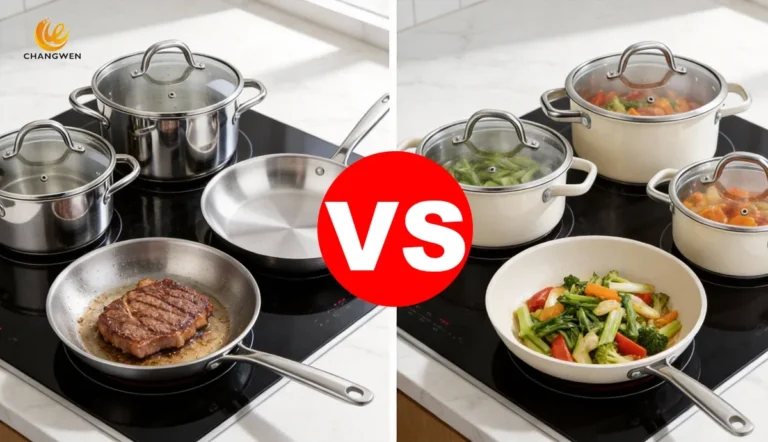
Here’s where things get controversial. Some chefs swear by deep fryers for dishes like Thai-style potato croquettes or Indian batata vada. Others argue that a Dutch oven is more versatile and gives you better control. I’m torn between the two, but ultimately, I think it depends on your volume. If you’re cooking for a crowd or running a restaurant, a deep fryer with a built-in thermostat is a game-changer. It keeps the oil temperature steady, which is *critical* for getting that perfect crispy-on-the-outside, tender-on-the-inside texture. But if you’re cooking at home or in a smaller kitchen, a heavy-bottomed Dutch oven works just fine, just be prepared to babysit the temperature.
- A Spice Grinder (Not Just for Coffee)
This one might seem obvious, but hear me out. Pre-ground spices lose their potency *fast*, especially when you’re dealing with the aromatic, volatile oils in Thai ingredients like lemongrass and galangal. A good spice grinder lets you toast and grind whole spices (like cumin, coriander, and cardamom) fresh for every batch. It also lets you customize blends, like a Thai-inspired garam masala with a hint of kaffir lime zest. I’ve got a small electric grinder I use just for spices, and it’s made a *huge* difference in the depth of flavor in my dishes.
- A Fine-Mesh Spider Strainer
If you’re frying potatoes (and let’s be real, a lot of these fusion dishes involve frying), a spider strainer is non-negotiable. It lets you lift potatoes out of the oil without dragging half the oil with them, which means less grease and more crispiness. It’s also great for blanching potatoes before frying, just drop them in boiling water, then lift them out with the spider to stop the cooking process. Trust me, this little tool will save you a ton of time and mess.
- A Mortar and Pestle (The Thai-Indian Fusion Secret Weapon)
Okay, this one’s a bit old-school, but it’s *essential* for getting the most out of Thai ingredients like lemongrass, galangal, and Thai chilies. A mortar and pestle lets you release the oils and flavors in a way that a food processor just can’t. It’s also great for making pastes (like a Thai green curry paste with a hint of Indian garam masala) or crushing peanuts for a topping. I’ve got a granite mortar and pestle that I’ve had for years, and it’s one of the most-used tools in my kitchen. If you’re serious about fusion cooking, this is a must.
The 3 Tools You’re Probably Wasting Money On
Now, let’s talk about the stuff you *don’t* need. I’ve fallen for these traps more times than I’d like to admit, so learn from my mistakes:
- Fancy Sous-Vide Machines
Look, I love sous-vide as much as the next guy. It’s great for proteins, for infusing oils, even for some vegetables. But for potatoes? Not worth it. Potatoes are starchy and dense, and sous-vide doesn’t give you the texture you need for most fusion dishes. You’re better off sticking with traditional methods like frying, roasting, or boiling. Save the sous-vide for your steaks.
- Overpriced “Asian-Inspired” Knife Sets
I get it, there’s something romantic about a set of knives labeled “for Asian cooking.” But here’s the truth: a good chef’s knife and a paring knife are all you really need. Thai and Indian cooking don’t require specialized knives, just sharp ones. Spend your money on a good sharpening stone instead. A sharp knife makes prep *so* much faster and safer.
- Multi-Cookers with “Fusion” Presets
I’ve tried a few of these, and they’re always a letdown. The “fusion” presets are gimmicky, and the results are usually mediocre. If you want to make a Thai-Indian potato curry, you’re better off using a regular pressure cooker or slow cooker and controlling the process yourself. These machines are great for convenience, but they don’t give you the control you need for *real* fusion cooking.
Setting Up Your Kitchen Workflow: The Step-by-Step Guide
Prep Like a Pro: The Order of Operations
Alright, let’s talk workflow. One of the biggest mistakes I see people make with fusion cooking is jumping into the cooking process without a plan. Thai-Indian fusion dishes require *layering*-of flavors, of textures, of techniques. If you don’t prep in the right order, you’ll end up with a chaotic kitchen and a dish that tastes like it was thrown together (because it was). Here’s how I do it:
- Start with the Spices
This might seem counterintuitive, but I always start by prepping my spices first. Why? Because spices are the foundation of both Thai and Indian cooking, and they need time to bloom and develop. If you’re using whole spices (like cumin seeds, coriander seeds, or cardamom pods), toast them in a dry pan until fragrant, then grind them. If you’re using pastes (like Thai curry paste or Indian ginger-garlic paste), make those next. This step sets the tone for the entire dish, so don’t rush it.
- Prep the Aromatics
Next up: aromatics. This is where the Thai and Indian flavors start to merge. For Thai dishes, you’ll want things like lemongrass, galangal, kaffir lime leaves, and Thai chilies. For Indian dishes, it’s onions, garlic, ginger, and green chilies. The key here is to prep them *separately* at first, then combine them at the right moment. For example, if you’re making a fusion curry, you might sauté the Indian aromatics (onions, garlic, ginger) first, then add the Thai aromatics (lemongrass, galangal) later to preserve their brightness.
- Prep the Potatoes
Now, the star of the show. How you prep your potatoes depends on the dish you’re making. Here’s a quick cheat sheet:
- For crispy dishes (like Thai-style potato wedges or Indian aloo tikki): Soak the potatoes in cold water for at least 30 minutes to remove excess starch. This is *critical* for getting that crispy texture. After soaking, pat them *very* dry, any moisture left on the surface will cause the oil to splatter when frying.
- For creamy dishes (like massaman curry or aloo gobi): Peel and cube the potatoes, then parboil them until just tender. This ensures they’ll hold their shape when cooked in the sauce.
- For mashed dishes (like batata vada or Thai-style potato croquettes): Boil the potatoes until fork-tender, then mash them while they’re still hot. Add a little butter or oil to keep them from getting gluey.
- Prep the Sauces and Toppings
This is where you can get creative. Think about the textures and flavors you want to add to your dish. For example:
- For a Thai-Indian potato salad: You might make a dressing with coconut milk, lime juice, and a touch of Indian chaat masala. Top it with crushed peanuts, fresh cilantro, and pomegranate seeds for crunch.
- For a fusion curry: You could blend coconut milk with Indian yogurt for a creamy, tangy sauce. Top it with fried shallots and Thai basil for freshness.
- For crispy potato bites: Make a dipping sauce with tamarind paste, jaggery (Indian palm sugar), and a hint of fish sauce for that Thai-Indian sweet-sour-salty balance.
The key here is to prep these elements *before* you start cooking. Trust me, there’s nothing worse than realizing halfway through that you forgot to toast the cumin for your garnish.
Cooking Like a Fusion Chef: Timing Is Everything
Now, let’s talk cooking. This is where the magic happens, and where things can go horribly wrong if you’re not careful. Here’s how to nail it:
- Master the Art of Layering
Fusion cooking is all about layering flavors, and that starts with your cooking technique. Here’s how I do it:
- Start with the base: Sauté your Indian aromatics (onions, garlic, ginger) in oil until golden. This builds a deep, savory foundation.
- Add the Thai elements: Toss in your Thai aromatics (lemongrass, galangal, kaffir lime leaves) and cook just until fragrant. You don’t want to overcook these, they’re meant to add brightness, not depth.
- Bloom the spices: Add your ground spices (cumin, coriander, turmeric, etc.) and cook for 30 seconds to a minute, stirring constantly. This step is *critical*-it wakes up the spices and deepens their flavor.
- Add the liquid: Pour in your coconut milk, broth, or other liquid. If you’re making a curry, let it simmer for a few minutes to let the flavors meld.
- Add the potatoes: Finally, add your prepped potatoes. If you’re making a crispy dish, fry them separately and add them at the end. If you’re making a curry or stew, let them simmer until tender.
- Control the Heat
This is where a lot of people go wrong. Thai and Indian cuisines both use heat, but in different ways. Thai cuisine often uses high heat for quick cooking (like stir-frying), while Indian cuisine uses low and slow heat for simmering sauces. When you’re fusing the two, you need to be *strategic* about how you apply heat.
- For crispy dishes: Use high heat for frying or roasting. You want to get the potatoes golden and crispy as quickly as possible to avoid sogginess.
- For creamy dishes: Use low heat for simmering. You want the flavors to meld together without breaking the sauce or overcooking the potatoes.
- For mashed dishes: Use medium heat for mashing. You want the potatoes to be soft enough to mash easily but not so hot that they turn gluey.
If you’re using a deep fryer, keep the oil temperature between 350°F and 375°F (175°C and 190°C). If you’re using a Dutch oven, use a thermometer to monitor the temperature, it’s the only way to be sure.
- Don’t Overcrowd the Pan
This is a rookie mistake, but even experienced chefs make it. When you’re frying or roasting potatoes, give them space. If you crowd the pan, the potatoes will steam instead of crisp, and you’ll end up with a soggy mess. Work in batches if you have to, it’s worth the extra time.
- Taste as You Go
Fusion cooking is all about balance, and the only way to achieve that is to taste as you go. Is the dish too spicy? Add a little sweetness (like palm sugar or honey). Too sour? Add a pinch of salt or a splash of coconut milk. Too bland? Add more spices or a squeeze of lime. Don’t be afraid to adjust, this is where the magic happens.
The Flavor Balancing Act: How to Make Thai and Indian Spices Play Nice
Understanding the Flavor Profiles
Alright, let’s talk flavors. Thai and Indian cuisines both rely on a balance of sweet, sour, salty, spicy, and umami, but they achieve that balance in different ways. Here’s a quick breakdown:
- Thai Flavor Profile:
- Sweet: Palm sugar, coconut milk
- Sour: Lime juice, tamarind, vinegar
- Salty: Fish sauce, soy sauce
- Spicy: Thai chilies, bird’s eye chilies
- Umami: Fish sauce, shrimp paste, fermented soybeans
- Indian Flavor Profile:
- Sweet: Jaggery, sugar, fruits (like mango or raisins)
- Sour: Tamarind, yogurt, lemon juice, amchur (dried mango powder)
- Salty: Salt, ghee, pickles
- Spicy: Green chilies, red chili powder, black pepper
- Umami: Garam masala, asafoetida (hing), tomatoes
When you’re fusing these two cuisines, the key is to find ingredients that bridge the gap between them. For example:
- Coconut milk is used in both Thai and South Indian cuisines, so it’s a natural fit for fusion dishes.
- Tamarind is used in both Thai and Indian cooking, so it’s great for adding sourness.
- Peanuts are common in both cuisines, crushed peanuts make a great topping for fusion dishes.
- Lemongrass and ginger are used in both Thai and North Indian cuisines, so they’re a great way to tie flavors together.
Common Flavor Pitfalls (And How to Avoid Them)
Even with the best intentions, it’s easy to mess up the flavor balance in fusion dishes. Here are some common pitfalls and how to avoid them:
- Overpowering Spiciness
Both Thai and Indian cuisines can be spicy, and when you combine them, it’s easy to go overboard. If your dish is too spicy, try adding a little sweetness (like palm sugar or honey) or creaminess (like coconut milk or yogurt) to balance it out. You can also add a starchy element (like more potatoes) to dilute the heat.
- Too Much Sourness
Sourness is a key element in both cuisines, but too much can make a dish taste unbalanced. If your dish is too sour, try adding a little salt or sweetness to counteract it. You can also add a creamy element (like coconut milk or yogurt) to mellow out the acidity.
- Blandness
This is the opposite problem, your dish might taste bland if you don’t use enough spices or if the flavors aren’t layered properly. If your dish is bland, try adding more spices (like cumin, coriander, or turmeric) or a splash of acid (like lime juice or vinegar). You can also add a salty element (like fish sauce or soy sauce) to boost the flavor.
- Overly Complex Flavors
Fusion cooking is all about balance, but it’s easy to go overboard and end up with a dish that tastes like a spice cabinet exploded. If your dish is too complex, try simplifying it. Focus on one or two key flavors (like coconut and lemongrass) and build around them. You can always add more spices later if needed.
The Equipment Setup: Commercial vs. Home Kitchen
Commercial Kitchen Setup: What You Need to Scale Up
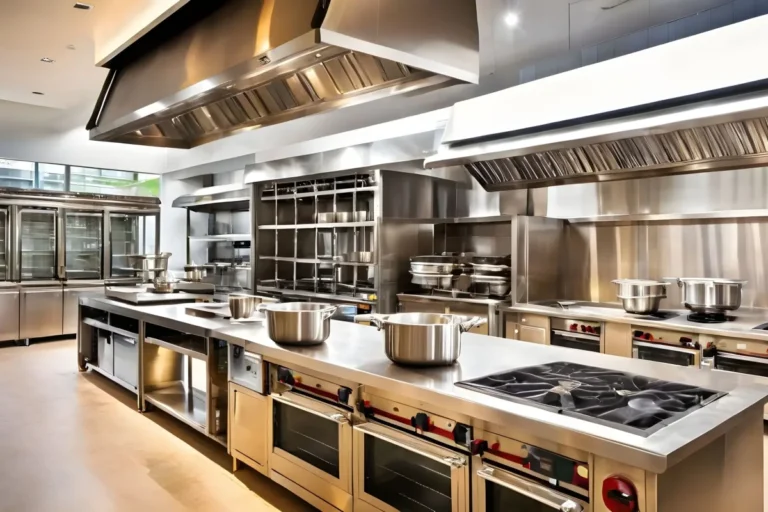
If you’re setting up a commercial kitchen for Thai-Indian fusion potato dishes, you’ll need to think about volume, efficiency, and consistency. Here’s what I recommend:
- Industrial-Size Deep Fryer
For a commercial kitchen, a deep fryer with a large capacity is a must. Look for one with a built-in filtration system to keep the oil clean and extend its life. You’ll also want a fryer with precise temperature control, this is *critical* for getting consistent results. I’ve seen kitchens use fryers with multiple baskets to handle different dishes at once, which can be a huge time-saver.
- Commercial Food Processor
A high-capacity food processor is essential for prepping large quantities of potatoes, spices, and sauces. Look for one with multiple attachments (like slicing, shredding, and chopping blades) to handle different tasks. If you’re making a lot of pastes (like curry pastes or chutneys), a commercial-grade blender is also a good investment.
- Large-Scale Spice Grinder
If you’re grinding spices in bulk, a commercial spice grinder is a game-changer. These machines are designed to handle large quantities of spices without overheating, which preserves their flavor. Some models even come with cooling systems to prevent the spices from burning.
- High-Capacity Steam Kettle
For dishes like curries or stews, a steam kettle is a great way to cook large quantities of potatoes and sauce at once. These kettles use steam to heat the contents evenly, which is perfect for simmering sauces or parboiling potatoes. Look for one with a tilting mechanism for easy pouring.
- Walk-In Cooler or Refrigerated Prep Table
Potatoes need to be stored properly to maintain their quality. A walk-in cooler or refrigerated prep table is essential for keeping potatoes (and other ingredients) at the right temperature. If you’re prepping potatoes in advance, make sure they’re stored in a cool, dry place to prevent sprouting or spoilage.
- Ventilation System
This might seem obvious, but a good ventilation system is *critical* for a commercial kitchen. Frying potatoes (and other ingredients) can create a lot of smoke and grease, so you’ll need a system that can handle the load. Look for one with a high CFM (cubic feet per minute) rating to ensure it can keep up with your cooking volume.
Home Kitchen Setup: Making It Work in a Small Space
If you’re cooking at home, you don’t need all the fancy equipment, but you *do* need to be smart about how you use your space. Here’s how I make it work in my Nashville kitchen:
- Multi-Functional Tools
In a small kitchen, every tool needs to earn its keep. Look for multi-functional tools that can handle multiple tasks. For example:
- A food processor with slicing and shredding attachments can replace a mandoline and a box grater.
- A Dutch oven can be used for frying, simmering, and even baking.
- A mortar and pestle can be used for grinding spices, making pastes, and crushing peanuts.
- Space-Saving Storage
Spices and ingredients can take up a lot of space, so it’s important to store them efficiently. I use clear, airtight containers for my spices and keep them in a drawer or on a spice rack. For ingredients like lemongrass and galangal, I store them in the freezer to extend their shelf life. I also keep a small basket of “frequently used” spices on the counter for easy access.
- Workflow Optimization
In a small kitchen, workflow is everything. I’ve arranged my kitchen so that everything I need for a dish is within arm’s reach. For example:
- My spice grinder and mortar and pestle are next to the stove for easy access.
- My food processor is on the counter near the sink for easy cleanup.
- My Dutch oven is stored under the stove for quick access when frying or simmering.
This might seem like a small thing, but it makes a *huge* difference when you’re in the middle of cooking.
- Batch Cooking
If you’re cooking for a crowd, batch cooking is your friend. For example, if you’re making a fusion curry, you can prep the sauce in advance and store it in the fridge. When you’re ready to serve, just reheat the sauce and add the potatoes. This saves time and reduces stress on the day of the event.
Common Mistakes (And How to Avoid Them)
Mistake #1: Skipping the Soak
I’ve done this more times than I’d like to admit. You’re in a hurry, so you skip soaking the potatoes before frying. Big mistake. Soaking removes excess starch, which is *critical* for getting crispy potatoes. Without it, your potatoes will absorb too much oil and turn out soggy. Always soak your potatoes for at least 30 minutes before frying or roasting. If you’re really pressed for time, a quick rinse under cold water is better than nothing, but it’s not ideal.
Mistake #2: Overcrowding the Fryer or Pan
This is another rookie mistake. You’re trying to save time, so you toss all the potatoes into the fryer or pan at once. The result? A soggy, greasy mess. When frying or roasting potatoes, give them space. Work in batches if you have to, it’s worth the extra time. If you’re using a pan, make sure there’s enough room for the potatoes to brown without steaming.
Mistake #3: Under-Seasoning
Fusion dishes require *layered* seasoning, and it’s easy to under-season if you’re not careful. Remember: potatoes are bland on their own, so they need a lot of flavor. Don’t be afraid to use plenty of spices, salt, and acid. Taste as you go, and adjust the seasoning as needed. If you’re unsure, start with a little and add more as you go, you can always add more, but you can’t take it out.
Mistake #4: Overcooking the Potatoes
Potatoes are tricky, they can go from perfectly tender to mushy in seconds. If you’re making a dish like aloo gobi or massaman curry, keep an eye on the potatoes and pull them out as soon as they’re tender. If you’re frying, watch the color, potatoes should be golden brown, not dark brown. And if you’re boiling, test them with a fork, when the fork slides in easily, they’re done.
Mistake #5: Ignoring the Garnish
Garnishes might seem like an afterthought, but they’re *essential* for fusion dishes. A sprinkle of crushed peanuts, a handful of fresh cilantro, or a squeeze of lime can take a dish from good to *great*. Don’t skip the garnish, it adds texture, color, and freshness, and it’s often the thing that ties the Thai and Indian flavors together.
Recipe Ideas to Get You Started
1. Thai-Indian Potato Wedges with Peanut Chaat Masala
This is one of my go-to dishes when I want something crispy, spicy, and packed with flavor. Here’s how I make it:
- Prep the potatoes: Cut russet potatoes into wedges, soak them in cold water for 30 minutes, then pat them dry.
- Season the potatoes: Toss the wedges with olive oil, salt, and a mix of Thai red curry powder and Indian chaat masala.
- Roast the potatoes: Spread the wedges on a baking sheet and roast at 425°F (220°C) for 25-30 minutes, flipping halfway through, until golden and crispy.
- Make the peanut topping: Mix crushed peanuts with a little palm sugar, lime juice, and fish sauce.
- Garnish and serve: Toss the roasted wedges with the peanut topping, then garnish with fresh cilantro and a squeeze of lime.
Is this the best way to do it? Maybe not, but it’s *my* way, and it works. The key is the chaat masala, it adds a tangy, spicy kick that pairs perfectly with the Thai red curry powder.
2. Massaman Aloo Gobi: A Fusion Curry
This dish is a mashup of Thai massaman curry and Indian aloo gobi. It’s rich, creamy, and packed with flavor. Here’s how I make it:
- Make the curry paste: Blend lemongrass, galangal, garlic, shallots, Thai chilies, and a touch of Indian garam masala into a paste.
- Sauté the aromatics: Cook the paste in coconut oil until fragrant, then add sliced onions and cook until golden.
- Add the spices: Stir in ground cumin, coriander, and turmeric, and cook for 30 seconds.
- Add the liquid: Pour in coconut milk and a little chicken or vegetable broth, then bring to a simmer.
- Add the potatoes and cauliflower: Add cubed potatoes and cauliflower florets, then simmer until tender.
- Finish the dish: Stir in a little palm sugar and fish sauce, then garnish with fresh cilantro and crushed peanuts.
The key here is the balance of flavors, you want the richness of the massaman curry to complement the earthiness of the aloo gobi. Don’t be afraid to adjust the seasoning as you go.
3. Thai-Style Batata Vada with Tamarind Chutney
This is a fun twist on the classic Indian street food. Instead of the usual spiced potato filling, I use a Thai-inspired mix of lemongrass, galangal, and Thai chilies. Here’s how I make it:
- Make the potato filling: Boil potatoes until tender, then mash them with a mix of lemongrass, galangal, garlic, Thai chilies, and a little fish sauce.
- Shape the patties: Form the mashed potatoes into small patties, then coat them in chickpea flour batter.
- Fry the patties: Deep-fry the patties until golden and crispy.
- Make the tamarind chutney: Blend tamarind paste with jaggery, cumin, and a little water, then simmer until thick.
- Serve: Serve the patties with the tamarind chutney and a side of coconut yogurt.
The key here is the batter, it needs to be light and crispy, so don’t overmix it. And the tamarind chutney? It’s the perfect balance of sweet, sour, and spicy.
Wrapping It Up: Your Fusion Potato Journey Starts Now
Look, I’m not gonna lie, Thai-Indian fusion potato dishes are a labor of love. They require patience, precision, and a willingness to experiment (and sometimes fail). But when you nail it? When you take that first bite of a perfectly crispy, spice-infused potato wedge or a creamy, aromatic fusion curry? It’s worth every second of effort.
So where do you go from here? Start small. Pick one recipe, maybe the Thai-Indian potato wedges or the massaman aloo gobi, and give it a try. Pay attention to the details: the soak, the seasoning, the garnish. And don’t be afraid to tweak things as you go. Fusion cooking is all about finding *your* balance, your own way of making these two cuisines sing together.
And remember: the right equipment is only half the battle. The other half? It’s about understanding the *why* behind the flavors, the textures, the techniques. It’s about respecting the traditions of both cuisines while also pushing them forward. It’s about curiosity, creativity, and a willingness to get your hands dirty (literally).
So go ahead, dust off that mandoline, fire up the Dutch oven, and get cooking. Your perfect fusion potato dish is waiting. And who knows? Maybe one day, someone will take a bite of your creation and feel the same way I did that night in Edgefield: like they’ve just discovered something *revelatory*.
FAQ
Q: What’s the best type of potato for Thai-Indian fusion dishes?
A: It depends on the dish! For crispy dishes like wedges or chips, russet potatoes are your best bet, they’re high in starch and low in moisture, which makes them extra crispy. For creamy dishes like curries or mashed potatoes, Yukon Golds are a great choice, they’re buttery and hold their shape well. For dishes where you want the potatoes to soak up a lot of flavor (like a fusion curry), waxy potatoes like red or new potatoes work well because they don’t fall apart as easily.
Q: Can I use pre-ground spices for fusion cooking, or do I need to grind my own?
A: You *can* use pre-ground spices, but I wouldn’t recommend it. Pre-ground spices lose their potency quickly, especially when you’re dealing with the aromatic, volatile oils in Thai and Indian ingredients. Grinding your own spices (even if it’s just toasting and grinding whole spices in a coffee grinder) makes a *huge* difference in the depth of flavor. If you’re really pressed for time, look for high-quality pre-ground spices and store them in an airtight container away from light and heat.
Q: How do I store leftover fusion potato dishes?
A: Most fusion potato dishes store well in the fridge for 3-4 days, but the texture can change depending on the dish. For example:
- Crispy dishes (like wedges or chips): These are best eaten fresh, but you can reheat them in the oven or air fryer to crisp them back up. Avoid the microwave, it’ll make them soggy.
- Creamy dishes (like curries or mashed potatoes): These reheat well in the microwave or on the stovetop. Just add a little water or broth to loosen the sauce if needed.
- Fried dishes (like batata vada): These can be tricky to reheat. I usually reheat them in the oven at 350°F (175°C) for 10-15 minutes to crisp them back up.
If you’re storing a dish with fresh garnishes (like cilantro or lime), add those just before serving to keep them fresh.
Q: What’s the biggest challenge when cooking Thai-Indian fusion potato dishes, and how do you overcome it?
A: The biggest challenge, hands down, is balancing the flavors. Thai and Indian cuisines both rely on complex spice blends, and when you combine them, it’s easy to end up with a dish that’s either too spicy, too sour, or just plain overwhelming. The key is to start small and taste as you go. Add a little of this, a little of that, and keep adjusting until the flavors are balanced. And don’t be afraid to use “bridge” ingredients, like coconut milk, tamarind, or peanuts, that are common to both cuisines. These can help tie the flavors together and make the dish feel cohesive, not chaotic.
@article{the-ultimate-guide-to-thai-indian-fusion-potato-dishes-equipment-setup-kitchen-mastery,
    title   = {The Ultimate Guide to Thai-Indian Fusion Potato Dishes: Equipment Setup & Kitchen Mastery},
    author  = {Chef's icon},
    year    = {2026},
    journal = {Chef's Icon},
    url     = {https://chefsicon.com/thai-indian-fusion-potato-dishes-equipment-setup-guide/}
}