The Best Fluffy Pancakes recipe you will fall in love with. Full of tips and tricks to help you make the best pancakes.
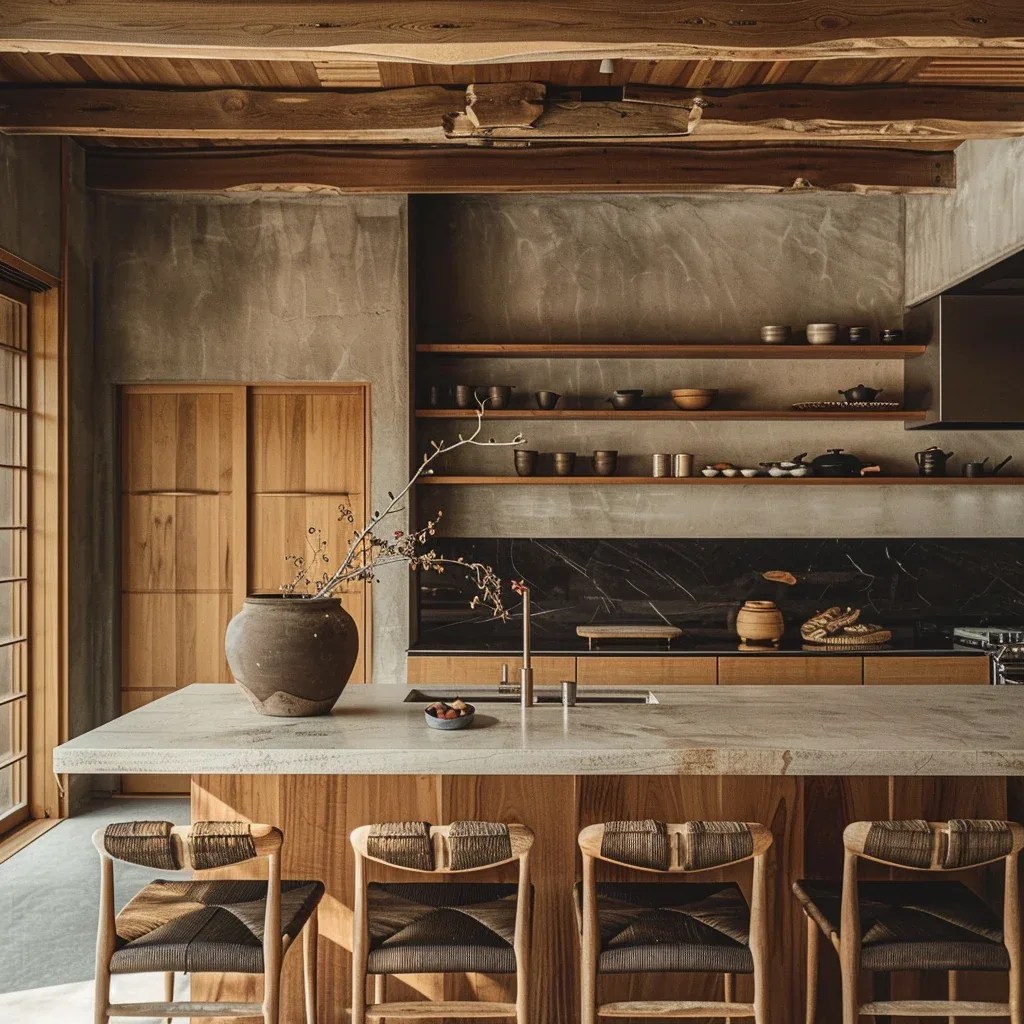
I still remember the first time I walked into a high-end kaiseki kitchen in Kyoto. The chef, a man with hands that looked like they’d been carved from ancient wood, was plating a single piece of sashimi with what seemed like surgical precision. But here’s the thing, he wasn’t using some mystical, unattainable tool. He was working with a gyuto knife, a saibashi, and a few other implements that, at first glance, looked almost disappointingly simple. That’s when it hit me: authentic Japanese plating isn’t about having the fanciest gadgets. It’s about mastering the right tools, and understanding the philosophy behind them.
Fast forward to my own kitchen in Nashville, where I’ve spent the last few years trying to replicate that same level of artistry. I’ve burned my fingers on donabe pots, cursed at oroshigane graters that refused to cooperate, and nearly thrown a hangiri across the room after a particularly disastrous attempt at sushi rice. But through all the trial and error (and a few near-misses with my rescue cat Luna, who has a habit of “helping” by sitting on my cutting boards), I’ve learned something crucial: the tools you choose for Japanese plating aren’t just functional, they’re an extension of the dish itself. Get them wrong, and you’ll end up with something that looks like a sad imitation of the real deal. Get them right, and you’ll unlock a level of precision and beauty that feels almost… well, magical.
In this guide, I’m going to break down the commercial kitchen tools that are non-negotiable if you’re serious about authentic Japanese plating. But here’s the catch: I’m not just going to list them off like some sterile equipment manual. We’re going to dive into the *why* behind each tool, the cultural nuances, the ergonomic quirks, and the little details that most chefs overlook. By the end, you’ll know not just what to buy, but how to use these tools in a way that feels true to the craft. And maybe, just maybe, you’ll avoid some of the mistakes I made along the way.
So, let’s start with the obvious question: where do you even begin?
The Foundation: Knives That Don’t Just Cut, But Create
Why Your Knife Choice is the First (and Most Important) Step
If you’ve ever watched a Japanese chef work, you’ve probably noticed something: their knives don’t just slice, they dance. There’s a rhythm to the way a yanagiba glides through fish or how a deba breaks down a whole snapper. And here’s the thing: that rhythm isn’t just for show. It’s the difference between a piece of sashimi that looks like it was hacked apart and one that looks like it was painted onto the plate.
But here’s where most chefs go wrong. They assume that any high-quality knife will do the job. Wrong. Japanese plating isn’t just about sharpness, it’s about specificity. A gyuto (the Japanese version of a chef’s knife) is fantastic for general prep, but if you’re trying to fillet a fish with one, you’re going to end up with jagged edges that scream “amateur.” On the other hand, a yanagiba is designed for slicing raw fish with a single, clean pull, perfect for sashimi, but nearly useless for chopping vegetables. And don’t even get me started on the deba, which is essentially a cleaver on steroids, built for breaking down whole fish and poultry with brute force.
So, how do you choose? Let’s break it down:
- For sashimi and sushi: A yanagiba (or its shorter cousin, the takohiki) is non-negotiable. These knives are designed for long, smooth pulls that create paper-thin slices without tearing the flesh. The blade is typically 240mm to 300mm long, and the single bevel (sharpened only on one side) ensures a clean cut that doesn’t drag. Pro tip: if you’re left-handed, you’ll need a left-handed yanagiba, these knives are beveled specifically for right-handed use, and trying to force a right-handed version will leave you with a mess.
- For general prep (vegetables, proteins, etc.): A gyuto is your workhorse. Think of it as the Swiss Army knife of Japanese knives, versatile, precise, and built for all-day use. The double bevel (sharpened on both sides) makes it easier to control, and the slightly curved blade allows for a rocking motion that’s perfect for dicing. I’ve found that a 210mm gyuto is the sweet spot for most tasks, but if you’re working with larger cuts of meat or fish, you might want to go up to 240mm.
- For breaking down whole fish or poultry: This is where the deba comes in. This knife is thick, heavy, and built to handle bones. It’s not pretty, but it’s essential if you’re working with whole fish (like for saba shioyaki or sanma). The blade is usually 150mm to 180mm long, and the weight helps you power through cartilage and small bones without chipping the edge. Warning: this is not a knife for delicate work. Use it for what it’s designed for, and you’ll be golden.
Now, here’s the part where I admit something: I didn’t always understand the importance of knife specificity. Early on, I tried to use a gyuto for everything, thinking I was being efficient. Spoiler alert: I wasn’t. My sashimi slices were uneven, my fish fillets looked like they’d been attacked by a chainsaw, and I nearly lost a fingertip trying to break down a whole mackerel with a knife that wasn’t up to the task. Lesson learned: the right knife for the job isn’t just about aesthetics, it’s about safety, efficiency, and respect for the ingredients.
But knives are just the beginning. Once you’ve got your blades sorted, you need to think about how you’re going to handle and shape those ingredients. And that’s where things get really interesting.
The Unsung Heroes: Tools That Shape the Unseen
Let’s talk about saibashi. If you’ve never used a pair, you’re missing out on one of the most underrated tools in Japanese cooking. These are essentially long, thin chopsticks made of bamboo or metal, and they’re used for everything from plating delicate garnishes to arranging sushi rice. But here’s the thing: they’re not just glorified tongs. Saibashi are an extension of the chef’s hand, allowing for a level of control that’s nearly impossible to achieve with fingers alone.
I remember the first time I tried to use saibashi to place a single shiso leaf on a piece of nigiri. It was a disaster. The leaf kept sticking to the chopsticks, or worse, flying off entirely. It wasn’t until I watched a sushi chef in Osaka that I realized I was holding them wrong. You don’t grip saibashi like regular chopsticks, you hold them like a pencil, with the tips resting lightly against your fingertips. The motion should be fluid, almost like you’re painting with them. And here’s the kicker: the more you relax your grip, the more control you have. It’s counterintuitive, but it works.
But saibashi are just one piece of the puzzle. If you’re serious about Japanese plating, you’re also going to need:
- Makisu (bamboo sushi mats): These aren’t just for rolling sushi. A good makisu can be used to shape everything from tamagoyaki (Japanese rolled omelet) to delicate chakin-zushi (sushi wrapped in a thin egg crepe). The key is to use it like a mold, press the ingredients gently but firmly, then let the bamboo do the work. Pro tip: if you’re making tamagoyaki, line the makisu with plastic wrap to prevent sticking. Trust me, you’ll thank me later.
- Urokotori (fish scaler): If you’re working with whole fish, this is a game-changer. Unlike Western fish scalers, which are often clunky and ineffective, a traditional urokotori is designed to remove scales quickly and cleanly without damaging the skin. It looks like a small, serrated spatula, and it’s one of those tools that makes you wonder how you ever lived without it. Just be prepared for scales to go flying, this is not a tool for the tidy-minded.
- Menkiri bocho (udon knife): Yes, it’s technically a noodle knife, but hear me out. This thing is a beast, long, heavy, and razor-sharp. It’s designed for cutting through thick bundles of udon dough, but I’ve found it’s also perfect for slicing kabocha squash or daikon radish into paper-thin sheets. The weight of the knife does most of the work, so you don’t have to press down hard. Just let it glide through the ingredient like it’s cutting through butter.
Now, I know what you’re thinking: “Sammy, this is a lot of tools. Do I really need all of them?” And the honest answer is: it depends. If you’re running a high-volume sushi bar, then yes, you’re going to need a full arsenal. But if you’re just dipping your toes into Japanese plating, start with the basics, a good gyuto, a yanagiba if you’re doing sashimi, and a pair of saibashi. The rest can come later, once you’ve got the fundamentals down.
But here’s the thing about Japanese plating: it’s not just about the tools you use, it’s about how you use them. And that brings us to the next big question: how do you arrange all these perfectly prepped ingredients in a way that feels authentic?
The Art of Arrangement: Tools That Turn Ingredients into Art
Why Your Plating Surface Matters More Than You Think
Let’s talk about plates. Not just any plates-wabi-sabi, imperfect, handcrafted plates that look like they’ve been pulled from the earth itself. In Japanese cuisine, the vessel is just as important as the food it holds. A kaiseki meal, for example, might feature a dozen different plates, each chosen to complement the dish in both form and function. A shallow, wide hassun plate is perfect for showcasing sashimi, while a deep, lidded donabe is ideal for steaming rice or serving hot pots.
But here’s where most Western chefs go wrong: they treat plates like blank canvases. In Japanese plating, the plate isn’t just a surface, it’s a partner. The shape, texture, and even the imperfections of the plate should guide how you arrange the food. A crack in the glaze? That’s not a flaw, it’s a feature, a place to nestle a delicate garnish. A rough, uneven edge? Perfect for framing a piece of grilled fish.
So, how do you choose the right plate? Here’s what I’ve learned:
- For sashimi and sushi: Look for plates with a slight lip or indentation. This helps contain any juices or sauces without making the dish look messy. A sashimi boat (a long, narrow plate with a slight well) is ideal for showcasing multiple pieces of fish, while a round or square plate with a subtle texture works well for individual pieces. Pro tip: if you’re serving sashimi with wasabi and soy sauce, use a small soy sauce dish that’s just large enough to hold a single serving. This isn’t just about aesthetics, it’s about portion control and preventing waste.
- For hot dishes (like donburi or nabemono): You’ll want something that can handle heat. Donabe (clay pots) are traditional for dishes like ishiyaki (stone-grilled meats) or oden (a type of hot pot), but they’re not always practical in a commercial setting. Instead, look for heavy, heat-resistant plates made from stoneware or porcelain. A deep, lidded bowl is perfect for ramen or udon, while a wide, shallow bowl works well for tempura or katsu.
- For small plates (like appetizers or izakaya-style dishes):</
- Kozara: Small, round plates that are perfect for single-bite dishes like edamame or agedashi tofu.
- Hassun: Rectangular plates that are often used for kaiseki courses. They’re great for arranging multiple small dishes in a visually balanced way.
- Yunomi: Tall, cylindrical cups that are traditionally used for tea, but they also work well for serving miso soup or chawanmushi (savory egg custard).
But plates are just one part of the equation. The real magic happens when you start thinking about how to arrange the food on them. And that’s where things get really interesting.
The Tools That Make Plating Feel Like Sculpture
Let’s talk about tweezers. Yes, tweezers. Not the kind you use to pluck your eyebrows, but long, fine-tipped tweezers designed specifically for plating. In Japanese cuisine, tweezers are used to place everything from microgreens to delicate slivers of citrus zest. They allow for a level of precision that’s nearly impossible to achieve with fingers alone, and they’re especially useful when you’re working with ingredients that are too small or fragile to handle directly.
I’ll admit, I was skeptical the first time I saw a chef using tweezers to plate a dish. It looked fussy, almost pretentious. But then I tried it myself, and I was hooked. There’s something almost meditative about using tweezers to place a single mitsuba leaf or a sliver of yuzu peel just so. It’s like painting with food, but with a level of control that feels almost surgical.
But tweezers are just the beginning. Here are a few other tools that will take your plating to the next level:
- Turntables: If you’ve ever struggled to arrange a dish evenly on a plate, a turntable is a game-changer. These rotating platforms allow you to spin the plate as you work, so you can add garnishes or sauces from every angle without having to reach across the dish. They’re especially useful for circular or symmetrical arrangements, like sushi platters or bento boxes. Pro tip: look for a turntable with a non-slip surface to prevent plates from sliding around.
- Squeeze bottles and droppers: These are essential for adding sauces or oils in precise, controlled amounts. A squeeze bottle with a fine tip is perfect for drawing delicate lines of ponzu or yuzu kosho, while a dropper can be used to add tiny dots of truffle oil or citrus reduction. The key is to practice, start with a light hand, and build up slowly. Remember, you can always add more, but you can’t take it away.
- Brushes: Not just for painting, these are used to apply sauces, oils, or even mirin to plates before adding the main ingredients. A fine-bristled brush is perfect for creating subtle, textured backgrounds, while a wider brush can be used to apply a glossy finish to grilled fish or vegetables. I like to keep a few different sizes on hand, depending on the effect I’m going for.
- Stencils: These are a relatively new addition to the Japanese plating toolkit, but they’re incredibly useful for creating intricate designs with powders, sauces, or even matcha. You can find stencils in all sorts of shapes and patterns, from simple geometric designs to elaborate cherry blossoms. The key is to use them sparingly, too much, and your plate will look cluttered rather than elegant.
Now, I know what you’re thinking: “This all sounds great, but what if I don’t have the budget for all these tools?” And that’s a fair point. Authentic Japanese plating doesn’t have to break the bank. Start with the basics, a good knife, a pair of saibashi, and a few well-chosen plates, and build from there. The most important thing is to understand the principles behind the tools, not just the tools themselves.
But here’s the thing: even the best tools in the world won’t help you if you don’t understand the philosophy behind Japanese plating. And that brings us to the next big question: what makes Japanese plating so different from Western plating in the first place?
The Philosophy Behind the Tools: Why Japanese Plating Feels Like Poetry
Less Is More (But Only If It’s Perfect)
If there’s one thing that sets Japanese plating apart from Western plating, it’s this: Japanese cuisine is about subtraction, not addition. In Western cooking, we’re often taught to layer flavors and textures, to pile ingredients high and make the plate look abundant. But in Japanese cuisine, the goal is the opposite. It’s about creating a sense of balance and harmony by removing anything that doesn’t serve the dish. This is why you’ll often see plates with vast amounts of negative space, or dishes where a single ingredient takes center stage.
Take sashimi, for example. A traditional sashimi platter might feature just three or four pieces of fish, arranged simply on a plate with a few garnishes. There’s no sauce dripping over the edges, no elaborate garnishes competing for attention. The focus is entirely on the fish itself, the texture, the color, the way it glistens under the light. And that’s the key: Japanese plating is about highlighting the natural beauty of the ingredients, not covering it up.
But here’s the catch: this minimalist approach only works if every element on the plate is perfect. A single uneven slice of fish or a misplaced garnish can throw off the entire composition. That’s why the tools we’ve talked about, knives that create flawless cuts, tweezers that allow for precise placement, plates that complement rather than compete, are so important. They’re not just functional; they’re essential to achieving that sense of effortless elegance.
So, how do you apply this philosophy to your own plating? Here are a few principles to keep in mind:
- Negative space is your friend: Don’t be afraid of empty space on the plate. In Japanese cuisine, negative space isn’t just acceptable, it’s essential. It gives the eye a place to rest and allows the main ingredients to shine. Think of it like the silence between musical notes: without it, the music would just be noise.
- Odd numbers are more visually appealing: This is a classic Japanese design principle. Whether you’re arranging three pieces of sashimi or five slices of lotus root, odd numbers create a sense of natural asymmetry that feels more dynamic than even numbers.
- Color matters: Japanese plating is all about creating a visual balance of colors. A traditional kaiseki meal, for example, might feature a dish with red (like carrots or persimmons), green (like spinach or shiso), and white (like daikon or tofu). The goal is to create a harmonious palette that feels both vibrant and balanced.
- Texture is key: In Japanese cuisine, texture is just as important as flavor. A dish might feature something crispy (like tempura), something soft (like steamed rice), and something chewy (like konnyaku), all in the same bite. When plating, think about how the textures of your ingredients will interact with each other, and with the plate itself.
Now, I’ll be the first to admit: this philosophy doesn’t come naturally to everyone. I grew up in a culture where “more is more,” and it took me a long time to unlearn that mindset. There were plenty of times when I wanted to add just one more garnish, or drizzle a little extra sauce, just to “make it pop.” But every time I did, the dish ended up looking cluttered and unfocused. It wasn’t until I embraced the idea of subtraction that my plating started to feel truly authentic.
But here’s the thing: Japanese plating isn’t just about minimalism. It’s also about seasonality and imperfection. And that’s where things get really interesting.
The Beauty of Imperfection (And Why It’s Harder Than It Looks)
If you’ve ever visited a traditional Japanese garden, you’ve probably noticed something: the rocks aren’t perfectly symmetrical, the moss isn’t uniformly green, and the trees aren’t pruned into rigid shapes. There’s a sense of natural asymmetry, of controlled chaos. This is the principle of wabi-sabi-the idea that beauty can be found in imperfection, transience, and incompleteness.
And guess what? The same principle applies to Japanese plating. A perfectly symmetrical arrangement might look impressive, but it can also feel sterile and lifeless. In contrast, a dish that embraces imperfection, whether it’s a slightly uneven slice of fish or a garnish that’s just a little off-center, can feel more dynamic and alive.
But here’s the catch: wabi-sabi isn’t an excuse for sloppiness. It’s not about being lazy or careless. It’s about creating a sense of natural beauty, of things that look like they were shaped by time and nature rather than by human hands. And that’s a lot harder than it sounds.
So, how do you incorporate wabi-sabi into your plating? Here are a few tips:
- Embrace asymmetry: Instead of arranging ingredients in perfect symmetry, try placing them in a way that feels organic and unforced. For example, if you’re plating three pieces of sashimi, arrange them in a loose triangle rather than a straight line. The goal is to create a sense of movement, as if the ingredients are naturally settling into place.
- Use imperfect plates: As we talked about earlier, the plate itself can contribute to the sense of wabi-sabi. Look for plates with uneven edges, subtle cracks, or variations in glaze. These imperfections add character and depth to the dish.
- Let the ingredients speak for themselves: In Japanese cuisine, the ingredients are the stars of the show. Don’t cover them up with heavy sauces or elaborate garnishes. Instead, let their natural beauty shine through. For example, if you’re serving grilled fish, a simple brush of tare (a sweet soy-based sauce) is all you need. The goal is to enhance the fish, not overpower it.
- Seasonality matters: Wabi-sabi is also about embracing the transient nature of things. In Japanese cuisine, this means celebrating the seasons and using ingredients that are at their peak. A spring dish might feature delicate bamboo shoots and sansai (mountain vegetables), while a winter dish might showcase hearty mushrooms and root vegetables. The key is to let the ingredients tell a story, about the time of year, the place they came from, and the hands that prepared them.
Now, I know what you’re thinking: “This all sounds great, but how do I actually put it into practice?” And that’s a fair question. The truth is, wabi-sabi is one of those things that’s easier to feel than to explain. It’s about intuition, about developing an eye for what feels right. And that takes time.
But here’s the good news: you don’t have to get it perfect right away. In fact, the whole point of wabi-sabi is that perfection isn’t the goal. The goal is to create something that feels authentic, something that speaks to the soul as much as to the senses. And that’s something you can only achieve by embracing the process, by making mistakes, by experimenting, and by learning from every dish you plate.
So, where do you go from here? How do you take all of this information and turn it into something tangible?
From Theory to Practice: How to Plate Like a Japanese Chef (Even If You’re Not One)
Start Small, Think Big
Let’s be real: you’re not going to master Japanese plating overnight. It’s a craft that takes years, decades, even, to perfect. But that doesn’t mean you can’t start incorporating these techniques into your own cooking right now. The key is to start small and build from there.
Here’s what I recommend:
- Master one technique at a time: Don’t try to overhaul your entire plating style all at once. Instead, pick one technique, like slicing sashimi or arranging a bento box, and focus on perfecting it. Once you feel comfortable, move on to the next.
- Invest in a few key tools: You don’t need a full arsenal of Japanese kitchen tools to get started. Begin with the basics, a good gyuto knife, a pair of saibashi, and a few well-chosen plates, and build from there as you gain confidence.
- Study the masters: Watch videos of Japanese chefs at work. Pay attention to how they hold their knives, how they arrange their ingredients, and how they use their tools. You’ll learn more from observing than you ever will from reading a book.
- Practice, practice, practice: Plating is a skill, and like any skill, it takes practice to improve. Don’t be afraid to experiment, make mistakes, and learn from them. The more you plate, the better you’ll get.
But here’s the thing: even if you do all of this, there’s still one more hurdle to overcome, and it’s a big one.
The Biggest Mistake Chefs Make (And How to Avoid It)
I’ve seen it happen time and time again. A chef gets excited about Japanese plating, invests in all the right tools, studies the techniques, and then… they overcomplicate everything. They add too many garnishes, use too many sauces, and end up with a plate that looks like a Jackson Pollock painting, chaotic, overwhelming, and completely devoid of the elegance that defines Japanese cuisine.
So, what’s the solution? Simplify. Remember, Japanese plating is about subtraction, not addition. It’s about creating a sense of balance and harmony by removing anything that doesn’t serve the dish. So, before you add that extra garnish or drizzle of sauce, ask yourself: does this enhance the dish, or does it distract from it? If the answer is the latter, leave it off.
Here’s a quick checklist to help you keep things simple:
- Does the plate feel balanced? If one side of the plate feels heavier or more crowded than the other, you’ve got a problem. Rearrange the ingredients until the plate feels harmonious.
- Is the focus on the main ingredient? Every element on the plate should support the main ingredient, not compete with it. If you’re serving sashimi, the fish should be the star. If you’re serving tempura, the crispy vegetables or shrimp should take center stage.
- Does the dish feel seasonal? Japanese cuisine is deeply connected to the seasons. Make sure your plating reflects the time of year, whether it’s the delicate greens of spring or the hearty roots of winter.
- Is there too much sauce? Sauces should enhance, not overpower. Use them sparingly, and always in a way that feels intentional.
If you can answer “yes” to all of these questions, you’re on the right track. If not, it’s time to go back to the drawing board.
But here’s the thing: even if you follow all of these rules, there’s still one more factor that can make or break your plating, and it’s something that most chefs overlook.
The X-Factor: Lighting and Presentation
You could have the most perfectly plated dish in the world, but if the lighting is wrong, no one will appreciate it. Lighting is everything in Japanese cuisine. It’s what makes the fish glisten, the vegetables pop, and the colors sing. And yet, it’s one of the most overlooked aspects of plating.
So, how do you get it right? Here are a few tips:
- Natural light is best: If possible, plate your dishes near a window or under natural light. This will give you the most accurate representation of how the dish will look to your guests.
- Avoid harsh overhead lighting: Harsh lighting can create unflattering shadows and wash out colors. Instead, opt for soft, diffused lighting that enhances the natural beauty of the ingredients.
- Use warm lighting for hot dishes: Warm lighting (like that from a candle or a warm-toned bulb) can make hot dishes look even more inviting. It enhances the golden hues of grilled fish or the rich colors of a hot pot.
- Use cool lighting for cold dishes: Cool lighting (like that from a daylight bulb) can make cold dishes like sashimi or salads look crisp and refreshing. It enhances the bright colors of raw fish or the vibrant greens of fresh vegetables.
But lighting is just one part of the equation. The way you present the dish to your guests is just as important. In Japanese cuisine, presentation is about creating a sense of anticipation, of building excitement before the first bite. Here’s how to do it:
- Serve dishes at the right temperature: Hot dishes should be served hot, cold dishes should be served cold. This might seem obvious, but it’s amazing how often this basic rule is overlooked. A lukewarm bowl of ramen or a room-temperature piece of sashimi is a surefire way to disappoint your guests.
- Use the right serving utensils: In Japanese cuisine, the utensils you use to serve a dish are just as important as the dish itself. A shamoji (rice paddle) is essential for serving rice, while a otoshibuta (drop lid) can help keep hot pots at the perfect temperature. Don’t overlook these details, they can make a big difference in the overall experience.
- Pay attention to the order of service: In a traditional kaiseki meal, dishes are served in a specific order, each one building on the last. Even if you’re not serving a full kaiseki meal, think about how you can create a sense of progression in your plating. Start with lighter dishes and build up to heavier ones, or begin with cold dishes and move on to hot ones.
Now, I know what you’re thinking: “This is a lot to take in. How do I remember it all?” And the honest answer is: you don’t. Not at first, anyway. The key is to start small, focus on one thing at a time, and build from there. Over time, these techniques will become second nature, and you’ll start to develop your own unique style.
But here’s the thing: even if you do everything right, there’s still one more challenge you’ll have to face, and it’s the biggest one of all.
The Final Frontier: Bringing It All Together in a Commercial Kitchen
Why Most Commercial Kitchens Get Japanese Plating Wrong
Let’s be honest: most commercial kitchens aren’t designed with Japanese plating in mind. They’re built for speed, efficiency, and high volume, not for the kind of precision and artistry that defines Japanese cuisine. And that’s a problem. Because if you’re trying to plate Japanese dishes in a kitchen that’s not set up for it, you’re going to run into all sorts of challenges, from limited counter space to inadequate lighting to a lack of the right tools.
So, how do you overcome these challenges? How do you bring the art of Japanese plating into a commercial kitchen without sacrificing efficiency or quality? Here are a few strategies I’ve learned along the way:
- Optimize your workspace: Japanese plating requires a lot of counter space, especially if you’re working with multiple ingredients or complex arrangements. If your kitchen is tight on space, consider investing in a mobile prep station or a wall-mounted shelf to give yourself more room to work. You might also want to designate a specific area of the kitchen for plating, away from the heat and chaos of the line.
- Invest in the right tools: We’ve talked about this already, but it bears repeating: the right tools make all the difference. If you’re serious about Japanese plating, you need to invest in high-quality knives, tweezers, turntables, and plates. Don’t skimp on this, cheap tools will only frustrate you and make your job harder.
- Train your staff: Japanese plating isn’t something you can do alone. It requires a team effort, from the prep cooks who slice the fish to the line cooks who cook the rice to the servers who present the dishes to the guests. Make sure your entire staff understands the principles of Japanese plating and knows how to execute them. This might mean investing in training or bringing in a consultant to help get everyone up to speed.
- Streamline your workflow: In a commercial kitchen, time is money. You can’t spend hours plating a single dish, you need to find a way to streamline the process without sacrificing quality. This might mean prepping ingredients in advance, using templates or stencils to speed up plating, or delegating certain tasks to different members of the team. The key is to find a workflow that works for your kitchen and stick to it.
- Communicate with your guests: Japanese plating is as much about the experience as it is about the food. Make sure your guests understand what they’re looking at and why it matters. This might mean adding descriptions to your menu, training your servers to explain the dishes, or even offering a omakase (chef’s choice) experience where guests can see the plating process up close. The more your guests appreciate the artistry behind the food, the more they’ll enjoy it.
But here’s the thing: even if you do all of this, there’s still one more hurdle to overcome, and it’s a big one. Japanese plating isn’t just about the tools or the techniques. It’s about the mindset. And that’s something that’s a lot harder to teach.
The Mindset Shift: Why Japanese Plating Requires a Different Way of Thinking
I’ll be honest: when I first started exploring Japanese plating, I thought it was all about the aesthetics. I focused on the tools, the techniques, the visual balance of the plate. But the more I learned, the more I realized that Japanese plating is about something much deeper. It’s about respect-for the ingredients, for the process, and for the people who will be eating the food.
In Japanese cuisine, every ingredient has a story. The fish was caught by a fisherman in a small village. The vegetables were grown by a farmer who has been tending the same fields for generations. The rice was harvested by hand, milled with care, and cooked to perfection. When you plate a dish, you’re not just arranging food on a plate, you’re telling a story. And that story deserves to be told with care and intention.
So, how do you cultivate this mindset? How do you shift your thinking from “how can I make this look pretty?” to “how can I honor the ingredients and the people who prepared them?” Here are a few things I’ve learned:
- Slow down: Japanese plating isn’t something you can rush. It requires patience, focus, and a willingness to take your time. If you’re feeling stressed or hurried, it will show in your plating. So, take a deep breath, slow down, and give yourself the time you need to do the job right.
- Pay attention to the details: In Japanese cuisine, the details matter. The way you slice the fish, the way you arrange the garnishes, the way you present the dish to the guest, all of these things contribute to the overall experience. Don’t overlook them.
- Respect the ingredients: Every ingredient has its own unique qualities, its texture, its flavor, its color. When you plate a dish, your goal should be to highlight these qualities, not cover them up. Treat the ingredients with the respect they deserve, and they’ll reward you with a dish that’s truly extraordinary.
- Embrace imperfection: As we talked about earlier, wabi-sabi is all about embracing imperfection. But it’s not just about the visual aspect, it’s also about the mindset. Don’t strive for perfection. Strive for authenticity, for something that feels real and true to the ingredients and the process.
- Stay humble: Japanese cuisine is a lifelong journey. There’s always more to learn, more to explore, more to master. Stay humble, stay curious, and never stop learning.
Now, I know what you’re thinking: “This all sounds great, but how do I actually put it into practice in a busy commercial kitchen?” And that’s a fair question. The truth is, it’s not easy. It takes time, effort, and a willingness to challenge the status quo. But if you’re serious about Japanese plating, it’s worth it.
So, where do you go from here? How do you take all of this information and turn it into something tangible?
Putting It All Together: Your Action Plan for Authentic Japanese Plating
Alright, let’s bring this full circle. You’ve got the tools, you’ve got the techniques, and you’ve got the mindset. Now, it’s time to put it all into action. Here’s your step-by-step action plan for bringing authentic Japanese plating into your commercial kitchen:
Step 1: Audit Your Current Setup
Before you can improve your plating, you need to take stock of where you are right now. Ask yourself:
- What tools do I already have that can be used for Japanese plating?
- What tools am I missing?
- What are the biggest challenges I’m facing in my current plating process?
- What dishes on my menu would benefit the most from Japanese plating techniques?
Write down your answers, and use them to create a plan for moving forward.
Step 2: Invest in the Right Tools
Based on your audit, make a list of the tools you need to invest in. Start with the basics, a good gyuto knife, a pair of saibashi, and a few well-chosen plates, and build from there. Don’t feel like you need to buy everything at once. Start small, and add to your collection as you gain confidence and skill.
Here’s a quick shopping list to get you started:
- A gyuto knife (210mm or 240mm)
- A yanagiba knife (if you’re serving sashimi)
- A pair of saibashi (bamboo or metal)
- A makisu (bamboo sushi mat)
- A set of tweezers (fine-tipped, for plating)
- A turntable (for easy plating)
- A few well-chosen plates (start with a mix of round, square, and rectangular plates in neutral colors)
Step 3: Train Your Team
Japanese plating isn’t something you can do alone. It requires a team effort, from the prep cooks to the line cooks to the servers. Make sure your entire staff understands the principles of Japanese plating and knows how to execute them. This might mean investing in training, bringing in a consultant, or simply taking the time to teach them yourself.
Here are a few things to cover in your training:
- The importance of knife skills and how to use Japanese knives properly
- The principles of balance, harmony, and negative space
- How to use tools like saibashi, tweezers, and turntables
- The role of seasonality and how to incorporate it into plating
- The mindset of Japanese plating, respect, patience, and attention to detail
Step 4: Start Small
Don’t try to overhaul your entire menu all at once. Start with one or two dishes and focus on perfecting them. Once you feel comfortable with those, add a few more. The key is to build slowly and steadily, so you don’t get overwhelmed.
Here are a few dishes that are great for beginners:
- Sashimi platter: Start with a simple arrangement of three or four pieces of fish, and focus on creating clean, even slices and a balanced composition.
- Nigiri sushi: Practice shaping the rice and placing the fish with precision. The goal is to create a piece that looks as good as it tastes.
- Bento box: A bento box is a great way to practice arranging multiple ingredients in a visually balanced way. Start with a simple box and focus on creating a sense of harmony and variety.
Step 5: Experiment and Refine
Japanese plating is a journey, not a destination. Don’t be afraid to experiment, make mistakes, and learn from them. Try new techniques, play with different tools, and see what works best for you and your kitchen. The more you practice, the better you’ll get.
Here are a few things to keep in mind as you experiment:
- Keep it simple: Remember, Japanese plating is about subtraction, not addition. Don’t overcomplicate things.
- Pay attention to the details: The little things matter. Focus on creating clean, precise cuts, and arranging ingredients with intention.
- Embrace imperfection: Don’t strive for perfection. Strive for authenticity, for something that feels real and true to the ingredients and the process.
- Get feedback: Ask your staff, your guests, and even your friends and family for feedback. What do they like? What could be improved? Use their input to refine your plating.
Step 6: Make It Your Own
Finally, don’t be afraid to make Japanese plating your own. While it’s important to respect the traditions and techniques of Japanese cuisine, it’s also important to bring your own unique perspective to the table. Whether it’s incorporating local ingredients, adding a modern twist to a classic dish, or simply putting your own spin on a traditional technique, don’t be afraid to get creative.
Here are a few ways to make Japanese plating your own:
- Incorporate local ingredients: Japanese cuisine is all about seasonality and locality. Don’t be afraid to incorporate ingredients that are unique to your region, whether it’s fresh seafood from the coast, hearty root vegetables from the farm, or unique herbs and spices from your local market.
- Add a modern twist: While it’s important to respect tradition, it’s also important to innovate. Don’t be afraid to add a modern twist to a classic dish, whether it’s a new sauce, a unique garnish, or an unexpected presentation.
- Tell your story: Japanese plating is about more than just the food, it’s about the story behind it. Don’t be afraid to share your own story with your guests, whether it’s through the ingredients you use, the techniques you employ, or the way you present the dish.
And that’s it! You’re now armed with everything you need to bring authentic Japanese plating into your commercial kitchen. It won’t be easy, and it won’t happen overnight. But if you stay patient, stay curious, and stay committed to the craft, you’ll be well on your way to creating dishes that are as beautiful as they are delicious.
So, what’s next? Where do you go from here?
The Road Ahead: What’s Next for Your Japanese Plating Journey?
I’ll be honest: this is just the beginning. Japanese plating is a lifelong journey, one that’s filled with challenges, surprises, and endless opportunities for learning. But if you’re serious about mastering the craft, here’s what I recommend:
First, keep practicing. The more you plate, the better you’ll get. Don’t be afraid to make mistakes, every misstep is a chance to learn and improve. And don’t be afraid to experiment. Try new techniques, play with different tools, and see what works best for you and your kitchen.
Second, keep learning. Read books, watch videos, and seek out mentors who can help you refine your skills. The more you know, the more you’ll be able to bring to the table. And don’t be afraid to ask questions. The Japanese culinary community is incredibly generous with its knowledge, and there’s always more to learn.
Finally, keep pushing yourself. Don’t settle for “good enough.” Strive for excellence, for something that feels truly authentic and true to the craft. And don’t be afraid to challenge yourself. Try plating a full kaiseki meal, or experiment with a new technique you’ve never tried before. The more you push yourself, the more you’ll grow.
And who knows? Maybe one day, you’ll walk into a kitchen and see a young chef struggling with their own plating, just like I did all those years ago in Kyoto. And maybe, just maybe, you’ll be the one to show them that the secret to authentic Japanese plating isn’t about having the fanciest tools or the most elaborate techniques. It’s about respect, respect for the ingredients, respect for the process, and respect for the people who will be eating the food.
So, what do you say? Are you ready to take the next step on your Japanese plating journey? I hope so. Because the world could use a little more beauty, a little more intention, and a lot more delicious food.
Now, go forth and plate something amazing.
FAQ: Your Burning Questions About Japanese Plating, Answered
Q: I’m on a tight budget. What are the most essential tools I should invest in first?
A: Start with the basics: a high-quality gyuto knife (210mm or 240mm), a pair of saibashi (bamboo or metal chopsticks for plating), and a few well-chosen plates in neutral colors. These tools will give you the foundation you need to start practicing Japanese plating without breaking the bank. Once you’ve got the fundamentals down, you can gradually add more specialized tools like a yanagiba knife (for sashimi) or a turntable (for easier plating).
Q: How do I keep my Japanese knives sharp? I’ve heard they’re more delicate than Western knives.
A: Japanese knives are indeed more delicate than their Western counterparts, but that doesn’t mean they’re difficult to maintain. The key is to use the right sharpening tools and techniques. Invest in a high-quality whetstone (a 1000/6000 grit combo stone is a great place to start) and learn how to use it properly. Avoid using electric sharpeners or pull-through sharpeners, as these can damage the blade. Instead, take your time and sharpen your knives by hand. It’s a skill that takes practice, but it’s well worth the effort. And remember: a sharp knife is a safe knife. Dull knives require more force, which increases the risk of accidents.
Q: I’m struggling with the concept of negative space. How do I know when a plate has too much or too little?
A: Negative space is one of the trickiest aspects of Japanese plating, but it’s also one of the most important. The key is to think of the plate as a whole, not just the food on it. A good rule of thumb is the “rule of thirds”: imagine the plate divided into a 3×3 grid, and try to place the main ingredients along the lines or at the intersections. This creates a sense of balance and harmony. Another tip is to step back and look at the plate from a distance. If it feels cluttered or overwhelming, you probably need more negative space. If it feels empty or unfinished, you might need to add a little more to the composition. And remember: negative space isn’t just about emptiness, it’s about creating a sense of breathing room for the ingredients to shine.
Q: How do I train my staff to plate Japanese dishes consistently? We’re a high-volume restaurant, and I’m worried about quality control.
A: Consistency is key in a high-volume restaurant, and Japanese plating is no exception. The best way to ensure consistency is to create a plating guide for each dish. This guide should include detailed instructions on how to arrange the ingredients, what tools to use, and what the finished dish should look like. You can also create templates or stencils to help your staff plate dishes more quickly and accurately. Another tip is to designate a “plating captain”-someone on your team who is responsible for overseeing the plating process and ensuring that every dish meets your standards. Finally, make sure to train your staff thoroughly and provide ongoing feedback. The more they practice, the more consistent they’ll become.
@article{the-hidden-arsenal-commercial-kitchen-tools-that-bring-authentic-japanese-plating-to-life-and-why-most-chefs-get-it-wrong,
    title   = {The Hidden Arsenal: Commercial Kitchen Tools That Bring Authentic Japanese Plating to Life (And Why Most Chefs Get It Wrong)},
    author  = {Chef's icon},
    year    = {2026},
    journal = {Chef's Icon},
    url     = {https://chefsicon.com/commercial-kitchen-tools-for-authentic-japanese-plating-techniques/}
}