The Best Fluffy Pancakes recipe you will fall in love with. Full of tips and tricks to help you make the best pancakes.
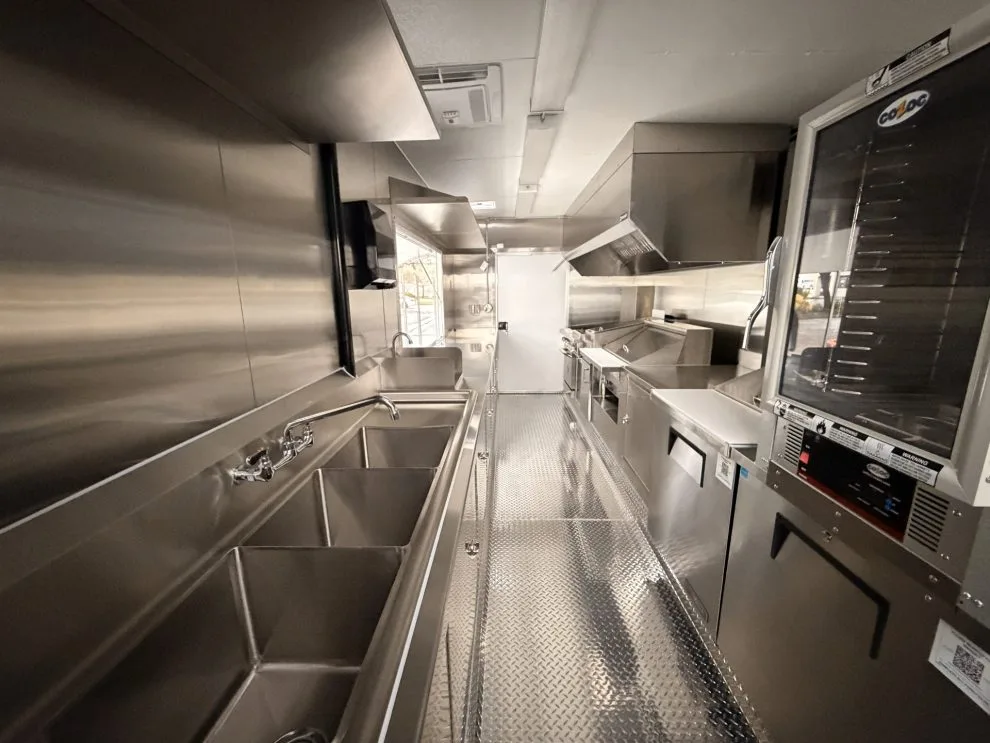
Food Truck Kitchen Equipment Essentials for Efficiency: Why Your Setup Could Make or Break Your Business
I remember the first time I stepped into a food truck kitchen. It was a sweltering summer afternoon in Nashville, and I’d been invited to check out a new taco truck that had just parked near my favorite coffee shop. The owner, a friend of a friend, was sweating bullets, not just from the heat, but from the chaos unfolding inside that tiny metal box. His griddle was too small, his prep space was nonexistent, and his fridge kept cutting out. “I thought I could save money by going cheap on equipment,” he admitted, wiping his brow. “Now I’m paying for it in stress.”
That moment stuck with me. As someone who’s spent years writing about commercial kitchens and efficiency, I’ve seen too many food truck owners make the same mistake: underestimating how much their equipment choices impact their daily operations. It’s not just about having the right tools, it’s about having the right tools that work together in a space where every inch counts. A food truck kitchen isn’t just a smaller version of a restaurant kitchen; it’s a completely different beast. The constraints are tighter, the stakes are higher, and the margin for error is razor-thin.
So, what’s the secret to outfitting a food truck kitchen that actually works? It’s not about cramming in as much gear as possible, it’s about strategic efficiency. You need equipment that maximizes output while minimizing space, energy, and headaches. Over the next few thousand words, I’ll break down the absolute essentials for a high-functioning food truck kitchen, from the must-have appliances to the often-overlooked details that can make or break your workflow. Whether you’re just starting out or looking to upgrade your current setup, this guide will help you avoid the pitfalls and build a kitchen that keeps up with your ambitions.
Let’s start with the big question: What does “efficient” even mean in a food truck context? Is it speed? Space? Energy use? The answer, of course, is all of the above, and then some. Efficiency in a food truck isn’t just about getting food out fast; it’s about creating a system where every piece of equipment, every tool, and every workflow decision supports the others. It’s about reducing friction-whether that’s physical (like bumping into counters), operational (like waiting for a slow fryer), or mental (like constantly rearranging your setup). By the end of this, you’ll have a clear roadmap for building a kitchen that works as hard as you do.
The Foundation: Choosing the Right Food Truck Layout for Your Menu
Before you even think about equipment, you need to nail down your layout. This is where a lot of food truck owners go wrong, they pick gear first and then try to shoehorn it into their space. But the layout should dictate the equipment, not the other way around. Think of your food truck like a puzzle: every piece needs to fit together in a way that makes sense for your menu and your workflow.
First, ask yourself: What’s the core of your menu? Are you serving burgers and fries? Tacos and quesadillas? Gourmet grilled cheese? Your menu will determine your equipment priorities. For example, if you’re running a burger truck, your griddle and fryer will be your workhorses, so they should take center stage. If you’re doing tacos, you’ll need ample prep space for chopping veggies and assembling orders. The key is to design your layout around your most frequent tasks. If you’re constantly reaching across the truck to grab ingredients, you’re wasting time and energy. If your prep station is too far from your cooking station, you’re adding unnecessary steps to your workflow.
Here’s a rough breakdown of how to approach your layout:
- Zone 1: Prep Station – This is where you’ll chop, slice, dice, and assemble. It should be close to your refrigeration and storage, but not so close that it interferes with cooking. Think about ergonomics here: you don’t want to be hunched over a tiny counter all day.
- Zone 2: Cooking Station – This is the heart of your operation. Your primary cooking equipment (griddle, fryer, stove, etc.) should be here, along with any tools you use frequently, like spatulas, tongs, or thermometers. This area should be as streamlined as possible, no clutter, no unnecessary steps.
- Zone 3: Plating and Service – This is where orders come together before they go out to customers. It should be near the window but not in the way of your cooking or prep. You’ll want easy access to condiments, utensils, and packaging here.
- Zone 4: Storage and Refrigeration – This is often the most overlooked area, but it’s critical. You need enough space for ingredients, backup supplies, and tools, all organized in a way that makes them easy to access. Nothing kills efficiency like digging through a cluttered fridge or cabinet mid-rush.
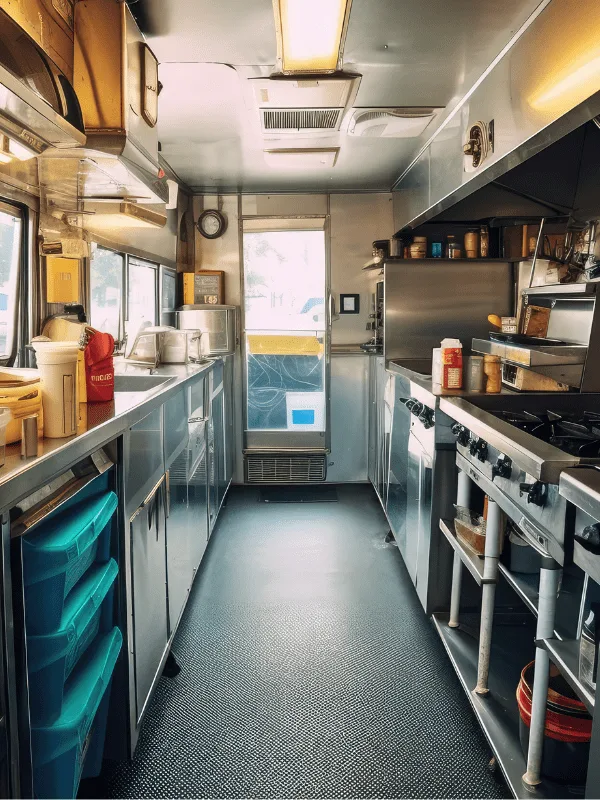
Now, I know what you’re thinking: “That sounds great, but how do I actually make this work in a tiny food truck?” It’s a valid question. The average food truck kitchen is about 100-150 square feet, which is roughly the size of a small bedroom. You’re not just working with limited space, you’re working with limited vertical space, limited electrical capacity, and limited ventilation. This is where creativity comes into play. You’ll need to think in three dimensions, using walls, ceilings, and even the undersides of counters for storage and functionality.
One trick I’ve seen work well is modular design. Instead of fixed counters and cabinets, use movable or adjustable units that can be reconfigured based on your needs. For example, a prep table with wheels can be rolled out of the way when you’re not using it, freeing up space for other tasks. Or, a fold-down counter can double as extra workspace during peak hours and then tuck away when things slow down. The goal is to maximize flexibility-because in a food truck, your needs can change from one day to the next.
Another thing to consider is workflow direction. In a well-designed kitchen, your workflow should move in a logical, circular pattern: prep → cook → plate → serve → repeat. If your layout forces you to backtrack or zigzag, you’re adding unnecessary steps to your process. This might seem like a small thing, but in a high-volume food truck, those extra steps add up fast. I’ve seen trucks where the owner has to walk 10 extra steps per order just because their fridge is on the opposite side of the kitchen from their prep station. That’s 10 steps you’re wasting on every single order, multiply that by 200 orders a day, and you’re looking at a lot of wasted time and energy.
Finally, don’t forget about safety and compliance. Your layout isn’t just about efficiency, it’s also about making sure you’re meeting health codes and fire safety regulations. For example, you’ll need to ensure that your cooking equipment is properly ventilated, that your handwashing station is easily accessible, and that your storage areas are organized to prevent cross-contamination. This is one area where cutting corners can come back to bite you, so it’s worth taking the time to get it right.
Common Layout Mistakes to Avoid
I’ve seen a lot of food truck layouts over the years, and some mistakes pop up again and again. Here are a few to watch out for:
- Overcrowding the cooking station – It’s tempting to pack in as much equipment as possible, but too many appliances in one area can make it hard to move around. You need enough space to work safely and efficiently. If you’re constantly bumping into things or reaching over hot surfaces, you’re setting yourself up for accidents, and slower service.
- Ignoring the “golden triangle” – In commercial kitchens, the “golden triangle” refers to the ideal layout for the three main work zones: prep, cook, and clean. In a food truck, you might not have a dedicated cleaning station, but the principle still applies. Your prep, cook, and plating areas should form a triangle that minimizes unnecessary movement.
- Forgetting about storage – It’s easy to focus on the cooking and prep areas and forget about storage, but this is a big mistake. You need a place for everything, ingredients, tools, backup supplies, and it all needs to be organized in a way that makes sense. If you’re constantly digging through clutter to find what you need, you’re wasting time and energy.
- Not planning for peak hours – Your layout needs to work when you’re slammed, not just when things are slow. If your prep station is too small to handle a lunch rush, or if your plating area gets backed up during dinner service, you’re going to have problems. Think about your busiest times and design your layout to handle them.
So, how do you avoid these mistakes? Start by sketching out your layout on paper or using a design tool. Walk through your workflow step by step, imagining how you’ll move from prep to cook to serve. Where will you stand? What will you reach for? What’s within arm’s reach, and what’s too far away? The more you can visualize your workflow, the better you’ll be able to spot potential problems before they become real issues.
The Must-Have Equipment: What Every Food Truck Kitchen Needs
Alright, let’s talk gear. This is where things get fun, and where a lot of food truck owners go overboard. It’s easy to get excited about all the cool equipment out there, but the truth is, you don’t need everything. In fact, the best food truck kitchens are often the ones with the leanest setups. The key is to focus on the essentials, equipment that’s versatile, reliable, and efficient. Everything else is just noise.
So, what are the absolute must-haves? Here’s my list of non-negotiables for any food truck kitchen:
1. The Griddle: Your Workhorse
If you’re serving anything that needs to be cooked on a flat surface, burgers, eggs, pancakes, grilled cheese, quesadillas, a commercial-grade griddle is a must. This is the piece of equipment that will see the most action in your kitchen, so it’s worth investing in a good one. Look for a griddle that’s at least 36 inches wide (any smaller and you’ll struggle to keep up during rushes) and made of thick, durable steel. You’ll also want one with adjustable heat zones so you can cook different items at different temperatures simultaneously.
Now, here’s where things get tricky: griddles come in two main types-gas and electric. Gas griddles heat up faster and offer more precise temperature control, but they require a propane hookup and proper ventilation. Electric griddles are easier to install and don’t produce as much heat, but they can be slower to heat up and may not get as hot as gas models. Which one is right for you? It depends on your power setup and your menu. If you’re cooking a lot of high-heat items (like burgers or steaks), gas is usually the better choice. If you’re doing lighter fare (like pancakes or eggs), electric might work just fine.
One thing I can’t stress enough: don’t skimp on your griddle. A cheap griddle will warp, wear out quickly, and make your life miserable. I’ve seen too many food truck owners try to save a few hundred bucks on a griddle, only to regret it when they’re constantly battling hot spots or uneven cooking. This is one area where you should buy the best you can afford.
2. The Fryer: Fast and Versatile
If your menu includes anything fried, fries, chicken, onion rings, mozzarella sticks, a commercial fryer is a game-changer. Fryers are one of the fastest ways to cook food, and they’re incredibly versatile. You can use them for everything from appetizers to sides to main dishes. The key is to choose a fryer that’s the right size for your needs. Too small, and you’ll be constantly refilling oil and waiting for batches to cook. Too large, and you’ll waste energy heating up more oil than you need.
For most food trucks, a countertop fryer with a 14-18 pound oil capacity is a good starting point. This size is large enough to handle moderate volume but small enough to fit in most trucks. If you’re doing high-volume frying (like a chicken truck), you might need a larger model or even a double fryer. Just keep in mind that larger fryers take up more space and use more energy, so you’ll need to make sure your truck can handle the load.
Another thing to consider is oil filtration. Fryer oil breaks down over time, and if you don’t filter it regularly, your food will start to taste off. Some fryers come with built-in filtration systems, which can save you time and money in the long run. If your fryer doesn’t have one, you’ll need to invest in a separate filtration system or plan to change your oil more frequently.
One last tip: ventilation is critical. Fryers produce a lot of heat and grease, and if your truck isn’t properly ventilated, you’ll end up with a smoky, greasy mess. Make sure your hood and exhaust system are up to the task, and consider installing a grease trap to keep your kitchen clean and safe.
3. The Refrigeration: Keeping It Cold (and Safe)
Refrigeration is one of the most overlooked aspects of food truck kitchens, but it’s also one of the most important. If your fridge isn’t up to the task, you’re risking food safety, and that’s not something you can afford to mess around with. The problem is, most food trucks don’t have the space (or the power) for a full-sized commercial fridge. So, what’s the solution?
For most food trucks, a commercial undercounter refrigerator is the way to go. These fridges are designed to fit under counters, saving valuable floor space while still providing plenty of storage. Look for a model with a stainless steel interior (easier to clean and more durable) and a digital temperature controller (so you can monitor and adjust the temperature as needed). You’ll also want to make sure it has enough capacity for your needs, most undercounter fridges hold between 5 and 12 cubic feet, which is enough for a day’s worth of ingredients for most trucks.
If you need more storage, consider adding a reach-in refrigerator or a prep table with refrigerated storage. These units are larger and take up more space, but they’re great for trucks that need to store a lot of ingredients. Just keep in mind that they’ll require more power and ventilation, so you’ll need to make sure your truck can handle the load.
One thing to watch out for: power fluctuations. Food trucks often run on generators or limited electrical hookups, which can cause voltage drops and spikes. If your fridge isn’t designed to handle these fluctuations, it could fail when you need it most. Look for a fridge with a wide voltage range (like 100-240V) and a compressor that’s designed for mobile use. This will help ensure that your fridge stays cold, even when your power supply is less than ideal.
Finally, don’t forget about organization. A cluttered fridge is a recipe for disaster, it’s harder to find what you need, it’s harder to keep things clean, and it’s easier for food to spoil. Invest in some clear storage bins and shelf organizers to keep your fridge tidy and efficient. Label everything, and make sure your most frequently used ingredients are easy to access.
4. The Prep Station: Where Efficiency Begins
Your prep station is where the magic happens, or where things go off the rails. A well-designed prep station can save you time, reduce waste, and make your life a whole lot easier. A poorly designed one? Well, let’s just say it can turn your kitchen into a chaotic mess.
The key to a good prep station is organization. You need a place for everything, and everything needs to be in its place. This means investing in the right tools and storage solutions. Here are a few essentials:
- Cutting boards – You’ll need at least two: one for raw proteins and one for everything else. Look for boards that are large enough to handle your prep tasks but small enough to fit in your sink for cleaning. Plastic boards are easier to sanitize, but wooden boards are gentler on your knives.
- Knives – A good set of knives is one of the best investments you can make. You don’t need a dozen different knives, but you should have a few essentials: a chef’s knife (for most chopping tasks), a paring knife (for detail work), and a serrated knife (for bread and tomatoes). Keep them sharp, dull knives are dangerous and inefficient.
- Prep containers – Clear, stackable containers are a game-changer. They let you see what’s inside at a glance, and they stack neatly to save space. Use them for everything: chopped veggies, sauces, garnishes, you name it.
- Mixing bowls – You’ll need a few different sizes for mixing, marinating, and holding ingredients. Stainless steel bowls are durable and easy to clean, but plastic bowls are lighter and less likely to dent.
- Utensils – Tongs, spatulas, ladles, whisks, you’ll need a variety of utensils for different tasks. Keep them within arm’s reach, and make sure they’re easy to clean and sanitize.
One thing I see a lot of food truck owners overlook is ergonomics. Your prep station should be set up in a way that minimizes strain on your body. This means keeping frequently used tools within easy reach, using cutting boards that are at a comfortable height, and avoiding repetitive motions that can lead to injury. If you’re constantly bending over or reaching up, you’re going to wear yourself out, and that’s not good for you or your business.
Another tip: prep ahead. The more you can do before service starts, the smoother your day will go. Chop veggies, marinate proteins, make sauces, whatever you can do in advance, do it. This will free up time during service, so you can focus on cooking and serving customers. Just make sure you’re storing prepped ingredients properly to keep them fresh and safe.
The Often-Overlooked Essentials: Small Details That Make a Big Difference
Okay, so you’ve got your griddle, your fryer, your fridge, and your prep station. You’re all set, right? Not quite. There are a handful of smaller, less glamorous items that can make a huge difference in your day-to-day operations. These are the things that most food truck owners don’t think about until they’re in the middle of a rush and realize they’re missing something critical. Don’t let that be you.
1. The Right Ventilation: Keeping Your Kitchen (and Your Lungs) Happy
Ventilation is one of those things that’s easy to overlook, until you’re choking on smoke and grease fumes. A good ventilation system is essential for keeping your kitchen safe, comfortable, and compliant with health codes. It’s also critical for preventing grease buildup, which can be a fire hazard.
Most food trucks use a hood and exhaust system to vent smoke, heat, and grease. The key is to choose a system that’s powerful enough to handle your cooking volume but not so powerful that it sucks all the heat out of your kitchen. You’ll also need to make sure it’s properly installed and maintained. A poorly installed hood can leak grease and smoke into your truck, and a dirty hood can become a fire hazard.
One thing to keep in mind: ventilation systems require regular cleaning. Grease builds up quickly in hoods and ducts, and if you don’t clean them regularly, you’re risking a fire. Most health codes require hoods to be cleaned at least once a month, but if you’re cooking a lot of greasy food, you might need to clean them more often. This is one area where it’s worth hiring a professional, cleaning a hood and duct system is a messy, time-consuming job, and it’s easy to miss spots if you’re not experienced.
Another tip: consider a grease trap. These devices capture grease before it enters your plumbing, preventing clogs and backups. They’re especially important if you’re doing a lot of frying, but they’re a good idea for any food truck. Just make sure you clean them regularly, grease traps can become a breeding ground for bacteria if they’re not properly maintained.
2. The Handwashing Station: Non-Negotiable for Food Safety
I can’t believe I have to say this, but here goes: you need a dedicated handwashing station. This isn’t optional, it’s a health code requirement, and for good reason. Handwashing is one of the most effective ways to prevent foodborne illness, and if you’re not doing it properly, you’re putting your customers (and your business) at risk.
A good handwashing station should include:
- A sink with hot and cold running water – This is non-negotiable. You can’t wash your hands properly without hot water.
- Soap – Use a liquid antibacterial soap designed for commercial kitchens. Bar soap isn’t sanitary enough for food service.
- Paper towels – Cloth towels can harbor bacteria, so stick with disposable paper towels. Make sure you have a hands-free dispenser to avoid cross-contamination.
- A trash can – You’ll need a place to dispose of used paper towels. A foot-operated trash can is ideal, as it keeps your hands free.
One thing to keep in mind: your handwashing station should be separate from your prep sink. You don’t want to be washing your hands in the same sink where you’re rinsing raw chicken or cleaning dirty dishes. This is a major health code violation, and it’s an easy way to contaminate your food.
Another tip: make handwashing easy. If your handwashing station is hard to access or takes too long to use, you (and your staff) will be less likely to use it. Place it in a convenient location, and make sure it’s always stocked with soap and paper towels. You might even want to post a sign reminding everyone to wash their hands frequently, it’s a simple step, but it can make a big difference.
3. The Fire Suppression System: Your Safety Net
Fires are a real risk in food trucks. You’re working with open flames, hot oil, and electrical equipment in a confined space, it’s a recipe for disaster if you’re not careful. That’s why a fire suppression system is an absolute must. This isn’t just a good idea, it’s a legal requirement in most areas.
A fire suppression system is designed to detect and extinguish fires automatically. Most systems use a combination of heat sensors and chemical agents to put out fires quickly and effectively. The key is to choose a system that’s designed for mobile kitchens, these systems are more compact and easier to install than traditional commercial kitchen systems.
One thing to keep in mind: fire suppression systems require regular maintenance. Most systems need to be inspected and serviced at least once a year, and some components (like the chemical agent) need to be replaced periodically. This is one area where you don’t want to cut corners, if your system isn’t properly maintained, it might not work when you need it most.
Another tip: train your staff on fire safety. Make sure everyone knows how to use a fire extinguisher, how to shut off gas and electrical supplies, and what to do in case of a fire. You should also have an emergency action plan in place, so everyone knows what to do if something goes wrong.
4. The Power Supply: Keeping the Lights On (and the Food Cooking)
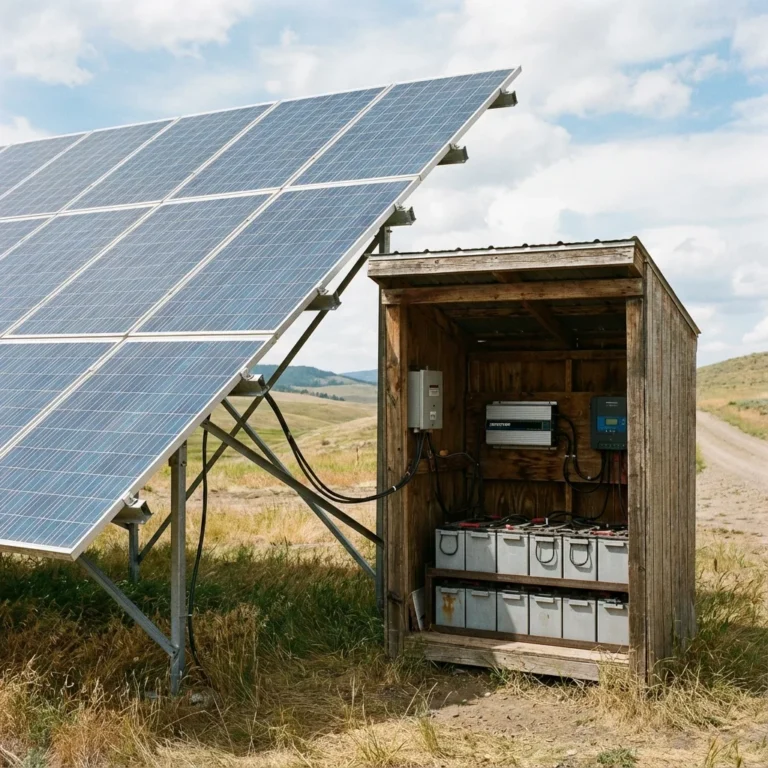
Power is the lifeblood of your food truck. Without it, your fridge won’t run, your griddle won’t heat up, and your lights won’t turn on. But powering a food truck isn’t as simple as plugging into an outlet, you need a reliable, high-capacity power supply that can handle the demands of your equipment.
Most food trucks use one of two power sources: generators or shore power. Generators are portable and can be used anywhere, but they require fuel and regular maintenance. Shore power (plugging into an electrical outlet) is more reliable and doesn’t require fuel, but it’s not always available, especially if you’re parked in a remote location.
If you’re using a generator, make sure it’s powerful enough to handle your equipment. Most food trucks need a generator with at least 7,000-10,000 watts of output, but your needs will depend on your specific setup. You’ll also need to make sure your generator is properly ventilated, generators produce carbon monoxide, which can be deadly if it builds up in your truck.
One thing to watch out for: power fluctuations. Food trucks often run on limited electrical hookups, which can cause voltage drops and spikes. These fluctuations can damage your equipment and cause your fridge to fail. To protect your gear, consider investing in a power conditioner or surge protector. These devices stabilize your power supply and protect your equipment from damage.
Another tip: plan your power usage carefully. Some equipment (like fryers and griddles) draws a lot of power, and if you’re running too many high-wattage appliances at once, you could overload your system. Make a list of all your equipment and its power requirements, and make sure your generator or electrical hookup can handle the load. You might need to stagger your power usage or invest in a larger generator if you’re running a lot of high-wattage appliances.
Maximizing Efficiency: Workflow Tips for Food Truck Owners
You’ve got your equipment, you’ve got your layout, now it’s time to put it all together. But even the best gear won’t save you if your workflow is a mess. Efficiency in a food truck isn’t just about having the right tools; it’s about using them in the right way. Here are a few tips to help you streamline your operations and keep things running smoothly.
1. The Art of Mise en Place
If you’ve worked in a restaurant kitchen, you’ve probably heard the term mise en place. It’s a French phrase that means “everything in its place,” and it’s the foundation of efficient cooking. In a food truck, mise en place is even more important, because you don’t have the space (or the time) to be running around looking for ingredients or tools.
The key to mise en place is preparation. Before service starts, you should have everything you need ready to go: chopped veggies, prepped proteins, sauces, garnishes, utensils, and anything else you’ll need to fulfill orders. This might seem like a lot of work upfront, but it will save you time and stress during service. When you’re in the middle of a rush, you don’t want to be chopping onions or hunting for a spatula, you want to be cooking and serving customers.
One thing to keep in mind: mise en place isn’t just about prep, it’s also about organization. Everything should have a designated place, and everything should be easy to access. If you’re constantly digging through clutter to find what you need, you’re wasting time and energy. Invest in some clear storage containers and shelf organizers to keep your ingredients and tools tidy and accessible.
2. The One-Touch Rule
This is a concept I picked up from lean manufacturing, and it’s one of the most effective ways to improve efficiency in a food truck. The idea is simple: every item should be touched only once. If you pick up a tomato, you should chop it, use it, and put it away, all in one motion. If you’re constantly picking things up, putting them down, and picking them up again, you’re wasting time and increasing the risk of contamination.
Here’s how it works in practice: Let’s say you’re making a burger. Instead of picking up the bun, putting it down, grabbing the patty, putting it down, and so on, you should have everything within arm’s reach so you can assemble the burger in one smooth motion. This might mean rearranging your prep station or investing in some additional storage solutions, but the payoff is worth it. The one-touch rule can cut your order times in half and reduce the risk of mistakes.
One thing to watch out for: bottlenecks. If one part of your workflow is slower than the others, it can create a bottleneck that slows down your entire operation. For example, if your fryer is the limiting factor, you might need to invest in a larger fryer or stagger your frying times to keep up with demand. The key is to identify your bottlenecks and find ways to eliminate them.
3. The Power of Routine
Routine is the secret weapon of efficient food truck owners. When you do the same tasks in the same order every day, they become second nature, and that means you can do them faster and with fewer mistakes. This is especially important in a food truck, where every second counts.
Start by creating a daily checklist. This should include everything you need to do before, during, and after service: prepping ingredients, setting up equipment, cleaning, restocking, and so on. Having a checklist ensures that you don’t forget anything, and it helps you stay organized and focused.
Another tip: standardize your processes. If you’re making the same dish over and over, you should have a standard way of doing it. This might mean creating a recipe card with step-by-step instructions, or it might mean training your staff to follow the same workflow. The goal is to eliminate variability, because when every order is made the same way, you can fulfill them faster and with fewer mistakes.
One thing I’ve found helpful is to time your tasks. How long does it take to chop an onion? How long does it take to cook a burger? Knowing these times can help you plan your workflow and identify areas where you can improve. For example, if you know it takes 5 minutes to cook a burger, you can start cooking the next one as soon as the first one goes on the griddle. This keeps your workflow moving smoothly and ensures that you’re always working at peak efficiency.
The Future of Food Truck Kitchens: Smart Equipment and Automation
We’re living in the future, folks. Okay, maybe not the flying-cars-and-robot-butlers future, but we’re definitely in the era of smart kitchen equipment. From Wi-Fi-enabled griddles to automated fryers, technology is changing the way food trucks operate. And while some of these innovations might seem like overkill for a small mobile kitchen, they’re worth considering if you’re looking to take your efficiency to the next level.
1. Smart Griddles and Fryers
Imagine a griddle that can automatically adjust its temperature based on what you’re cooking, or a fryer that can monitor oil quality and alert you when it’s time to change it. These aren’t just pipe dreams, they’re real products that are already on the market. Smart griddles and fryers use sensors and connectivity to optimize cooking times, reduce energy use, and improve food quality. They can even send alerts to your phone if something goes wrong, like if the temperature drops too low or the oil gets too dirty.
One of the biggest advantages of smart equipment is consistency. When your griddle or fryer is doing the thinking for you, you can be sure that every order is cooked to perfection. This is especially important in a food truck, where you’re often working with a small team and high volume. Smart equipment can help you maintain quality even when you’re slammed.
Another benefit: energy efficiency. Smart equipment is designed to use energy more efficiently, which can save you money on fuel and electricity. For example, a smart griddle might automatically lower its temperature when it’s not in use, or a smart fryer might adjust its power usage based on the volume of food it’s cooking. These small savings can add up over time, especially if you’re running a high-volume truck.
Of course, smart equipment isn’t cheap. A smart griddle can cost twice as much as a traditional model, and a smart fryer can be even more expensive. But if you’re serious about efficiency, it might be worth the investment. Just make sure you do your research and choose equipment that’s designed for food trucks, some smart appliances are too large or too power-hungry for mobile kitchens.
2. Automated Prep Tools
Prep work is one of the most time-consuming parts of running a food truck. Chopping veggies, slicing meat, mixing sauces, it all adds up. But what if you could automate some of these tasks? That’s where automated prep tools come in. From vegetable choppers to automatic slicers, these tools can save you time and reduce the risk of injury.
One of my favorite automated prep tools is the commercial food processor. These machines can chop, slice, shred, and puree ingredients in seconds, saving you hours of prep time. They’re especially useful for trucks that serve a lot of salads, salsas, or sauces. Just make sure you choose a model that’s powerful enough to handle your volume, some food processors are designed for home use and won’t hold up to the demands of a food truck.
Another great tool: the automatic slicer. These machines can slice meat, cheese, and veggies with precision and speed, saving you time and ensuring consistent results. They’re especially useful for trucks that serve sandwiches or charcuterie boards. Just make sure you choose a model that’s easy to clean and sanitize, slicers can be a breeding ground for bacteria if they’re not properly maintained.
One thing to keep in mind: automated prep tools aren’t a substitute for skill. They can save you time, but they won’t make up for poor technique or lack of experience. You still need to know how to use them properly, and you still need to maintain them regularly. But if you’re willing to put in the time, they can be a game-changer for your workflow.
3. Digital Management Systems
Running a food truck isn’t just about cooking, it’s also about managing orders, inventory, and finances. And while you can do all of this with pen and paper, a digital management system can make your life a whole lot easier. These systems can help you track orders, manage inventory, process payments, and even analyze sales data. They’re especially useful for trucks that do high volume or have multiple locations.
One of the biggest advantages of a digital management system is speed. When orders are coming in fast, you don’t want to be writing them down by hand or fumbling with a cash register. A digital system can process orders quickly and accurately, reducing wait times and improving customer satisfaction. Some systems even integrate with your POS (point of sale) system, so you can process payments and track sales in real time.
Another benefit: inventory management. Keeping track of inventory in a food truck can be a nightmare, especially if you’re running low on ingredients during a rush. A digital system can help you track your inventory in real time, so you know exactly what you have and what you need to order. Some systems can even generate purchase orders automatically, saving you time and reducing the risk of running out of key ingredients.
Of course, digital management systems aren’t cheap. Some systems require a monthly subscription, and others require a significant upfront investment. But if you’re serious about efficiency, they can be worth the cost. Just make sure you choose a system that’s designed for food trucks, some systems are too complex or too expensive for small mobile kitchens.
Wrapping It Up: Your Food Truck Kitchen, Your Way
At the end of the day, there’s no one-size-fits-all solution for outfitting a food truck kitchen. What works for a taco truck might not work for a burger truck, and what works for a high-volume operation might be overkill for a small, local business. The key is to design a kitchen that fits your menu, your workflow, and your budget. Don’t get caught up in what everyone else is doing, focus on what works for you.
That said, there are a few universal truths when it comes to food truck kitchens. First, efficiency is everything. In a space as small as a food truck, every inch counts, and every second matters. The more you can streamline your workflow, the smoother your operations will be. Second, quality matters. Cheap equipment might save you money upfront, but it will cost you in the long run, whether it’s through slower service, higher maintenance costs, or outright failure. And third, safety is non-negotiable. From fire suppression to handwashing stations, you need to make sure your kitchen is safe for you, your staff, and your customers.
So, where do you go from here? Start by taking a hard look at your current setup. What’s working? What’s not? Where are your bottlenecks? What’s slowing you down? Once you’ve identified your pain points, you can start making changes. Maybe it’s as simple as rearranging your layout, or maybe it’s as big as investing in new equipment. Either way, the goal is the same: to create a kitchen that works as hard as you do.
And remember, this isn’t a one-time project, it’s an ongoing process. As your menu evolves and your business grows, your kitchen will need to evolve with it. Don’t be afraid to experiment, to try new things, and to make changes when something isn’t working. The best food truck kitchens are the ones that are constantly improving, constantly adapting, and constantly pushing the boundaries of what’s possible.
So, what’s your next move? Are you ready to take your food truck kitchen to the next level? I hope this guide has given you some ideas, and some inspiration. Now it’s up to you to make it happen.
FAQ: Food Truck Kitchen Equipment Essentials for Efficiency
Q: What’s the most important piece of equipment for a food truck?
A: It really depends on your menu, but if I had to pick one, I’d say a commercial-grade griddle. It’s versatile, efficient, and can handle a wide range of dishes. That said, your fridge and prep station are also critical, if your ingredients aren’t fresh or your prep is disorganized, nothing else will matter.
Q: How do I know if my food truck has enough power for all my equipment?
A: Start by making a list of all your equipment and its power requirements (in watts or amps). Add up the total, and make sure your generator or electrical hookup can handle the load. If you’re running a lot of high-wattage appliances (like fryers and griddles), you might need a larger generator or a dedicated power source. It’s also a good idea to consult with an electrician to make sure your setup is safe and up to code.
Q: What’s the best way to organize my food truck kitchen for efficiency?
A: The key is to design your layout around your workflow. Your prep, cook, and plating areas should form a logical triangle that minimizes unnecessary movement. Keep frequently used tools and ingredients within arm’s reach, and make sure everything has a designated place. Invest in clear storage containers and shelf organizers to keep your space tidy and accessible. And don’t forget about ergonomics, your kitchen should be set up in a way that minimizes strain on your body.
Q: How often should I clean and maintain my food truck equipment?
A: It depends on the equipment, but most items should be cleaned daily. This includes your griddle, fryer, prep station, and refrigeration units. Some items, like your hood and exhaust system, should be cleaned at least once a month (or more often if you’re cooking a lot of greasy food). Regular maintenance is also critical, check your equipment for wear and tear, and address any issues before they become major problems. A well-maintained kitchen is a safe, efficient kitchen.
@article{food-truck-kitchen-equipment-essentials-for-efficiency-the-ultimate-guide-to-outfitting-your-mobile-kitchen,
    title   = {Food Truck Kitchen Equipment Essentials for Efficiency: The Ultimate Guide to Outfitting Your Mobile Kitchen},
    author  = {Chef's icon},
    year    = {2026},
    journal = {Chef's Icon},
    url     = {https://chefsicon.com/food-truck-kitchen-equipment-essentials-for-efficiency/}
}