The Best Fluffy Pancakes recipe you will fall in love with. Full of tips and tricks to help you make the best pancakes.
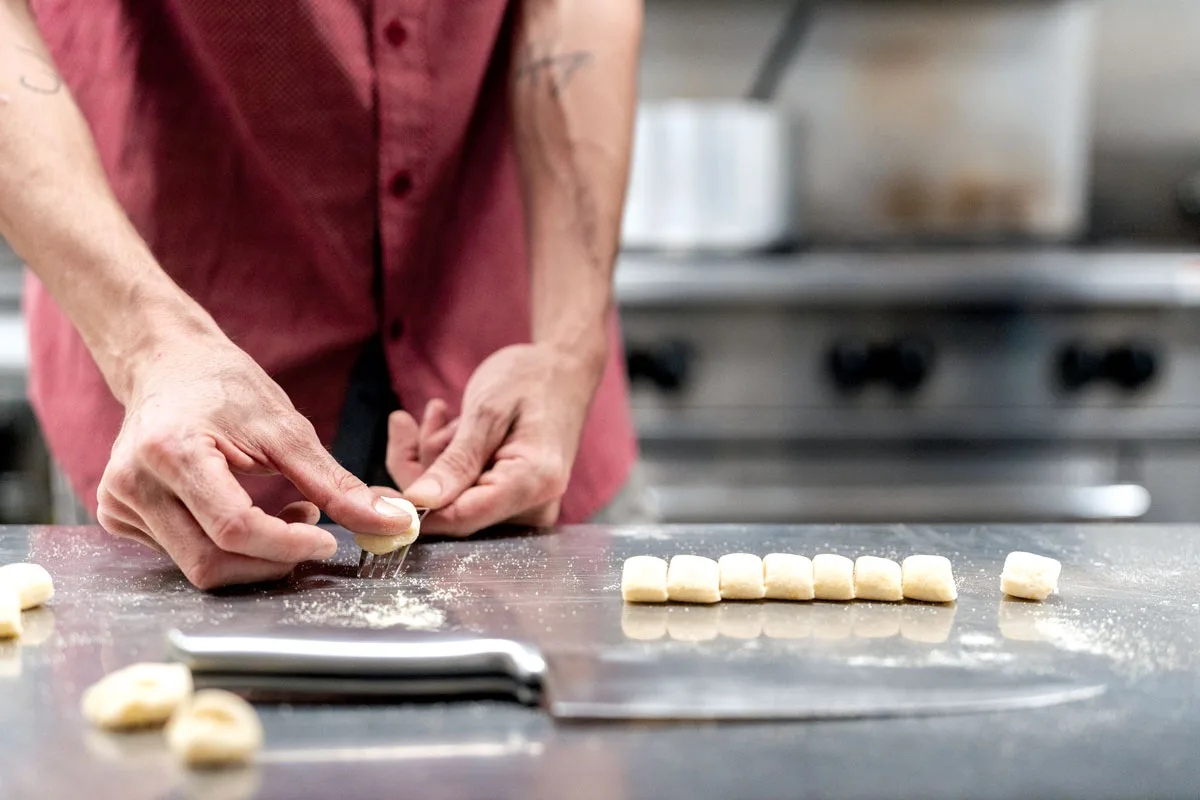
How to Revive Day-Old Gnocchi in Commercial Kitchens Without Losing Your Mind (or Your Customers)
Let’s be real, gnocchi is one of those dishes that’s either *perfect* or a total disaster. There’s no in-between. And when you’re running a commercial kitchen, the last thing you want is a batch of day-old gnocchi sitting in the walk-in, staring at you like a sad, starchy ghost of last night’s service. You know it’s still good, but it’s lost that pillowy magic. So what do you do? Toss it? Hide it in the back of the fridge and hope no one notices? Or, here’s a wild idea, revive it?
I’ve been there. More times than I’d like to admit. Back when I was running a small Italian spot in Nashville (before I traded the line for a laptop and a rescue cat named Luna), I’d watch in horror as my prep cook would eye yesterday’s gnocchi like it was a personal insult. “Chef, we can’t serve this,” he’d say, poking at the clumpy mess with a fork. And I’d think: *But we have to. We’re not made of money.* So I’d dig in, experiment, and, after a few near-misses, figure out how to bring that gnocchi back to life. Not just edible. *Delicious.*
This isn’t just about saving food (though, let’s be honest, that’s a big part of it). It’s about respecting the ingredients, the labor, and the customers who trust you to serve them something worth their time and money. So if you’re staring at a hotel pan of day-old gnocchi right now, wondering if it’s salvageable, here’s the good news: it absolutely is. And by the end of this, you’ll know exactly how to do it, without cutting corners or sacrificing quality.
Here’s what we’ll cover:
- Why gnocchi goes from *cloud-like* to *concrete* overnight (and how to stop it)
- The best storage methods to *delay* the inevitable (because prevention is half the battle)
- Three foolproof revival techniques, ranked from “quick fix” to “restaurant-worthy”
- How to tweak your menu to make day-old gnocchi *intentional* (yes, really)
- The equipment you *actually* need (and the stuff you can skip)
- Common mistakes that’ll ruin your gnocchi (and how to avoid them)
Let’s get into it.
The Science (and Sorrow) of Stale Gnocchi
Why Does Gnocchi Turn to Rubber?
Gnocchi is basically a potato dumpling held together by a whisper of flour and egg. And like all good things, it’s delicate. When you cook it, the starches absorb water and swell, creating that signature light, airy texture. But here’s the problem: starch doesn’t like to *stay* swollen. Over time, it retrogrades, that’s a fancy term for when the starch molecules realign and squeeze out the water they absorbed. The result? Gnocchi that’s dense, gummy, and about as appealing as a wet sock.
Temperature plays a huge role here. Store gnocchi in the fridge, and the cold accelerates retrogradation. Leave it at room temp, and you’re basically inviting bacteria to a party. So what’s a chef to do? The answer isn’t just about revival, it’s about *storage*. Because if you store it right, you might not even need to revive it.
How to Store Gnocchi So It Stays (Mostly) Fresh
I’m not gonna lie, even the best storage methods won’t keep gnocchi *perfect* for days. But they’ll buy you time. Here’s what works:
- Portion it immediately. Don’t leave cooked gnocchi in one big pile. Divide it into smaller batches (think: single-serving sizes) so it cools faster and more evenly. This isn’t just about texture, it’s about food safety. The faster it cools, the less time it spends in the “danger zone” (40°F–140°F).
- Use an ice bath. Shocking cooked gnocchi in ice water stops the cooking process and washes off excess starch, which can make it gummy. Drain it well, then pat it dry with a clean towel. (Pro tip: If you’re short on time, spread it out on a sheet pan and blast it with a fan. It’s not as effective, but it’s better than nothing.)
- Store it in the right container. Airtight is good, but *too* airtight can trap moisture and turn your gnocchi into a swamp. I like using perforated hotel pans (like the ones from Chef’s Deal) with a layer of parchment paper on top. The perforations let air circulate, and the paper absorbs excess moisture. If you don’t have perforated pans, just crack the lid of your container slightly.
- Add a little oil. Tossing the gnocchi with a *tiny* bit of olive oil before storing can help prevent sticking and slow down moisture loss. But don’t overdo it, too much oil, and you’ll end up with a greasy mess.
- Freeze it (if you’re not using it within 24 hours). If you know you won’t need the gnocchi for a few days, freezing is your best bet. Spread it out on a sheet pan (so it doesn’t clump), freeze it solid, then transfer it to a ziplock bag. Thaw it in the fridge overnight before reviving. (More on freezing later.)
Now, let’s say you *didn’t* store it perfectly. Maybe it sat out too long, or it’s been in the fridge for 36 hours, and it’s looking… sad. Don’t panic. Revival is still possible. But first, let’s talk about how to tell if it’s *actually* salvageable.
How to Tell If Day-Old Gnocchi Is Still Good
Before you even think about reviving it, do a quick check:
- Smell it. If it smells sour, musty, or just *off*, toss it. No exceptions.
- Look at it. If there’s mold, discoloration, or a slimy film, it’s done. Mold on gnocchi isn’t always obvious, sometimes it’s just tiny black or green spots. If you see any, don’t risk it.
- Touch it. If it’s slimy or overly sticky, that’s a sign of bacterial growth. Firm but slightly dry? That’s revivable.
- Taste a tiny piece (if it passes the above tests). If it tastes funky or has an odd texture, don’t serve it. Your customers will notice, and they won’t be happy.
Assuming it passes the test, let’s move on to the revival methods. I’ve ranked these from “quick and dirty” to “restaurant-quality,” so you can choose based on your time, equipment, and how picky your customers are.
The Three Best Ways to Revive Day-Old Gnocchi (Ranked)
1. The Quick Fix: Pan-Fry with Butter and Herbs (5-Minute Solution)
This is the method I reach for when I’m short on time but still want something that *feels* fresh. It’s not perfect, but it’s fast, easy, and foolproof-and it works for almost any gnocchi dish, from simple garlic butter to rich ragù.
Here’s how to do it:
- Drain and dry. If your gnocchi is sitting in water or sauce, drain it well and pat it dry with a towel. Excess moisture is the enemy of crispiness.
- Heat a pan. Use a heavy-bottomed sauté pan (like a cast-iron or stainless steel) over medium-high heat. Add a tablespoon of butter or olive oil, just enough to coat the pan. (If you’re using a nonstick pan, you can get away with less oil, but I prefer the flavor of butter.)
- Add the gnocchi. Spread it out in a single layer. If you crowd the pan, it’ll steam instead of crisp. You might need to do this in batches.
- Let it crisp. Resist the urge to stir it too much. Let it sit for 2–3 minutes until the bottoms are golden and slightly crispy. Then, flip or toss it and let the other side crisp up.
- Season and finish. Add a pinch of salt, a crack of black pepper, and any herbs you like (rosemary, thyme, or sage work great). If you’re feeling fancy, throw in a clove of minced garlic or a sprinkle of red pepper flakes. Toss it all together, then plate it up.
Best for: Simple dishes where texture is key, like garlic butter gnocchi or brown butter sage gnocchi. It’s also great for adding a crispy element to soups or salads.
Pros:
- Fast (5 minutes max)
- Minimal equipment needed
- Adds a crispy texture that masks staleness
Cons:
- Not ideal for saucy dishes (the crispy texture can get lost in heavy sauces)
- Can dry out the gnocchi if overdone
Is this the *best* method? No. But is it the most practical for a busy service? Absolutely. And sometimes, that’s what matters.
2. The Restaurant-Worthy Method: Re-Steam and Sauce (10-Minute Solution)
This is the method I used when I wanted to serve day-old gnocchi that *felt* like it was made fresh. It’s a little more involved, but the results are worth it, especially if you’re serving gnocchi in a rich sauce, like a wild mushroom ragù or a creamy gorgonzola cream.
Here’s how to do it:
- Re-steam the gnocchi. You can do this a few ways:
- Steamer basket: Bring an inch of water to a boil in a pot, place the gnocchi in a steamer basket, cover, and steam for 2–3 minutes. This is the gentlest method and works best for delicate gnocchi.
- Colander over boiling water: If you don’t have a steamer basket, place the gnocchi in a colander or fine-mesh strainer, set it over a pot of boiling water, cover, and steam. Just make sure the gnocchi isn’t touching the water.
- Microwave (last resort): If you’re *really* short on time, you can microwave the gnocchi in 30-second bursts with a damp paper towel on top. But be careful, this can make it mushy if you’re not paying attention.
- Drain and dry. After steaming, drain the gnocchi well and pat it dry. You want it to be tender but not wet-otherwise, it’ll dilute your sauce.
- Reheat the sauce separately. Don’t dump cold gnocchi into hot sauce (or vice versa). Heat your sauce in a separate pan until it’s simmering, then add the gnocchi and toss gently. This ensures even heating and prevents the gnocchi from breaking apart.
- Finish with fresh ingredients. This is where you can really elevate the dish. Add a handful of fresh herbs (parsley, basil, or chives), a squeeze of lemon, or a sprinkle of grated cheese (Parmigiano-Reggiano or Pecorino Romano work great). These little touches make the dish *feel* fresh, even if the gnocchi isn’t.
Best for: Saucy dishes like gnocchi alla sorrentina, gnocchi with pesto, or gnocchi in a creamy tomato sauce. It’s also great for gnocchi salads or gnocchi soups (just add the steamed gnocchi at the end to warm through).
Pros:
- Restores the soft, pillowy texture of fresh gnocchi
- Works well with saucy dishes
- More forgiving than pan-frying (less risk of drying out)
Cons:
- Requires more equipment (steamer, separate pans for sauce)
- Takes a little longer (10–15 minutes)
- Not ideal for dishes where crispiness is key
I’ll be honest, this is my go-to method when I have the time. It’s not as flashy as pan-frying, but it’s reliable, and it makes the gnocchi *taste* like it was just made. And in a commercial kitchen, that’s what matters.
3. The Secret Weapon: Freeze and Re-Cook (For When You Have Time to Plan Ahead)
This isn’t a *revival* method per se, but it’s a game-changer if you know you won’t use your gnocchi within 24 hours. Freezing cooked gnocchi is like hitting the pause button, it won’t be *perfect* when you thaw it, but it’ll be way better than day-old fridge gnocchi. And the best part? You can revive it using *either* of the methods above.
Here’s how to do it:
- Cool it quickly. After cooking, shock the gnocchi in an ice bath to stop the cooking process. Drain it well and pat it dry.
- Freeze it flat. Spread the gnocchi out on a sheet pan lined with parchment paper. Make sure the pieces aren’t touching, this prevents them from freezing together. Freeze for 1–2 hours, or until solid.
- Transfer to a bag. Once frozen, transfer the gnocchi to a ziplock bag or airtight container. Squeeze out as much air as possible to prevent freezer burn. Label it with the date (it’ll keep for up to 2 months).
- Thaw it properly. When you’re ready to use it, transfer the gnocchi to the fridge and let it thaw overnight. Don’t thaw it at room temperature, that’ll make it mushy.
- Revive it. Now you can use either the pan-fry method or the re-steam method to bring it back to life. Because it was frozen (not just refrigerated), it’ll hold up better to reheating.
Best for: Batch cooking, meal prep, or when you know you won’t use the gnocchi right away. It’s also great for catering events or large parties where you need to prep ahead.
Pros:
- Extends the life of your gnocchi by *weeks*
- More forgiving than fridge storage
- Can be revived using any method
Cons:
- Requires planning ahead (not great for last-minute revivals)
- Takes up freezer space
- Texture won’t be *quite* as good as fresh
I’ll admit, I was skeptical of this method at first. Freezing cooked pasta? That’s a recipe for disaster, right? But gnocchi is different. Because it’s denser than regular pasta, it holds up better to freezing. And when you revive it properly, the difference between frozen-and-revived gnocchi and day-old fridge gnocchi is *night and day*.
How to Make Day-Old Gnocchi *Intentional* (Yes, Really)
Here’s a thought: What if day-old gnocchi wasn’t a *problem* but an *opportunity*? What if you could turn it into a signature dish-something your customers *ask* for? It sounds crazy, but it’s totally doable. Here’s how.
1. Give It a New Name (and a New Life)
People eat with their eyes first, and if they see “day-old gnocchi” on the menu, they’re gonna turn up their noses. But if you call it something like:
- ”Crispy Brown Butter Gnocchi” (pan-fried method)
- ”Tuscan-Style Gnocchi al Forno” (baked with cheese and herbs)
- ”Gnocchi ‘Risotto’ with Wild Mushrooms” (re-steamed and finished like risotto)
Suddenly, it’s not a compromise, it’s a *deliberate choice*. And the best part? You can charge just as much (if not more) for it.
2. Pair It with Bold Flavors
Day-old gnocchi can handle stronger, bolder flavors than fresh gnocchi. Think:
- Spicy arrabbiata sauce (the heat distracts from any texture issues)
- Rich, meaty ragù (the sauce masks the gnocchi’s staleness)
- Creamy gorgonzola or taleggio (the funkiness pairs well with the denser texture)
- Crispy pancetta or guanciale (the contrast in textures makes the dish more interesting)
I once served pan-fried day-old gnocchi with a spicy ‘nduja cream at a pop-up, and it was a hit. The heat from the ‘nduja (a spicy, spreadable salami) made the gnocchi’s texture *irrelevant*. People were too busy fanning their mouths to notice it wasn’t fresh.
3. Turn It Into a Special
Instead of trying to hide it, lean into it. Make it a chef’s special or a weekend brunch item. For example:
- ”Weekend Brunch Gnocchi Hash” – Pan-fried gnocchi with crispy potatoes, caramelized onions, and a fried egg on top.
- ”Gnocchi Carbonara” – Re-steamed gnocchi tossed with a creamy egg yolk sauce, pancetta, and pecorino.
- ”Gnocchi ‘Mac and Cheese’” – Baked with a three-cheese sauce and a crispy breadcrumb topping.
The key is to make it feel intentional. If you present it like it’s a *deliberate* part of your menu, not a last-minute save, your customers will buy into it.
4. Use It in Non-Traditional Dishes
Gnocchi doesn’t *have* to be an Italian dish. Get creative and use it in:
- Gnocchi stir-fry – Toss pan-fried gnocchi with veggies, soy sauce, and a fried egg.
- Gnocchi tacos – Fill tortillas with crispy gnocchi, salsa verde, and cotija cheese.
- Gnocchi salad – Toss re-steamed gnocchi with arugula, cherry tomatoes, and a lemon vinaigrette.
I once made gnocchi banh mi for a fusion night, and it was a *huge* hit. The crispy gnocchi stood in for the baguette, and the pickled veggies and sriracha mayo made the texture irrelevant. People loved it.
The Equipment You *Actually* Need (And the Stuff You Can Skip)
You don’t need a ton of fancy equipment to revive gnocchi, but a few key tools will make your life *way* easier. Here’s what I recommend:
Essential Equipment
- Heavy-bottomed sauté pan – For pan-frying, you want something that distributes heat evenly. A stainless steel or cast-iron pan is ideal. If you’re outfitting a commercial kitchen and need reliable equipment, Chef’s Deal has a great selection of high-quality pans that won’t warp or burn your food.
- Steamer basket or perforated hotel pan – For re-steaming, you need something that lets steam circulate. A steamer basket is the gold standard, but a perforated hotel pan (like the ones from Chef’s Deal) works too. They’re also great for storage, as I mentioned earlier.
- Sheet pans with parchment paper – For freezing gnocchi, you’ll need half-sheet pans (18″ x 13″) lined with parchment. This keeps the gnocchi from sticking and makes cleanup a breeze.
- Fine-mesh strainer – For draining gnocchi after re-steaming or shocking in ice water. A stainless steel strainer is durable and easy to clean.
- Kitchen towels or paper towels – For drying gnocchi before storing or reviving. Excess moisture is the enemy of crispiness, so don’t skip this step.
Nice-to-Have (But Not Essential)
- Immersion circulator (for sous vide revival) – If you have one, you can vacuum-seal the gnocchi with a little butter or oil and sous vide it at 140°F for 15–20 minutes. It’s overkill for most kitchens, but if you’re already set up for sous vide, it’s a great way to revive gnocchi without drying it out.
- Combi oven – If you have one of these in your kitchen, you can use the steam function to revive gnocchi perfectly. It’s a pro move, but it’s also a *big* investment. If you’re considering upgrading your kitchen equipment, Chef’s Deal offers comprehensive kitchen design services to help you choose the right equipment for your space and needs.
- Food processor (for gnocchi scraps) – If you have leftover gnocchi dough, you can pulse it in a food processor, mix it with a little flour, and roll it out again. It’s not ideal, but it’s a good way to use up scraps.
What You Can Skip
- Microwave (for anything other than thawing) – Microwaving gnocchi is a one-way ticket to Mushville. It’s fine for thawing frozen gnocchi, but don’t use it to revive it.
- Boiling (again) – Unless you *want* gnocchi soup, don’t boil it a second time. It’ll turn to mush.
- Nonstick pans for pan-frying – Nonstick pans don’t get hot enough to crisp gnocchi properly. Stick to stainless steel or cast iron.
Common Mistakes That’ll Ruin Your Gnocchi (And How to Avoid Them)
I’ve made *all* of these mistakes. Some of them more than once. Learn from my pain.
1. Skipping the Ice Bath
If you don’t shock cooked gnocchi in ice water, it’ll keep cooking from residual heat, turning into a gummy, overcooked mess. This is especially important if you’re planning to store or freeze it. The ice bath stops the cooking process and washes off excess starch, which can make the gnocchi sticky.
Fix: Always have an ice bath ready *before* you start cooking. Fill a large bowl with ice and water, and have a colander or strainer handy. As soon as the gnocchi floats to the surface, fish it out and plunge it into the ice bath.
2. Storing It in Water or Sauce
This is a big one. If you store gnocchi in water or sauce, it’ll absorb the liquid and turn into a soggy, flavorless blob. Even if you drain it later, the damage is done.
Fix: Store gnocchi dry (or with just a *tiny* bit of oil to prevent sticking). If you’re storing it with sauce, keep them separate and combine them when you’re ready to serve.
3. Overcrowding the Pan
When pan-frying gnocchi, it’s tempting to dump it all in at once to save time. But if you overcrowd the pan, the gnocchi will steam instead of crisp, leaving you with a sad, soggy mess.
Fix: Cook it in batches. It takes longer, but the results are worth it. And if you’re really pressed for time, use two pans.
4. Not Drying It Properly
Excess moisture is the enemy of crispy gnocchi. If you don’t dry it well before pan-frying, it’ll steam in the pan, and you’ll lose that golden, crispy exterior.
Fix: After draining the gnocchi, spread it out on a clean kitchen towel or paper towels and pat it dry. If you’re in a hurry, you can even air-dry it by spreading it out on a sheet pan and blasting it with a fan for 10 minutes.
5. Using the Wrong Sauce
Not all sauces are created equal when it comes to reviving gnocchi. Light, delicate sauces (like a simple garlic butter or lemon cream) won’t mask texture issues, while heavy, bold sauces (like ragù or gorgonzola cream) can overpower the gnocchi entirely.
Fix: Match the sauce to the revival method:
- Pan-fried gnocchi: Works best with simple, bold sauces (garlic butter, brown butter sage, spicy arrabbiata).
- Re-steamed gnocchi: Pairs well with rich, saucy dishes (ragù, pesto, creamy tomato).
6. Reviving It Too Many Times
Gnocchi can handle one revival, but if you try to revive it a second time, it’ll turn into a mushy, unappetizing disaster. This is especially true if you’re pan-frying it, each time you cook it, it loses more moisture, and the texture deteriorates.
Fix: Only revive what you need for that service. If you have leftovers after reviving, freeze them for later use (they’ll hold up better to a second revival than fridge-stored gnocchi).
Final Thoughts: Is It Worth It?
Let’s be honest, reviving day-old gnocchi isn’t *easy*. It takes time, effort, and a little bit of finesse. And there will be days when you look at that sad, clumpy mess in the walk-in and think: *Screw it. I’ll just make a new batch.*
But here’s the thing: it’s worth it. Not just because it saves you money (though that’s a big part of it), but because it’s a skill. A way of thinking. In a commercial kitchen, waste isn’t just a financial issue, it’s a moral one. Every time you toss something that could’ve been saved, you’re not just losing money. You’re disrespecting the ingredients, the labor, and the customers who trust you to serve them something worth their time.
So the next time you’re staring at a hotel pan of day-old gnocchi, don’t see it as a problem. See it as an opportunity. An opportunity to get creative, to save money, and to serve something *unexpected*. Because in the end, that’s what cooking is all about, taking what you have and making it *better*.
And if all else fails? There’s always gnocchi hash. Trust me, it works every time.
FAQ
Q: Can you freeze gnocchi after it’s been revived?
A: Technically, yes, but I wouldn’t recommend it. Revived gnocchi has already been cooked twice, so freezing it will make the texture even worse. If you have leftovers after reviving, it’s better to use them within 24 hours or toss them. If you *must* freeze it, portion it out, freeze it flat on a sheet pan, then transfer it to a bag. When you’re ready to use it, thaw it in the fridge and revive it using the pan-fry method (it’ll hold up better than re-steaming).
Q: How long does revived gnocchi last in the fridge?
A: Revived gnocchi should be treated like freshly cooked gnocchi, it’ll last 2–3 days in the fridge if stored properly (in an airtight container with a little oil). But honestly, it’s best eaten right away. The longer it sits, the more the texture deteriorates. If you’re not planning to use it within 24 hours, freeze it *before* reviving (not after).
Q: Can you revive gnocchi in the oven?
A: Yes, but it’s not my favorite method. Baking gnocchi in the oven can dry it out, especially if you’re not careful. If you *do* want to use the oven, here’s how:
- Preheat the oven to 375°F (190°C).
- Toss the gnocchi with a little oil (just enough to coat).
- Spread it out on a sheet pan in a single layer.
- Bake for 10–15 minutes, tossing halfway, until crispy and heated through.
- Finish with sauce or toppings.
This works best for gnocchi bakes (like gnocchi alla sorrentina) or gnocchi “fries.” If you’re serving it with sauce, add the sauce *after* baking to prevent sogginess.
Q: What’s the best way to revive gnocchi for a buffet or catering event?
A: For buffets or catering, you want a method that keeps the gnocchi hot, saucy, and presentable for a long time. Here’s what I recommend:
- Re-steam the gnocchi (using a steamer basket or perforated hotel pan).
- Heat the sauce separately in a chafing dish or slow cooker (this keeps it at a safe temperature without breaking down).
- Combine them at the last minute. Set up a station where you can toss the gnocchi with the sauce just before serving. This prevents the gnocchi from sitting in the sauce and turning mushy.
- Keep it warm. If you’re serving it in a buffet line, use a hot holding cabinet or steam table to keep the gnocchi at 140°F or above. If you don’t have one, a slow cooker on the “warm” setting can work in a pinch (just stir it occasionally to prevent sticking).
If you’re outfitting a kitchen for catering or buffet service, Chef’s Deal offers comprehensive kitchen design services to help you choose the right equipment for your needs, including chafing dishes, slow cookers, and hot holding cabinets.
@article{how-to-revive-day-old-gnocchi-in-commercial-kitchens-a-chefs-guide-to-second-chance-perfection,
    title   = {How to Revive Day-Old Gnocchi in Commercial Kitchens: A Chef’s Guide to Second-Chance Perfection},
    author  = {Chef's icon},
    year    = {2026},
    journal = {Chef's Icon},
    url     = {https://chefsicon.com/how-to-revive-day-old-gnocchi-commercial-kitchens/}
}