
The Best Fluffy Pancakes recipe you will fall in love with. Full of tips and tricks to help you make the best pancakes.
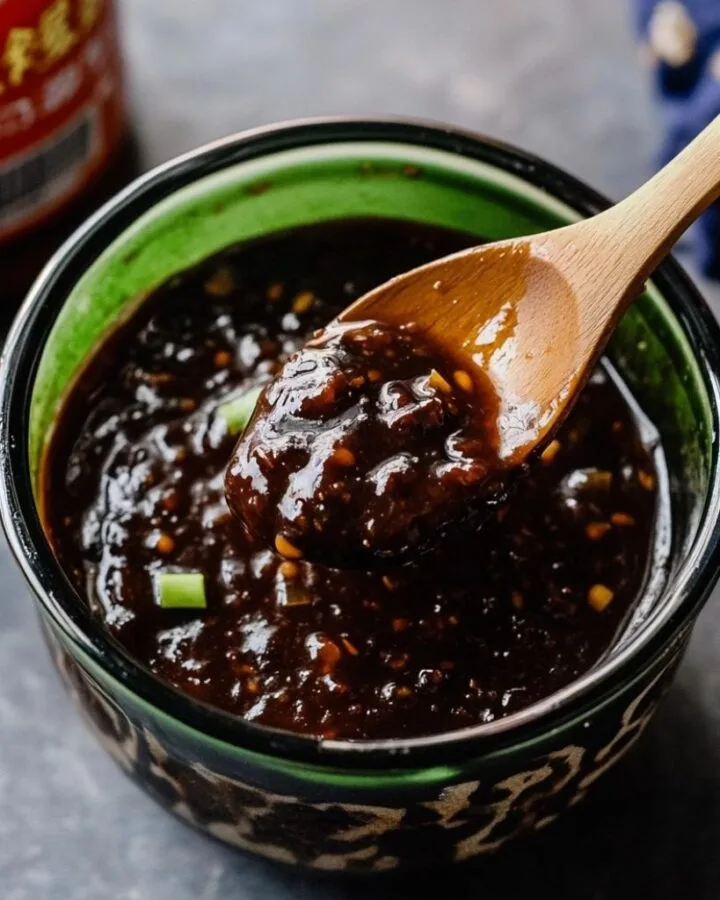
Let me tell you, I’ve had my fair share of kitchen disasters, like the time I left a half-open container of black bean sauce on the prep counter overnight. The next morning, it looked like something out of a science experiment gone wrong. The texture was off, the aroma was more pungent than punchy, and the flavor? Let’s just say it was a sad, watered-down version of its former self. That’s when I realized: storing black bean sauce isn’t just about tossing it in the fridge and hoping for the best. It’s an art, a science, and a little bit of kitchen intuition all rolled into one.
If you’re running a commercial kitchen, you know how critical it is to keep ingredients fresh, safe, and full of flavor. Black bean sauce, with its rich umami depth and versatility, is a staple in so many dishes, from stir-fries to marinades, dips to braises. But here’s the thing: it’s also one of those ingredients that can turn on you if you’re not careful. One wrong move, and you’re left with a sauce that’s either too salty, too bland, or worse, spoiled. So, how do you store black bean sauce in a way that preserves its magic? That’s exactly what we’re diving into today.
In this guide, I’ll walk you through everything you need to know about storing black bean sauce in a commercial kitchen. We’ll cover the basics, like temperature control and container choices, but we’ll also get into the nitty-gritty, like how to prevent cross-contamination, how long you can realistically keep it, and even how to revive a sauce that’s seen better days. By the end, you’ll have a foolproof system that keeps your black bean sauce tasting like it just came off the shelf (or out of the wok). Ready? Let’s get into it.
The Basics: Why Proper Storage Matters for Black Bean Sauce
Before we jump into the how, let’s talk about the why. Why does black bean sauce need special attention when it comes to storage? Well, for starters, it’s a fermented product. That fermentation process is what gives it that deep, complex flavor we all love, but it’s also what makes it a little more finicky than, say, a bottle of ketchup. Fermented foods are alive, in a sense, they’re packed with microorganisms that continue to evolve over time. If you don’t store them correctly, those microorganisms can go rogue, leading to spoilage, off-flavors, or even food safety issues.
Then there’s the salt content. Black bean sauce is notoriously high in sodium, which acts as a natural preservative. But here’s the catch: salt can only do so much. If the sauce is exposed to air, moisture, or temperature fluctuations, that salt can’t save it from going bad. And let’s not forget about the oil. Many commercial black bean sauces contain oil to enhance their texture and mouthfeel. Oil can go rancid if it’s not stored properly, turning your once-delicious sauce into something that tastes like it’s been sitting in a garage for a decade.
So, what’s the takeaway? Proper storage isn’t just about keeping your black bean sauce safe, it’s about preserving its flavor, texture, and integrity. And in a commercial kitchen, where every ingredient counts, that’s non-negotiable. But where do you even start? Let’s break it down.
Temperature Control: The Goldilocks Rule
When it comes to storing black bean sauce, temperature is everything. Too hot, and you’re basically cooking the sauce in slow motion, breaking down its flavors and textures. Too cold, and you risk altering its consistency, think grainy, separated, or even frozen. So, what’s the sweet spot? For most commercial kitchens, the ideal storage temperature for black bean sauce is between 35°F and 40°F (1.6°C and 4.4°C). This range is cold enough to slow down microbial growth but not so cold that it messes with the sauce’s structure.
Now, I know what you’re thinking: “But Sammy, my walk-in fridge is set to 34°F. That’s close enough, right?” Not so fast. Consistency is key here. If your fridge fluctuates, say, because the door is constantly being opened and closed, you could be unknowingly stressing your sauce. I’ve seen kitchens where the fridge temp swings from 32°F to 45°F in a single service. That’s a recipe for disaster. Invest in a fridge thermometer if you don’t already have one. It’s a small tool that can save you a lot of headaches (and wasted sauce).
And what about room temperature? Can you leave black bean sauce out on the counter for a few hours? Honestly, I wouldn’t risk it. Fermented sauces like this are prone to spoilage when left in the “danger zone” (40°F to 140°F or 4.4°C to 60°C) for too long. If you’re prepping for a big service and need to have the sauce handy, consider using a chilled prep station or a small under-counter fridge to keep it within the safe range. It’s a small step that can make a big difference.
Choosing the Right Container: More Than Just a Lid
Alright, let’s talk containers. You might be tempted to just leave the sauce in its original packaging, after all, it came in a jar or a tub, so it must be fine, right? Not necessarily. The original container is designed for retail, not for the high-volume, high-turnover environment of a commercial kitchen. Here’s what you need to consider when choosing a storage container for black bean sauce:
- Material matters. Glass and food-grade plastic are your best bets. Glass is non-reactive, meaning it won’t absorb odors or flavors from the sauce (or vice versa). Plastic is lightweight and durable, but make sure it’s BPA-free and designed for food storage. Avoid metal containers unless they’re stainless steel, other metals can react with the sauce’s acidity and salt, leading to off-flavors or even corrosion.
- Air-tight is non-negotiable. Oxygen is the enemy of freshness. Every time you open the container, you’re exposing the sauce to air, which can lead to oxidation and spoilage. Look for containers with silicone gaskets or vacuum-sealed lids to keep air out. If you’re using a tub, press plastic wrap directly onto the surface of the sauce before sealing the lid. It’s an extra step, but it’s worth it.
- Size and shape. This might seem trivial, but it’s not. A wide, shallow container is easier to scoop from than a tall, narrow one, but it also exposes more surface area to air. On the other hand, a deep container minimizes air exposure but can be a pain to dig into with a spoon. I’ve found that square or rectangular containers strike a good balance, they’re easy to stack, maximize fridge space, and allow for efficient scooping. Plus, they look way more professional than a hodgepodge of mismatched jars.
Oh, and one more thing: label everything. I can’t tell you how many times I’ve grabbed what I thought was black bean sauce, only to realize it was hoisin or oyster sauce. In a busy kitchen, it’s easy to mix things up. Use a permanent marker or label maker to note the contents, the date it was opened, and the date it should be used by. Trust me, future you will thank present you.
Beyond the Basics: Advanced Storage Techniques
Okay, so you’ve got the temperature dialed in and you’ve picked out the perfect container. What’s next? Let’s dive into some advanced techniques that’ll take your black bean sauce storage game to the next level. These are the little tricks that separate the pros from the amateurs.
Portion Control: Divide and Conquer
Here’s a scenario I’ve seen play out in kitchens more times than I can count: A chef opens a giant tub of black bean sauce, uses a couple of spoonfuls for a dish, and then shoves the rest back in the fridge. A few days later, someone else does the same thing. And again. And again. By the time the tub is empty, the sauce has been exposed to air, cross-contamination, and temperature fluctuations dozens of times. The result? A sauce that’s lost its punch and might even be on the verge of spoiling.
The solution? Portion control. Instead of dipping into the same container over and over, divide your black bean sauce into smaller, single-use portions as soon as you open it. You can use small deli containers, silicone molds, or even ice cube trays (just make sure they’re clean and food-safe). Once portioned, store the smaller containers in the fridge or freezer, depending on how quickly you’ll use them. This way, you’re only exposing a small amount of sauce to air at a time, and you’re reducing the risk of cross-contamination.
Now, I know what you’re thinking: “Sammy, that sounds like a lot of work.” And yeah, it is a little extra effort upfront. But think about it this way: would you rather spend 10 minutes portioning out your sauce now, or waste an entire tub of sauce (and money) later? Plus, portioning makes it easier to track usage and reduce waste. It’s a win-win.
The Freezer Option: When and How to Use It
Freezing black bean sauce is a bit of a controversial topic in the culinary world. Some chefs swear by it, while others think it’s a recipe for disaster. So, what’s the truth? Like most things in cooking, it depends. Freezing can alter the texture of black bean sauce, it might become grainier or separate when thawed. But if you do it right, freezing can be a great way to extend the shelf life of your sauce without sacrificing too much quality.
Here’s how to freeze black bean sauce like a pro:
- Portion first. As I mentioned earlier, portioning is key. Freeze the sauce in small, single-use containers or even in silicone ice cube trays. Once frozen, you can transfer the cubes to a ziplock bag for easy storage. This way, you’re only thawing what you need, when you need it.
- Leave room for expansion. Liquids expand when they freeze, so don’t fill your containers to the brim. Leave about an inch of headspace to prevent the container from cracking (or worse, exploding in your freezer).
- Thaw slowly. When you’re ready to use the sauce, transfer it to the fridge and let it thaw overnight. Avoid microwaving or running it under hot water, rapid temperature changes can mess with the texture and flavor. If you’re in a hurry, you can thaw it in a bowl of cold water, but change the water every 30 minutes to keep it from getting too warm.
- Stir before using. Freezing can cause the sauce to separate, so give it a good stir after thawing to reincorporate any oil or liquid that’s risen to the top. If the texture is still off, you can blend it briefly with an immersion blender to smooth it out.
Now, here’s the big question: how long can you freeze black bean sauce? Most sources say 3 to 6 months, but I’ve had success with up to a year if the sauce is stored properly. That said, the longer it’s frozen, the more the quality will degrade. If you’re freezing it for a specific event or menu item, label it with the date and use it within a few months for the best results.
Cross-Contamination: The Silent Killer of Flavor
Cross-contamination is one of those things that’s easy to overlook until it’s too late. You’re in the middle of service, you grab a spoon to scoop out some black bean sauce, and then, oops, you use the same spoon to stir a pot of soup. Or maybe you’re prepping raw chicken on the same cutting board where you just opened a container of sauce. Sound familiar? These little slip-ups can introduce bacteria into your sauce, leading to spoilage or even foodborne illness.
So, how do you prevent cross-contamination in a busy kitchen? Here are a few rules to live by:
- Use separate utensils. This is non-negotiable. Every time you open a container of black bean sauce, use a clean spoon or spatula. Never double-dip, and never use the same utensil for multiple ingredients. I keep a set of color-coded spoons in my kitchen, one color for sauces, another for proteins, and so on. It’s a simple system, but it works.
- Designate a “sauce station.” If possible, set up a dedicated area in your kitchen for sauces and condiments. This could be a small table, a shelf, or even a section of your prep counter. The key is to keep it separate from raw proteins, produce, and other potential contaminants. If space is tight, at least make sure your sauce containers are stored above raw ingredients in the fridge to prevent drips.
- Wash your hands. I know, I know, this one seems obvious. But you’d be surprised how often it gets overlooked in the heat of service. Every time you handle raw meat, fish, or eggs, wash your hands before touching anything else. It’s a small step that can prevent big problems.
- Clean as you go. Spills happen, especially in a busy kitchen. If you spill black bean sauce (or anything else) on the counter or floor, clean it up immediately. The longer it sits, the more likely it is to spread bacteria or attract pests. Keep a spray bottle of sanitizer and a roll of paper towels handy for quick cleanups.
Is this the best approach? Let’s consider: some kitchens take cross-contamination more seriously than others. If you’re running a high-volume operation, you might need to implement even stricter protocols, like daily sanitization of all sauce containers or weekly deep-cleaning of the fridge. But for most kitchens, these basic steps will go a long way toward keeping your black bean sauce (and your customers) safe.
Shelf Life and Signs of Spoilage: When to Hold ‘Em and When to Toss ‘Em
Alright, let’s talk about the elephant in the room: how long does black bean sauce actually last? The answer isn’t as straightforward as you might think. It depends on a few factors, like whether the sauce is opened or unopened, how it’s stored, and what ingredients it contains. But here’s a general guideline to keep in mind:
- Unopened: Most commercial black bean sauces have a shelf life of 1 to 2 years when stored in a cool, dry place (like a pantry). Check the expiration date on the package, but keep in mind that this is more of a suggestion than a hard rule. If the sauce looks and smells fine, it’s probably still good to use.
- Opened, refrigerated: Once opened, black bean sauce will typically last 3 to 6 months in the fridge. Again, this depends on how well it’s stored. If you’ve followed the tips in this guide, air-tight containers, proper temperature, minimal cross-contamination, you can probably stretch it to the longer end of that range. But if you’ve been a little lax with storage, err on the side of caution and use it up sooner.
- Opened, frozen: As I mentioned earlier, frozen black bean sauce can last 3 to 6 months (or even up to a year) if stored properly. The quality will degrade over time, so use it as soon as possible for the best results.
But how do you know when it’s time to toss your black bean sauce? Here are a few signs of spoilage to watch out for:
- Mold. This one’s a no-brainer. If you see any mold, whether it’s fuzzy, slimy, or just a weird discoloration, throw the sauce out immediately. Mold can produce toxins that aren’t always visible, so it’s not worth the risk.
- Off smells. Black bean sauce should have a rich, savory aroma with a hint of fermentation. If it smells sour, rancid, or just “off,” it’s time to say goodbye. Trust your nose, it’s one of the best tools you have in the kitchen.
- Changes in texture. If the sauce has become watery, grainy, or separated in a way that can’t be fixed by stirring, it’s probably past its prime. Some separation is normal, especially if the sauce contains oil, but if it’s extreme or accompanied by other signs of spoilage, it’s best to toss it.
- Unusual taste. If you’re unsure whether the sauce is still good, taste a small amount (assuming there are no other signs of spoilage). If it tastes bland, overly salty, or just “off,” it’s time to let it go. Better safe than sorry.
Now, I know what you’re thinking: “Sammy, that’s a lot of sauce to waste.” And you’re right, food waste is a big issue in commercial kitchens. But here’s the thing: serving spoiled sauce isn’t just gross, it’s a liability. If a customer gets sick, it could mean lost business, a damaged reputation, or even legal trouble. So, when in doubt, throw it out. It’s not worth the risk.
Reviving “Tired” Black Bean Sauce: A Chef’s Last Resort
Okay, let’s say your black bean sauce isn’t quite spoiled, but it’s not exactly fresh either. Maybe it’s lost some of its vibrancy, or the texture is a little off. Is there a way to revive it? In some cases, yes. Here are a few tricks I’ve picked up over the years:
- Stir in fresh aromatics. If the sauce tastes bland, try stirring in some minced garlic, ginger, or scallions. You can also add a splash of rice vinegar or soy sauce to brighten it up. Just be careful not to overdo it, you don’t want to mask the sauce’s natural flavor.
- Blend it. If the texture is grainy or separated, give it a quick whirl with an immersion blender. This can help re-emulsify the sauce and smooth out any lumps. If you don’t have an immersion blender, you can transfer the sauce to a regular blender, but be careful not to overfill it, hot liquids can expand and cause a mess.
- Reduce it. If the sauce is watery, transfer it to a saucepan and simmer it over low heat until it thickens. This can concentrate the flavors and restore some of its original body. Just keep an eye on it, you don’t want to burn it.
- Add a fat. If the sauce is too salty or harsh, try stirring in a little sesame oil or neutral oil (like vegetable or canola). The fat can help mellow out the flavors and add richness. Start with a small amount and taste as you go.
Now, I’ll be honest: these tricks aren’t foolproof. If the sauce is truly past its prime, no amount of garlic or blending is going to save it. But if it’s just a little tired, these methods can help you salvage it and avoid waste. And hey, even if it doesn’t work out, you’ll have learned something for next time.
Organizing Your Fridge: A Place for Everything and Everything in Its Place
Let’s take a step back for a second. We’ve talked a lot about how to store black bean sauce, but where exactly should you store it in your fridge? Fridge organization might seem like a minor detail, but it can have a big impact on food safety, efficiency, and even flavor. A well-organized fridge keeps ingredients fresh, reduces cross-contamination, and makes it easier to find what you need during service. So, let’s talk about how to set up your fridge for success.
The FIFO Method: First In, First Out
If you’ve worked in a commercial kitchen, you’ve probably heard of the FIFO method-First In, First Out. It’s a simple but powerful system for managing inventory and reducing waste. Here’s how it works: when you add a new ingredient to your fridge, you place it behind the older inventory. That way, the oldest items get used first, and nothing gets forgotten in the back of the fridge until it’s too late.
Applying FIFO to black bean sauce (and other sauces) is easy. When you open a new container, label it with the date and place it behind any older containers. If you’re portioning the sauce into smaller containers, label each one with the date and use the oldest portions first. It’s a small step, but it can make a big difference in reducing waste and keeping your ingredients fresh.
I’m torn between two approaches here. On one hand, FIFO is a no-brainer, it’s logical, efficient, and easy to implement. On the other hand, I’ve seen kitchens where FIFO falls apart because no one’s enforcing it. If you’re the chef or kitchen manager, it’s your job to make sure the system is followed. That might mean daily fridge checks, weekly inventory audits, or even training sessions for new staff. It’s not glamorous work, but it’s essential.
Zoning Your Fridge: Where Does Black Bean Sauce Belong?
Not all areas of your fridge are created equal. Some spots are colder, some are warmer, and some are more prone to temperature fluctuations. So, where should you store your black bean sauce? Here’s a quick guide to fridge zoning:
- Top shelves: These are the warmest part of the fridge, so they’re best for ready-to-eat foods (like sauces, dressings, and prepared dishes). This is where I recommend storing your black bean sauce, it’s easily accessible, and the slightly warmer temperature won’t affect it as much as raw proteins or dairy.
- Middle shelves: This is the most consistent temperature zone in the fridge, making it ideal for dairy, eggs, and other temperature-sensitive items.
- Bottom shelves: These are the coldest part of the fridge, so they’re best for raw meats, poultry, and seafood. Store these items in sealed containers to prevent drips and cross-contamination.
- Drawers: These are designed for fruits and vegetables, which need a slightly higher humidity level to stay fresh. Keep them separate from other ingredients to prevent ethylene gas (produced by some fruits) from speeding up spoilage.
- Door: The door is the warmest and most temperature-variable part of the fridge, so it’s not ideal for perishable items. Use it for condiments, oils, and other stable ingredients that won’t spoil quickly.
So, where does black bean sauce fit into this? I’d recommend storing it on the top shelf, near the front where it’s easy to grab. If you’re portioning the sauce into smaller containers, you can store some on the top shelf for immediate use and keep the rest in the back or on a lower shelf. Just make sure it’s not near raw proteins or anything that could drip onto it.
Maybe I should clarify: this isn’t just about black bean sauce. A well-organized fridge benefits every ingredient in your kitchen. It reduces waste, improves efficiency, and makes it easier to maintain food safety standards. If your fridge is a chaotic mess, take some time to reorganize it. Your future self (and your staff) will thank you.
Labeling and Inventory Management: The Devil’s in the Details
We’ve touched on labeling a few times already, but it’s worth diving deeper. In a commercial kitchen, labeling isn’t just a good idea, it’s a necessity. It helps you track inventory, reduce waste, and ensure food safety. But not all labeling systems are created equal. Here’s how to do it right.
What to Include on Your Labels
At a minimum, your labels should include the following information:
- Name of the item. This might seem obvious, but you’d be surprised how often labels get smudged or misread. Write clearly and use large, legible letters.
- Date opened. This is critical for tracking shelf life. Use a permanent marker or label maker to avoid smudging.
- Use-by date. This is your best guess for when the item should be used or discarded. For black bean sauce, I’d recommend 3 to 6 months after opening, depending on how well it’s stored. If you’re freezing it, note the freeze date and the thaw date.
- Initials of the person who opened it. This might seem like overkill, but it’s a good way to track accountability. If something goes wrong, you’ll know who to talk to.
Here’s an example of what a well-labeled container of black bean sauce might look like:
Black Bean Sauce Opened: 04/14/2026 Use by: 10/14/2026 Initials: S.R.
If you’re portioning the sauce into smaller containers, label each one with the same information. It’s a little extra work, but it’s worth it.
Inventory Management: Keeping Track of What You Have
Labeling is just one part of inventory management. To really stay on top of things, you need a system for tracking what you have, what you’ve used, and what you need to order. Here are a few methods to consider:
- Manual tracking. This is the simplest method: you keep a spreadsheet or notebook where you log every ingredient that comes in and goes out. It’s low-tech and labor-intensive, but it works for small kitchens with limited inventory. If you go this route, make sure to update the log daily to avoid mistakes.
- Barcode scanning. If you’re running a larger operation, barcode scanning can save you a ton of time. You can use a handheld scanner or a smartphone app to log ingredients as they come in and go out. This method is more accurate than manual tracking, but it requires an upfront investment in equipment and software.
- Inventory management software. There are tons of software options out there designed specifically for commercial kitchens. These programs can track inventory, generate reports, and even automate ordering. Some popular options include Toast, Upserve, and MarketMan. If you’re serious about reducing waste and improving efficiency, this is the way to go.
No matter which method you choose, the key is consistency. Inventory management only works if you stick with it. That means daily updates, regular audits, and clear communication with your staff. It’s not the most exciting part of running a kitchen, but it’s one of the most important.
I’m torn between recommending manual tracking and software. On one hand, manual tracking is simple and affordable, but it’s also prone to errors. On the other hand, software is more accurate and efficient, but it can be expensive and overwhelming for small kitchens. Ultimately, it depends on your needs and budget. If you’re just starting out, manual tracking might be the way to go. But if you’re running a high-volume operation, software is probably worth the investment.
Training Your Staff: Because You Can’t Do It All Yourself
Let’s face it: no matter how well you store your black bean sauce, it won’t matter if your staff doesn’t follow the same protocols. Training is the key to ensuring that everyone in your kitchen is on the same page when it comes to food safety and storage. But how do you train your staff effectively? Here are a few tips.
Start with the Basics
Before you dive into the specifics of storing black bean sauce, make sure your staff understands the basics of food safety. This includes:
- Handwashing. Teach them when and how to wash their hands properly. This means using warm water and soap for at least 20 seconds, and washing before and after handling food, after using the restroom, and after touching anything that could be contaminated.
- Cross-contamination. Explain what it is, why it’s dangerous, and how to prevent it. This includes using separate utensils for different ingredients, storing raw and cooked foods separately, and cleaning surfaces between tasks.
- Temperature control. Teach them the danger zone (40°F to 140°F or 4.4°C to 60°C) and why it’s important to keep perishable foods out of it. Show them how to use a thermometer to check fridge and freezer temps.
- Personal hygiene. This includes wearing clean uniforms, tying back long hair, and avoiding touching their face or hair while working. It’s not the most glamorous topic, but it’s essential for food safety.
Once your staff has a solid foundation in food safety, you can move on to the specifics of storing black bean sauce.
Create a Standard Operating Procedure (SOP)
A Standard Operating Procedure (SOP) is a step-by-step guide that outlines how to perform a specific task. Creating an SOP for storing black bean sauce ensures that everyone in your kitchen follows the same protocols, every time. Here’s what your SOP might include:
- Check the temperature. Before storing the sauce, make sure the fridge is at the correct temperature (35°F to 40°F or 1.6°C to 4.4°C).
- Choose the right container. Transfer the sauce to an air-tight, food-grade container if it’s not already in one.
- Label the container. Include the name of the item, the date it was opened, the use-by date, and your initials.
- Portion the sauce (if applicable). Divide the sauce into smaller, single-use containers to reduce waste and cross-contamination.
- Store the sauce in the correct zone. Place it on the top shelf of the fridge, away from raw proteins and other potential contaminants.
- Use clean utensils. Every time you open the container, use a clean spoon or spatula. Never double-dip.
- Follow FIFO. Place new containers behind older ones to ensure that the oldest items get used first.
Once you’ve created your SOP, make sure to train your staff on it. This could mean a group training session, one-on-one instruction, or even a written quiz to test their knowledge. The key is to make sure everyone understands the protocols and why they’re important.
Lead by Example
Training isn’t just about telling your staff what to do, it’s about showing them. If you want your team to follow food safety protocols, you need to lead by example. That means:
- Following the same rules you expect them to follow.
- Correcting mistakes in the moment, rather than letting them slide.
- Praising good behavior, not just criticizing bad behavior.
- Being open to feedback and suggestions.
I’ll be honest: training staff can be frustrating. People make mistakes, they forget things, and they don’t always follow the rules. But if you’re patient, consistent, and willing to put in the work, you can build a team that takes food safety as seriously as you do.
Final Thoughts: The Art and Science of Storing Black Bean Sauce
So, there you have it, everything you need to know about storing black bean sauce in a commercial kitchen. It’s a topic that might seem simple at first glance, but as we’ve seen, there’s a lot more to it than just tossing it in the fridge and hoping for the best. Proper storage is about temperature control, container choices, cross-contamination prevention, and so much more. It’s equal parts art and science, and it’s a skill that takes time to master.
But here’s the thing: the effort is worth it. When you store your black bean sauce correctly, you’re not just preserving an ingredient, you’re preserving the flavor, texture, and integrity of your dishes. You’re reducing waste, saving money, and ensuring that every bite your customers take is as delicious as it can be. And in a commercial kitchen, that’s everything.
So, what’s the takeaway? Start with the basics: keep your sauce at the right temperature, store it in air-tight containers, and label everything clearly. From there, dive into the advanced techniques, portion control, freezing, fridge organization, and staff training. It’s a lot to take in, but if you take it one step at a time, you’ll build a system that works for you and your kitchen.
And hey, if you make a mistake along the way, don’t beat yourself up. I’ve been there, we all have. The important thing is to learn from it and keep improving. Because at the end of the day, that’s what cooking is all about: learning, growing, and striving to do better every time.
Now, I’ll leave you with a challenge: take a look at how you’re storing your black bean sauce right now. Is there room for improvement? Maybe it’s time to invest in better containers, reorganize your fridge, or train your staff on food safety protocols. Whatever it is, take that first step. Your sauce (and your customers) will thank you.
FAQ
Q: Can I store black bean sauce at room temperature after opening?
A: No, it’s not recommended. Once opened, black bean sauce should be stored in the fridge to prevent spoilage. Fermented sauces like this are prone to bacterial growth when left in the “danger zone” (40°F to 140°F or 4.4°C to 60°C) for too long. If you need to keep the sauce handy during service, consider using a chilled prep station or a small under-counter fridge.
Q: How long does black bean sauce last in the fridge after opening?
A: Most opened black bean sauces will last 3 to 6 months in the fridge if stored properly. However, this can vary depending on the brand, ingredients, and storage conditions. Always check for signs of spoilage, like mold, off smells, or changes in texture, before using the sauce. When in doubt, throw it out.
Q: Can I freeze black bean sauce to extend its shelf life?
A: Yes, you can freeze black bean sauce to extend its shelf life, but it may alter the texture slightly. To freeze it properly, portion the sauce into small, air-tight containers or ice cube trays, leaving room for expansion. Thaw the sauce in the fridge overnight before using it, and stir or blend it to restore its texture. Frozen black bean sauce can last 3 to 6 months (or up to a year) if stored correctly.
Q: What’s the best way to prevent cross-contamination when storing black bean sauce?
A: Preventing cross-contamination is all about good habits. Here are a few key steps:
- Use separate utensils for each ingredient, never double-dip.
- Store black bean sauce on the top shelf of the fridge, away from raw proteins and other potential contaminants.
- Wash your hands before and after handling the sauce, especially if you’ve been working with raw meat, fish, or eggs.
- Clean spills immediately to prevent bacteria from spreading.
- Consider setting up a dedicated “sauce station” in your kitchen to keep sauces separate from other ingredients.
@article{how-to-store-black-bean-sauce-in-commercial-kitchens-a-chefs-guide-to-freshness-and-flavor,
    title   = {How to Store Black Bean Sauce in Commercial Kitchens: A Chef’s Guide to Freshness and Flavor},
    author  = {Chef's icon},
    year    = {2026},
    journal = {Chef's Icon},
    url     = {https://chefsicon.com/how-to-store-black-bean-sauce-commercial-kitchens/}
}