The Best Fluffy Pancakes recipe you will fall in love with. Full of tips and tricks to help you make the best pancakes.
I’ll admit it, I was skeptical the first time I heard about Japanese-inspired commercial kitchen layouts. My background is in marketing, not culinary arts, and my idea of “efficiency” used to be a well-organized spreadsheet. But after moving to Nashville and diving headfirst into the city’s food scene, I started noticing something: the most seamless, high-output kitchens I visited didn’t just have great chefs. They had systems. And a lot of those systems? Borrowed from Japan.
Here’s the thing: Japanese efficiency isn’t about working harder. It’s about working smarter. It’s the difference between a kitchen where staff are constantly bumping into each other, shouting orders, and scrambling for ingredients, and one where everything flows like a well-rehearsed dance. I’ve seen this firsthand in sushi bars, ramen shops, and even high-end izakayas. The principles aren’t just for Japanese cuisine, either. They’re universal. And if you’re running a commercial kitchen, whether it’s a food truck, a hotel restaurant, or a school cafeteria, you’d be crazy not to steal a few ideas.
In this guide, I’m going to break down how Japanese efficiency can transform your kitchen layout. We’ll cover everything from the 5S methodology (yes, it’s a real thing) to the psychology of workflow, and why even small tweaks can lead to big gains in speed, safety, and sanity. By the end, you’ll have a blueprint for a kitchen that doesn’t just function-it thrives. And who knows? Maybe you’ll even find yourself, like I did, geeking out over the beauty of a perfectly organized prep station.
Let’s start with the big question: What does “Japanese efficiency” even mean in a commercial kitchen?
The Philosophy Behind Japanese Kitchen Efficiency
It’s Not Just About Speed, It’s About Flow
When I first started researching this, I assumed Japanese kitchen layouts were all about cramming as much equipment into as little space as possible. Wrong. The real genius of Japanese efficiency is in how it eliminates waste-not just physical waste, but wasted time, wasted movement, and wasted energy. It’s a philosophy that comes from kaizen, the Japanese concept of continuous improvement, and muda, the idea of eliminating anything that doesn’t add value.
In a commercial kitchen, this translates to layouts that prioritize logical workflows. Think about it: How much time do your staff waste walking back and forth between the fridge, the prep station, and the stove? How often do they double back because a tool is missing or an ingredient is in the wrong place? Japanese kitchens are designed to minimize these inefficiencies. Every step, every movement, every placement of equipment is intentional. It’s not about speed for speed’s sake, it’s about creating a rhythm where tasks flow naturally from one to the next.
I remember visiting a small ramen shop in Osaka where the chef worked in a space no bigger than my home kitchen. Yet, he churned out bowl after bowl of perfect ramen with almost eerie precision. There was no shouting, no chaos. Just a quiet, steady rhythm. When I asked him about it, he shrugged and said, “It’s not about how fast I move. It’s about not moving when I don’t need to.” That stuck with me. It’s not about working harder, it’s about working smarter.
The 5S Methodology: A Framework for Kitchen Organization
If you’ve ever heard of 5S, you might associate it with manufacturing or lean management. But it’s just as powerful in a commercial kitchen. 5S stands for five Japanese words: Seiri (Sort), Seiton (Set in Order), Seiso (Shine), Seiketsu (Standardize), and Shitsuke (Sustain). Let’s break it down:
- Seiri (Sort): Get rid of anything that doesn’t belong. This means tossing expired ingredients, donating unused equipment, and decluttering countertops. If it’s not essential to the task at hand, it’s out.
- Seiton (Set in Order): Everything has a place, and everything is in its place. This is where the magic happens. Tools, ingredients, and equipment are stored where they’re needed most, not where they’ve “always” been.
- Seiso (Shine): Clean as you go. A clean kitchen isn’t just about hygiene, it’s about efficiency. When surfaces are clear and equipment is spotless, tasks become faster and easier.
- Seiketsu (Standardize): Create rules and stick to them. This could mean color-coding cutting boards, labeling storage bins, or establishing a daily closing checklist. Consistency is key.
- Shitsuke (Sustain): Make it a habit. 5S isn’t a one-time project, it’s a mindset. It requires buy-in from the entire team, from the head chef to the dishwasher.
I’ll be honest: Implementing 5S in a kitchen isn’t easy. It requires discipline, and it’s not something you can do overnight. But the payoff? Huge. Kitchens that embrace 5S see fewer mistakes, less waste, and happier staff. And let’s be real, anything that makes a kitchen run smoother is worth the effort.
Why Western Kitchens Could Use a Dose of Japanese Logic
Western commercial kitchens often prioritize flexibility over efficiency. We design layouts that can handle anything-a rush of brunch orders, a private event, a last-minute menu change. But this flexibility comes at a cost: clutter, confusion, and wasted movement. Japanese kitchens, on the other hand, are designed for specific tasks. They’re optimized for the menu, not for hypothetical scenarios.
Take the assembly line concept in sushi restaurants. In a traditional sushi bar, the chef works in a tight, U-shaped space with ingredients and tools arranged in a precise order. The rice is to the left, the fish is in the middle, the wasabi and soy sauce are within arm’s reach. There’s no wasted movement, no searching for ingredients. It’s a system built for speed and precision. Now, imagine applying that same logic to a burger joint or a pizzeria. What if your grill station was set up so that the buns, patties, and toppings were all within a 90-degree turn? How much time could you save?
I’m not saying Western kitchens should abandon flexibility entirely. But I am saying we could learn a thing or two from the Japanese approach. Efficiency isn’t about doing more, it’s about doing less of what doesn’t matter.
Designing Your Kitchen Layout: Where to Start
The Golden Triangle: Rethinking Workflow
You’ve probably heard of the kitchen work triangle-the idea that the sink, stove, and refrigerator should form a triangle to minimize movement. It’s a classic concept in residential kitchen design, but it’s just as relevant in commercial kitchens. The problem? Most commercial kitchens ignore it entirely. Instead, they’re designed based on equipment size, budget constraints, or, let’s be honest, what’s left after the architect’s vision is realized.
In Japanese kitchens, the work triangle is sacred. But it’s not just about the big three (sink, stove, fridge). It’s about creating multiple triangles for different tasks. For example:
- Prep Triangle: Cutting board → trash bin → ingredient storage
- Cooking Triangle: Stove → seasoning station → plating area
- Cleaning Triangle: Sink → drying rack → storage
The goal is to minimize the distance between these points. The less your staff have to move, the faster they can work. And in a commercial kitchen, speed isn’t just about efficiency, it’s about profit. Every second saved is a second that can be spent on the next order, the next customer, the next dollar.
I’ll admit, this is easier said than done. Most commercial kitchens are constrained by space, budget, or existing infrastructure. But even small tweaks can make a difference. For example, if your prep station is too far from the fridge, consider adding a small under-counter fridge or a mobile cart for frequently used ingredients. If your plating area is on the opposite side of the kitchen from the stove, think about rearranging your equipment to create a more logical flow. It’s not about a complete overhaul, it’s about incremental improvements.
Zoning: The Secret to a Smooth-Operating Kitchen
One of the biggest mistakes I see in commercial kitchen layouts is the lack of zoning. Zoning is the practice of dividing your kitchen into distinct areas based on function. In Japanese kitchens, zoning is everything. Each zone has a specific purpose, and everything in that zone supports that purpose. Here’s how it typically breaks down:
- Receiving Zone: Where deliveries are unloaded, inspected, and stored. This zone should be close to the back door and have easy access to storage.
- Storage Zone: Dry storage, refrigeration, and freezers. This zone should be organized so that frequently used ingredients are easy to access.
- Prep Zone: Where ingredients are washed, chopped, and portioned. This zone should be near the storage zone and have ample counter space.
- Cooking Zone: The heart of the kitchen, stoves, grills, fryers, and ovens. This zone should be near the plating area and have good ventilation.
- Plating Zone: Where dishes are assembled and garnished. This zone should be close to the cooking zone and have easy access to serving utensils and plates.
- Cleaning Zone: Sinks, dishwashers, and trash disposal. This zone should be separate from the cooking and prep zones to avoid cross-contamination.
- Service Zone: Where finished dishes are picked up by servers. This zone should be near the plating area and have clear pathways to the dining room.
I know what you’re thinking: “That’s great, but my kitchen is too small for all those zones.” Fair point. Not every kitchen has the luxury of dedicated space for each function. But even in a small kitchen, you can create micro-zones. For example, a food truck might combine the prep and cooking zones into one area, but within that area, there’s still a logical flow: ingredients on the left, cooking equipment in the middle, plating on the right. The key is to think about how tasks flow from one to the next and design your layout accordingly.
Zoning isn’t just about efficiency, it’s also about safety. By separating raw ingredients from cooked food, you reduce the risk of cross-contamination. By keeping the cleaning zone away from the cooking zone, you minimize the spread of bacteria. And by creating clear pathways, you reduce the risk of accidents. It’s a win-win.
The Role of Equipment in Japanese-Inspired Layouts
Small Footprint, Big Impact: Choosing the Right Tools
Japanese kitchens are masters of space optimization. In a country where real estate is at a premium, every square inch counts. That’s why Japanese commercial kitchens rely on compact, multi-functional equipment. Think induction cooktops that double as counter space, under-counter refrigerators, and stackable storage containers. The goal is to maximize functionality without sacrificing efficiency.
Let’s talk about induction cooktops for a second. In the U.S., gas ranges are still the gold standard in commercial kitchens. But induction cooktops are gaining traction, and for good reason. They’re faster, more energy-efficient, and safer than gas. Plus, they don’t require a hood, which means you can place them almost anywhere in the kitchen. In a Japanese-inspired layout, induction cooktops are often built into countertops, freeing up space for prep work or storage. It’s a small change, but it can make a big difference in a tight kitchen.
Another game-changer? Under-counter refrigeration. In most Western kitchens, refrigerators are standalone units that take up valuable floor space. In Japanese kitchens, they’re often built into counters or islands, keeping ingredients within arm’s reach without cluttering the kitchen. This is especially useful in prep zones, where chefs need quick access to ingredients without walking across the kitchen.
I’ll be the first to admit: Switching to compact, multi-functional equipment isn’t cheap. But it’s an investment that pays off in the long run. Less space means lower rent. Less energy means lower utility bills. And less clutter means happier, more efficient staff. It’s a no-brainer.
The Psychology of Tool Placement
Here’s something I never thought about until I started researching Japanese kitchens: tool placement isn’t just about convenience, it’s about psychology. The way tools are arranged can influence how staff work, how quickly they complete tasks, and even how they feel about their jobs.
In Japanese kitchens, tools are stored based on frequency of use. The most frequently used tools, knives, tongs, spatulas, are kept within arm’s reach. Less frequently used tools are stored further away or in less accessible locations. This might seem like common sense, but you’d be surprised how many kitchens ignore this principle. I’ve seen kitchens where the most-used tools are buried in drawers or stored on high shelves, forcing staff to waste time searching for them.
But it’s not just about frequency. It’s also about task-specific placement. For example, in a sushi kitchen, the rice paddle is always kept next to the rice cooker. The fish knife is always kept next to the cutting board. The wasabi grater is always kept next to the soy sauce. This might seem like overkill, but it’s not. It’s about creating a mental map for staff. When tools are always in the same place, staff don’t have to think about where to find them. They can focus on the task at hand.
I’m torn on this one. On one hand, I love the idea of task-specific placement. It makes sense. On the other hand, I worry about flexibility. What if a chef prefers a different setup? What if the menu changes and the tools are no longer relevant? Maybe the key is to strike a balance, create a system that’s flexible enough to adapt but structured enough to maintain efficiency. What do you think?
Workflow Optimization: The Japanese Way
One-Piece Flow: The Art of Doing One Thing at a Time
In Western kitchens, multitasking is often seen as a virtue. Chefs pride themselves on juggling multiple orders at once, keeping multiple burners going, and managing multiple tasks simultaneously. But in Japanese kitchens, the focus is on one-piece flow-the idea of completing one task before moving on to the next. It’s a concept borrowed from lean manufacturing, and it’s just as powerful in a kitchen.
Here’s how it works: Instead of starting multiple dishes at once, chefs focus on one dish at a time. They prep the ingredients, cook the dish, plate it, and move on to the next. This might sound counterintuitive, after all, isn’t multitasking the key to speed? but it’s actually more efficient. Why? Because it reduces mistakes, minimizes waste, and keeps the workflow smooth.
I saw this in action at a small izakaya in Tokyo. The chef was working alone, handling orders from a dozen customers. But instead of rushing from one dish to the next, he worked methodically. He’d prep the ingredients for one dish, cook it, plate it, and then move on to the next. There was no chaos, no shouting, no last-minute scrambling. Just a steady, rhythmic flow. And here’s the kicker: He was faster than most Western chefs I’ve seen working in much larger teams.
One-piece flow isn’t just about speed, it’s also about quality. When chefs focus on one dish at a time, they’re less likely to make mistakes. They’re less likely to overcook something or forget an ingredient. And they’re more likely to take pride in their work. It’s a win-win.
Kanban in the Kitchen: Visual Cues for Smoother Operations
If you’ve ever worked in a kitchen, you know how chaotic it can get. Orders come in fast, tickets pile up, and it’s easy to lose track of what’s been started, what’s in progress, and what’s ready to go. In Japanese kitchens, this chaos is tamed with kanban-a visual system for managing workflow.
Kanban originated in Japanese manufacturing, but it’s just as useful in a kitchen. The idea is simple: Use visual cues, like color-coded tickets, magnetic boards, or digital displays, to track the status of each order. For example:
- Red ticket: Order received, not yet started
- Yellow ticket: Order in progress
- Green ticket: Order ready for plating
- Blue ticket: Order completed and served
This might seem like overkill, but it’s not. In a busy kitchen, visual cues can make the difference between smooth operations and total chaos. They help staff prioritize tasks, reduce mistakes, and keep the workflow moving. And they’re not just for large kitchens, even a small food truck can benefit from a simple kanban system.
I’ll admit, I was skeptical about kanban at first. I thought it was just another management fad. But after seeing it in action, I’m a believer. It’s not about micromanaging staff, it’s about giving them the tools they need to work efficiently. And in a fast-paced kitchen, that’s priceless.
Safety and Hygiene: Lessons from Japanese Kitchens
Cross-Contamination Prevention: A Non-Negotiable Priority
In Japanese kitchens, hygiene isn’t just a priority, it’s a religion. The country’s food safety standards are among the strictest in the world, and it shows in the way kitchens are designed. Cross-contamination isn’t just a risk, it’s a cardinal sin. And the layout of the kitchen plays a huge role in preventing it.
Here’s how Japanese kitchens tackle cross-contamination:
- Separate Zones: Raw ingredients, cooked food, and cleaning supplies are kept in separate zones. There’s no mixing of utensils, cutting boards, or storage containers.
- Color-Coding: Cutting boards, knives, and containers are color-coded by ingredient type (e.g., red for raw meat, green for vegetables, blue for fish). This makes it easy for staff to know which tools to use for which tasks.
- Handwashing Stations: Every zone has a handwashing station, and staff are required to wash their hands between tasks. This might seem excessive, but it’s a small price to pay for food safety.
- Airflow Control: Ventilation systems are designed to prevent airborne contaminants from spreading. For example, exhaust hoods are positioned to pull air away from food prep areas, not toward them.
I know what you’re thinking: “That’s great, but my kitchen doesn’t have the space for all those zones.” Fair point. But even in a small kitchen, you can take steps to reduce cross-contamination. For example, you can designate specific cutting boards for specific ingredients. You can store raw meat on the bottom shelf of the fridge to prevent drips from contaminating other foods. You can install a handwashing station near the prep area. It’s not about perfection, it’s about progress.
Ergonomics: Designing for Comfort and Safety
In Western kitchens, ergonomics is often an afterthought. We focus on speed, efficiency, and output, but we forget about the people who make it all happen. Japanese kitchens, on the other hand, are designed with human comfort in mind. The goal is to minimize strain, reduce fatigue, and prevent injuries.
Here are a few ways Japanese kitchens prioritize ergonomics:
- Adjustable Workstations: Counters and prep tables are often adjustable to accommodate different heights. This reduces strain on the back, shoulders, and wrists.
- Anti-Fatigue Mats: Standing for long periods on hard floors can lead to fatigue and injury. Japanese kitchens often use anti-fatigue mats to reduce strain on the legs and feet.
- Tool Placement: Tools are stored at waist height to minimize bending and reaching. This reduces strain on the back and shoulders.
- Lighting: Good lighting is essential for safety and efficiency. Japanese kitchens often use task lighting to illuminate work areas without creating glare or shadows.
I’ll be honest: Ergonomics isn’t something I thought much about until I started spending time in commercial kitchens. But after a few long shifts on my feet, I quickly realized how important it is. A kitchen that’s designed for comfort isn’t just a nicer place to work, it’s a safer, more efficient place to work. And in an industry where turnover is high and injuries are common, that’s a big deal.
Case Studies: Japanese Efficiency in Action
Case Study 1: A Ramen Shop’s Compact Powerhouse
Let’s talk about Ichiran Ramen, the famous chain of ramen shops known for its solo dining booths and customizable broth. Ichiran’s kitchens are a masterclass in Japanese efficiency. Each location is designed to serve hundreds of customers a day in a space no larger than a typical American fast-food kitchen. How do they do it?
First, zoning. Ichiran’s kitchens are divided into three main zones: prep, cooking, and plating. The prep zone is where ingredients are portioned and organized. The cooking zone is where the broth is simmered, noodles are boiled, and toppings are prepared. The plating zone is where the final dish is assembled. Each zone is designed to minimize movement. For example, the noodle boiler is right next to the plating area, so chefs don’t have to walk across the kitchen to add noodles to a bowl.
Second, equipment. Ichiran’s kitchens rely on compact, multi-functional equipment. For example, their broth pots are designed to simmer at a precise temperature without constant monitoring. Their noodle boilers are timed to cook noodles to perfection every time. And their plating stations are equipped with everything a chef needs to assemble a bowl of ramen, chopsticks, spoons, toppings, within arm’s reach.
Third, workflow. Ichiran’s kitchens use a one-piece flow system. Each chef is responsible for one bowl of ramen at a time. They prep the ingredients, cook the noodles, assemble the bowl, and move on to the next order. This might seem slow, but it’s actually faster than juggling multiple orders at once. Why? Because it reduces mistakes and keeps the workflow smooth.
The result? A kitchen that can serve up to 500 customers a day in a space no larger than 500 square feet. That’s efficiency.
Case Study 2: A Sushi Bar’s Precision Layout
Now, let’s look at Sushi Dai, a tiny sushi bar in Tokyo’s Tsukiji Market. Sushi Dai is famous for its long lines and even longer waits, but its kitchen is a model of efficiency. The space is no larger than a typical American kitchen, but it serves hundreds of customers a day. How?
First, tool placement. In Sushi Dai, every tool has a specific place. The rice paddle is next to the rice cooker. The fish knife is next to the cutting board. The wasabi grater is next to the soy sauce. This might seem like overkill, but it’s not. It’s about creating a mental map for the chef. When tools are always in the same place, the chef doesn’t have to think about where to find them. They can focus on the task at hand.
Second, ingredient organization. Ingredients are stored based on frequency of use. The most frequently used ingredients, rice, fish, nori, are kept within arm’s reach. Less frequently used ingredients are stored further away or in less accessible locations. This reduces the time spent searching for ingredients and keeps the workflow moving.
Third, workflow. Sushi Dai uses a one-piece flow system. Each chef is responsible for one piece of sushi at a time. They prep the rice, slice the fish, assemble the sushi, and move on to the next piece. This might seem slow, but it’s actually faster than juggling multiple pieces at once. Why? Because it reduces mistakes and keeps the workflow smooth.
The result? A kitchen that can serve up to 300 customers a day in a space no larger than 200 square feet. That’s precision.
Implementing Japanese Efficiency in Your Kitchen: A Step-by-Step Guide
Step 1: Audit Your Current Layout
Before you can improve your kitchen layout, you need to understand what’s working and what’s not. Start by auditing your current setup. Here’s how:
- Map Your Kitchen: Draw a floor plan of your kitchen, including all equipment, storage areas, and workstations. Be as detailed as possible.
- Track Movement: Spend a day (or a few hours) observing how staff move through the kitchen. Note any bottlenecks, wasted movements, or areas of congestion.
- Identify Pain Points: Ask your staff what frustrates them about the current layout. Is it the distance between the fridge and the prep station? The lack of counter space? The poor lighting? Write it all down.
- Measure Efficiency: Time how long it takes to complete common tasks, like prepping ingredients, cooking a dish, or cleaning up. This will give you a baseline to measure against.
I’ll be honest: This step is tedious. But it’s also essential. You can’t improve what you don’t measure. And trust me, the insights you gain will be worth the effort.
Step 2: Apply the 5S Methodology
Now that you’ve audited your kitchen, it’s time to apply the 5S methodology. Remember, 5S stands for Sort, Set in Order, Shine, Standardize, and Sustain. Here’s how to do it:
- Sort: Go through your kitchen and get rid of anything that doesn’t belong. Expired ingredients? Toss them. Unused equipment? Donate it. Cluttered countertops? Clear them. If it’s not essential to the task at hand, it’s out.
- Set in Order: Everything has a place, and everything is in its place. Tools, ingredients, and equipment should be stored where they’re needed most, not where they’ve “always” been. Use labels, color-coding, and clear storage bins to make it easy for staff to find what they need.
- Shine: Clean as you go. A clean kitchen isn’t just about hygiene, it’s about efficiency. When surfaces are clear and equipment is spotless, tasks become faster and easier. Make cleaning a part of the daily routine.
- Standardize: Create rules and stick to them. This could mean color-coding cutting boards, labeling storage bins, or establishing a daily closing checklist. Consistency is key.
- Sustain: Make it a habit. 5S isn’t a one-time project, it’s a mindset. It requires buy-in from the entire team, from the head chef to the dishwasher. Hold regular audits to ensure the system is being followed.
I know, I know, this sounds like a lot of work. But trust me, it’s worth it. Kitchens that embrace 5S see fewer mistakes, less waste, and happier staff. And let’s be real: Anything that makes a kitchen run smoother is worth the effort.
Step 3: Redesign Your Workflow
Now that your kitchen is organized, it’s time to redesign your workflow. Here’s how:
- Create Zones: Divide your kitchen into distinct zones based on function. For example, you might have a prep zone, a cooking zone, a plating zone, and a cleaning zone. Each zone should have everything it needs to complete its tasks.
- Optimize the Work Triangle: Arrange your equipment to minimize movement. The sink, stove, and fridge should form a triangle, and each zone should have its own mini-triangle for specific tasks.
- Implement One-Piece Flow: Encourage staff to focus on one task at a time. This might seem counterintuitive, but it’s actually more efficient. It reduces mistakes, minimizes waste, and keeps the workflow smooth.
- Use Kanban: Implement a visual system for managing workflow. Use color-coded tickets, magnetic boards, or digital displays to track the status of each order. This will help staff prioritize tasks and keep the workflow moving.
I’ll admit, this step is the hardest. It requires a lot of trial and error, and it’s not something you can do overnight. But the payoff is huge. A well-designed workflow can transform a chaotic kitchen into a well-oiled machine.
Step 4: Train Your Staff
Even the best-designed kitchen layout won’t work if your staff don’t buy into it. That’s why training is essential. Here’s how to do it:
- Explain the Why: Don’t just tell your staff what to do, explain why it matters. Share the benefits of the new layout, like faster service, fewer mistakes, and less waste. When staff understand the bigger picture, they’re more likely to buy in.
- Demonstrate the How: Show your staff how to use the new layout. Walk them through the workflow, demonstrate proper tool placement, and explain the kanban system. Make sure they understand how everything works.
- Practice, Practice, Practice: Give your staff time to practice the new layout. Start with a slow day or a training session, and gradually increase the pace. The more they practice, the more natural it will feel.
- Encourage Feedback: Ask your staff for feedback on the new layout. What’s working? What’s not? What could be improved? Their insights are invaluable.
- Reinforce the System: Hold regular training sessions to reinforce the new layout. Make sure everyone is on the same page, and address any issues as they arise.
I’ll be honest: Training isn’t my strong suit. I’m more of a “big picture” guy. But I’ve learned that it’s one of the most important parts of the process. A well-trained staff can make or break a kitchen layout. So don’t skimp on this step.
Step 5: Monitor and Improve
Finally, it’s time to monitor and improve. Here’s how:
- Track Metrics: Measure the impact of the new layout. Track metrics like order fulfillment time, customer satisfaction, and staff morale. This will give you a baseline to measure against.
- Gather Feedback: Ask your staff for feedback on the new layout. What’s working? What’s not? What could be improved? Their insights are invaluable.
- Make Adjustments: Use the feedback to make adjustments. Maybe the prep zone needs more counter space. Maybe the kanban system needs tweaking. Maybe the workflow needs refining. Don’t be afraid to make changes.
- Hold Regular Audits: Schedule regular audits to ensure the system is being followed. This could be a weekly walkthrough or a monthly review. The key is to keep the system top of mind.
- Celebrate Successes: Don’t forget to celebrate your successes. When the new layout works, let your staff know. When metrics improve, share the results. Positive reinforcement goes a long way.
I’ll admit, this step is the most rewarding. It’s where you see the fruits of your labor. It’s where you realize that all the hard work was worth it. And it’s where you start to see the real impact of Japanese efficiency on your kitchen.
The Future of Commercial Kitchen Design
So, what’s next for commercial kitchen design? If Japanese efficiency is any indication, the future is all about smart, adaptable, and sustainable layouts. Here’s what I think we’ll see in the coming years:
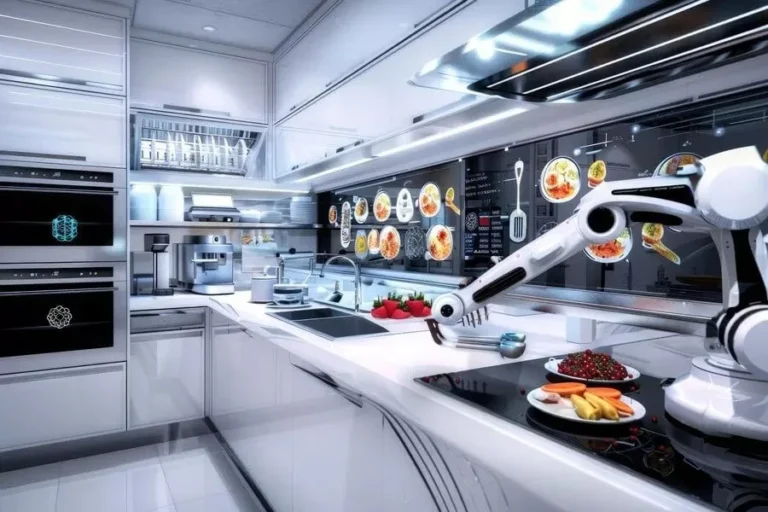
- Smart Kitchens: Imagine a kitchen where equipment communicates with each other. The fridge alerts you when ingredients are running low. The stove adjusts its temperature based on the dish being cooked. The kanban system updates in real-time. This isn’t science fiction, it’s the future of commercial kitchens.
- Modular Designs: Kitchens will become more adaptable, with modular equipment that can be rearranged based on the menu or the day’s needs. Need more prep space for a private event? No problem. Need to reconfigure the cooking zone for a new dish? Easy.
- Sustainability: Japanese kitchens are already leaders in sustainability, with a focus on reducing waste and conserving energy. In the future, we’ll see even more eco-friendly designs, like solar-powered equipment, composting systems, and water-saving technologies.
- Ergonomics: As the industry grapples with high turnover and injury rates, ergonomics will become a bigger priority. We’ll see more adjustable workstations, anti-fatigue mats, and task-specific lighting.
- Hybrid Layouts: The line between front-of-house and back-of-house will continue to blur. We’ll see more open kitchens, chef’s tables, and interactive dining experiences. The goal? To create a seamless flow between the kitchen and the dining room.
I’m excited about the future of commercial kitchen design. But I’m also realistic. Change doesn’t happen overnight. It takes time, effort, and a willingness to embrace new ideas. And let’s be honest, it’s not always easy. But if there’s one thing I’ve learned from studying Japanese efficiency, it’s this: small changes can lead to big results. So why not start today?
Final Thoughts: Is Japanese Efficiency Right for Your Kitchen?
I’ll be honest, I’m a convert. After researching this topic, visiting Japanese kitchens, and talking to chefs, I’m convinced that Japanese efficiency is the future of commercial kitchen design. But I’m also realistic. Not every kitchen can (or should) adopt every principle. The key is to take what works for your space, your menu, and your team, and adapt it to your needs.
So, is Japanese efficiency right for your kitchen? Here’s my advice:
- Start Small: Don’t try to overhaul your entire kitchen overnight. Start with one zone, maybe the prep area or the cooking zone, and apply the principles of 5S and workflow optimization. See how it goes, and then expand from there.
- Involve Your Team: Your staff are the ones who will be using the new layout, so involve them in the process. Ask for their feedback, listen to their concerns, and make adjustments as needed.
- Measure the Impact: Track metrics like order fulfillment time, customer satisfaction, and staff morale. This will help you see the impact of the new layout and make data-driven decisions.
- Be Patient: Change takes time. Don’t expect overnight results. It might take weeks or even months to see the full impact of the new layout. But trust me, it’s worth the wait.
- Stay Flexible: The best kitchen layouts are adaptable. Don’t be afraid to make changes as your menu, your team, or your business evolves. The goal is to create a layout that works for you, not the other way around.
At the end of the day, Japanese efficiency isn’t about copying a specific layout or following a rigid set of rules. It’s about rethinking the way you work. It’s about eliminating waste, optimizing workflow, and creating a kitchen that’s efficient, safe, and enjoyable to work in. And if that’s not worth striving for, I don’t know what is.
So, what do you think? Are you ready to steal a few ideas from Japanese efficiency? I’d love to hear your thoughts, and your stories. Drop a comment below and let me know how it goes.
FAQ
Q: I have a small kitchen. Can I still apply Japanese efficiency principles?
A: Absolutely! Japanese efficiency is all about maximizing space and minimizing waste, which makes it perfect for small kitchens. Start by applying the 5S methodology, sort, set in order, shine, standardize, and sustain. Even small tweaks, like rearranging your prep station or adding under-counter refrigeration, can make a big difference. The key is to focus on what works for your space and your menu.
Q: How do I get my staff on board with a new kitchen layout?
A: Getting staff buy-in is crucial. Start by explaining the why behind the changes. Share the benefits of the new layout, like faster service, fewer mistakes, and less waste. Then, involve them in the process. Ask for their feedback, listen to their concerns, and make adjustments as needed. Finally, give them time to practice the new layout. The more they use it, the more natural it will feel.
Q: What’s the biggest mistake people make when redesigning their kitchen layout?
A: The biggest mistake is focusing too much on equipment and not enough on workflow. It’s easy to get caught up in the latest gadgets or the biggest fridge, but if your layout doesn’t support a smooth workflow, it won’t matter. Start by mapping out your current workflow, identifying pain points, and designing a layout that addresses them. The equipment should support the workflow, not the other way around.
Q: How do I measure the success of a new kitchen layout?
A: Success can be measured in a few ways. Start by tracking metrics like order fulfillment time, customer satisfaction, and staff morale. You can also gather feedback from your team, what’s working, what’s not, and what could be improved. Finally, hold regular audits to ensure the system is being followed. The key is to look for improvements in efficiency, safety, and overall happiness. If you’re seeing positive changes in these areas, you’re on the right track.
@article{why-your-commercial-kitchen-should-steal-ideas-from-japanese-efficiency-a-chefs-guide-to-smarter-layouts,
    title   = {Why Your Commercial Kitchen Should Steal Ideas from Japanese Efficiency: A Chef’s Guide to Smarter Layouts},
    author  = {Chef's icon},
    year    = {2026},
    journal = {Chef's Icon},
    url     = {https://chefsicon.com/commercial-kitchen-layouts-inspired-by-japanese-efficiency/}
}