The Best Fluffy Pancakes recipe you will fall in love with. Full of tips and tricks to help you make the best pancakes.
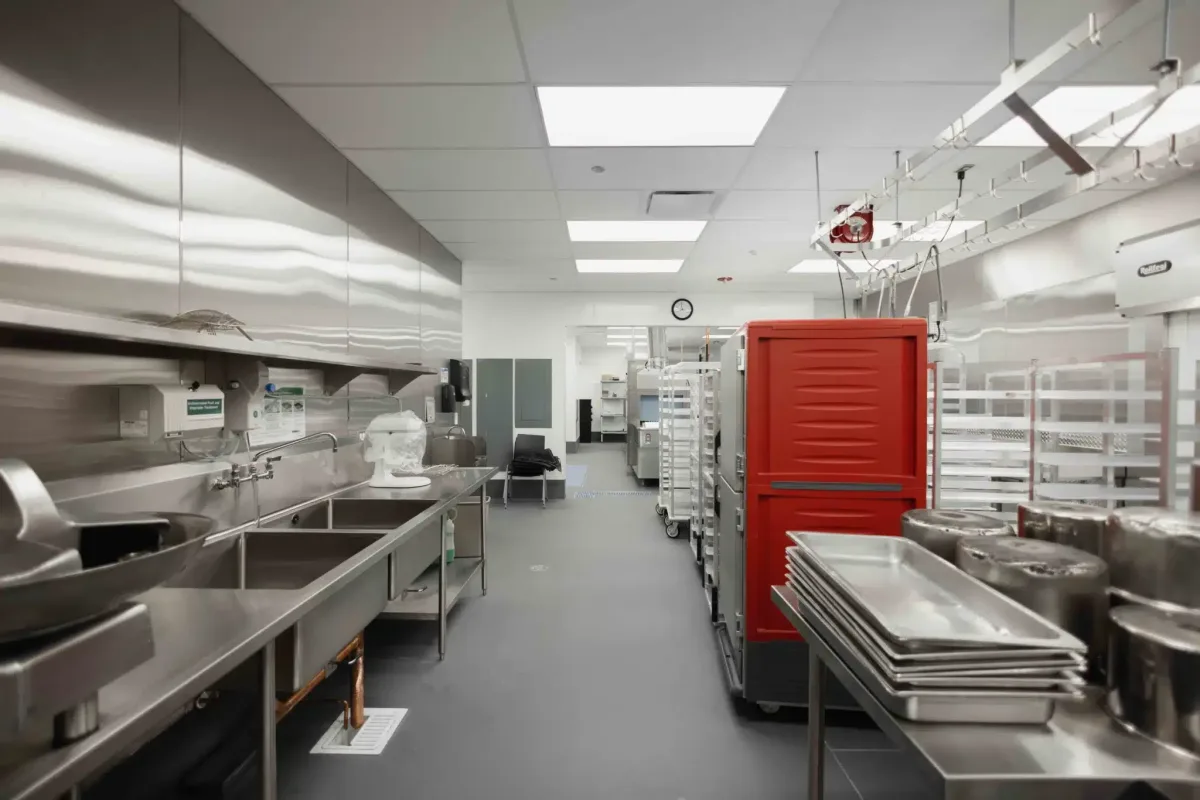
High-Volume Lunch Prep Equipment Essentials for Restaurants: Why Your Midday Rush Hinges on the Right Tools
Let me tell you about the time I walked into a bustling Nashville lunch spot, let’s call it The Daily Grind, on a Tuesday at 11:47 AM. The line was out the door, the kitchen was a symphony of clanging pans and shouted orders, and the poor soul manning the grill looked like they were one ticket away from a full-blown meltdown. I watched as a well-meaning but ill-equipped prep cook fumbled with a handheld slicer, trying to keep up with the mountain of onions needed for the day’s special. By the time the lunch rush hit its peak at 12:30, the kitchen was drowning in chaos. Orders were delayed, tempers flared, and what should’ve been a smooth, profitable service turned into a logistical nightmare. The problem? They were missing some high-volume lunch prep equipment essentials that could’ve turned that chaos into clockwork.
If you’re running a restaurant, you know the lunch rush isn’t just another meal service, it’s a high-stakes, fast-paced battle where efficiency, speed, and consistency are non-negotiable. Unlike dinner, where guests might linger over wine and conversation, lunch customers are often on a tight schedule. They want their food ow, and they want it to taste exactly like it did last time they ordered it. That’s where the right equipment comes in. It’s not just about having tools; it’s about having the right tools to handle the volume, maintain quality, and keep your team sane. But here’s the thing: not all equipment is created equal, and not every piece of gear is worth the investment. So, how do you know what’s essential and what’s just taking up precious kitchen space?
In this guide, I’m diving deep into the high-volume lunch prep equipment essentials for restaurants that can make or break your midday service. We’ll cover everything from the heavy-hitting workhorses like commercial food processors to the unsung heroes like speed racks and portion scales. I’ll share insights from chefs and kitchen managers who’ve been in the trenches, as well as some hard-earned lessons from my own deep dives into commercial kitchen setups. By the end, you’ll have a clear roadmap for outfitting your kitchen, or upgrading your current setup, to handle lunch rushes like a pro. And trust me, your future self (and your stressed-out line cooks) will thank you.
But before we jump in, let me clarify something: this isn’t just a list of expensive gadgets. It’s about strategic investments that pay off in efficiency, consistency, and employee morale. Because let’s be real, no one wants to work in a kitchen where the equipment feels like it’s working against you. So, whether you’re opening a new spot, revamping an existing one, or just trying to shave a few minutes off your ticket times, this guide is for you. Let’s get into it.
The Foundation: Why High-Volume Lunch Prep Equipment Matters More Than You Think
The Lunch Rush Paradox: Speed vs. Quality
Here’s the thing about lunch service: it’s a paradox wrapped in a time crunch. On one hand, you need to move fast, like, really fast. Customers are often on a 30-minute break, or worse, a 15-minute grab-and-go window. They’re not sitting down for a leisurely three-course meal; they’re looking for something delicious, filling, and quick. On the other hand, you can’t sacrifice quality for speed. If your food doesn’t taste great or look consistent, those customers won’t be back. And in a world where Yelp reviews and Instagram stories can make or break a restaurant, that’s a risk you can’t afford to take.
So, how do you balance speed and quality? The answer lies in your equipment. The right tools don’t just help you work faster, they help you work smarter. Take, for example, a commercial-grade food processor. Sure, you could chop onions by hand, but why would you when a machine can do it in a fraction of the time with perfectly uniform pieces? Or consider a combi oven, which can steam, bake, and roast all in one unit, saving you time, space, and energy. These aren’t just luxuries; they’re game-changers for high-volume kitchens.
But here’s where it gets tricky: not every piece of equipment is worth the investment. I’ve seen kitchens loaded with gadgets that gather dust because they’re either too complicated, too slow, or just plain unnecessary. So, how do you separate the must-haves from the nice-to-haves? It comes down to three things: volume, versatility, and durability. If a piece of equipment can’t handle your peak lunch rush, isn’t versatile enough to be used for multiple dishes, or won’t last more than a year under heavy use, it’s not worth your money. Simple as that.
Is this the best approach? Let’s consider the alternative. Imagine you’re running a sandwich shop, and your lunch rush demands 200 sandwiches in an hour. You could rely on a couple of home kitchen knives and a cutting board, but you’d be lucky to hit half that number without sacrificing quality or burning out your staff. Now, imagine swapping those knives for a commercial meat slicer and a vegetable prep sink with a built-in chopper. Suddenly, you’re not just keeping up with demand, you’re exceeding it, and your team isn’t exhausted by the end of the shift. That’s the power of the right equipment.
The Hidden Costs of Cutting Corners
I get it, equipment is expensive. Really expensive. And when you’re opening a restaurant or trying to keep costs down, it’s tempting to cut corners. Maybe you opt for a cheaper, residential-grade food processor instead of a commercial one. Or you skip the high-speed blender because, hey, your current blender “gets the job done.” But here’s the thing: those short-term savings can cost you big in the long run.
Let me break it down. Cheaper equipment often means lower durability. That residential food processor? It might last a few months in a home kitchen, but in a high-volume restaurant setting, it’ll break down faster than you can say “lunch rush.” And when it does, you’re not just out the cost of the machine, you’re also dealing with downtime, delayed orders, and a frustrated team. The same goes for equipment that’s not designed for heavy use. A commercial-grade mixer might cost more upfront, but it’ll handle daily batches of dough without overheating or wearing out. A cheaper model? It might last a year, if you’re lucky.
Then there’s the issue of efficiency. High-volume equipment isn’t just built to last, it’s built to work fast. Take a commercial rice cooker, for example. A residential model might take 30 minutes to cook a batch of rice, but a high-volume commercial unit can do it in half the time, with better consistency. That might not seem like a big deal until you’re trying to keep up with 150 orders of rice bowls during lunch. Suddenly, those 15 minutes you saved per batch add up to hours of productivity over the course of a week.
And let’s not forget about safety. Cheaper equipment often lacks the safety features that commercial-grade tools have. A residential-grade knife might not have the same ergonomic handle as a commercial chef’s knife, leading to hand fatigue or even injuries over time. A non-commercial deep fryer might not have the same temperature controls, increasing the risk of burns or fires. When you’re dealing with high volumes and tight deadlines, safety isn’t just a nice-to-have, it’s a necessity.
So, is it worth the investment? Absolutely. But that doesn’t mean you have to break the bank. There are ways to save money without sacrificing quality, like buying used equipment from reputable dealers, leasing instead of buying, or prioritizing multi-functional tools. The key is to think long-term. What will save you time, money, and headaches in the long run? That’s where you should invest.
The Core Essentials: High-Volume Lunch Prep Equipment You Can’t Afford to Skip
1. Commercial Food Processors: The Unsung Heroes of Speed and Consistency
If there’s one piece of equipment that can single-handedly transform your lunch prep, it’s a commercial food processor. I’ve seen kitchens where this one tool cuts prep time in half, and I’ve seen kitchens where the lack of one creates a bottleneck that slows everything down. The difference? Night and day.
Here’s the deal: a commercial food processor isn’t just a bigger, badder version of the one you have at home. It’s a workhorse designed for heavy, continuous use. We’re talking 10-quart (or larger) capacities, powerful motors that can handle dense ingredients like nuts or frozen fruit, and attachments that can slice, dice, shred, and puree with precision. And precision is key. When you’re prepping for a lunch rush, consistency isn’t just about aesthetics, it’s about efficiency. Uniformly sliced vegetables cook at the same rate, evenly shredded cheese melts consistently, and perfectly diced onions distribute flavor evenly. No more guessing, no more uneven batches, and no more wasted time fixing mistakes.
But not all food processors are created equal. When you’re shopping for one, there are a few things to keep in mind. First, capacity. If you’re prepping for a high-volume lunch service, you’ll want something with at least a 10-quart bowl. Anything smaller, and you’ll be stopping to empty and refill it constantly, which defeats the purpose of speed. Second, power. Look for a motor with at least 1 horsepower (HP). Anything less, and you’ll struggle with tougher ingredients. Third, attachments. The more versatile the machine, the more uses you’ll get out of it. A good commercial food processor should come with slicing, shredding, and dicing blades, as well as a dough blade if you’re making bread or pizza.
Now, I know what you’re thinking: “Do I really need a commercial food processor, or can I get by with my residential one?” Let me put it this way, if you’re prepping more than a few batches of anything per day, the answer is yes. Residential food processors aren’t built for the kind of abuse a restaurant kitchen dishes out. They overheat, they break, and they slow you down. A commercial model, on the other hand, is built to last. It’s an investment, sure, but one that pays off in time saved, consistency achieved, and headaches avoided.
And here’s a pro tip: if you’re tight on space or budget, consider a continuous-feed food processor. These machines don’t have a bowl, instead, they have a chute where you feed ingredients in, and they process them on the fly. They’re great for high-volume slicing or shredding, and they take up less space than a traditional bowl-style processor. Just make sure you have a plan for catching the processed ingredients, like a large container or a speed rack underneath.
2. Commercial Meat Slicers: Precision and Speed for Sandwiches, Salads, and More
If your lunch menu includes sandwiches, charcuterie boards, or salads with sliced meats, a commercial meat slicer isn’t just nice to have, it’s a necessity. I’ve seen kitchens where the lack of one turns a simple task like slicing deli meat into a time-consuming, inconsistent nightmare. And in a lunch rush, time is the one thing you don’t have.
Here’s why a commercial meat slicer is a game-changer: it gives you precision and speed that you just can’t achieve with a knife. We’re talking perfectly uniform slices, every time, at the exact thickness you want. Whether you’re slicing turkey for sandwiches, prosciutto for a charcuterie board, or roast beef for a salad, a meat slicer ensures consistency, which means better presentation, better portion control, and better customer satisfaction. And let’s not forget about speed. A good commercial meat slicer can slice through pounds of meat in minutes, freeing up your staff to focus on other tasks.
But not all meat slicers are created equal. When you’re shopping for one, there are a few key features to look for. First, blade size. Commercial meat slicers typically come with blades ranging from 10 to 14 inches in diameter. A larger blade means you can slice larger cuts of meat, which is great for high-volume kitchens. Second, adjustable thickness. You’ll want a slicer that can handle everything from paper-thin slices for deli meats to thicker cuts for roast beef or turkey. Third, safety features. Look for a slicer with a blade guard, a non-slip base, and a safety interlock that prevents the machine from operating when the blade is exposed. And finally, ease of cleaning. Meat slicers can be a pain to clean, so look for one with removable parts and a design that minimizes crevices where food can get trapped.
Now, I’ll be honest, meat slicers can be intimidating. They’re big, they’re sharp, and they require a bit of practice to use safely. But once you get the hang of it, they’re one of the most efficient tools in your kitchen. And here’s a tip: if you’re worried about safety, consider investing in a semi-automatic slicer. These machines have a carriage that moves back and forth automatically, so you don’t have to manually push the meat through the blade. They’re a bit more expensive, but they’re also safer and easier to use, especially for less experienced staff.
One more thing: if you’re slicing a lot of different meats, consider getting a slicer with a gravity feed. These machines have a carriage that tilts, so the meat slides down toward the blade, making it easier to slice larger or oddly shaped cuts. They’re a bit more expensive, but they’re worth it if you’re dealing with high volumes.
3. High-Speed Blenders: The Secret Weapon for Soups, Sauces, and Smoothies
If your lunch menu includes soups, sauces, smoothies, or anything that requires blending, a high-speed blender is another must-have. I’ve seen kitchens where the lack of one turns a simple task like making a batch of tomato soup into a time-consuming, messy ordeal. And in a lunch rush, that’s the last thing you want.
Here’s the deal: a high-speed blender isn’t just a bigger, louder version of the one you have at home. It’s a powerhouse designed to handle large volumes of ingredients quickly and efficiently. We’re talking 3-horsepower motors, 64-ounce (or larger) containers, and blades that can pulverize everything from ice to nuts to fibrous vegetables. And speed is key. A high-speed blender can puree a batch of soup in minutes, emulsify a sauce in seconds, or crush ice for smoothies in a flash. That means less time spent waiting for the blender to do its thing and more time spent on other tasks.
But not all blenders are created equal. When you’re shopping for a high-speed blender, there are a few things to keep in mind. First, power. Look for a motor with at least 2 horsepower (HP). Anything less, and you’ll struggle with thicker or tougher ingredients. Second, capacity. If you’re making large batches of soups or sauces, you’ll want a container that can hold at least 64 ounces. Third, durability. High-speed blenders are built to last, but some are more durable than others. Look for one with a metal drive system, a sturdy base, and a container made of BPA-free Tritan plastic or stainless steel. And finally, ease of cleaning. Blenders can be a pain to clean, so look for one with a removable blade assembly and a design that minimizes crevices where food can get trapped.
Now, I know what you’re thinking: “Do I really need a high-speed blender, or can I get by with my residential one?” Let me put it this way, if you’re making more than a few batches of anything per day, the answer is yes. Residential blenders aren’t built for the kind of abuse a restaurant kitchen dishes out. They overheat, they break, and they slow you down. A high-speed blender, on the other hand, is built to last. It’s an investment, sure, but one that pays off in time saved, consistency achieved, and headaches avoided.
And here’s a pro tip: if you’re tight on space or budget, consider a immersion blender (also known as a stick blender). These handheld blenders are great for pureeing soups or sauces directly in the pot, which means less cleanup and more flexibility. They’re not as powerful as a countertop blender, but they’re a great option if you’re dealing with smaller batches or limited space.
4. Commercial Rice Cookers: The Key to Perfect Grains, Every Time
If your lunch menu includes rice bowls, sushi, or any dish that requires perfectly cooked rice, a commercial rice cooker is a game-changer. I’ve seen kitchens where the lack of one turns a simple task like cooking rice into a guessing game, with unevenly cooked batches and wasted ingredients. And in a lunch rush, consistency is everything.
Here’s why a commercial rice cooker is a must-have: it takes the guesswork out of cooking rice. We’re talking perfectly cooked grains, every time, with no burning, no sticking, and no uneven cooking. And speed is key. A commercial rice cooker can cook a large batch of rice in half the time it takes on the stovetop, freeing up your burners for other tasks. Plus, most commercial rice cookers have a keep-warm function, so your rice stays at the perfect temperature until you’re ready to serve it.
But not all rice cookers are created equal. When you’re shopping for one, there are a few things to keep in mind. First, capacity. Commercial rice cookers come in a range of sizes, from 10 cups to over 100 cups. If you’re serving rice bowls or sushi, you’ll want something on the larger end, at least 50 cups. Second, material. Look for a rice cooker with a on-stick inner pot, which makes cleanup a breeze. Third, features. Some commercial rice cookers come with additional functions, like steaming or slow cooking, which can add versatility to your kitchen. And finally, durability. Look for a rice cooker with a sturdy construction and a reputable brand name. You want something that’s built to last, not something that’s going to break down after a few months of heavy use.
Now, I’ll be honest, rice cookers can seem like a luxury, especially if you’re already cooking rice on the stovetop. But here’s the thing: a commercial rice cooker isn’t just about convenience. It’s about consistency. When you’re serving hundreds of meals a day, you can’t afford to have unevenly cooked rice. A rice cooker ensures that every batch is perfect, which means happier customers and less waste.
And here’s a pro tip: if you’re tight on space or budget, consider a multi-cooker. These versatile machines can cook rice, steam vegetables, slow cook soups, and even bake bread. They’re a great option if you’re dealing with limited space or want to maximize your equipment budget.
5. Speed Racks and Sheet Pans: The Backbone of Efficient Lunch Prep
You might not think of speed racks and sheet pans as “equipment,” but in a high-volume kitchen, they’re just as essential as any appliance. I’ve seen kitchens where the lack of these simple tools turns lunch prep into a chaotic mess, with ingredients and finished dishes piled up on every available surface. And in a lunch rush, organization is everything.
Here’s why speed racks and sheet pans are a must-have: they keep your kitchen organized and efficient. Speed racks are essentially mobile shelving units that allow you to store and transport large quantities of food, ingredients, or dishes. They’re perfect for holding sheet pans full of prepped vegetables, trays of cooked proteins, or even stacks of plates and bowls. And because they’re on wheels, you can move them around the kitchen as needed, freeing up counter space and keeping everything within reach.
Sheet pans, on the other hand, are the workhorses of lunch prep. They’re used for everything from roasting vegetables to baking cookies to holding prepped ingredients. And because they’re stackable, they’re easy to store and transport. But not all sheet pans are created equal. When you’re shopping for sheet pans, there are a few things to keep in mind. First, size. Commercial sheet pans come in a range of sizes, from half-sheet pans (18×13 inches) to full-sheet pans (26×18 inches). For high-volume kitchens, full-sheet pans are the way to go, they hold more food and fit on speed racks. Second, material. Look for sheet pans made of heavy-duty aluminum or stainless steel. These materials are durable, conduct heat evenly, and are easy to clean. And finally, durability. Look for sheet pans with reinforced edges and a sturdy construction. You want something that’s built to last, not something that’s going to warp or bend after a few uses.
Now, I know what you’re thinking: “Do I really need speed racks and sheet pans, or can I get by with regular shelves and baking sheets?” Let me put it this way, if you’re prepping for a high-volume lunch service, the answer is yes. Regular shelves and baking sheets just don’t cut it in a commercial kitchen. They’re not designed for the kind of heavy use a restaurant dishes out, and they don’t offer the same level of organization and efficiency. Speed racks and sheet pans, on the other hand, are built for the job. They’re durable, versatile, and designed to keep your kitchen running smoothly.
And here’s a pro tip: if you’re tight on space, consider investing in stackable speed racks. These racks are designed to nest inside each other when not in use, saving you valuable floor space. They’re a great option if you’re dealing with a small kitchen or need to maximize your storage capacity.
6. Portion Scales: The Key to Consistency and Cost Control
If there’s one tool that’s often overlooked in high-volume kitchens, it’s the portion scale. I’ve seen kitchens where the lack of one leads to inconsistent portions, wasted ingredients, and lost profits. And in a lunch rush, where every second counts, consistency and cost control are everything.
Here’s why a portion scale is a must-have: it ensures that every dish is portioned consistently, which means better customer satisfaction and less waste. Whether you’re portioning out proteins for sandwiches, weighing ingredients for salads, or measuring out sides like rice or pasta, a portion scale takes the guesswork out of the equation. And because it’s digital, it’s fast and accurate, which means less time spent measuring and more time spent cooking.
But not all portion scales are created equal. When you’re shopping for one, there are a few things to keep in mind. First, capacity. Look for a scale that can handle the weights you’ll be measuring. If you’re portioning out large cuts of meat, you’ll want a scale with a capacity of at least 20 pounds. Second, accuracy. Look for a scale with a precision of at least 0.1 ounces. Anything less, and you risk inconsistent portions. Third, durability. Look for a scale with a sturdy construction and a reputable brand name. You want something that’s built to last, not something that’s going to break down after a few months of heavy use. And finally, ease of cleaning. Look for a scale with a removable platform and a design that minimizes crevices where food can get trapped.
Now, I’ll be honest, portion scales can seem like a small detail, especially when you’re dealing with the chaos of a lunch rush. But here’s the thing: they’re not just about consistency. They’re also about cost control. When you’re portioning out expensive ingredients like proteins or specialty cheeses, every ounce counts. A portion scale ensures that you’re not over-portioning, which means less waste and more profit. And in a business where margins are tight, that’s a big deal.
And here’s a pro tip: if you’re tight on counter space, consider a hanging portion scale. These scales can be mounted on a wall or a shelf, freeing up valuable counter space. They’re a great option if you’re dealing with a small kitchen or need to maximize your workspace.
7. Commercial Mixers: The Workhorses of Dough, Batters, and More
If your lunch menu includes bread, pizza, or anything that requires dough or batter, a commercial mixer is a must-have. I’ve seen kitchens where the lack of one turns a simple task like mixing dough into a time-consuming, labor-intensive ordeal. And in a lunch rush, where every minute counts, that’s the last thing you want.
Here’s why a commercial mixer is a game-changer: it takes the hard work out of mixing. We’re talking powerful motors, large-capacity bowls, and attachments that can handle everything from dough to batters to whipped cream. And speed is key. A commercial mixer can mix a batch of dough in minutes, freeing up your staff to focus on other tasks. Plus, most commercial mixers come with a tilt-head or bowl-lift design, which makes it easy to add ingredients or scrape down the sides of the bowl.
But not all mixers are created equal. When you’re shopping for one, there are a few things to keep in mind. First, capacity. Commercial mixers come in a range of sizes, from 5 quarts to over 100 quarts. If you’re making bread or pizza dough, you’ll want something on the larger end, at least 20 quarts. Second, power. Look for a motor with at least 1/2 horsepower (HP). Anything less, and you’ll struggle with thicker or tougher doughs. Third, attachments. Look for a mixer that comes with a dough hook, a paddle, and a whisk. These attachments cover all the bases, from mixing dough to whipping cream. And finally, durability. Look for a mixer with a sturdy construction and a reputable brand name. You want something that’s built to last, not something that’s going to break down after a few months of heavy use.
Now, I know what you’re thinking: “Do I really need a commercial mixer, or can I get by with my residential one?” Let me put it this way, if you’re making more than a few batches of dough per day, the answer is yes. Residential mixers aren’t built for the kind of abuse a restaurant kitchen dishes out. They overheat, they break, and they slow you down. A commercial mixer, on the other hand, is built to last. It’s an investment, sure, but one that pays off in time saved, consistency achieved, and headaches avoided.
And here’s a pro tip: if you’re tight on space or budget, consider a countertop mixer. These mixers are smaller and more affordable than floor models, but they’re still built for commercial use. They’re a great option if you’re dealing with limited space or need to maximize your equipment budget.
8. Commercial Deep Fryers: The Secret to Crispy, Delicious Fried Foods
If your lunch menu includes fried foods like french fries, chicken tenders, or onion rings, a commercial deep fryer is a must-have. I’ve seen kitchens where the lack of one turns a simple task like frying into a messy, time-consuming ordeal. And in a lunch rush, where speed and consistency are everything, that’s a recipe for disaster.
Here’s why a commercial deep fryer is a game-changer: it ensures that every batch of fried food is crispy, golden, and perfectly cooked. We’re talking fast recovery times, precise temperature control, and large-capacity baskets that can handle high volumes of food. And speed is key. A commercial deep fryer can cook a batch of fries in minutes, freeing up your staff to focus on other tasks. Plus, most commercial deep fryers come with a built-in filtration system, which makes it easy to keep your oil clean and extend its lifespan.
But not all deep fryers are created equal. When you’re shopping for one, there are a few things to keep in mind. First, capacity. Commercial deep fryers come in a range of sizes, from countertop models that hold a few liters of oil to floor models that hold over 50 liters. If you’re frying a lot of food, you’ll want something on the larger end, at least 15 liters. Second, fuel type. Deep fryers can be powered by gas or electricity. Gas fryers heat up faster and are more energy-efficient, but they require a gas line and proper ventilation. Electric fryers are easier to install and maintain, but they can be slower to heat up and less energy-efficient. Third, temperature control. Look for a fryer with precise temperature controls and a fast recovery time. This ensures that your food cooks evenly and consistently, batch after batch. And finally, safety features. Look for a fryer with a cool-touch exterior, a built-in fire suppression system, and a lid that automatically closes in case of a fire.
Now, I’ll be honest, deep fryers can be intimidating. They’re big, they’re hot, and they require a bit of practice to use safely. But once you get the hang of it, they’re one of the most efficient tools in your kitchen. And here’s a tip: if you’re worried about safety, consider investing in a ventless deep fryer. These fryers have a built-in ventilation system, so you don’t need to install a separate hood. They’re a bit more expensive, but they’re also safer and easier to use, especially for less experienced staff.
One more thing: if you’re frying a lot of different foods, consider getting a fryer with multiple baskets. This allows you to fry different foods at the same time, which is great for high-volume kitchens. Just make sure you’re not overloading the fryer, as this can lead to uneven cooking and longer recovery times.
9. Commercial Refrigeration: Keeping Ingredients Fresh and Safe
If there’s one piece of equipment that’s often taken for granted in high-volume kitchens, it’s commercial refrigeration. I’ve seen kitchens where the lack of proper refrigeration leads to spoiled ingredients, food safety violations, and lost profits. And in a lunch rush, where every ingredient counts, that’s a big deal.
Here’s why commercial refrigeration is a must-have: it keeps your ingredients fresh, safe, and at the right temperature. We’re talking reach-in refrigerators, under-counter refrigerators, walk-in coolers, and blast chillers. Each of these units plays a crucial role in your kitchen, from storing prepped ingredients to chilling cooked food quickly to prevent bacterial growth. And because they’re designed for commercial use, they’re built to handle the demands of a high-volume kitchen.
But not all refrigeration units are created equal. When you’re shopping for commercial refrigeration, there are a few things to keep in mind. First, size. Look for a unit that can handle your storage needs. If you’re storing a lot of prepped ingredients, you’ll want a reach-in refrigerator with plenty of shelves. If you’re chilling large quantities of cooked food, you’ll want a blast chiller with a high capacity. Second, temperature control. Look for a unit with precise temperature controls and a digital display. This ensures that your ingredients stay at the right temperature, which is crucial for food safety. Third, energy efficiency. Look for a unit with an Energy Star rating, which means it’s designed to use less energy and save you money on utility bills. And finally, durability. Look for a unit with a sturdy construction and a reputable brand name. You want something that’s built to last, not something that’s going to break down after a few months of heavy use.
Now, I’ll be honest, commercial refrigeration can be expensive. Really expensive. But here’s the thing: it’s not just about convenience. It’s about food safety. When you’re serving hundreds of meals a day, you can’t afford to take risks with spoiled ingredients or improperly stored food. A commercial refrigeration unit ensures that your ingredients stay fresh and safe, which means happier customers and fewer health code violations.
And here’s a pro tip: if you’re tight on space or budget, consider a under-counter refrigerator. These units fit neatly under your countertops, freeing up valuable floor space. They’re a great option if you’re dealing with a small kitchen or need to maximize your storage capacity.
10. Prep Tables and Workstations: The Foundation of Efficient Lunch Prep
Last but not least, let’s talk about prep tables and workstations. These might seem like basic pieces of equipment, but in a high-volume kitchen, they’re the foundation of efficient lunch prep. I’ve seen kitchens where the lack of proper prep space turns lunch prep into a chaotic mess, with ingredients and tools scattered everywhere. And in a lunch rush, where every second counts, organization is everything.
Here’s why prep tables and workstations are a must-have: they provide a dedicated space for prepping ingredients, assembling dishes, and organizing tools. We’re talking stainless steel surfaces that are easy to clean, built-in sinks for washing ingredients, and under-counter storage for keeping tools and ingredients within reach. And because they’re designed for commercial use, they’re built to handle the demands of a high-volume kitchen.
But not all prep tables are created equal. When you’re shopping for one, there are a few things to keep in mind. First, size. Look for a table that fits your kitchen layout and your prep needs. If you’re prepping a lot of ingredients, you’ll want a table with plenty of surface area. If you’re assembling dishes, you’ll want a table with a lower height for easier access. Second, material. Look for a table with a stainless steel surface, which is durable, easy to clean, and resistant to corrosion. Third, features. Look for a table with built-in sinks, cutting boards, or refrigerated drawers. These features add versatility and efficiency to your kitchen. And finally, durability. Look for a table with a sturdy construction and a reputable brand name. You want something that’s built to last, not something that’s going to wobble or rust after a few months of heavy use.
Now, I know what you’re thinking: “Do I really need a prep table, or can I get by with my existing countertops?” Let me put it this way, if you’re prepping for a high-volume lunch service, the answer is yes. Regular countertops just don’t cut it in a commercial kitchen. They’re not designed for the kind of heavy use a restaurant dishes out, and they don’t offer the same level of organization and efficiency. A prep table, on the other hand, is built for the job. It’s durable, versatile, and designed to keep your kitchen running smoothly.
And here’s a pro tip: if you’re tight on space, consider a mobile prep table. These tables are on wheels, so you can move them around the kitchen as needed. They’re a great option if you’re dealing with a small kitchen or need to maximize your workspace.
Putting It All Together: How to Outfit Your Kitchen for High-Volume Lunch Success
So, you’ve got the lowdown on the high-volume lunch prep equipment essentials for restaurants. Now what? How do you take this information and turn it into a kitchen that’s ready to handle the midday rush like a pro? Let me break it down for you.
First, take a hard look at your current setup. What’s working, and what’s not? Are there bottlenecks in your prep process that could be alleviated with the right equipment? Are there tasks that take longer than they should because you’re missing a key tool? Make a list of your pain points, and then prioritize them. What’s causing the most headaches? What’s costing you the most time or money? Start there.
Next, think about your menu. What are your bestsellers? What dishes require the most prep? What ingredients do you use the most? Your equipment should be tailored to your menu, not the other way around. For example, if you’re serving a lot of sandwiches, a commercial meat slicer and a vegetable prep sink should be at the top of your list. If you’re making a lot of soups or sauces, a high-speed blender and a commercial food processor are must-haves. And if you’re serving rice bowls or sushi, a commercial rice cooker is non-negotiable.
Now, let’s talk budget. I get it, equipment is expensive. But here’s the thing: you don’t have to buy everything at once. Start with the essentials, and then add to your setup as your budget allows. And don’t forget about used equipment. There are plenty of reputable dealers out there who sell high-quality, gently used commercial kitchen equipment at a fraction of the cost of new. Just make sure you’re buying from a trusted source, and always inspect the equipment before you buy it.
I’m torn between buying new and used equipment, but ultimately, I think it depends on your budget and your needs. If you’ve got the cash and you want the peace of mind that comes with a warranty, go new. If you’re on a tight budget and you’re willing to take a little risk, go used. Just make sure you’re not sacrificing quality for price. The last thing you want is to buy a piece of equipment that breaks down after a few months of heavy use.
Finally, don’t forget about training. Even the best equipment is useless if your staff doesn’t know how to use it. Make sure you’re investing in training for your team, whether it’s through the equipment manufacturer, a local culinary school, or in-house demonstrations. And don’t assume that everyone knows how to use everything. Even experienced chefs can struggle with new equipment, so take the time to walk your team through the basics.
Maybe I should clarify something here: training isn’t just about how to use the equipment. It’s also about safety. Commercial kitchen equipment is powerful, and it can be dangerous if it’s not used properly. Make sure your team knows how to operate each piece of equipment safely, and don’t hesitate to enforce safety protocols. The last thing you want is an accident that could’ve been prevented with a little training.
So, there you have it, a roadmap for outfitting your kitchen with the high-volume lunch prep equipment essentials for restaurants. It’s not an easy process, and it’s not cheap, but it’s worth it. The right equipment can transform your lunch service from chaotic to clockwork, and that’s a game-changer for your business.
Final Thoughts: The Lunch Rush Doesn’t Have to Be a Nightmare
Let’s be real, running a restaurant is hard. Really hard. And the lunch rush? It’s a whole other level of chaos. But here’s the thing: it doesn’t have to be. With the right high-volume lunch prep equipment essentials for restaurants, you can turn that chaos into a well-oiled machine. You can serve consistent, delicious food quickly and efficiently, without burning out your staff or sacrificing quality. And that’s a win for everyone, your customers, your team, and your bottom line.
But here’s the catch: the right equipment isn’t just about the tools. It’s about the system. It’s about how those tools fit into your kitchen layout, your workflow, and your menu. It’s about training your staff to use them properly and safely. And it’s about investing in equipment that’s built to last, not just equipment that’s cheap or trendy. So, take the time to assess your needs, prioritize your investments, and build a kitchen that’s ready to handle whatever the lunch rush throws at you.
And remember, you don’t have to do it all at once. Start with the essentials, and then build from there. Every piece of equipment you add should make your kitchen more efficient, more consistent, and more profitable. And if you’re not sure where to start, go back to the basics. What’s causing the most headaches in your kitchen? What’s costing you the most time or money? Start there, and then work your way up.
I’ll leave you with this: the lunch rush is a challenge, but it’s also an opportunity. It’s a chance to show your customers what you’re made of, to prove that you can handle the pressure, and to build a loyal following. And with the right equipment, you can do all of that and more. So, what are you waiting for? It’s time to gear up and get ready for the rush.
FAQ: Your Burning Questions About High-Volume Lunch Prep Equipment
Q: How do I know if my restaurant really needs high-volume lunch prep equipment?
A: If you’re consistently struggling to keep up with lunch orders, experiencing delays, or noticing inconsistencies in your food, it’s a sign you need to upgrade. High-volume equipment is designed to handle the demands of a busy lunch service, so if your current setup is holding you back, it’s time to invest. Start by identifying your biggest bottlenecks, whether it’s prep, cooking, or plating, and then look for equipment that can address those specific challenges.
Q: What’s the most cost-effective way to outfit my kitchen with high-volume equipment?
A: Start with the essentials that will have the biggest impact on your efficiency, like a commercial food processor or a meat slicer. Then, consider buying used equipment from reputable dealers to save money. Leasing is another option, especially for expensive items like combi ovens or blast chillers. Prioritize multi-functional tools that can handle multiple tasks, and don’t forget to factor in long-term savings, like energy-efficient models that reduce utility costs.
Q: How do I train my staff to use high-volume equipment safely and efficiently?
A: Training is key. Start with the manufacturer’s guidelines and safety protocols, and then conduct hands-on demonstrations. Assign a point person for each piece of equipment who can train new hires and troubleshoot issues. Encourage your team to ask questions and practice until they’re comfortable. Safety should always come first, so make sure everyone knows how to operate the equipment properly and what to do in case of an emergency.
Q: What’s one piece of high-volume lunch prep equipment that’s often overlooked but can make a huge difference?
A: Portion scales. They might seem like a small detail, but they’re crucial for consistency and cost control. When you’re portioning out expensive ingredients like proteins or specialty cheeses, every ounce counts. A portion scale ensures you’re not over-portioning, which means less waste and more profit. Plus, they’re fast and accurate, so they don’t slow down your prep process. If you’re not using one already, it’s a small investment with a big payoff.
@article{high-volume-lunch-prep-equipment-essentials-for-restaurants-the-backbone-of-midday-rush-success,
    title   = {High-Volume Lunch Prep Equipment Essentials for Restaurants: The Backbone of Midday Rush Success},
    author  = {Chef's icon},
    year    = {2026},
    journal = {Chef's Icon},
    url     = {https://chefsicon.com/high-volume-lunch-prep-equipment-essentials-for-restaurants/}
}