The Best Fluffy Pancakes recipe you will fall in love with. Full of tips and tricks to help you make the best pancakes.
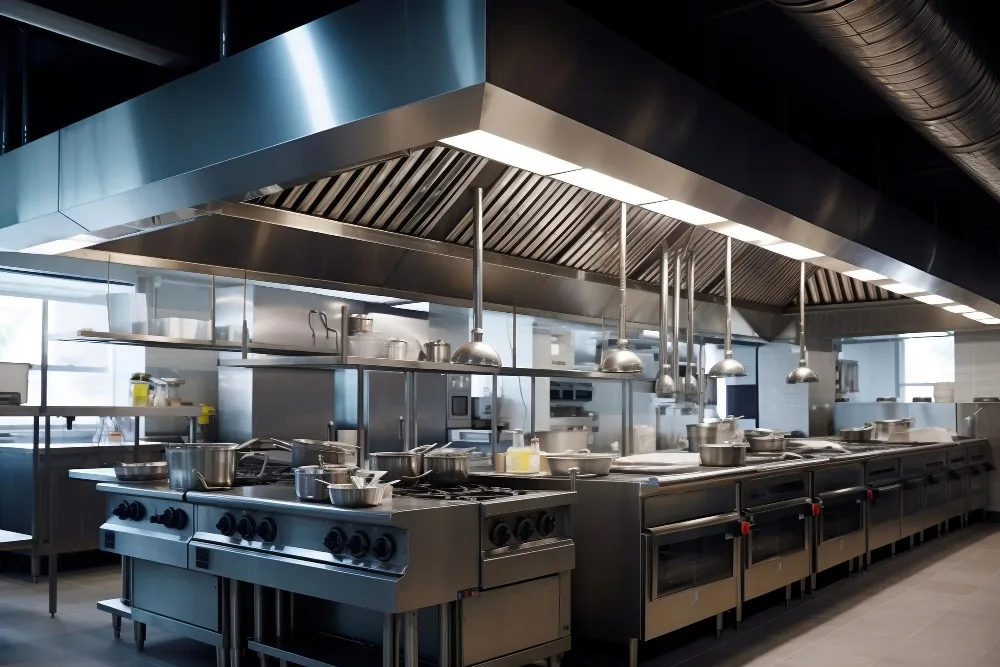
How to Assess Ventilation Needs for Different Kitchen Layouts: Because No One Wants Their Kitchen to Smell Like Last Night’s Fish Tacos
Let me set the scene. It’s a Tuesday evening, and I’m standing in my Nashville kitchen, staring at the range hood like it’s some kind of alien technology. Luna, my rescue cat, is perched on the counter (yes, I know, bad owner), tail flicking with judgment as the smoke alarm blares for the third time this week. I’ve just seared a steak, nothing fancy, just a basic weeknight dinner, and the entire house smells like a grease fire at a truck stop. That’s when it hits me: I have no idea if my kitchen ventilation is even close to adequate. And if I’m being honest, I’m not sure where to start figuring it out.
Turns out, I’m not alone. Whether you’re a home cook trying to keep your open-concept living space from smelling like a deep fryer, or a restaurant owner navigating health codes and employee comfort, assessing ventilation needs is one of those things that’s easy to overlook until it becomes a problem. And by then, you’re already dealing with sticky walls, lingering odors, and the kind of air quality that makes guests question your life choices. So, let’s break this down, because good ventilation isn’t just about comfort; it’s about health, safety, and not having to apologize to your dinner guests for the fog of garlic hanging in the air.
In this guide, we’re going to tackle how to assess ventilation needs for different kitchen layouts, from the cozy galley kitchens of urban apartments to the sprawling commercial setups of professional kitchens. We’ll cover the basics of airflow, the role of layout in ventilation efficiency, and how to avoid the most common mistakes people make (spoiler: bigger isn’t always better). By the end, you’ll have a clear roadmap for evaluating your space, whether you’re planning a renovation, upgrading equipment, or just trying to keep your kitchen from feeling like a sauna. And yes, I’ll include some of the lessons I’ve learned the hard way, like why that sleek, minimalist range hood I installed last year might be more decorative than functional.
Ready? Let’s dive in. And if you’re anything like me, you might want to crack a window first.
The Basics: Why Ventilation Matters More Than You Think
It’s Not Just About Smells (Though That’s a Big Part of It)
When most people think about kitchen ventilation, they picture the obvious: getting rid of smoke, steam, and the smell of last night’s salmon. And sure, that’s a huge part of it. No one wants their home to smell like a seafood market at 7 AM, or their restaurant to greet customers with the aroma of yesterday’s fried chicken. But ventilation goes way beyond odor control. It’s about indoor air quality, which affects everything from your health to the longevity of your kitchen appliances.
Poor ventilation can lead to a buildup of grease particles, carbon monoxide (if you’re using gas appliances), and volatile organic compounds (VOCs) from cooking oils and cleaning products. Over time, these can contribute to respiratory issues, headaches, and even long-term health problems. And let’s not forget the humidity factor-excess moisture can warp cabinets, peel paint, and create the perfect environment for mold and mildew. Ever noticed how your wooden cutting boards start to feel damp after a few months in a poorly ventilated kitchen? That’s not just annoying; it’s a sign that your air isn’t circulating properly.
But here’s the thing: ventilation isn’t just a health and safety issue. It’s also about comfort and efficiency. A kitchen with good airflow is a more pleasant place to work, whether you’re meal prepping for the week or running a dinner service. No one wants to feel like they’re cooking in a steam room, and no line cook should have to wipe their brow every two minutes because the heat and humidity are unbearable. Good ventilation keeps temperatures down, reduces fatigue, and, let’s be real, makes the whole cooking experience a lot more enjoyable.
So, before we get into the nitty-gritty of assessing your kitchen’s needs, let’s reframe how we think about ventilation. It’s not just a box to check off during a renovation or a health code requirement for commercial kitchens. It’s a critical component of kitchen design that impacts your health, your comfort, and the longevity of your space. And if that doesn’t convince you, consider this: a well-ventilated kitchen is also a more valuable one. Whether you’re selling your home or attracting customers to your restaurant, good airflow is a selling point that people notice, even if they don’t realize it.
The Science of Airflow: What’s Actually Happening in Your Kitchen?
Okay, let’s get a little technical for a minute. I promise I’ll keep it painless. When we talk about kitchen ventilation, we’re really talking about air exchange-the process of removing contaminated air and replacing it with fresh air. This happens through a combination of mechanical ventilation (like range hoods and exhaust fans) and natural ventilation (like windows and passive airflow). The goal is to create a system where air moves in a predictable, efficient way, pulling smoke, steam, and odors away from the cooking area and out of the space.
But here’s where things get tricky. Airflow isn’t just about sucking air out of the kitchen; it’s about balancing the system. If you have a powerful exhaust fan but no way for fresh air to enter the space, you’re creating negative pressure, which can lead to a whole host of problems. Ever tried to open a door in a kitchen with a high-powered exhaust system and felt like it was fighting you? That’s negative pressure in action. It can also cause backdrafting, where harmful gases like carbon monoxide are pulled back into the kitchen instead of being vented outside. Not ideal.
On the flip side, if you have too much fresh air coming in without enough exhaust, you’re dealing with positive pressure, which can push contaminated air into other parts of the house or restaurant. This is why commercial kitchens often use makeup air systems, which introduce fresh air to balance the exhaust. In residential kitchens, this is less common, but it’s still something to consider if you’re running a high-powered range hood in a tightly sealed home.
So, how do you know if your kitchen’s airflow is balanced? There are a few telltale signs:
- Doors or windows that are difficult to open or close (a sign of negative pressure).
- Cooking odors lingering in other parts of the house (a sign of poor exhaust or positive pressure).
- Excessive condensation on windows or walls (a sign of high humidity and poor airflow).
- Drafts or cold spots near the range (a sign that your range hood is pulling in too much air from outside).
If any of these sound familiar, it’s a good indication that your ventilation system needs some attention. But before you rush out to buy the biggest range hood you can find, let’s talk about why bigger isn’t always better-and how the layout of your kitchen plays a huge role in determining what you actually need.
How Kitchen Layout Affects Ventilation Needs
The Open-Concept Dilemma: When Your Kitchen and Living Room Become One
Open-concept kitchens are all the rage these days, and for good reason. They make small spaces feel larger, encourage socializing while cooking, and create that coveted “great room” vibe. But here’s the catch: open-concept layouts are a ventilation nightmare if you’re not careful. Without walls to contain smoke, steam, and odors, they can quickly turn your entire living space into a sauna-slash-smokehouse. And let’s be real, no one wants their couch to smell like last night’s stir-fry.
So, how do you assess ventilation needs in an open-concept kitchen? First, you need to think about airflow patterns. In a traditional kitchen with walls, the range hood can create a kind of “capture zone” where it pulls air directly from the cooking surface. But in an open-concept space, that air is coming from everywhere, your living room, your dining area, even the hallway. This means you need a range hood with a higher capture efficiency, which usually translates to a larger hood with a stronger fan. But here’s the kicker: a bigger hood isn’t always the answer. If it’s too powerful, it can create negative pressure, pulling air from other parts of the house and causing drafts. If it’s not powerful enough, it won’t effectively capture the contaminants before they spread.
Another factor to consider is the placement of your cooking appliances. In an open-concept kitchen, the range is often the focal point, which means it’s usually in the center of the space. This can make it harder to vent effectively, because the hood has to work harder to pull air from a larger area. If possible, try to position your range against a wall or in a corner, where the hood can create a more defined capture zone. If that’s not an option, you might need to invest in a dual-hood system or a ceiling-mounted exhaust fan to help pull air upward and out of the space.
And let’s not forget about natural ventilation. In an open-concept kitchen, windows and doors can play a huge role in airflow. If you’re cooking on a mild day, cracking a window can help create a cross-breeze that carries smoke and odors out of the space. But if you’re dealing with extreme temperatures (like a Nashville summer, where the humidity feels like a wet blanket), opening a window might not be an option. In that case, you’ll need to rely more heavily on mechanical ventilation.
So, what’s the takeaway? Open-concept kitchens require more thoughtful ventilation planning than traditional layouts. You can’t just slap a range hood over the stove and call it a day. You need to consider the size of the space, the placement of appliances, and how air moves through the entire area. And if you’re renovating, it’s worth consulting with a kitchen designer or HVAC professional to make sure your ventilation system is up to the task.
Galley Kitchens: When Space Is Tight and Efficiency Is Key
Galley kitchens are the unsung heroes of small-space living. They’re efficient, functional, and, when designed well, can feel surprisingly spacious. But when it comes to ventilation, they present a unique challenge: limited space for airflow. In a galley kitchen, the range is often sandwiched between counters, cabinets, or walls, which can make it difficult for a range hood to effectively capture smoke and steam. And if you’re working with a ductless hood (one that recirculates air instead of venting it outside), you’re basically just moving contaminants around instead of removing them.
So, how do you assess ventilation needs in a galley kitchen? First, you need to think about the type of range hood you’re using. In a small space, a ducted hood (one that vents outside) is almost always the better choice. Ductless hoods can work in a pinch, but they’re not as effective at removing grease, smoke, and odors. If you’re stuck with a ductless system, make sure it has a high-quality filter (like a baffle or mesh filter) and that you’re cleaning or replacing it regularly. But honestly? If you’re serious about ventilation, a ducted hood is the way to go.
Next, consider the size and power of your range hood. In a galley kitchen, you don’t necessarily need a massive hood, you just need one that’s properly sized for your range. A good rule of thumb is that the hood should be at least as wide as your cooktop, and ideally 3 inches wider on each side. This ensures that it can effectively capture smoke and steam before they escape. As for power, look for a hood with a CFM (cubic feet per minute) rating that matches your cooking habits. For most home cooks, a hood with 150-300 CFM is sufficient. If you’re a frequent fryer or searer, you might want to bump that up to 400-600 CFM.
But here’s where things get tricky: in a galley kitchen, the placement of the hood is just as important as its size and power. If the hood is too high above the range, it won’t effectively capture contaminants. The ideal height is 24-30 inches above the cooktop for electric ranges and 30-36 inches for gas ranges. If your hood is mounted higher than that, you might need to increase its power to compensate. And if you’re working with a low ceiling, you might need to opt for a slimline hood or a downdraft system to save space.
Finally, don’t forget about supplemental ventilation. In a galley kitchen, a range hood might not be enough to keep the air fresh, especially if you’re cooking for long periods. Consider adding a ceiling-mounted exhaust fan or a wall-mounted fan to help pull air out of the space. And if you have a window, crack it open while you’re cooking to create a cross-breeze. Just be mindful of outdoor air quality, if you’re cooking on a high-pollen day, you might want to keep the window closed and rely on your mechanical ventilation instead.
Commercial Kitchens: When Ventilation Is a Matter of Health and Safety
The Stakes Are Higher (And So Are the Health Codes)
If you’re running a commercial kitchen, ventilation isn’t just about comfort, it’s a legal requirement. Health codes and building regulations dictate everything from the type of hood you need to the CFM rating of your exhaust system. And if you’re not in compliance, you could be facing fines, shutdowns, or worse. But even if you’re not in the restaurant business, understanding how commercial kitchens approach ventilation can give you some valuable insights for your home kitchen. After all, the principles of airflow, capture efficiency, and system balance apply whether you’re cooking for two or two hundred.
So, what makes commercial kitchen ventilation different? For starters, the scale and intensity of cooking are on a whole other level. In a home kitchen, you might sear a steak or fry a few eggs. In a commercial kitchen, you’re running multiple burners, grills, and fryers simultaneously, often for hours at a time. This means you need a ventilation system that can handle high volumes of smoke, grease, and heat without breaking a sweat. And because commercial kitchens are often in enclosed spaces with limited natural ventilation, the system has to work harder to keep the air clean and safe.
Another key difference is the type of hoods used. In a commercial kitchen, you’ll typically find Type I or Type II hoods. Type I hoods are designed for grease-laden vapors (like those produced by grills, fryers, and ranges) and are required to have fire suppression systems built in. Type II hoods are for steam and heat (like those produced by dishwashers and steam tables) and don’t need fire suppression. The type of hood you need depends on the equipment you’re using, and it’s not something you can afford to get wrong. If you’re running a fryer under a Type II hood, you’re not just violating health codes, you’re creating a serious fire hazard.
But here’s where things get really interesting: commercial kitchens often use makeup air systems to balance the exhaust. Remember how we talked about negative pressure earlier? In a commercial kitchen, that’s a recipe for disaster. Without makeup air, the exhaust system can pull in air from other parts of the building, creating drafts, backdrafting, and even pulling in contaminants from outside. A makeup air system introduces fresh air to balance the exhaust, ensuring that the kitchen stays comfortable and safe. In a home kitchen, makeup air isn’t usually necessary, but it’s something to consider if you’re running a high-powered range hood in a tightly sealed space.
So, how do you assess ventilation needs in a commercial kitchen? First, you need to consult the codes. Health departments and building inspectors have specific requirements for everything from hood size to CFM ratings to fire suppression systems. If you’re opening a new restaurant or renovating an existing space, it’s worth bringing in a kitchen design consultant or HVAC professional to make sure you’re in compliance. And don’t forget about regular maintenance-commercial hoods need to be cleaned and inspected frequently to keep them running efficiently and safely.
Island Cooktops: The Ventilation Challenge No One Talks About
Island cooktops are a dream for home chefs. They’re spacious, stylish, and perfect for socializing while you cook. But when it comes to ventilation, they’re a nightmare. Why? Because they’re not against a wall, which means there’s no natural capture zone for smoke and steam. Instead, the hood has to work harder to pull air from all sides, and if it’s not powerful enough, contaminants can escape into the rest of the kitchen. And if you’re cooking on a gas range, you’re also dealing with carbon monoxide, which needs to be vented outside to keep the air safe.
So, how do you assess ventilation needs for an island cooktop? First, you need to size your hood correctly. In a traditional kitchen, the hood should be at least as wide as the cooktop, but in an island setup, you might need to go even wider, up to 6 inches on each side, to create an effective capture zone. And because the hood is exposed on all sides, it needs to be more powerful than a wall-mounted hood. A good rule of thumb is to add 100 CFM for every 12 inches of width beyond the cooktop. So, if your island cooktop is 36 inches wide and you’re using a 48-inch hood, you’ll need an extra 100 CFM to compensate for the exposed sides.
Next, consider the type of hood. For island cooktops, a canopy-style hood is usually the best choice. These hoods are designed to hang from the ceiling and create a wide capture zone, which is essential for an island setup. They’re also more visible, so you’ll want to choose one that complements your kitchen’s aesthetic. If you’re going for a sleek, modern look, a stainless steel hood with clean lines might be the way to go. If you prefer a more traditional style, a copper or brass hood can add warmth and character to the space.
But here’s the thing: even the best island hood won’t be effective if it’s not installed correctly. The height of the hood is critical, too high, and it won’t capture contaminants; too low, and it’ll be in the way. For electric cooktops, the ideal height is 24-30 inches above the surface. For gas cooktops, it’s 30-36 inches. And if you’re working with a high ceiling, you might need to extend the hood down to create a more defined capture zone. This is where a custom hood or a telescoping hood can come in handy.
Finally, don’t forget about supplemental ventilation. In an island setup, a range hood might not be enough to keep the air fresh, especially if you’re cooking for long periods. Consider adding a ceiling-mounted exhaust fan or a wall-mounted fan to help pull air out of the space. And if you have a window, crack it open while you’re cooking to create a cross-breeze. Just be mindful of outdoor air quality, if you’re cooking on a high-pollen day, you might want to keep the window closed and rely on your mechanical ventilation instead.
How to Calculate Your Kitchen’s Ventilation Needs
The CFM Conundrum: How Much Power Do You Really Need?
Alright, let’s talk numbers. When it comes to assessing ventilation needs, CFM (cubic feet per minute) is the metric that matters most. It tells you how much air your range hood can move, and it’s the key to determining whether your ventilation system is up to the task. But here’s the thing: CFM isn’t a one-size-fits-all measurement. The amount of power you need depends on everything from the size of your kitchen to the type of cooking you do. And if you get it wrong, you could end up with a hood that’s either too weak to do the job or so powerful that it creates negative pressure and drafts.
So, how do you calculate the right CFM for your kitchen? There are a few different methods, but the most common is the cooktop BTU method. Here’s how it works: first, you determine the BTU (British Thermal Unit) rating of your cooktop. This tells you how much heat your burners produce, and it’s usually listed in the manufacturer’s specifications. For example, a typical gas range might have a BTU rating of 60,000, while an electric range might be around 10,000. Once you have the BTU rating, you divide it by 100 to get the minimum CFM you need. So, for a 60,000 BTU gas range, you’d need a hood with at least 600 CFM.
But here’s where things get tricky: this method doesn’t account for the size of your kitchen or the type of cooking you do. If you’re frying, searing, or grilling frequently, you might need more power than the BTU method suggests. On the other hand, if you’re mostly boiling water or simmering sauces, you might be able to get away with less. And if you’re cooking in a large, open-concept space, you’ll need a more powerful hood to compensate for the lack of walls to contain the contaminants.
Another method is the kitchen volume method, which takes into account the size of your kitchen. Here’s how it works: first, you calculate the volume of your kitchen by multiplying the length, width, and height. For example, a 10×12 kitchen with 8-foot ceilings would have a volume of 960 cubic feet. Then, you multiply that number by 15 (the recommended number of air changes per hour for a kitchen) and divide by 60 (the number of minutes in an hour) to get the minimum CFM you need. So, for a 960-cubic-foot kitchen, you’d need a hood with at least 240 CFM.
But again, this method has its limitations. It doesn’t account for the type of cooking you do or the layout of your kitchen. If you’re cooking in a galley kitchen with limited airflow, you might need more power than the volume method suggests. And if you’re cooking in an open-concept space, you might need less. So, which method should you use? Honestly, it’s best to combine both approaches and err on the side of more power. After all, it’s better to have a hood that’s slightly too powerful than one that’s not powerful enough.
And here’s a pro tip: if you’re not sure how much power you need, consult the manufacturer’s recommendations. Most range hood manufacturers provide guidelines for sizing their products, and they’re usually based on real-world testing. And if you’re still unsure, it’s worth talking to a kitchen designer or HVAC professional to get their input. They can help you assess your needs and choose a hood that’s the right size and power for your space.
Ductwork Matters: Why Your Ventilation System Is Only as Good as Its Pipes
Here’s something no one tells you about kitchen ventilation: your range hood is only as good as its ductwork. You can have the most powerful, high-tech hood on the market, but if your ducts are clogged, leaky, or poorly designed, it won’t matter. The air has to go somewhere, and if the path is obstructed or inefficient, your ventilation system won’t work as intended. So, if you’re assessing your kitchen’s ventilation needs, don’t forget to take a close look at your ductwork.
First, let’s talk about duct size. The size of your ducts should match the CFM rating of your range hood. If the ducts are too small, they’ll create backpressure, which reduces the hood’s efficiency and can even cause it to fail prematurely. A good rule of thumb is that the ducts should be at least as wide as the hood’s outlet. For example, if your hood has a 6-inch outlet, your ducts should be at least 6 inches in diameter. And if you’re using a high-powered hood (600 CFM or more), you might need larger ducts, up to 8 or 10 inches, to handle the airflow.
Next, consider the duct material. Most residential ducts are made of galvanized steel or aluminum, which are durable and resistant to corrosion. But if you’re working with a flexible duct (like those used in some older homes), you might run into problems. Flexible ducts can sag, kink, or collapse over time, which restricts airflow and reduces the hood’s efficiency. If you’re using flexible ducts, make sure they’re fully extended and properly supported to prevent sagging. And if possible, consider upgrading to rigid ducts for better performance.
Another factor to consider is the duct layout. The shorter and straighter the duct run, the better. Every bend, turn, or obstruction in the ducts creates resistance, which reduces the hood’s efficiency. If possible, try to keep your ducts as straight as possible, with no more than two 90-degree bends. And if you have to make a turn, use a long-radius elbow instead of a sharp bend to minimize resistance. If your ducts are long or have multiple turns, you might need to increase the hood’s CFM rating to compensate for the added resistance.
Finally, don’t forget about duct insulation. If your ducts run through an unconditioned space (like an attic or crawl space), they can lose heat or cool air, which reduces the hood’s efficiency. Insulating your ducts can help maintain the temperature of the air as it moves through the system, ensuring that your ventilation system works as intended. And if you’re dealing with condensation in your ducts (a common problem in humid climates), insulation can help prevent moisture buildup and mold growth.
So, what’s the takeaway? If you’re assessing your kitchen’s ventilation needs, don’t overlook the ductwork. It’s the unsung hero of your ventilation system, and if it’s not up to par, your hood won’t be either. Take the time to inspect your ducts, clean them regularly, and make any necessary upgrades to ensure that your ventilation system is working as efficiently as possible.
Common Ventilation Mistakes (And How to Avoid Them)
The “Bigger Is Better” Myth: Why a Massive Hood Isn’t Always the Answer
Let me tell you about the time I installed a 1,200 CFM range hood in my kitchen. I was convinced that more power was the answer to all my ventilation woes. After all, if a little is good, a lot must be better, right? Wrong. Within a week, I realized I’d made a huge mistake. The hood was so powerful that it was creating negative pressure in my kitchen, pulling in cold air from the attic and making my heating bills skyrocket. And because it was oversized for my space, it was also loud and inefficient, running at full blast when a lower setting would have been just fine. I ended up replacing it with a smaller, more appropriately sized hood, and let me tell you, it was a game-changer.
So, what’s the lesson here? Bigger isn’t always better when it comes to range hoods. An oversized hood can create more problems than it solves, from negative pressure to excessive noise to higher energy bills. And if you’re cooking in a small space, a massive hood can actually be less effective at capturing contaminants, because it’s pulling in air from a larger area instead of focusing on the cooking surface.
So, how do you avoid this mistake? First, size your hood correctly for your cooktop and kitchen layout. Use the CFM calculation methods we discussed earlier to determine how much power you need, and don’t go overboard. If you’re not sure, err on the side of a slightly smaller hood, you can always increase the power if needed. And if you’re working with a high-powered cooktop (like a professional-grade gas range), consider a variable-speed hood that lets you adjust the CFM based on your cooking needs.
Another thing to consider is the noise level. A high-powered hood can be incredibly loud, especially if it’s running at full blast. Look for a hood with a low sone rating (a measure of perceived loudness), and consider models with sound-dampening features like insulated ducts or quiet motors. And if you’re cooking in an open-concept space, a loud hood can be a major distraction, so don’t overlook the importance of noise control.
Finally, think about the aesthetics. A massive hood can overwhelm a small kitchen, making the space feel cramped and cluttered. If you’re working with a compact layout, consider a slimline hood or a downdraft system to save space. And if you’re going for a sleek, modern look, a minimalist hood with clean lines might be the way to go. Just remember: function should always come before form. A beautiful hood is useless if it doesn’t do its job.
Ignoring the Makeup Air Problem: Why Your Kitchen Needs to Breathe
Here’s another mistake I see all the time: people install a high-powered range hood without considering makeup air. Remember how we talked about negative pressure earlier? If your hood is pulling more air out of the kitchen than is coming in, you’re creating a vacuum that can cause drafts, backdrafting, and even pull in contaminants from outside. And if you’re cooking in a tightly sealed home (like a modern, energy-efficient house), the problem can be even worse.
So, how do you avoid this mistake? First, assess your home’s airtightness. If you have a newer home with tight seals around doors and windows, you’re more likely to experience negative pressure when running a high-powered hood. In that case, you might need to install a makeup air system, which introduces fresh air to balance the exhaust. This can be as simple as a passive makeup air damper (a vent that opens when the hood is running) or as complex as a dedicated makeup air unit that preheats or cools the incoming air.
Another option is to crack a window while you’re cooking. This might not be ideal in extreme temperatures, but it can help balance the airflow and prevent negative pressure. And if you’re cooking in an open-concept space, you might be able to rely on natural ventilation from other parts of the house. Just be mindful of outdoor air quality, if you’re cooking on a high-pollen day, you might want to keep the windows closed and rely on your mechanical ventilation instead.
Finally, consider the placement of your range hood. If it’s near a door or window, it might be pulling in air from outside, which can create drafts and reduce the hood’s efficiency. Try to position the hood in a way that minimizes the risk of negative pressure, and if possible, install it away from doors and windows. And if you’re working with a ductless hood, remember that it’s not removing contaminants, it’s just recirculating them. In that case, makeup air isn’t as much of a concern, but you’ll still need to clean or replace the filters regularly to keep the air fresh.
Putting It All Together: A Step-by-Step Guide to Assessing Your Kitchen’s Ventilation Needs
Step 1: Evaluate Your Kitchen Layout
Before you can assess your ventilation needs, you need to understand your kitchen’s layout. Is it an open-concept space, a galley kitchen, or a traditional enclosed kitchen? The layout will determine how air moves through the space and what kind of ventilation system you need. For example, an open-concept kitchen will require a more powerful hood to compensate for the lack of walls, while a galley kitchen might need a ducted hood to maximize efficiency in a small space.
Take a close look at your kitchen’s size, shape, and airflow patterns. Are there windows or doors that can provide natural ventilation? Is the range against a wall, or is it in the center of the space? These factors will all play a role in determining your ventilation needs. And if you’re not sure, it’s worth sketching out a simple floor plan to visualize how air moves through the space.
Step 2: Determine Your Cooking Habits
Next, think about how you use your kitchen. Are you a casual cook who mostly boils water and reheats leftovers, or are you a serious home chef who sears, fries, and grills on a regular basis? The type of cooking you do will determine how much ventilation power you need. For example, if you’re a frequent fryer, you’ll need a higher CFM rating to handle the grease and smoke. If you’re mostly simmering sauces, you might be able to get away with a lower-powered hood.
Also, consider the type of cooktop you’re using. Gas ranges produce more heat and contaminants than electric ranges, so they typically require more powerful ventilation. And if you’re using a professional-grade range, you’ll need a hood that can handle the extra heat and smoke. Don’t forget to factor in the size of your cooktop-a larger range will produce more contaminants, so you’ll need a hood that’s wide enough to capture them all.
Step 3: Calculate Your CFM Needs
Now that you understand your kitchen’s layout and cooking habits, it’s time to calculate your CFM needs. Use the cooktop BTU method and the kitchen volume method to determine how much power you need, and compare the results. If you’re not sure, err on the side of more power, it’s better to have a hood that’s slightly too powerful than one that’s not powerful enough.
Here’s a quick recap of the methods:
- Cooktop BTU method: Divide your cooktop’s BTU rating by 100 to get the minimum CFM you need.
- Kitchen volume method: Multiply the volume of your kitchen by 15, then divide by 60 to get the minimum CFM you need.
Once you have your CFM rating, you can start shopping for a range hood. Look for a model that matches your needs, and don’t forget to consider factors like noise level, ductwork, and makeup air. And if you’re not sure, it’s worth talking to a kitchen designer or HVAC professional to get their input.
Step 4: Inspect Your Ductwork
Before you install your new range hood, take a close look at your ductwork. Is it clean, straight, and properly sized for your hood’s CFM rating? If not, you might need to make some upgrades to ensure that your ventilation system works as intended. Remember, your hood is only as good as its ducts, if they’re clogged, leaky, or poorly designed, your ventilation system won’t be effective.
Here are a few things to check:
- Duct size: The ducts should be at least as wide as the hood’s outlet.
- Duct material: Rigid ducts (like galvanized steel or aluminum) are more efficient than flexible ducts.
- Duct layout: The shorter and straighter the duct run, the better.
- Duct insulation: If your ducts run through an unconditioned space, they should be insulated to prevent heat loss or condensation.
If your ductwork isn’t up to par, it’s worth making the necessary upgrades before installing your new hood. Trust me, it’s a lot easier to fix the ducts now than to deal with ventilation problems later.
Step 5: Consider Makeup Air
Finally, don’t forget about makeup air. If you’re installing a high-powered range hood in a tightly sealed home, you might need to introduce fresh air to balance the exhaust. This can be as simple as cracking a window while you’re cooking, or as complex as installing a dedicated makeup air system. Either way, it’s an important step in ensuring that your ventilation system works as intended.
Here are a few options for makeup air:
- Passive makeup air damper: A vent that opens when the hood is running.
- Dedicated makeup air unit: A system that preheats or cools the incoming air.
- Natural ventilation: Opening a window or door to let in fresh air.
If you’re not sure whether you need makeup air, it’s worth talking to an HVAC professional. They can help you assess your home’s airtightness and recommend the best solution for your needs.
Final Thoughts: Ventilation Is More Than Just a Range Hood
Let’s be real: when most of us think about kitchen design, ventilation is an afterthought. We focus on the countertops, the cabinets, the appliances, but the range hood? That’s just the thing that sits above the stove, right? Wrong. Ventilation is a critical component of kitchen design, and it’s one that can make or break your cooking experience. A well-ventilated kitchen is more comfortable, more efficient, and, let’s not forget, less likely to smell like last night’s fish tacos.
So, what’s the takeaway from all this? First, assess your kitchen’s layout and cooking habits to determine your ventilation needs. Use the CFM calculation methods we discussed to size your range hood correctly, and don’t forget to consider factors like ductwork and makeup air. And if you’re not sure, don’t hesitate to consult a professional. A kitchen designer or HVAC expert can help you navigate the complexities of ventilation and ensure that your system is up to the task.
Second, don’t overlook the importance of maintenance. A range hood is only as good as its filters and ducts, so make sure to clean them regularly and replace them when needed. And if you’re using a ductless hood, don’t forget to clean or replace the filters to keep the air fresh.
Finally, think about ventilation as part of a larger system. It’s not just about the range hood, it’s about how air moves through your entire kitchen. Consider the placement of windows and doors, the type of cooking you do, and the layout of your space. And if you’re renovating, take the opportunity to optimize your kitchen’s airflow for better comfort and efficiency.
At the end of the day, good ventilation is about more than just removing smoke and odors. It’s about creating a space that’s comfortable, efficient, and safe-whether you’re cooking for two or two hundred. And if you get it right, you’ll never have to apologize to your dinner guests for the fog of garlic hanging in the air again.
FAQ
Q: How do I know if my kitchen ventilation is adequate?
A: There are a few telltale signs that your kitchen ventilation might be lacking. If you notice lingering odors, excessive condensation on windows or walls, or smoke and steam spreading beyond the cooking area, your ventilation system probably isn’t up to the task. Another red flag is difficulty opening or closing doors, which can indicate negative pressure caused by an overly powerful exhaust system. If you’re unsure, you can also use a smoke pencil or incense stick to test airflow, if the smoke doesn’t get pulled into the hood, your ventilation needs improvement.
Q: Can I use a ductless range hood in my kitchen?
A: Ductless range hoods can work in some situations, but they’re not as effective as ducted hoods at removing grease, smoke, and odors. Instead of venting contaminants outside, ductless hoods recirculate air through a filter, which means they’re really just moving contaminants around instead of removing them. If you’re stuck with a ductless system, make sure it has a high-quality filter (like a baffle or mesh filter) and that you’re cleaning or replacing it regularly. But if possible, opt for a ducted hood-it’s the gold standard for kitchen ventilation.
Q: What’s the ideal height for a range hood above the cooktop?
A: The ideal height for a range hood depends on the type of cooktop you’re using. For electric cooktops, the hood should be 24-30 inches above the surface. For gas cooktops, it should be 30-36 inches above the surface. If the hood is mounted too high, it won’t effectively capture contaminants; if it’s too low, it’ll be in the way. And if you’re working with a high-powered cooktop (like a professional-grade gas range), you might need to mount the hood slightly higher to avoid overheating the motor.
Q: How often should I clean or replace my range hood filters?
A: The frequency of cleaning or replacing your range hood filters depends on how often you cook and the type of filters you’re using. For mesh filters, you should clean them every 1-2 months with warm, soapy water or in the dishwasher. For baffle filters, you can clean them every 3-6 months, as they’re more durable and resistant to grease buildup. If you’re using a ductless hood with a charcoal filter, you’ll need to replace the filter every 6-12 months, depending on usage. And if you’re a frequent fryer or searer, you might need to clean or replace your filters more often. A good rule of thumb is to check your filters monthly and clean or replace them as needed.
@article{how-to-assess-ventilation-needs-for-different-kitchen-layouts-a-practical-guide-for-home-chefs-and-pros,
    title   = {How to Assess Ventilation Needs for Different Kitchen Layouts: A Practical Guide for Home Chefs and Pros},
    author  = {Chef's icon},
    year    = {2026},
    journal = {Chef's Icon},
    url     = {https://chefsicon.com/how-to-assess-ventilation-needs-for-different-kitchen-layouts/}
}