The Best Fluffy Pancakes recipe you will fall in love with. Full of tips and tricks to help you make the best pancakes.
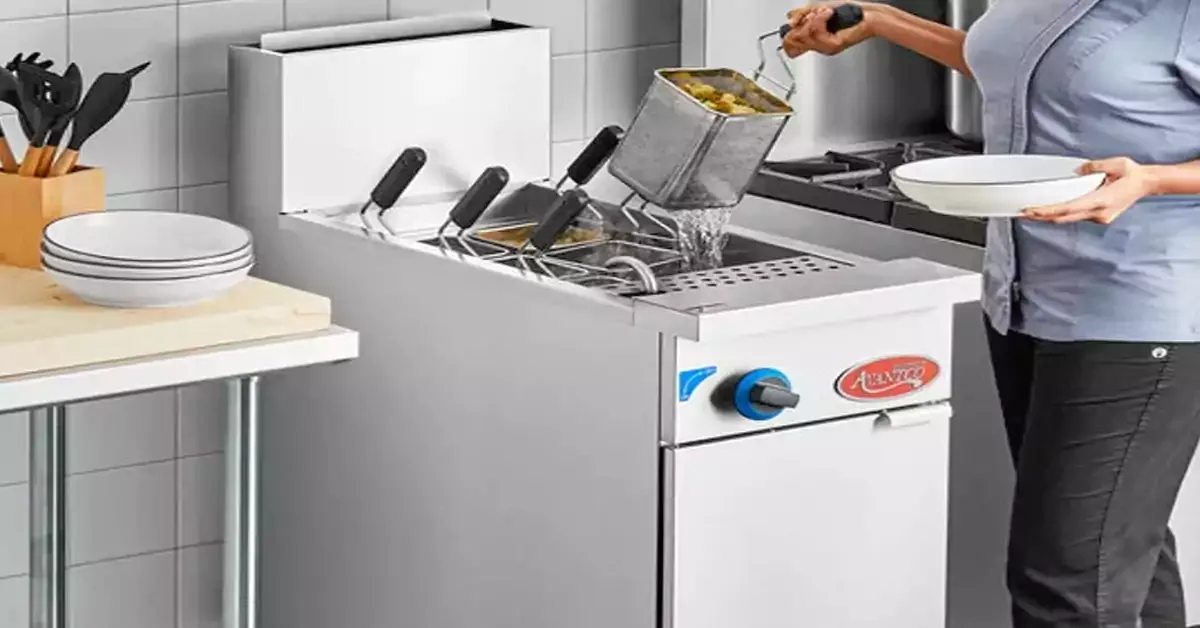
Let me tell you about the time I walked into a bustling Nashville restaurant kitchen during the dinner rush. The chef was yelling at the line cooks, the pasta station was drowning in a mountain of colanders, and the sink was clogged with what looked like half a ton of starchy sludge. I cringed, not just because of the chaos, but because I knew they were wasting one of the most underrated tools in a commercial kitchen: pasta water.
Now, I get it. When you’re juggling tickets, managing inventory, and trying to keep the health inspector off your back, the last thing on your mind is what to do with the water you just boiled a few hundred pounds of spaghetti in. But here’s the thing: pasta water isn’t just a byproduct of cooking, it’s a liquid goldmine for efficiency, flavor, and even cost savings. And if you’re not using it to its full potential, you’re leaving money on the table (or, more accurately, down the drain).
In this guide, I’m going to break down how to use pasta water for commercial kitchen efficiency in ways you’ve probably never considered. We’ll cover everything from the science behind why it works to practical, no-nonsense applications that’ll streamline your workflow, reduce waste, and maybe even impress your staff. By the end, you’ll see pasta water not as a nuisance, but as a secret weapon in your kitchen arsenal. Ready? Let’s dive in.
The Science Behind Pasta Water: Why It’s More Than Just Hot Water
What’s Actually in Pasta Water?
Before we talk about how to use it, let’s talk about what pasta water actually is. When you boil pasta, the water doesn’t just heat up, it becomes a starch-infused broth that carries some serious culinary potential. Here’s what’s happening:
- Starch Release: As pasta cooks, it releases starches into the water. These starches are what give pasta water its cloudy, slightly viscous texture. The longer the pasta cooks, the more starch is released, which is why water from a big batch of al dente pasta is thicker than water from a quick boil.
- Salt: Most commercial kitchens salt their pasta water heavily, somewhere between 1-2% salinity, which is roughly the same as seawater. This salt doesn’t just flavor the pasta; it also dissolves into the water, creating a briny, mineral-rich liquid that can enhance other dishes.
- Trace Nutrients: Depending on the type of pasta, you might also get small amounts of protein, fiber, and even some vitamins leaching into the water. It’s not enough to call it a superfood, but it’s not nothing, either.
So why does this matter? Because that starchy, salty water isn’t just waste, it’s a functional ingredient. And in a commercial kitchen, where every resource counts, that’s a big deal.
Why Chefs Swear By It (And Why You Should Too)
If you’ve ever watched a cooking show or worked in a high-end kitchen, you’ve probably heard chefs talk about “pasta water” like it’s some kind of magical elixir. And, well, they’re not wrong. Here’s why it’s so valuable:
- Emulsification: The starch in pasta water acts as a natural emulsifier, which means it helps bind fats and liquids that wouldn’t normally mix. This is why adding a splash of pasta water to a pan sauce can turn a broken, oily mess into a smooth, velvety masterpiece. In a commercial setting, where you’re making sauces in bulk, this can be a game-changer.
- Flavor Enhancement: The salt and starch in pasta water don’t just add texture, they also amplify flavors. Think of it like a atural flavor booster. A little bit in a soup, stew, or even a vinaigrette can make everything taste more cohesive and robust.
- Cost Savings: This is the big one for commercial kitchens. Water is cheap, but the resources used to heat it up, gas, electricity, time, aren’t. If you’re dumping hundreds of gallons of hot pasta water down the drain every week, you’re essentially flushing money away. Finding ways to repurpose it means you’re getting more bang for your buck.
- Sustainability: Let’s be real, commercial kitchens aren’t exactly known for being eco-friendly. But small changes add up. Using pasta water for other purposes reduces water waste, which is good for the planet and, frankly, good for your reputation. Customers notice these things.
Now, I know what you’re thinking: “Okay, but how do I actually use this stuff in a way that doesn’t slow down my kitchen?” Fair question. Let’s get into the nitty-gritty.
Practical Ways to Use Pasta Water in a Commercial Kitchen
1. Sauce Alchemy: Turning Good Sauces into Great Ones
This is the most obvious use, but it’s worth diving into because it’s also the most impactful. Pasta water is the secret ingredient in restaurant-quality sauces, and it’s not just for Italian dishes. Here’s how to use it:
- Finishing Pasta Sauces: After you’ve cooked your pasta, reserve a cup or two of the water before draining. When you’re tossing the pasta with sauce in the pan, add a splash of pasta water. The starch helps the sauce cling to the pasta, creating a silky, cohesive dish instead of a sad, dry mess. This is especially useful in high-volume kitchens where pasta can sit for a few minutes before serving.
- Emulsifying Pan Sauces: Let’s say you’re making a pan sauce with butter, wine, and stock. If the sauce starts to separate, a spoonful of pasta water can bring it back together. The starch acts like a atural stabilizer, giving you that glossy, restaurant-quality finish every time.
- Bulk Sauce Production: If you’re making large batches of sauces, like marinara, Alfredo, or even gravy, adding a bit of pasta water can help thicken the sauce without requiring extra flour or cornstarch. This is a huge time-saver in commercial kitchens where you’re cooking for hundreds of people at a time.
Pro tip: Don’t just dump the pasta water in willy-nilly. Start with a small amount (a quarter cup or so) and adjust as needed. Too much can make your sauce watery, and nobody wants that.
2. Soup and Stock Upgrades: Elevating the Basics
Soups and stocks are the backbone of many commercial kitchens, but they can also be a time and resource sink. Pasta water can help you streamline the process while adding depth of flavor. Here’s how:
- Broth Enhancement: If you’re making a broth-based soup, like minestrone, chicken noodle, or even a simple vegetable soup, using pasta water instead of plain water can add a subtle richness. The starch and salt will deepen the flavor without overpowering it. Just be mindful of the salt content; you may need to adjust your seasoning accordingly.
- Risotto and Polenta: Risotto is notorious for being labor-intensive, but pasta water can help speed up the process. The starch in the water helps break down the rice faster, reducing cooking time. The same goes for polenta. Instead of standing over a pot for 45 minutes, you can cut the time in half with a little pasta water magic.
- Thickening Soups: If your soup is too thin, a splash of pasta water can help thicken it naturally. The starch will absorb some of the liquid, giving you a creamier texture without adding dairy or flour. This is especially useful for pureed soups like butternut squash or tomato bisque.
I’ll admit, I was skeptical about this one at first. I mean, how much of a difference can a little starchy water really make? But after testing it in a few batches of soup, I was sold. The difference is subtle, but it’s there, like the difference between a good soup and a great one.
3. Baking and Dough: The Secret to Better Bread and Pizza
This is where things get really interesting. Pasta water isn’t just for savory dishes, it can also improve your baked goods. Here’s how:
- Pizza Dough: If you’re making pizza dough in-house, using pasta water instead of plain water can give your crust a chewier, more elastic texture. The starch helps develop the gluten, resulting in a dough that’s easier to work with and more forgiving. Plus, the salt in the water enhances the flavor of the crust. Win-win.
- Bread and Rolls: The same principle applies to bread. Using pasta water in your dough can improve the crumb structure and add a slight depth of flavor. It’s not going to turn a basic loaf into sourdough, but it’s a small tweak that can make a big difference in a commercial bakery setting.
- Pasta Dough: If you’re making fresh pasta in-house (lucky you), using pasta water in the dough can create a more cohesive, easier-to-roll product. The starch helps bind the ingredients together, reducing the risk of your dough falling apart during rolling or cutting.
Now, I’m not saying you should start using pasta water for every baked good. Delicate pastries like croissants or puff pastry probably won’t benefit from the extra starch. But for heartier items like pizza, bread, and fresh pasta? It’s a game-changer.
4. Cleaning and Sanitation: Yes, Really
This one might sound a little out there, but hear me out. Pasta water can actually help with cleaning and sanitation in a commercial kitchen. Here’s how:
- Degreasing Pots and Pans: The starch in pasta water can help break down grease and food residue, making it easier to clean pots and pans. Instead of scrubbing for 10 minutes, you can soak them in hot pasta water for a few minutes, and the grime will come right off. This is a huge time-saver during a busy service.
- Cleaning Grill Grates: If you’ve ever tried to clean a grill grate, you know it’s a nightmare. But pouring hot pasta water over the grates can help loosen stuck-on food, making it easier to scrape off. Just be careful, hot water can create steam, so wear gloves and work in a well-ventilated area.
- Sanitizing Surfaces: While pasta water isn’t a substitute for proper sanitizer, it can help remove food debris from countertops and cutting boards. The hot water and starch work together to lift away grime, making your regular sanitizing routine more effective.
I know what you’re thinking: “Isn’t this just hot water with extra steps?” And yeah, it’s not a miracle cleaner. But in a commercial kitchen where time is money, every little bit helps. Plus, it’s a great way to repurpose something you’d otherwise throw away.
5. Equipment Maintenance: Keeping Your Tools in Top Shape
This is one of those hidden efficiency hacks that most kitchens overlook. Pasta water can actually help with equipment maintenance, saving you time and money in the long run. Here’s how:
- Preventing Scale Buildup: If you live in an area with hard water, you know how quickly scale can build up in your equipment, especially in steamers, combi ovens, and coffee machines. Using pasta water (which is already soft due to the starch) can help reduce scale buildup, keeping your equipment running smoothly for longer.
- Cleaning Coffee Machines: Speaking of coffee machines, a lot of commercial kitchens have them. Running a cycle with pasta water (after it’s cooled, of course) can help remove coffee oils and residue, keeping your machine in top shape. Just make sure to run a water cycle afterward to rinse out any starch.
- Lubricating Mixers and Blenders: If you’ve ever had a stand mixer or blender seize up because of dry ingredients, you know how frustrating it can be. A little pasta water can help lubricate the gears, making it easier to mix thick batters or doughs. Again, just make sure to clean it thoroughly afterward to avoid any starch buildup.
Now, I’m not saying you should start using pasta water for every piece of equipment in your kitchen. But for high-use items that are prone to buildup or wear and tear, it’s a small tweak that can extend their lifespan.
Logistics: How to Implement Pasta Water Efficiency in Your Kitchen
1. Collection and Storage: Don’t Let It Go to Waste
Okay, so you’re sold on the idea of using pasta water. But how do you actually collect and store it in a way that doesn’t disrupt your workflow? Here’s what’s worked for me:
- Designate a Collection Station: Set up a dedicated area near your pasta station for collecting pasta water. This could be a large stockpot, a Cambro container, or even a clean, empty steam table pan. The key is to make it easy for your staff to use, if it’s out of the way or requires extra steps, they won’t bother.
- Use a Fine-Mesh Sieve: If you’re collecting pasta water for sauces or soups, you’ll want to strain out any stray pasta bits. A fine-mesh sieve or chinois works great for this. Just place it over your collection container and pour the water through.
- Label Everything: In a busy kitchen, it’s easy for things to get mixed up. Label your collection containers with something like “Pasta Water, Do Not Dump!” to avoid any accidents. You can even color-code them for extra clarity.
- Store Properly: Pasta water can be stored in the fridge for up to 24 hours, but after that, it starts to break down and can develop off flavors. If you’re not using it right away, consider freezing it in ice cube trays for later use. This is especially useful for sauces or soups where you only need a small amount at a time.
I’ll be honest, this part took some trial and error. At first, we just dumped the pasta water into a random pot and hoped for the best. But after a few near-misses (like almost using it to make coffee, yikes), we realized we needed a better system. Now, it’s second nature.
2. Training Your Staff: Getting Everyone on Board
Here’s the thing: no matter how great your ideas are, they won’t work if your staff isn’t on board. Training your team to use pasta water efficiently is just as important as the collection process itself. Here’s how to do it:
- Start with the Why: People are more likely to adopt a new process if they understand the reasoning behind it. Explain how using pasta water can save time, reduce waste, and even improve the quality of their dishes. Frame it as a team effort, not just another rule to follow.
- Make It Easy: If the process is too complicated, your staff won’t bother. Keep it simple: “Before you drain the pasta, dump a cup or two into this container.” The easier it is, the more likely they are to do it.
- Lead by Example: If you’re the chef or kitchen manager, show your team how it’s done. Use pasta water in your own dishes and point out the difference it makes. When they see the results firsthand, they’ll be more inclined to follow suit.
- Incentivize It: Consider making pasta water efficiency part of your kitchen’s sustainability goals. Track how much water you’re saving and reward your team when you hit milestones. It doesn’t have to be anything big, a pizza party or a shout-out in the staff meeting can go a long way.
I’ve found that the best way to get buy-in is to make it personal. Ask your staff how they think pasta water could be used in their own dishes. You might be surprised by the creative ideas they come up with.
3. Measuring Success: How to Know If It’s Working
So, you’ve implemented a pasta water system in your kitchen. Great! But how do you know if it’s actually making a difference? Here are a few ways to measure success:
- Track Water Usage: If you’re using pasta water for cleaning, sauces, or soups, you should see a reduction in your overall water usage. Most commercial kitchens have water meters, check them before and after implementing your new system to see the difference.
- Monitor Sauce and Soup Quality: Are your sauces silkier? Are your soups richer? If you’re using pasta water correctly, you should notice a difference in the quality of your dishes. Ask your staff for feedback, do they find it easier to emulsify sauces? Do customers notice a difference?
- Calculate Cost Savings: Water isn’t free, and neither is the energy used to heat it. If you’re repurposing pasta water, you’re essentially getting “free” hot water for other tasks. Calculate how much you’re saving on utilities and factor that into your overall cost savings.
- Check Equipment Longevity: If you’re using pasta water for equipment maintenance, keep an eye on your tools. Are your steamers and coffee machines running more smoothly? Are you spending less on repairs and replacements? These are all signs that your system is working.
I’ll admit, this part can be tricky. It’s not always easy to quantify the impact of small changes, especially in a busy kitchen. But even if you can’t put a number on it, trust your gut. If your sauces are better, your staff is happier, and your water bill is lower, you’re on the right track.
Common Mistakes and How to Avoid Them
1. Over-Salting Your Dishes
This is the big one. Pasta water is salty, like, really salty. If you’re not careful, you can easily over-salt your dishes, especially if you’re using it in sauces or soups. Here’s how to avoid it:
- Taste as You Go: This might seem obvious, but it’s easy to forget when you’re in the weeds. Always taste your dish before adding more salt, even if you’re using pasta water.
- Dilute If Necessary: If your pasta water is too salty for the dish you’re making, dilute it with a little plain water. It’s better to err on the side of caution than to ruin a whole batch of sauce.
- Adjust Your Pasta Water Salt Levels: If you’re consistently finding your pasta water too salty, consider reducing the amount of salt you add to the water in the first place. You can always adjust seasoning later.
I learned this the hard way. Early on, I used pasta water in a batch of marinara and ended up with a sauce that was so salty, it was inedible. Lesson learned: always taste first.
2. Using Stale or Spoiled Pasta Water
Pasta water doesn’t keep forever. If you leave it sitting out for too long, it can develop off flavors or even spoil. Here’s how to keep it fresh:
- Use It Quickly: Ideally, you should use pasta water within a few hours of collecting it. If you’re not going to use it right away, store it in the fridge for up to 24 hours.
- Freeze for Later: If you have more pasta water than you can use in a day, freeze it in ice cube trays. This way, you can thaw out small amounts as needed without wasting the rest.
- Smell Test: Before using pasta water, give it a sniff. If it smells off or sour, toss it. It’s not worth risking your dishes (or your customers’ health) over a little starchy water.
This is one of those things that seems obvious, but it’s easy to overlook in a busy kitchen. I’ve had a few close calls where I almost used pasta water that had been sitting out for too long. Now, I make it a habit to label and date everything.
3. Wasting Water in the First Place
Here’s the thing: pasta water is only useful if you’re not wasting water to begin with. If you’re running your pasta station like a leaky faucet, no amount of repurposing is going to make up for it. Here’s how to minimize waste:
- Use the Right Amount of Water: You don’t need a gallon of water to cook a pound of pasta. Most commercial pasta cookers have guidelines for water-to-pasta ratios, follow them. The less water you use, the less you’ll have to repurpose (or waste).
- Reuse Water When Possible: If you’re cooking multiple batches of pasta in the same water, you can reuse it for a few rounds before it gets too starchy. Just make sure to top it off with fresh water as needed.
- Invest in Efficient Equipment: If your pasta cooker is old or inefficient, it might be time for an upgrade. Newer models are designed to use less water and energy, which can save you money in the long run.
This is one of those areas where small changes can add up. It’s not just about repurposing pasta water, it’s about using water more efficiently in the first place.
The Bigger Picture: Why Pasta Water Efficiency Matters
At the end of the day, using pasta water efficiently isn’t just about saving a few bucks on your water bill. It’s about rethinking how we use resources in commercial kitchens. It’s about challenging the status quo and asking, “What else can we do with this?”
Think about it: every time you repurpose pasta water, you’re not just saving water, you’re saving energy, reducing waste, and maybe even improving the quality of your dishes. And in an industry where margins are tight and competition is fierce, those small advantages can make a big difference.
But here’s the thing: this isn’t just about pasta water. It’s about adopting a mindset of resourcefulness. It’s about looking at what you’ve always done and asking, “Is there a better way?” Because in a commercial kitchen, there’s always a better way.
So, what’s next? Maybe it’s time to look at other “waste” products in your kitchen, vegetable scraps, coffee grounds, even fryer oil, and ask how they can be repurposed. Maybe it’s time to challenge your staff to come up with their own efficiency hacks. Or maybe it’s just time to take a hard look at your water usage and see where you can improve.
Whatever it is, I challenge you to start small. Try using pasta water in one sauce this week. See how it goes. If it works, expand from there. If it doesn’t, tweak the process and try again. Because at the end of the day, that’s what cooking is all about, experimenting, learning, and getting better.
And who knows? Maybe one day, pasta water won’t just be a secret weapon in your kitchen. Maybe it’ll be a standard practice in kitchens everywhere. Stranger things have happened.
FAQ
Q: Can I use pasta water for anything other than cooking?
A: Absolutely! Pasta water can be used for cleaning, equipment maintenance, and even as a natural emulsifier in non-food applications (like homemade cleaning solutions). Just make sure to strain it first to remove any food debris.
Q: How long can I store pasta water before it goes bad?
A: Pasta water can be stored in the fridge for up to 24 hours. After that, it can develop off flavors or spoil. If you’re not going to use it right away, consider freezing it in ice cube trays for later use.
Q: Is it safe to use pasta water that’s been sitting out for a few hours?
A: It’s not ideal. Pasta water can spoil if left at room temperature for too long, especially in a warm kitchen. If it’s been sitting out for more than 2 hours, it’s best to toss it and start fresh.
Q: Can I use pasta water from gluten-free pasta?
A: Yes, but the results might not be as effective. Gluten-free pasta releases less starch into the water, so it won’t have the same emulsifying or thickening power. That said, it can still be used for cleaning or as a flavor enhancer in soups and sauces.
@article{how-to-use-pasta-water-for-commercial-kitchen-efficiency-a-chefs-guide-to-saving-time-money-and-resources,
    title   = {How to Use Pasta Water for Commercial Kitchen Efficiency: A Chef’s Guide to Saving Time, Money, and Resources},
    author  = {Chef's icon},
    year    = {2026},
    journal = {Chef's Icon},
    url     = {https://chefsicon.com/how-to-use-pasta-water-for-commercial-kitchen-efficiency/}
}