The Best Fluffy Pancakes recipe you will fall in love with. Full of tips and tricks to help you make the best pancakes.
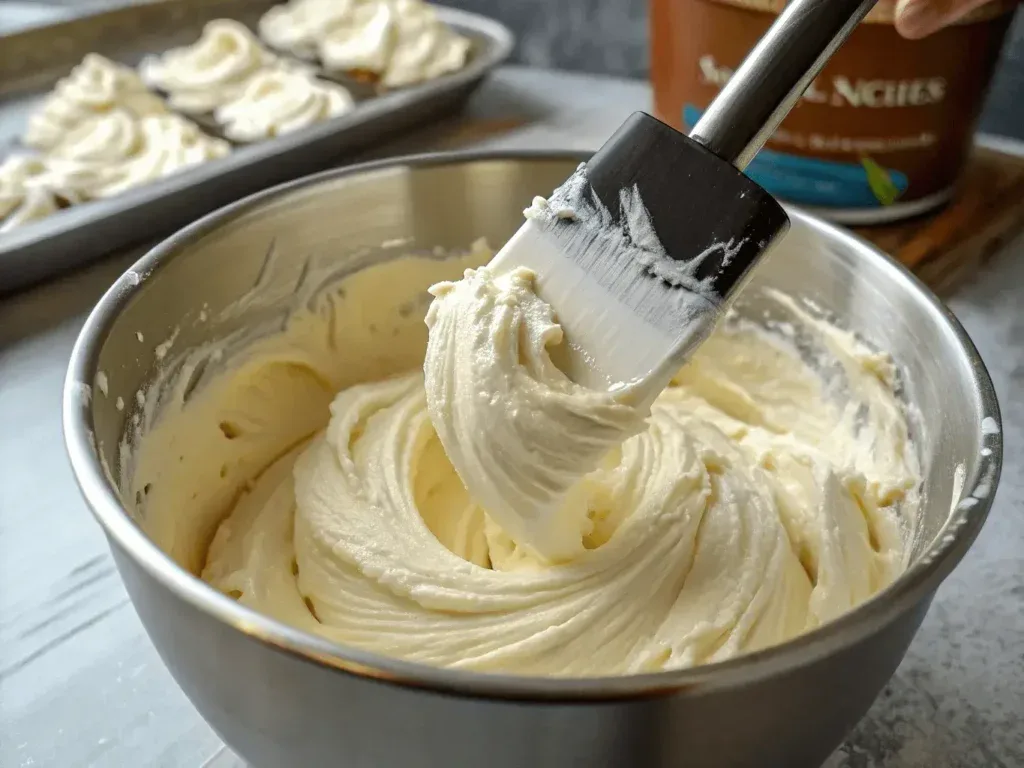
Sugar-Free Frosting Alternatives for Commercial Bakeries: Why It’s Time to Rethink Sweetness
I’ll admit it, I used to roll my eyes when customers asked for sugar-free options. Not because I don’t care about health, but because, let’s be honest, sugar-free frosting had a reputation. Dry. Gritty. Tasting like a science experiment gone wrong. But here’s the thing: that was years ago. Today, the demand for sugar-free frosting alternatives in commercial bakeries isn’t just growing; it’s exploding. And if you’re not paying attention, you’re missing out on a massive opportunity.
Last month, I visited a bakery in Nashville that’s been killing it with their sugar-free line. They’re not some niche health-food spot, they’re a full-service bakery with a loyal following, and their sugar-free cupcakes are outselling the classic ones. The owner, a no-nonsense woman named Marla, told me, “People don’t want to feel like they’re sacrificing anymore. They want indulgence without the guilt.” That stuck with me. Because she’s right. The game has changed, and if commercial bakeries want to stay relevant, we’ve got to adapt.
So, what’s this article about? It’s not just a list of ingredients or a recipe dump (though we’ll get to those). It’s about understanding why sugar-free frosting matters now more than ever, how to make it work in a commercial setting, and what</’t to do if you want to avoid the pitfalls that have tripped up so many bakers before. We’ll cover everything from the science behind sugar substitutes to the practical challenges of scaling up production. And yes, I’ll share some of my own experiments, both the successes and the disasters, because let’s be real, this stuff isn’t always easy.
By the end, you’ll have a clear roadmap for integrating sugar-free frosting into your bakery’s offerings without compromising on taste, texture, or profitability. Sound good? Let’s dive in.
The Rise of Sugar-Free Frosting: Why Now?
1. The Changing Consumer Landscape
It’s no secret that health-conscious eating is on the rise. But here’s something that surprised me: it’s not just about weight loss anymore. Sure, that’s part of it, but the conversation has shifted. People are talking about blood sugar management, gut health, inflammation, and even mental clarity. Sugar isn’t just a dietary villain; it’s become a cultural one. And that’s changing what customers expect from their favorite bakeries.
Take a look at the numbers. According to a 2025 report from the International Food Information Council, nearly 60% of consumers are actively trying to reduce their sugar intake. That’s not a niche market, that’s the majority. And it’s not just older generations or fitness enthusiasts. Millennials and Gen Z are leading the charge, and they’re not just asking for sugar-free options; they’re demanding them. They want transparency, they want quality, and they want it to taste good. No excuses.
But here’s the kicker: this isn’t just about health. It’s about inclusivity. Think about it. Diabetics, people with metabolic disorders, those following keto or low-carb diets, they’ve been underserved by the baking industry for decades. Offering sugar-free frosting alternatives isn’t just a smart business move; it’s a way to welcome a whole new segment of customers into your bakery. And trust me, they’ll remember who gave them that option.
2. The Problem with Traditional Sugar in Commercial Baking
Let’s talk about sugar. Not as a villain, but as an ingredient with limitations. In commercial baking, sugar isn’t just about sweetness. It’s a structural component. It affects moisture retention, browning, texture, and even shelf life. When you remove sugar from frosting, you’re not just taking away sweetness; you’re disrupting a delicate balance. That’s why so many early attempts at sugar-free frosting failed. They were trying to replace sugar without understanding its role in the bigger picture.
For example, sugar acts as a humectant, which means it helps retain moisture. Without it, frosting can dry out quickly, leading to that dreaded gritty texture. Sugar also contributes to the mouthfeel, it gives frosting that creamy, luxurious consistency that we all love. And let’s not forget about caramelization. Sugar isn’t just sweet; it’s a flavor enhancer. When you remove it, you’re not just losing sweetness; you’re losing depth.
So, how do you replace all of that? The short answer: you don’t. Not directly, at least. Instead, you have to rethink the entire formula. You need ingredients that can mimic sugar’s functional properties while delivering on taste and texture. And that’s where things get interesting.
Understanding Sugar Substitutes: The Good, the Bad, and the Ugly
3. Natural vs. Artificial Sweeteners: What’s the Difference?
When it comes to sugar substitutes, the options can feel overwhelming. Do you go natural or artificial? High-intensity or bulk? Heat-stable or not? The choices you make here will determine everything from the taste of your frosting to its cost and shelf life. So, let’s break it down.
First, there’s the natural vs. artificial debate. Natural sweeteners like stevia, monk fruit, and erythritol are derived from plants and are often marketed as healthier alternatives. They tend to have a cleaner label, which is a big selling point for consumers. But they’re not without their challenges. For example, stevia can have a bitter aftertaste if not used correctly, and monk fruit can be expensive. On the other hand, artificial sweeteners like sucralose and aspartame are often more affordable and easier to work with, but they come with their own baggage, think negative public perception and potential aftertastes.
Then there’s the question of intensity. High-intensity sweeteners like stevia and sucralose are hundreds of times sweeter than sugar, which means you need very little to achieve the same level of sweetness. That’s great for cost savings, but it can be tricky to measure and blend. Bulk sweeteners like erythritol and allulose, on the other hand, are closer to sugar in volume, which makes them easier to substitute in recipes. But they can have cooling effects or aftertastes that need to be masked.
So, which should you choose? There’s no one-size-fits-all answer. It depends on your budget, your customers’ preferences, and what you’re trying to achieve. For commercial bakeries, I’d argue that a blend of sweeteners is often the best approach. Why? Because it allows you to balance cost, taste, and functionality. For example, you might use erythritol for bulk and texture, stevia for sweetness, and a touch of monk fruit to round out the flavor. It’s all about experimentation.
4. The Role of Bulking Agents in Sugar-Free Frosting
Here’s something I didn’t fully appreciate until I started experimenting with sugar-free frosting: sugar isn’t just a sweetener; it’s a bulking agent. When you remove it, you’re left with a void that needs to be filled. Otherwise, your frosting will be thin, runny, or just plain weird. That’s where bulking agents come in.
Bulking agents are ingredients that add volume and texture to frosting without adding sugar. Some of the most common ones include:
- Erythritol: A sugar alcohol that’s about 70% as sweet as sugar. It’s great for adding bulk and has a cooling effect that can be masked with other ingredients.
- Allulose: A rare sugar that’s about 70% as sweet as sugar. It behaves similarly to sugar in baking and doesn’t have a cooling effect, which makes it a favorite among bakers.
- Xylitol: Another sugar alcohol, but it’s sweeter than erythritol and can have a cooling effect. It’s also toxic to dogs, so that’s something to keep in mind if you’re selling to pet owners.
- Inulin: A type of fiber that can add bulk and improve texture. It’s not sweet, so it’s usually used in combination with other sweeteners.
But here’s the thing: bulking agents aren’t perfect. They can be expensive, and some of them can cause digestive issues if consumed in large quantities. That’s why it’s important to test your formulations and make sure they’re not just tasty but also safe for your customers.
I’ll never forget the first time I tried a frosting made with pure erythritol. It was sweet, but it had this weird, gritty texture that just didn’t feel right. It wasn’t until I started blending erythritol with allulose that I got a texture that was smooth and creamy. Lesson learned: don’t rely on just one bulking agent. Experiment with blends to find what works best for your recipes.
Formulating Sugar-Free Frosting for Commercial Bakeries
5. The Science of Texture: How to Achieve Creamy, Spreadable Frosting
Texture is everything when it comes to frosting. No one wants a frosting that’s too stiff, too runny, or, worst of all, grainy. Achieving the right texture in sugar-free frosting is tricky because you’re not just replacing sugar; you’re replacing an ingredient that plays a key role in the structure of the frosting. So, how do you do it?
First, let’s talk about fat. In traditional frosting, sugar and fat work together to create a stable emulsion. When you remove sugar, you need to adjust the fat content to compensate. That might mean using more butter, shortening, or even cream cheese to achieve the right consistency. But be careful, too much fat can make your frosting greasy or heavy.
Next, consider stabilizers. Ingredients like xanthan gum, guar gum, or psyllium husk powder can help improve the texture of sugar-free frosting by adding viscosity and preventing separation. They’re not always necessary, but they can be a lifesaver when you’re working with challenging ingredients. Just remember: a little goes a long way. Too much stabilizer can make your frosting gummy or slimy.
Finally, don’t underestimate the power of moisture. Sugar-free frosting can dry out quickly, so you might need to add a bit of extra liquid to keep it creamy. That could be milk, cream, or even a sugar-free syrup. But again, balance is key. Too much liquid can make your frosting runny or cause it to separate.
I’ve found that the best approach is to start with a base recipe and then tweak it based on the specific sweeteners and bulking agents you’re using. For example, if you’re using erythritol, you might need to add a bit more fat to compensate for its cooling effect. If you’re using allulose, you might need to adjust the stabilizers to get the right texture. It’s all about trial and error.
6. Flavor Masking: How to Hide Aftertastes and Enhance Sweetness
Let’s be real: some sugar substitutes have aftertastes. Stevia can be bitter. Erythritol can have a cooling effect. Sucralose can taste artificial. And while some of these aftertastes can be minimized with the right formulation, others need to be masked. That’s where flavor masking comes in.
Flavor masking is the art of using other ingredients to cover up or balance out the aftertastes of sugar substitutes. It’s not about hiding the fact that your frosting is sugar-free; it’s about making sure the flavor is as close to the real thing as possible. Here are a few techniques I’ve found helpful:
- Use a blend of sweeteners: Combining different sweeteners can help balance out their individual aftertastes. For example, blending stevia with erythritol can reduce the bitterness of the stevia while minimizing the cooling effect of the erythritol.
- Add a touch of salt: Salt is a natural flavor enhancer. A pinch can help round out the sweetness and mask any lingering aftertastes.
- Incorporate vanilla or other extracts: Vanilla is a classic flavor that pairs well with sweetness. It can help enhance the perception of sweetness while adding depth to the flavor. Other extracts, like almond or coconut, can also work well depending on the flavor profile you’re going for.
- Use dairy or dairy alternatives: Ingredients like cream cheese, butter, or coconut cream can add richness and creaminess to your frosting, which can help mask aftertastes and improve mouthfeel.
- Add a bit of acid: A splash of lemon juice or vinegar can brighten the flavor of your frosting and help balance out any bitterness or artificial aftertastes.
But here’s the thing: flavor masking isn’t a one-size-fits-all solution. What works for one sweetener might not work for another. For example, I’ve found that vanilla works wonders for masking the aftertaste of stevia, but it doesn’t do much for erythritol’s cooling effect. That’s why it’s important to experiment and find what works best for your specific formulation.
Scaling Up: Challenges and Solutions for Commercial Bakeries
7. Equipment and Workflow Adjustments
Let’s talk about the elephant in the room: scaling up sugar-free frosting production isn’t as simple as multiplying your recipe by 100. There are logistical challenges, equipment considerations, and workflow adjustments that you need to account for. And if you don’t plan ahead, you could end up with a mess on your hands.
First, consider your equipment. Traditional frosting recipes are designed to work with standard mixing and piping equipment. But sugar-free frosting can behave differently. For example, some sugar substitutes can cause frosting to stiffen or separate more quickly than sugar-based frosting. That means you might need to adjust your mixing times or invest in equipment that can handle thicker or thinner consistencies.
Here are a few things to keep in mind:
- Mixing: Sugar-free frosting can be more sensitive to overmixing or undermixing. Too much mixing can incorporate too much air, leading to a frothy or unstable frosting. Too little mixing can result in a grainy or uneven texture. You might need to experiment with different mixing speeds and times to find what works best for your recipe.
- Piping: If you’re piping sugar-free frosting, you might need to adjust the consistency. Some sugar substitutes can make frosting thicker or thinner than traditional frosting, which can affect how it holds its shape. You might need to tweak your recipe or invest in different piping tips to achieve the desired results.
- Storage: Sugar-free frosting can have a shorter shelf life than traditional frosting, especially if it contains dairy or other perishable ingredients. You might need to adjust your storage practices or invest in better refrigeration to keep your frosting fresh.
Next, think about your workflow. Introducing a new product line can disrupt your existing processes, so it’s important to plan ahead. For example, you might need to allocate additional time for mixing, piping, or decorating. You might also need to train your staff on the new recipes and techniques. And don’t forget about labeling, sugar-free products often require different labeling than traditional products, so make sure you’re compliant with local regulations.
I’ll never forget the first time I tried to scale up a sugar-free frosting recipe for a large order. I thought I had everything under control, but I didn’t account for how quickly the frosting would stiffen. By the time I got to the last batch, it was too thick to pipe, and I had to scrap the whole thing. Lesson learned: always test your recipes at scale before committing to a large order.
8. Cost Considerations: Balancing Quality and Profitability
Let’s talk about money. Sugar-free ingredients can be expensive, and if you’re not careful, they can eat into your profit margins. But here’s the thing: customers are willing to pay a premium for high-quality sugar-free products. The key is to find the right balance between cost and quality.
First, let’s look at the cost of sugar substitutes. Natural sweeteners like monk fruit and stevia can be pricey, especially if you’re buying them in bulk. Artificial sweeteners like sucralose are often more affordable, but they come with their own set of challenges, like negative public perception. Bulking agents like erythritol and allulose can also be expensive, especially if you’re using them in large quantities.
So, how do you keep costs under control without sacrificing quality? Here are a few strategies:
- Blend sweeteners: Using a blend of sweeteners can help you achieve the right balance of sweetness and texture while keeping costs down. For example, you might use a small amount of monk fruit for sweetness and a larger amount of erythritol for bulk.
- Buy in bulk: Purchasing ingredients in bulk can help you save money in the long run. Just make sure you have the storage space and that the ingredients won’t expire before you use them.
- Negotiate with suppliers: If you’re a commercial bakery, you have leverage. Don’t be afraid to negotiate with your suppliers for better prices or discounts on large orders.
- Optimize your recipes: Small tweaks to your recipes can add up to big savings. For example, you might be able to reduce the amount of sweetener you’re using without sacrificing taste or texture.
- Price strategically: Don’t be afraid to charge a premium for your sugar-free products. Customers are willing to pay more for high-quality, health-conscious options.
But here’s the thing: cost isn’t just about ingredients. It’s also about efficiency. If your sugar-free frosting takes longer to make or requires more labor, that’s going to eat into your profits. That’s why it’s important to streamline your processes and train your staff to work efficiently.
I’ve seen bakeries try to cut corners by using cheap ingredients or skimping on quality, and it never ends well. Customers can tell when a product is subpar, and they won’t come back. So, don’t be afraid to invest in quality ingredients and processes. In the long run, it’ll pay off.
Marketing Sugar-Free Frosting: How to Sell It Without the Health Halo
9. Language Matters: How to Talk About Sugar-Free Without Sounding Preachy
Here’s a hard truth: no one likes to feel like they’re being lectured. And yet, so many bakeries fall into the trap of marketing sugar-free products with a heavy-handed health message. “Guilt-free!”, “No sugar, no sin!”, “Indulge without the consequences!”-it all starts to sound the same, and it can be a turnoff for customers who just want a delicious treat.
So, how do you talk about sugar-free frosting without sounding preachy or judgmental? It’s all about framing. Instead of focusing on what’s ot in the frosting (sugar), focus on what is in it. Highlight the flavors, the textures, the craftsmanship. Make it about the experience, not the absence of sugar.
For example, instead of saying “Sugar-free vanilla frosting,” try “Rich, creamy vanilla frosting with a touch of sweetness, no sugar added.” Instead of “Guilt-free cupcakes,” try “Decadent cupcakes with a lighter touch.” See the difference? It’s subtle, but it shifts the focus from deprivation to indulgence.
Another strategy is to avoid the word “diet” altogether. Diet products have a stigma, and they can make customers feel like they’re settling for something less than the real thing. Instead, use words like “lighter,” “simpler,” or “cleaner.” For example, “A lighter take on classic buttercream” or “Simple, clean ingredients for a frosting you can feel good about.”
But here’s the thing: language isn’t just about what you say; it’s about how you say it. Tone matters. If your marketing materials sound clinical or overly technical, they’re not going to resonate with customers. Keep it warm, inviting, and approachable. And don’t be afraid to inject a little personality. After all, baking is an art, and your marketing should reflect that.
10. Visual Storytelling: How to Make Sugar-Free Frosting Look Irresistible
Let’s be honest: sugar-free frosting doesn’t always look as appealing as traditional frosting. It can be paler, less glossy, or just plain dull. And in a world where Instagram and TikTok rule, looks matter. So, how do you make sugar-free frosting look as good as it tastes?
First, think about color. Sugar-free frosting can lack the rich, golden hue of traditional frosting, especially if you’re using natural sweeteners. That’s where food coloring comes in. A touch of natural food coloring can help brighten up your frosting and make it more visually appealing. Just be careful not to overdo it, you don’t want your frosting to look artificial.
Next, consider texture. Sugar-free frosting can sometimes look flat or matte, especially if it’s made with certain bulking agents. To add dimension, try piping your frosting in swirls, rosettes, or other decorative patterns. You can also use edible glitter, sprinkles, or other decorations to add visual interest.
Lighting is another key factor. Natural light is always the best for food photography, but if you’re shooting indoors, make sure you’re using soft, diffused lighting to avoid harsh shadows. And don’t forget about the background. A simple, clean background can help your frosting stand out, while a busy or cluttered background can distract from the main attraction.
But here’s the thing: visual storytelling isn’t just about photography. It’s about creating an experience. Think about how you can showcase your sugar-free frosting in a way that tells a story. For example, you could create a video showing the frosting being piped onto a cupcake, or a series of photos highlighting the ingredients and the process. The more you can make customers feel like they’re part of the experience, the more likely they are to give it a try.
I’ll never forget the first time I saw a sugar-free cupcake that looked just as good as the traditional ones. It was at a bakery in Austin, and the frosting was piped into a perfect swirl, topped with a fresh berry. It looked so good that I almost didn’t believe it was sugar-free. That’s the power of visual storytelling. It can change perceptions and open minds.
Conclusion: The Future of Sugar-Free Frosting in Commercial Bakeries
So, where do we go from here? The truth is, sugar-free frosting isn’t just a trend, it’s the future. As consumers become more health-conscious and more demanding, commercial bakeries that don’t adapt will be left behind. But that doesn’t mean it’s going to be easy. There are challenges to overcome, ingredients to experiment with, and processes to refine. And let’s not forget about the marketing, selling sugar-free frosting isn’t just about slapping a label on a product; it’s about changing perceptions and creating an experience.
But here’s the good news: you don’t have to do it alone. There are resources, suppliers, and communities out there to help you navigate this new landscape. And if you’re willing to put in the work, the rewards can be substantial. Not just in terms of profits, but in terms of customer loyalty and satisfaction. Because at the end of the day, that’s what it’s all about, giving people what they want, even if they don’t know they want it yet.
So, what’s your next move? Maybe it’s experimenting with a new sweetener blend. Maybe it’s tweaking your recipes to improve texture. Or maybe it’s rethinking how you market your sugar-free products. Whatever it is, don’t wait. The time to act is now. Because the bakeries that embrace change are the ones that will thrive in the years to come.
FAQ
Q: What’s the best sugar substitute for commercial bakery frosting?
A: There’s no one-size-fits-all answer, but many commercial bakeries find success with a blend of erythritol and stevia or allulose and monk fruit. Erythritol and allulose provide bulk and texture, while stevia and monk fruit add sweetness without calories. The key is to experiment with blends to find what works best for your specific recipes and customer preferences. Some bakeries also use a small amount of sucralose for its stability and affordability, but be mindful of potential aftertastes.
Q: How do I prevent sugar-free frosting from drying out or becoming gritty?
A: Grittiness and dryness are common issues with sugar-free frosting, but they can be minimized with the right techniques. First, make sure you’re using a blend of sweeteners and bulking agents to achieve a smooth texture. Second, consider adding a stabilizer like xanthan gum or guar gum to improve moisture retention. Third, don’t overmix the frosting, as this can incorporate too much air and lead to a dry or frothy texture. Finally, store your frosting properly, keep it covered and refrigerated to prevent it from drying out.
Q: Are there any sugar-free frosting options that work well for vegan or dairy-free diets?
A: Absolutely! Many sugar substitutes and bulking agents are naturally vegan and dairy-free, making it possible to create delicious sugar-free frosting for a variety of dietary needs. For example, you can use coconut cream or dairy-free butter alternatives as the base for your frosting, and sweeten it with a blend of erythritol and stevia. Just be mindful of the texture, dairy-free frosting can sometimes be thinner or less stable than traditional frosting, so you might need to adjust your recipe or add a stabilizer to achieve the right consistency.
Q: How do I price sugar-free frosting products to ensure profitability?
A: Pricing sugar-free products can be tricky, but the key is to focus on value rather than cost. Customers are willing to pay a premium for high-quality, health-conscious options, so don’t be afraid to price your sugar-free frosting accordingly. Start by calculating your ingredient and labor costs, then add a markup that reflects the value you’re providing. You might also consider offering sugar-free options as part of a premium product line, which can help justify the higher price. Finally, don’t forget to highlight the benefits of your sugar-free frosting in your marketing, customers are more likely to pay a premium if they understand what they’re getting.
@article{sugar-free-frosting-alternatives-for-commercial-bakeries-a-practical-guide-to-healthier-indulgence,
    title   = {Sugar-Free Frosting Alternatives for Commercial Bakeries: A Practical Guide to Healthier Indulgence},
    author  = {Chef's icon},
    year    = {2026},
    journal = {Chef's Icon},
    url     = {https://chefsicon.com/sugar-free-frosting-alternatives-commercial-bakeries/}
}