The Best Fluffy Pancakes recipe you will fall in love with. Full of tips and tricks to help you make the best pancakes.
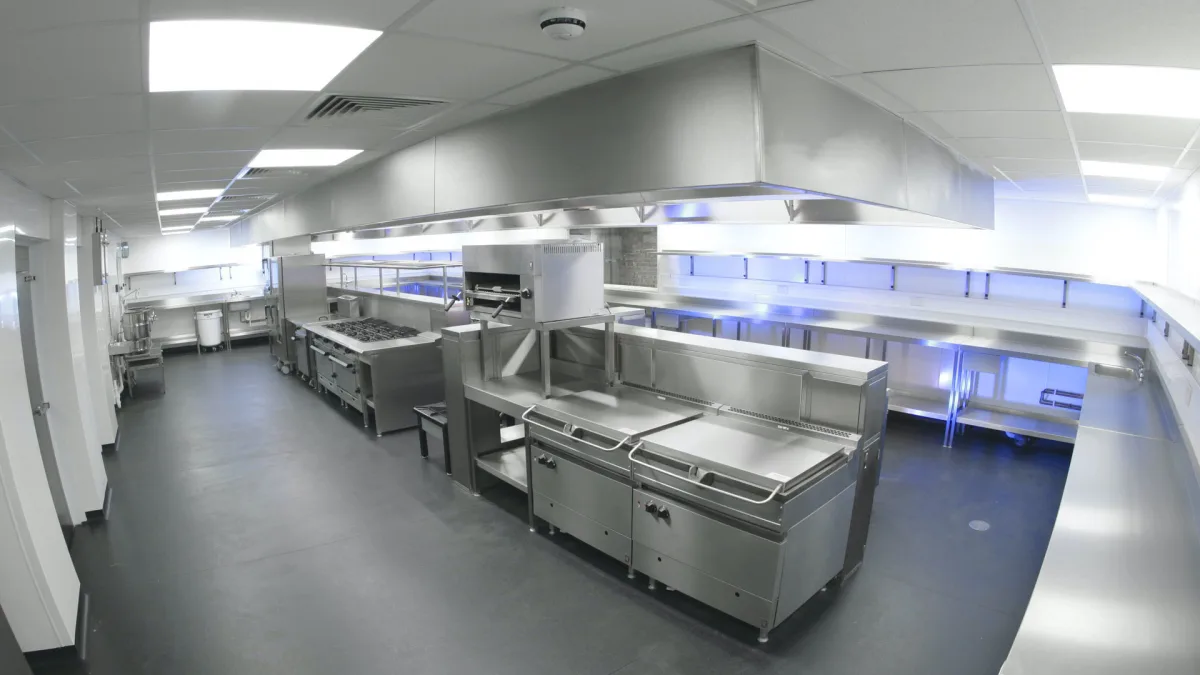
Let me start with a confession: I’ve burned more shrimp shells than I care to admit. There was this one time in a Nashville pop-up kitchen, back when I was still figuring out how to balance my Bay Area precision with the South’s laid-back approach to timing, where I tried to make a 50-gallon batch of shrimp stock in a single stockpot. The result? A murky, bitter mess that smelled like overcooked seafood and regret. The line cook just looked at me, shook his head, and said, “Man, you can’t just throw everything in and hope for the best.” And he was right.
Scaling shrimp stock production in a commercial kitchen isn’t just about making more of it. It’s about understanding the chemistry of umami, the logistics of shell-to-liquid ratios, and the practical constraints of equipment and labor. Whether you’re running a high-volume restaurant, a meal-prep service, or a catering operation, getting this right can mean the difference between a base that elevates your dishes and one that sinks them. In this guide, I’ll walk you through the process, from sourcing shells to storing stock, while keeping flavor, efficiency, and sanity intact. By the end, you’ll know how to scale shrimp stock production without sacrificing quality, and maybe even avoid a few of the mistakes I’ve made along the way.
Here’s what we’ll cover:
- Why shrimp stock is worth the effort (and when it’s not)
- The science behind what makes shrimp stock rich and how to preserve it at scale
- Equipment choices that won’t break the bank or your workflow
- Step-by-step scaling strategies, from 10-gallon batches to 100+ gallons
- Common pitfalls and how to avoid them
- Storage and shelf-life hacks to keep your stock fresh
Let’s get into it.
The Big Question: Why Bother with Shrimp Stock?
Before we dive into the how, let’s talk about the why. Shrimp stock isn’t just a byproduct of peeling shrimp, it’s a flavor powerhouse that can transform soups, sauces, risottos, and even braised meats. The shells and heads (yes, the heads!) contain glutamates, nucleotides, and natural oils that give shrimp stock its depth. But here’s the catch: those same compounds are delicate. Overcook them, and you’ll end up with a stock that’s bitter, fishy, or just plain sad.
In a commercial kitchen, time and space are always at a premium. So why not just use store-bought stock or skip it altogether? Here’s the thing: homemade shrimp stock is a game-changer. It’s richer, more nuanced, and, when done right, cleaner than anything you can buy off the shelf. Plus, it’s a great way to reduce waste if you’re already buying whole shrimp or processing them in-house. But scaling it up? That’s where things get tricky.
I’ve seen kitchens try to cut corners by using pre-made bases or bouillon, but the results are never the same. There’s something about the natural sweetness and brininess of a well-made shrimp stock that just can’t be replicated. So if you’re committed to quality, scaling up is worth the effort. But, and this is a big but, you have to do it right.
The Science of Shrimp Stock: What’s Really Happening in That Pot?
Let’s geek out for a second. Shrimp stock isn’t just water flavored by shells. It’s a chemical reaction happening in real time. When you simmer shrimp shells, a few key things occur:
- Protein extraction: The heat breaks down proteins in the shells, releasing amino acids like glutamate, which is responsible for that savory umami taste. This is why shrimp stock tastes so much richer than plain water.
- Fat emulsification: Shrimp heads (if you’re using them) contain oils that, when simmered, emulsify into the stock, adding body and a silky mouthfeel. This is why some chefs swear by using heads, even though they can make the stock slightly cloudier.
- Gelatin release: The shells contain collagen, which breaks down into gelatin during cooking. This gives the stock a luxurious texture that’s hard to achieve with other seafood stocks.
- Maillard reaction: If you roast the shells before simmering (which I highly recommend), the sugars and amino acids in the shells caramelize, adding depth and complexity to the stock.
But here’s the problem: all of these reactions are time-sensitive. Simmer the stock too long, and the proteins start to break down into bitter compounds. Don’t cook it long enough, and you won’t extract enough flavor. It’s a balancing act, and when you’re scaling up, the stakes are higher. A 5-gallon batch might forgive a few extra minutes of simmering, but a 50-gallon batch? Not so much.
So how do you scale this without losing control? The key is temperature control, precise timing, and batch consistency. But before we get into the nitty-gritty, let’s talk about the tools you’ll need.
Equipment: What You Actually Need (And What You Can Skip)
Scaling shrimp stock production doesn’t require a Michelin-starred budget, but it does require the right tools. Here’s what I’ve found works, and what doesn’t, in a commercial kitchen setting.
Essential Equipment
- Large stockpots or steam kettles: For small to medium batches (up to 30 gallons), a heavy-bottomed stockpot will do. But if you’re scaling beyond that, a steam-jacketed kettle is a game-changer. It allows for precise temperature control and even heating, which is critical for large batches. I’ve seen kitchens try to use tilt skillets, but they’re not ideal, they don’t distribute heat as evenly, and you risk scorching the stock.
- Fine-mesh strainers or chinois: You’ll need something to strain out the shells, and a fine-mesh strainer is non-negotiable. For large batches, a chinois with a spider (that handheld strainer thing) is a lifesaver. Pro tip: line the strainer with cheesecloth for an extra-clear stock.
- Immersion blender or food mill: If you’re using shrimp heads, they can make the stock a bit cloudy. An immersion blender can help break them down further, but be careful not to overdo it, you don’t want a puree. A food mill is another option, though it’s more labor-intensive.
- Thermometer: This is non-negotiable. A digital probe thermometer will help you monitor the temperature of your stock, ensuring it never boils (which can make it bitter) and stays in the ideal range of 180–200°F (82–93°C).
- Storage containers: For large batches, you’ll need food-grade plastic or stainless steel containers with tight-fitting lids. I prefer stainless steel for its durability and ease of cleaning, but plastic works if you’re on a budget. Just make sure they’re NSF-certified for food safety.
Nice-to-Have (But Not Essential) Equipment
- Vacuum sealer: If you’re storing stock for more than a few days, a vacuum sealer can extend its shelf life by reducing oxidation. It’s not a must, but it’s a nice upgrade if you have the budget.
- Commercial ice machine: If you’re making stock in large quantities, you’ll need a way to cool it down quickly to prevent bacterial growth. An ice machine can help with that, but you can also use an ice bath if you’re in a pinch.
- Convection oven: If you’re roasting shells before simmering (which I recommend), a convection oven can speed up the process and ensure even browning. But a regular oven works too, it’ll just take a bit longer.
What You Can Skip
- Expensive stock reducers: Some kitchens invest in high-end stock reducers to concentrate their stock, but in my experience, a good old-fashioned simmer works just fine. If you need to reduce your stock, just let it simmer uncovered until it reaches the desired consistency.
- Fancy shell grinders: I’ve seen kitchens try to grind shrimp shells into a fine powder before simmering, but it’s overkill. The shells will break down just fine in the stock, and grinding them can actually make the stock cloudier.
Now that we’ve got the tools sorted, let’s talk about the most important part: the process.
The Step-by-Step Guide to Scaling Shrimp Stock
Scaling shrimp stock isn’t just about multiplying a recipe. It’s about adapting your technique to larger volumes while maintaining consistency. Here’s how to do it, step by step.
1. Sourcing and Prepping the Shells
First things first: you need shells. And not just any shells-fresh, high-quality shells. If you’re peeling shrimp in-house, save the shells and heads (if you’re using them) in a stainless steel container and refrigerate them until you’re ready to use them. If you’re buying shells from a supplier, make sure they’re from a reputable source and haven’t been sitting around for too long. Frozen shells can work in a pinch, but fresh is always better.
Once you’ve got your shells, give them a quick rinse under cold water to remove any grit or debris. Don’t soak them, you don’t want to wash away any of that precious flavor. If you’re using heads, remove the eyes (they can make the stock bitter) and any gills. Some chefs also remove the legs, but I’ve found that they don’t make much of a difference in the final product.
Pro tip: If you’re making a large batch, spread the shells out on a sheet tray and let them dry slightly before roasting. This helps them brown more evenly.
2. Roasting the Shells (Optional but Recommended)
Roasting the shells before simmering is a step I never skip. It deepens the flavor, adds complexity, and helps caramelize the natural sugars in the shells. Here’s how to do it at scale:
- Preheat your oven to 375°F (190°C). If you’re using a convection oven, you can go a bit lower, around 350°F (175°C).
- Spread the shells out on sheet trays in a single layer. Don’t overcrowd them, you want them to brown, not steam.
- Roast for 15–20 minutes, stirring halfway through, until the shells are golden brown and fragrant. If you’re using heads, they’ll release some of their oils, which is normal.
- Let the shells cool slightly before transferring them to your stockpot or kettle.
Is roasting absolutely necessary? No. But it makes a huge difference in the final flavor. If you’re short on time, you can skip it, but I wouldn’t recommend it for large batches.
3. Simmering the Stock
This is where things can go wrong if you’re not careful. Simmering shrimp stock is a delicate process, and scaling it up requires precise temperature control and consistent monitoring. Here’s how to do it right:
- Shell-to-water ratio: For small batches, a 1:1 ratio of shells to water works well. But for larger batches, I’ve found that a 1:2 ratio (one part shells to two parts water) is more manageable. This gives you enough flavor without overwhelming the stock. For example, if you’re using 20 pounds of shells, use 40 pounds (or about 5 gallons) of water.
- Temperature control: Bring the water to a simmer (180–200°F / 82–93°C) before adding the shells. If you add the shells to cold water, they’ll release their flavors too slowly, and you’ll end up with a weak stock. Once the shells are in, maintain a gentle simmer-never let it boil. Boiling will make the stock bitter and cloudy.
- Skimming: As the stock simmers, impurities will rise to the surface. Skim them off with a ladle or fine-mesh skimmer. This is especially important for large batches, as there’s more surface area for impurities to collect.
- Timing: Shrimp stock doesn’t need to simmer for hours like beef or chicken stock. 30–45 minutes is usually enough. Any longer, and the stock can become bitter. If you’re making a very large batch (50 gallons or more), you might need to extend the simmering time slightly, but keep an eye on the flavor.
I’ve seen kitchens try to speed up the process by cranking up the heat, but that’s a mistake. Low and slow is the way to go. If you’re using a steam kettle, set it to the lowest possible simmer setting. If you’re using a stockpot, keep the heat just high enough to maintain a gentle bubble.
4. Straining and Cooling
Once the stock is done, it’s time to strain it. This is where a lot of kitchens lose flavor and texture, so pay attention:
- First strain: Ladle the stock through a fine-mesh strainer or chinois into a clean container. Don’t press the shells, this can release bitter compounds. Let the stock drain naturally.
- Second strain (optional): For an extra-clear stock, strain it again through a chinois lined with cheesecloth. This will remove any remaining sediment.
- Cooling: This is critical. You need to cool the stock down to 41°F (5°C) or below within 2 hours to prevent bacterial growth. For small batches, an ice bath works fine. For large batches, you’ll need a more efficient method. Here are a few options:
- Ice wand: A stainless steel ice wand (also called a cooling paddle) can help bring the temperature down quickly. Just swirl it around in the stock until the temperature drops.
- Blast chiller: If you have one, a blast chiller is the fastest way to cool large batches. Just transfer the stock to shallow pans and chill it down.
- Divide and conquer: If you don’t have a blast chiller, divide the stock into smaller containers and place them in an ice bath. Stirring the stock occasionally will help it cool faster.
I can’t stress this enough: cooling the stock quickly is non-negotiable. I’ve seen kitchens skip this step and end up with spoiled stock. Don’t be that kitchen.
5. Storing and Using the Stock
Once the stock is cooled, it’s time to store it. Here’s how to do it right:
- Storage containers: Transfer the stock to food-grade plastic or stainless steel containers with tight-fitting lids. Label them with the date and contents, trust me, you’ll thank yourself later.
- Shelf life: Properly cooled and stored shrimp stock will keep in the refrigerator for 3–4 days. If you need to store it longer, freeze it. Frozen shrimp stock will keep for up to 3 months without losing much flavor.
- Freezing tips: If you’re freezing the stock, leave some headspace in the containers, liquids expand when they freeze. You can also freeze the stock in ice cube trays for easy portioning. Once frozen, transfer the cubes to a zip-top bag.
- Using the stock: Shrimp stock is incredibly versatile. Use it as a base for soups, sauces, risottos, or even braised meats. It’s also great for deglazing pans or adding depth to stir-fries. Just remember that it’s highly concentrated, so you might need to dilute it slightly depending on the dish.
Common Mistakes (And How to Avoid Them)
Even with the best intentions, things can go wrong when scaling shrimp stock. Here are some of the most common mistakes I’ve seen (and made) and how to avoid them:
1. Overcrowding the Pot
When you’re making a large batch, it’s tempting to cram as many shells as possible into the pot. But overcrowding can lead to uneven cooking and a stock that’s weak or bitter. Stick to the 1:2 shell-to-water ratio and make multiple batches if needed.
2. Boiling Instead of Simmering
Boiling the stock is a surefire way to make it bitter and cloudy. Keep the temperature between 180–200°F (82–93°C) and monitor it closely. If you’re using a steam kettle, set it to the lowest possible simmer setting.
3. Skipping the Skimming
Impurities will rise to the surface as the stock simmers, and if you don’t skim them off, they’ll make the stock murky and off-flavored. Skim the stock every 10–15 minutes to keep it clean.
4. Overcooking the Stock
Shrimp stock doesn’t need hours of simmering. 30–45 minutes is usually enough. Any longer, and the stock can become bitter. Taste it as it cooks, when the flavor is rich and balanced, it’s done.
5. Not Cooling the Stock Quickly Enough
This is a big one. You need to cool the stock to 41°F (5°C) or below within 2 hours to prevent bacterial growth. Don’t let it sit at room temperature, use an ice bath, blast chiller, or ice wand to bring the temperature down quickly.
6. Using Low-Quality Shells
Not all shrimp shells are created equal. If the shells are old, frozen for too long, or from low-quality shrimp, the stock will suffer. Use fresh, high-quality shells whenever possible, and avoid shells that smell off or have a slimy texture.
Scaling Strategies for Different Kitchen Sizes
Not all commercial kitchens are created equal. Whether you’re running a small café or a large catering operation, your approach to scaling shrimp stock will need to adapt. Here’s how to tailor the process to your kitchen’s size and needs.
Small Kitchens (10–30 Gallon Batches)
If you’re making shrimp stock in a small kitchen, you probably don’t have a steam kettle or blast chiller. That’s okay, you can still make great stock with what you have. Here’s how:
- Use multiple stockpots: Instead of trying to make one giant batch, divide the shells between two or three stockpots. This makes it easier to manage the temperature and skim the stock.
- Cool in batches: Divide the stock into smaller containers and cool them in an ice bath. Stirring the stock occasionally will help it cool faster.
- Roast in batches: If you’re roasting the shells, do it in batches to ensure even browning. A convection oven can speed up the process.
In a small kitchen, organization is key. Make sure you have all your tools and containers ready before you start, and don’t rush the process. It’s better to take your time and get it right than to cut corners and end up with a subpar stock.
Medium Kitchens (30–100 Gallon Batches)
If you’re making 30–100 gallons of shrimp stock at a time, you’ll need to step up your game. Here’s what I recommend:
- Invest in a steam kettle: A steam-jacketed kettle will give you precise temperature control and even heating, which is critical for large batches. If you don’t have one, consider renting or borrowing one for the day.
- Use a chinois with a spider: For large batches, a chinois with a spider will make straining the stock much easier. Line it with cheesecloth for an extra-clear stock.
- Cool with an ice wand: An ice wand can help bring the temperature down quickly, but for really large batches, you might need to divide the stock into smaller containers and cool them in an ice bath.
- Label everything: When you’re making large batches, it’s easy to lose track of what’s what. Label your containers with the date, contents, and batch number.
In a medium-sized kitchen, efficiency is everything. Make sure your workflow is streamlined, and don’t be afraid to delegate tasks. One person can handle the simmering while another preps the containers and labels.
Large Kitchens (100+ Gallon Batches)
If you’re making 100+ gallons of shrimp stock at a time, you’re in the big leagues. This is where precision and planning become absolutely critical. Here’s how to do it right:
- Use a steam kettle with a pump: A steam kettle with a built-in pump will make it easier to transfer the stock to containers for cooling and storage.
- Invest in a blast chiller: Cooling 100+ gallons of stock quickly is a challenge, but a blast chiller can handle it. If you don’t have one, divide the stock into smaller containers and cool them in an ice bath.
- Hire extra help: Making this much stock is a team effort. Assign specific tasks to each team member, one person can handle the simmering, another can skim the stock, and another can prep the containers.
- Test the stock frequently: With large batches, it’s easy for the flavor to become unbalanced. Taste the stock every 15 minutes or so to make sure it’s on track.
- Document the process: Keep a log of the shell-to-water ratio, simmering time, and any adjustments you make. This will help you replicate the process in the future.
In a large kitchen, communication is key. Make sure everyone knows their role and what’s expected of them. And don’t forget to taste the stock frequently, it’s the best way to ensure consistency.
Beyond the Basics: Advanced Techniques for Scaling Shrimp Stock
If you’ve mastered the basics and are ready to take your shrimp stock to the next level, here are a few advanced techniques to try:
1. Reducing the Stock
Reducing the stock concentrates the flavor, making it richer and more intense. Here’s how to do it at scale:
- Transfer the strained stock to a wide, shallow pan (like a hotel pan) and simmer it uncovered over low heat.
- Stir the stock occasionally to prevent scorching.
- Reduce the stock by half or until it reaches the desired consistency. This can take anywhere from 30 minutes to a few hours, depending on the volume.
- Cool the reduced stock quickly using an ice bath or blast chiller.
Reduced shrimp stock is great for sauces and glazes, but it’s not always necessary. Use it when you need a bold, concentrated flavor.
2. Infusing the Stock
Infusing the stock with aromatics can add depth and complexity. Here are a few combinations to try:
- Classic mirepoix: Onions, carrots, and celery. Add them to the pot with the shells and simmer together.
- Asian-inspired: Ginger, lemongrass, and kaffir lime leaves. Strain them out after simmering.
- Mediterranean: Fennel, garlic, and orange peel. These work especially well with shrimp stock.
Infusing the stock is a great way to customize it for specific dishes. Just be careful not to overdo it, the shrimp flavor should still be the star.
3. Clarifying the Stock
If you need a crystal-clear stock (for consommé, for example), you’ll need to clarify it. Here’s how:
- Chill the stock until the fat solidifies on the surface. Skim it off.
- Mix 1 egg white per gallon of stock with a little cold water to create a “raft.”
- Add the raft to the stock and bring it to a gentle simmer. The egg whites will trap impurities as they cook.
- Strain the stock through a chinois lined with cheesecloth.
Clarifying the stock is labor-intensive, but the results are worth it if you need a perfectly clear stock.
Wrapping Up: Is Scaling Shrimp Stock Worth It?
After all this, you might be wondering: is scaling shrimp stock production really worth the effort? The answer, for most commercial kitchens, is a resounding yes. But it’s not without its challenges. You’ll need the right equipment, a well-trained team, and a commitment to quality. If you’re willing to put in the work, though, the rewards are huge.
Shrimp stock is one of those secret weapons that can elevate your dishes from good to great. It’s rich, complex, and versatile, and when you make it in-house, you have complete control over the flavor. Plus, it’s a great way to reduce waste and get the most out of your ingredients.
So here’s my challenge to you: next time you’re peeling shrimp, save the shells. Start small, make a 5-gallon batch and see how it goes. Then, once you’ve got the hang of it, scale up. Experiment with roasting the shells, infusing the stock, or reducing it for a more concentrated flavor. And don’t be afraid to make mistakes. I’ve made plenty, and each one has taught me something new.
At the end of the day, scaling shrimp stock production is about balance. Balance between flavor and efficiency, between tradition and innovation, between quality and quantity. Get that right, and you’ll have a stock that’s worth its weight in gold.
FAQ
Q: Can I use frozen shrimp shells for stock?
A: Yes, you can use frozen shrimp shells, but fresh is always better. If you’re using frozen shells, thaw them completely before roasting or simmering. Frozen shells can release more liquid as they thaw, which can dilute the stock slightly, so you might need to adjust your shell-to-water ratio.
Q: How do I know when the stock is done?
A: The stock is done when it has a rich, balanced flavor. Taste it as it simmers, if it’s weak or watery, let it cook a bit longer. If it’s bitter or overly fishy, you’ve cooked it too long. Shrimp stock typically takes 30–45 minutes to reach the right flavor, but this can vary depending on the volume and the quality of the shells.
Q: Can I mix shrimp stock with other stocks, like chicken or vegetable?
A: Absolutely! Shrimp stock pairs well with chicken, vegetable, and even beef stock. Mixing stocks can add complexity and depth to your dishes. Just be mindful of the flavors, shrimp stock is strong, so you might want to use it as a base rather than a 50/50 mix.
Q: How do I store shrimp stock for long-term use?
A: For short-term storage (up to 4 days), keep the stock in the refrigerator in a sealed container. For long-term storage, freeze it. You can freeze shrimp stock in ice cube trays for easy portioning, or in larger containers if you plan to use it in bulk. Just make sure to leave some headspace in the containers, liquids expand when they freeze. Frozen shrimp stock will keep for up to 3 months without losing much flavor.
@article{how-to-scale-shrimp-stock-production-in-commercial-kitchens-without-losing-flavor-or-efficiency,
    title   = {How to Scale Shrimp Stock Production in Commercial Kitchens Without Losing Flavor or Efficiency},
    author  = {Chef's icon},
    year    = {2026},
    journal = {Chef's Icon},
    url     = {https://chefsicon.com/how-to-scale-shrimp-stock-production-commercial-kitchens/}
}