The Best Fluffy Pancakes recipe you will fall in love with. Full of tips and tricks to help you make the best pancakes.
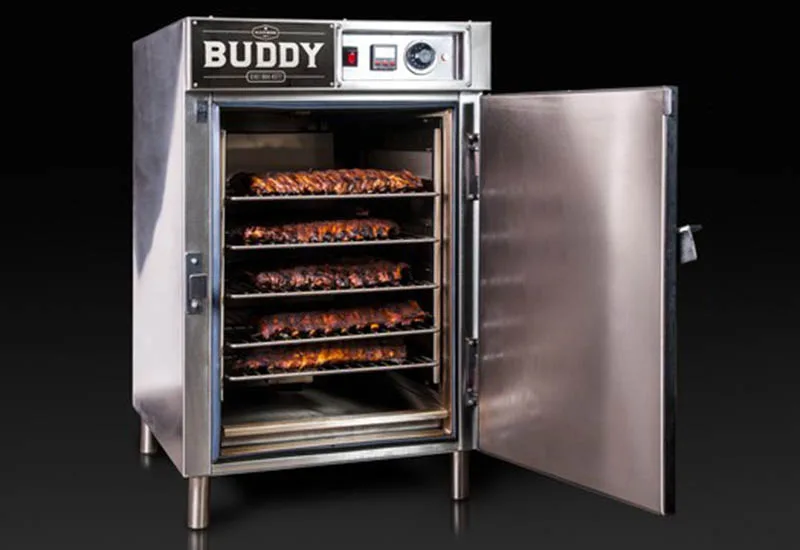
Let me tell you about the first time I tried smoking a pork shoulder in a commercial kitchen. It was a disaster. Not the kind of disaster where you burn the meat, though I’ve done that too, but the kind where you realize, three hours in, that your smoker wasn’t built for the marathon that is pork shoulder. The temperature fluctuated like a stock market crash, the smoke was either too thin or billowing like a wildfire, and by the time I pulled the meat, it was edible, but it wasn’t *perfect*. And in this business, perfect is the only standard that matters.
I’ve since spent years, okay, maybe more like a decade, obsessing over commercial smokers. Not just because I love barbecue (though I do, deeply), but because I’ve seen how the right equipment can turn a good kitchen into a great one. And when it comes to pork shoulder, the smoker isn’t just a tool; it’s your partner in crime. It’s the difference between meat that falls apart because it’s tender and meat that falls apart because it’s overcooked. It’s the difference between bark that’s crisp and flavorful and bark that’s dry and bitter. It’s the difference between a line out the door and a line that’s… well, nonexistent.
So, if you’re standing in the market for a commercial smoker and you want to nail pork shoulder every single time, you’re in the right place. This isn’t just another buying guide. This is the result of countless hours of research, trial, error, and a few very expensive mistakes. By the end of this, you’ll know exactly what to look for, what to avoid, and how to make sure your smoker isn’t just a piece of equipment, but the secret weapon behind your best dishes.
The Pork Shoulder Problem: Why Most Smokers Fail
Before we dive into the nitty-gritty of choosing a smoker, let’s talk about why pork shoulder is such a diva. It’s not just any cut of meat, it’s a complex, fatty, connective-tissue-laden beast that demands patience, precision, and a smoker that can keep up. Most commercial smokers fail at pork shoulder for a few key reasons, and if you don’t address these upfront, you’re setting yourself up for disappointment.
First, there’s the issue of temperature control. Pork shoulder needs to cook low and slow, typically between 225°F and 250°F, for anywhere from 8 to 16 hours. That’s not a typo-16 hours. And during that time, your smoker needs to maintain a consistent temperature within a few degrees. Too hot, and you’ll dry out the meat before the collagen has time to break down. Too cold, and you’ll be serving rubbery, undercooked pork at dinner service. Most smokers, especially the cheaper ones, can’t hold a steady temp for that long. They’ll spike when you add fuel or dip when the door opens, and suddenly, you’re babysitting the smoker instead of running your kitchen.
Then there’s smoke management. Pork shoulder isn’t just about heat; it’s about smoke. But not all smoke is created equal. Thin, blue smoke is what you want, it imparts flavor without overpowering the meat. Thick, white smoke? That’s the enemy. It’s bitter, acrid, and will turn your pork shoulder into something that tastes like it was cooked in a chimney. A good commercial smoker should give you control over the smoke output, whether that’s through adjustable dampers, a well-designed firebox, or a separate smoke generator. If your smoker can’t produce clean smoke, it doesn’t matter how well it holds temperature.
And let’s not forget capacity. Pork shoulder is a big cut of meat. A single shoulder can weigh anywhere from 8 to 12 pounds, and if you’re cooking for a crowd, you might need to smoke a dozen or more at a time. If your smoker can’t handle the volume, you’ll be stuck doing multiple batches, which is a nightmare for consistency. Worse, if the smoker is too small, the shoulders won’t have enough space to cook evenly, leading to hot spots and uneven doneness. On the flip side, if the smoker is too large, you’ll waste fuel and struggle to maintain temperature, especially in colder months.
Finally, there’s the issue of durability. Commercial kitchens are brutal environments. Your smoker will be used daily, exposed to high heat, grease, and the occasional bump from a busy line cook. If it’s not built to last, you’ll be replacing it in a year or two, and that’s not just a hassle, it’s a waste of money. Cheap smokers might save you cash upfront, but they’ll cost you in the long run in repairs, replacements, and lost business from inconsistent results.
So, how do you avoid these pitfalls? It starts with understanding the different types of commercial smokers and what they bring to the table. Let’s break it down.
Types of Commercial Smokers: Which One Fits Your Kitchen?
Not all smokers are created equal, and the type you choose will depend on your kitchen’s needs, your budget, and the volume of pork shoulder you plan to produce. Here’s a rundown of the most common types of commercial smokers, along with their pros, cons, and whether they’re a good fit for pork shoulder.
Offset Smokers: The Classic Choice (But Not Always the Best)
Offset smokers are the OGs of the barbecue world. You’ve seen them, big, horizontal smokers with a firebox attached to the side. They’re what most people picture when they think of a smoker, and for good reason: they’ve been around forever, and they’re capable of producing incredible results. But are they the right choice for your commercial kitchen?
The biggest advantage of offset smokers is control. Because the firebox is separate from the cooking chamber, you can adjust the heat and smoke independently. This makes it easier to maintain a consistent temperature and produce clean smoke, which is critical for pork shoulder. Offset smokers also tend to have a lot of cooking space, so you can smoke multiple shoulders at once without overcrowding. And let’s be honest, they look cool. There’s something about tending a fire and watching the smoke roll that feels authentic, almost primal.
But offset smokers aren’t without their drawbacks. For starters, they’re labor-intensive. You’ll need to constantly monitor the fire, add fuel, and adjust the dampers to keep the temperature steady. In a commercial kitchen, where time is money, that’s a big ask. They also require a lot of skill to operate well. If you’re not experienced with fire management, you’ll struggle to maintain a consistent temperature, and your pork shoulder will suffer. And because they’re typically made of heavy steel, they take a long time to heat up and cool down, which can be a pain if you’re trying to turn over the kitchen quickly.
Another issue is fuel efficiency. Offset smokers are notorious for burning through wood or charcoal, which can get expensive if you’re smoking large quantities of pork shoulder. And because the heat source is off to the side, you’ll often deal with temperature gradients, where one side of the smoker is hotter than the other. This means you’ll need to rotate your shoulders periodically to ensure even cooking, which is another time-consuming task.
So, are offset smokers a good choice for pork shoulder? Maybe. If you’ve got the time, skill, and manpower to babysit the fire, they can produce incredible results. But if you’re running a busy kitchen and need something more hands-off, you might want to look elsewhere.
Vertical Water Smokers: The Set-It-and-Forget-It Option
Vertical water smokers, also known as bullet smokers, are a popular choice for commercial kitchens because they’re relatively easy to use and maintain. They consist of a vertical chamber with a water pan in the middle, which helps regulate temperature and adds moisture to the cooking environment. The heat source is usually at the bottom, and the smoke rises up through the chamber, enveloping the meat.
The biggest advantage of vertical water smokers is consistency. Because the water pan acts as a heat sink, these smokers are great at maintaining a steady temperature, even over long cooks like pork shoulder. They’re also fuel-efficient, since the vertical design allows for better heat retention. And because they’re compact, they don’t take up a ton of space in the kitchen, which is a big plus if you’re working with limited square footage.
Another perk is ease of use. Vertical water smokers are designed to be user-friendly, with simple controls and minimal maintenance. You don’t need to be a pitmaster to get great results, just load the fuel, add water to the pan, and let the smoker do its thing. This makes them a great choice for kitchens where multiple people might be using the smoker, not all of whom are barbecue experts.
But vertical water smokers aren’t perfect. For one, they’re not great for high-volume cooking. Most models have limited space, so if you’re smoking a lot of pork shoulders at once, you might need to do multiple batches. They also tend to produce milder smoke flavor compared to offset smokers, which might not be ideal if you’re going for a bold, smoky taste. And because the water pan adds moisture to the cooking environment, you might not get the same level of bark formation as you would with a drier smoker.
So, are vertical water smokers a good fit for pork shoulder? If you’re looking for something easy to use and consistent, they’re a solid choice. But if you need to smoke large quantities or want a stronger smoke flavor, you might want to consider other options.
Pellet Smokers: The High-Tech, Low-Effort Solution
Pellet smokers are the new kids on the block, and they’ve taken the commercial kitchen world by storm. These smokers use compressed wood pellets as fuel, which are fed into a firebox by an auger. A digital controller regulates the temperature, so you can set it and forget it, no babysitting required. They’re like the slow cookers of the smoker world: convenient, consistent, and hands-off.
The biggest advantage of pellet smokers is precision. Because they’re digitally controlled, you can set the temperature to the exact degree and trust that it will stay there. This is a game-changer for pork shoulder, where temperature consistency is everything. Pellet smokers also produce clean, consistent smoke, since the pellets burn evenly and the auger feeds them at a steady rate. And because they’re so easy to use, they’re a great choice for kitchens where multiple people need to operate the smoker.
Another perk is versatility. Many pellet smokers can also function as grills or ovens, so you can use them for more than just smoking. This makes them a great all-in-one solution for kitchens with limited space. And because they’re fueled by pellets, you don’t have to deal with the mess of wood or charcoal, which is a big plus in a busy kitchen.
But pellet smokers aren’t without their downsides. For one, they’re expensive. High-quality commercial pellet smokers can cost thousands of dollars, which might be a tough sell if you’re on a tight budget. They also require electricity, so if you’re smoking outdoors or in a location without reliable power, they might not be the best choice. And while they produce great smoke flavor, it’s not quite as intense as what you’d get from a wood or charcoal smoker, which might be a dealbreaker if you’re going for a bold, traditional barbecue taste.
So, are pellet smokers a good fit for pork shoulder? If you’re looking for convenience and consistency, they’re hard to beat. But if you’re on a budget or want a more traditional smoke flavor, you might want to look elsewhere.
Cabinet Smokers: The Workhorse of Commercial Kitchens
Cabinet smokers, also known as box smokers or electric smokers, are a staple in commercial kitchens for a reason: they’re reliable, efficient, and built for volume. These smokers consist of a large, insulated cabinet with racks for holding meat. The heat source is usually electric or gas, and the smoke is generated by a separate smoke box or by burning wood chips. They’re designed to be hands-off, with simple controls and minimal maintenance.
The biggest advantage of cabinet smokers is capacity. These smokers are built to handle large quantities of meat, so if you’re smoking a dozen or more pork shoulders at a time, they’re a great choice. They’re also energy-efficient, since the insulated cabinet retains heat well, and they’re easy to use, with simple controls that don’t require a lot of skill or experience. And because they’re so versatile, you can use them for smoking, roasting, or even baking.
Another perk is consistency. Cabinet smokers are designed to maintain a steady temperature, which is critical for pork shoulder. They also produce clean, even smoke, since the smoke box is separate from the heat source. And because they’re so durable, they’re built to last, even in the toughest commercial kitchen environments.
But cabinet smokers aren’t perfect. For one, they’re expensive. High-quality commercial models can cost tens of thousands of dollars, which might be out of reach for smaller kitchens. They also take up a lot of space, so if you’re working with a tight kitchen layout, they might not be the best fit. And while they produce great results, they don’t have the same level of control as an offset smoker, which might be a drawback if you’re a barbecue purist.
So, are cabinet smokers a good fit for pork shoulder? If you’re smoking large quantities and need something reliable and hands-off, they’re a great choice. But if you’re on a budget or want more control over the smoking process, you might want to consider other options.
Key Features to Look for in a Commercial Smoker for Pork Shoulder
Now that you’ve got a sense of the different types of smokers, let’s talk about the key features you should look for when choosing a commercial smoker for pork shoulder. These are the non-negotiables, the things that will make or break your smoking experience.
Temperature Control: The Heart of the Matter
If there’s one thing that separates a great smoker from a mediocre one, it’s temperature control. Pork shoulder is a long, slow cook, and if your smoker can’t maintain a steady temperature, you’re in for a world of frustration. Look for a smoker with precise temperature controls, whether that’s a digital controller, a well-designed damper system, or a combination of both. The best smokers will allow you to set the temperature to the exact degree and hold it there, even over long cooks.
But temperature control isn’t just about the controls themselves, it’s also about heat retention. A smoker with thick, insulated walls will hold heat better than one with thin, flimsy walls. This is especially important if you’re smoking in a cold or windy environment, where temperature fluctuations can be a real problem. Look for smokers made from heavy-gauge steel or other durable materials that can stand up to the rigors of commercial use.
And don’t forget about recovery time. Every time you open the smoker to check on the meat or add fuel, you’re letting heat escape. A good smoker will recover quickly, so the temperature doesn’t drop too much. This is especially important for pork shoulder, where even a small dip in temperature can add hours to the cook time.
Smoke Management: The Flavor Factor
Smoke is what gives pork shoulder its signature flavor, so it’s critical that your smoker can produce clean, consistent smoke. But not all smoke is created equal. Thin, blue smoke is what you want, it imparts flavor without overpowering the meat. Thick, white smoke, on the other hand, is bitter and acrid, and it will ruin your pork shoulder.
So, how do you ensure your smoker produces clean smoke? It starts with the fuel source. Wood and charcoal are the traditional choices, and they produce the best smoke flavor. But they can be messy and require more skill to manage. Pellets are a convenient alternative, but they don’t produce as intense a smoke flavor. Gas and electric smokers are the easiest to use, but they often rely on wood chips or sawdust for smoke, which can be hit or miss.
Another factor is the smoke box or generator. Some smokers have a separate smoke box where you can burn wood or chips, while others rely on the heat source to produce smoke. Look for a smoker with a well-designed smoke system that allows you to control the amount and quality of smoke. Adjustable dampers, air vents, and smoke generators are all features to look for.
And don’t forget about airflow. Smoke needs to circulate evenly around the meat to impart flavor, so look for a smoker with good airflow. This might mean adjustable vents, a well-designed chamber, or even a fan to help circulate the smoke. Without good airflow, you’ll end up with uneven smoke flavor and hot spots.
Capacity: Size Matters (But Not in the Way You Think)
When it comes to smoking pork shoulder, capacity is a big deal. You need a smoker that can handle the volume of meat you plan to cook, but you also need one that’s not so large that it’s inefficient. So, how do you strike the right balance?
First, think about how much pork shoulder you’ll be smoking at once. If you’re a small restaurant or catering business, you might only need to smoke a few shoulders at a time. In that case, a smaller smoker, like a vertical water smoker or a pellet smoker, might be a good fit. But if you’re a large operation with high demand, you’ll need something with more capacity, like a cabinet smoker or a large offset smoker.
But capacity isn’t just about how much meat the smoker can hold, it’s also about how efficiently it cooks. A smoker that’s too large for your needs will waste fuel and struggle to maintain temperature, especially in colder months. On the other hand, a smoker that’s too small will force you to do multiple batches, which is a nightmare for consistency. So, think carefully about your needs and choose a smoker that’s the right size for your kitchen.
Another factor to consider is rack spacing. Pork shoulders are big, bulky cuts of meat, so you need a smoker with enough space between the racks to accommodate them. If the racks are too close together, you’ll struggle to fit the shoulders, and the smoke won’t circulate properly. Look for a smoker with adjustable or removable racks, so you can customize the space to fit your needs.
Durability: Built to Last
Commercial kitchens are tough environments, and your smoker needs to be able to handle the abuse. That means durability is a must. Look for a smoker made from high-quality materials, like heavy-gauge steel or stainless steel. These materials are built to last, even in the toughest conditions. Avoid smokers made from thin, flimsy metal, they won’t hold up to daily use, and you’ll end up replacing them sooner than you’d like.
Another factor to consider is construction. Look for a smoker with welded seams, reinforced doors, and sturdy handles. These details might seem small, but they make a big difference in the long run. A well-built smoker will last for years, even with daily use, while a poorly built one will start to fall apart after a few months.
And don’t forget about maintenance. A good smoker should be easy to clean and maintain. Look for features like removable racks, grease traps, and ash pans, which make cleanup a breeze. Avoid smokers with complicated or hard-to-reach parts, you don’t want to spend hours scrubbing grease and ash out of every nook and cranny.
Ease of Use: Because You’ve Got Better Things to Do
Let’s be honest, you’ve got a kitchen to run, and you don’t have time to babysit a smoker all day. That’s why ease of use is such an important factor when choosing a commercial smoker. Look for a smoker that’s user-friendly, with simple controls and minimal maintenance. The best smokers will allow you to set it and forget it, so you can focus on other tasks while the pork shoulder cooks.
One feature to look for is digital controls. These allow you to set the temperature to the exact degree and trust that it will stay there. Some smokers even come with Wi-Fi or Bluetooth connectivity, so you can monitor the temperature from your phone. This is a game-changer for busy kitchens, where you can’t afford to stand around watching the smoker all day.
Another factor to consider is fuel type. Some smokers require more hands-on management than others. For example, offset smokers need constant attention to maintain temperature, while pellet smokers are more hands-off. Think about how much time you’re willing to spend on the smoker and choose accordingly.
And don’t forget about accessibility. Look for a smoker with a large, easy-to-open door, so you can check on the meat without letting too much heat escape. Adjustable racks are also a plus, as they allow you to customize the space to fit your needs.
Fuel Types: Wood, Charcoal, Pellets, or Gas?
The fuel you choose will have a big impact on the flavor, convenience, and cost of smoking pork shoulder. Each fuel type has its pros and cons, so let’s break them down.
Wood: The Traditionalist’s Choice
Wood is the classic choice for smoking pork shoulder, and for good reason: it produces the best smoke flavor. But it’s also the most labor-intensive fuel, requiring constant attention to maintain temperature and smoke quality. If you’re a barbecue purist, wood is the way to go, but be prepared to put in the work.
The biggest advantage of wood is flavor. Different types of wood produce different flavors, so you can experiment with hickory, oak, apple, cherry, and more to find the perfect match for your pork shoulder. Wood also produces thin, blue smoke, which is what you want for clean, flavorful results.
But wood isn’t without its drawbacks. For one, it’s messy. You’ll need to store and handle large pieces of wood, which can be a pain in a busy kitchen. It’s also inconsistent-different types of wood burn at different rates, so you’ll need to experiment to find the right balance. And because wood burns hot and fast, you’ll need to add fuel frequently to maintain temperature, which can be a hassle during long cooks like pork shoulder.
So, is wood the right choice for you? If you’re willing to put in the time and effort, it’s hard to beat. But if you’re looking for something more convenient, you might want to consider other options.
Charcoal: The Best of Both Worlds?
Charcoal is a popular choice for smoking pork shoulder because it offers a good balance of flavor and convenience. It’s easier to manage than wood, but it still produces great smoke flavor. And because it burns hotter and longer than wood, it’s a good choice for long cooks.
The biggest advantage of charcoal is consistency. Unlike wood, which can burn at different rates depending on the type and moisture content, charcoal burns at a steady rate, making it easier to maintain temperature. It also produces clean, consistent smoke, which is critical for pork shoulder.
But charcoal isn’t perfect. For one, it’s messy. You’ll need to handle and store large bags of charcoal, which can be a pain in a busy kitchen. It’s also expensive-high-quality lump charcoal can cost a pretty penny, especially if you’re smoking large quantities of pork shoulder. And because it burns hot, you’ll need to be careful not to overcook the meat.
So, is charcoal the right choice for you? If you’re looking for a balance of flavor and convenience, it’s a great option. But if you’re on a tight budget or want something even easier to use, you might want to consider pellets or gas.
Pellets: The Convenient Choice
Pellets are the new kids on the block, and they’ve taken the commercial kitchen world by storm. These small, compressed wood pellets are fed into the smoker by an auger, and a digital controller regulates the temperature. They’re convenient, consistent, and easy to use, but do they produce the same great flavor as wood or charcoal?
The biggest advantage of pellets is convenience. Because they’re digitally controlled, you can set the temperature and forget it, no babysitting required. They’re also fuel-efficient, since the auger feeds pellets at a steady rate, and they produce clean, consistent smoke. And because they’re made from compressed wood, they come in a variety of flavors, so you can experiment to find the perfect match for your pork shoulder.
But pellets aren’t without their drawbacks. For one, they’re expensive. High-quality pellets can cost more than wood or charcoal, especially if you’re smoking large quantities of pork shoulder. They also require electricity, so if you’re smoking outdoors or in a location without reliable power, they might not be the best choice. And while they produce great smoke flavor, it’s not quite as intense as what you’d get from wood or charcoal.
So, are pellets the right choice for you? If you’re looking for convenience and consistency, they’re hard to beat. But if you’re on a budget or want a more traditional smoke flavor, you might want to consider wood or charcoal.
Gas: The Hands-Off Option
Gas smokers are the easiest to use, but they’re also the least traditional. These smokers use propane or natural gas as a heat source, and they rely on wood chips or sawdust for smoke. They’re convenient, consistent, and hands-off, but do they produce the same great flavor as wood or charcoal?
The biggest advantage of gas smokers is ease of use. Because they’re fueled by gas, you don’t need to worry about adding fuel or maintaining temperature. They’re also fuel-efficient, since gas burns cleanly and consistently. And because they’re so easy to use, they’re a great choice for kitchens where multiple people might be using the smoker.
But gas smokers aren’t perfect. For one, they don’t produce the same intense smoke flavor as wood or charcoal. They rely on wood chips or sawdust for smoke, which can be hit or miss. They’re also less versatile than other smokers, since they’re designed primarily for smoking, not grilling or roasting. And because they require a gas hookup, they’re not as portable as other options.
So, is gas the right choice for you? If you’re looking for something easy to use and hands-off, they’re a great option. But if you’re a barbecue purist or want more control over the smoking process, you might want to consider wood, charcoal, or pellets.
Budget Considerations: How Much Should You Spend?
Let’s talk money. Commercial smokers aren’t cheap, and the price range is wide, anywhere from a few thousand dollars to tens of thousands. So, how much should you spend on a smoker for pork shoulder? The answer depends on your needs, your budget, and how much you’re willing to invest in your kitchen.
Entry-Level Smokers: The Budget-Friendly Option
If you’re just starting out or you’re on a tight budget, an entry-level smoker might be the way to go. These smokers typically cost between $1,000 and $3,000, and they’re a good choice for small restaurants, food trucks, or catering businesses. But don’t expect the same level of performance as a high-end smoker, you’ll get what you pay for.
The biggest advantage of entry-level smokers is affordability. If you’re just dipping your toes into the world of commercial smoking, these smokers allow you to experiment without breaking the bank. They’re also easy to use, with simple controls and minimal maintenance.
But entry-level smokers aren’t without their drawbacks. For one, they’re less durable than high-end models. They’re often made from thinner metal, which won’t hold up to daily use in a commercial kitchen. They also tend to have less precise temperature control, which can be a problem for long cooks like pork shoulder. And because they’re smaller, they have less capacity, so you might need to do multiple batches to keep up with demand.
So, are entry-level smokers a good choice? If you’re on a tight budget or just starting out, they’re a solid option. But if you’re serious about smoking pork shoulder, you might want to invest in something more durable and precise.
Mid-Range Smokers: The Sweet Spot
Mid-range smokers are the sweet spot for most commercial kitchens. These smokers typically cost between $3,000 and $10,000, and they offer a good balance of performance, durability, and affordability. They’re a great choice for restaurants, catering businesses, and other operations that need a reliable, high-quality smoker.
The biggest advantage of mid-range smokers is performance. These smokers are built to last, with thick, insulated walls, precise temperature controls, and durable construction. They’re also more versatile than entry-level models, with features like adjustable racks, digital controls, and Wi-Fi connectivity. And because they’re larger, they have more capacity, so you can smoke multiple pork shoulders at once.
But mid-range smokers aren’t perfect. For one, they’re more expensive than entry-level models, which might be a tough sell if you’re on a tight budget. They also require more maintenance than high-end models, since they’re not as automated. And because they’re larger, they take up more space in the kitchen, which might be a problem if you’re working with limited square footage.
So, are mid-range smokers a good choice? If you’re serious about smoking pork shoulder and you want a smoker that’s built to last, they’re a great option. But if you’re on a tight budget or need something more hands-off, you might want to consider entry-level or high-end models.
High-End Smokers: The Cadillac of Smokers
If you’re running a high-volume operation or you’re a barbecue purist, a high-end smoker might be the way to go. These smokers typically cost $10,000 or more, and they’re built for performance, durability, and precision. They’re a big investment, but if you’re serious about smoking pork shoulder, they’re worth every penny.
The biggest advantage of high-end smokers is performance. These smokers are built to last, with thick, insulated walls, precise temperature controls, and durable construction. They’re also more automated than mid-range models, with features like digital controls, Wi-Fi connectivity, and even self-cleaning functions. And because they’re larger, they have more capacity, so you can smoke dozens of pork shoulders at once.
But high-end smokers aren’t without their drawbacks. For one, they’re expensive. If you’re on a tight budget, they might not be an option. They also require more space than mid-range models, which might be a problem if you’re working with limited square footage. And because they’re so automated, they might not offer the same level of control as a traditional offset smoker.
So, are high-end smokers a good choice? If you’re running a high-volume operation or you’re a barbecue purist, they’re a great option. But if you’re on a tight budget or you don’t need all the bells and whistles, you might want to consider mid-range or entry-level models.
Top Commercial Smokers for Pork Shoulder: Our Picks
Alright, let’s get down to brass tacks. After years of testing, researching, and talking to pitmasters, here are our top picks for commercial smokers that excel at pork shoulder. These aren’t just the most popular smokers, they’re the ones that consistently produce the best results, with the least amount of hassle.
1. Southern Pride PR-600: The Workhorse
If you’re looking for a smoker that can handle high volume without breaking a sweat, the Southern Pride PR-600 is a top contender. This cabinet smoker is built for commercial kitchens, with a massive capacity (it can hold up to 600 pounds of meat!), precise temperature control, and durable construction. It’s fueled by gas, but it has a separate smoke box for wood chips, so you can still get that authentic smoke flavor.
The PR-600 is easy to use, with simple controls and minimal maintenance. It’s also energy-efficient, since the insulated cabinet retains heat well. And because it’s so versatile, you can use it for smoking, roasting, or even baking. But the real standout feature is its consistency. This smoker is designed to maintain a steady temperature, even over long cooks, which is critical for pork shoulder.
So, who is the PR-600 best for? If you’re running a high-volume operation and you need a smoker that’s built to last, this is a great choice. But if you’re on a tight budget or you want more control over the smoking process, you might want to consider other options.
2. Cookshack SM060: The Set-It-and-Forget-It Option
If you’re looking for a smoker that’s easy to use and produces consistent results, the Cookshack SM060 is a great choice. This electric smoker is designed for commercial kitchens, with a digital controller that allows you to set the temperature to the exact degree. It’s fueled by electricity, but it has a separate smoke box for wood chips, so you can still get that authentic smoke flavor.
The SM060 is user-friendly, with simple controls and minimal maintenance. It’s also energy-efficient, since the insulated cabinet retains heat well. And because it’s so compact, it doesn’t take up a ton of space in the kitchen. But the real standout feature is its consistency. This smoker is designed to maintain a steady temperature, even over long cooks, which is critical for pork shoulder.
So, who is the SM060 best for? If you’re looking for a smoker that’s easy to use and produces consistent results, this is a great choice. But if you’re a barbecue purist or you want more control over the smoking process, you might want to consider other options.
3. Yoder YS640s: The Pitmaster’s Dream
If you’re a barbecue purist and you want a smoker that offers total control over the smoking process, the Yoder YS640s is the way to go. This offset smoker is built for serious pitmasters, with a massive cooking chamber, precise temperature control, and durable construction. It’s fueled by wood or charcoal, so you can experiment with different flavors to find the perfect match for your pork shoulder.
The YS640s is labor-intensive, requiring constant attention to maintain temperature and smoke quality. But if you’re willing to put in the work, it produces incredible results. The real standout feature is its versatility. This smoker can handle everything from pork shoulder to brisket to ribs, and it’s built to last, even in the toughest commercial kitchen environments.
So, who is the YS640s best for? If you’re a barbecue purist and you want a smoker that offers total control over the smoking process, this is a great choice. But if you’re looking for something more hands-off, you might want to consider other options.
4. Memphis Pro: The High-Tech Solution
If you’re looking for a smoker that combines convenience with performance, the Memphis Pro is a great choice. This pellet smoker is designed for commercial kitchens, with a digital controller that allows you to set the temperature to the exact degree. It’s fueled by wood pellets, so you can experiment with different flavors to find the perfect match for your pork shoulder.
The Memphis Pro is easy to use, with simple controls and minimal maintenance. It’s also energy-efficient, since the insulated cabinet retains heat well. And because it’s so versatile, you can use it for smoking, grilling, or even baking. But the real standout feature is its Wi-Fi connectivity. This allows you to monitor the temperature from your phone, so you can keep an eye on the smoker even when you’re not in the kitchen.
So, who is the Memphis Pro best for? If you’re looking for a smoker that’s easy to use and produces consistent results, this is a great choice. But if you’re on a tight budget or you want a more traditional smoke flavor, you might want to consider other options.
Pro Tips for Smoking Pork Shoulder Like a Pro
Alright, you’ve got your smoker picked out. Now what? Smoking pork shoulder is an art, and even the best smoker won’t save you if you don’t know what you’re doing. Here are some pro tips to help you nail it every time.
1. The Stall: Don’t Panic, It’s Normal
If you’ve smoked pork shoulder before, you’ve probably encountered the stall. This is the point in the cook where the temperature of the meat stops rising, sometimes for hours. It’s frustrating, it’s confusing, and it’s completely normal. The stall happens because the moisture in the meat is evaporating, which cools the surface and slows down the cooking process. But don’t panic, it’s not a sign that something’s wrong. In fact, it’s a good thing, because it means the collagen in the meat is breaking down, which is what gives pork shoulder its signature tenderness.
So, what do you do when you hit the stall? The best approach is to wait it out. Don’t crank up the heat or try to rush the process, just let the smoker do its thing. The stall will eventually pass, and the temperature will start rising again. If you’re in a hurry, you can wrap the meat in butcher paper or foil to speed up the process, but this will soften the bark, so use it sparingly.
2. The Texas Crutch: To Wrap or Not to Wrap?
The Texas crutch is a technique where you wrap the pork shoulder in butcher paper or foil partway through the cook to speed up the process. It’s a controversial topic in the barbecue world, some pitmasters swear by it, while others think it’s cheating. So, should you wrap your pork shoulder?
The biggest advantage of wrapping is speed. By trapping moisture and heat, wrapping can help the meat cook faster, which is great if you’re in a hurry. It also helps tenderize the meat, since the trapped moisture breaks down the collagen more quickly. And because it softens the bark, it can help prevent the meat from drying out.
But wrapping isn’t without its drawbacks. For one, it softens the bark, which can be a problem if you’re going for a crispy, flavorful crust. It also traps moisture, which can make the meat steam instead of smoke, leading to a less intense smoke flavor. And because it speeds up the cook, it can be easy to overcook the meat, especially if you’re not paying attention.
So, should you wrap your pork shoulder? It depends. If you’re in a hurry or you’re struggling with the stall, wrapping can be a lifesaver. But if you’re going for a traditional, smoky flavor with a crispy bark, you might want to skip it.
3. Resting: The Most Underrated Step
Resting is one of the most important steps in smoking pork shoulder, but it’s also one of the most overlooked. After you pull the meat from the smoker, you need to let it rest for at least 30 minutes to an hour before shredding or slicing. This allows the juices to redistribute throughout the meat, so they don’t all run out when you cut into it. If you skip this step, you’ll end up with dry, tough meat, no matter how well you cooked it.
But resting isn’t just about keeping the meat juicy, it’s also about texture. When the meat rests, the collagen continues to break down, which makes it even more tender. And because the temperature of the meat drops slightly, the bark firms up, giving it that signature crispiness.
So, how do you rest pork shoulder? The best approach is to wrap it in butcher paper or foil and place it in a warm, insulated cooler. This will keep the meat warm while it rests, without overcooking it. If you don’t have a cooler, you can wrap the meat in towels and place it in a warm oven (set to the lowest temperature) or on a warm countertop. Just make sure it doesn’t cool down too much, or you’ll lose the tenderness.
4. Seasoning: Less Is More
When it comes to seasoning pork shoulder, less is more. You don’t need a complicated rub with 20 ingredients, just a simple mix of salt, pepper, and maybe a few spices will do the trick. The key is to let the smoke and the meat be the stars of the show. A heavy-handed rub can overpower the natural flavor of the pork, and it can also make the bark too salty or spicy.
So, what’s the best rub for pork shoulder? It depends on your personal preference, but a classic salt-and-pepper rub is a great place to start. Just mix equal parts coarse salt and coarse black pepper, and apply it liberally to the meat. If you want to get fancy, you can add a little garlic powder, onion powder, or paprika, but keep it simple. The goal is to enhance the flavor of the pork, not mask it.
And don’t forget about the fat cap. Pork shoulder has a thick layer of fat on one side, and it’s important to leave it intact. The fat will render during the cook, basting the meat and keeping it moist. If you trim it off, you’ll end up with dry, tough pork. Just score the fat lightly to help it render more evenly, and let the smoker do the rest.
5. The Finishing Touch: Sauce or No Sauce?
Sauce is a contentious topic in the barbecue world. Some people think it’s essential, while others think it’s a crutch for bad barbecue. So, should you sauce your pork shoulder?
The answer depends on your personal preference and your customers’ tastes. If you’re serving pulled pork sandwiches, a little sauce can add moisture and flavor. But if you’re serving the meat on its own, you might want to skip it. The key is to let the meat shine. A good pork shoulder should be flavorful enough on its own, without needing a lot of sauce to cover it up.
If you do decide to sauce your pork shoulder, the best approach is to apply it at the end of the cook. This will prevent the sugar in the sauce from burning, which can make it bitter. Just brush the sauce on during the last 30 minutes of the cook, and let it caramelize slightly. And if you’re serving the sauce on the side, make sure it’s thin and tangy, not thick and sweet. A good barbecue sauce should complement the meat, not overpower it.
Common Mistakes to Avoid When Smoking Pork Shoulder
Even the best pitmasters make mistakes, but the key is to learn from them. Here are some of the most common mistakes people make when smoking pork shoulder, and how to avoid them.
1. Rushing the Cook
Pork shoulder is a long, slow cook, and there’s no way around it. If you try to rush the process by cranking up the heat, you’ll end up with dry, tough meat. The collagen in the pork needs time to break down, and that can’t be rushed. So, resist the urge to turn up the heat, and let the smoker do its thing. If you’re in a hurry, you’re better off starting the cook earlier or choosing a different cut of meat.
2. Not Letting the Meat Rest
We’ve already talked about the importance of resting, but it’s worth repeating. If you skip this step, all the juices will run out when you cut into the meat, leaving you with dry, tough pork. So, be patient, and let the meat rest for at least 30 minutes before shredding or slicing.
3. Overcrowding the Smoker
It’s tempting to pack as much meat as possible into the smoker, but this is a recipe for disaster. If the meat is too close together, the smoke won’t circulate properly, and the shoulders won’t cook evenly. This can lead to hot spots, uneven doneness, and a lot of frustration. So, give the meat some space, and don’t overcrowd the smoker.
4. Not Monitoring the Temperature
Temperature is everything when it comes to smoking pork shoulder. If the smoker gets too hot, the meat will dry out. If it gets too cold, the meat won’t cook properly. So, invest in a good meat thermometer and a smoker thermometer, and monitor the temperature closely. Don’t rely on the built-in thermometer, it’s often inaccurate, and it can lead to overcooked or undercooked meat.
5. Using Too Much Smoke
Smoke is essential for flavor, but too much of a good thing can be a bad thing. If you use too much smoke, the meat will taste bitter and acrid. The key is to use thin, blue smoke, which imparts flavor without overpowering the meat. If you see thick, white smoke, you’re doing it wrong. Adjust the dampers or the fuel source to get the right amount of smoke.
Final Thoughts: Choosing the Right Smoker for Your Kitchen
Alright, let’s bring it all together. Choosing the right commercial smoker for pork shoulder isn’t just about picking the biggest, most expensive model on the market. It’s about finding a smoker that fits your kitchen’s needs, your budget, and your cooking style. It’s about understanding the nuances of pork shoulder and how different smokers handle them. And it’s about being willing to put in the time and effort to master the craft.
If you’re just starting out, a vertical water smoker or a pellet smoker might be the best choice. They’re easy to use, consistent, and relatively affordable. But if you’re running a high-volume operation or you’re a barbecue purist, you might want to invest in a cabinet smoker or an offset smoker. These smokers offer more control and capacity, but they require more skill and maintenance.
And don’t forget about the little things, the temperature control, the smoke management, the capacity, and the durability. These are the details that separate a good smoker from a great one. So, take your time, do your research, and choose a smoker that you’ll be happy with for years to come.
At the end of the day, smoking pork shoulder is as much an art as it is a science. There’s no one-size-fits-all solution, and what works for one kitchen might not work for another. But if you follow the tips and advice in this guide, you’ll be well on your way to producing perfect pork shoulder every time. And who knows? Maybe one day, people will be lining up at your door, just to taste the magic you’ve created.
FAQ
Q: What’s the best temperature for smoking pork shoulder?
A: The ideal temperature for smoking pork shoulder is between 225°F and 250°F. This low-and-slow approach allows the collagen in the meat to break down slowly, resulting in tender, juicy pork. If the temperature gets too high, the meat will dry out before the collagen has time to break down. If it gets too low, the meat won’t cook properly, and you’ll end up with rubbery, undercooked pork.
Q: How long does it take to smoke a pork shoulder?
A: Smoking a pork shoulder is a marathon, not a sprint. On average, it takes about 1.5 to 2 hours per pound of meat, so an 8-pound shoulder will take anywhere from 12 to 16 hours. But don’t rely on time alone, use a meat thermometer to check the internal temperature. The pork is done when it reaches 195°F to 205°F in the thickest part of the meat. This is the point where the collagen has fully broken down, and the meat is tender enough to pull apart with your fingers.
Q: Should I wrap my pork shoulder in butcher paper or foil?
A: Wrapping pork shoulder in butcher paper or foil is a technique known as the Texas crutch, and it’s a great way to speed up the cook and tenderize the meat. But it’s not without its drawbacks. Wrapping softens the bark, which can be a problem if you’re going for a crispy, flavorful crust. It also traps moisture, which can make the meat steam instead of smoke, leading to a less intense smoke flavor. If you do decide to wrap, butcher paper is the better choice, as it allows the meat to breathe while still trapping heat and moisture. Foil is more airtight, which can lead to steamed meat and a softer bark.
Q: What’s the best wood for smoking pork shoulder?
A: The best wood for smoking pork shoulder depends on your personal preference, but some of the most popular choices include hickory, oak, apple, and cherry. Hickory is a classic choice, it produces a strong, smoky flavor that pairs well with pork. Oak is a good all-purpose wood, with a medium smoke flavor that won’t overpower the meat. Apple and cherry are fruitwoods, which produce a sweeter, milder smoke flavor. If you’re new to smoking, start with a mild wood like apple or cherry, and experiment with stronger woods like hickory or oak as you gain experience.
@article{how-to-choose-commercial-smokers-for-pork-shoulder-perfection-a-pitmasters-guide-to-flawless-low-and-slow,
    title   = {How to Choose Commercial Smokers for Pork Shoulder Perfection: A Pitmaster’s Guide to Flawless Low-and-Slow},
    author  = {Chef's icon},
    year    = {2026},
    journal = {Chef's Icon},
    url     = {https://chefsicon.com/how-to-choose-commercial-smokers-for-pork-shoulder-perfection/}
}