The Best Fluffy Pancakes recipe you will fall in love with. Full of tips and tricks to help you make the best pancakes.
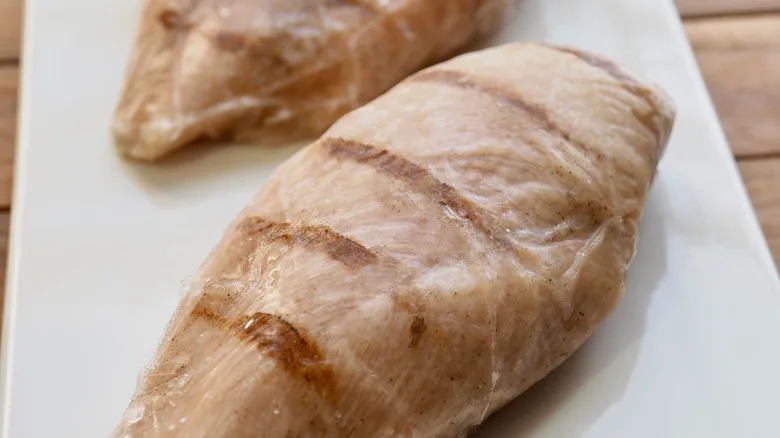
How to Prevent Frozen Chicken Breasts from Sticking Together in Commercial Kitchens
Let me tell you about the time I nearly lost my mind in a Nashville diner’s walk-in freezer. It was 5:30 AM, the breakfast rush was about to hit, and I was staring at a solid block of frozen chicken breasts that looked like they’d been superglued together by some sadistic kitchen gremlin. I’d just started consulting for this place, and the chef, let’s call him Dave, shrugged like it was no big deal. “Happens all the time,” he said. “We just whack it with a meat mallet.”
I stood there, frozen myself (pun absolutely intended), watching as he chipped away at what was supposed to be 50 perfectly portioned breasts. By the time he was done, we had chicken shrapnel, a dent in the freezer wall, and a prep line that was now 20 minutes behind. That’s when I realized: preventing frozen chicken breasts from sticking together isn’t just about convenience, it’s about efficiency, food safety, and not wanting to cry before your first cup of coffee.
If you’re running a commercial kitchen, you already know the drill. You order in bulk to save money, but then you’re left wrestling with a 20-pound block of chicken that’s fused together like it’s auditioning for a role in *Frozen II*. The good news? There are ways to keep those breasts (the chicken kind) separate, intact, and ready to cook without turning your prep station into a demolition site. In this guide, I’ll walk you through the science, the hacks, and the hard-earned lessons from kitchens that have been there, done that, and still have the emotional scars to prove it. By the end, you’ll know how to store, thaw, and handle frozen chicken like a pro, no mallets required.
The Science Behind Why Frozen Chicken Breasts Stick Together
It’s Not You, It’s the Ice Crystals
First, let’s talk about why this happens in the first place. When chicken breasts freeze, the water inside them turns to ice. But here’s the thing: water doesn’t freeze uniformly. As the temperature drops, ice crystals form and grow, and if the chicken breasts are touching, those crystals can bridge the gap between them. Over time, especially if there’s any thawing and refreezing, those ice bridges become stronger, turning your once-separate pieces of chicken into a single, stubborn block.
I remember the first time I learned this. I was working at a catering company in the Bay Area, and our freezer had just gone through a minor meltdown (literally). The power flickered, the temperature spiked, and by the time we caught it, our entire stock of chicken breasts had turned into a single, lumpy mass. The chef at the time, a no-nonsense woman named Maria, pulled me aside and said, “Sammy, ice is like glue. And glue is the enemy.” She wasn’t wrong. Surface moisture is the culprit here, and if you don’t control it, you’re basically asking for a chicken brick.
The Role of Packaging (or Lack Thereof)
Now, let’s talk about packaging. If you’re buying chicken in bulk, chances are it’s coming in large bags or boxes. And if those bags aren’t properly sealed or if they’ve been punctured, you’re inviting trouble. Air exposure leads to freezer burn, and freezer burn leads to moisture loss, and that moisture has to go somewhere. Often, it ends up on the surface of the chicken, where it refreezes and creates those pesky ice bridges.
I’ve seen kitchens where the staff just tosses the chicken into the freezer in whatever packaging it came in, no questions asked. Spoiler: that’s a one-way ticket to Stickytown. Even if the packaging is intact, if it’s not designed for long-term freezer storage, you’re still at risk. Vacuum-sealed bags are your best friend here, but we’ll get into that later.
Temperature Fluctuations: The Silent Killer
Here’s something that might surprise you: it’s not just the initial freezing that causes sticking, it’s the thawing and refreezing. Every time the temperature in your freezer rises and falls, even slightly, you’re giving those ice crystals a chance to grow and bond. This is why walk-in freezers with poor temperature control are a nightmare for bulk storage.
I learned this the hard way when I was working with a food truck in Nashville. We had a small freezer that was constantly being opened and closed, and the temperature was all over the place. Within a week, our chicken breasts had turned into a solid mass. The owner, a guy named Jake, just sighed and said, “I guess we’re making chicken nuggets today.” Not ideal. Consistent freezer temperatures are non-negotiable if you want to avoid the stick.
Pre-Freezing Prep: How to Set Yourself Up for Success
Portioning Before Freezing
If you’re buying chicken breasts in bulk, the first step to preventing sticking is portioning them before they even hit the freezer. This might seem like extra work upfront, but trust me, it’s worth it. When you portion the chicken, you’re not just making it easier to grab what you need later, you’re also minimizing the surface area that can come into contact with other pieces.
Here’s how I do it: I lay out the chicken breasts on a sheet pan lined with parchment paper, making sure they’re not touching. Then, I freeze them individually for about an hour, just long enough to firm up the outer layer. This is called “flash freezing”, and it’s a game-changer. Once they’re firm, I transfer them to a larger container or bag for long-term storage. This way, even if they do touch later, they won’t stick because that outer layer is already frozen solid.
Is this the most efficient method? Maybe not if you’re in a rush. But if you’re planning ahead (and let’s be real, in a commercial kitchen, you should be), it’s a lifesaver. I’ve worked in kitchens where we’d portion and flash freeze entire shipments of chicken as soon as they arrived. It took an extra 30 minutes, but it saved us hours of frustration later.
Choosing the Right Packaging
Not all packaging is created equal, and if you’re serious about preventing sticking, you need to invest in the right materials. Here’s what I’ve found works best:
- Vacuum-sealed bags: These are the gold standard. By removing all the air, you’re eliminating the moisture that can lead to ice crystals. Plus, vacuum-sealed bags are durable and stack well in the freezer. The downside? They can be expensive, and you’ll need a vacuum sealer. But if you’re storing large quantities, it’s worth the investment.
- Freezer paper: This is a more budget-friendly option. Freezer paper is coated with a thin layer of plastic, which helps protect the chicken from air and moisture. Wrap each breast individually, making sure the paper is sealed tightly. It’s not as foolproof as vacuum sealing, but it’s a solid alternative.
- Plastic wrap + freezer bags: If you’re in a pinch, you can wrap each breast in plastic wrap and then place them in a freezer bag. The key here is to press out as much air as possible before sealing the bag. It’s not perfect, but it’s better than nothing.
- Avoid regular plastic bags: These are not designed for freezer storage. They’re thin, they tear easily, and they don’t provide a good barrier against air. If you use them, you’re basically asking for freezer burn and sticking.
I’ll admit, I’ve made the mistake of cutting corners with packaging. Early in my career, I thought, “Eh, it’s just chicken. How bad could it be?” Famous last words. Within a week, I had a block of chicken that could’ve doubled as a doorstop. Don’t be like me. Invest in the right packaging.
The Flash Freezing Hack
I mentioned flash freezing earlier, but it’s worth diving into a little deeper. Flash freezing is all about freezing the chicken quickly and individually before storing it in bulk. Here’s how to do it right:
- Prep the chicken: Pat the chicken breasts dry with paper towels. This removes excess moisture, which is key to preventing sticking. If the chicken is wet, that moisture will freeze and create ice bridges.
- Line a sheet pan: Use a sheet pan lined with parchment paper or a silicone mat. Make sure the pan is large enough to hold the chicken in a single layer without overlapping.
- Arrange the chicken: Place the chicken breasts on the pan, leaving a little space between each one. If they’re touching, they’ll stick.
- Freeze: Pop the pan into the freezer and let it sit for about an hour, or until the chicken is firm to the touch. You don’t need to freeze it all the way through, just enough to create a solid outer layer.
- Transfer to storage: Once the chicken is firm, transfer it to a vacuum-sealed bag, freezer bag, or airtight container. Label it with the date and contents, and return it to the freezer.
This method works because the quick freeze prevents large ice crystals from forming. Those large crystals are what cause the sticking, so by flash freezing, you’re nipping the problem in the bud. I’ve used this technique in every kitchen I’ve worked in, and it’s never let me down. Well, except for that one time I forgot to label the pan and someone mistook it for leftovers. Lesson learned: always label your stuff.
Storage Strategies to Keep Chicken Separate
Layering Techniques That Actually Work
Once your chicken is portioned and packaged, the next step is storing it in a way that minimizes contact. This is where layering techniques come into play. The goal is to create a system where the chicken breasts aren’t pressed together, even if they shift around in the freezer.
Here’s what I’ve found works best:
- Use dividers: If you’re storing chicken in a large container, use dividers to separate the layers. You can buy plastic dividers designed for freezer storage, or you can DIY it with parchment paper or cardboard. The key is to create a barrier between the layers so the chicken doesn’t stick.
- Stack vertically: Instead of piling chicken breasts on top of each other, try stacking them vertically. This reduces the surface area that’s in contact with other pieces. You can use small bins or even muffin tins to keep them upright.
- Leave space: Don’t overcrowd your freezer. If you pack it too tightly, the chicken will shift and press together. Leave a little breathing room so the cold air can circulate.
I’ll never forget the time I walked into a kitchen where the chef had stored an entire shipment of chicken in a single, massive bin. It was like a chicken Jenga tower, and it took three of us 20 minutes to dig out what we needed. Overcrowding is the enemy of efficiency.
The Power of Parchment Paper
Parchment paper is one of those kitchen staples that doesn’t get enough credit. It’s cheap, it’s versatile, and it’s a lifesaver when it comes to preventing sticking. Here’s how to use it:
- Between layers: If you’re stacking chicken breasts in a container, place a sheet of parchment paper between each layer. This creates a barrier that prevents sticking.
- Individual wrapping: You can also wrap each breast in parchment paper before freezing. This adds an extra layer of protection against ice crystals and makes it easier to grab just what you need.
- Underneath: Line your sheet pans or storage containers with parchment paper before adding the chicken. This makes cleanup easier and helps prevent sticking.
I keep a roll of parchment paper in my freezer at all times. It’s one of those small things that makes a big difference. Plus, it’s compostable, so you’re not adding to the plastic waste problem. Win-win.
Freezer Organization: A Place for Everything
If your freezer looks like a game of Tetris gone wrong, it’s time to rethink your organization. A well-organized freezer isn’t just about aesthetics, it’s about preventing sticking and making your life easier. Here’s how to do it:
- Use clear bins: Store chicken in clear, stackable bins so you can see what’s inside without digging. Label each bin with the contents and date so you know what’s what.
- First in, first out (FIFO): This is a basic kitchen principle, but it’s worth repeating. Store newer shipments behind older ones so you use up the older chicken first. This prevents freezer burn and ensures nothing gets forgotten.
- Designate zones: If you have a large freezer, designate specific zones for different types of food. For example, keep all your proteins in one area, vegetables in another, and so on. This makes it easier to find what you need and reduces the risk of cross-contamination.
I’ve worked in kitchens where the freezer was a black hole. You’d open the door, and half the stuff would fall out because it was packed so tightly. A little organization goes a long way.
Thawing Without the Stick: Best Practices
Why Thawing Matters
Thawing might seem like a separate issue from sticking, but it’s all connected. If you thaw chicken improperly, you’re not just risking food safety, you’re also increasing the chances of sticking. Moisture is the enemy here, and if you’re not careful, that moisture will refreeze and turn your chicken into a solid block.
I’ve seen kitchens where the staff would leave chicken out on the counter to thaw overnight. Not only is this a food safety nightmare, but it also creates a mess of moisture that can lead to sticking. Proper thawing is just as important as proper freezing.
The Safest Thawing Methods
Here are the best ways to thaw chicken without ending up with a sticky mess:
- Refrigerator thawing: This is the safest and most reliable method. Simply transfer the chicken from the freezer to the fridge and let it thaw slowly. It takes longer (usually 24 hours for every 5 pounds), but it’s worth it. The chicken thaws evenly, and there’s no risk of refreezing.
- Cold water thawing: If you’re in a hurry, you can thaw chicken in cold water. Place the chicken in a leak-proof bag and submerge it in cold water. Change the water every 30 minutes to keep it cold. This method is faster than refrigerator thawing (about 1 hour per pound), but it requires more attention.
- Microwave thawing: This is the fastest method, but it’s also the riskiest. If you’re not careful, you can end up with partially cooked chicken, which is a food safety no-no. If you go this route, use the defrost setting and check the chicken frequently.
I’ll be honest: I’ve cut corners with thawing in the past. There was this one time I was catering a last-minute event, and I needed chicken ASAP. I threw a block of frozen chicken into a sink of warm water, thinking I’d save time. Big mistake. Not only did the chicken thaw unevenly, but it also started to cook on the outside while the inside was still frozen. Don’t be like me. Plan ahead.
How to Handle Thawed Chicken to Prevent Refreezing
Once your chicken is thawed, the last thing you want is for it to refreeze. Refreezing leads to moisture loss, texture changes, and, you guessed it, sticking. Here’s how to handle thawed chicken to keep it in top shape:
- Pat it dry: Before cooking, pat the chicken dry with paper towels. This removes excess moisture that can lead to sticking or uneven cooking.
- Use it quickly: Thawed chicken should be used within 1-2 days. The longer it sits in the fridge, the more moisture it loses, and the greater the risk of sticking if you refreeze it.
- Avoid refreezing: If you must refreeze thawed chicken, do it as quickly as possible. Use a vacuum sealer to remove as much air as possible, and label it clearly so you know it’s been thawed and refrozen.
I’ve worked in kitchens where we’d thaw more chicken than we needed “just in case.” More often than not, that extra chicken would end up refrozen, and by the time we used it, it was dry and tough. Thaw only what you need.
Equipment That Can Help (or Hurt) Your Efforts
Vacuum Sealers: Worth the Investment?
If you’re serious about preventing sticking, a vacuum sealer is one of the best investments you can make. Vacuum sealers remove all the air from the packaging, which eliminates the moisture that leads to ice crystals and sticking. They’re not cheap, but they pay for themselves in the long run by reducing waste and improving food quality.
Here’s what to look for in a vacuum sealer:
- Chamber vs. nozzle: Chamber vacuum sealers are more expensive but better for bulk storage. Nozzle sealers are more affordable but can be finicky with liquids.
- Durability: Commercial kitchens are tough on equipment. Look for a sealer that’s built to last, with a strong motor and durable seals.
- Ease of use: If it’s too complicated, your staff won’t use it. Look for a model with simple controls and clear instructions.
I’ve used vacuum sealers in every kitchen I’ve worked in, and I can’t imagine going back. They’re a game-changer for bulk storage. That said, they’re not foolproof. I’ve had my fair share of failed seals and messy bags. Practice makes perfect.
Freezer Temperature Control: The Unsung Hero
Your freezer is the first line of defense against sticking, and if it’s not working properly, you’re fighting a losing battle. Consistent freezer temperatures are non-negotiable. Here’s what you need to know:
- Ideal temperature: Your freezer should be set to 0°F (-18°C) or below. This is the sweet spot for preventing ice crystals and keeping food safe.
- Temperature fluctuations: Even small fluctuations can cause problems. If your freezer is constantly cycling between 0°F and 10°F, you’re risking sticking and freezer burn.
- Monitoring: Use a freezer thermometer to keep an eye on the temperature. If it starts to rise, you’ll know before it becomes a problem.
I’ve worked in kitchens where the freezer was more like a refrigerator, constantly hovering around 20°F. The chicken was always mushy, and the sticking was out of control. Don’t let this happen to you. Invest in a good freezer and keep an eye on the temperature.
Sheet Pans and Racks: Small Tools, Big Impact
You don’t need fancy equipment to prevent sticking. Sometimes, the simplest tools are the most effective. Sheet pans and racks are your best friends when it comes to flash freezing and storage. Here’s how to use them:
- Sheet pans: Use these for flash freezing. Line them with parchment paper or a silicone mat, arrange the chicken in a single layer, and freeze. Once the chicken is firm, transfer it to storage.
- Cooling racks: If you’re thawing chicken in the fridge, place it on a cooling rack over a sheet pan. This allows air to circulate and prevents moisture from pooling.
- Stackable racks: These are great for storing chicken in the freezer. They keep the chicken elevated and allow air to circulate, which helps prevent sticking.
I keep a stack of sheet pans in my freezer at all times. They’re cheap, they’re versatile, and they make a huge difference. Don’t underestimate the power of simple tools.
Common Mistakes and How to Avoid Them
Overcrowding the Freezer
I’ve already mentioned this, but it’s worth repeating: overcrowding your freezer is a recipe for disaster. When you pack too much into the freezer, the air can’t circulate, and the temperature becomes uneven. This leads to sticking, freezer burn, and a whole host of other problems.
Here’s how to avoid overcrowding:
- Leave space: Don’t fill your freezer to the brim. Leave at least 2-3 inches of space between items to allow air to circulate.
- Use bins: Store chicken in bins rather than loose in the freezer. This makes it easier to organize and prevents overcrowding.
- Rotate stock: Use the FIFO method to ensure you’re not holding onto chicken for too long. The less stuff in your freezer, the better.
I’ve seen kitchens where the freezer was so packed, you had to play Tetris to get anything out. It’s not worth it. Keep your freezer organized and spacious.
Ignoring Moisture
Moisture is the root of all sticking evil. If you ignore it, you’re asking for trouble. Every drop of moisture on the surface of your chicken is a potential ice bridge. Here’s how to keep moisture in check:
- Pat it dry: Before freezing, pat the chicken dry with paper towels. This removes excess moisture that can lead to sticking.
- Use absorbent materials: Place a paper towel in the bottom of your storage container to absorb any moisture that might accumulate.
- Avoid condensation: If you’re transferring chicken from a cold environment to a warmer one, condensation can form on the surface. To prevent this, let the chicken come to room temperature before packaging it for the freezer.
I’ll admit, I’ve skipped the patting-dry step more times than I’d like to admit. It’s easy to think, “Eh, it’s just a little moisture.” But that “little moisture” adds up. Don’t make the same mistake.
Skipping the Flash Freeze
Flash freezing is one of those steps that’s easy to skip, especially when you’re in a hurry. But if you do, you’re risking sticking. Flash freezing creates a protective barrier that prevents ice crystals from forming between the chicken breasts. Here’s why it’s worth the extra time:
- Prevents sticking: By freezing the outer layer quickly, you’re creating a barrier that prevents the chicken from fusing together.
- Improves texture: Flash freezing prevents large ice crystals from forming, which can damage the cell structure of the meat. This leads to better texture when you cook it.
- Saves time later: When you flash freeze, you’re making it easier to grab just what you need later. No more chiseling away at a block of chicken.
I’ve worked in kitchens where we skipped the flash freeze because we were “too busy.” Big mistake. Within a week, we had a chicken brick on our hands. Don’t skip this step.
Real-World Solutions from Commercial Kitchens
Case Study: The Nashville Diner That Got It Right
Remember Dave, the chef I mentioned at the beginning of this article? After that disastrous morning, I sat down with him and his team to overhaul their chicken storage process. Here’s what we did:
- Portioned and flash froze: As soon as the chicken arrived, we portioned it into individual breasts and flash froze them on sheet pans.
- Vacuum sealed: Once the chicken was firm, we vacuum sealed it in small batches. This made it easy to grab just what we needed for each shift.
- Organized the freezer: We designated a specific zone in the freezer for chicken and used clear bins to keep everything organized. We also labeled everything with the date and contents.
- Trained the staff: We held a training session to teach the staff how to properly thaw and handle the chicken. This included patting it dry before cooking and using the FIFO method.
The result? No more chicken bricks. No more mallet-induced dents in the freezer wall. Just smooth, efficient prep every morning. It was a game-changer.
What High-Volume Kitchens Do Differently
High-volume kitchens don’t have time for sticking. They need their chicken to be ready to go at a moment’s notice. Here’s what they do differently:
- Invest in equipment: High-volume kitchens often invest in commercial vacuum sealers and blast freezers. These tools allow them to freeze chicken quickly and efficiently, which prevents sticking.
- Pre-portion everything: They portion chicken before freezing, so they can grab exactly what they need without thawing a whole block.
- Use racks and dividers: They store chicken on racks or in dividers to prevent contact and allow air to circulate.
- Monitor freezer temps: They use digital thermometers to keep an eye on the freezer temperature. If it starts to rise, they know before it becomes a problem.
I’ve toured a few high-volume kitchens in Nashville, and the difference is night and day. They don’t cut corners. They know that a little extra effort upfront saves them hours of frustration later.
Lessons from a Food Truck Freezer Disaster
Earlier, I mentioned my food truck freezer disaster. Here’s what went wrong and how we fixed it:
The problem:
- The freezer was small and constantly being opened and closed, which caused temperature fluctuations.
- The chicken was stored in large bags, which made it easy for the breasts to stick together.
- We didn’t portion the chicken before freezing, so we had to thaw the whole bag every time we needed just a few breasts.
The solution:
- Upgraded the freezer: We invested in a small blast freezer that could handle the temperature fluctuations better.
- Portioned the chicken: We started portioning the chicken into individual breasts and flash freezing them before storing them in vacuum-sealed bags.
- Organized the freezer: We used small bins to keep the chicken organized and prevent overcrowding.
The result? No more chicken bricks. No more last-minute nugget-making. Just smooth, efficient prep every day. It was a hard lesson, but a valuable one.
Wrapping Up: Your Action Plan to Prevent Sticking
Alright, let’s recap. Preventing frozen chicken breasts from sticking together in a commercial kitchen isn’t rocket science, but it does require a little planning and effort. Here’s your action plan:
- Portion before freezing: Don’t freeze chicken in large blocks. Portion it into individual breasts or small batches before freezing.
- Flash freeze: Freeze the chicken on sheet pans for about an hour before transferring it to storage. This creates a protective barrier that prevents sticking.
- Use the right packaging: Vacuum-sealed bags are the gold standard, but freezer paper or plastic wrap + freezer bags can work in a pinch.
- Organize your freezer: Use clear bins, dividers, and labels to keep your freezer organized. Don’t overcrowd it.
- Monitor the temperature: Keep your freezer at 0°F (-18°C) or below, and use a thermometer to monitor it.
- Thaw properly: Thaw chicken in the fridge, in cold water, or in the microwave (if you’re in a hurry). Avoid leaving it out on the counter.
- Pat it dry: Before freezing or cooking, pat the chicken dry to remove excess moisture.
- Train your staff: Make sure everyone knows how to properly handle and store chicken. A little training goes a long way.
Is this the only way to do things? Of course not. Every kitchen is different, and what works for one might not work for another. But if you follow these steps, you’ll be well on your way to chicken that’s separate, intact, and ready to cook, no mallets required.
So, what’s your next move? Maybe it’s investing in a vacuum sealer. Maybe it’s reorganizing your freezer. Or maybe it’s just patting your chicken dry before freezing. Whatever it is, take action today. Your future self (and your prep line) will thank you.
FAQ
Q: Can I use wax paper instead of parchment paper to prevent sticking?
A: Wax paper isn’t ideal for freezer storage because it’s not as durable as parchment paper. It can tear easily and doesn’t provide as good a barrier against moisture. If you’re in a pinch, you can use it, but parchment paper is the better choice.
Q: How long can I store flash-frozen chicken in the freezer?
A: Flash-frozen chicken can be stored in the freezer for up to 9 months if it’s properly packaged. After that, the quality starts to decline, and you risk freezer burn. Always label your chicken with the date so you know how long it’s been in there.
Q: Is it safe to refreeze chicken that’s been thawed?
A: It’s safe to refreeze chicken that’s been thawed in the refrigerator, but the quality will suffer. Refreezing can lead to moisture loss and texture changes. If you must refreeze, do it as quickly as possible and use a vacuum sealer to remove as much air as possible.
Q: What’s the best way to thaw a large block of frozen chicken breasts?
A: The best way to thaw a large block is in the refrigerator. Place the block in a leak-proof bag and submerge it in cold water to speed up the process. Change the water every 30 minutes to keep it cold. Once the block is thawed, you can separate the breasts and cook them as needed. Avoid thawing at room temperature, as this can lead to food safety issues.
@article{how-to-prevent-frozen-chicken-breasts-from-sticking-together-in-commercial-kitchens-a-chefs-hard-won-guide,
    title   = {How to Prevent Frozen Chicken Breasts from Sticking Together in Commercial Kitchens: A Chef’s Hard-Won Guide},
    author  = {Chef's icon},
    year    = {2026},
    journal = {Chef's Icon},
    url     = {https://chefsicon.com/how-to-prevent-frozen-chicken-breasts-from-sticking-together-commercial-kitchens/}
}