The Best Fluffy Pancakes recipe you will fall in love with. Full of tips and tricks to help you make the best pancakes.
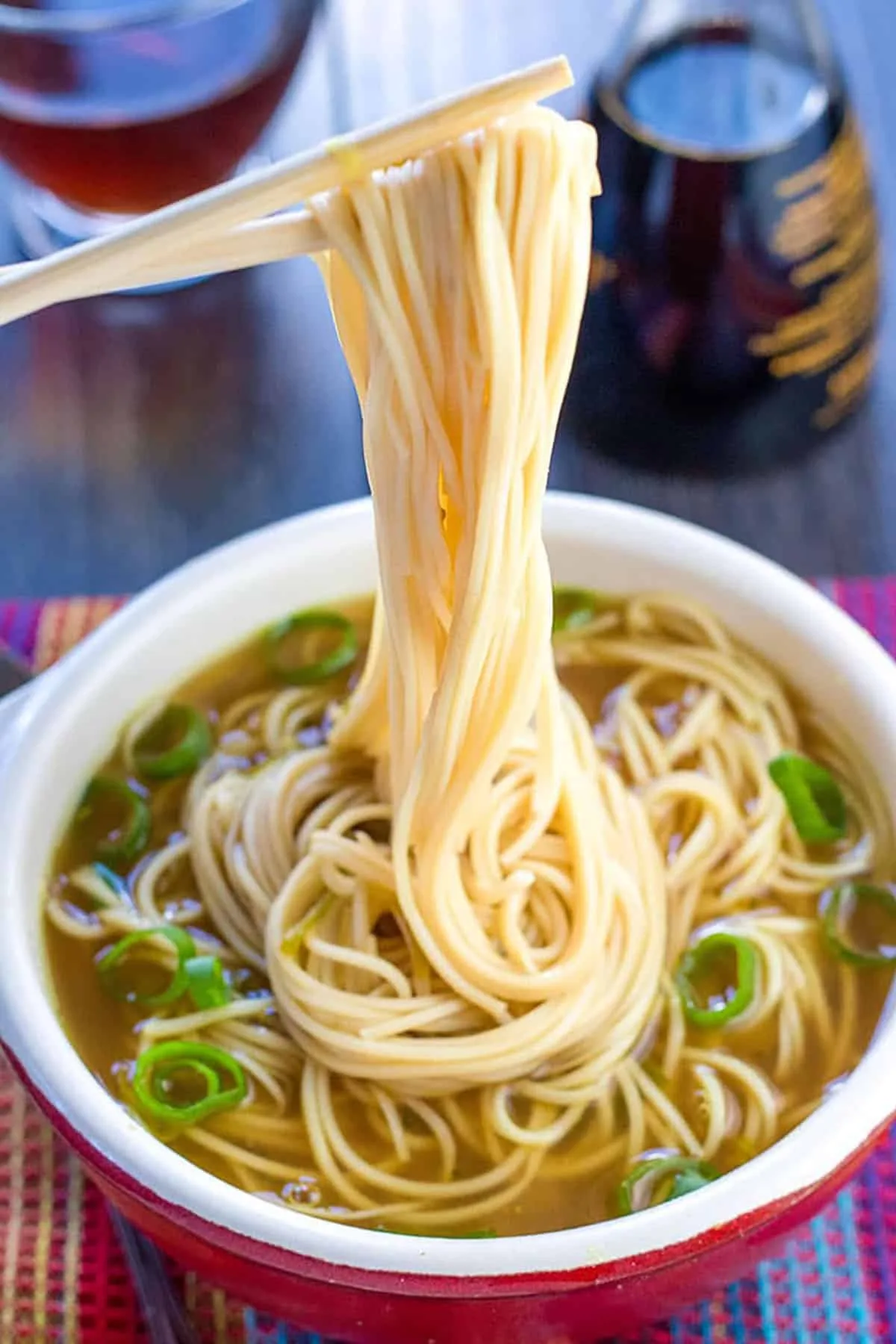
Let me tell you about the time I walked into a tiny noodle shop in Nashville’s Chinatown district, well, what passes for Chinatown here anyway. The place was packed, steam rising from giant pots, the air thick with the smell of star anise and chili oil. The owner, a woman in her 60s with hands that moved like she was conducting an orchestra, was ladling out bowls of pho at a speed that made my head spin. I asked her, “How do you keep up with this?” She wiped her brow, looked around at her setup, and said, “You don’t need fancy. You need the right tools.”
That stuck with me. Because here’s the thing: opening a noodle soup restaurant isn’t just about perfecting your broth recipe (though, let’s be real, that’s 80% of the battle). It’s about having the right equipment to turn that broth into a well-oiled machine. Too many first-timers get dazzled by shiny gadgets or overspend on things they’ll barely use. Others scrimp on the essentials and end up with a kitchen that can’t keep up with demand. So, what’s the sweet spot? That’s what this checklist is for.
By the end of this, you’ll know exactly what you need to equip your noodle soup restaurant, from the non-negotiables to the nice-to-haves, and even a few things you can probably skip. I’ll walk you through the must-haves, the hidden costs, and the little details that most guides overlook. And yeah, I’ll throw in some personal opinions because, at the end of the day, this is your kitchen, not a textbook. Let’s dive in.
The Heart of the Operation: Broth Production
1. The Stockpot Dilemma: Size, Material, and Why It Matters
If there’s one piece of equipment that’ll make or break your noodle soup restaurant, it’s your stockpot. This isn’t the time to cheap out, but it’s also not the time to go overboard. Let’s talk options.
First, size. You’re going to need at least a 100-quart stockpot for a small to medium-sized operation. Why? Because broth isn’t something you can make in small batches if you’re serving 100+ bowls a day. A 100-quart pot will let you simmer enough broth to last through lunch service, with some left over for dinner. If you’re planning to scale up, consider a 200-quart-but be warned, these beasts take up serious space and require a lot of energy to heat. I’ve seen restaurants try to get by with 50-quart pots, and it’s a nightmare. They’re constantly refilling, which means inconsistent flavor and a kitchen that’s always playing catch-up.
Now, material. Stainless steel is the gold standard here. It’s durable, easy to clean, and won’t react with acidic ingredients (looking at you, tom yum soup). Avoid aluminum, it’s cheaper, but it can warp over time and might give your broth a metallic taste. Some chefs swear by copper for heat conductivity, but it’s expensive and high-maintenance. Unless you’re running a high-end establishment, stainless steel is your best bet.
And then there’s the shape. You might think a tall, narrow pot is better for simmering, but a wider, shallower pot actually gives you more surface area for skimming impurities. Trust me, you’ll be doing a lot of skimming. A wide-mouthed stockpot is ideal for this.
Where to buy? Chef’s Deal has a solid selection of commercial-grade stockpots, and their free kitchen design services can help you figure out how to fit one into your space. They also offer financing options, which is a lifesaver when you’re staring down a $2,000 price tag for a 200-quart pot. Is this the best approach? Maybe. Or maybe you find a used one in good condition. But if you’re starting from scratch, it’s worth considering a supplier that can bundle this with other equipment you’ll need.
2. The Simmering Station: Burners, Ranges, and Heat Control
You can’t just plop your stockpot on any old burner and call it a day. Noodle soup broths require precise heat control-too hot, and you’ll scorch the bottom; too cool, and you won’t extract enough flavor. So, what’s the best setup?
First, let’s talk burners. A high-BTU wok burner is a great option if you’re making broths that require a quick boil followed by a long simmer. These burners can crank out 100,000+ BTUs, which is overkill for most home cooks but perfect for a commercial kitchen. The downside? They’re loud, and they can be a gas guzzler. If you’re going electric, look for an induction range with precise temperature control. Induction is more energy-efficient and safer (no open flame), but it’s also more expensive upfront.
For most noodle soup restaurants, a commercial range with multiple burners is the way to go. You’ll want at least two burners dedicated to broth, one for the main stockpot and another for smaller batches or secondary broths (like a clear chicken broth for pho tai). A six-burner range is a good middle ground for a medium-sized operation. If you’re tight on space, consider a restaurant-grade hot plate with adjustable heat settings. It’s not ideal, but it’ll get the job done in a pinch.
Now, here’s where things get tricky: heat distribution. Ever notice how some stockpots have hot spots? That’s a recipe for disaster when you’re simmering broth for 12+ hours. Look for a heavy-bottomed pot or a range with even heat distribution. Some high-end ranges come with flame tamers or heat diffusers, which help spread the heat evenly. It’s a small detail, but it makes a big difference in the quality of your broth.
And don’t forget about ventilation. Simmering broth all day means a lot of steam and grease in the air. A commercial-grade hood is non-negotiable. Make sure it’s rated for the BTUs of your burners, otherwise, you’ll be setting off fire alarms every time you turn up the heat. Chef’s Deal offers comprehensive kitchen design services that include ventilation planning, which can save you a headache (and a fine) down the road.
The Noodle Game: From Dough to Bowl
3. Noodle Making Machines: Do You Really Need One?
Here’s a question I get a lot: “Should I make my noodles from scratch, or buy them pre-made?” The answer, like most things in life, is: it depends.
If you’re running a high-volume noodle soup restaurant, making your noodles from scratch can be a game-changer. Homemade noodles have a texture and flavor that pre-made just can’t match. But, and this is a big but, it’s a huge time and labor commitment. You’ll need a noodle-making machine, which isn’t cheap, and someone on staff who knows how to use it. Is it worth it? Maybe. If you’re serving a niche market (like hand-pulled lamian or fresh udon), then yes, absolutely. But if you’re just making basic wheat noodles for ramen, you might be better off buying them from a reputable supplier.
Let’s say you decide to go for it. What kind of noodle machine do you need? There are a few options:
- Extruder machines: These push dough through a die to create noodles. They’re great for uniform shapes like spaghetti or soba, but they can be finicky with certain dough consistencies. Expect to pay $3,000–$10,000 for a commercial-grade model.
- Sheeter machines: These roll out dough into thin sheets, which you then cut into noodles. They’re more versatile than extruders and can handle a wider range of dough types. A good commercial sheeter will run you $5,000–$15,000.
- Hand-pulled noodle machines: If you’re making lamian or other hand-stretched noodles, you’ll need a machine that mimics the pulling motion. These are specialized and expensive ($8,000+), but they’re a must if you’re going for authenticity.
Now, here’s the thing: not all noodle machines are created equal. Cheaper models might save you money upfront, but they’ll cost you in the long run with inconsistent noodles and frequent breakdowns. I’ve seen restaurants try to cut corners with a $1,500 machine, only to end up with noodles that are too thick, too thin, or just plain mushy. If you’re serious about making noodles in-house, invest in a high-quality machine from a reputable supplier. Chef’s Deal carries a range of noodle-making equipment, and their team can help you figure out which one fits your needs and budget.
But what if you decide to buy pre-made noodles? That’s totally valid, especially if you’re just starting out. The key is finding a supplier that delivers fresh, high-quality noodles on a consistent basis. Look for a local Asian market or a specialty distributor. And don’t be afraid to ask for samples, you want noodles that hold up in broth, not ones that turn to mush after 30 seconds.
4. Noodle Cooking: The Right Pot for the Job
Alright, so you’ve got your noodles, now what? Cooking them properly is just as important as making them. And that means having the right pot.
First, let’s talk size. You’ll need at least a 30-quart pot for cooking noodles in batches. Why 30 quarts? Because noodles expand when they cook, and you don’t want them spilling over the sides. A 30-quart pot will let you cook enough noodles for 20–30 bowls at a time, which is manageable for most restaurants. If you’re cooking for a larger crowd, consider a 50-quart pot or even a noodle cooker with a built-in strainer.
Next, material. Stainless steel is the way to go here, just like with your stockpot. It’s durable, easy to clean, and won’t react with the noodles. Avoid non-stick coatings, they’re not necessary for noodles, and they won’t hold up to the high heat and frequent use of a commercial kitchen.
Now, here’s where things get interesting: heat source. You might think a standard burner is fine, but noodles cook best in rapidly boiling water. That means you need a high-BTU burner or an induction cooktop that can bring water to a boil quickly and keep it there. Some restaurants use a steam-jacketed kettle for noodles, which is a great option if you’re cooking large quantities. These kettles use steam to heat the water evenly, and they come with a built-in strainer, which makes draining the noodles a breeze.
And don’t forget about draining. You’ll need a large colander or strainer to drain the noodles after cooking. Some noodle cookers come with a built-in strainer, which is a huge time-saver. If you’re using a regular pot, make sure you have a colander that fits inside it, otherwise, you’ll be fishing noodles out with a spider strainer, and that’s just asking for trouble.
Finally, timing. Noodles cook fast, and they can go from perfect to overcooked in seconds. That’s why it’s a good idea to have a timer or kitchen display system to keep track of cooking times. Some restaurants use a color-coded system-green for fresh noodles, yellow for cooking, red for done. It’s a simple trick, but it can save you a lot of headaches during a busy service.
The Assembly Line: Prep Stations and Workflow
5. Prep Stations: Where the Magic Happens
Noodle soup isn’t just about the broth and noodles, it’s about the toppings, garnishes, and condiments that make each bowl unique. And that means you need a well-organized prep station.
First, let’s talk worktables. You’ll need at least two: one for raw prep (chopping vegetables, slicing meat, etc.) and one for assembly (putting together the bowls). Stainless steel is the way to go here, it’s durable, easy to clean, and resistant to bacteria. Look for a table with a backsplash to keep ingredients from sliding onto the floor, and make sure it’s the right height for your staff. A table that’s too high or too low will lead to back pain and slow service.
Next, cutting boards. You’ll need at least two: one for raw ingredients (like meat and seafood) and one for ready-to-eat items (like herbs and garnishes). Color-coding your cutting boards is a great way to prevent cross-contamination. For example, red for raw meat, green for vegetables, blue for seafood. It’s a small detail, but it makes a big difference in food safety.
Now, let’s talk knives. A good chef’s knife is essential, but you’ll also need a few specialty knives for noodle soup prep. A cleaver is great for chopping bones and tough vegetables, while a paring knife is perfect for delicate work like trimming herbs. And don’t forget a slicer for thin cuts of meat (like pho tai) or vegetables. A mandoline can also come in handy for julienning carrots or daikon.
And what about storage? You’ll need plenty of food pans and containers to hold your prepped ingredients. Look for NSF-certified containers, they’re designed for commercial kitchens and are easy to clean. And don’t forget labels. Labeling your containers with the date and contents is a simple way to keep track of freshness and prevent waste.
Finally, organization. A well-organized prep station is a happy prep station. Use shelving and racks to keep ingredients within easy reach, and consider a pegboard for hanging utensils. The less time your staff spends searching for things, the faster they can get bowls out the door.
6. The Soup Station: Where Bowls Come Together
This is where the magic happens, the soup station, where all the components of your noodle soup come together. And let me tell you, if this station isn’t set up right, your whole operation can grind to a halt.
First, you’ll need a hot holding station for your broth. This is where you’ll keep your broth warm and ready to go during service. A steam table is a great option, it keeps the broth at a consistent temperature and makes it easy to ladle into bowls. Some restaurants use a bain-marie, which is a water bath that keeps the broth warm without overcooking it. Whichever you choose, make sure it’s large enough to hold enough broth for a busy service.
Next, bowl warmers. Cold bowls are the enemy of good noodle soup. A bowl warmer keeps your bowls hot, so your soup stays warm longer. You can use a heat lamp, a warming cabinet, or even a steam table with a bowl rack. Some restaurants skip this step, but trust me, your customers will notice the difference.
Now, let’s talk toppings. You’ll need a way to keep your toppings fresh and accessible. A reach-in cooler with sliding doors is a great option, it keeps ingredients cold and makes it easy to grab what you need. Some restaurants use a salad bar setup, with toppings in chilled food pans. Whatever you choose, make sure it’s easy to clean and maintain.
And don’t forget about condiments. Sriracha, hoisin, chili oil, fish sauce, your customers will want to customize their bowls. A condiment caddy or small bowls with spoons are a must. Some restaurants use pump bottles for sauces, which can be a great time-saver. Just make sure they’re easy to refill and clean.
Finally, assembly. This is where the workflow really matters. You’ll want a logical flow from broth to noodles to toppings to garnishes. Some restaurants use a conveyor belt system, where bowls move down a line and each station adds its component. Others use a stationary setup, where staff move around to assemble the bowls. Whichever you choose, make sure it’s efficient and easy to follow.
Oh, and one more thing: portion control. It’s easy to overdo it with broth or noodles, especially during a busy service. A ladle with a measured scoop or a scale can help keep portions consistent. Some restaurants use color-coded ladles-one size for regular bowls, another for large. It’s a small detail, but it can make a big difference in food cost.
The Backbone: Refrigeration and Storage
7. Walk-In Coolers: Size, Layout, and Why It Matters
Let’s talk about walk-in coolers. If you’re running a noodle soup restaurant, you’re going to need one. And not just any walk-in, you need one that’s the right size, the right temperature, and the right layout for your operation.
First, size. A walk-in cooler is a big investment, so you want to make sure you get one that’s the right size for your needs. Too small, and you’ll be cramped for space; too large, and you’ll be wasting energy (and money) cooling empty space. A good rule of thumb is 1 cubic foot of storage for every 2–3 meals you serve per day. So, if you’re serving 200 bowls a day, you’ll need a walk-in that’s at least 70–100 cubic feet. But don’t forget to account for bulk ingredients-like 50-pound bags of flour or cases of vegetables, which take up more space than you might think.
Next, temperature. Your walk-in cooler should be set to 38–40°F (3–4°C). This is the sweet spot for keeping ingredients fresh without freezing them. Some restaurants try to save energy by setting the temperature higher, but that’s a recipe for spoilage. And don’t forget about humidity. Too much humidity can lead to mold and bacteria growth; too little can dry out your ingredients. A humidity-controlled walk-in is ideal, but it’s also more expensive. If you’re on a budget, a dehumidifier or moisture-absorbing packets can help.
Now, let’s talk layout. A well-organized walk-in cooler is a thing of beauty. You’ll want shelving on all four walls, with the most frequently used ingredients at eye level. Wire shelving is a great option, it’s durable, easy to clean, and allows for good air circulation. Some restaurants use sliding shelves or pull-out drawers for easier access. And don’t forget about floor space. You’ll need room for large items like kegs of broth or cases of noodles. A raised floor can help keep these items off the cold floor and make them easier to move.
And here’s a pro tip: label everything. A walk-in cooler is only as good as its organization. Label your shelves with the date and contents, and use a first-in, first-out (FIFO) system to ensure you’re using the oldest ingredients first. It’s a simple way to reduce waste and keep your kitchen running smoothly.
Where to buy? Chef’s Deal offers a range of walk-in coolers, and their free kitchen design services can help you figure out the right size and layout for your space. They also offer installation services, which can save you a lot of headaches (and potential fines if your walk-in isn’t up to code).
8. Under-Counter Refrigeration: The Unsung Hero
Walk-in coolers are great for bulk storage, but you’ll also need under-counter refrigeration for ingredients you use frequently. These units are a lifesaver during a busy service, they keep ingredients within easy reach and free up space in your walk-in.
First, let’s talk size. Under-counter refrigerators come in a range of sizes, from 24-inch wide units to 72-inch wide behemoths. The size you need depends on your menu and your space. A 48-inch wide unit is a good middle ground for most noodle soup restaurants, it’s large enough to hold a decent amount of ingredients but small enough to fit under a standard prep table.
Next, type. There are a few different types of under-counter refrigeration to choose from:
- Undercounter refrigerators: These are the most common type. They’re designed to fit under a counter or prep table and come with one or two doors. Some models have drawers instead of doors, which can be a great space-saver.
- Undercounter freezers: If you need to store frozen ingredients (like dumplings or frozen noodles), an undercounter freezer is a great option. Just make sure it’s self-defrosting-otherwise, you’ll be chipping ice off the coils every week.
- Undercounter prep tables: These units combine a refrigerator with a prep surface on top. They’re a great option if you’re tight on space, but they can be more expensive than a standalone refrigerator.
Now, let’s talk features. Not all under-counter refrigerators are created equal. Here are a few features to look for:
- Digital temperature control: This lets you set the temperature precisely and monitor it remotely. Some models even send alerts if the temperature rises above a certain level.
- Self-closing doors: These doors close automatically after a few seconds, which helps maintain a consistent temperature.
- Adjustable shelves: These let you customize the interior to fit your ingredients. Look for shelves that are easy to remove and clean.
- NSF certification: This means the unit meets strict standards for food safety and sanitation.
And don’t forget about maintenance. Under-counter refrigerators are workhorses, but they need regular maintenance to keep them running smoothly. Make sure you clean the coils every few months to prevent dust buildup, and check the door seals regularly to ensure they’re airtight. A preventative maintenance plan can help catch small issues before they turn into big problems.
Where to buy? Chef’s Deal carries a range of under-counter refrigeration units, and their team can help you find the right one for your needs. They also offer financing options, which can be a lifesaver when you’re outfitting a new kitchen.
The Extras: Nice-to-Haves vs. Must-Haves
9. Automated Noodle Cookers: Are They Worth It?
Let’s talk about automated noodle cookers. These machines promise to take the guesswork out of cooking noodles, they boil the water, cook the noodles to perfection, and even drain them for you. Sounds great, right? But are they worth the investment?
First, let’s look at the pros. Automated noodle cookers can save you a ton of time and labor. They cook noodles consistently, which means no more overcooked or undercooked batches. They also free up your staff to focus on other tasks, like assembling bowls or prepping toppings. And some models even come with built-in timers and temperature controls, so you can set it and forget it.
But, and this is a big but-they’re expensive. A good commercial-grade automated noodle cooker can run you $10,000–$20,000. And that’s not including installation or maintenance. If you’re a small operation, that’s a huge chunk of your budget. And let’s be real, if you’re only serving 50 bowls a day, you probably don’t need a machine that can cook 500.
Now, let’s talk cons. Automated noodle cookers are complex machines. They have a lot of moving parts, which means a lot of things that can go wrong. And if something does go wrong, you’ll need a specialized technician to fix it. That can mean downtime and expensive repairs. Some restaurants try to save money by buying a cheaper model, but that’s a gamble, you might end up with a machine that breaks down every few weeks.
So, who are these machines for? If you’re a high-volume noodle soup restaurant (think 200+ bowls a day), an automated noodle cooker might be worth the investment. It can save you time, labor, and headaches in the long run. But if you’re a smaller operation, you might be better off sticking with a good old-fashioned pot and strainer.
And here’s a thought: maybe you don’t need a fully automated machine. Some restaurants use a semi-automated noodle cooker, which requires a little more hands-on work but is still a huge time-saver. These machines cook the noodles and drain them, but you’ll need to load and unload them manually. They’re a good middle ground if you’re not ready to go all-in on automation.
Where to buy? Chef’s Deal carries a range of automated and semi-automated noodle cookers, and their team can help you figure out which one is right for your operation. They also offer financing options, which can make these expensive machines more accessible.
10. The Little Things: Utensils, Tools, and Gadgets
Alright, let’s talk about the little things-the utensils, tools, and gadgets that make a big difference in your noodle soup restaurant. These might not be as flashy as a 200-quart stockpot or an automated noodle cooker, but they’re just as important.
First, ladles. You’ll need at least two: one for broth and one for noodles. A 12-ounce ladle is a good size for broth, it’s large enough to fill a bowl quickly but small enough to control portions. For noodles, a slotted ladle or spider strainer is ideal. It lets you drain the water while keeping the noodles in the ladle, which makes it easy to transfer them to the bowl.
Next, tongs. A good pair of tongs is essential for grabbing noodles, meat, and vegetables. Look for tongs with serrated tips-they grip better than smooth ones. And make sure they’re long enough to reach into deep pots and bowls. Some restaurants use chopsticks for noodles, which is a great option if you’re going for authenticity. Just make sure they’re long and sturdy-no flimsy takeout chopsticks here.
Now, let’s talk scissors. A pair of kitchen shears is a must for cutting herbs, trimming meat, and even snipping noodles. Look for a pair with comfortable handles and sharp blades. And don’t forget a sharpening stone-dull scissors are worse than no scissors at all.
And what about bowls? You’ll need plenty of them, and they need to be durable and heat-resistant. Ceramic bowls are a classic choice, they’re heavy, which makes them feel substantial, and they retain heat well. But they’re also fragile and expensive. Melamine bowls are a great alternative, they’re lightweight, durable, and come in a range of colors and styles. Just make sure they’re NSF-certified for food safety.
Don’t forget about condiment bottles. Sriracha, hoisin, chili oil, your customers will want to customize their bowls. Pump bottles are a great option, they’re easy to use and easy to refill. Some restaurants use small bowls with spoons, which is a more traditional approach. Whichever you choose, make sure they’re easy to clean and refill.
And here’s a pro tip: invest in a good scale. Portion control is key in a noodle soup restaurant, and a digital scale can help you keep portions consistent. Some scales even come with portioning software, which can help you track food cost and reduce waste.
Finally, storage. You’ll need plenty of food pans, containers, and lids to hold your prepped ingredients. Look for NSF-certified containers, they’re designed for commercial kitchens and are easy to clean. And don’t forget labels. Labeling your containers with the date and contents is a simple way to keep track of freshness and prevent waste.
Where to buy? Chef’s Deal carries a range of utensils, tools, and gadgets, and their team can help you find the right ones for your needs. They also offer bulk discounts, which can save you money if you’re buying in large quantities.
Putting It All Together: The Noodle Soup Restaurant Equipment Checklist
Alright, let’s recap. Here’s your ultimate noodle soup restaurant equipment checklist, broken down by category. This is everything you need to get your kitchen up and running, plus a few nice-to-haves if you’ve got the budget.
Must-Haves:
- Broth Production:
- 100–200-quart stainless steel stockpot
- High-BTU wok burner or induction range
- Commercial-grade hood with proper ventilation
- Ladles and skimmers for broth
- Noodle Making/Cooking:
- Noodle-making machine (if making from scratch) or reliable supplier for pre-made noodles
- 30–50-quart stainless steel pot for cooking noodles
- High-BTU burner or steam-jacketed kettle for noodles
- Large colander or strainer for draining noodles
- Prep Stations:
- Stainless steel worktables with backsplashes
- Color-coded cutting boards
- Chef’s knives, cleavers, and slicers
- Food pans and containers for storage
- Soup Station:
- Steam table or bain-marie for holding broth
- Bowl warmer or heat lamp
- Reach-in cooler or salad bar setup for toppings
- Condiment caddy or pump bottles for sauces
- Refrigeration:
- Walk-in cooler (70–100 cubic feet for 200 bowls/day)
- Undercounter refrigeration for frequently used ingredients
- NSF-certified food pans and containers
- Utensils and Tools:
- Ladles, tongs, and kitchen shears
- Durable, heat-resistant bowls
- Digital scale for portion control
Nice-to-Haves:
- Automated noodle cooker (for high-volume operations)
- Semi-automated noodle cooker (for medium-volume operations)
- Copper stockpot (for high-end establishments)
- Steam-jacketed kettle for noodles (for large quantities)
- Conveyor belt system for bowl assembly (for high-volume operations)
Things You Can Probably Skip:
- Aluminum stockpots (they warp and can affect flavor)
- Cheap noodle-making machines (they break down and produce inconsistent noodles)
- Non-stick pots for noodles (they’re not necessary and won’t hold up)
- Flimsy utensils (they’ll break and slow you down)
And that’s it! This checklist covers everything you need to equip your noodle soup restaurant, from the essentials to the extras. Of course, every kitchen is different, so don’t be afraid to tweak this list to fit your specific needs. The most important thing is to start with the basics and build from there.
Oh, and one more thing: don’t forget about maintenance. Even the best equipment won’t last forever if you don’t take care of it. Make sure you clean your equipment regularly, check for wear and tear, and schedule preventative maintenance when needed. A little TLC goes a long way in a commercial kitchen.
Final Thoughts: The Big Picture
So, there you have it, the ultimate noodle soup restaurant equipment checklist. But here’s the thing: equipment is just one piece of the puzzle. The real key to success is your team. You can have the fanciest stockpot or the most high-tech noodle cooker, but if your staff doesn’t know how to use it, it’s all for nothing. Invest in training, communication, and teamwork, and your kitchen will run like a well-oiled machine.
And don’t forget about your customers. At the end of the day, they’re the ones who’ll be eating your noodle soup. Pay attention to their feedback, and don’t be afraid to tweak your recipes or adjust your menu based on what they’re telling you. A little flexibility goes a long way in the restaurant business.
So, what’s next? If you’re just starting out, start small. Focus on the essentials, and build from there. If you’re already up and running, take a look at your equipment and see if there’s anything you can upgrade or streamline. And if you’re feeling overwhelmed, reach out to a professional. Chef’s Deal offers free kitchen design services, and their team can help you figure out the best setup for your space and your budget.
And hey, if all else fails, just remember what that noodle shop owner in Nashville told me: “You don’t need fancy. You need the right tools.” Words to live by.
FAQ
Q: How much should I budget for equipment when opening a noodle soup restaurant?
A: It really depends on the size of your operation, but a good rule of thumb is to budget $50,000–$100,000 for equipment if you’re starting from scratch. This includes everything from stockpots and burners to refrigeration and utensils. If you’re buying used equipment or leasing, you can get away with less, but be prepared for higher maintenance costs down the road. And don’t forget to factor in installation and delivery fees-those can add up quickly.
Q: Can I use home kitchen equipment in my noodle soup restaurant?
A: Short answer: no. Home kitchen equipment isn’t designed for the high volume and constant use of a commercial kitchen. It’s also not NSF-certified, which means it might not meet food safety standards. That said, there are a few exceptions, like small appliances or utensils-but for the most part, you’ll need commercial-grade equipment. It’s an investment, but it’s one that’ll pay off in the long run.
Q: What’s the most important piece of equipment for a noodle soup restaurant?
A: Hands down, it’s your stockpot. A good stockpot is the heart of your operation, it’s where your broth comes to life. Without a high-quality stockpot, you won’t be able to make enough broth to keep up with demand, and your soup will suffer. Invest in a stainless steel, wide-mouthed stockpot with a heavy bottom, and you’ll be off to a great start. And don’t forget about ventilation-simmering broth all day means a lot of steam and grease in the air, so a commercial-grade hood is a must.
Q: How do I choose the right supplier for my noodle soup restaurant equipment?
A: Choosing the right supplier is just as important as choosing the right equipment. Here are a few things to look for:
- Reputation: Look for a supplier with a good track record and positive reviews from other restaurant owners. Chef’s Deal, for example, is known for their comprehensive kitchen design services and expert consultation.
- Selection: Make sure the supplier carries a wide range of equipment so you can find everything you need in one place. This can save you time and money in the long run.
- Support: Look for a supplier that offers installation services, maintenance plans, and customer support. You want a partner who’ll be there for you long after the sale.
- Financing: Starting a restaurant is expensive, so look for a supplier that offers financing options. This can help you spread out the cost of equipment over time.
- Warranty: Make sure the supplier offers a good warranty on their equipment. This can save you a lot of headaches (and money) if something goes wrong.
And don’t be afraid to shop around. Get quotes from multiple suppliers, and ask for references from other restaurant owners. The more information you have, the better decision you’ll make.
@article{the-ultimate-noodle-soup-restaurant-equipment-essentials-checklist-what-you-really-need-and-what-you-can-skip,
    title   = {The Ultimate Noodle Soup Restaurant Equipment Essentials Checklist: What You Really Need (And What You Can Skip)},
    author  = {Chef's icon},
    year    = {2026},
    journal = {Chef's Icon},
    url     = {https://chefsicon.com/noodle-soup-restaurant-equipment-essentials-checklist/}
}