The Best Fluffy Pancakes recipe you will fall in love with. Full of tips and tricks to help you make the best pancakes.
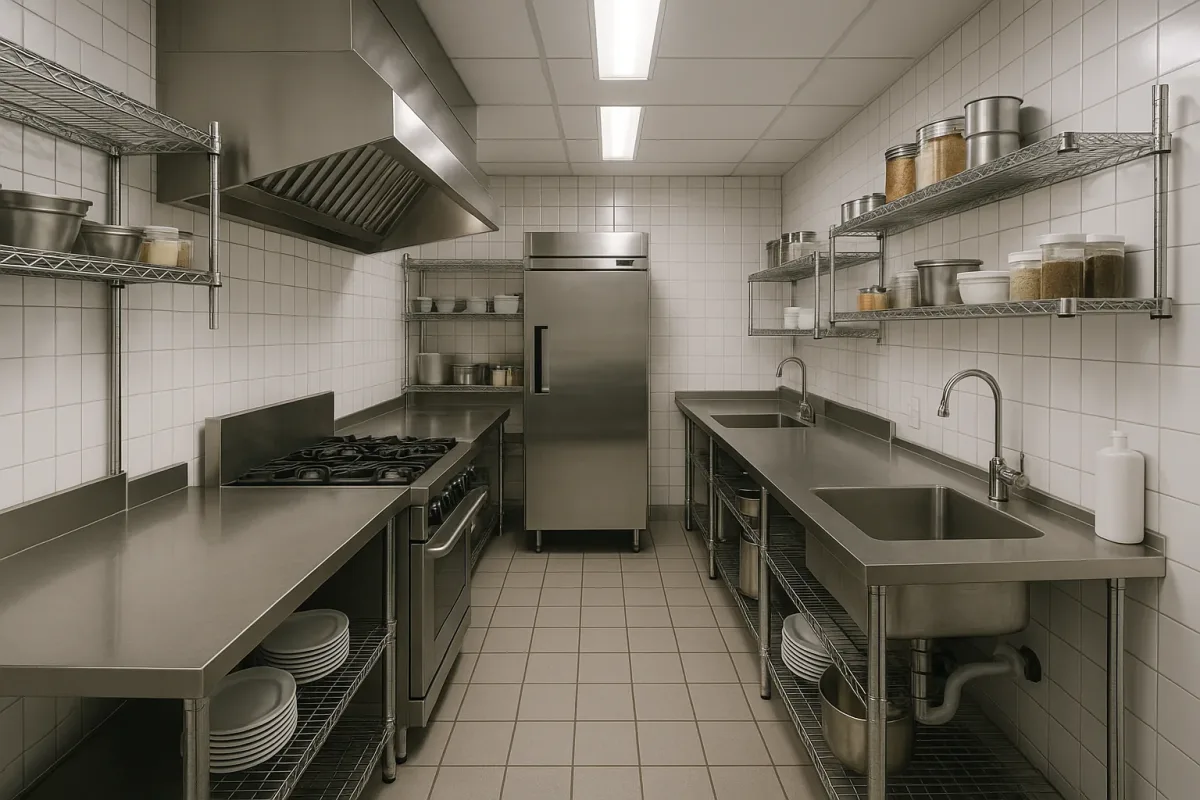
Commercial Kitchen Essentials for Beginner Chefs: Where to Start When the Stakes Feel Sky-High
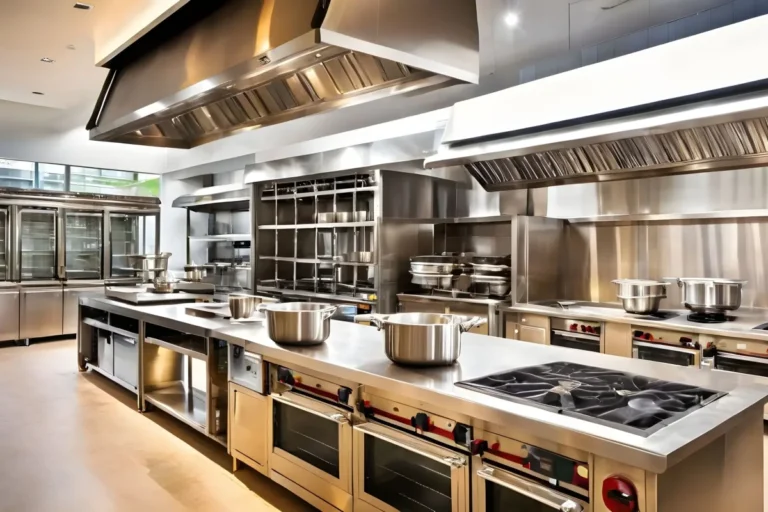
Let me be honest with you, I still remember the first time I walked into a professional kitchen as a wide-eyed line cook. The stainless steel gleamed under harsh fluorescent lights, the hum of refrigeration units filled the air, and the sizzle of a grill station made my heart race. It was equal parts exhilarating and terrifying. I had spent years cooking in my tiny apartment kitchen, but nothing prepared me for the sheer scale and precision of a commercial setup. The tools weren’t just bigger; they were different. And that’s the thing about stepping into this world, it’s not just about cooking anymore. It’s about systems, efficiency, and making sure every piece of equipment earns its keep in a space where every square inch costs money.
Now, years later, I’ve had the chance to work in everything from food trucks to high-end restaurant kitchens, and I’ve seen firsthand what happens when a beginner chef tries to wing it with equipment. Spoiler alert: it’s not pretty. There’s the guy who bought a residential-grade mixer because it was cheaper, only to watch it burn out after two weeks of nonstop use. Or the pastry chef who skimped on refrigeration and ended up with a mountain of ruined buttercream. And don’t even get me started on the poor soul who thought a home oven could handle 200 pizzas a night. (Spoiler: it couldn’t.)
So, if you’re standing at the edge of this journey, wondering where to even begin, take a deep breath. This guide isn’t about overwhelming you with every possible gadget under the sun. It’s about the commercial kitchen essentials for beginner chefs-the non-negotiables, the game-changers, and the things you might not realize you need until it’s too late. We’ll talk about the tools that will save you time, money, and sanity, and we’ll also dive into the stuff that’s nice to have but not always necessary when you’re just starting out. And because I’ve made my fair share of mistakes, I’ll point out the pitfalls so you can avoid them. Ready? Let’s dive in.
The Foundation: What Every Commercial Kitchen Needs (Even Yours)
Before we get into the nitty-gritty of specific equipment, let’s talk about the backbone of any commercial kitchen: the workflow. I can’t stress this enough, your kitchen isn’t just a collection of tools; it’s a system. And if that system isn’t designed with efficiency in mind, you’re going to waste time, energy, and probably a lot of money. I learned this the hard way when I helped a friend set up a small café. We were so focused on getting the coolest gadgets that we completely ignored how the space would actually function. The result? A kitchen where the prep station was on the opposite side of the cooking line, forcing staff to zigzag across the room like they were in a bad action movie. Needless to say, we had to rethink the layout pretty quickly.
So, where do you start? First, think about the three core zones every commercial kitchen needs:
- Prep Zone: This is where the magic happens before the cooking even starts. Think chopping, mixing, marinating, and portioning. You’ll need ample counter space, storage for ingredients, and easy access to tools like knives, cutting boards, and mixing bowls.
- Cooking Zone: This is the heart of your kitchen, where the actual cooking happens. Depending on your menu, this could include grills, ranges, fryers, or ovens. The key here is to arrange your equipment so that the flow from prep to cooking is seamless. No one wants to be running back and forth between stations during a dinner rush.
- Cleaning Zone: Often overlooked but absolutely critical. This is where you’ll handle dishwashing, trash disposal, and sanitizing. Trust me, you don’t want this area to be an afterthought. A poorly designed cleaning zone can bring your entire operation to a grinding halt.
Now, here’s where things get tricky. If you’re working with a small space, say, a food truck or a tiny café-you might not have the luxury of separating these zones. That’s okay. The goal is to create a logical flow that minimizes cross-traffic and keeps everything within arm’s reach. For example, in a food truck, your prep zone might double as your cooking zone, but you can still organize it so that ingredients are prepped in one area and cooked in another without anyone tripping over each other.
And this is where suppliers like Chef’s Deal can be a game-changer. They don’t just sell equipment; they offer free kitchen design services to help you optimize your space. I’ve seen too many beginner chefs skip this step, only to realize later that their kitchen is a logistical nightmare. If you’re not sure where to start with your layout, it’s worth reaching out to a professional. It might seem like an extra step, but trust me, it’ll save you headaches down the road.
The Big-Ticket Items: Where to Invest Your Hard-Earned Cash
Alright, let’s talk about the elephant in the room: money. Outfitting a commercial kitchen isn’t cheap, and if you’re just starting out, you’re probably working with a limited budget. The key here is to prioritize the equipment that will have the biggest impact on your daily operations. These are the items that will either make or break your kitchen’s efficiency, so it’s worth investing in quality upfront. Here’s where I’d recommend putting your money:
1. The Range: Your Kitchen’s Workhorse
If there’s one piece of equipment that gets more use than anything else in a commercial kitchen, it’s the range. This is where you’ll sauté, sear, simmer, and sometimes even bake (if you’re using a range with an oven). For beginner chefs, I’d recommend starting with a gas range-they’re more responsive than electric ranges, which means you have better control over heat levels. Plus, they’re generally more durable and easier to repair if something goes wrong.
When choosing a range, think about the size and configuration that will work best for your menu. If you’re running a pizzeria, you might want a range with a deck oven built in. If you’re doing a lot of sautéing, a range with multiple burners and a griddle top could be a game-changer. And don’t forget about BTUs (British Thermal Units)-this measures the power of your burners. For most commercial kitchens, you’ll want burners that range from 20,000 to 30,000 BTUs. Anything less, and you might struggle to get enough heat for high-volume cooking.
Now, I’ll be honest, ranges aren’t cheap. A good commercial-grade range can set you back anywhere from $2,000 to $10,000, depending on the size and features. But here’s the thing: this is not the place to cut corners. A cheap range will cost you more in the long run, whether it’s through higher energy bills, frequent repairs, or just plain frustration when it can’t keep up with demand. If you’re on a tight budget, consider looking for a used range from a reputable supplier. Just make sure it’s been inspected and refurbished by a professional.
2. Refrigeration: The Unsung Hero of the Kitchen
I can’t tell you how many times I’ve seen beginner chefs skimp on refrigeration, only to regret it later. Your fridge and freezer aren’t just for storing ingredients, they’re critical tools for food safety, efficiency, and even flavor. If your ingredients aren’t stored at the right temperature, you’re not just risking spoilage; you’re risking foodborne illnesses, which can shut down your business faster than you can say “health inspection.”
When it comes to refrigeration, there are a few key pieces of equipment you’ll need:
- Reach-In Refrigerators and Freezers: These are the workhorses of any commercial kitchen. You’ll want at least one reach-in fridge for perishable ingredients and one reach-in freezer for frozen goods. Look for models with stainless steel interiors-they’re easier to clean and more durable than plastic. Also, pay attention to the door configuration. Solid doors are more energy-efficient, but glass doors can be helpful if you need to see what’s inside without opening the door.
- Prep Refrigerators: If you’re doing a lot of prep work, like chopping vegetables or assembling sandwiches, a prep fridge is a lifesaver. These fridges have a cutting board surface on top and storage underneath for ingredients. They’re designed to keep everything within arm’s reach, which can save you a ton of time during service.
- Undercounter Refrigerators: These are great for small kitchens or food trucks where space is at a premium. They fit neatly under countertops and can be used to store frequently accessed ingredients, like dairy or produce.
- Walk-In Coolers and Freezers: If you’re running a larger operation, you’ll eventually need a walk-in cooler or freezer. These are essential for storing bulk ingredients, but they’re also a big investment. If you’re just starting out, you might not need one right away, but it’s something to keep in mind as your business grows.
One thing I’ve learned the hard way is that refrigeration is not one-size-fits-all. The type of fridge or freezer you need depends on your menu, your volume, and even your climate. For example, if you’re running a bakery in a hot, humid climate, you’ll need a more powerful refrigeration system to keep your ingredients at the right temperature. On the other hand, if you’re in a cooler climate, you might be able to get away with a less powerful (and less expensive) unit.
And here’s a pro tip: don’t forget about energy efficiency. Commercial refrigeration units run 24/7, so they can be a major drain on your electricity bill. Look for models with the ENERGY STAR label, they might cost a bit more upfront, but they’ll save you money in the long run. If you’re working with a supplier like Chef’s Deal, they can help you find energy-efficient options that fit your budget.
3. The Oven: More Than Just a Baking Tool
When most people think of ovens, they think of baking. But in a commercial kitchen, an oven is so much more than that. It’s a tool for roasting, braising, proofing, and even holding food at the right temperature. The type of oven you choose will depend on your menu, but here are a few options to consider:
- Convection Ovens: These are the most common type of oven in commercial kitchens. They use a fan to circulate hot air, which means food cooks faster and more evenly. If you’re doing a lot of baking, roasting, or even reheating, a convection oven is a great choice.
- Deck Ovens: These are the gold standard for pizzerias and bakeries. They have a stone or ceramic deck that heats up and cooks food from the bottom up, which is perfect for pizza, bread, and other baked goods. If you’re serious about baking, a deck oven is a must.
- Combi Ovens: These are the Swiss Army knives of the oven world. They can function as a convection oven, a steamer, or a combination of both. If you’re doing a lot of different types of cooking, like roasting, steaming, and baking, a combi oven can save you a ton of space and time.
- Conveyor Ovens: These are great for high-volume operations, like pizzerias or sandwich shops. Food moves through the oven on a conveyor belt, which means you can cook large quantities quickly and consistently. If you’re serving a lot of the same item, a conveyor oven can be a game-changer.
Now, here’s where I have to be honest with you. Ovens are expensive. A good commercial oven can cost anywhere from $3,000 to $20,000, depending on the type and size. And if you’re just starting out, that might feel like a lot. But here’s the thing: your oven is one of the most important tools in your kitchen. If it’s not up to the task, your food won’t be either. So, if you’re on a tight budget, consider starting with a used oven from a reputable supplier. Just make sure it’s been inspected and refurbished by a professional.
And if you’re not sure which type of oven is right for you, don’t be afraid to ask for help. Suppliers like Chef’s Deal offer expert consultation and support to help you find the right equipment for your needs. It’s better to spend a little extra time upfront to get it right than to waste money on a piece of equipment that doesn’t work for you.
The Little Things: Small Equipment That Makes a Big Difference
Okay, so we’ve covered the big-ticket items. Now let’s talk about the small equipment that can make or break your kitchen’s efficiency. These are the tools that might not seem like a big deal, but once you start using them, you’ll wonder how you ever lived without them. Here are a few of my favorites:
1. Knives: The Extension of Your Hand
If you’re serious about cooking, you already know that a good knife is worth its weight in gold. But in a commercial kitchen, where you’re chopping, slicing, and dicing for hours on end, the right knife isn’t just a tool, it’s an extension of your hand. And let me tell you, there’s nothing worse than trying to prep a mountain of vegetables with a dull, cheap knife. It’s slow, it’s frustrating, and it’s downright dangerous.
So, what should you look for in a commercial-grade knife? Here are a few things to keep in mind:
- Material: Most commercial knives are made from either high-carbon stainless steel or carbon steel. High-carbon stainless steel is more resistant to rust and corrosion, while carbon steel is sharper and holds an edge longer. Both are great options, but carbon steel requires more maintenance to prevent rust.
- Blade Shape: The shape of the blade depends on what you’re using the knife for. A chef’s knife is the most versatile option, it’s great for chopping, slicing, and dicing. A paring knife is perfect for small, detailed work, like peeling or trimming. And a serrated knife is ideal for cutting bread or tomatoes without crushing them.
- Handle: The handle should feel comfortable in your hand and provide a good grip, even when it’s wet. Look for handles made from wood, composite materials, or textured plastic. Avoid handles that are too slippery or too heavy.
- Edge: A sharp edge is non-negotiable. If your knife isn’t sharp, it’s not safe. Invest in a good sharpening stone or honing steel and learn how to use it. And don’t forget to sharpen your knives regularly, dull knives are more dangerous than sharp ones.
Now, I’ll be the first to admit that good knives aren’t cheap. A high-quality chef’s knife can cost anywhere from $100 to $300, and that’s just for one knife. But here’s the thing: if you take care of them, they’ll last you a lifetime. And in a commercial kitchen, where time is money, a good knife can save you hours of prep work.
If you’re on a tight budget, consider starting with a knife set that includes a chef’s knife, a paring knife, and a serrated knife. You can always add to your collection as your business grows. And don’t forget to invest in a good knife block or magnetic strip to store your knives safely. A cluttered knife drawer is a recipe for disaster.
2. Cutting Boards: The Unsung Heroes of Prep Work
Cutting boards might not seem like a big deal, but in a commercial kitchen, they’re essential. The right cutting board can make your prep work faster, safer, and more efficient. The wrong one can slow you down, dull your knives, and even contaminate your food. So, what should you look for in a commercial-grade cutting board?
First, let’s talk about material. There are a few options to choose from:
- Plastic: Plastic cutting boards are lightweight, affordable, and easy to clean. They’re also dishwasher-safe, which is a big plus in a commercial kitchen. However, they can dull your knives faster than other materials, and they’re not as durable as wood or composite boards.
- Wood: Wood cutting boards are beautiful, durable, and gentle on your knives. They’re also naturally antimicrobial, which is a big plus in a kitchen. However, they’re heavier than plastic boards, and they require more maintenance. You’ll need to oil them regularly to keep them from drying out and cracking.
- Composite: Composite cutting boards are made from a mix of materials, like wood fibers and resin. They’re durable, gentle on knives, and easy to clean. They’re also more expensive than plastic or wood boards, but they’re a great option if you’re looking for something that combines the best of both worlds.
Next, let’s talk about size. In a commercial kitchen, you’ll want cutting boards that are large enough to handle big jobs but small enough to fit in your sink or dishwasher. A good rule of thumb is to choose boards that are at least 12×18 inches. And if you’re doing a lot of prep work, consider getting a few different sizes, one for large jobs, like chopping vegetables, and one for smaller tasks, like trimming meat.
Finally, let’s talk about color-coding. In a commercial kitchen, it’s important to prevent cross-contamination between different types of food. One way to do this is to use cutting boards in different colors for different tasks. For example, you might use a red board for raw meat, a green board for vegetables, and a blue board for seafood. This might seem like overkill, but trust me, it’s a small step that can make a big difference in food safety.
3. Mixers: The Secret Weapon of the Kitchen
If you’re doing any kind of baking, pastry work, or even just mixing large batches of dough, a commercial mixer is a game-changer. These machines are built to handle heavy-duty mixing, and they can save you hours of manual labor. But not all mixers are created equal. Here’s what you need to know:
- Planetary Mixers: These are the most common type of mixer in commercial kitchens. They have a fixed bowl and a mixing arm that moves in a circular motion, which means they can mix ingredients evenly and efficiently. Planetary mixers come in a range of sizes, from small countertop models to large floor models. If you’re just starting out, a 20-quart mixer is a good place to begin.
- Spiral Mixers: These mixers are designed specifically for dough. They have a spiral-shaped mixing arm that kneads dough gently and efficiently, which is perfect for bread, pizza dough, and other yeast-based recipes. If you’re doing a lot of baking, a spiral mixer is a great investment.
- Stand Mixers: These are smaller than planetary or spiral mixers, but they’re still powerful enough to handle most mixing tasks. They’re a good option if you’re working with a limited budget or a small space. However, they’re not as durable as larger mixers, so they might not be the best choice for high-volume operations.
When choosing a mixer, think about the capacity you’ll need. If you’re mixing large batches of dough or batter, you’ll want a mixer with a large bowl. But if you’re only mixing small batches, a smaller mixer might be sufficient. And don’t forget about attachments, most mixers come with a variety of attachments, like dough hooks, whisks, and paddle attachments, which can make your mixing tasks even easier.
Now, I’ll be honest, commercial mixers aren’t cheap. A good planetary mixer can cost anywhere from $1,000 to $5,000, depending on the size and features. But here’s the thing: if you’re doing a lot of mixing, a commercial mixer is a ecessity, not a luxury. It’ll save you time, energy, and frustration, and it’ll help you produce consistent results every time.
The Extras: Nice-to-Have Equipment That Can Wait
Okay, so we’ve covered the essentials, the equipment that every commercial kitchen needs to function. But what about the ice-to-have items? The gadgets and tools that can make your life easier but aren’t strictly necessary when you’re just starting out. Here are a few things to consider:
1. Food Processors: The Ultimate Time-Saver
If you’re doing a lot of chopping, slicing, or shredding, a food processor can be a lifesaver. These machines can handle everything from chopping onions to shredding cheese, and they can save you hours of prep work. But they’re not cheap, commercial-grade food processors can cost anywhere from $500 to $2,000, depending on the size and features.
If you’re on a tight budget, consider starting with a smaller, less expensive model. You can always upgrade later as your business grows. And don’t forget to think about attachments, many food processors come with a variety of blades and discs, which can make your prep work even easier.
2. Sous Vide Machines: The Precision Cooking Tool
Sous vide cooking has become increasingly popular in recent years, and for good reason. It allows you to cook food to perfect precision, with consistent results every time. But sous vide machines aren’t cheap, commercial-grade models can cost anywhere from $1,000 to $5,000. And they’re not strictly necessary for most kitchens.
If you’re just starting out, you might want to hold off on investing in a sous vide machine. But if you’re doing a lot of precision cooking, like sous vide steaks or fish, it might be worth considering. Just keep in mind that sous vide cooking requires a lot of planning and prep work, so it’s not always the best choice for high-volume operations.
3. Smokers: The Flavor Booster
If you’re a fan of smoked meats, a commercial smoker can take your dishes to the next level. But smokers are a big investment, commercial-grade models can cost anywhere from $2,000 to $10,000, depending on the size and features. And they’re not strictly necessary for most kitchens.
If you’re just starting out, you might want to hold off on investing in a smoker. But if you’re serious about smoking meats, it might be worth considering. Just keep in mind that smoking requires a lot of time and attention, so it’s not always the best choice for busy kitchens.
Putting It All Together: How to Outfit Your Kitchen Without Breaking the Bank
Alright, so we’ve covered a lot of ground here. We’ve talked about the essential equipment that every commercial kitchen needs, the small tools that can make a big difference, and the ice-to-have items that can wait. But how do you put it all together without breaking the bank? Here are a few tips to help you get started:
1. Start with a Plan
Before you start buying equipment, take some time to plan your kitchen layout. Think about the three core zones we talked about earlier, prep, cooking, and cleaning, and how they’ll fit into your space. Consider the flow of traffic, the placement of equipment, and the accessibility of ingredients. And don’t forget to think about future growth-you don’t want to outgrow your kitchen too quickly.
If you’re not sure where to start, consider reaching out to a professional. Suppliers like Chef’s Deal offer free kitchen design services to help you optimize your space. It’s a small step that can save you a lot of headaches down the road.
2. Prioritize Your Purchases
You don’t need to buy everything at once. Start with the essential equipment-the items that will have the biggest impact on your daily operations. Then, as your business grows, you can add the ice-to-have items that will make your life easier. And don’t forget to think about used equipment-it can be a great way to save money without sacrificing quality.
Here’s a rough priority list to get you started:
- Range
- Refrigeration (reach-in fridge and freezer)
- Oven (convection or deck, depending on your menu)
- Knives and cutting boards
- Mixers (if you’re doing a lot of baking or dough work)
- Food processor (if you’re doing a lot of chopping or slicing)
- Sous vide machine or smoker (if you’re serious about precision cooking or smoking meats)
3. Think About Financing
Commercial kitchen equipment is expensive, and if you’re just starting out, you might not have the cash to buy everything upfront. That’s where financing options come in. Many suppliers, including Chef’s Deal, offer competitive pricing and financing options to help you get the equipment you need without breaking the bank.
Before you commit to a financing plan, make sure you understand the terms and conditions. Ask about interest rates, repayment schedules, and any fees or penalties. And don’t forget to think about the long-term cost-financing can be a great way to get the equipment you need, but it’s not always the cheapest option in the long run.
4. Don’t Forget About Maintenance
Once you’ve outfitted your kitchen, don’t forget about maintenance. Commercial kitchen equipment is built to last, but it still needs regular care and attention. Here are a few tips to keep your equipment in top shape:
- Clean regularly: This might seem obvious, but it’s worth repeating. Clean your equipment regularly to prevent buildup, corrosion, and contamination. And don’t forget to follow the manufacturer’s instructions, some equipment requires special cleaning products or procedures.
- Inspect for wear and tear: Check your equipment regularly for signs of wear and tear, like cracks, rust, or loose parts. If you notice anything unusual, address it right away, small problems can turn into big ones if they’re ignored.
- Schedule professional maintenance: Some equipment, like refrigeration units or ovens, requires professional maintenance. Schedule regular check-ups with a qualified technician to keep your equipment running smoothly.
- Train your staff: Make sure your staff knows how to use and care for your equipment properly. Provide training on how to clean, maintain, and troubleshoot common issues. And don’t forget to post instructions or manuals in a visible location.
The Bottom Line: It’s Okay to Start Small
I’ll be honest with you, outfitting a commercial kitchen is a big undertaking. It’s expensive, it’s time-consuming, and it can feel overwhelming at times. But here’s the thing: you don’t need to have everything perfect from day one. In fact, some of the best kitchens I’ve worked in started small and grew over time. The key is to start with the essentials, prioritize your purchases, and build your kitchen as your business grows.
And remember, you’re not alone in this. There are plenty of resources out there to help you, from suppliers like Chef’s Deal to professional kitchen designers. Don’t be afraid to ask for help, it’s better to spend a little extra time and money upfront to get it right than to waste time and money on equipment that doesn’t work for you.
So, take a deep breath, make a plan, and start building your dream kitchen. It might not be perfect right away, but with the right tools and a little bit of patience, you’ll get there. And who knows? Maybe one day, I’ll walk into your kitchen and be just as impressed as I was the first time I stepped into a professional kitchen all those years ago.
FAQ: Your Burning Questions About Commercial Kitchen Essentials
Q: I’m on a tight budget. What’s the one piece of equipment I absolutely shouldn’t skimp on?
A: Hands down, it’s your refrigeration. A good commercial fridge and freezer are non-negotiable for food safety and efficiency. If your ingredients aren’t stored at the right temperature, you’re risking spoilage, foodborne illnesses, and even health code violations. And trust me, the cost of replacing spoiled ingredients or dealing with a failed inspection will far outweigh the cost of a good refrigeration unit. If you’re really strapped for cash, consider looking for a used unit from a reputable supplier, just make sure it’s been inspected and refurbished by a professional.
Q: How do I know if I need a walk-in cooler or if a reach-in fridge will suffice?
A: This is a great question, and the answer depends on a few factors. First, think about your volume. If you’re running a small café or food truck, a reach-in fridge might be all you need. But if you’re running a larger operation, like a full-service restaurant or a bakery, you’ll eventually need a walk-in cooler to store bulk ingredients. Second, think about your menu. If you’re working with a lot of fresh ingredients, like produce or dairy, you’ll need more refrigeration space. Finally, think about your space. Walk-in coolers take up a lot of room, so if you’re working with a small kitchen, a reach-in fridge might be your only option. If you’re not sure, consider reaching out to a supplier like Chef’s Deal, they offer expert consultation and support to help you find the right equipment for your needs.
Q: What’s the most common mistake beginner chefs make when outfitting their kitchen?
A: The biggest mistake I see is ignoring workflow. Too many beginner chefs focus on getting the coolest gadgets or the biggest equipment, only to realize later that their kitchen is a logistical nightmare. For example, I once helped a friend set up a small café where the prep station was on the opposite side of the cooking line. The result? Staff were constantly running back and forth, wasting time and energy. The lesson? Before you buy anything, take some time to plan your kitchen layout. Think about the three core zones, prep, cooking, and cleaning, and how they’ll fit into your space. And don’t forget to consider the flow of traffic, you want everything to be within arm’s reach, with minimal cross-traffic. If you’re not sure where to start, consider reaching out to a professional. Suppliers like Chef’s Deal offer free kitchen design services to help you optimize your space.
Q: How do I maintain my commercial kitchen equipment to ensure it lasts?
A: Maintenance is key to keeping your equipment running smoothly and extending its lifespan. Here are a few tips to help you get started:
- Clean regularly: This might seem obvious, but it’s worth repeating. Clean your equipment regularly to prevent buildup, corrosion, and contamination. And don’t forget to follow the manufacturer’s instructions, some equipment requires special cleaning products or procedures.
- Inspect for wear and tear: Check your equipment regularly for signs of wear and tear, like cracks, rust, or loose parts. If you notice anything unusual, address it right away, small problems can turn into big ones if they’re ignored.
- Schedule professional maintenance: Some equipment, like refrigeration units or ovens, requires professional maintenance. Schedule regular check-ups with a qualified technician to keep your equipment running smoothly.
- Train your staff: Make sure your staff knows how to use and care for your equipment properly. Provide training on how to clean, maintain, and troubleshoot common issues. And don’t forget to post instructions or manuals in a visible location.
And here’s a pro tip: keep a maintenance log. This can be as simple as a notebook where you record when equipment was cleaned, inspected, or serviced. It’s a small step that can make a big difference in keeping your kitchen running smoothly.
@article{commercial-kitchen-essentials-for-beginner-chefs-the-no-nonsense-guide-to-outfitting-your-dream-space,
    title   = {Commercial Kitchen Essentials for Beginner Chefs: The No-Nonsense Guide to Outfitting Your Dream Space},
    author  = {Chef's icon},
    year    = {2026},
    journal = {Chef's Icon},
    url     = {https://chefsicon.com/commercial-kitchen-essentials-for-beginner-chefs/}
}