The Best Fluffy Pancakes recipe you will fall in love with. Full of tips and tricks to help you make the best pancakes.
How to Prevent Refrigeration Failures in High-Volume Kitchens (Before They Ruin Your Night)
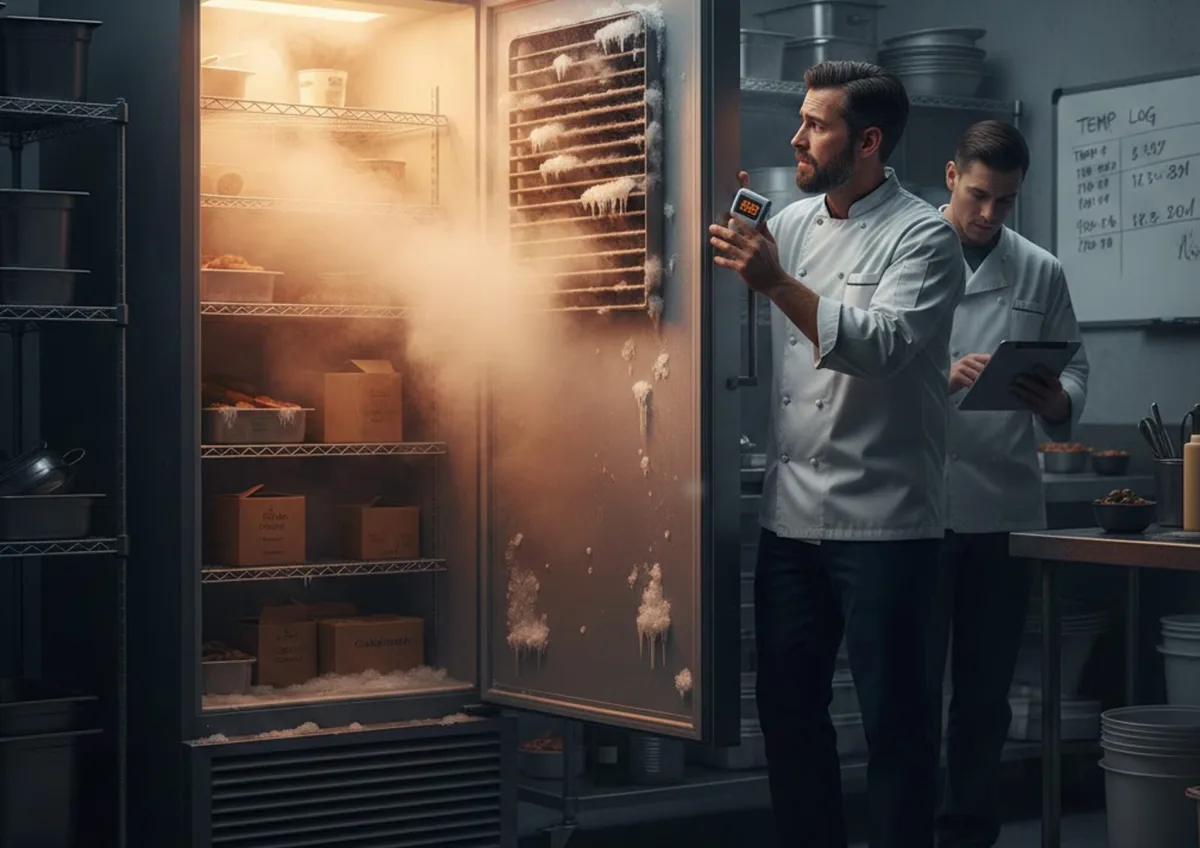
Let me set the scene: It’s Friday night service at the restaurant where I used to consult, and the line is moving like a well-oiled machine, until it isn’t. The walk-in cooler’s compressor gives out mid-shift, sending the sous chef into a full-blown panic as the temperature creeps up past 45°F. Suddenly, thousands of dollars’ worth of proteins, dairy, and produce are at risk, and the kitchen staff is scrambling to salvage what they can. Sound familiar? If you’ve ever worked in a high-volume kitchen, you know that refrigeration failures aren’t just inconvenient, they’re catastrophic.
I’ve seen this play out more times than I’d like to admit. Once, during a particularly brutal summer in Nashville, a local BBQ joint lost an entire weekend’s worth of briskets because their backup generator failed during a power outage. The owner told me later that the financial hit was bad, but the damage to their reputation was worse. Customers don’t care about your compressor issues; they just want their food to be safe and delicious. And honestly? They shouldn’t have to.
So, how do you prevent refrigeration failures in a high-volume kitchen? It’s not just about buying the biggest, baddest unit on the market (though that helps). It’s about systems, maintenance, and culture. You need a plan that accounts for the chaos of service, the wear and tear of constant use, and the reality that, at some point, something *will* go wrong. The question is, will you be ready when it does? In this guide, I’ll walk you through the strategies, tools, and mindsets that can save your kitchen, and your sanity, when the heat is on (literally).
The Hidden Costs of Refrigeration Failures (Spoiler: It’s Not Just the Food)
1. The Obvious: Food Waste and Financial Loss
Let’s start with the most immediate impact: food waste. In a high-volume kitchen, your walk-in cooler and reach-in refrigerators are packed to the gills with perishable ingredients. A single failure can mean tossing hundreds, if not thousands, of dollars’ worth of product. I remember a hotel kitchen in downtown Nashville that lost an entire pallet of imported cheeses because their walk-in’s evaporator coil froze over. The chef told me it was like watching money melt away, and he wasn’t wrong.
But here’s the thing: the financial hit isn’t just about the cost of the food. There’s also the labor wasted on prepping ingredients that can’t be used, the lost revenue from dishes you can’t serve, and the potential for refunds or comped meals if customers are affected. And if you’re in a health inspection jurisdiction (which, let’s be real, you are), you might also face fines or temporary closures if the failure leads to unsafe food handling practices. That’s a headache no one needs.
Is this the best way to frame it? Maybe not. Maybe I should’ve led with the emotional toll, because that’s real, too. There’s nothing worse than watching a team’s hard work go down the drain because of equipment failure. But I’ll circle back to that later.
2. The Not-So-Obvious: Reputation and Customer Trust
Here’s where things get tricky. Even if you manage to salvage most of your ingredients, a refrigeration failure can still hurt your business in ways that aren’t immediately visible. Customers talk. They post on social media. They leave reviews. And if word gets out that your kitchen had a “little issue” with food safety, it can take months, if not years, to rebuild trust.
I once worked with a catering company that experienced a refrigeration failure during a high-profile event. The food was fine (they caught it early and had backups), but a server mentioned the “close call” to a guest. That guest happened to be a food blogger with a large following. The next day, the blogger posted about “dodging a bullet” at the event, and suddenly, the catering company was fielding calls from nervous clients. They lost three major contracts in the following weeks. All because of a *rumor*.
This is why preventing refrigeration failures isn’t just about protecting your food, it’s about protecting your brand. And in an industry where reputation is everything, that’s not something you can afford to overlook.
3. The Silent Killer: Staff Morale and Turnover
Okay, let’s talk about the elephant in the room: your team. High-volume kitchens are already high-stress environments. Add a refrigeration failure into the mix, and you’ve got a recipe for burnout. I’ve seen chefs snap, line cooks walk out mid-shift, and entire teams disintegrate because of repeated equipment failures. And when staff morale tanks, turnover skyrockets.
Think about it: If your team is constantly dealing with last-minute crises because the walk-in keeps acting up, they’re not going to stick around. Good kitchen staff are hard to find, and even harder to keep. And replacing them? That’s expensive. Training new hires, lost productivity, the time it takes for them to get up to speed, it all adds up. So, if you’re not prioritizing reliable refrigeration, you’re not just risking food safety; you’re risking your entire operation.
I’m torn between sounding like a doomsday preacher and someone who’s just trying to help. But the truth is, these failures *are* preventable. And if you’re not taking them seriously, you’re playing with fire.
Understanding the Enemy: Why Refrigeration Systems Fail in High-Volume Kitchens
4. The Usual Suspects: Common Causes of Refrigeration Failures
Before you can prevent failures, you need to understand what causes them. In high-volume kitchens, refrigeration systems are pushed to their limits. They’re opened and closed dozens (if not hundreds) of times a day, exposed to grease, humidity, and temperature fluctuations, and expected to perform flawlessly under relentless pressure. It’s a miracle they work as well as they do. But when they fail, it’s usually because of one of these common culprits:
- Dirty Condenser Coils: This is the big one. Condenser coils are responsible for dissipating heat, and when they’re clogged with grease, dust, or debris, they can’t do their job. The result? Your compressor has to work harder, which leads to overheating and, eventually, failure. I’ve seen kitchens where the condenser coils looked like they were coated in a layer of black sludge. No wonder their refrigeration units were struggling.
- Faulty Door Seals: Door seals (or gaskets) are the unsung heroes of refrigeration. They keep the cold air in and the warm air out. But in a busy kitchen, they take a beating. They get slammed, stepped on, and exposed to spills. Over time, they crack, warp, or lose their seal. And when that happens, your refrigerator has to work overtime to maintain temperature, which puts unnecessary strain on the system.
- Overloading: This is a tough one because, let’s face it, high-volume kitchens are always packed. But overloading your refrigeration units, whether it’s cramming too much product into a walk-in or blocking airflow with poorly organized shelves, can lead to uneven cooling, hot spots, and, ultimately, failure. I’ve seen walk-ins where the shelves were so overloaded that the air couldn’t circulate properly. The result? Some areas were freezing while others were barely cold.
- Electrical Issues: High-volume kitchens are electrical nightmares. Between the ovens, fryers, grills, and refrigeration units, there’s a lot of demand on your electrical system. If your refrigeration unit isn’t getting consistent power, or if there are voltage fluctuations, it can cause the compressor to fail. And if your kitchen isn’t equipped with surge protectors or dedicated circuits, you’re playing Russian roulette with your equipment.
- Lack of Maintenance: This is the one that drives me crazy because it’s so preventable. Refrigeration systems, like any other piece of equipment, need regular maintenance. But in the chaos of a busy kitchen, it’s easy to let things slide. “We’ll clean the coils next week.” “The door seal can wait.” “We’ll check the refrigerant levels later.” Spoiler alert: “later” never comes. And when it doesn’t, your refrigeration system pays the price.
Is this list exhaustive? Probably not. But it covers the big ones. And if you can address these issues, you’ll be ahead of 90% of kitchens out there.
5. The Role of Kitchen Culture in Refrigeration Failures
Here’s something no one talks about: kitchen culture plays a huge role in refrigeration failures. In a high-volume kitchen, everyone is moving fast, and corners get cut. Maybe the line cook leaves the walk-in door open a little too long because they’re rushing. Maybe the prep team stacks boxes in front of the condenser coils because they’re out of space. Maybe the dishwasher “forgets” to clean the evaporator coils because they’re overwhelmed. These small, seemingly insignificant actions add up over time, and before you know it, your refrigeration system is on the fritz.
I’ve worked in kitchens where the culture was so toxic that no one cared about equipment maintenance. The attitude was, “It’s not my job.” And in those kitchens, refrigeration failures were a weekly occurrence. But I’ve also worked in kitchens where the team took pride in their equipment. They cleaned the coils, checked the door seals, and reported issues immediately. And in those kitchens? Failures were rare.
So, how do you create a culture where refrigeration maintenance is a priority? It starts with leadership. If the chef or kitchen manager doesn’t care, no one else will. But if they make it clear that equipment care is part of the job, the team will follow suit. It’s not rocket science, but it does require intentionality.
The Prevention Playbook: How to Keep Your Refrigeration Running Smoothly
6. The Non-Negotiables: Daily and Weekly Maintenance Tasks
If you take nothing else away from this article, let it be this: maintenance is not optional. I don’t care how busy your kitchen is; you *have* to make time for it. Here’s a breakdown of the daily and weekly tasks that can prevent 90% of refrigeration failures:
- Daily Tasks:
- Check Door Seals: Run your hand along the door seals to make sure they’re not cracked or warped. If you feel cold air escaping, it’s time to replace them. This takes two minutes and can save you thousands in energy costs and repairs.
- Clean Condenser Coils (Exterior): Use a stiff brush or a vacuum to remove dust and debris from the condenser coils. If they’re greasy, wipe them down with a degreaser. This should be done at least once a day in a high-volume kitchen.
- Monitor Temperatures: Use a digital thermometer to check the temperature of your walk-in and reach-in units. If the temperature is creeping up, it’s a sign that something’s wrong. Don’t ignore it.
- Inspect for Obstructions: Make sure nothing is blocking the airflow around your refrigeration units. This includes boxes, rags, or even other pieces of equipment. Airflow is critical for proper cooling.
- Weekly Tasks:
- Deep Clean Condenser Coils: Once a week, shut off the power to your refrigeration unit and give the condenser coils a thorough cleaning. Use a coil brush and a shop vac to remove all the gunk. This is one of the most important things you can do to extend the life of your unit.
- Check Refrigerant Levels: If your refrigeration unit is low on refrigerant, it’s a sign of a leak. Low refrigerant levels force the compressor to work harder, which can lead to failure. If you’re not comfortable checking this yourself, hire a professional.
- Inspect Evaporator Coils: The evaporator coils are responsible for absorbing heat, and if they’re dirty or frozen, they can’t do their job. Use a flashlight to inspect them for ice buildup or debris. If they’re frozen, defrost them immediately.
- Test Alarms and Sensors: If your refrigeration unit has alarms or temperature sensors, test them weekly to make sure they’re working. There’s nothing worse than relying on an alarm that doesn’t go off when it should.
I know what you’re thinking: “Sammy, we don’t have time for this.” But here’s the thing: if you don’t make time for maintenance, you’ll *have* to make time for repairs. And repairs are a lot more disruptive than a 10-minute daily check.
7. The Power of Preventative Maintenance Contracts
Let’s talk about preventative maintenance contracts. If you’re running a high-volume kitchen, this is one of the smartest investments you can make. A good preventative maintenance contract means that a professional will come in on a regular basis (usually quarterly) to inspect, clean, and service your refrigeration units. They’ll check refrigerant levels, test electrical components, clean coils, and identify potential issues before they become major problems.
I’ve seen kitchens that swear by their preventative maintenance contracts. One of my clients, a large hotel in Nashville, told me that since they signed up for a contract, their refrigeration failures have dropped by 80%. Eighty percent! That’s huge. And the cost of the contract? A fraction of what they were spending on emergency repairs.
But not all preventative maintenance contracts are created equal. Here’s what to look for:
- Frequency: Quarterly service is the minimum. If your kitchen is *extremely* high-volume, you might want monthly service.
- Response Time: Make sure the contract includes a guaranteed response time for emergencies. If your walk-in goes down at 2 a.m., you don’t want to wait until 9 a.m. for a technician to show up.
- Comprehensive Service: The contract should cover all the basics: coil cleaning, refrigerant checks, electrical inspections, and door seal replacements. If it doesn’t, keep looking.
- Warranty Compliance: Some refrigeration units require regular maintenance to keep the warranty valid. Make sure the contract complies with your manufacturer’s requirements.
Is this the best approach for every kitchen? Maybe not. If you’re a small operation with a single reach-in refrigerator, a preventative maintenance contract might be overkill. But if you’re running a high-volume kitchen with multiple walk-ins and reach-ins, it’s a no-brainer.
8. Investing in the Right Equipment (Because Not All Refrigeration Units Are Created Equal)
Let’s be real: if you’re running a high-volume kitchen, you can’t afford to skimp on equipment. That $500 reach-in refrigerator from the big-box store might work for your home kitchen, but it’s not going to cut it in a professional setting. When it comes to refrigeration, you get what you pay for. And if you’re not investing in commercial-grade units, you’re setting yourself up for failure.
So, what should you look for when buying refrigeration equipment for a high-volume kitchen? Here are a few key features:
- Durability: Look for units with stainless steel interiors and exteriors. They’re easier to clean, more resistant to corrosion, and built to withstand the wear and tear of a busy kitchen.
- Energy Efficiency: High-volume kitchens use a lot of energy, and refrigeration is one of the biggest culprits. Look for units with Energy Star ratings or other certifications that indicate they’re designed to be energy-efficient. This can save you thousands in utility costs over the life of the unit.
- Temperature Consistency: In a high-volume kitchen, you need refrigeration units that can maintain a consistent temperature, even when the door is opened and closed frequently. Look for units with digital temperature controls and high-performance compressors.
- Airflow Design: Proper airflow is critical for even cooling. Look for units with forced-air cooling systems or fan-assisted evaporators to ensure that cold air circulates evenly throughout the unit.
- Ease of Maintenance: Some refrigeration units are easier to maintain than others. Look for units with removable shelves, self-cleaning condensers, and easy-access components. The easier it is to maintain, the more likely your team will actually do it.
I’m not saying you need to buy the most expensive unit on the market. But you do need to invest in equipment that’s built for the demands of a high-volume kitchen. And if you’re not sure what to buy, talk to a commercial refrigeration specialist. They can help you find the right unit for your specific needs.
Oh, and one more thing: don’t forget about backup units. If you’re running a high-volume kitchen, you should have at least one backup refrigeration unit on hand. It doesn’t have to be as large as your primary unit, but it should be big enough to hold your most critical ingredients in case of an emergency. Trust me, you’ll thank me later.
9. The Role of Technology in Preventing Refrigeration Failures
We live in the future, folks. And if you’re not using technology to monitor and maintain your refrigeration systems, you’re missing out. There are a ton of tools and gadgets out there that can help you prevent failures before they happen. Here are a few of my favorites:
- Digital Temperature Monitors: These are a game-changer. A digital temperature monitor can track the temperature of your refrigeration units in real-time and alert you if the temperature starts to creep up. Some models can even send alerts to your phone, so you’ll know about a problem even if you’re not in the kitchen. I’ve seen kitchens where these monitors have saved thousands of dollars’ worth of product by catching issues early.
- Remote Monitoring Systems: If you want to take it a step further, consider a remote monitoring system. These systems use sensors to track temperature, humidity, and even door openings. They can alert you to potential issues before they become major problems, and some can even integrate with your kitchen’s HVAC system to optimize energy use. I’ve worked with kitchens that use these systems to reduce energy costs by 20% or more.
- Predictive Maintenance Software: This is the cutting edge of refrigeration maintenance. Predictive maintenance software uses AI and machine learning to analyze data from your refrigeration units and predict when a failure is likely to occur. It can tell you when a compressor is about to fail, when a door seal needs to be replaced, or when a coil needs to be cleaned. It’s like having a crystal ball for your refrigeration system.
- Smart Alarms: Gone are the days of relying on a simple beeping alarm. Smart alarms can send alerts to your phone, email, or even a central monitoring station. Some can even trigger automatic responses, like shutting off power to a failing unit or turning on a backup generator. If you’re running a high-volume kitchen, this is a must-have.
I know what you’re thinking: “Sammy, this sounds expensive.” And yeah, some of this technology isn’t cheap. But when you weigh the cost of a new refrigeration unit against the cost of a single failure, it starts to make a lot of sense. Plus, a lot of these tools pay for themselves in energy savings alone.
Maybe I should clarify: you don’t need to buy *all* of this technology. Start with the basics, a digital temperature monitor and a smart alarm, and build from there. The key is to find the tools that work for your kitchen and your budget.
10. Training Your Team (Because Even the Best Equipment Fails Without the Right People)
Here’s the hard truth: even the best refrigeration equipment in the world will fail if your team doesn’t know how to use it properly. That’s why training is just as important as maintenance. Your team needs to understand how your refrigeration systems work, how to spot potential issues, and what to do in case of a failure.
So, how do you train your team? Here’s a step-by-step guide:
- Start with the Basics: Make sure your team understands the fundamentals of refrigeration. How does a walk-in cooler work? What’s the difference between a condenser and an evaporator? Why is airflow important? You don’t need to turn them into refrigeration experts, but they should have a basic understanding of how the system works.
- Teach Them to Spot Issues: Train your team to recognize the signs of a potential failure. This includes things like:
- Unusual noises (grinding, squealing, or rattling)
- Temperature fluctuations
- Ice buildup on evaporator coils
- Condensation or water leaks
- Door seals that don’t close properly
- Create a Maintenance Checklist: Give your team a daily and weekly maintenance checklist and make sure they follow it. This should include tasks like cleaning coils, checking door seals, and monitoring temperatures. Make it part of their daily routine.
- Run Emergency Drills: Just like you’d run a fire drill, you should run refrigeration failure drills. Simulate a failure and see how your team responds. Do they know what to do? Do they know who to call? Do they have a backup plan? If not, it’s time to train them.
- Designate a Refrigeration Captain: Assign one person on each shift to be responsible for refrigeration maintenance. This person should be in charge of checking temperatures, inspecting door seals, and reporting any issues. Having a designated point person ensures that nothing falls through the cracks.
- Make It Part of the Culture: Finally, make refrigeration maintenance part of your kitchen’s culture. Talk about it in pre-shift meetings. Recognize team members who go above and beyond. Make it clear that equipment care is everyone’s responsibility.
I’ve seen kitchens where training made all the difference. One of my clients, a large catering company, implemented a training program for their refrigeration systems, and their failure rate dropped by 50% in just six months. Fifty percent! That’s the power of a well-trained team.
But here’s the thing: training isn’t a one-and-done deal. You need to reinforce it regularly. New hires need to be trained, and existing staff need refreshers. Make it part of your onboarding process, and revisit it at least once a year.
Putting It All Together: Your Refrigeration Failure Prevention Plan
Okay, let’s take a step back. We’ve covered a lot of ground here, from the hidden costs of refrigeration failures to the role of technology in preventing them. But how do you put it all together? How do you create a refrigeration failure prevention plan that actually works?
Here’s a simple, step-by-step plan you can implement in your kitchen today:
- Assess Your Current Situation: Start by taking stock of your refrigeration systems. How old are they? What’s their maintenance history? Have you had any failures in the past? Identify your biggest risks and prioritize them.
- Invest in the Right Equipment: If your refrigeration units are outdated or unreliable, it’s time to upgrade. Invest in commercial-grade units that are built for the demands of a high-volume kitchen. And don’t forget about backup units!
- Implement a Maintenance Schedule: Create a daily and weekly maintenance checklist and make sure your team follows it. Assign a refrigeration captain on each shift to oversee maintenance tasks.
- Sign Up for a Preventative Maintenance Contract: Find a reputable refrigeration service company and sign up for a preventative maintenance contract. Make sure it includes regular inspections, cleaning, and emergency response.
- Invest in Technology: Start with the basics, a digital temperature monitor and a smart alarm. If your budget allows, consider a remote monitoring system or predictive maintenance software.
- Train Your Team: Train your team on the basics of refrigeration, how to spot potential issues, and what to do in case of a failure. Make it part of your kitchen’s culture.
- Create an Emergency Plan: What will you do if your walk-in fails during service? Who will you call? Where will you store your perishable ingredients? Create a refrigeration failure emergency plan and make sure your team knows it inside and out.
- Monitor and Adjust: Finally, monitor your refrigeration systems regularly and adjust your plan as needed. If you’re still experiencing failures, it’s time to dig deeper and identify the root cause.
Is this plan foolproof? Probably not. But it’s a hell of a lot better than crossing your fingers and hoping for the best. And if you follow it, you’ll be well on your way to preventing refrigeration failures in your high-volume kitchen.
I’m torn between feeling like I’ve given you too much information and not enough. Maybe I should’ve started with the emergency plan, because let’s be real, that’s the part most kitchens overlook. But here’s the thing: prevention is always better than reaction. And if you take the time to implement these strategies, you’ll be in a much better position to handle whatever comes your way.
Final Thoughts: Why This Matters More Than You Think
At the end of the day, preventing refrigeration failures in a high-volume kitchen isn’t just about saving money or avoiding headaches. It’s about respect. Respect for your ingredients, respect for your team, and respect for your customers.
Think about it: When you invest in reliable refrigeration, you’re saying, “I care about the quality of my food.” When you train your team to maintain your equipment, you’re saying, “I care about your safety and success.” And when you prevent failures before they happen, you’re saying, “I care about the experience my customers have in my kitchen.”
So, here’s my challenge to you: Take one thing from this article and implement it in your kitchen this week. Maybe it’s creating a maintenance checklist. Maybe it’s signing up for a preventative maintenance contract. Maybe it’s training your team on how to spot potential issues. Whatever it is, just start. Because the sooner you do, the sooner you’ll be on your way to a kitchen that runs smoothly, efficiently, and, most importantly, safely.
And who knows? Maybe one day, you’ll look back and realize that the time you spent preventing refrigeration failures was the best investment you ever made.
FAQ: Your Refrigeration Failure Questions, Answered
Q: How often should I clean the condenser coils on my walk-in cooler?
A: In a high-volume kitchen, you should clean the condenser coils at least once a day. Use a stiff brush or a vacuum to remove dust and debris, and wipe them down with a degreaser if they’re greasy. For a deeper clean, shut off the power and give them a thorough cleaning once a week. Dirty coils are one of the leading causes of refrigeration failures, so don’t skip this step!
Q: What’s the ideal temperature for a walk-in cooler, and how often should I check it?
A: The ideal temperature for a walk-in cooler is between 35°F and 38°F (1.7°C and 3.3°C). You should check the temperature at least twice a day, once at the start of service and once at the end. If you’re using a digital temperature monitor, you can check it more frequently. If the temperature starts to creep up, investigate immediately. Even a few degrees can make a big difference in food safety.
Q: My refrigeration unit is making a strange noise. What should I do?
A: Strange noises are usually a sign that something’s wrong. Grinding, squealing, or rattling noises could indicate a failing compressor, a loose fan blade, or a problem with the motor. If you hear a strange noise, turn off the unit immediately and call a professional. Continuing to run a unit that’s making noise can cause further damage, and a more expensive repair bill.
Q: How can I tell if my refrigeration unit is low on refrigerant?
A: Low refrigerant levels can cause a variety of issues, including poor cooling performance, ice buildup on the evaporator coils, and higher energy bills. If you suspect your unit is low on refrigerant, call a professional. They can check the refrigerant levels and identify any leaks. Never attempt to add refrigerant yourself, it’s dangerous and requires specialized training.
@article{how-to-prevent-refrigeration-failures-in-high-volume-kitchens-a-chefs-survival-guide,
    title   = {How to Prevent Refrigeration Failures in High-Volume Kitchens: A Chef’s Survival Guide},
    author  = {Chef's icon},
    year    = {2026},
    journal = {Chef's Icon},
    url     = {https://chefsicon.com/how-to-prevent-refrigeration-failures-in-high-volume-kitchens/}
}