The Best Fluffy Pancakes recipe you will fall in love with. Full of tips and tricks to help you make the best pancakes.
Let me start with a confession: I once found a forgotten container of what used to be spinach at the back of my fridge. It had transformed into something resembling a science experiment, slimy, discolored, and emitting an odor that made Luna, my rescue cat, bolt from the room. That was the moment I realized I wasn’t just wasting food; I was wasting money, resources, and the effort that went into growing, transporting, and storing that spinach in the first place. If you’ve ever pulled out a mystery container from your fridge or tossed out produce that went bad faster than you expected, you’re not alone. Food waste is a massive problem, but here’s the good news: smart refrigeration practices can make a huge difference.
I’m not just talking about buying a fancy new fridge with all the bells and whistles (though that can help). It’s about how we use the tools we already have, whether it’s a basic home refrigerator or a commercial-grade walk-in cooler. Over the years, I’ve picked up tricks from chefs, food scientists, and even my grandma, who could stretch a dollar further than anyone I’ve ever met. In this guide, I’ll walk you through practical, actionable strategies to reduce food waste using smart refrigeration. You’ll learn how to organize your fridge for maximum efficiency, understand the science behind food spoilage, and even discover some unexpected hacks that’ll save you time, money, and guilt.
By the end of this article, you’ll have a clear roadmap for transforming your fridge from a black hole of forgotten leftovers into a well-oiled machine that keeps food fresher, longer. And who knows? Maybe you’ll even impress yourself with how much less you’re throwing away. Let’s dive in.
The Hidden Costs of Food Waste (And Why It Matters More Than You Think)
Before we get into the nitty-gritty of refrigeration, let’s talk about why food waste is such a big deal. I’ll admit, when I first started looking into this, I thought, “Okay, so I throw out a little food. What’s the big deal?” Turns out, the big deal is bigger than I ever imagined. According to the USDA, 30-40% of the food supply in the U.S. goes to waste every year. That’s not just a statistic, it’s a staggering amount of resources down the drain. Think about it: all the water, energy, labor, and land used to grow, harvest, transport, and store that food, only for it to end up in a landfill. And it’s not just an environmental issue; it’s a financial one too. The average American family of four throws out about $1,500 worth of food annually. That’s money that could’ve gone toward a vacation, savings, or even just a few extra nice dinners out.
But here’s where it gets even more interesting (or depressing, depending on how you look at it). When food waste ends up in landfills, it doesn’t just sit there harmlessly. It decomposes and releases methane, a greenhouse gas that’s up to 28 times more potent than carbon dioxide. So, in a way, that forgotten spinach isn’t just costing you money, it’s contributing to climate change. I know, I know, that sounds like a lot of pressure. But the silver lining? Small changes in how we store and manage food can add up to a big impact. And that’s where smart refrigeration comes in.
Now, I’m not suggesting that your fridge is the sole solution to food waste. There’s a whole system at play here, from how we shop to how we cook. But refrigeration is a critical piece of the puzzle. After all, the fridge is where most of our perishable food lives. If we can make it work *smarter*, we can buy ourselves more time to use what we have before it goes bad. So, let’s start by understanding how our fridges actually work, and why they’re not always as efficient as we’d like them to be.
How Your Fridge Works (And Why It’s Not Always Your Friend)
I’ll be honest: until I started researching this, I took my fridge for granted. It’s just a box that keeps things cold, right? Turns out, there’s a lot more going on under the hood. Fridges work by removing heat from the interior and releasing it outside, usually through coils at the back or bottom. This process relies on a refrigerant, a chemical that cycles through the system, absorbing heat as it evaporates and releasing it as it condenses. The result? A cold environment that slows down the growth of bacteria and other microorganisms that cause food to spoil. Sounds simple enough, but here’s the catch: not all parts of your fridge are equally cold.
Most fridges have what’s called a temperature gradient. The coldest spots are usually at the back and bottom, while the warmest are near the door and at the top. This is why you’ll often find milk and eggs in the door, manufacturers design it that way because those items don’t need to be as cold as, say, raw meat. But here’s the problem: if you’re not paying attention to where you’re storing things, you might be unknowingly speeding up spoilage. For example, storing leafy greens in the warmest part of the fridge can cause them to wilt faster, while keeping dairy products in the door (where the temperature fluctuates every time you open it) can shorten their shelf life.
And then there’s the issue of humidity. Most fridges have crisper drawers designed to control humidity levels, but how many of us actually use them correctly? I’ll admit, I used to just toss my veggies in there without a second thought. But here’s the thing: different types of produce need different humidity levels. Leafy greens, for example, thrive in high humidity, while fruits like apples and pears do better in lower humidity. If you’re storing everything together, you’re not giving your produce the best chance to stay fresh. It’s like throwing a bunch of people with different temperature preferences into the same room and expecting them all to be comfortable. Spoiler: they won’t be.
So, what’s the takeaway here? Your fridge is a tool, but like any tool, it’s only as good as how you use it. If you’re not paying attention to temperature zones, humidity levels, and airflow, you’re not getting the most out of it. And that means more food waste. But don’t worry, we’ll get into how to fix this in the next section.
Mastering the Art of Fridge Organization: A Zone-Based Approach
Okay, so we’ve established that your fridge isn’t just a magical cold box, it’s a complex system with its own quirks. The good news? Once you understand how it works, you can hack it to keep your food fresher for longer. The key is organization, and not just any organization. I’m talking about a zone-based approach, where you assign specific areas of your fridge to specific types of food based on their temperature and humidity needs. Sounds fancy, but it’s actually pretty simple. Let me break it down.
First, let’s talk about the coldest zone. This is usually the back of the bottom shelf. Why? Because heat rises, so the lower you go, the colder it gets. This is the ideal spot for raw meat, poultry, and seafood. Keeping these items in the coldest part of the fridge slows down bacterial growth and reduces the risk of cross-contamination. I learned this the hard way when I once stored a package of chicken on the top shelf, only to find it had leaked onto my yogurt a few days later. Not a great combo, trust me. If you’re storing raw meat, it’s also a good idea to keep it in a sealed container or on a tray to catch any drips. Better safe than sorry, right?
Next up: the middle shelves. This is where you’ll want to store dairy products, eggs, and leftovers. The temperature here is more consistent than in the door, which makes it ideal for items that need to stay cold but don’t require the absolute coldest environment. I like to keep my leftovers in clear containers here so I can see them easily. Out of sight, out of mind is a real problem when it comes to food waste. If you can’t see it, you’re more likely to forget about it. And let’s be real, no one wants to rediscover a forgotten container of mystery food. If you’re storing eggs, keep them in their original carton rather than transferring them to the egg tray in the door. The carton protects them from absorbing odors and flavors from other foods, and it also helps maintain a more consistent temperature.
Now, let’s talk about the door. This is the warmest part of the fridge, so it’s best reserved for condiments, drinks, and other items that are less perishable. I used to keep my milk in the door, but after learning about temperature fluctuations, I moved it to the middle shelf. The difference in how long it stays fresh is noticeable. The door is also a great spot for things like butter, which doesn’t need to be as cold as other dairy products. Just be mindful of what you’re storing here, if it’s something that can spoil quickly, it’s better off elsewhere.
Finally, we have the crisper drawers. These are designed to control humidity, but they’re often underutilized. Most fridges have two drawers: one for high humidity and one for low humidity. High-humidity drawers are perfect for leafy greens, herbs, and other produce that tends to wilt. Low-humidity drawers are better for fruits like apples, pears, and avocados, which release ethylene gas as they ripen. Ethylene gas speeds up ripening, so if you store ethylene-producing fruits with ethylene-sensitive veggies (like leafy greens), you’re basically accelerating spoilage. I made this mistake with a bunch of bananas and a head of lettuce once. The lettuce turned to mush in record time. Lesson learned.
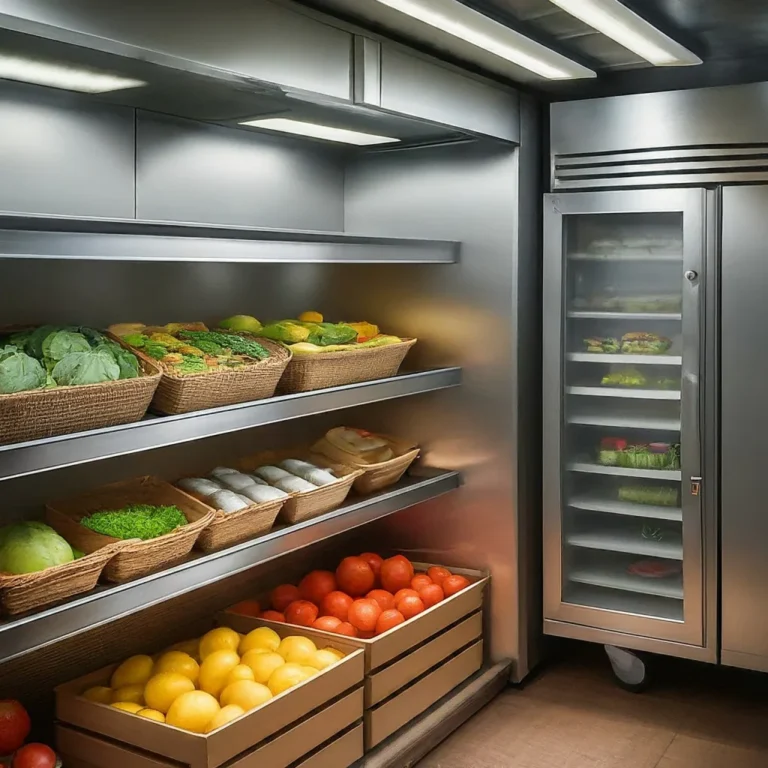
So, to recap: coldest zone (back of bottom shelf) for raw meat, middle shelves for dairy and leftovers, door for condiments and drinks, and crisper drawers for produce (with humidity settings adjusted accordingly). It’s a simple system, but it makes a big difference. And the best part? You don’t need to buy anything new to make it work. Just a little bit of planning and organization.
Pro Tip: The First In, First Out Rule
Here’s a trick I picked up from professional kitchens: the First In, First Out (FIFO) rule. The idea is simple, you arrange your fridge so that the oldest items are at the front and the newest are at the back. This way, you’re more likely to use up the older stuff before it goes bad. It’s a small change, but it can make a big difference in reducing waste. I like to think of it as a little game: how long can I go without having to throw anything out? It’s surprisingly satisfying to see how much longer your food lasts when you’re intentional about how you store it.
To make FIFO work, you’ll need to do a little bit of labeling. I use a simple system with masking tape and a marker. When I put something in the fridge, I write the date on the tape and stick it on the container. That way, I know exactly how long it’s been in there. You can also use a dry-erase marker on glass containers if you prefer. The key is to make it easy for yourself. If it’s too complicated, you won’t stick with it. And trust me, once you get into the habit, it becomes second nature.
Another tip: rotate your stock every time you bring groceries home. Move the older items to the front and put the new stuff in the back. This way, you’re always using up the oldest items first. It’s a small step, but it adds up over time. And if you’re really committed, you can even take it a step further by planning your meals around what needs to be used up. More on that later.
The Science of Food Spoilage: What’s Really Happening in Your Fridge?
Alright, let’s get a little nerdy for a minute. Why does food spoil in the first place? And how does refrigeration slow it down? At its core, food spoilage is a biological process. It’s caused by microorganisms like bacteria, yeast, and mold, as well as enzymes that naturally break down food over time. These microorganisms thrive in warm, moist environments, which is why refrigeration is so effective, it slows down their growth and gives us more time to eat our food before it goes bad. But here’s the thing: refrigeration doesn’t stop spoilage entirely. It just buys us some time. And the way we store our food can either extend or shorten that time.
Let’s start with bacteria. There are two main types of bacteria that cause food to spoil: pathogenic bacteria (the kind that can make you sick) and spoilage bacteria (the kind that makes food smell and taste bad). Refrigeration slows down the growth of both, but it doesn’t kill them. That’s why it’s so important to cook food thoroughly and store it properly. For example, raw meat can harbor harmful bacteria like Salmonella and E. coli, which is why it’s crucial to keep it in the coldest part of the fridge and cook it to the right temperature. Spoilage bacteria, on the other hand, are less dangerous but still unpleasant. They’re the reason your milk goes sour or your leftovers develop that funky smell. The good news? You can usually tell when spoilage bacteria are at work, just follow your nose.
Then there are enzymes. These are natural compounds in food that cause it to ripen and eventually break down. Enzymes are responsible for things like bananas turning brown or apples getting mushy. Refrigeration slows down enzyme activity, but it doesn’t stop it completely. That’s why some fruits and vegetables last longer in the fridge, while others (like tomatoes and avocados) actually do better at room temperature. It’s all about finding the right balance. And speaking of balance, let’s talk about ethylene gas, which I mentioned earlier. Ethylene is a natural plant hormone that speeds up ripening. Some fruits, like apples, bananas, and avocados, produce a lot of ethylene, while others, like leafy greens and berries, are sensitive to it. If you store ethylene-producing fruits with ethylene-sensitive veggies, you’re basically speeding up the spoilage process. That’s why it’s so important to separate them in the fridge.
So, what’s the takeaway here? Refrigeration is a powerful tool, but it’s not a magic bullet. To really reduce food waste, you need to understand how different foods spoil and how to store them properly. It’s not just about keeping things cold, it’s about creating the right environment for each type of food. And that’s where smart refrigeration practices come in. By paying attention to temperature, humidity, and airflow, you can extend the life of your food and reduce waste. It’s not rocket science, but it does require a little bit of knowledge and effort. And trust me, it’s worth it.
Common Refrigeration Mistakes (And How to Fix Them)
Now that we’ve covered the science, let’s talk about some common mistakes people make when storing food in the fridge. I’ll be the first to admit that I’ve made most of these at one point or another. But the good news is, once you know what to look for, they’re easy to fix. So, let’s dive in.
Mistake #1: Overpacking the fridge. I get it, you want to make the most of your space. But here’s the thing: airflow is crucial for keeping your fridge at a consistent temperature. If you pack it too tightly, the air can’t circulate properly, and some areas will end up warmer than others. This can lead to uneven cooling and faster spoilage. The fix? Leave some space between items, especially around the vents. And if your fridge is constantly overstuffed, it might be time to do a little decluttering. Which brings me to my next point…
Mistake #2: Not cleaning out the fridge regularly. I’ll admit, this is one I struggle with. It’s so easy to just shove things in the back and forget about them. But a cluttered fridge is a recipe for food waste. The longer things sit in there, the more likely they are to get forgotten and go bad. The fix? Set a reminder to clean out your fridge once a week. I like to do it on Sunday mornings while I’m sipping my coffee. It’s a good way to start the week fresh. When you’re cleaning, check for expired items, wipe down shelves, and reorganize as needed. And if you find something that’s on the verge of going bad, try to use it up in a meal that day. Speaking of which…
Mistake #3: Not using up leftovers in time. Leftovers are a double-edged sword. On one hand, they’re a great way to save time and money. On the other hand, they’re easy to forget about. The fix? Store leftovers in clear containers so you can see them easily, and label them with the date so you know how long they’ve been in there. I also like to keep a list of what’s in the fridge on a whiteboard or in a notes app. That way, I can plan meals around what needs to be used up. And if you’re not going to eat your leftovers within a few days, consider freezing them. Which brings me to…
Mistake #4: Not using the freezer effectively. The freezer is one of the best tools for reducing food waste, but it’s often underutilized. A lot of people think freezing food is only for long-term storage, but it can also be a great way to extend the life of leftovers, produce, and even dairy products. The fix? Learn what can and can’t be frozen. Most fruits and vegetables freeze well, as do cooked meats, soups, and sauces. Even things like milk, cheese, and bread can be frozen if you do it right. Just make sure to use airtight containers or freezer bags to prevent freezer burn. And don’t forget to label everything with the date so you know how long it’s been in there.
Mistake #5: Ignoring the crisper drawers. As I mentioned earlier, crisper drawers are designed to control humidity, but they’re often misused. The fix? Adjust the humidity settings based on what you’re storing. High humidity for leafy greens and herbs, low humidity for fruits and ethylene-producing veggies. And don’t overfill the drawers, air needs to circulate to keep things fresh. If you’re not sure how to adjust the settings, check your fridge’s manual. It’s usually pretty straightforward.
So, there you have it, five common refrigeration mistakes and how to fix them. None of these fixes are complicated, but they can make a big difference in how long your food stays fresh. And the best part? They don’t cost a thing. Just a little bit of time and effort.
Smart Storage Hacks: Extending the Life of Your Food
Alright, now that we’ve covered the basics, let’s get into some smart storage hacks that’ll help you extend the life of your food. These are the kinds of tricks that chefs and food scientists use to keep ingredients fresh, and they’re surprisingly easy to implement at home. I’ve tested a lot of these myself, and some of them have become game-changers in my kitchen. So, let’s dive in.
1. Wrap herbs in damp paper towels. Fresh herbs like cilantro, parsley, and basil can be tricky to store. They often wilt or turn slimy within a few days. But here’s a trick: wrap them in a damp paper towel and store them in a resealable bag in the fridge. The moisture from the paper towel keeps them hydrated, while the bag prevents them from drying out. I’ve had cilantro last over a week using this method, way longer than it ever did before. Just make sure to change the paper towel if it gets too wet or dry.
2. Store mushrooms in a paper bag. Mushrooms are another finicky ingredient. They tend to get slimy if they’re stored in plastic, but they dry out if they’re left uncovered. The solution? Store them in a paper bag in the fridge. The paper absorbs excess moisture, while still allowing the mushrooms to breathe. I’ve found that this keeps them fresh for up to a week. And if they start to dry out a little, you can always rehydrate them in water before cooking.
3. Keep avocados from ripening too quickly. Avocados are notorious for going from rock-hard to overripe in the blink of an eye. If you want to slow down the ripening process, store them in the fridge once they’re ripe. The cold temperature slows down the enzyme activity that causes them to ripen. And if you only use half an avocado, leave the pit in the remaining half and store it in an airtight container with a piece of onion. The sulfur compounds in the onion help prevent browning. It sounds weird, but it works.
4. Revive wilted greens with ice water. We’ve all been there, you buy a beautiful bunch of kale or spinach, only to find it wilted and sad a few days later. But before you toss it, try this: submerge the greens in a bowl of ice water for about 10 minutes. The cold water helps rehydrate the leaves, and you’ll be amazed at how crisp they become. I’ve brought back greens that looked beyond saving using this method. Just make sure to dry them thoroughly before storing them again.
5. Store tomatoes stem-side down. Tomatoes are one of those foods that people argue about, should you store them in the fridge or on the counter? The truth is, it depends. If your tomatoes are fully ripe and you’re not going to use them right away, storing them in the fridge can help extend their life. But here’s the trick: store them stem-side down. This prevents air from entering the tomato through the stem scar, which slows down spoilage. And if you want to bring them back to room temperature before eating, just let them sit on the counter for a little while. They’ll taste fresher that way.
6. Freeze ginger and garlic. Fresh ginger and garlic are staples in my kitchen, but they can be a pain to store. Ginger tends to dry out or get moldy, while garlic sprouts if it’s left too long. The solution? Freeze them. You can freeze whole ginger roots and grate them as needed, they’ll stay fresh for months. And for garlic, you can peel the cloves and store them in a freezer bag. They’ll lose some of their texture, but they’ll still be great for cooking. I like to mince garlic before freezing it, so it’s ready to go when I need it.
7. Store cheese in parchment paper. Cheese is another tricky one. If you store it in plastic, it can sweat and develop mold. But if you leave it uncovered, it can dry out. The solution? Wrap it in parchment paper before storing it in the fridge. The parchment allows the cheese to breathe while still protecting it from moisture and odors. And if you notice any mold, don’t panic, just cut off the affected part and rewrap the rest. Hard cheeses like cheddar and Parmesan can last for weeks this way.
8. Keep bread from going stale with a paper bag. Bread is one of the most wasted foods in the average household. It goes stale so quickly, and once it does, it’s hard to salvage. But here’s a trick: store bread in a paper bag at room temperature. The paper allows the bread to breathe, which prevents it from getting soggy. And if it starts to go stale, you can revive it by wrapping it in a damp paper towel and popping it in the oven for a few minutes. It won’t be as good as fresh, but it’ll be a lot better than throwing it out.
These hacks might seem small, but they add up. And the best part? Most of them don’t require any special equipment, just a little bit of know-how. So, the next time you’re storing food, give one of these a try. You might be surprised at how much longer your ingredients last.
DIY Fridge Upgrades: Simple Tweaks for Better Performance
You don’t need to buy a brand-new fridge to improve its performance. Sometimes, a few simple tweaks can make a big difference. Here are some DIY upgrades you can try to make your fridge work smarter, not harder.
1. Add a fridge thermometer. Most fridges have a built-in thermostat, but they’re not always accurate. A simple fridge thermometer (you can find them for under $10) can help you monitor the temperature and make sure it’s staying within the safe range of 35-38°F (1.7-3.3°C). If your fridge is running too warm, you can adjust the settings accordingly. And if it’s too cold, you can prevent freezing and extend the life of your produce.
2. Use baking soda to absorb odors. Fridge odors are a common problem, especially if you’re storing strong-smelling foods like fish or cheese. A box of baking soda can help absorb those odors and keep your fridge smelling fresh. Just place an open box on one of the shelves and replace it every few months. You can also use activated charcoal or coffee grounds for the same effect. I like to keep a small container of baking soda in the back of my fridge, it’s a cheap and easy fix.
3. Line shelves with easy-to-clean mats. Spills and leaks are inevitable, but they don’t have to be a nightmare to clean up. Line your fridge shelves with silicone mats or plastic trays to catch drips and make cleanup a breeze. You can find these online or at kitchen supply stores. I like to use mats with raised edges to contain spills, and they’re dishwasher-safe, so cleanup is a snap. Plus, they help protect your shelves from scratches and stains.
4. Install a small fan for better airflow. If your fridge is struggling to maintain a consistent temperature, a small fan can help improve airflow. You can find USB-powered fridge fans online for under $20. Just place the fan near the vents to help circulate the air. This is especially useful if you have an older fridge or one that’s prone to temperature fluctuations. I’ve found that this simple upgrade can make a noticeable difference in how long my food stays fresh.
5. Use stackable containers for better organization. If your fridge is a jumbled mess of half-empty containers and random jars, it might be time to invest in some stackable storage containers. These help maximize space and make it easier to see what you have. I like to use clear containers so I can see the contents at a glance. And if you’re really committed, you can label them with the date and contents. It’s a small change, but it makes a big difference in reducing waste.
6. Check the door seals. The door seals (or gaskets) on your fridge are crucial for maintaining a consistent temperature. If they’re worn or damaged, cold air can escape, and warm air can get in. This not only makes your fridge work harder (which can increase your energy bill) but also leads to uneven cooling and faster spoilage. To check your seals, close the door on a dollar bill. If you can pull the bill out easily, your seals might need to be replaced. You can find replacement gaskets online or at appliance stores, and they’re usually easy to install.
These upgrades are all about working with what you have to make your fridge more efficient. None of them are expensive or complicated, but they can make a big difference in how well your fridge performs. And the best part? They’ll help you reduce food waste without breaking the bank.
Meal Planning and Prep: The Secret Weapon Against Food Waste
Alright, let’s talk about meal planning and prep. This is one of those things that sounds boring and time-consuming, but trust me, it’s a game-changer when it comes to reducing food waste. I’ll admit, I used to roll my eyes at the idea of planning out my meals for the week. It felt too rigid, too much like something my mom would do. But then I realized that meal planning isn’t about following a strict schedule, it’s about being intentional with what you buy and how you use it. And the best part? It saves you time, money, and stress in the long run.
Here’s how it works: at the beginning of the week, you sit down and plan out your meals. You take inventory of what you already have in the fridge and pantry, and then you make a list of what you need to buy. The key is to plan meals that use overlapping ingredients so nothing goes to waste. For example, if you’re making a stir-fry with bell peppers and broccoli, you can also plan to use those ingredients in a salad or omelet later in the week. This way, you’re not buying a bunch of random ingredients that’ll just sit in the fridge until they go bad.
But meal planning isn’t just about the list, it’s also about prep. I like to spend a little time on Sunday chopping veggies, cooking grains, and portioning out ingredients. This makes it so much easier to throw together meals during the week, especially on busy nights when I don’t feel like cooking. And if I know I’m not going to use something right away, I’ll freeze it for later. For example, I’ll cook a big batch of rice and freeze half of it in portion-sized containers. That way, I always have rice on hand for quick meals.
Now, I know what you’re thinking: “This sounds great, but I don’t have time for all this.” And I get it, life is busy. But here’s the thing: meal planning and prep don’t have to be all-or-nothing. You don’t have to plan every single meal or spend hours in the kitchen. Even just planning a few meals a week or prepping a few ingredients can make a big difference. And the more you do it, the easier it gets. I’ve found that once I got into the habit, it actually saved me time because I wasn’t constantly running to the store or staring into the fridge wondering what to make for dinner.
Another tip: use your freezer. The freezer is your best friend when it comes to meal planning. If you’re not going to use something right away, freeze it. This works for everything from leftovers to fresh produce. For example, if you buy a big bag of spinach but only use half of it, you can blanch the rest and freeze it for later. Or if you make a big pot of soup, you can freeze individual portions for quick meals down the road. The key is to label everything so you know what it is and how long it’s been in there. I like to use masking tape and a marker, it’s cheap and effective.
And finally, be flexible. Meal planning isn’t about sticking to a rigid schedule, it’s about being prepared. If you don’t feel like eating what you planned, that’s okay. Just swap it out for something else. The goal is to reduce waste, not to stress yourself out. And if you end up with leftovers, that’s a good thing. It means you’re one step closer to a zero-waste kitchen.
Leftovers Reinvented: Turning Yesterday’s Meal into Today’s Masterpiece
Let’s be real, leftovers get a bad rap. They’re often seen as boring, sad, or something to be endured rather than enjoyed. But I’m here to tell you that leftovers don’t have to be boring. With a little creativity, you can reinvent them into something new and exciting. And the best part? It’s a great way to reduce food waste and save money. So, let’s talk about how to turn yesterday’s meal into today’s masterpiece.
First, let’s address the elephant in the room: texture. One of the biggest complaints about leftovers is that they can get soggy or dry out. The key to avoiding this is to store them properly in the first place. Use airtight containers to prevent moisture loss, and don’t overfill them. If you’re storing something like pasta or rice, consider adding a little extra sauce or broth to keep it moist. And if you’re reheating, do it gently, microwaving on low power or reheating in a skillet can help preserve texture.
Now, let’s talk about flavor. Leftovers can sometimes taste bland or one-dimensional, but that’s easy to fix. The trick is to add fresh elements to brighten them up. For example, if you have leftover roasted vegetables, you can toss them with some fresh greens, a squeeze of lemon, and a drizzle of olive oil to make a salad. Or if you have leftover grilled chicken, you can shred it and mix it with some salsa and avocado to make tacos. The possibilities are endless, it’s all about thinking outside the box.
Here are a few of my favorite ways to reinvent leftovers:
- Leftover rice → fried rice. Add some veggies, an egg, and a splash of soy sauce, and you’ve got a whole new meal.
- Leftover roasted veggies → frittata. Mix them with some beaten eggs and cheese, and bake until set. It’s a great way to use up small amounts of veggies.
- Leftover cooked meat → soup or stew. Add some broth, veggies, and herbs, and you’ve got a hearty meal in no time.
- Leftover pasta → pasta frittata. Mix the pasta with eggs and cheese, and bake until golden. It’s like a cross between a frittata and a pasta dish.
- Leftover bread → croutons or bread pudding. Stale bread is perfect for making croutons or bread pudding. Just add some herbs, garlic, and olive oil for croutons, or mix with eggs, milk, and sugar for bread pudding.
The key is to think of leftovers as ingredients rather than finished meals. This way, you can mix and match them to create something new. And don’t be afraid to experiment. Some of my best meals have come from throwing together random leftovers and seeing what happens. It’s like a culinary adventure, you never know what you’ll come up with.
And finally, don’t forget about the freezer. If you’re not going to use your leftovers within a few days, freeze them. This works for everything from soups and sauces to cooked meats and veggies. Just make sure to label everything so you know what it is and how long it’s been in there. I like to use portion-sized containers so I can thaw just what I need. It’s a great way to have quick meals on hand for busy nights.
Tech to the Rescue: Smart Refrigeration Gadgets and Apps
Alright, let’s talk about technology. I’ll admit, I’m a bit of a gadget geek. I love anything that makes my life easier, and when it comes to reducing food waste, there are some pretty cool tools out there. Now, I’m not saying you need to go out and buy a bunch of expensive gadgets, some of these are simple, affordable, and well worth the investment. So, let’s dive into some of the smart refrigeration gadgets and apps that can help you waste less food.
1. Smart fridges. If you’re in the market for a new fridge, you might want to consider a smart fridge. These fridges come with features like internal cameras, temperature monitoring, and even inventory tracking. Some models, like the Samsung Family Hub, have touchscreens that let you see what’s inside your fridge without opening the door. This can help reduce temperature fluctuations and make it easier to keep track of what you have. Other models, like the LG ThinQ, can send you alerts if the door is left open or if the temperature gets too high. It’s like having a personal fridge assistant. Now, I’ll be the first to admit that smart fridges are expensive, and they’re not for everyone. But if you’re looking to upgrade, they’re worth considering.
2. Fridge thermometers with alerts. If a smart fridge is out of your budget, a smart fridge thermometer is a great alternative. These gadgets monitor the temperature inside your fridge and send you alerts if it gets too warm or too cold. Some models, like the SensorPush, even track humidity levels and can help you optimize your fridge’s performance. They’re affordable, easy to install, and can make a big difference in how long your food stays fresh. I’ve been using one for a few months now, and I’ve already noticed a difference in how long my produce lasts.
3. Food storage containers with freshness tracking. There are some pretty cool smart food storage containers on the market that can help you keep track of what’s in your fridge. For example, the Ovie Smarterware system uses RFID tags and a smartphone app to track the freshness of your food. You just stick a tag on your container, scan it with the app, and it’ll tell you how long the food has been in there and when it’s likely to go bad. It’s a great way to stay on top of your leftovers and reduce waste. Another option is the Prep Naturals containers, which come with date labels and a meal planning app. They’re not as high-tech as Ovie, but they’re a lot more affordable.
4. Apps for meal planning and inventory tracking. If you’re not ready to invest in gadgets, there are plenty of apps that can help you reduce food waste. For example, Mealime is a meal planning app that helps you plan meals based on what you already have in your fridge. It generates a shopping list and even suggests recipes based on your preferences. Another great app is NoWaste, which lets you track the food in your fridge, freezer, and pantry. You can scan barcodes, add items manually, and set expiration dates. The app will send you reminders when something is about to go bad, so you can use it up before it’s too late. And if you’re looking for recipe inspiration, SuperCook is a great app that generates recipes based on the ingredients you have on hand. It’s a great way to use up leftovers and reduce waste.
5. Vacuum sealers. If you’re serious about reducing food waste, a vacuum sealer is a game-changer. These gadgets remove air from food storage bags, which helps prevent spoilage and freezer burn. They’re great for storing everything from meat and fish to fruits and vegetables. I’ve been using one for a few years now, and I’ve been amazed at how much longer my food lasts. For example, I can buy a big pack of chicken, portion it out, and vacuum seal it. It’ll stay fresh in the freezer for months, and I can thaw just what I need. It’s a great way to save money and reduce waste. And if you’re worried about the cost, there are plenty of affordable options out there. I started with a basic model, and it’s worked great for me.
So, there you have it, some of the best smart refrigeration gadgets and apps for reducing food waste. None of these are necessary, but they can make the process a lot easier. And the best part? They’re all designed to work with your existing fridge, so you don’t need to buy anything new. It’s all about working smarter, not harder.
Is Technology the Answer? The Pros and Cons of Smart Refrigeration
Now, I’ll be the first to admit that technology isn’t a magic bullet. It can help, but it’s not a substitute for good old-fashioned awareness and effort. Let’s take a step back and consider the pros and cons of relying on smart refrigeration gadgets and apps.
Pros:
- Convenience. Gadgets and apps can make it easier to track what you have and when it’s going to go bad. This can save you time and reduce the mental load of meal planning.
- Accuracy. Smart thermometers and inventory trackers can give you a more accurate picture of what’s happening in your fridge. This can help you optimize storage conditions and extend the life of your food.
- Motivation. Some people find that using gadgets and apps helps them stay motivated. It’s like having a personal coach reminding you to use up your leftovers or check your fridge temperature.
- Data. Many of these tools provide data and insights that can help you identify patterns and make better decisions. For example, you might notice that you’re wasting a lot of dairy products and decide to buy smaller quantities.
Cons:
- Cost. Some of these gadgets can be expensive, and not everyone has the budget for them. It’s important to weigh the cost against the potential savings in food waste.
- Complexity. Some gadgets and apps can be complicated to set up and use. If they’re too difficult, you might not stick with them. It’s important to choose tools that fit your lifestyle and skill level.
- Over-reliance. It’s easy to become too reliant on technology and forget the basics. Gadgets and apps can help, but they’re not a substitute for good habits like meal planning and proper storage.
- Environmental impact. Some gadgets, like vacuum sealers, require disposable materials like plastic bags. It’s important to consider the environmental impact of these tools and look for sustainable alternatives.
So, is technology the answer? It depends. For some people, gadgets and apps can be a great way to reduce food waste. For others, they might be more trouble than they’re worth. The key is to find what works for you. If you’re tech-savvy and willing to invest in gadgets, they can be a great tool. But if you prefer a more low-tech approach, that’s okay too. The most important thing is to be intentional with how you store and use your food. Whether you’re using a smart fridge or a simple fridge thermometer, the goal is the same: to waste less and enjoy more.
The Psychology of Food Waste: Why We Throw Out So Much (And How to Stop)
Alright, let’s get a little introspective for a minute. Why do we waste so much food in the first place? Is it just laziness, or is there something deeper going on? As it turns out, food waste is as much a psychological issue as it is a practical one. Our brains are wired in ways that make it easy to waste food, even when we don’t mean to. But the good news is, once we understand these psychological traps, we can start to overcome them. So, let’s dive into the psychology of food waste and how we can hack our brains to waste less.
1. The “out of sight, out of mind” effect. One of the biggest reasons we waste food is that we simply forget about it. When something is hidden in the back of the fridge or buried in the pantry, it’s easy to overlook. And the longer it sits there, the more likely it is to go bad. This is why organization is so important. If you can see what you have, you’re more likely to use it. That’s why I love clear storage containers, they make it easy to see what’s inside. And if you’re really struggling with this, try keeping a list of what’s in your fridge. It’s a simple trick, but it can make a big difference.
2. The “I’ll use it later” trap. We’ve all been there, you buy something with the best of intentions, but then life gets in the way, and it ends up going bad. This is especially common with fresh produce. We buy a bunch of veggies for a salad, but then we get busy, and they sit in the fridge until they’re no longer usable. The key here is to be realistic about what you’ll actually use. If you know you’re not going to eat a whole bunch of kale in a week, don’t buy it. Or if you do buy it, make a plan to use it. For example, you could chop it up and freeze it for smoothies, or roast it with some garlic and olive oil. The point is, don’t just assume you’ll figure it out later, make a plan.
3. The “it’s not perfect” bias. We’ve all done it, tossed out a bruised apple or a wilted lettuce leaf because it’s not “perfect.” But here’s the thing: imperfect produce is still perfectly edible. A bruised apple can be used in baking or smoothies, and wilted greens can be revived with ice water. The key is to reframe how we think about food. Instead of seeing imperfections as flaws, see them as opportunities. That bruised apple might not be great for eating raw, but it could be amazing in a pie. And that wilted lettuce might not be great for a salad, but it could be perfect for a stir-fry. It’s all about getting creative and not letting perfectionism get in the way of reducing waste.
4. The “I don’t know how to use it” problem. Sometimes, we waste food because we’re not sure how to use it. Maybe we bought something new and don’t know how to cook it, or maybe we have leftovers that we’re not sure how to repurpose. The fix? Educate yourself. There are plenty of resources out there for learning how to use different ingredients. For example, if you’re not sure how to cook a certain vegetable, a quick Google search can turn up a ton of recipes. And if you have leftovers that you’re not sure what to do with, try an app like SuperCook or NoWaste for inspiration. The more you know, the less likely you are to waste food.
5. The “I don’t want to eat leftovers” mindset. Leftovers get a bad rap. They’re often seen as boring, sad, or something to be endured rather than enjoyed. But here’s the thing: leftovers don’t have to be boring. With a little creativity, you can turn them into something new and exciting. For example, leftover roasted vegetables can be turned into a frittata, and leftover rice can be turned into fried rice. The key is to think of leftovers as ingredients rather than finished meals. This way, you can mix and match them to create something new. And if you’re really not a fan of leftovers, try cooking smaller portions. It’s better to have a little less than to waste a lot.
So, how do we overcome these psychological traps? The key is to build better habits. Here are a few strategies that have worked for me:
- Set reminders. Use your phone or a whiteboard to remind yourself to check the fridge for leftovers or ingredients that need to be used up. I like to set a reminder for Sunday mornings, it’s a great way to start the week fresh.
- Make a plan. Before you go grocery shopping, take inventory of what you already have and make a plan for how you’ll use it. This can help you avoid buying duplicates or things you won’t use.
- Get creative. Don’t be afraid to experiment with new recipes or ways to use up ingredients. Some of my best meals have come from throwing together random leftovers.
- Involve the whole household. If you live with others, make reducing food waste a team effort. Assign someone to be the “leftover champion” or set a goal to waste less as a family. It’s a great way to hold each other accountable.
- Track your progress. Keep a log of how much food you’re wasting (or not wasting). This can help you identify patterns and stay motivated. I like to take a photo of my fridge before and after my weekly clean-out, it’s a great visual reminder of how much I’ve improved.
The psychology of food waste is complex, but it’s not insurmountable. By understanding the traps we fall into and building better habits, we can waste less and enjoy more. And the best part? It doesn’t have to be complicated. Small changes can add up to a big impact.
Breaking the Cycle: How to Build Better Food Habits
Alright, so we’ve talked about the psychological traps that lead to food waste, and we’ve covered some strategies for overcoming them. But how do we actually build better habits? How do we make reducing food waste a natural part of our daily lives? The key is to start small and be consistent. Here’s how I’ve approached it, and how you can too.
1. Start with one habit at a time. It’s easy to get overwhelmed when you’re trying to change multiple habits at once. Instead, focus on one thing at a time. For example, you might start by organizing your fridge and seeing how that affects your food waste. Once that becomes second nature, you can move on to something else, like meal planning or using up leftovers. The goal is to build momentum and make lasting changes.
2. Make it easy. The easier a habit is, the more likely you are to stick with it. For example, if you want to start meal planning, keep a notepad and pen in the kitchen so you can jot down ideas as they come to you. Or if you want to start using up leftovers, keep a list of what’s in the fridge on your phone so you can check it when you’re planning meals. The key is to remove barriers and make it as easy as possible to do the right thing.
3. Use visual cues. Our brains respond well to visual cues. For example, if you want to remember to use up leftovers, keep them at eye level in the fridge. Or if you want to reduce waste, keep a compost bin in a visible spot. The more you see something, the more likely you are to think about it. I like to keep a whiteboard in my kitchen where I write down what needs to be used up. It’s a constant reminder to be intentional with my food.
4. Set goals and track progress. Goals give us something to work toward, and tracking progress helps us stay motivated. For example, you might set a goal to waste 25% less food this month and track your progress in a journal or app. Or you might set a goal to use up all your leftovers by the end of the week. The key is to make your goals specific, measurable, and achievable. And don’t forget to celebrate your successes, it’s a great way to stay motivated.
5. Be kind to yourself. Changing habits is hard, and it’s normal to slip up. The key is to not beat yourself up when you do. Instead, focus on what you can learn from the experience. For example, if you forget about a container of leftovers and it goes bad, ask yourself what you can do differently next time. Maybe you need to store it in a more visible spot, or maybe you need to set a reminder. The goal is to learn and improve, not to be perfect.
6. Involve others. If you live with others, make reducing food waste a team effort. Assign roles, set goals, and hold each other accountable. For example, you might assign someone to be the “leftover champion” or set a goal to waste less as a family. It’s a great way to build support and make lasting changes. And if you live alone, consider joining a community or online group focused on reducing food waste. It’s a great way to stay motivated and learn from others.
Building better food habits takes time, but it’s worth it. The key is to start small, be consistent, and stay motivated. And remember, it’s not about being perfect, it’s about making progress. Every little bit helps, and the more you practice, the easier it gets.
Conclusion: Small Changes, Big Impact
Alright, let’s take a step back and reflect on what we’ve covered. When I first started writing this article, I’ll admit, I was a little overwhelmed. Food waste is a massive problem, and it’s easy to feel like the little things we do at home don’t make a difference. But the more I researched and the more I thought about it, the more I realized that small changes really do add up. It’s not about overhauling your entire life or buying a bunch of expensive gadgets, it’s about being intentional with how you store, use, and think about food. And the best part? These changes don’t just reduce waste, they save you money, time, and stress.
So, where do we go from here? The key is to start small and build momentum. Pick one or two strategies from this article and give them a try. Maybe it’s organizing your fridge using the zone-based approach, or maybe it’s trying out the First In, First Out (FIFO) rule. Or maybe it’s something as simple as reviving wilted greens with ice water or reinventing leftovers into something new. The point is, you don’t have to do everything at once. Just start with one thing and see how it goes. And if it works, keep doing it. If it doesn’t, try something else. The goal is to find what works for you and make it a habit.
And remember, reducing food waste isn’t just about the environment or saving money, it’s also about respecting the effort that goes into growing, transporting, and preparing food. Every time we throw out food, we’re not just wasting the food itself, we’re wasting the water, energy, and labor that went into producing it. But when we take steps to reduce waste, we’re honoring that effort and making the most of what we have. It’s a small act of gratitude, and it’s one that makes a difference.
So, here’s my challenge to you: pick one thing from this article and try it this week. Maybe it’s cleaning out your fridge and reorganizing it, or maybe it’s planning your meals around what you already have. Whatever it is, give it a shot and see how it goes. And if you’re feeling really ambitious, share your progress with someone else. It’s a great way to stay accountable and inspire others to do the same. Who knows? You might just start a ripple effect that leads to less waste and more delicious meals for everyone.
And with that, I’ll leave you with this thought: reducing food waste isn’t about perfection, it’s about progress. It’s about making small, intentional changes that add up to a big impact. So, go ahead, open your fridge, and take a look. What’s one thing you can do today to waste less and enjoy more?
FAQ
Q: What’s the ideal temperature for my fridge to reduce food waste?
A: The ideal temperature for your fridge is between 35-38°F (1.7-3.3°C). This range is cold enough to slow down bacterial growth and extend the life of your food, but not so cold that it freezes your produce or dairy products. If your fridge doesn’t have a built-in thermometer, consider adding a fridge thermometer to monitor the temperature. It’s a small investment that can make a big difference in how long your food stays fresh.
Q: How can I tell if my fridge’s door seals are working properly?
A: Door seals (or gaskets) are crucial for maintaining a consistent temperature in your fridge. To check if they’re working properly, try the dollar bill test. Close the door on a dollar bill and then try to pull it out. If the bill slides out easily, your seals might be worn or damaged. You can also check for visible signs of wear, like cracks or gaps. If your seals aren’t working properly, you can usually find replacement gaskets online or at appliance stores. They’re relatively easy to install and can make a big difference in your fridge’s performance.
Q: What are some of the best foods to store in the crisper drawers, and how should I adjust the humidity settings?
A: Crisper drawers are designed to control humidity, and they’re perfect for storing fruits and vegetables. The key is to adjust the humidity settings based on what you’re storing. High-humidity drawers are best for leafy greens, herbs, and other produce that tends to wilt, like lettuce, spinach, and broccoli. Low-humidity drawers are better for fruits and ethylene-producing vegetables, like apples, pears, and avocados. Ethylene gas speeds up ripening, so storing ethylene-producing fruits with ethylene-sensitive veggies can cause the veggies to spoil faster. If you’re not sure how to adjust the settings, check your fridge’s manual, it’s usually pretty straightforward.
Q: What’s the best way to store leftovers to keep them fresh longer?
A: Storing leftovers properly is key to extending their life and reducing waste. Here are a few tips:
- Use airtight containers. This helps prevent moisture loss and keeps odors from spreading.
- Label everything. Use masking tape or a dry-erase marker to write the date and contents on the container. This makes it easy to keep track of what you have and how long it’s been in there.
- Store leftovers in the middle shelves. This is where the temperature is most consistent, which helps extend the life of your food.
- Follow the First In, First Out (FIFO) rule. Arrange your fridge so that the oldest items are at the front and the newest are at the back. This way, you’re more likely to use up the older stuff before it goes bad.
- Freeze what you won’t use right away. If you know you’re not going to eat your leftovers within a few days, freeze them. Just make sure to use freezer-safe containers and label everything with the date.
@article{how-to-reduce-food-waste-with-smart-refrigeration-practices-a-practical-guide-for-home-and-professional-kitchens,
    title   = {How to Reduce Food Waste with Smart Refrigeration Practices: A Practical Guide for Home and Professional Kitchens},
    author  = {Chef's icon},
    year    = {2026},
    journal = {Chef's Icon},
    url     = {https://chefsicon.com/how-to-reduce-food-waste-with-smart-refrigeration-practices/}
}