The Best Fluffy Pancakes recipe you will fall in love with. Full of tips and tricks to help you make the best pancakes.
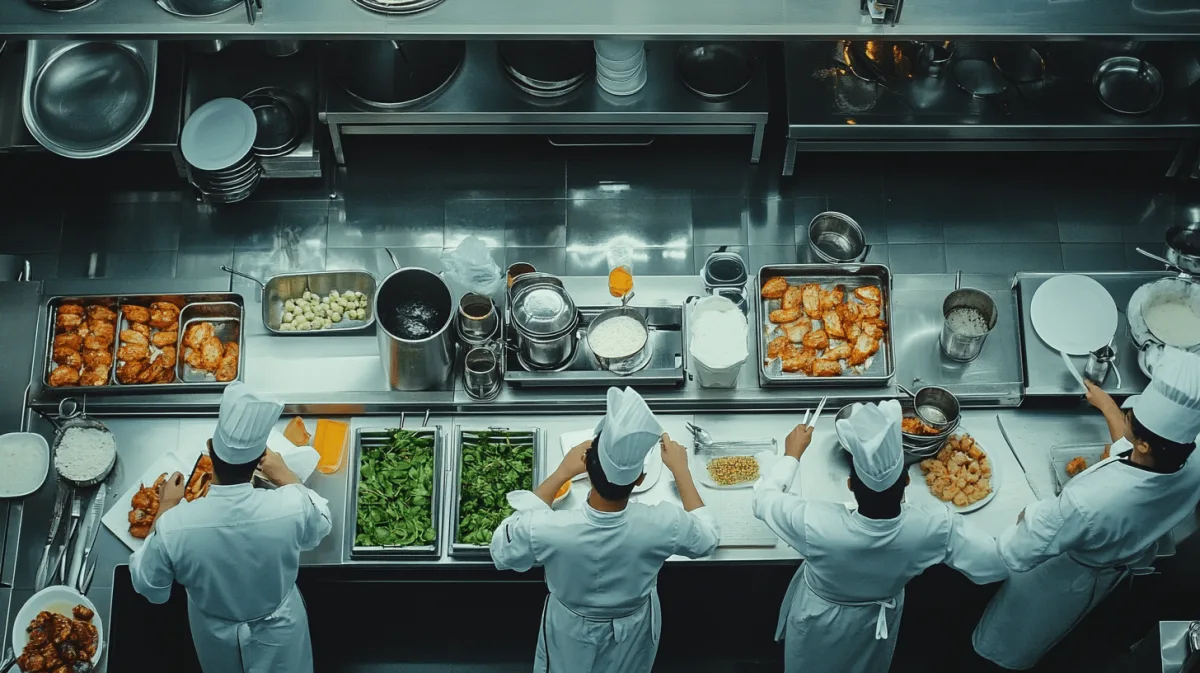
Let me tell you about the time I nearly burned down my kitchen. Not in some dramatic, action-movie way, no grease fires or exploding pressure cookers. Just a quiet, slow-motion disaster that unfolded over the course of a single dinner party. I had invited four friends over, all foodies like me, and I was determined to impress them with a multi-course meal that would make them forget about Nashville’s best restaurants. What followed was a masterclass in how ot to manage kitchen workflow.
I started with the best intentions. I had my mise en place laid out, my recipes printed, and even a rough timeline scribbled on a notepad. But somewhere between searing the scallops and reducing the wine sauce, things went sideways. The risotto wasn’t ready when the scallops were. The salad wilted while I frantically tried to fix the sauce. And by the time I plated the main course, my guests were already full on bread and apologies. The food was good, great, even, but the experience was chaotic. That night, I learned a hard truth: kitchen workflow management isn’t just about cooking; it’s about orchestrating a symphony of tasks, timings, and temperatures so that everything comes together at the right moment. And if you get it wrong, even the best ingredients can’t save you.
So, what exactly is kitchen workflow management? At its core, it’s the art and science of organizing your kitchen, whether it’s a home cook’s sanctuary or a bustling restaurant, so that every task flows smoothly from prep to plating. It’s about eliminating bottlenecks, reducing waste (of time, ingredients, and sanity), and ensuring that every dish reaches the table at its peak. And here’s the thing: it’s not just for professional chefs. If you’ve ever juggled multiple dishes, hosted a dinner party, or even just tried to get a weeknight meal on the table without losing your mind, you’ve already dabbled in it. The question is, are you doing it well?
In this guide, we’re going to dive deep into the world of kitchen workflow management. We’ll explore why it matters, how to diagnose your kitchen’s inefficiencies, and, most importantly, how to fix them. Whether you’re a home cook looking to streamline your process or a restaurant owner trying to squeeze more efficiency out of your kitchen, there’s something here for you. By the end, you’ll have a toolkit of strategies to transform your kitchen from a chaotic battleground into a well-oiled machine. Ready? Let’s get started.
The Psychology of Kitchen Workflow: Why Your Brain Hates Chaos (And How to Outsmart It)
Why Your Kitchen Feels Like a War Zone
Have you ever noticed how a cluttered kitchen can make even the simplest task feel overwhelming? There’s a reason for that. Our brains are wired to seek order, and when we’re faced with chaos, whether it’s a pile of dirty dishes, ingredients scattered across the counter, or a timer blaring while something burns on the stove, our stress levels skyrocket. This isn’t just anecdotal; it’s science. Studies have shown that visual clutter competes for our attention, reducing our ability to focus and increasing cognitive load. In other words, a messy kitchen doesn’t just slow you down; it makes you dumber.
But here’s the kicker: the problem isn’t just the mess. It’s the decision fatigue that comes with it. Every time you have to stop and think, “Where did I put the garlic?” or “Did I already salt the pasta water?” you’re burning mental energy. And in a kitchen, where timing is everything, those split-second delays can add up to disaster. I learned this the hard way during that ill-fated dinner party. By the time I realized the risotto was undercooked, I was already juggling three other tasks, and my brain was too fried to troubleshoot effectively. The result? A mushy, underseasoned disaster that I tried to pass off as “deconstructed.” (Spoiler: my friends saw right through it.)
So, how do you combat this? The first step is recognizing that kitchen workflow management isn’t just about the physical layout of your space. It’s about designing a system that minimizes mental friction. This means creating a kitchen environment where your brain can operate on autopilot as much as possible. Think of it like driving a car: you don’t consciously think about every turn of the wheel or press of the pedal. You’ve internalized the process so that it becomes second nature. The same should be true for your kitchen workflow. The less you have to think about the basics, the more mental bandwidth you’ll have for the creative or critical tasks that require your full attention.
The Myth of Multitasking (And What to Do Instead)
Let’s talk about multitasking. We’ve all been told that it’s a superpower, the key to getting more done in less time. But in the kitchen, multitasking is a myth, and a dangerous one at that. Research has shown that the human brain isn’t actually capable of focusing on multiple tasks simultaneously. What we call “multitasking” is really just task-switching, and every time we switch from one task to another, we lose time and efficiency. In a kitchen, where precision and timing are everything, those lost seconds can be the difference between a perfectly seared steak and a dry, overcooked one.
I’ll admit, I used to pride myself on my ability to juggle multiple tasks at once. “Look at me,” I’d think, “searing chicken while simmering a sauce and chopping herbs for garnish. I’m a culinary octopus!” But the truth is, I was just setting myself up for mistakes. One time, I was so focused on stirring a reduction that I forgot to flip the chicken in the oven. By the time I remembered, it was too late, the skin was burnt, and the meat was dry. Another time, I was so busy plating a dish that I knocked over a bottle of olive oil, sending a greasy puddle cascading onto the floor. (Luna, my rescue cat, still hasn’t forgiven me for that one.)
So, if multitasking is off the table, what’s the alternative? The answer lies in sequential tasking and batch processing. Sequential tasking means focusing on one task at a time, completing it, and then moving on to the next. Batch processing involves grouping similar tasks together to minimize setup and cleanup time. For example, instead of chopping one onion for a recipe and then moving on to another task, you’d chop all the onions you need for the entire meal at once. This might sound simple, but it’s a game-changer. By reducing the number of times you have to switch tasks, you’ll save time, reduce stress, and, most importantly, improve the quality of your food.
But here’s the thing: sequential tasking and batch processing require planning. You can’t just wing it and hope for the best. You need a system, a roadmap that tells you what to do and when to do it. And that’s where kitchen workflow management comes in. It’s not about working harder; it’s about working smarter.
The Anatomy of a Well-Managed Kitchen: Breaking Down the Key Components
1. The Holy Trinity: Space, Time, and Tools
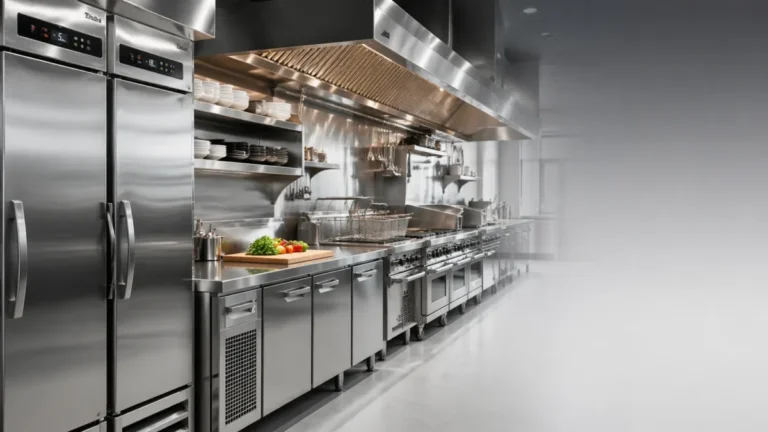
Every great kitchen, whether it’s a Michelin-starred restaurant or a tiny apartment in Nashville, relies on three fundamental components: space, time, and tools. Get any one of these wrong, and your workflow will suffer. Let’s start with space. A well-designed kitchen isn’t just about aesthetics; it’s about ergonomics. The way your kitchen is laid out can either facilitate or hinder your workflow. Think about the classic “kitchen work triangle,” which posits that the sink, stove, and refrigerator should form a triangle to minimize movement. But in reality, it’s not just about these three points. It’s about creating zones for different tasks, prep, cooking, plating, cleanup, and ensuring that everything you need for a given task is within arm’s reach.
Take my kitchen, for example. When I first moved into my Nashville home, I was so focused on making it look like something out of a magazine that I neglected functionality. My knives were stored in a drawer on the opposite side of the kitchen from my cutting board. My spices were tucked away in a cabinet above the stove, which meant I had to reach over a hot pan every time I needed to season something. And my trash can was hidden under the sink, forcing me to open a cabinet door every time I needed to toss something. It wasn’t until I had a near-miss with a boiling pot of water (long story) that I realized how much these small inefficiencies were costing me. So, I redesigned my kitchen with workflow in mind. Now, my knives are in a block next to my cutting board. My spices are in a pull-out drawer within easy reach. And my trash can is in a freestanding bin right next to my prep area. The difference is night and day.
Next up: time. In the kitchen, time isn’t just a measure of how long something takes; it’s a resource. And like any resource, it needs to be managed carefully. This means understanding how long each task takes, planning your workflow accordingly, and building in buffers for the unexpected. One of the biggest mistakes I see home cooks make is underestimating how long something will take. They’ll plan a meal that requires 30 minutes of prep, 20 minutes of cooking, and 10 minutes of plating, and then wonder why they’re running behind. The problem? They didn’t account for the time it takes to gather ingredients, preheat the oven, or clean up as they go. In a professional kitchen, chefs use a technique called time blocking to allocate specific amounts of time to each task. You can do the same at home. Start by timing how long each step of your recipe takes, then add a 20% buffer to account for the unexpected. Trust me, it’s better to have extra time than to be scrambling at the last minute.
Finally, tools. The right tools can make or break your workflow. But here’s the thing: you don’t need a kitchen full of gadgets to be efficient. In fact, too many tools can be just as problematic as too few. The key is to have the right tools for the job, tools that are versatile, reliable, and easy to use. For example, a good chef’s knife can handle 90% of your cutting tasks, from chopping onions to slicing meat. A high-quality cutting board (preferably one with a non-slip surface) can make prep faster and safer. And a set of mise en place containers can help you organize your ingredients before you start cooking, so you’re not scrambling to find something in the middle of a recipe. The goal isn’t to have the most tools; it’s to have the tools that make your workflow smoother.
2. The Power of Mise en Place (And Why You’re Probably Doing It Wrong)
If you’ve ever watched a cooking show, you’ve probably heard the term mise en place. It’s a French phrase that means “everything in its place,” and it’s the backbone of efficient kitchen workflow management. The idea is simple: before you start cooking, you gather and prepare all of your ingredients and tools, so that everything is within easy reach when you need it. Sounds straightforward, right? But here’s the thing: most people don’t do it correctly. They’ll chop their onions, measure out their spices, and call it a day. But true mise en place goes beyond just prepping ingredients. It’s about organizing your workspace so that your workflow is as smooth as possible.
Let me give you an example. A few years ago, I was working on a recipe for a complex dish that required multiple components: a braised short rib, a root vegetable purée, and a red wine reduction. I thought I had my mise en place under control, I had all my ingredients chopped, measured, and ready to go. But when I started cooking, I realized I had made a critical mistake: I had prepped my ingredients, but I hadn’t organized them in the order I needed them. So, I found myself reaching for the red wine while I was in the middle of searing the short ribs, or digging through my spice rack for the thyme while the purée was simmering. It was a mess, and by the time I finished, I was exhausted and frustrated.
After that experience, I started thinking more carefully about how to organize my mise en place. Now, I follow a few key principles. First, I group my ingredients by task. If I’m making a sauce, I’ll gather all the ingredients for the sauce in one place. If I’m prepping a protein, I’ll gather everything I need for that in another. Second, I arrange my ingredients in the order I’ll need them. If I’m making a stir-fry, for example, I’ll put the aromatics (garlic, ginger, onions) first, followed by the protein, then the vegetables, and finally the sauce. This way, I can grab what I need without having to think about it. And third, I make sure my tools are within easy reach. If I’m using a whisk for one task and a spatula for another, I’ll keep them in separate containers so I don’t have to dig through a drawer to find what I need.
But here’s the thing about mise en place: it’s not just for professional chefs. Even if you’re just making a simple weeknight meal, taking a few minutes to organize your ingredients and tools can save you time and stress in the long run. It’s like the difference between packing for a trip the night before and throwing everything into a suitcase five minutes before you leave. One approach is calm and methodical; the other is chaotic and stressful. Which one would you rather have in your kitchen?
3. The Role of Communication in Kitchen Workflow
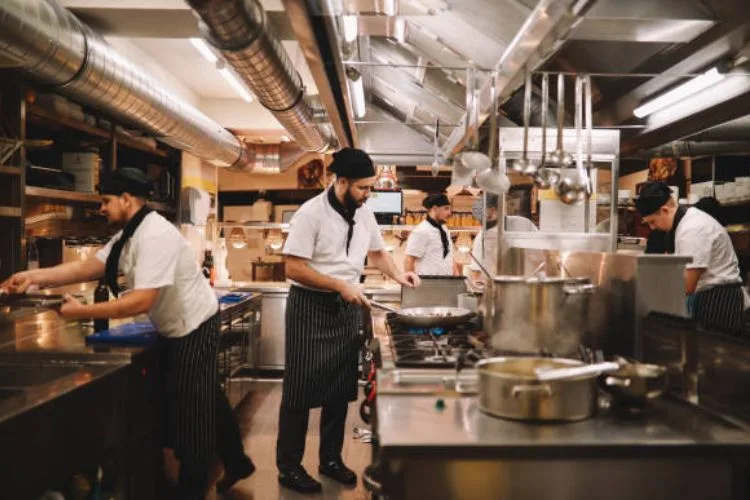
If you’ve ever worked in a restaurant kitchen, you know that communication is everything. A well-run kitchen is like a symphony, with each member of the team playing their part in perfect harmony. But if one person is out of sync, the whole performance falls apart. The same is true in a home kitchen, even if it’s just you and your partner (or, in my case, me and Luna, who mostly just sits there looking judgmental). Clear communication is the glue that holds your workflow together. Without it, even the best-laid plans can go awry.
Let me tell you about the time I learned this lesson the hard way. I was hosting a dinner party with a friend, and we decided to split the cooking duties. I was in charge of the main course, and she was handling the appetizers and dessert. We had a plan, or so we thought. But somewhere between the appetizers and the main course, things went off the rails. I assumed she would handle the salad, but she assumed I would. Meanwhile, the dessert was taking longer than expected, and the main course was getting cold. By the time we sat down to eat, we were both frazzled, and the meal was a disjointed mess. The food was good, but the experience was anything but.
After that, I started thinking more carefully about how to communicate in the kitchen. Now, whenever I’m cooking with someone else, we take a few minutes at the beginning to go over the plan. We discuss who’s responsible for what, when each dish needs to be ready, and what the backup plan is if something goes wrong. We also use a technique called call-and-response, which is common in professional kitchens. For example, if I’m plating a dish and I need the sauce, I’ll say, “Sauce, please,” and my partner will respond, “Sauce coming up.” This might seem like overkill, but it’s a simple way to ensure that everyone is on the same page. And in a kitchen, where timing is everything, those small moments of clarity can make all the difference.
But communication isn’t just about talking; it’s also about visual cues. In a professional kitchen, chefs use a system of tickets and timers to keep track of orders and ensure that everything is cooked to perfection. At home, you can do something similar. For example, you can use a whiteboard or a chalkboard to write down your timeline for the meal. Or you can use color-coded containers to organize your ingredients by dish. The key is to create a system that works for you and your team, whether that’s your partner, your kids, or just you and your cat.
Diagnosing Your Kitchen’s Workflow Problems: A Step-by-Step Guide
Step 1: The Kitchen Audit (Or, How to Spot the Bottlenecks in Your System)
If you want to improve your kitchen workflow, the first step is to figure out what’s not working. This means conducting a kitchen audit-a thorough examination of your space, your tools, and your processes to identify inefficiencies. Think of it like a doctor’s checkup for your kitchen. You wouldn’t try to fix a problem without first diagnosing it, right? The same is true for your workflow.
So, how do you conduct a kitchen audit? Start by observing your kitchen in action. The next time you cook, pay attention to the little things. Where do you waste time? Where do you get frustrated? What tasks feel clunky or inefficient? For example, do you find yourself running back and forth between the fridge and the stove? Do you spend more time looking for tools than actually using them? Do you have to stop and wash your hands every time you touch raw meat? These are all signs of workflow problems that need to be addressed.
I’ll never forget the first time I did a kitchen audit. I was making a simple pasta dish, and I timed myself to see how long each step took. What I found was eye-opening. It took me five minutes just to gather all my ingredients and tools. Another three minutes to chop the onions and garlic. And then, when I went to start cooking, I realized I had forgotten to preheat the oven. By the time I finally got everything on the stove, I was already 15 minutes behind schedule. And this was for a dish that should have taken 30 minutes total. That’s when I realized how much time I was wasting on unnecessary tasks.
Once you’ve identified the bottlenecks in your workflow, the next step is to figure out why they’re happening. Are you missing a key tool? Is your kitchen layout inefficient? Are you trying to do too many things at once? For example, if you’re constantly running back and forth between the fridge and the stove, it might be because your fridge is too far away. If you’re spending too much time looking for tools, it might be because they’re not stored in a logical place. The key is to dig deep and figure out the root cause of the problem. Only then can you start to fix it.
Step 2: Mapping Your Workflow (Or, Why You Need a Kitchen Blueprint)
Once you’ve identified the bottlenecks in your workflow, the next step is to map out your process. This means creating a kitchen blueprint-a visual representation of how you move through your kitchen when you’re cooking. Think of it like a flowchart for your meal. Where do you start? What steps do you take? Where do you end up? The goal is to identify patterns and inefficiencies so you can streamline your process.
Here’s how to do it. Start by drawing a simple diagram of your kitchen. Label the key areas: the fridge, the stove, the sink, the prep area, and so on. Then, pick a recipe and map out your workflow. For example, if you’re making a stir-fry, your workflow might look something like this: gather ingredients → chop vegetables → marinate protein → heat oil → cook protein → remove protein → cook vegetables → add sauce → combine → plate. As you map out your workflow, pay attention to the little things. How many times do you move from one area to another? How many times do you have to stop and wash your hands? How many times do you have to search for a tool?
I’ll admit, when I first tried this exercise, I was skeptical. It felt like overkill, like something a professional chef would do, not a home cook. But once I started mapping out my workflow, I realized how much it helped. For example, I noticed that I was constantly moving between the fridge and the stove, which meant I was wasting time and energy. So, I rearranged my kitchen to minimize movement. I also realized that I was spending too much time looking for tools, so I reorganized my drawers and cabinets to make everything more accessible. The result? A smoother, more efficient workflow that saved me time and stress.
But here’s the thing: mapping your workflow isn’t a one-time thing. Your kitchen is a dynamic space, and your workflow will evolve over time. Maybe you’ll start cooking more complex meals, or maybe you’ll add new tools to your arsenal. Whatever the case, it’s important to revisit your workflow map regularly to ensure that it’s still working for you. Think of it like a living document, one that grows and changes as your needs do.
Step 3: The 5 Whys Technique (Or, How to Get to the Root of the Problem)
If you’ve ever worked in a corporate setting, you’ve probably heard of the 5 Whys technique. It’s a problem-solving method that involves asking “why” five times to get to the root cause of an issue. And while it might sound like something out of a business school textbook, it’s actually a powerful tool for diagnosing kitchen workflow problems. Here’s how it works. Let’s say you’re constantly running behind schedule when you cook. You might start by asking, “Why am I always running late?” The answer might be, “Because I spend too much time prepping ingredients.” Then, you ask, “Why do I spend too much time prepping ingredients?” The answer might be, “Because I don’t have everything I need within reach.” And so on, until you get to the root cause of the problem.
Let me give you an example. A few months ago, I was making a batch of cookies, and I kept burning them. At first, I thought the problem was my oven, maybe it was running too hot. But then I started asking “why.” Why was the oven running too hot? Because I wasn’t preheating it long enough. Why wasn’t I preheating it long enough? Because I was trying to do too many things at once. Why was I trying to do too many things at once? Because I hadn’t organized my ingredients and tools before I started. And why hadn’t I organized my ingredients and tools? Because I was in a rush and didn’t take the time to plan ahead. By the time I got to the fifth “why,” I realized that the problem wasn’t my oven at all. It was my lack of planning.
The 5 Whys technique is a simple but powerful tool for diagnosing workflow problems. It forces you to dig deep and get to the root cause of the issue, rather than just treating the symptoms. And once you’ve identified the root cause, you can start to fix it. In my case, the solution was simple: I needed to take a few minutes to organize my ingredients and tools before I started cooking. It might seem like a small thing, but it made a big difference.
So, the next time you’re struggling with a kitchen workflow problem, try the 5 Whys technique. Ask “why” five times, and see where it takes you. You might be surprised by what you discover.
Designing Your Ideal Kitchen Workflow: A Practical Guide
1. The Zone System: Dividing Your Kitchen into Task-Based Areas
One of the most effective ways to improve your kitchen workflow is to divide your space into task-based zones. The idea is simple: instead of treating your kitchen as one big, multipurpose space, you create dedicated areas for different tasks. This way, everything you need for a given task is within easy reach, and you’re not wasting time moving back and forth between different areas. Think of it like a factory assembly line, where each station is optimized for a specific task.
Here’s how to do it. Start by identifying the key tasks you perform in your kitchen. For most people, these will include prep, cooking, plating, and cleanup. Then, assign each task to a specific area of your kitchen. For example, your prep zone might include your cutting board, knives, and mixing bowls. Your cooking zone might include your stove, pots and pans, and cooking utensils. Your plating zone might include your serving dishes, garnishes, and a heat lamp (if you’re feeling fancy). And your cleanup zone might include your sink, dish rack, and trash can.
I’ll never forget the first time I tried the zone system. I was making a complex meal that required multiple components, and I was struggling to keep everything organized. So, I decided to divide my kitchen into zones. I set up a prep zone on my island, a cooking zone at the stove, and a plating zone on the counter next to the stove. And you know what? It worked. I was able to move seamlessly from one task to the next, without having to stop and search for tools or ingredients. The result was a smoother, more efficient workflow that saved me time and stress.
But here’s the thing: the zone system isn’t one-size-fits-all. Your zones should be tailored to your specific needs and the layout of your kitchen. For example, if you have a small kitchen, you might need to combine zones or get creative with your space. The key is to experiment and find what works for you. And don’t be afraid to adjust your zones as your needs change. Maybe you’ll start cooking more complex meals, or maybe you’ll add new tools to your arsenal. Whatever the case, your zones should evolve with you.
2. The Art of Parallel Processing (Or, How to Cook Like a Pro)
If you’ve ever watched a professional chef in action, you’ve probably noticed how they seem to be doing multiple things at once. They’re stirring a sauce while searing a steak, or chopping vegetables while a pot simmers on the stove. It’s like they have a sixth sense for timing. But here’s the secret: they’re not actually multitasking. They’re using a technique called parallel processing-a way of organizing their workflow so that they can work on multiple tasks simultaneously without sacrificing quality or efficiency.
So, how does parallel processing work? The key is to identify tasks that can be done at the same time without interfering with each other. For example, you can chop vegetables while a pot of water boils, or stir a sauce while a steak rests. The goal is to maximize your efficiency by filling the “dead time” in one task with another task. This way, you’re always working on something, and you’re not wasting time waiting for things to cook or cool.
Let me give you an example. A few weeks ago, I was making a meal that required a braised short rib, a root vegetable purée, and a red wine reduction. At first, I thought I would have to cook each component separately, which would have taken hours. But then I realized that I could use parallel processing to save time. I started by searing the short ribs and then transferring them to the oven to braise. While they were braising, I peeled and chopped the vegetables for the purée. And while the purée was simmering, I reduced the wine for the sauce. By the time the short ribs were done, the purée and the sauce were ready too. The result? A meal that would have taken hours to cook was ready in under 90 minutes.
But here’s the thing: parallel processing requires planning. You can’t just wing it and hope for the best. You need to think carefully about the timing of each task and how they’ll overlap. For example, if you’re making a stir-fry, you’ll need to chop your vegetables before you start cooking, because once the protein is in the pan, you won’t have time to prep. And if you’re making a sauce, you’ll need to start it early enough so that it’s ready when the main course is done. The key is to create a timeline for your meal and stick to it. This way, you’ll know exactly when to start each task and how long it will take.
Parallel processing isn’t just for professional chefs. Even if you’re just making a simple weeknight meal, you can use this technique to save time and stress. The next time you cook, try to identify tasks that can be done at the same time. Maybe you can chop vegetables while the pasta water boils, or stir a sauce while the chicken bakes. The more you practice, the better you’ll get at it. And before you know it, you’ll be cooking like a pro.
3. The Power of Checklists (Or, Why You Need a Kitchen Playbook)
If you’ve ever worked in a professional kitchen, you know that checklists are a way of life. Chefs use them for everything from opening and closing procedures to prep lists and plating guides. And for good reason: checklists are a simple but powerful tool for improving efficiency and reducing mistakes. They ensure that nothing is forgotten, and they provide a clear roadmap for even the most complex tasks. In other words, they’re the ultimate kitchen workflow management tool.
But here’s the thing: checklists aren’t just for professional chefs. Even if you’re just cooking at home, they can be a game-changer. Think about it. How many times have you forgotten to add an ingredient to a recipe, or realized halfway through cooking that you’re missing a key tool? How many times have you burned something because you got distracted? These are all signs that you could benefit from a checklist.
So, how do you create a kitchen checklist? Start by identifying the tasks that you perform regularly. For example, if you make pasta every week, you might create a checklist for that. It could include steps like: gather ingredients, boil water, cook pasta, make sauce, plate. Or, if you’re hosting a dinner party, you might create a checklist for the entire meal. It could include steps like: plan menu, shop for ingredients, prep ingredients, cook, plate, serve. The key is to break down each task into small, manageable steps. This way, you’ll know exactly what to do and when to do it.
I’ll admit, when I first started using checklists, I felt a little silly. It seemed like overkill, like something a professional chef would do, not a home cook. But once I started using them, I realized how much they helped. For example, I created a checklist for my weekly meal prep, and it completely transformed my process. I no longer forget ingredients or tools, and I’m able to work more efficiently. And when I’m hosting a dinner party, I create a checklist for the entire meal. This way, I know exactly what needs to be done and when, and I’m not scrambling at the last minute.
But here’s the thing: checklists aren’t set in stone. They should evolve as your needs change. Maybe you’ll start cooking more complex meals, or maybe you’ll add new tools to your arsenal. Whatever the case, it’s important to revisit your checklists regularly to ensure that they’re still working for you. And don’t be afraid to experiment. Maybe you’ll find that a different format works better, or maybe you’ll realize that you need to add or remove steps. The key is to find what works for you and stick with it.
The Future of Kitchen Workflow Management: Trends to Watch
1. Smart Kitchens: The Rise of AI and Automation
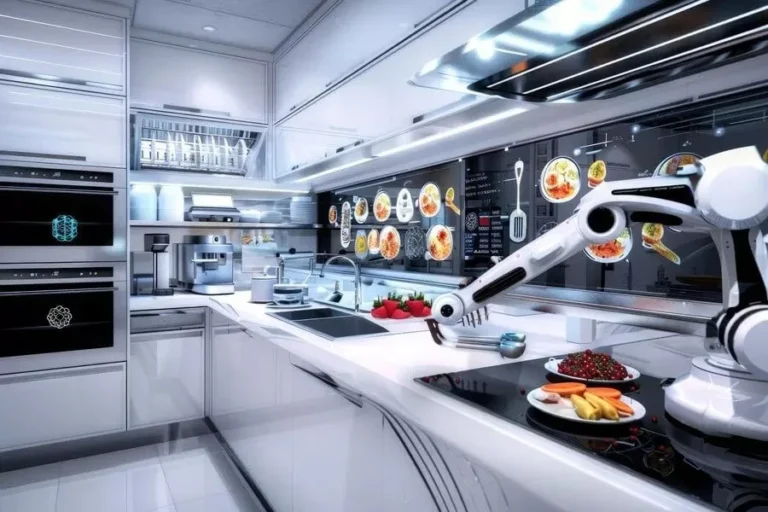
If you’ve been paying attention to the world of kitchen design, you’ve probably noticed that smart kitchens are having a moment. From voice-activated assistants to app-controlled appliances, technology is transforming the way we cook. And while some of these innovations might seem like gimmicks, others have the potential to revolutionize kitchen workflow management. For example, smart ovens can adjust their temperature and cooking time based on the dish you’re making, while smart scales can guide you through a recipe step by step. And then there’s the rise of AI-powered meal planning apps, which can generate personalized recipes based on your dietary preferences and the ingredients you have on hand.
But here’s the thing: smart kitchens aren’t just about gadgets. They’re about automation-using technology to streamline your workflow and reduce the mental load of cooking. For example, imagine a kitchen where your fridge can track your inventory and suggest recipes based on what you have on hand. Or a kitchen where your stove can automatically adjust its temperature based on the dish you’re cooking. These might sound like sci-fi fantasies, but they’re closer to reality than you might think. Companies like Samsung and LG are already experimenting with AI-powered kitchen appliances, and it’s only a matter of time before they become mainstream.
So, what does this mean for you? If you’re a tech-savvy cook, it might mean investing in smart appliances or apps to streamline your workflow. But even if you’re not ready to embrace the future just yet, it’s worth keeping an eye on these trends. After all, the kitchen of tomorrow might be closer than you think.
2. The Return of the Home Kitchen: Why More People Are Cooking at Home
Here’s a trend that might surprise you: more people are cooking at home than ever before. And no, it’s not just because of the pandemic. Even as restaurants have reopened, many people have continued to cook at home, driven by a desire for healthier, more affordable meals. But here’s the thing: cooking at home isn’t just about saving money or eating healthier. It’s also about control. When you cook at home, you’re in charge of your workflow. You can experiment with new techniques, adjust recipes to your liking, and create a meal that’s truly your own. And that’s something you can’t get in a restaurant.
But here’s the catch: cooking at home requires kitchen workflow management. If you don’t have a system in place, it’s easy to get overwhelmed. That’s why more and more people are turning to tools and techniques to streamline their process. From meal prep services to smart appliances, there’s no shortage of options for home cooks looking to improve their workflow. And as more people embrace cooking at home, we can expect to see even more innovation in this space.
So, what does this mean for you? If you’re a home cook, it means that you’re not alone. There’s a whole community of people out there who are just as passionate about cooking as you are. And if you’re a restaurant owner, it means that you’re facing more competition than ever before. But it also means that there’s an opportunity to innovate, to create a dining experience that can’t be replicated at home. Whether that’s through unique dishes, exceptional service, or a one-of-a-kind atmosphere, the key is to give people a reason to leave their kitchens and come to yours.
3. Sustainability and Workflow: How to Cook Green Without Sacrificing Efficiency
If there’s one trend that’s here to stay, it’s sustainability. More and more people are looking for ways to reduce their environmental impact, and the kitchen is a great place to start. But here’s the thing: sustainability and kitchen workflow management don’t always go hand in hand. For example, composting is great for the environment, but it can add extra steps to your cleanup process. And buying local, seasonal ingredients is a great way to reduce your carbon footprint, but it might require more prep work than using pre-packaged foods.
So, how do you cook sustainably without sacrificing efficiency? The key is to find a balance. For example, you can reduce food waste by planning your meals carefully and using leftovers creatively. You can save energy by using the right-sized pots and pans for your burners, and by cooking with the lid on whenever possible. And you can reduce water waste by soaking your pots and pans instead of letting the water run while you scrub. The goal is to make sustainability a seamless part of your workflow, rather than an afterthought.
I’ll admit, when I first started thinking about sustainability in the kitchen, I was overwhelmed. There were so many things to consider, food waste, energy use, water conservation, and I didn’t know where to start. But then I realized that I didn’t have to do everything at once. I started small, by composting my food scraps and using reusable containers for leftovers. And over time, I’ve added more sustainable practices to my workflow. The key is to start where you are and build from there. Every little bit helps, and before you know it, you’ll have a kitchen that’s both efficient and eco-friendly.
Putting It All Together: Your Action Plan for Better Kitchen Workflow
So, where do you go from here? You’ve read about the psychology of kitchen workflow, the anatomy of a well-managed kitchen, and the trends shaping the future. But how do you actually put this into practice? The key is to start small and build from there. Here’s your action plan for better kitchen workflow management.
First, conduct a kitchen audit. Take a hard look at your space, your tools, and your processes, and identify the bottlenecks in your workflow. Where do you waste time? Where do you get frustrated? What tasks feel clunky or inefficient? Once you’ve identified the problems, dig deeper to figure out the root cause. Use the 5 Whys technique to get to the bottom of things.
Next, map out your workflow. Create a kitchen blueprint that shows how you move through your kitchen when you cook. Identify patterns and inefficiencies, and look for ways to streamline your process. Divide your kitchen into task-based zones, and experiment with parallel processing to maximize your efficiency. And don’t forget to create checklists for your most common tasks. They’re a simple but powerful tool for improving your workflow.
Finally, embrace the future. Keep an eye on trends like smart kitchens and sustainability, and look for ways to incorporate them into your workflow. But remember, you don’t have to do everything at once. Start small, and build from there. The goal is to create a kitchen that works for you, not the other way around.
And here’s the thing: improving your kitchen workflow isn’t a one-time thing. It’s an ongoing process. Your needs will change over time, and your workflow should evolve with them. So, don’t be afraid to experiment. Try new techniques, adjust your zones, and revisit your checklists. The key is to stay flexible and open to change. After all, the best kitchens are the ones that grow and adapt with their cooks.
So, what’s your next step? Maybe you’ll start by reorganizing your kitchen into zones. Or maybe you’ll create a checklist for your weekly meal prep. Whatever it is, take action today. Because the sooner you start, the sooner you’ll have a kitchen that works as hard as you do.
FAQ
Q: What is kitchen workflow management, and why does it matter?
A: Kitchen workflow management is the art and science of organizing your kitchen, whether it’s a home cook’s space or a professional restaurant, so that every task flows smoothly from prep to plating. It matters because it eliminates bottlenecks, reduces waste (of time, ingredients, and sanity), and ensures that every dish reaches the table at its peak. Without it, even the best ingredients can’t save a chaotic cooking experience. Think of it like conducting a symphony: every instrument (or in this case, task) needs to come in at the right time for the performance to be a success.
Q: I’m just a home cook. Do I really need to worry about workflow management?
A: Absolutely. Kitchen workflow management isn’t just for professional chefs. If you’ve ever juggled multiple dishes, hosted a dinner party, or even just tried to get a weeknight meal on the table without losing your mind, you’ve already dabbled in it. The question is, are you doing it well? Even small improvements, like organizing your ingredients before you start cooking or dividing your kitchen into task-based zones, can make a big difference in your efficiency and enjoyment. Plus, the better your workflow, the more time you’ll have to focus on the fun parts of cooking, like experimenting with new flavors or techniques.
Q: What’s the biggest mistake people make when trying to improve their kitchen workflow?
A: The biggest mistake is trying to do too much at once. Improving your workflow isn’t about overhauling your entire kitchen in one day; it’s about making small, incremental changes that add up over time. For example, instead of reorganizing your entire kitchen, start by creating a dedicated prep zone. Or instead of buying a bunch of new gadgets, focus on mastering the tools you already have. The key is to start small and build from there. And don’t forget to give yourself permission to experiment. Not every change will work, and that’s okay. The goal is to find what works for you.
Q: How can I tell if my kitchen workflow is actually improving?
A: The best way to measure improvement is to pay attention to the little things. Are you spending less time searching for tools or ingredients? Are you making fewer mistakes, like burning something or forgetting an ingredient? Are you feeling less stressed when you cook? These are all signs that your workflow is improving. You can also track your progress by timing how long it takes you to complete certain tasks. For example, if you’re making a dish that used to take you an hour, time yourself to see if you can do it faster (without sacrificing quality, of course). And don’t forget to celebrate your wins, no matter how small. Every improvement is a step in the right direction.
@article{kitchen-workflow-management-the-hidden-science-behind-every-great-meal-and-how-to-master-it,
    title   = {Kitchen Workflow Management: The Hidden Science Behind Every Great Meal (And How to Master It)},
    author  = {Chef's icon},
    year    = {2026},
    journal = {Chef's Icon},
    url     = {https://chefsicon.com/kitchen-workflow-management/}
}