The Best Fluffy Pancakes recipe you will fall in love with. Full of tips and tricks to help you make the best pancakes.
How Climate Affects Food Storage in Commercial Kitchens: What You’re Probably Overlooking
Let me tell you about the time I walked into a high-end Nashville restaurant’s walk-in fridge during a July heatwave. The compressor was groaning like a blues singer on a Sunday morning, the thermometer read 42°F, and the sous chef was staring at a crate of wilting herbs like they’d personally betrayed him. That’s when it hit me, we talk about kitchen design, equipment specs, and menu engineering, but how often do we actually discuss how climate affects food storage in commercial kitchens? Not nearly enough, if you ask me.
I’ve spent the last decade bouncing between Bay Area tech kitchens and Nashville’s humidity-soaked food scene, and let me tell you, climate isn’t just “background noise” in food storage, it’s the damn conductor. Whether you’re running a food truck in Phoenix or a farm-to-table joint in Miami, the air outside doesn’t just knock on your door; it barges in, rearranges your inventory, and leaves you with a mess of spoilage, energy bills, and food safety headaches. So, let’s cut through the noise. This isn’t just another article about “keeping things cold.” It’s about how temperature swings, humidity, seasonal shifts, and even urban heat islands are quietly sabotaging your storage systems, and what you can do about it before your next health inspection (or worse, your customers).
By the end of this, you’ll know:
- Why your walk-in fridge’s efficiency drops 20% when the outside temp hits 90°F (and how to stop it)
- The sneaky ways humidity turns your dry storage into a mold factory
- How to future-proof your storage against climate trends, yes, even if you’re not in a “hot” state
- Real-world fixes that won’t require a bank loan or a PhD in HVAC
Sound like overkill? Maybe. But after seeing a Michelin-starred kitchen lose $12K in seafood to a single weekend power outage (thanks, heat dome), I’m convinced this is the kind of knowledge that separates the pros from the “oops, we’re closed for a week” crowd. Let’s dive in.
The Invisible Enemy: How Climate Sneaks Into Your Storage Systems
1. Temperature Swings: The Silent Efficiency Killer
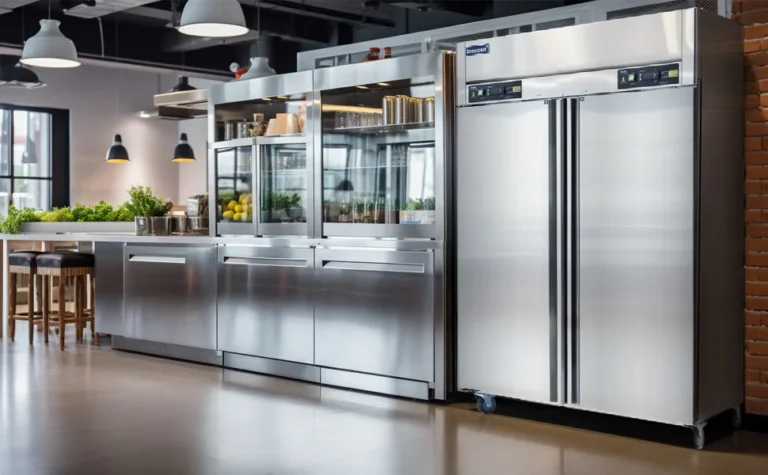
Here’s something they don’t teach you in culinary school: your walk-in fridge isn’t a fortress. It’s more like a leaky boat in a storm. When the outside temperature spikes, your refrigeration system has to work harder to maintain that magic 38°F. But how much harder? More than you’d think.
Let’s talk numbers. A study by the Food Service Technology Center found that for every 10°F increase in ambient temperature, a walk-in fridge’s energy consumption jumps by 10-15%. So if you’re in a place like Las Vegas, where summer temps routinely hit 110°F, your fridge could be guzzling 30-45% more energy just to keep up. And energy costs aren’t the only casualty. The extra strain on compressors and condensers shortens their lifespan, meaning more repairs and earlier replacements. I’ve seen kitchens go through three compressors in five years because they ignored this, don’t be that kitchen.
But it’s not just about heat. Cold snaps can mess with you too. Ever notice how your fridge struggles to stay cold during a winter cold front? That’s because the refrigerant needs a certain pressure to circulate properly, and when it’s too cold outside, the system can’t build enough pressure. The result? Your fridge runs longer, uses more energy, and still might not hit the right temp. It’s like trying to run a marathon in a snowstorm, your equipment’s just not built for it.
So what’s the fix? First, location matters. If you’re designing a new kitchen or renovating, don’t put your walk-in next to the oven or in direct sunlight. Sounds obvious, but you’d be surprised how many kitchens I’ve seen with fridges baking in the afternoon sun. Second, insulation is your friend. Thicker walls, better seals, and even reflective coatings on the exterior can help. And third, consider variable-speed compressors. They adjust their output based on demand, so they’re not constantly running at full tilt. It’s like giving your fridge a dimmer switch instead of an on/off button.
Is this the best approach? I’m torn between “spend money now to save later” and “just deal with it.” But after seeing a friend’s restaurant nearly go under because of skyrocketing energy bills during a heatwave, I’m leaning toward proactive fixes. What about you?
2. Humidity: The Mold You Can’t See (Until It’s Too Late)
Humidity is the ninja of climate factors, it sneaks in, does its damage, and leaves before you even notice. And in commercial kitchens, it’s everywhere. From the steam off the dishwasher to the moisture in the air from open doors, humidity is a constant battle. But here’s the thing: most kitchens don’t even realize they have a humidity problem until they see the mold.
Let’s break it down. The ideal humidity level for dry storage is between 50-60%. Go above that, and you’re basically rolling out the red carpet for mold, bacteria, and pests. Go below, and you risk drying out your produce and baked goods. But here’s the kicker: in many parts of the country, outdoor humidity levels can swing from 30% to 90% in a single day. And guess what? That air is getting into your storage areas, whether you like it or not.
I remember walking into a bakery in New Orleans where the owner was scratching his head over why his flour kept clumping. Turns out, the humidity in his dry storage was hovering around 80%. The flour was absorbing moisture from the air, turning it into a brick-like mess. He ended up having to toss hundreds of pounds of product before he figured out the issue. And it’s not just flour, rice, pasta, spices, even canned goods can be affected by high humidity. Ever opened a can of tomatoes to find the lid bulging? That’s humidity at work, causing the contents to expand and potentially spoil.
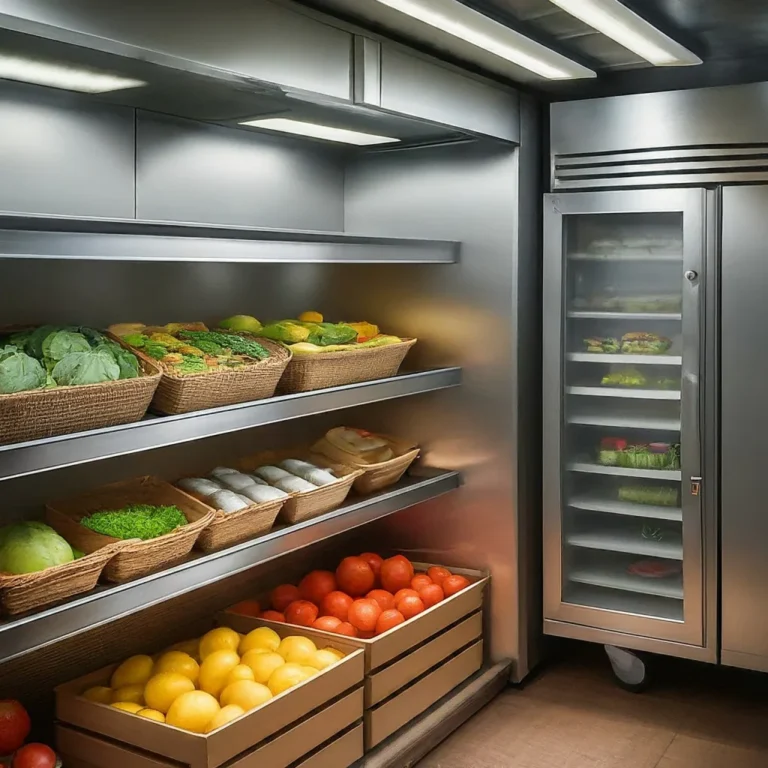
So how do you fight back? First, dehumidifiers are non-negotiable in humid climates. But not just any dehumidifier, you need one that’s sized for your space and can handle the load. A small residential unit won’t cut it in a commercial kitchen. Second, airflow is key. Stagnant air is humidity’s best friend. Make sure your storage areas have good ventilation, and consider adding fans to keep the air moving. Third, store dry goods in airtight containers. This might seem like a no-brainer, but I’ve seen too many kitchens storing flour and sugar in open bags or flimsy plastic bins. Invest in food-grade buckets with tight-sealing lids, it’s a small cost that can save you big headaches.
But what about low humidity? In dry climates, like Arizona or Colorado, you might face the opposite problem. Low humidity can dry out your produce, making it wilt faster, and even cause wooden cutting boards to crack. In these cases, humidifiers can help, but you’ve got to be careful. Too much humidity, and you’re back to square one. It’s a delicate balance, and it’s why so many kitchens struggle with this.
3. Seasonal Shifts: Why Your Storage Needs Change with the Calendar
Here’s a question: do you store food the same way in January as you do in July? If your answer is “yes,” you’re probably losing money. Seasonal shifts don’t just affect what’s on your menu, they affect how you store your ingredients. And if you’re not adjusting, you’re leaving efficiency (and cash) on the table.
Take summer, for example. In most parts of the country, summer means higher temps, higher humidity, and more pests. Your storage systems have to work harder, and your inventory turnover might speed up. That means you need to adjust your ordering to avoid overstocking perishables. Nothing’s worse than ordering 50 pounds of strawberries in July, only to watch half of them spoil before you can use them. But it’s not just about ordering less, it’s about storing smarter. For example, in the summer, you might need to:
- Increase the frequency of your fridge and freezer maintenance checks
- Use more ice packs or blast chillers for deliveries that sit on the dock too long
- Rotate stock more frequently to ensure nothing gets lost in the back of the fridge
- Store herbs and leafy greens in perforated bags to prevent wilting
Winter brings its own challenges. In colder climates, you might think you’re off the hook, but that’s not always the case. For one, heating systems can dry out the air, which, as we talked about earlier, can wreak havoc on your dry storage. Plus, if you’re in a place where winter temps drop below freezing, you’ve got to worry about freeze-thaw cycles. Ever left a case of tomatoes in a walk-in that’s too close to the door? One night of sub-zero temps, and you’ve got a mushy mess on your hands. And let’s not forget about pests, just because it’s cold outside doesn’t mean they’re not looking for a warm place to crash. Your storage areas are prime real estate for rodents and insects, so don’t let your guard down.
Spring and fall? They’re the wild cards. One day it’s 80°F and sunny, the next it’s 40°F and raining. These swings can confuse your equipment and your inventory. I’ve seen kitchens where the fridge was struggling to stay cold during a warm spell, only to overcompensate and freeze everything when the temps dropped overnight. It’s like your storage systems are on a rollercoaster, and your food is along for the ride.
So how do you adapt? First, monitor your storage conditions year-round. Use data loggers or smart sensors to track temperature and humidity in your storage areas. This isn’t just about compliance, it’s about catching problems before they start. Second, train your staff to adjust their habits with the seasons. For example, in the summer, they should be more vigilant about keeping fridge doors closed, while in the winter, they might need to check for frost buildup in freezers. Third, review your storage layout seasonally. Maybe in the winter, you move your most temperature-sensitive items away from the door, or in the summer, you add extra insulation to your walk-in. Small tweaks can make a big difference.
Maybe I should clarify: this isn’t about overhauling your entire storage system every few months. It’s about being aware of how the seasons affect your storage and making small, smart adjustments. Think of it like dressing for the weather, you don’t wear a parka in July, and you don’t store your food the same way in January as you do in August.
The Urban Heat Island Effect: Why City Kitchens Have It Worse
4. Concrete Jungles and Hotter Kitchens
If you’re running a kitchen in a city, you’ve got an extra layer of climate complexity to deal with: the urban heat island effect. Cities are hotter than their surrounding areas, sometimes by as much as 10°F. Why? Because all that concrete, asphalt, and lack of greenery absorb and trap heat. And if your kitchen is in the middle of a city, that heat is seeping into your storage areas, whether you realize it or not.
I learned this the hard way when I consulted for a food truck in downtown Austin. The owner was baffled because his fridge was struggling to stay cold, even though it was brand new. Turns out, the truck was parked in a lot surrounded by concrete, with no shade in sight. The ambient temperature around the truck was 10°F higher than the official weather report, and his fridge was working overtime to keep up. We ended up adding extra insulation and a reflective coating to the truck’s exterior, and the problem improved. But it was a wake-up call, city kitchens can’t rely on standard weather reports to gauge their storage conditions.
So what can you do if you’re in a city? First, be aware of your microclimate. The temperature in your kitchen might be different from what’s reported at the airport. Use a thermometer to track the actual conditions in and around your storage areas. Second, add shade where you can. If your walk-in is near a window or on a rooftop, consider adding awnings, reflective film, or even plants to block the sun. Third, upgrade your insulation. City kitchens often have thinner walls and less space for insulation, so you’ve got to make the most of what you have. Look into high-performance insulation materials like spray foam or rigid foam boards, they can make a big difference in a small space.
And don’t forget about ighttime cooling. Cities stay hotter at night because all that concrete releases heat slowly. If you can, open windows or vents at night to let cooler air in, then close them up during the day. It’s a simple trick, but it can help reduce the strain on your refrigeration systems.
5. Power Outages: When the Grid Can’t Keep Up
Here’s a scary thought: what happens when the power goes out during a heatwave? For commercial kitchens, it’s not just an inconvenience, it’s a food safety nightmare. And with climate change increasing the frequency of extreme weather events, power outages are becoming more common. In 2025 alone, the U.S. saw a 20% increase in weather-related power outages compared to the previous decade. So if you’re not prepared, you’re playing with fire.
I’ll never forget the time a friend’s restaurant in Houston lost power during a summer storm. They had $20K worth of seafood in the walk-in, and within six hours, the temperature had climbed to 50°F. By the time the power came back on, half of it was spoiled. The health department shut them down for a week, and they lost thousands more in revenue. All because they didn’t have a backup plan.
So what’s the solution? First, invest in backup power. A generator might seem like a big expense, but it’s nothing compared to the cost of losing your entire inventory. Make sure it’s sized for your needs, you don’t need to power the whole kitchen, just the essentials like fridges and freezers. Second, have a plan for perishables. If the power goes out, know which items are most at risk and prioritize them. For example, seafood and dairy spoil faster than produce, so they should be moved to a cooler or packed in ice first. Third, use temperature loggers. These devices track the temperature in your storage areas and can alert you if it starts to rise. Some even send notifications to your phone, so you can act fast if the power goes out.
And don’t forget about passive cooling. If you know a heatwave is coming, you can pre-cool your walk-in by lowering the temperature a few degrees. That way, if the power goes out, it’ll take longer for the temperature to rise. It’s like pre-heating your oven, but in reverse.
Is this overkill? Maybe. But after seeing what happens when kitchens aren’t prepared, I’d rather be safe than sorry. And with climate change making extreme weather more common, it’s not a question of “if” but “when.”
Future-Proofing Your Storage: Climate Trends to Watch in 2026 and Beyond
6. Rising Temperatures: The New Normal
Let’s talk about the elephant in the room: climate change. It’s not just a buzzword, it’s a reality that’s already affecting how we store food. According to the National Oceanic and Atmospheric Administration (NOAA), the past decade was the hottest on record, and the trend isn’t slowing down. By 2026, we’re looking at even higher temperatures, more frequent heatwaves, and longer summers. And that means your storage systems are going to be under more stress than ever.
So what does this mean for commercial kitchens? First, your refrigeration systems will need to work harder. As temperatures rise, your fridges and freezers will have to run longer and more frequently to maintain the right temperature. That means higher energy bills, more wear and tear on your equipment, and a higher risk of breakdowns. Second, your inventory will spoil faster. Higher temperatures speed up the growth of bacteria and mold, so your perishables won’t last as long. And third, your staff will be under more stress. Working in a hot kitchen is already tough, add in the pressure of keeping food safe in rising temps, and you’ve got a recipe for burnout.
So how do you adapt? First, upgrade your refrigeration. If your walk-in is more than 10 years old, it’s probably not up to the task of handling today’s temperatures, let alone tomorrow’s. Look for energy-efficient models with variable-speed compressors and smart controls. Second, invest in better insulation. Thicker walls, better seals, and reflective coatings can help keep the heat out and the cold in. Third, rethink your storage layout. Maybe you need to move your most temperature-sensitive items to a cooler part of the kitchen, or add extra insulation to your walk-in. And fourth, train your staff. Make sure they know how to spot the signs of spoilage and how to adjust their habits to account for higher temps.
But here’s the thing: upgrading your storage systems isn’t just about surviving the next heatwave. It’s about future-proofing your business. The kitchens that thrive in the coming years won’t be the ones that ignore climate change, they’ll be the ones that adapt to it. And that starts with your storage.
7. Humidity on the Rise: Why Your Dry Storage Might Not Stay Dry
It’s not just the heat, it’s the humidity. As temperatures rise, so does the amount of moisture in the air. And that means your dry storage areas are at risk. According to the Environmental Protection Agency (EPA), humidity levels are expected to increase by 5-15% in many parts of the U.S. by 2050. That might not sound like a lot, but in a commercial kitchen, it’s the difference between flour that stays fresh and flour that turns into a brick.
So what can you do? First, upgrade your dehumidification. If you’re in a humid climate, a residential dehumidifier won’t cut it. You need a commercial-grade unit that can handle the load. Second, seal your storage areas. Check for gaps around doors and windows, and make sure your walls and ceilings are properly insulated. Third, use desiccants. These are materials that absorb moisture from the air, and they can be a lifesaver in dry storage. Silica gel packets are a cheap and easy option, but for larger spaces, you might need something more heavy-duty.
And don’t forget about pest control. Humidity attracts pests like moths, beetles, and rodents, so you’ve got to be extra vigilant. Regular inspections, airtight containers, and proper sanitation are key. I’ve seen too many kitchens lose entire shipments of dry goods to pests because they didn’t take humidity seriously.
Maybe I should clarify: this isn’t about turning your dry storage into a desert. It’s about finding the right balance. Too little humidity, and your produce wilts. Too much, and you’ve got mold. It’s a Goldilocks situation, and you’ve got to get it just right.
Practical Fixes: Low-Cost, High-Impact Solutions for Climate-Proof Storage
8. Quick Wins for Immediate Relief
Not every fix requires a major overhaul. Sometimes, the smallest changes can make the biggest difference. Here are a few low-cost, high-impact solutions you can implement today to climate-proof your storage:
- Add reflective film to windows: If your walk-in or dry storage has windows, adding reflective film can block up to 80% of the sun’s heat. It’s cheap, easy to install, and can make a big difference in hot climates.
- Use thermal curtains: These aren’t just for homes. Hanging thermal curtains in front of doors or windows can help insulate your storage areas and keep the heat (or cold) out.
- Install door sweeps: Gaps under doors let in hot air, cold air, and pests. Door sweeps are a cheap and easy way to seal those gaps and improve your storage conditions.
- Rotate stock more frequently: In hot or humid conditions, perishables spoil faster. Make sure your staff is rotating stock more often to avoid waste.
- Use ice packs for deliveries: If your deliveries sit on the dock for more than a few minutes, use ice packs or blast chillers to keep them cold. It’s a small step that can prevent big spoilage.
These might seem like minor tweaks, but they add up. I’ve seen kitchens reduce their energy bills by 10% just by adding reflective film and door sweeps. And in a business where every penny counts, that’s a big deal.
9. Mid-Range Upgrades: Investing in Efficiency
If you’re ready to take things to the next level, here are some mid-range upgrades that can make a big difference in your storage efficiency:
- Upgrade to LED lighting: Traditional lighting generates heat, which makes your refrigeration systems work harder. LED lights are cooler, more energy-efficient, and last longer.
- Install smart thermostats: These devices can adjust the temperature in your storage areas based on demand, so you’re not wasting energy cooling an empty walk-in.
- Add extra insulation: If your walk-in or dry storage has thin walls, adding extra insulation can help keep the heat (or cold) out. Spray foam or rigid foam boards are good options.
- Use energy-efficient fans: Fans can help circulate air in your storage areas, reducing hot spots and improving efficiency. Look for models with variable-speed controls.
- Switch to airtight containers: Storing dry goods in airtight containers can prevent moisture and pests from getting in. It’s a small investment that can save you big in the long run.
These upgrades might require a bit more investment, but they pay off in the long run. For example, LED lighting can reduce your energy bills by up to 20%, and smart thermostats can cut your refrigeration costs by 10-15%. And let’s not forget about the environmental benefits, less energy use means a smaller carbon footprint, which is something we should all be thinking about.
I’m torn between “this is too much work” and “this is necessary.” But after seeing the difference these upgrades made in a friend’s kitchen, I’m convinced they’re worth it. What about you?
10. Long-Term Strategies: Building a Climate-Resilient Kitchen
If you’re in this for the long haul, here are some long-term strategies to build a climate-resilient kitchen:
- Redesign your storage layout: If your walk-in is next to the oven or in direct sunlight, consider moving it. Even small changes in location can make a big difference in efficiency.
- Invest in renewable energy: Solar panels, wind turbines, or even geothermal systems can help offset your energy costs and reduce your reliance on the grid. It’s a big investment, but it pays off in the long run.
- Upgrade to variable-speed refrigeration: These systems adjust their output based on demand, so they’re not constantly running at full tilt. They’re more expensive upfront, but they save energy and reduce wear and tear on your equipment.
- Implement a climate monitoring system: These systems track temperature, humidity, and other conditions in your storage areas and alert you if something’s off. Some even integrate with your inventory management system, so you can track spoilage and waste.
- Train your staff: Make sure your team knows how to spot the signs of spoilage, how to adjust their habits for different seasons, and how to respond in an emergency. A well-trained staff is your best defense against climate-related storage issues.
These strategies might seem like a lot, but they’re the kind of investments that pay off for years to come. And in a business where margins are tight and competition is fierce, they can be the difference between thriving and just surviving.
So where do you start? I’d recommend beginning with the quick wins, add reflective film, install door sweeps, and rotate stock more frequently. Then, move on to the mid-range upgrades, LED lighting, smart thermostats, and extra insulation. And finally, if you’re ready, invest in the long-term strategies, redesign your layout, upgrade your refrigeration, and implement a climate monitoring system.
Is this the best approach? Maybe. But after seeing what happens when kitchens ignore climate change, I’m convinced it’s the only approach that makes sense. What do you think?
Wrapping Up: The Storage Revolution Is Here
Look, I get it. Talking about how climate affects food storage in commercial kitchens isn’t as sexy as debating the perfect pizza oven or the latest sous vide gadget. But here’s the thing: storage is the backbone of your kitchen. If it fails, everything else falls apart. And with climate change making extreme weather more common, ignoring storage is like ignoring the foundation of your house, sooner or later, it’s going to crack.
So what’s the takeaway? First, climate isn’t just “background noise”-it’s a major factor in your storage efficiency, food safety, and bottom line. Second, small changes can make a big difference. You don’t need to overhaul your entire kitchen to see results. Third, the future is coming, and it’s hotter, wetter, and more unpredictable. The kitchens that thrive won’t be the ones that ignore climate change, they’ll be the ones that adapt to it.
So here’s my challenge to you: pick one thing from this article and implement it in your kitchen this week. Add reflective film to your walk-in windows. Install a door sweep. Train your staff to rotate stock more frequently. Just do something. Because when the next heatwave hits (and it will), you’ll be glad you did.
And who knows? Maybe in a few years, we’ll look back and wonder how we ever stored food without thinking about climate. Until then, stay cool, stay dry, and keep your food safe.
FAQ
Q: How do I know if my walk-in fridge is struggling with high temperatures?
A: There are a few signs to watch for. If your fridge is running constantly, the compressor is hot to the touch, or the temperature inside is fluctuating, it’s probably struggling. You might also notice higher energy bills or more frequent breakdowns. To be sure, use a data logger to track the temperature over time. If it’s consistently above 40°F, you’ve got a problem.
Q: What’s the ideal humidity level for dry storage?
A: The ideal humidity level for dry storage is between 50-60%. Go above that, and you risk mold, bacteria, and pests. Go below, and your produce and baked goods might dry out. To maintain the right level, use a dehumidifier in humid climates and a humidifier in dry climates. And don’t forget to monitor the humidity with a hygrometer.
Q: How can I protect my inventory during a power outage?
A: The key is to act fast. First, move your most perishable items (like seafood and dairy) to a cooler or pack them in ice. Second, keep the doors of your walk-in and freezers closed as much as possible to trap the cold air. Third, use temperature loggers to track the temperature and know when it’s time to toss something. And fourth, if the outage lasts more than a few hours, consider renting a generator or moving your inventory to a backup location.
Q: Are there any tax incentives for upgrading my storage systems to be more climate-resistant?
A: Yes! There are several federal, state, and local programs that offer tax incentives for energy-efficient upgrades. For example, the Energy-Efficient Commercial Buildings Tax Deduction (Section 179D) offers up to $1.80 per square foot for upgrades that reduce energy use by 50% or more. There are also rebates for energy-efficient refrigeration, insulation, and lighting. To find out what’s available in your area, check the Database of State Incentives for Renewables & Efficiency (DSIRE) or talk to a local energy auditor.
@article{how-climate-affects-food-storage-in-commercial-kitchens-a-survival-guide-for-2026,
    title   = {How Climate Affects Food Storage in Commercial Kitchens: A Survival Guide for 2026},
    author  = {Chef's icon},
    year    = {2026},
    journal = {Chef's Icon},
    url     = {https://chefsicon.com/how-climate-affects-food-storage-in-commercial-kitchens/}
}