The Best Fluffy Pancakes recipe you will fall in love with. Full of tips and tricks to help you make the best pancakes.
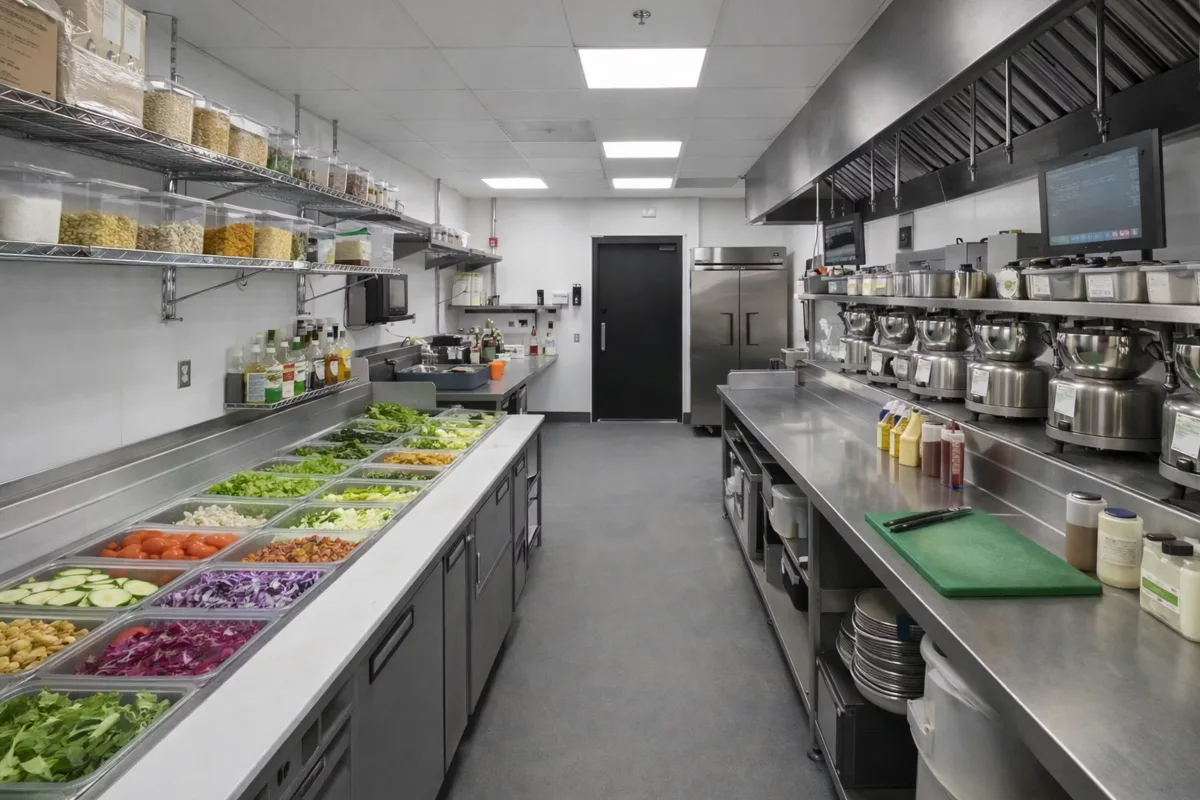
How to Store Salad Dressings in Commercial Kitchens: The Ultimate Guide
Let me tell you something, I’ve seen more salad dressings go bad in commercial kitchens than I care to admit. It’s not just about taste; it’s about safety, efficiency, and, frankly, not wasting money. A few years back, I was consulting for a mid-sized bistro in Nashville, and their walk-in fridge was a disaster. Bottles of vinaigrettes, creamy dressings, and house-made concoctions were stacked haphazardly, some past their prime, others leaking onto shelves. The chef insisted it was “fine,” but the health inspector begged to differ. That day, I realized how little attention we pay to something as seemingly simple as storing salad dressings in a commercial kitchen. And trust me, it’s not as straightforward as it sounds.
So, why does this matter? Because salad dressings are the unsung heroes of the kitchen. They elevate a dish from bland to brilliant, but they’re also perishable, sensitive to temperature, and prone to contamination if not handled correctly. Whether you’re running a high-volume restaurant, a catering operation, or a hotel kitchen, how you store your dressings can make or break your food safety compliance, your bottom line, and, let’s be honest, your reputation. In this guide, I’m going to walk you through everything you need to know about storing salad dressings in a commercial kitchen. From temperature control to labeling, from shelf life to storage containers, we’ll cover it all. And yes, I’ll throw in some hard-earned lessons from my own mistakes. Because if there’s one thing I’ve learned, it’s that the devil is in the details.
By the end of this, you’ll know:
- Why proper storage isn’t just about freshness, it’s about food safety and cost control.
- The best containers and materials for storing dressings, and why some are better than others.
- How to organize your storage so you’re not playing Jenga with bottles every time you need a refill.
- The shelf life of different types of dressings and how to extend it.
- Common mistakes that even experienced chefs make, and how to avoid them.
So, let’s dive in. And if you’re thinking, “This is overkill,” just remember: the health inspector isn’t known for their sense of humor.
The Science Behind Salad Dressing Storage: Why It’s More Complicated Than You Think
Before we get into the nitty-gritty of storage, let’s talk about why salad dressings are such a pain to store in the first place. It’s not just about keeping them cold; it’s about understanding the chemistry and microbiology behind what makes them spoil. And spoil they will, faster than you’d expect if you’re not careful.
Salad dressings are essentially emulsions. That means they’re a mix of oil and water (or vinegar, citrus juice, etc.), which don’t naturally want to stay together. Emulsifiers like egg yolks, mustard, or commercial stabilizers keep them from separating, but they’re not invincible. Over time, temperature fluctuations, light exposure, and even the type of container you use can break down these emulsions. Once that happens, your dressing isn’t just unappetizing, it’s a breeding ground for bacteria.
Then there’s the issue of pH levels. Most salad dressings are acidic, thanks to vinegar or citrus, which helps inhibit bacterial growth. But not all dressings are created equal. Creamy dressings like ranch or blue cheese have a higher pH, making them more susceptible to spoilage. And if you’re making dressings in-house, you’re playing a whole different ballgame. Homemade dressings lack the preservatives found in commercial products, so they spoil faster. Is this the best approach? Let’s consider: if you’re not accounting for these factors, you’re essentially rolling the dice every time you serve a salad.
Temperature is another big one. You’ve probably heard that dressings should be stored in the fridge, but what does that actually mean? The FDA’s Food Code recommends keeping cold foods at 41°F (5°C) or below, but in a busy commercial kitchen, maintaining that temperature consistently is easier said than done. Walk-in fridges cycle on and off, doors are opened and closed constantly, and not all areas of the fridge are equally cold. I’ve seen kitchens where the back of the walk-in is a freezer, while the front is barely chilled. If your dressings are stored in the wrong spot, you’re compromising their safety and quality.
And let’s not forget about cross-contamination. Dressings are often stored in squeeze bottles or ladled from larger containers, which means they’re exposed to air, utensils, and hands every time they’re used. If you’re not careful, you’re introducing bacteria that can multiply rapidly, especially in dressings with dairy or egg components. I’m torn between telling you to be paranoid about this and telling you to relax, because honestly, a little paranoia might save you from a foodborne illness outbreak.
So, what’s the takeaway here? Storing salad dressings in a commercial kitchen isn’t just about tossing them in the fridge and calling it a day. It’s about understanding the science behind what makes them spoil and then creating a system that accounts for all these variables. And that’s exactly what we’re going to do.
Choosing the Right Containers: Why Your Current Setup Might Be Failing You
If you’re still storing your salad dressings in the same containers they came in from the supplier, you’re doing it wrong. I know, I know, it’s convenient, and it feels like you’re saving money. But trust me, those flimsy plastic bottles or glass jars aren’t designed for the rigors of a commercial kitchen. They’re prone to leaks, they’re hard to clean, and they don’t always seal properly. And if you’re using them for house-made dressings, you’re asking for trouble.
So, what should you be using instead? Let’s break it down.
Plastic vs. Glass: The Great Debate
Plastic containers are lightweight, durable, and cheap. They’re also porous, which means they can absorb odors and flavors over time. If you’ve ever stored a creamy dressing in a plastic container only to find it tastes like last week’s marinara, you know what I’m talking about. Glass, on the other hand, is non-porous, easy to clean, and doesn’t absorb odors. But it’s heavy, breakable, and more expensive. So, which is better?
For most commercial kitchens, I’d recommend a mix of both. Use food-grade plastic containers for dressings you go through quickly, like vinaigrettes or basic Italian. They’re practical, and if you’re rotating stock properly, the odor absorption won’t be an issue. For dressings that sit around longer, like specialty house-made concoctions, glass containers are the way to go. They’re more sanitary and won’t impart any off-flavors. Just make sure they’re tempered glass, because the last thing you want is a shattered bottle in your walk-in.
Oh, and one more thing: if you’re using plastic, make sure it’s BPA-free. Some older containers might still have BPA, which can leach into your dressings over time. It’s not a huge risk, but why take the chance?
Squeeze Bottles: Convenience vs. Contamination
Squeeze bottles are a staple in most commercial kitchens. They’re great for portion control, they’re easy to use, and they look professional. But they’re also a contamination nightmare if you’re not careful. Every time you refill a squeeze bottle, you’re introducing air, and potentially bacteria, into the dressing. And if you’re not cleaning the bottles thoroughly between uses, you’re essentially creating a petri dish for microbes.
Here’s what I recommend: use squeeze bottles for dressings that are used frequently and have a short shelf life, like vinaigrettes or basic ranch. For dressings that are used less often or have a longer shelf life, stick to larger containers with ladles or pumps. And whatever you do, don’t top off squeeze bottles. I’ve seen kitchens where the same bottle of ranch has been topped off for weeks, and it’s just asking for trouble. If a squeeze bottle is empty, wash it thoroughly before refilling it. No exceptions.
Pumps and Dispensers: The Unsung Heroes of Dressing Storage
If you’re not using pumps or dispensers for your dressings, you’re missing out. They’re more sanitary than squeeze bottles, they reduce waste, and they’re easier to clean. Plus, they look way more professional. There are a few different types to consider:
- Pump dispensers: These are great for thicker dressings like ranch or blue cheese. They dispense a consistent portion and minimize exposure to air.
- Pour spouts: These are ideal for vinaigrettes or thinner dressings. They’re easy to use and reduce spills, but they don’t offer the same level of portion control as pumps.
- Ladle wells: If you’re storing dressings in larger containers, a ladle well is a must. It keeps the ladle off the counter and reduces the risk of contamination.
I’m a big fan of pump dispensers, especially for high-volume kitchens. They’re a bit more expensive upfront, but they pay for themselves in reduced waste and improved food safety. And if you’re worried about cleaning them, don’t be. Most are dishwasher-safe, and they’re designed to be taken apart for thorough cleaning.
Labeling: The Often-Overlooked Key to Storage Success
Here’s a confession: I used to think labeling was overrated. “I know what’s in the container,” I’d tell myself. “I don’t need a label.” Then I spent a week working in a kitchen where half the containers were unlabeled, and I realized how wrong I was. Labeling isn’t just about knowing what’s in the container, it’s about food safety, inventory control, and efficiency. Without labels, you’re playing a guessing game every time you reach for a dressing. And in a commercial kitchen, guessing is never a good idea.
So, what should you include on your labels? At a minimum, you need:
- The name of the dressing: Seems obvious, but you’d be surprised how many kitchens skip this.
- The date it was made: This is crucial for tracking shelf life and rotating stock.
- The use-by date: More on this later, but this is your safety net.
- The initials of the person who made it: Accountability matters, especially if something goes wrong.
I recommend using waterproof labels and a permanent marker. And if you’re feeling fancy, invest in a label maker. It’s a small investment that pays off in big ways. Trust me, your future self will thank you when you’re not staring at a shelf full of mystery containers at 2 AM.
Temperature Control: The Make-or-Break Factor in Dressing Storage
If there’s one thing you take away from this guide, let it be this: temperature control is everything when it comes to storing salad dressings. Get this wrong, and you’re not just risking spoilage, you’re risking a foodborne illness outbreak. And in a commercial kitchen, that’s a risk you can’t afford to take.
The FDA’s Food Code is clear: cold foods must be stored at 41°F (5°C) or below. But in a busy kitchen, maintaining that temperature consistently is easier said than done. Walk-in fridges cycle on and off, doors are opened and closed constantly, and not all areas of the fridge are equally cold. So, how do you ensure your dressings stay safe?
Walk-In vs. Reach-In: Which Is Better for Dressings?
First, let’s talk about where you’re storing your dressings. Most commercial kitchens have both a walk-in fridge and reach-in fridges. So, which is better for dressings?
Walk-ins are great for bulk storage, but they’re not ideal for dressings that are used frequently. Why? Because every time you open the door, you’re letting warm air in, and the temperature can fluctuate significantly. Reach-ins, on the other hand, are more stable. They’re designed to maintain a consistent temperature, and they’re easier to access quickly. But they’re also smaller, so they’re not ideal for bulk storage.
Here’s what I recommend: use the walk-in for bulk storage of dressings that aren’t used daily, and keep a smaller quantity in a reach-in for easy access. This way, you’re not constantly opening the walk-in, and you’re not overcrowding your reach-in. It’s a win-win.
The Best Spots in Your Fridge for Dressing Storage
Not all areas of your fridge are created equal. The back of the fridge is usually the coldest, while the door is the warmest. So, where should you store your dressings?
Here’s the rule of thumb: store dressings in the coldest part of the fridge, but make sure they’re easily accessible. That means the back of the middle shelf is usually your best bet. Avoid the door at all costs, it’s too warm and too prone to temperature fluctuations. And if you’re storing dressings in a walk-in, make sure they’re not near the door or any vents, as these areas are more likely to experience temperature swings.
I’ve seen kitchens where dressings are stored on the top shelf, right under the lights. Don’t do this. Light exposure can degrade the quality of your dressings, especially if they’re in clear containers. And if you’re storing dressings in a reach-in, make sure they’re not blocking the airflow. Overcrowding your fridge can lead to uneven cooling, which is a recipe for spoilage.
Monitoring Temperature: Why Your Fridge’s Built-In Thermometer Isn’t Enough
Most commercial fridges come with a built-in thermometer, but here’s the thing: they’re not always accurate. I’ve seen fridges where the thermometer reads 38°F, but the actual temperature is closer to 45°F. That’s a big difference when it comes to food safety.
So, what’s the solution? Invest in a digital fridge thermometer. They’re cheap, they’re accurate, and they give you peace of mind. Place the thermometer in the warmest part of the fridge (usually near the door) to ensure you’re getting an accurate reading. And check it regularly, at least once a day. If the temperature is creeping up, you’ll know before it becomes a problem.
Oh, and one more thing: calibrate your thermometers regularly. Over time, they can drift out of accuracy, so it’s a good idea to test them against a known accurate thermometer every few months. It’s a small step, but it can make a big difference.
Shelf Life: How Long Do Salad Dressings Really Last?
Here’s the million-dollar question: how long can you keep salad dressings before they go bad? The answer, unfortunately, isn’t as straightforward as you’d think. It depends on the type of dressing, whether it’s homemade or store-bought, and how it’s been stored. But don’t worry, I’m going to break it all down for you.
Store-Bought vs. Homemade: The Great Divide
First, let’s talk about the difference between store-bought and homemade dressings. Store-bought dressings are loaded with preservatives, which means they have a much longer shelf life. Most unopened bottles can last for months, if not years, in the pantry. But once you open them, the clock starts ticking. Here’s a general guideline for store-bought dressings:
- Vinaigrettes: 3-6 months in the fridge
- Creamy dressings (ranch, blue cheese, etc.): 1-3 months in the fridge
- Dairy-based dressings (Caesar, buttermilk, etc.): 1-2 months in the fridge
Homemade dressings, on the other hand, are a whole different story. Without preservatives, they spoil much faster. Here’s what you can expect:
- Vinaigrettes: 1-2 weeks in the fridge
- Creamy dressings: 5-7 days in the fridge
- Dairy-based dressings: 3-5 days in the fridge
These are just guidelines, though. The actual shelf life of your dressings will depend on how they’re made, how they’re stored, and whether they’ve been contaminated. Which brings me to my next point: always err on the side of caution. If a dressing looks or smells off, toss it. No exceptions.
How to Extend the Shelf Life of Your Dressings
Now, let’s talk about how to make your dressings last as long as possible. Because let’s face it, wasting food is expensive, and no one wants to throw out a batch of dressing because it went bad too soon.
First, acidify your dressings. Most salad dressings are acidic, which helps inhibit bacterial growth. If you’re making dressings in-house, make sure they have a pH of 4.6 or below. You can test this with pH strips, which are cheap and easy to use. If your dressing is too alkaline, add more vinegar or citrus juice to bring the pH down.
Second, use clean utensils. Every time you dip a ladle or squeeze bottle into a dressing, you’re introducing bacteria. To minimize contamination, use a clean utensil every time, and never reuse a utensil that’s been sitting out. I’ve seen kitchens where the same ladle is used all day, and it’s just asking for trouble.
Third, store dressings in airtight containers. Oxygen is the enemy of freshness, so the less air your dressings are exposed to, the longer they’ll last. If you’re storing dressings in larger containers, consider using a vacuum sealer to remove the air before sealing. It’s an extra step, but it can significantly extend the shelf life of your dressings.
Finally, rotate your stock. This is basic inventory management, but it’s amazing how many kitchens don’t do it. Always use the oldest dressings first, and label everything with the date it was made. It’s a simple step, but it can save you a lot of money in the long run.
The Signs of Spoilage: When to Toss It
So, how do you know when a dressing has gone bad? Here are the red flags to watch out for:
- Separation: If your dressing has separated and won’t re-emulsify, it’s time to toss it. This usually means the emulsifiers have broken down, and the dressing is no longer safe to eat.
- Off smells: If your dressing smells sour, rancid, or just plain weird, don’t risk it. Trust your nose, it’s usually right.
- Mold: This one’s obvious, but if you see mold, throw it out. And not just the dressing, check the container and any utensils that came into contact with it.
- Changes in texture: If your dressing has become slimy, chunky, or otherwise unappetizing, it’s time to say goodbye.
- Expiration dates: If a dressing is past its use-by date, don’t take the chance. It’s better to be safe than sorry.
I know it’s tempting to try to salvage a dressing that’s on the fence, but trust me, it’s not worth the risk. Foodborne illness is a serious issue, and it’s not something you want to mess around with. When in doubt, throw it out.
Organizing Your Storage: A System That Actually Works
Let’s be honest: most commercial kitchens are a mess. Walk-ins are overcrowded, reach-ins are disorganized, and finding what you need is like playing a game of hide-and-seek. And when it comes to salad dressings, this lack of organization isn’t just annoying, it’s a food safety hazard. If you can’t find what you need, you’re more likely to use something that’s past its prime or contaminated. So, how do you create a system that actually works?
The FIFO Method: First In, First Out
If you’re not using the FIFO method (First In, First Out), you’re doing it wrong. It’s the golden rule of inventory management, and it’s especially important for perishable items like salad dressings. The idea is simple: always use the oldest items first. This ensures that nothing gets forgotten in the back of the fridge, and it reduces waste.
Here’s how to implement FIFO in your kitchen:
- Label everything: I can’t stress this enough. Every container should have a label with the name of the dressing, the date it was made, and the use-by date.
- Store new items behind old ones: When you make or receive a new batch of dressing, store it behind the older batches. This way, you’re always reaching for the oldest items first.
- Train your staff: FIFO only works if everyone is on board. Make sure your team understands the system and why it’s important.
- Conduct regular inventory checks: At least once a week, go through your dressings and make sure everything is being used in the right order. If you find something that’s been overlooked, use it or toss it.
It’s a simple system, but it works. And the best part? It doesn’t cost a thing to implement.
Dedicated Storage Zones: Why Every Dressing Needs Its Place
One of the biggest mistakes I see in commercial kitchens is the lack of dedicated storage zones. Dressings are stored wherever there’s space, which means they’re often scattered across the walk-in, the reach-in, and even the prep area. This not only makes it hard to find what you need, but it also increases the risk of cross-contamination and spoilage.
Here’s what I recommend: create dedicated storage zones for your dressings. This could be a shelf in the walk-in, a section of the reach-in, or even a separate rack. The key is to keep all your dressings in one place so you can easily see what you have and what needs to be used up.
Within this zone, organize your dressings by type. For example:
- Vinaigrettes: Store these together, as they have a similar shelf life.
- Creamy dressings: Group these separately, as they spoil faster.
- House-made dressings: Keep these in a separate section, as they have a shorter shelf life.
This not only makes it easier to find what you need, but it also helps you rotate stock more efficiently. And if you’re really organized, you can color-code your labels to make it even easier. For example, use green labels for vinaigrettes, blue for creamy dressings, and red for house-made. It’s a small touch, but it can make a big difference.
Shelving and Racks: Maximizing Space Without Sacrificing Accessibility
Space is always at a premium in a commercial kitchen, so you need to make the most of what you have. But that doesn’t mean cramming as much as possible into your walk-in or reach-in. Overcrowding your fridge can lead to uneven cooling, which is a recipe for spoilage. So, how do you maximize space without sacrificing accessibility?
First, use adjustable shelving. This allows you to customize the height of your shelves to fit your containers, which means you can fit more without overcrowding. And if you’re storing dressings in squeeze bottles or pumps, consider using slanted racks. These allow you to store bottles at an angle, which saves space and makes it easier to grab what you need.
Second, use clear containers. This might seem counterintuitive, after all, light exposure can degrade the quality of your dressings. But if you’re storing dressings in a reach-in or a well-lit walk-in, clear containers can actually help you see what you have at a glance. Just make sure they’re not exposed to direct light for long periods.
Finally, consider using stackable containers. These are great for bulk storage, as they allow you to stack multiple containers on top of each other without taking up too much space. Just make sure they’re stable, because the last thing you want is a tower of dressing bottles toppling over in your walk-in.
Cleaning and Sanitation: The Often-Overlooked Key to Safe Storage
Here’s a hard truth: no matter how well you store your salad dressings, they’re only as safe as the containers and utensils you use to store them. If your squeeze bottles are caked with old dressing, your ladles are covered in bacteria, or your storage containers are grimy, you’re putting your customers at risk. And in a commercial kitchen, that’s a risk you can’t afford to take.
So, let’s talk about cleaning and sanitation. Because if you’re not doing this right, everything else is a waste of time.
How to Clean Your Storage Containers
Cleaning your storage containers isn’t just about rinsing them out with hot water. It’s about removing all traces of food, bacteria, and odors. Here’s how to do it right:
- Rinse immediately: As soon as a container is empty, rinse it out with hot water. The longer you wait, the harder it will be to remove dried-on dressing.
- Scrub with soap: Use a degreaser or dish soap and a scrub brush to remove any remaining residue. Pay special attention to the corners and seams, as these are prime spots for bacteria to hide.
- Sanitize: After washing, sanitize the container with a food-safe sanitizer. You can use a commercial sanitizing solution or a mixture of bleach and water (1 tablespoon of bleach per gallon of water). Let the container soak for at least 30 seconds, then rinse it thoroughly.
- Air dry: Don’t towel-dry your containers, as this can introduce bacteria. Instead, let them air dry on a clean rack.
And here’s a pro tip: wash your containers in the dishwasher whenever possible. The high heat and detergent will kill more bacteria than hand-washing, and it’s more efficient. Just make sure your containers are dishwasher-safe before you toss them in.
Sanitizing Squeeze Bottles and Pumps
Squeeze bottles and pumps are notoriously hard to clean, but they’re also some of the most important containers to sanitize. Why? Because they’re used frequently, and they’re exposed to air and hands every time they’re refilled. If you’re not cleaning them properly, you’re essentially creating a breeding ground for bacteria.
Here’s how to clean squeeze bottles and pumps:
- Disassemble: Most squeeze bottles and pumps can be taken apart for thorough cleaning. Remove the nozzle, cap, and any other removable parts.
- Rinse: Rinse all parts with hot water to remove any remaining dressing.
- Soak: Soak the parts in hot, soapy water for at least 10 minutes. This will help loosen any dried-on residue.
- Scrub: Use a bottle brush or pipe cleaner to scrub the inside of the bottle and the nozzle. Pay special attention to the nozzle, as this is where bacteria love to hide.
- Sanitize: Soak all parts in a sanitizing solution for at least 30 seconds, then rinse thoroughly.
- Air dry: Let all parts air dry on a clean rack before reassembling.
And here’s a word of warning: ever top off squeeze bottles. I’ve seen kitchens where the same bottle of ranch has been topped off for weeks, and it’s just asking for trouble. If a squeeze bottle is empty, wash it thoroughly before refilling it. No exceptions.
Utensil Hygiene: The Forgotten Link in the Chain
It’s not just your containers that need to be clean, it’s also the utensils you use to dispense your dressings. Ladles, spoons, and pumps can all harbor bacteria, and if you’re not cleaning them properly, you’re contaminating your dressings every time you use them.
Here’s how to keep your utensils clean:
- Use separate utensils for each dressing: This might seem like overkill, but it’s the best way to prevent cross-contamination. If you’re using the same ladle for ranch and blue cheese, you’re essentially mixing the two dressings, and the bacteria that come with them.
- Clean utensils between uses: If you’re using a ladle or spoon to dispense dressing, wash it thoroughly between uses. Don’t just rinse it off, use hot, soapy water and a scrub brush to remove any residue.
- Store utensils properly: Don’t leave ladles or spoons sitting in the dressing. Instead, store them in a clean container or on a clean rack. And if you’re using pumps or dispensers, make sure they’re stored with the nozzle facing up to prevent contamination.
I know this all sounds like a lot of work, but trust me, it’s worth it. A little extra effort now can save you a lot of headaches (and potential health code violations) down the road.
Training Your Staff: Why Your System Is Only as Good as Your Team
You can have the best storage system in the world, but if your staff doesn’t know how to use it, it’s all for nothing. Training is the often-overlooked key to successful salad dressing storage, and it’s something that far too many kitchens neglect. So, how do you get your team on board?
Creating a Standard Operating Procedure (SOP)
The first step is to create a Standard Operating Procedure (SOP) for salad dressing storage. This is a step-by-step guide that outlines how dressings should be stored, labeled, rotated, and cleaned. It should be clear, concise, and easy to follow, and it should be accessible to all staff members.
Here’s what your SOP should include:
- Storage guidelines: Where dressings should be stored, how they should be organized, and what containers to use.
- Labeling requirements: What information should be included on labels, and how to label containers properly.
- FIFO instructions: How to rotate stock and ensure the oldest dressings are used first.
- Cleaning protocols: How to clean and sanitize containers, utensils, and storage areas.
- Spoilage signs: What to look for when checking for spoilage, and what to do if a dressing has gone bad.
Once you’ve created your SOP, make sure it’s posted in a visible location, like the walk-in or the prep area. And don’t just assume your staff will read it, go over it with them during training, and make sure they understand why each step is important.
Hands-On Training: Why Theory Isn’t Enough
Reading an SOP is one thing, but actually putting it into practice is another. That’s why hands-on training is so important. During training, have your staff practice storing, labeling, and rotating dressings. Walk them through the cleaning process, and show them how to check for spoilage. The more they practice, the more comfortable they’ll be with the system.
And don’t just train your new hires, make sure your existing staff is up to speed as well. I’ve seen kitchens where the newbies are trained properly, but the veterans are set in their ways. This creates inconsistency, and it’s a recipe for disaster. So, make sure everyone is on the same page, regardless of how long they’ve been with the team.
Accountability: Why Follow-Through Matters
Training is only effective if there’s accountability. If your staff knows there are no consequences for not following the SOP, they’re less likely to take it seriously. So, how do you create a culture of accountability?
First, lead by example. If your staff sees you cutting corners, they’ll think it’s okay to do the same. So, make sure you’re following the SOP to the letter, and don’t make exceptions.
Second, conduct regular audits. At least once a week, go through your dressings and check for compliance. Are they labeled properly? Are they being rotated correctly? Are the containers clean? If you find any issues, address them immediately. And don’t just point out the problems, explain why they’re problems and how to fix them.
Finally, reward good behavior. If you notice a staff member going above and beyond to follow the SOP, acknowledge it. A little recognition can go a long way in creating a culture of accountability.
Common Mistakes and How to Avoid Them
Even the best-laid plans can go awry, and when it comes to storing salad dressings in a commercial kitchen, there are plenty of pitfalls to watch out for. Over the years, I’ve seen just about every mistake in the book, and I’ve made a few of my own. So, let’s talk about the most common mistakes, and how to avoid them.
Mistake #1: Storing Dressings in the Wrong Containers
I get it, those flimsy plastic bottles from the supplier are convenient. But they’re not designed for long-term storage, and they’re prone to leaks and contamination. If you’re still using them, you’re asking for trouble.
How to avoid it: Invest in food-grade plastic or glass containers with airtight lids. They’re more durable, they’re easier to clean, and they’ll keep your dressings fresher for longer. And if you’re using squeeze bottles, make sure they’re made of thick, durable plastic and have a tight seal.
Mistake #2: Not Labeling Containers
I’ve lost count of how many times I’ve seen a shelf full of unlabeled containers in a commercial kitchen. It’s a guessing game every time you reach for a dressing, and it’s a recipe for spoilage.
How to avoid it: Label everything. Every container should have the name of the dressing, the date it was made, and the use-by date. And if you’re feeling fancy, add the initials of the person who made it. It’s a small step, but it can make a big difference.
Mistake #3: Ignoring Temperature Fluctuations
You might think your fridge is cold enough, but if you’re not monitoring the temperature regularly, you could be putting your dressings at risk. Temperature fluctuations are one of the biggest causes of spoilage, and they’re often overlooked.
How to avoid it: Invest in a digital fridge thermometer and check it at least once a day. Place the thermometer in the warmest part of the fridge to ensure you’re getting an accurate reading. And if the temperature is creeping up, take action before it becomes a problem.
Mistake #4: Topping Off Squeeze Bottles
This is one of the most common mistakes I see, and it’s one of the most dangerous. Topping off squeeze bottles introduces bacteria into the dressing, and it’s a surefire way to contaminate your entire supply.
How to avoid it: Never top off squeeze bottles. If a bottle is empty, wash it thoroughly before refilling it. And if you’re not sure if a bottle is clean, err on the side of caution and wash it again.
Mistake #5: Not Rotating Stock
If you’re not using the FIFO method, you’re essentially playing Russian roulette with your dressings. Old dressings get forgotten, and they spoil before you can use them. And in a commercial kitchen, that’s a waste of money and a food safety hazard.
How to avoid it: Always use the oldest dressings first. Label everything with the date it was made, and store new items behind old ones. It’s a simple system, but it works.
Mistake #6: Overcrowding the Fridge
I get it, space is at a premium in a commercial kitchen. But overcrowding your fridge can lead to uneven cooling, which is a recipe for spoilage. And if your dressings are blocking the airflow, they’re not getting the cold air they need to stay safe.
How to avoid it: Don’t overcrowd your fridge. Make sure there’s enough space for air to circulate, and don’t block the vents. If you’re running out of space, consider investing in additional shelving or racks.
Mistake #7: Not Cleaning Containers Properly
Rinsing a container with hot water isn’t enough. If you’re not scrubbing it with soap and sanitizing it properly, you’re leaving behind bacteria that can contaminate your dressings.
How to avoid it: Wash containers with hot, soapy water and a scrub brush, then sanitize them with a food-safe sanitizer. And if possible, wash them in the dishwasher, the high heat and detergent will kill more bacteria than hand-washing.
Beyond the Basics: Advanced Tips for Dressing Storage
If you’ve made it this far, you’re already ahead of the game. But if you really want to take your salad dressing storage to the next level, there are a few advanced tips and tricks you can use. These aren’t necessary for every kitchen, but if you’re looking to optimize your storage system, they’re worth considering.
Vacuum Sealing: The Secret to Longer Shelf Life
If you’re making dressings in-house, vacuum sealing can significantly extend their shelf life. By removing the air from the container, you’re reducing the risk of oxidation and bacterial growth. This is especially useful for dressings that have a short shelf life, like creamy or dairy-based dressings.
Here’s how to do it:
- Portion your dressing into vacuum-seal bags or containers.
- Use a vacuum sealer to remove the air and seal the bag or container.
- Label the bag or container with the name of the dressing, the date it was made, and the use-by date.
- Store the sealed dressing in the fridge.
It’s an extra step, but it’s worth it if you’re looking to extend the shelf life of your dressings. And if you’re making dressings in bulk, it can save you a lot of money in the long run.
Portion Control: Why Smaller Batches Are Better
If you’re making dressings in-house, consider making them in smaller batches. This might seem counterintuitive, after all, isn’t it more efficient to make a big batch and store it? But smaller batches have a few key advantages:
- Fresher dressings: Smaller batches mean you’re using up your dressings faster, which means they’re fresher when they’re served.
- Less waste: If a dressing isn’t popular, you’re not stuck with a giant batch that goes bad before you can use it.
- More flexibility: Smaller batches allow you to experiment with new flavors and adjust your recipes based on customer feedback.
I know it’s tempting to make a big batch and forget about it, but trust me, smaller batches are the way to go. And if you’re worried about running out, you can always make more.
Using Preservatives: The Pros and Cons
If you’re making dressings in-house, you might be tempted to use preservatives to extend their shelf life. And while preservatives can be effective, they’re not without their drawbacks. Here’s what you need to know:
Pros:
- Preservatives can significantly extend the shelf life of your dressings.
- They can help maintain the quality and flavor of your dressings over time.
- They can reduce the risk of spoilage and foodborne illness.
Cons:
- Preservatives can alter the flavor of your dressings, especially if they’re used in large quantities.
- Some customers are wary of preservatives, and they might prefer dressings that are made without them.
- Preservatives can be expensive, especially if you’re making dressings in large quantities.
So, should you use preservatives? It depends on your kitchen and your customers. If you’re making dressings in large batches and storing them for long periods, preservatives might be worth considering. But if you’re making smaller batches and using them up quickly, you might not need them. It’s a balancing act, and it’s up to you to decide what’s best for your kitchen.
Tracking Inventory: Why Spreadsheets Are Your Best Friend
If you’re not tracking your salad dressing inventory, you’re flying blind. You don’t know how much you have, how much you’re using, or when you need to order more. And in a commercial kitchen, that’s a recipe for waste and inefficiency.
Here’s what I recommend: create a spreadsheet to track your salad dressing inventory. It doesn’t have to be fancy, just a simple list of your dressings, how much you have on hand, and when they need to be used by. You can also track how much you’re using each week, which can help you adjust your ordering and production accordingly.
And if you’re feeling really ambitious, you can use inventory management software. There are plenty of options out there, and they can help you streamline your inventory process. But even a simple spreadsheet is better than nothing.
Conclusion: The Big Picture
Let’s be real, storing salad dressings in a commercial kitchen isn’t the most glamorous topic. It’s not as exciting as creating a new dish or as satisfying as nailing a perfect sear. But it’s one of those behind-the-scenes details that can make or break your operation. Get it right, and you’re ensuring food safety, reducing waste, and keeping your customers happy. Get it wrong, and you’re risking spoilage, contamination, and, worst of all, a health code violation.
So, where do you go from here? Start by auditing your current storage system. Are your dressings stored in the right containers? Are they labeled properly? Are they being rotated correctly? Are your fridges at the right temperature? If you answered “no” to any of these questions, it’s time to make some changes. And don’t be afraid to start small. Even something as simple as labeling your containers or implementing the FIFO method can make a big difference.
And remember: this isn’t a one-and-done deal. Storing salad dressings is an ongoing process, and it requires constant attention. But if you put in the effort, you’ll reap the rewards. Your dressings will stay fresher longer, your customers will be happier, and your health inspector will be impressed. And who knows? Maybe you’ll even save a little money along the way.
So, what’s your next move? Are you going to overhaul your storage system, or are you going to start with a few small changes? Either way, I’d love to hear how it goes. Drop a comment below and let me know what you’re doing to store your salad dressings more effectively. And if you’ve got any tips or tricks of your own, share them, I’m always looking to learn something new.
FAQ
Q: How long can I keep homemade salad dressing in the fridge?
A: Homemade salad dressings typically last 1-2 weeks in the fridge, depending on the ingredients. Vinaigrettes can last up to 2 weeks, while creamy or dairy-based dressings should be used within 5-7 days. Always check for signs of spoilage, like off smells or separation, before using.
Q: Can I store salad dressings at room temperature?
A: Most salad dressings should be stored in the fridge, especially if they contain dairy, eggs, or other perishable ingredients. However, some store-bought dressings (like certain vinaigrettes) can be stored at room temperature before opening. Always check the label for storage instructions, and when in doubt, refrigerate.
Q: What’s the best way to clean squeeze bottles to prevent contamination?
A: To clean squeeze bottles, disassemble them and rinse all parts with hot water. Soak the parts in hot, soapy water for at least 10 minutes, then scrub with a bottle brush or pipe cleaner. Sanitize all parts in a food-safe sanitizing solution, then air dry before reassembling. Never top off squeeze bottles, always wash them thoroughly before refilling.
Q: How can I tell if a salad dressing has gone bad?
A: Signs of spoilage include separation that won’t re-emulsify, off smells (sour, rancid, or unusual), mold, changes in texture (slimy or chunky), and past use-by dates. If you notice any of these signs, toss the dressing immediately. When in doubt, throw it out, it’s not worth the risk of foodborne illness.
@article{how-to-store-salad-dressings-in-commercial-kitchens-the-ultimate-guide-to-freshness-safety-and-efficiency,
    title   = {How to Store Salad Dressings in Commercial Kitchens: The Ultimate Guide to Freshness, Safety, and Efficiency},
    author  = {Chef's icon},
    year    = {2026},
    journal = {Chef's Icon},
    url     = {https://chefsicon.com/how-to-store-salad-dressings-commercial-kitchens-guide/}
}