The Best Fluffy Pancakes recipe you will fall in love with. Full of tips and tricks to help you make the best pancakes.
Let me set the scene: It’s a Tuesday night service at The Rusty Spoon, the 200-seat bistro I consult for in East Nashville. The line is three tickets deep, the fryer is screaming, and the expediter just dropped a pan of sous-vide chicken thighs. Then, out of nowhere, the chef de cuisine, let’s call him Marco, slides a 20-pound case of green cherry tomatoes across the stainless steel counter and says, “We’re putting these on the summer menu. Make it work.”
I’ll be honest: My first thought was, Are we really doing this? Green cherry tomatoes aren’t exactly the darling of the produce world. They’re not as sweet as their ripe red counterparts, they’ve got that slightly bitter edge, and, let’s face it, they look like they’re still in training. But here’s the thing: In high-volume restaurants, we don’t always get to work with the prettiest or most predictable ingredients. Sometimes, we get handed a curveball, and our job is to turn it into a home run. Or at least a solid double.
So, why green cherry tomatoes? For starters, they’re often cheaper than ripe ones, especially if you’re buying in bulk. They’ve got a longer shelf life, which is a godsend in a high-volume kitchen where waste is the enemy. And, this is the kicker, they’ve got a bright, almost citrusy tang that can cut through rich dishes like a hot knife through butter. The challenge? Figuring out how to incorporate them into a menu that’s already firing on all cylinders without adding chaos to the line or confusion to the guest experience.
Over the next few thousand words, I’m going to walk you through how to make green cherry tomatoes a seamless part of your high-volume restaurant menu. We’ll cover everything from prep strategies that save time to dish pairings that make sense for your concept. I’ll share the mistakes I’ve made (and trust me, there have been plenty) and the wins that made it all worth it. By the end, you’ll have a toolkit for turning this underrated ingredient into a menu MVP, without reinventing the wheel or breaking the bank.
The Green Cherry Tomato Paradox: Why They’re Tricky (and Why They’re Worth It)
The Problem with Green
Let’s start with the elephant in the room: Green cherry tomatoes are, well, green. And in the world of restaurant plating, green often gets a bad rap. It’s not as visually striking as a ripe red tomato, and it doesn’t have the same immediate appeal as, say, a perfectly seared scallop or a golden-brown crust of bread. But here’s the thing: Green isn’t just a color. It’s a flavor. And that flavor? It’s complex.
Green cherry tomatoes have a higher acidity and a firmer texture than their ripe counterparts. They’re less sweet, sure, but they’ve got this almost herbal, slightly peppery note that can add a layer of depth to dishes that might otherwise feel one-dimensional. Think of them like the unsung hero of the produce world, no one’s going to Instagram a plate of them, but they’ll notice when a dish feels “off” without them.
But, and this is a big but, they’re not for every dish. You can’t just swap them in for ripe tomatoes and call it a day. Their texture is firmer, their flavor is sharper, and their acidity can overpower if you’re not careful. So, how do you use them without making your menu feel like a science experiment? That’s what we’re here to figure out.
Why High-Volume Kitchens Should Care
If you’re running a high-volume restaurant, you’re already juggling a million things: ticket times, food costs, staff morale, the health inspector’s latest visit. The last thing you need is an ingredient that’s going to slow you down or confuse your team. So why even bother with green cherry tomatoes?
Here’s the deal: They’re versatile, cost-effective, and low-maintenance. Let’s break that down:
- Versatile: You can pickle them, roast them, blister them, or serve them raw. They work in salads, sandwiches, pastas, and even as a garnish for rich proteins like steak or pork.
- Cost-effective: Because they’re not as in demand as ripe tomatoes, you can often get them for a fraction of the price. And since they’re firmer, they hold up better in transit and storage, which means less waste.
- Low-maintenance: They don’t bruise as easily as ripe tomatoes, and they’ve got a longer shelf life. In a high-volume kitchen, that’s a game-changer.
But here’s the catch: You can’t just throw them on a plate and hope for the best. You’ve got to be strategic. And that starts with understanding how they fit into your menu’s flavor profile and workflow.
Where They Fit (and Where They Don’t)
Not every restaurant is going to benefit from green cherry tomatoes. If you’re running a high-end steakhouse where the star of the show is a 40-ounce dry-aged ribeye, green cherry tomatoes might feel out of place. But if you’re a farm-to-table spot, a fast-casual Mediterranean concept, or even a modern diner, they could be a great fit.
Here’s a quick cheat sheet for where they work best:
- Mediterranean/Middle Eastern: Think mezze platters, grain bowls, or as a garnish for grilled meats. Their acidity pairs beautifully with yogurt, tahini, and fresh herbs.
- Southern/Comfort Food: They add a bright contrast to rich dishes like mac and cheese, fried chicken, or pulled pork sandwiches.
- Fast-Casual/Grab-and-Go: Their firm texture holds up well in salads, wraps, and grain bowls, making them ideal for prepped-ahead items.
- Modern American: Use them as a garnish for seafood dishes or as a component in composed salads.
And where do they ot work? If your menu is heavy on creamy, rich dishes (think Alfredo pasta or a decadent risotto), their acidity might clash. They’re also not ideal for dishes where sweetness is the star, like a caprese salad or a tomato-based soup. But even then, there are ways to make them work, if you’re willing to get creative.
Prep Like a Pro: How to Handle Green Cherry Tomatoes in a High-Volume Kitchen
The Great Wash Debate: To Soak or Not to Soak?
Alright, let’s talk prep. The first step in any tomato journey is washing them, but here’s where things get tricky. Green cherry tomatoes are firmer than ripe ones, which means they can handle a little more agitation. But they’re also more likely to absorb water if you soak them, which can dilute their flavor and make them mushy.
So, what’s the best approach? I’ve tried a few methods, and here’s what I’ve found:
- The Quick Rinse: Run them under cold water for 10-15 seconds, then pat them dry. This is the fastest method, but it’s not the most thorough. If you’re short on time, it’s better than nothing, but I wouldn’t recommend it for high-volume kitchens where consistency is key.
- The Vinegar Bath: Fill a large bowl with cold water and add a splash of white vinegar (about 1 tablespoon per gallon). Swirl the tomatoes around for 30 seconds, then rinse and pat dry. The vinegar helps kill any bacteria, and the brief soak loosens dirt without making the tomatoes waterlogged. This is my go-to method for most applications.
- The Saltwater Soak: Similar to the vinegar bath, but with a teaspoon of salt instead of vinegar. The salt helps draw out any dirt or debris, but it can also make the tomatoes taste slightly salty if you’re not careful. I’d only recommend this if you’re dealing with particularly dirty tomatoes.
Once they’re washed, the next step is drying them. And I cannot stress this enough: Dry them thoroughly. Wet tomatoes are slippery tomatoes, and slippery tomatoes are a nightmare to work with. Lay them out on a clean kitchen towel or a sheet pan lined with paper towels, and let them air-dry for at least 10 minutes. If you’re in a rush, you can pat them dry with a towel, but be gentle, you don’t want to bruise them.
To Stem or Not to Stem?
This might seem like a small detail, but it’s one that can make a big difference in your prep time. Green cherry tomatoes often come with their stems still attached, and removing them can be a pain. Here’s the thing: For most applications, you don’t actually need to remove the stems. They’re edible, and unless you’re serving the tomatoes whole as a garnish, they’ll blend right in.
But if you’re using them in a dish where presentation is key, like a composed salad or a plated appetizer, you might want to remove the stems for a cleaner look. Here’s how to do it efficiently:
- The Pinch Method: Hold the tomato between your thumb and forefinger, then use your other thumb to pinch the stem and pull it out. This is the fastest method, but it can be tough on your hands if you’re doing it for a large batch.
- The Knife Trick: Use a small paring knife to cut around the stem and lift it out. This is slower, but it’s more precise and less likely to damage the tomato.
- The Scissors Hack: If you’re dealing with a huge batch, you can use kitchen scissors to snip the stems off. Just be careful not to cut into the tomato itself.
My advice? Unless you’re plating something where the stems would be visually distracting, leave them on. It’ll save you time and effort, and your prep team will thank you.
Batch Prep: The Key to High-Volume Success
In a high-volume kitchen, prep is everything. You can’t afford to be slicing tomatoes to order when the tickets are flying in. That’s why batch prep is your best friend. Here’s how to do it right:
First, decide how you’re going to use the tomatoes in your menu. Are they going to be pickled? Roasted? Blistered? Raw? Each method requires a slightly different prep approach, so plan accordingly.
For example, if you’re pickling them, you’ll want to leave them whole (or halve them if they’re particularly large). If you’re roasting them, you might want to halve or quarter them to ensure even cooking. And if you’re using them raw in a salad, you’ll want to slice them just before service to keep them crisp.
Here’s a quick breakdown of how to prep them for different applications:
- Pickling: Leave whole or halve. If halving, use a sharp knife to avoid crushing them.
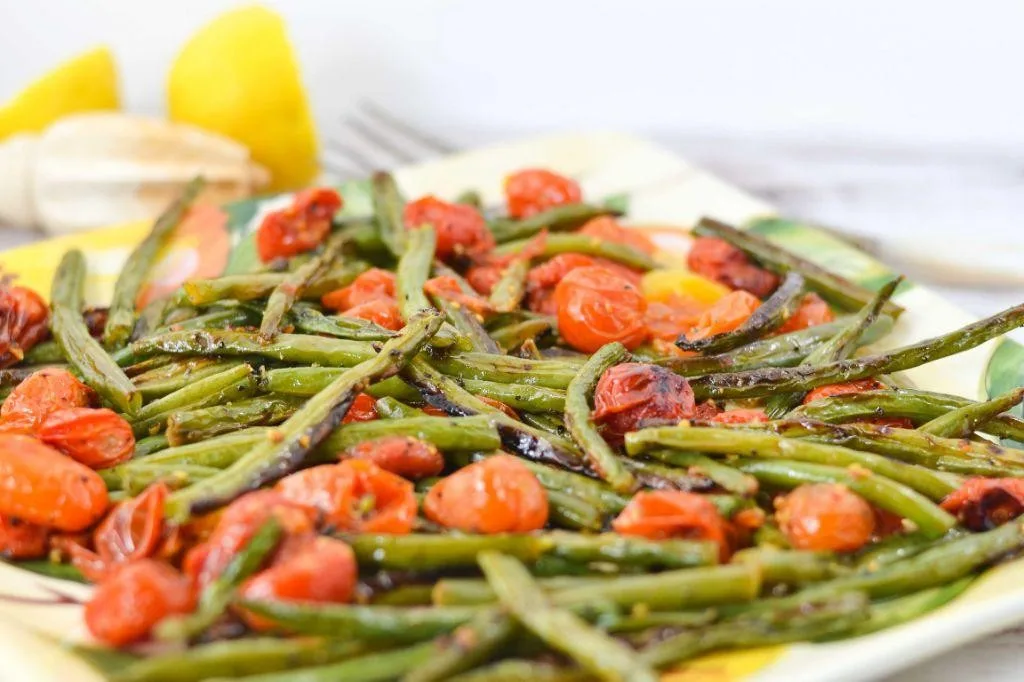
- Roasting: Halve or quarter, toss with oil, salt, and pepper, then roast at 400°F (200°C) for 15-20 minutes until tender.
- Blistering: Leave whole, toss with oil, then blister in a hot pan or on a grill for 2-3 minutes until charred.
- Raw: Slice just before service to maintain texture. Use a serrated knife for the cleanest cuts.
Once you’ve prepped them, store them properly. For raw applications, keep them in an airtight container with a paper towel to absorb any excess moisture. For cooked applications, store them in their cooking liquid or oil to keep them from drying out. And always label your containers with the date and contents, trust me, you don’t want to play the guessing game at 2 a.m. when you’re restocking the line.
Menu Integration: How to Make Green Cherry Tomatoes Shine (Without Overcomplicating Things)
Start Small: The Low-Risk, High-Reward Approach
If you’re new to green cherry tomatoes, the last thing you want to do is overhaul your menu around them. Instead, start small. Add them to a dish or two where they can shine without requiring a ton of extra prep or training. Here are a few low-risk ideas:
- Garnish for Rich Dishes: Use them as a bright, acidic garnish for rich dishes like mac and cheese, risotto, or grilled meats. A handful of halved green cherry tomatoes can add a pop of color and a burst of flavor that cuts through the richness.
- Salad Upgrade: Add them to an existing salad, like a classic Caesar or a grain bowl, to give it a fresh, unexpected twist. Their firm texture holds up well to dressing, and their acidity balances out creamy or fatty components.
- Pickled Topping: Pickle them and use them as a topping for sandwiches, tacos, or burgers. The tangy crunch adds a layer of complexity that guests will notice (even if they can’t quite put their finger on why).
At The Rusty Spoon, we started by adding pickled green cherry tomatoes to our Nashville Hot Chicken Sandwich. The acidity cut through the heat and richness of the chicken, and the bright green color made the dish pop on the plate. It was a small change, but it made a big difference in the overall flavor profile. And the best part? It didn’t require any extra prep work, we were already pickling other vegetables, so it was just a matter of adding another jar to the mix.
Find Your Flavor Pairings
Green cherry tomatoes play well with a lot of flavors, but they’re not a free-for-all. You’ve got to be strategic about what you pair them with. Here are a few combinations that work well:
- Dairy: Their acidity cuts through the richness of dairy, making them a great match for cheese, yogurt, or cream-based sauces. Think feta, goat cheese, or a tangy buttermilk dressing.
- Herbs: Fresh herbs like basil, mint, dill, or cilantro complement their bright, peppery flavor. Try tossing them with chopped herbs and a drizzle of olive oil for a simple side dish.
- Spicy: Their acidity balances out heat, making them a great pairing for spicy dishes. Add them to a salsa, a curry, or a spicy stir-fry to cool things down.
- Umami: Their brightness contrasts beautifully with umami-rich ingredients like soy sauce, miso, or mushrooms. Try them in a grain bowl with roasted mushrooms and a miso dressing.
One of my favorite pairings is green cherry tomatoes with whipped feta. The creaminess of the feta and the acidity of the tomatoes create a perfect balance, and it’s a dish that’s easy to prep ahead of time. Just blend feta with a little olive oil and lemon juice until smooth, then top with halved green cherry tomatoes, a drizzle of honey, and a sprinkle of flaky salt. It’s simple, but it’s one of those dishes that guests remember.
Think Beyond the Plate: How to Use Them in Beverages and Condiments
Green cherry tomatoes aren’t just for food, they can also add a unique twist to beverages and condiments. Here are a few ideas to get you thinking outside the box:
- Bloody Marys: Muddle a few green cherry tomatoes into your Bloody Mary mix for a bright, slightly peppery kick. It’s a small change, but it’ll make your brunch service stand out.
- Gin or Vodka Infusions: Infuse gin or vodka with green cherry tomatoes, cucumber, and fresh herbs for a unique cocktail base. It’s a great way to use up any tomatoes that are starting to soften.
- Hot Sauce: Blend green cherry tomatoes with chili peppers, garlic, and vinegar for a tangy, slightly sweet hot sauce. It’s a fun way to add a signature condiment to your menu.
- Compound Butter: Mix finely chopped green cherry tomatoes with softened butter, herbs, and a pinch of salt for a flavorful compound butter. It’s perfect for slathering on bread or topping grilled meats.
At The Rusty Spoon, we experimented with a green cherry tomato shrub-a drinking vinegar made with tomatoes, sugar, and apple cider vinegar. We mixed it with soda water and a splash of gin for a refreshing cocktail that became a surprise hit. It was a great way to use up tomatoes that were starting to lose their firmness, and it added a unique flavor to our bar program.
Training Your Team: How to Get Your Staff On Board (Without the Eye Rolls)
Start with the Why
Let’s be real: Your kitchen staff is already busy. The last thing they want is another ingredient to learn how to prep, store, and plate. So, before you introduce green cherry tomatoes, make sure they understand why you’re adding them to the menu. Is it to reduce food costs? To add a unique flavor profile? To appeal to a specific demographic? Whatever the reason, share it with your team. When they understand the bigger picture, they’re more likely to buy in.
At The Rusty Spoon, we framed it as a cost-saving measure. We explained that green cherry tomatoes were cheaper than ripe ones and had a longer shelf life, which meant less waste and more money in the budget for other ingredients. That got their attention. We also talked about how they could help us stand out from other restaurants in the area. When your team feels like they’re part of something special, they’re more likely to get on board.
Keep It Simple: Standardize Your Prep and Plating
The key to getting your team on board with any new ingredient is to standardize the process. If everyone’s doing things a little differently, it’s going to lead to inconsistency, and inconsistency leads to frustration. Here’s how to keep things simple:
- Create a Prep Guide: Write down exactly how you want the tomatoes prepped for each dish. Include photos if possible. This isn’t just for new hires, it’s a reference for your entire team.
- Use the Same Tools: If you’re halving the tomatoes, make sure everyone’s using the same knife. If you’re pickling them, make sure everyone’s using the same brine ratio. Consistency is key.
- Plate It the Same Way: Decide on a standard plating method for each dish and stick to it. For example, if you’re using them as a garnish, decide whether they should be halved, quartered, or left whole, and where they should be placed on the plate.
At The Rusty Spoon, we created a one-page cheat sheet for green cherry tomatoes. It included prep instructions, storage guidelines, and plating notes for each dish they were used in. We laminated it and posted it in the prep area so everyone could reference it easily. It was a small step, but it made a big difference in keeping things consistent.
Make It Fun: Turn Prep into a Game
Let’s face it: Prep work can be monotonous. But it doesn’t have to be. Turn it into a game to keep your team engaged. For example, you could challenge them to see who can prep the most tomatoes in a set amount of time (without sacrificing quality, of course). Or you could have a blind taste test to see who can identify the different flavor profiles of green cherry tomatoes versus ripe ones.
At The Rusty Spoon, we turned tomato prep into a friendly competition. We set a timer for 10 minutes and had everyone race to see who could halve the most tomatoes. The winner got a gift card to a local coffee shop. It was a small incentive, but it made prep time fly by, and it got everyone excited about the ingredient.
Cost Control: How to Use Green Cherry Tomatoes Without Blowing Your Budget
Buy Smart: When to Splurge and When to Save
Green cherry tomatoes are already a cost-effective ingredient, but there are still ways to save money when buying them. Here’s what to look for:
- Seasonality: Like all produce, green cherry tomatoes are cheaper and more abundant when they’re in season. In most regions, that’s late summer through early fall. If you’re buying them out of season, expect to pay a premium.
- Local vs. Imported: Local tomatoes are often cheaper and fresher, but they might not be available year-round. Imported tomatoes are more consistent, but they can be pricier and less flavorful. Weigh the pros and cons based on your menu and budget.
- Bulk vs. Pre-Packaged: Buying in bulk is almost always cheaper, but it requires more prep work. Pre-packaged tomatoes are more convenient, but you’ll pay a premium for the convenience. If you’ve got the staff and the time, bulk is the way to go.
At The Rusty Spoon, we buy our green cherry tomatoes from a local farm during the summer and early fall. They’re cheaper, fresher, and they support the local economy. During the off-season, we switch to a reputable distributor who can provide consistent quality. It’s a balance, but it works for us.
Minimize Waste: Use Every Last Tomato
In a high-volume kitchen, waste is the enemy. Here’s how to make sure you’re using every last green cherry tomato:
- Repurpose Scraps: If you’re halving or quartering the tomatoes, save the stems and any bruised pieces for stocks, sauces, or infusions. They won’t work for plating, but they’ve still got plenty of flavor.
- Pickle the Extras: If you’ve got tomatoes that are starting to soften, pickle them. Pickled tomatoes have a longer shelf life, and they can be used in a variety of dishes.
- Blend Them: Soft tomatoes can be blended into sauces, soups, or even cocktails. Don’t toss them, get creative!
- Compost: If all else fails, compost them. It’s not ideal, but it’s better than sending them to the landfill.
At The Rusty Spoon, we’ve got a zero-waste policy for green cherry tomatoes. If they’re not being used in a dish, they’re being pickled, blended, or composted. It’s a small step, but it adds up over time.
Track Your Usage: Know Your Numbers
If you’re not tracking how much you’re using (and wasting), you’re flying blind. Here’s how to keep tabs on your green cherry tomato usage:
- Weigh Your Prep: Before you start prepping, weigh your tomatoes. After prep, weigh the scraps. This will give you a sense of how much you’re actually using versus how much you’re wasting.
- Track Your Orders: Keep a log of how much you’re ordering and how long it’s lasting. If you’re consistently throwing out tomatoes, you’re ordering too much.
- Adjust as Needed: Use the data you’re collecting to adjust your orders. If you’re consistently running out, order more. If you’re consistently throwing out tomatoes, order less.
At The Rusty Spoon, we use a simple spreadsheet to track our tomato usage. It’s not fancy, but it works. We log how much we order, how much we use, and how much we waste. It’s helped us fine-tune our orders and reduce waste significantly.
Troubleshooting: Common Pitfalls and How to Avoid Them
Pitfall #1: Overpowering the Dish
Green cherry tomatoes are acidic and slightly bitter, which means they can easily overpower a dish if you’re not careful. Here’s how to avoid it:
- Balance the Flavors: Pair them with rich, creamy, or fatty ingredients to balance out their acidity. Think cheese, avocado, or a creamy dressing.
- Use Them Sparingly: A little goes a long way. Start with a small amount and adjust as needed.
- Taste as You Go: Don’t just throw them into a dish and hope for the best. Taste as you go and adjust the seasoning accordingly.
At The Rusty Spoon, we learned this the hard way. We added green cherry tomatoes to a grain bowl without balancing them out with a creamy element, and the result was, well, too much. The dish was overwhelmingly acidic, and guests were sending it back. We quickly adjusted by adding a dollop of whipped feta to balance out the flavors, and it saved the dish.
Pitfall #2: Inconsistent Prep
In a high-volume kitchen, consistency is key. If your tomatoes are prepped differently every time, it’s going to lead to inconsistency in your dishes. Here’s how to avoid it:
- Standardize Your Prep: Decide on a standard prep method for each dish and stick to it. If you’re halving the tomatoes, make sure everyone’s using the same knife and technique.
- Train Your Team: Make sure everyone knows how to prep the tomatoes properly. Hold a training session if necessary.
- Inspect the Prep: Don’t just assume that everyone’s prepping the tomatoes the same way. Inspect the prep regularly to make sure it’s up to standard.
At The Rusty Spoon, we had a situation where one prep cook was halving the tomatoes with a dull knife, which was crushing them and making them mushy. Another prep cook was using a sharp knife but cutting them into uneven pieces. The result? Inconsistent dishes and frustrated guests. We fixed it by standardizing the prep method and holding a training session to make sure everyone was on the same page.
Pitfall #3: Ignoring Guest Feedback
Green cherry tomatoes are a unique ingredient, and not every guest is going to love them. Here’s how to handle feedback:
- Listen to Your Guests: If you’re getting consistent feedback that a dish is too acidic or that the tomatoes are overpowering, take it seriously. Your guests are your best source of information.
- Adjust as Needed: Don’t be afraid to tweak a dish based on feedback. If a dish isn’t working, it’s better to fix it than to keep serving something that guests don’t like.
- Educate Your Staff: Make sure your front-of-house team knows how to talk about the tomatoes. If a guest asks what they are, your staff should be able to explain their flavor profile and why they’re on the menu.
At The Rusty Spoon, we had a guest send back a dish because they didn’t like the green cherry tomatoes. Instead of getting defensive, we listened. We adjusted the dish by reducing the amount of tomatoes and adding a creamy element to balance out the acidity. The guest was happy, and we ended up with a better dish.
Final Thoughts: Are Green Cherry Tomatoes Worth the Effort?
So, after all this, are green cherry tomatoes worth the effort? I’ll be honest: It depends. If you’re running a high-volume kitchen where speed and consistency are key, they can be a great addition, if you’re strategic about how you use them. They’re versatile, cost-effective, and they add a unique flavor profile that can set your menu apart. But they’re not a magic bullet. You’ve got to put in the work to prep them properly, train your team, and integrate them into your menu in a way that makes sense for your concept.
At The Rusty Spoon, they’ve become a staple. We use them in salads, sandwiches, grain bowls, and even cocktails. They’ve helped us reduce food costs, minimize waste, and add a unique twist to our menu. But it didn’t happen overnight. It took time, effort, and a willingness to experiment. And that’s the thing about running a restaurant: The best dishes aren’t always the ones that come easy. Sometimes, they’re the ones that force you to think outside the box and push your team to be better.
So, if you’re considering adding green cherry tomatoes to your menu, my advice is this: Start small. Experiment. Listen to your guests and your team. And most importantly, have fun with it. Because at the end of the day, that’s what cooking is all about, taking risks, learning from your mistakes, and creating something that people will remember.
FAQ
Q: What’s the best way to store green cherry tomatoes to maximize their shelf life?
A: Store green cherry tomatoes in a single layer in a shallow container lined with paper towels. Keep them in the refrigerator, but let them come to room temperature before using them for the best flavor and texture. They’ll last about 1-2 weeks if stored properly, but always check for softness or mold before using.
Q: Can green cherry tomatoes be used interchangeably with ripe cherry tomatoes in recipes?
A: Not exactly. Green cherry tomatoes are firmer and more acidic than ripe ones, so they won’t work in every recipe. They’re great for pickling, roasting, or using in dishes where you want a bright, tangy flavor. But if a recipe calls for the sweetness of ripe tomatoes, like in a caprese salad or a tomato-based soup, they won’t be a good substitute. Always taste as you go and adjust the seasoning as needed.
Q: How do you balance the acidity of green cherry tomatoes in a dish?
A: The key is to pair them with rich, creamy, or fatty ingredients that can balance out their acidity. Think cheese, avocado, nuts, or a creamy dressing. You can also roast or blister them to mellow out their sharpness. And don’t forget to taste as you go, sometimes a little extra salt or a drizzle of honey can make all the difference.
Q: What’s the best way to introduce green cherry tomatoes to guests who might be unfamiliar with them?
A: Start by using them in dishes where they’re not the star of the show, like as a garnish or a small component in a salad. Describe them on the menu in a way that highlights their unique flavor, such as “bright green cherry tomatoes with a tangy kick” or “firm, peppery tomatoes that add a pop of color.” And make sure your front-of-house team is educated on how to talk about them. If a guest asks what they are, your staff should be able to explain their flavor profile and why they’re on the menu.
@article{how-to-incorporate-green-cherry-tomatoes-into-high-volume-restaurant-menus-without-losing-your-mind-or-your-margins,
    title   = {How to Incorporate Green Cherry Tomatoes into High-Volume Restaurant Menus Without Losing Your Mind (or Your Margins)},
    author  = {Chef's icon},
    year    = {2026},
    journal = {Chef's Icon},
    url     = {https://chefsicon.com/how-to-incorporate-green-cherry-tomatoes-into-high-volume-restaurant-menus/}
}