The Best Fluffy Pancakes recipe you will fall in love with. Full of tips and tricks to help you make the best pancakes.
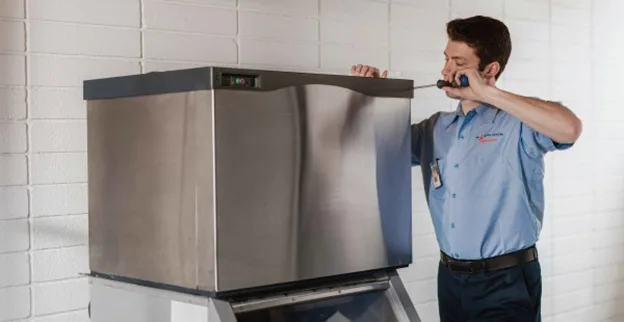
Ice Machine Troubleshooting: When Your Cubes Are More Drama Than Chill
Let me set the scene: It’s a sweltering Nashville afternoon, Luna, my rescue cat, is sprawled across my keyboard like she owns the place (she does), and I’m staring at my commercial ice machine like it’s personally offended me. The thing’s supposed to be churning out perfect, crystal-clear cubes for my experimental mint-julep batch, but instead? It’s coughing up sad, half-formed slush that looks like it belongs in a gas station soda fountain, not a food blogger’s kitchen. I’ve been here before, and let me tell you, there’s nothing more frustrating than realizing your ice machine troubleshooting skills are about to be put to the test, again.
Now, I’m not what you’d call a “handyman.” My idea of a DIY project is assembling IKEA furniture without losing a screw (spoiler: I always lose a screw). But over the years, I’ve learned that most ice machine problems</’t just random acts of mechanical spite, they’re usually signs of something fixable. The trick is knowing where to look, what to listen for, and when to admit defeat and call in the pros. So, if you’re dealing with an ice maker that’s acting more like an ice *breaker* (and not in the fun, cocktail-party way), stick around. We’re about to dive into the most common issues, why they happen, and, most importantly, how to fix them without losing your cool (or your mind).
By the end of this, you’ll know how to diagnose everything from low ice production to strange noises, when to roll up your sleeves, and when to wave the white flag. And hey, if nothing else, you’ll have some great stories to tell at your next dinner party about the time your ice machine tried to outsmart you. (Spoiler: It failed.)
The Usual Suspects: Why Your Ice Machine Is Acting Up
Before we get into the nitty-gritty, let’s talk about why ice machines go rogue in the first place. It’s not just bad luck, though, let’s be real, sometimes it feels that way. Most issues boil down to a few key culprits: water quality, maintenance neglect, environmental factors, or just plain old wear and tear. I’ve seen it all, from machines that refuse to make ice because the water filter’s clogged to ones that sound like they’re possessed by a poltergeist because of a loose fan blade. The good news? A lot of these problems are preventable, or at least fixable, if you know what to look for.
Here’s the thing: Ice machines are like relationships. They need attention, care, and the occasional tough love. Ignore them, and they’ll let you know, loudly and messily. But give them the TLC they deserve, and they’ll reward you with years of faithful service. (Unlike some relationships I’ve had, but that’s a story for another day.) So, let’s break down the most common issues and how to tackle them. And remember, if I can do this, so can you, probably better, since I once spent 20 minutes trying to figure out why my toaster wasn’t working before realizing it wasn’t plugged in. True story.
1. The Case of the Missing Ice: Why Isn’t My Machine Making Enough (or Any) Ice?
You walk up to your ice machine, full of hope and maybe a little desperation, only to find the bin looking emptier than a Nashville honky-tonk at 3 AM. What gives? Low ice production, or worse, no ice at all, is one of the most common complaints, and it’s usually tied to one of these issues:
- Water supply problems: If your machine isn’t getting enough water, it can’t make ice. Simple as that. Check the water line for kinks, clogs, or leaks. If the water pressure’s too low, the machine might not be filling up properly. And if the water inlet valve is faulty? Well, that’s like trying to fill a bathtub with a thimble.
- Clogged water filter: A dirty or clogged filter restricts water flow, which means your machine has to work harder, or not at all. Most manufacturers recommend changing the filter every 6 months, but if you’re in an area with hard water, you might need to do it more often. Pro tip: Set a calendar reminder. Your future self will thank you.
- Faulty water pump: The pump is the heart of your ice machine, circulating water over the evaporator to freeze it. If it’s not working, neither is your ice production. Listen for a humming sound, if you don’t hear it, the pump might be dead. And no, it’s not coming back to life like some kind of mechanical zombie.
- Temperature issues: Ice machines are picky about temperature. If the ambient air or water is too warm, the machine might struggle to freeze the water. Check the room temperature, most machines work best between 50°F and 90°F. If it’s outside that range, you might need to adjust your setup or invest in a machine designed for extreme conditions.
Now, here’s where it gets tricky. Sometimes, the problem isn’t as obvious as a clogged filter or a dead pump. Maybe the machine’s harvest cycle isn’t kicking in, or the thermostat is out of whack. If you’ve checked the basics and you’re still staring at an empty bin, it might be time to dig a little deeper. Grab your multimeter (or borrow one from that one friend who “knows about this stuff”) and test the components. Or, you know, call a professional. No judgment here.
Is this the best approach? Let’s consider: If you’re not comfortable poking around with electrical components, it’s probably better to err on the side of caution. But if you’re feeling adventurous, there’s a certain satisfaction in diagnosing the problem yourself. Just don’t electrocute yourself. That’s a buzzkill in more ways than one.
2. The Slushy Conspiracy: Why Is My Ice Soft, Cloudy, or Just Plain Weird?
You’ve got ice, but it’s not the kind you want. Maybe it’s soft and melts faster than a snowman in July. Maybe it’s cloudy, like it’s been hitting the whiskey a little too hard. Or maybe it’s just… weird. Oddly shaped, discolored, or downright unappetizing. What’s going on?
First, let’s talk about water quality. If your water has a high mineral content (hello, hard water), those minerals can build up in your machine and affect the ice quality. Cloudy ice is usually a sign of trapped air or minerals, while soft ice often means the water isn’t freezing completely. And if your ice has a funky taste or smell? That’s probably your water filter screaming for help.
Here’s a quick checklist to diagnose the issue:
- Check the water filter: If it’s old or clogged, replace it. No excuses.
- Inspect the evaporator: Mineral buildup on the evaporator can cause uneven freezing. If it looks like it’s wearing a fur coat, it’s time to clean it. More on that later.
- Test the water pressure: Low pressure can lead to incomplete freezing. If the water’s trickling in like it’s afraid of commitment, you might need to adjust the inlet valve.
- Look at the ice thickness: If your machine has an adjustable thickness control, make sure it’s set correctly. Too thin, and the ice will be weak. Too thick, and it might not release properly.
But what if the problem isn’t water-related? Maybe your machine’s freeze cycle is too short, or the harvest cycle isn’t long enough to release the ice properly. Or, and this is a big one, maybe the machine’s just old. Like, “should’ve retired in the ‘90s” old. If that’s the case, it might be time to start shopping for a new one. But before you pull the trigger, let’s see if we can salvage what you’ve got.
I’m torn between telling you to clean everything in sight and admitting that sometimes, the problem is beyond a simple fix. But hey, at least you’ll learn something along the way. And who knows? Maybe your ice will go from “meh” to “magnificent” with just a little elbow grease.
3. The Symphony of Strange Noises: What’s That Sound?
Your ice machine shouldn’t sound like a percussion section warming up. If it’s making noises louder than Luna’s 3 AM zoomies, something’s up. Here’s what those sounds might mean:
- Grinding or squealing: Usually a sign of a worn-out or misaligned auger (the spiral thing that moves the ice). If it sounds like a mouse is tap-dancing inside your machine, the auger might need lubrication or replacement.
- Clicking or buzzing: Could be a faulty water inlet valve or a problem with the harvest cycle. If it’s clicking like a metronome, check the valve first. If it’s buzzing like a swarm of angry bees, the motor might be struggling.
- Rattling or vibrating: Loose parts, folks. Check the fan, the compressor, or any panels that might’ve come loose. If it sounds like your machine is about to take flight, tighten everything down before it becomes a kitchen hazard.
- Hissing or gurgling: Air in the water line or a refrigerant leak. If it sounds like your machine is whispering secrets, it might be time to call a pro. Refrigerant leaks aren’t something you want to mess with on your own.
Now, I’ll be honest: Some noises are normal. A quiet hum? That’s just your machine doing its thing. A gentle whir? Probably the fan. But if it sounds like your ice machine is auditioning for a heavy metal band, it’s time to investigate. Start by unplugging the machine and checking for loose parts. If that doesn’t help, it might be time to call in reinforcements.
Maybe I should clarify: Not all noises are bad, but if it’s loud enough to drown out your thoughts, it’s probably worth looking into. And if you’re not sure whether a sound is normal, try recording it and comparing it to videos online. (Yes, there are videos of ice machines making normal sounds. The internet is a weird place.)
4. The Great Flood: Why Is My Ice Machine Leaking Water?
There’s nothing worse than walking into your kitchen and finding a puddle where your ice machine used to be. Leaks are messy, annoying, and, if left unchecked, can cause serious damage. So, where’s the water coming from?
First, check the obvious: Is the drain line clogged? If water isn’t draining properly, it’ll back up and overflow. Clear the drain line with a wire hanger or a pipe cleaner, and see if that solves the problem. If not, move on to these potential culprits:
- Cracked water line: Inspect the water supply line for cracks or leaks. If you find one, replace the line. It’s a cheap fix, and it’ll save you a lot of headaches (and water damage) down the road.
- Faulty water inlet valve: If the valve isn’t closing properly, water can leak into the machine even when it’s not supposed to. Test the valve with a multimeter, and replace it if it’s not working.
- Damaged water pump: A cracked or worn-out pump can leak water. If you see water pooling around the pump, it might be time for a replacement.
- Loose or damaged seals: Check the door seals and any gaskets for cracks or gaps. If they’re not sealing properly, water can escape. Replace them if they’re damaged.
But what if the leak isn’t coming from any of those places? Maybe it’s condensation, or maybe the machine’s just sweating because it’s too hot in the room. (Yes, ice machines can sweat. It’s a thing.) If the room’s too warm, the machine might produce more condensation than it can handle, leading to puddles. Try lowering the room temperature or improving the ventilation around the machine.
I’ll admit, leaks are one of the trickier problems to diagnose. Sometimes, it’s as simple as a loose connection. Other times, it’s a sign of a bigger issue. If you’ve checked everything and you’re still seeing water where it shouldn’t be, it might be time to call a technician. And hey, at least you’ll have a good story to tell while you wait for them to arrive.
5. The Freeze-Refreeze Cycle: Why Is My Ice Sticking Together?
You go to grab a handful of ice, and instead of individual cubes, you get one giant, unbreakable block. What’s the deal? Ice sticking together is usually a sign of one of these issues:
- High ambient temperature: If the room’s too warm, the ice might start to melt and refreeze together. Check the room temperature and adjust as needed.
- Poor air circulation: If the machine’s not getting enough airflow, the ice can melt and refreeze. Make sure there’s plenty of space around the machine for air to circulate.
- Faulty harvest cycle: If the harvest cycle isn’t working properly, the ice might not release from the evaporator correctly, leading to clumping. Check the harvest cycle timer or thermostat.
- Dirty evaporator: Mineral buildup on the evaporator can cause the ice to stick. Clean the evaporator regularly to prevent this.
But here’s the thing: Some clumping is normal, especially if the ice has been sitting in the bin for a while. If you’re only seeing a few cubes stuck together, it’s probably not a big deal. But if the entire bin is one solid block, you’ve got a problem. Start by checking the room temperature and airflow. If those are fine, move on to the harvest cycle and evaporator.
I’m torn between telling you to just break up the ice with a scoop and admitting that if it’s happening regularly, you’ve got a bigger issue on your hands. But hey, at least you’ll have an excuse to buy a fancy ice pick. (Not that I’m judging. I may or may not own three.)
6. The Ghost in the Machine: Why Does My Ice Machine Keep Shutting Off?
Your ice machine is humming along, doing its thing, and then, bam, it shuts off without warning. What’s going on? Random shutdowns are frustrating, and they’re usually caused by one of these issues:
- Overheating: If the machine’s too hot, it’ll shut off to prevent damage. Check the condenser coils for dust and debris, and make sure the machine has plenty of airflow.
- Faulty thermostat: If the thermostat’s not working properly, the machine might think it’s too hot or too cold and shut off. Test the thermostat with a multimeter, and replace it if it’s not working.
- Electrical issues: Loose wires, faulty connections, or a bad power supply can cause the machine to shut off. Check the power cord and outlet, and make sure everything’s connected properly.
- Low refrigerant: If the refrigerant level’s too low, the machine might not be able to maintain the right temperature and shut off. This is a job for a professional, so don’t try to fix it yourself.
Now, here’s where it gets tricky. If your machine is shutting off randomly, it could be any of these issues, or something else entirely. Start with the basics: Check the power supply, the thermostat, and the condenser coils. If those are all fine, it might be time to call in a technician. And if you’re feeling particularly brave, you can try resetting the machine. Sometimes, that’s all it takes.
Is this the best approach? Let’s consider: If you’re not comfortable working with electrical components, it’s probably better to call a pro. But if you’re feeling adventurous, there’s a certain satisfaction in diagnosing the problem yourself. Just don’t blame me if you end up with a pile of parts and no idea how to put them back together.
7. The Mineral Menace: How to Deal with Scale Buildup
If you live in an area with hard water, you know the struggle. Minerals like calcium and magnesium love to build up in your ice machine, clogging the works and turning your ice into something that looks like it belongs in a science experiment. Scale buildup is one of the most common- and most preventable, problems ice machine owners face. So, how do you deal with it?
First, let’s talk about prevention. The best way to deal with scale buildup is to stop it before it starts. Here’s how:
- Use a water softener: If your water’s hard, a water softener can work wonders. It’ll remove the minerals that cause scale buildup, keeping your machine running smoothly.
- Change the water filter regularly: A good water filter can catch a lot of minerals before they make it into your machine. Replace it every 6 months, or more often if you’re in a hard water area.
- Clean the machine regularly: Even with a water softener and filter, some minerals will make it into your machine. Clean it regularly to prevent buildup.
But what if the damage is already done? If your machine’s already covered in scale, don’t panic. You can clean it with a descaling solution or a mixture of water and vinegar. Here’s how:
- Turn off and unplug the machine.
- Remove any ice from the bin.
- Mix the descaling solution or vinegar with water according to the instructions.
- Pour the solution into the water reservoir and let it sit for the recommended time.
- Run a cleaning cycle, if your machine has one. If not, let the solution circulate through the machine for a few minutes.
- Drain the solution and rinse the machine thoroughly with clean water.
- Run a few cycles with clean water to make sure all the solution is gone.
- Plug the machine back in and turn it on.
I’ll admit, descaling isn’t the most fun job in the world. But it’s a lot better than dealing with a machine that’s clogged with scale. And hey, at least you’ll have the satisfaction of knowing you’re taking care of your equipment. Plus, your ice will taste better. And isn’t that what it’s all about?
Maybe I should clarify: Descaling isn’t a one-time fix. If you live in a hard water area, you’ll need to do it regularly, probably every 3 to 6 months. Set a reminder, and don’t skip it. Your ice machine will thank you.
8. The Airflow Enigma: Why Is My Machine Overheating?
Ice machines need airflow like humans need oxygen. If the air can’t circulate properly, the machine will overheat, shut off, or, worst case scenario, break down completely. So, how do you make sure your machine is getting the airflow it needs?
First, check the basics:
- Give it space: Your ice machine needs at least a few inches of clearance on all sides for proper airflow. If it’s crammed into a tight spot, it’s not going to be happy.
- Clean the condenser coils: Dust and debris can clog the coils, restricting airflow. Clean them regularly with a soft brush or vacuum.
- Check the fan: If the fan’s not working, the machine won’t get the airflow it needs. Listen for the fan, if you don’t hear it, it might be broken.
- Keep the room cool: Ice machines work best in cool environments. If the room’s too hot, the machine will struggle to keep up. Try to keep the room temperature below 90°F.
But what if you’ve checked all of these things and your machine is still overheating? Maybe the problem is with the compressor or the refrigerant. If that’s the case, it’s time to call a professional. Overheating can cause serious damage, so don’t ignore it.
I’m torn between telling you to just move the machine to a cooler spot and admitting that sometimes, the problem is more complicated. But hey, at least you’ll learn something new. And who knows? Maybe you’ll discover a hidden talent for HVAC repair.
9. The Electrical Puzzle: Why Won’t My Machine Turn On?
You press the power button, and… nothing. No lights, no hum, no ice. What’s going on? If your ice machine won’t turn on, the problem is usually electrical. Here’s what to check:
- Power supply: Is the machine plugged in? Is the outlet working? Try plugging something else into the outlet to make sure it’s getting power.
- Circuit breaker: If the outlet’s working but the machine still won’t turn on, check the circuit breaker. It might’ve tripped.
- Power cord: Inspect the power cord for damage. If it’s frayed or broken, replace it.
- Control board: If the power supply and cord are fine, the problem might be with the control board. This is a job for a professional, so don’t try to fix it yourself.
Now, here’s where it gets tricky. If the machine’s not getting power, it could be any of these issues, or something else entirely. Start with the basics: Check the power supply, the outlet, and the circuit breaker. If those are all fine, move on to the power cord and control board. And if you’re not comfortable working with electrical components, it’s probably best to call a technician.
Is this the best approach? Let’s consider: If you’re not sure what you’re doing, it’s better to be safe than sorry. But if you’re feeling confident, there’s a certain satisfaction in diagnosing the problem yourself. Just don’t electrocute yourself. That’s a buzzkill in more ways than one.
10. The Final Frontier: When to Call a Professional
Look, I get it. There’s a certain pride in fixing things yourself. I once spent an entire afternoon trying to fix a leaky faucet, only to realize I’d been turning the wrong valve the whole time. (Don’t ask.) But sometimes, you’ve got to know when to wave the white flag and call in the pros. So, when should you throw in the towel and pick up the phone?
Here are a few signs it’s time to call a technician:
- Refrigerant leaks: If your machine’s leaking refrigerant, it’s time to call a pro. Refrigerant is dangerous, and it’s not something you want to mess with on your own.
- Electrical issues: If you’re dealing with faulty wiring or a bad control board, it’s best to leave it to the experts. Electrical work is no joke.
- Compressor problems: If the compressor’s not working, the machine won’t make ice. Compressors are expensive and complicated, so don’t try to fix it yourself.
- Persistent issues: If you’ve tried everything and the problem keeps coming back, it’s time to call a technician. You might be dealing with a bigger issue that requires professional help.
But here’s the thing: Even if you do call a professional, you’ll still feel like a hero. Why? Because you’ll know you did everything you could before throwing in the towel. And hey, at least you’ll have a good story to tell while you wait for them to arrive.
I’ll admit, there’s a certain satisfaction in knowing when to quit. And let’s be real, sometimes, the best DIY is knowing when to call someone else. So, don’t be afraid to ask for help. Your ice machine (and your sanity) will thank you.
The Bottom Line: Keep Your Cool (Literally)
At the end of the day, ice machines are like any other piece of equipment: They need love, attention, and the occasional tough love. Most problems are preventable with regular maintenance, and even the ones that aren’t can usually be fixed with a little know-how (and maybe a YouTube tutorial or two). The key is to stay calm, diagnose the problem methodically, and know when to call in reinforcements.
So, the next time your ice machine starts acting up, take a deep breath and remember: You’ve got this. Whether it’s a clogged filter, a faulty pump, or just a case of the Mondays, there’s a solution. And if all else fails, there’s always the bagged ice aisle at the grocery store. (But let’s be real, no one wants to resort to that.)
Now, if you’ll excuse me, I’ve got a date with my ice machine. It’s time to put all this knowledge to the test. Wish me luck, and may your ice always be clear, your cubes always plentiful, and your troubleshooting always successful.
FAQ: Ice Machine Troubleshooting Questions You’re Too Embarrassed to Ask
Q: My ice machine is making ice, but it’s taking forever. What’s the deal?
A: Slow ice production is usually a sign of one of three things: low water pressure, a clogged water filter, or a problem with the freeze cycle. Start by checking the water pressure and replacing the filter. If that doesn’t help, the issue might be with the thermostat or the evaporator. And if you’re really unlucky, it could be a refrigerant leak, but let’s hope it’s not that.
Q: My ice tastes like chlorine. How do I fix that?
A: Chlorine taste is usually a sign of a dirty or old water filter. Replace the filter, and make sure you’re using a high-quality one designed for ice machines. If the problem persists, you might need to descale the machine or check the water supply for contaminants. And no, adding more whiskey to your drink isn’t a long-term solution.
Q: My ice machine is making a weird noise, but it’s still working. Should I be worried?
A: Some noises are normal, but if it’s loud or persistent, it’s worth investigating. Grinding or squealing usually means a problem with the auger, while clicking or buzzing could indicate an issue with the water inlet valve or motor. If the noise is new or getting worse, it’s best to check it out before it becomes a bigger problem. And no, it’s probably not haunted, though I can’t promise that.
Q: How often should I clean my ice machine?
A: Most manufacturers recommend cleaning your ice machine every 3 to 6 months, but if you’re in a hard water area or using the machine heavily, you might need to do it more often. Regular cleaning prevents scale buildup, keeps your ice tasting fresh, and extends the life of your machine. And yes, it’s a pain, but it’s worth it. Trust me on this one.
@article{ice-machine-troubleshooting-common-problems-and-solutions-you-can-fix-yourself,
    title   = {Ice Machine Troubleshooting: Common Problems and Solutions You Can Fix Yourself},
    author  = {Chef's icon},
    year    = {2026},
    journal = {Chef's Icon},
    url     = {https://chefsicon.com/ice-machine-troubleshooting-common-problems-solutions/}
}