The Best Fluffy Pancakes recipe you will fall in love with. Full of tips and tricks to help you make the best pancakes.
I’ll never forget my first trip to Mumbai. It was monsoon season, and the air was thick with the scent of frying oil, spices, and something indescribably alive, like the city itself was cooking. I stood under a dripping awning, watching a man flip bhel puri with one hand while stirring a pot of pav bhaji with the other. His stall was tiny, maybe six feet wide, but it was a symphony of motion. The tawa hissed, the deep fryer bubbled, and the chutney grinder whirred like a metronome. I remember thinking: *How does he do this without a full kitchen?* That’s when it hit me, authentic Indian street food isn’t about having the biggest or fanciest equipment. It’s about having the *right* equipment, the kind that turns a cramped sidewalk into a culinary powerhouse.
Now, years later, I’ve spent countless hours talking to street food vendors across India, from the chaat wallahs of Delhi to the dosa masters of Chennai, and I’ve learned that the magic isn’t just in the recipes. It’s in the tools. The equipment needed for authentic Indian street food stalls isn’t just a list of items; it’s a carefully curated ecosystem. Miss one piece, and the whole operation can fall apart. So, if you’re dreaming of setting up your own stall, or even just curious about what goes into making that perfect vada pav or pani puri, this guide is for you. Let’s dive in.
But first, a disclaimer: I’m not a chef. I’m a guy who loves food, writes about it, and has burned his fair share of parathas on a home tawa. So, take this with a grain of salt, or maybe a pinch of chaat masala. Is this the *definitive* list? Maybe not. But it’s the one I’ve pieced together from vendors, suppliers, and my own (sometimes painful) experiments. Let’s get started.
The Heart of the Stall: Core Cooking Equipment
The Tawa: Where It All Begins
If there’s one piece of equipment that defines Indian street food, it’s the tawa. This flat, round griddle is the workhorse of the stall. It’s where parathas puff up, dosas crisp, and omelets get their golden edges. But not all tawas are created equal. The best ones are made of cast iron, thick enough to retain heat but not so heavy that they’re impossible to maneuver. Some vendors swear by on-stick tawas, but I’ve found they don’t develop the same seasoning-that layer of polymerized oil that gives food its signature flavor.
Here’s the thing: a tawa isn’t just a cooking surface. It’s a heat regulator. A good vendor knows how to adjust the flame, tilt the tawa, and even stack food to control temperature. I’ve seen vendors cook pav bhaji on one side while keeping rotis warm on the other. It’s a dance, and the tawa is the stage. If you’re starting out, invest in a heavy-duty cast iron tawa. It’ll warp over time, but that’s part of the charm. And for the love of all things holy, don’t scrub it with soap. A little oil and a stiff brush are all you need.
Now, size matters. A standard tawa for street food is about 18-24 inches in diameter. Anything smaller, and you’re constantly juggling orders. Anything larger, and you’re wasting fuel. And speaking of fuel, most street vendors use LPG cylinders with a high-pressure burner. It’s not the most efficient, but it’s what works. Some upscale stalls in cities like Mumbai or Bangalore are switching to induction cooktops, but I’m not convinced. There’s something about the open flame that just *feels* right.
The Kadhai: Deep Frying and Beyond
Next up: the kadhai. This wok-like pan is the backbone of fried street food. Pakoras, samosa, jalebi-if it’s crispy and golden, it probably came out of a kadhai. The best kadhais are made of carbon steel or cast iron, with a deep, curved shape that allows for easy stirring and even frying. Some vendors use stainless steel kadhais, but they don’t retain heat as well, and let’s be honest, they’re just not as cool.
Here’s where things get tricky. Frying is an art, and the kadhai is your canvas. The oil temperature has to be just right, too hot, and your pakoras burn on the outside while staying raw inside. Too cool, and they absorb oil like a sponge. I’ve seen vendors use everything from thermometers to the classic wooden spoon test (if the oil bubbles around the spoon, it’s ready). Personally, I’m a fan of the trial-and-error method, but maybe that’s just my inner masochist talking.
One pro tip: if you’re frying in bulk, invest in a kadhai with a perforated ladle. It makes draining food a breeze, and it’s way safer than fishing things out with tongs. Also, don’t skimp on the oil. Reusing oil is common (and honestly, unavoidable in a street food setting), but you’ve got to strain it and store it properly. No one wants a samosa that tastes like last week’s vada.
The Tandoor: The Showstopper
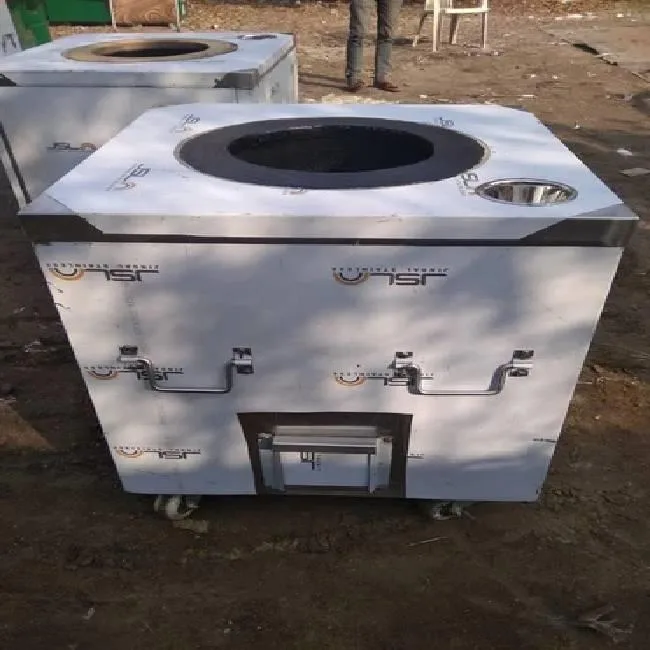
Let’s talk about the tandoor. This clay oven is the rockstar of Indian street food. It’s where aan puffs up like a balloon, where tandoori chicken gets its smoky char, and where seekh kebabs sizzle to perfection. But here’s the thing: a tandoor isn’t just a piece of equipment. It’s a commitment. It’s heavy, it’s expensive, and it requires a lot of fuel. But if you’re serious about authenticity, it’s non-negotiable.
Traditional tandoors are made of clay and fired with charcoal or wood. The heat radiates from the walls, cooking food evenly and quickly. The best part? The smoky flavor. There’s nothing like biting into a aan that’s been kissed by fire. But here’s the catch: tandoors are *high maintenance*. They need to be seasoned regularly, and the clay can crack if it’s not cared for. Some vendors use electric tandoors, but I’ve never met one who was happy with the results. It’s like comparing a live concert to a recording, close, but not the same.
If you’re setting up a stall, you’ve got to think about space. A tandoor takes up a lot of room, and it’s not exactly portable. But if you can make it work, it’s a game-changer. Customers *love* watching food cook in a tandoor. It’s theater. It’s tradition. It’s why people line up for blocks. Just be prepared to spend a lot of time cleaning it. Ash and charcoal dust get *everywhere*.
The Unsung Heroes: Prep and Storage Equipment
The Chutney Grinder: The Flavor Machine
No Indian street food stall is complete without a chutney grinder. This is where the magic happens, where raw ingredients become the sauces that define dishes. Think about it: mint chutney for your chaat, tamarind chutney for your pani puri, coconut chutney for your dosa. Without these, the food is just… food. With them, it’s an experience.
Most street vendors use wet grinders, which are essentially large, motorized stone grinders. They’re loud, they’re messy, and they’re absolutely essential. The stones grind the ingredients into a smooth paste, releasing flavors that a blender just can’t match. I’ve tried making chutney in a food processor, and it’s not the same. The texture is off, the flavor is flat. It’s like the difference between a handwritten letter and an email, both convey the message, but one has soul.
Here’s the thing: wet grinders are heavy. Like, *really* heavy. And they take up a lot of counter space. But if you’re serious about your chutneys, there’s no substitute. Some vendors use mixie grinders (Indian-style blenders), but they burn out quickly if you’re making large batches. If you’re just starting out, a small wet grinder (around 1.5 liters) should do the trick. And don’t forget the tamarind pulp-it’s the secret weapon in so many chutneys.
The Dough Maker: The Backbone of Bread
Bread is the unsung hero of Indian street food. Pav for your vada pav, buns for your bhel puri, rotis for your kebabs. And none of it happens without a good dough maker. Now, I know what you’re thinking: *Can’t I just knead dough by hand?* Sure, you can. But if you’re making hundreds of rotis a day, your arms will fall off. That’s where the dough mixer comes in.
Most street vendors use spiral mixers, which are designed for heavy doughs like atta (whole wheat flour) or maida (refined flour). They’re sturdy, they’re efficient, and they can handle large batches. Some vendors use planetary mixers, but I’ve found they’re better for lighter doughs like pizza dough. If you’re on a budget, a stand mixer with a dough hook can work, but it’s not ideal for high-volume stalls.
Here’s a pro tip: don’t over-knead your dough. Indian breads like roti and parathaeed a soft, pliable dough, not a tough one. And always let the dough rest. I’ve seen vendors skip this step in the rush to keep up with orders, and the results are never pretty. A good dough mixer will do most of the work for you, but you’ve still got to pay attention. It’s a partnership, not a magic wand.
The Refrigeration Unit: Keeping It Fresh
Refrigeration might not be the sexiest topic, but it’s one of the most important. Indian street food is all about freshness. Chutneys spoil, dough ferments, and meat goes bad. And in a country where temperatures can soar above 100°F (38°C), you can’t afford to cut corners. That’s where the refrigeration unit comes in.
Most street food stalls use commercial refrigerators or under-counter coolers. They’re compact, they’re efficient, and they’re designed to handle the demands of a busy stall. Some vendors use chest freezers for bulk storage, but they’re not ideal for day-to-day operations. You want something that’s easy to access, easy to clean, and, most importantly, reliable. Nothing kills a stall faster than spoiled ingredients.
Here’s the thing: refrigeration isn’t just about keeping things cold. It’s about organization. A good refrigeration unit will have adjustable shelves, clear bins, and maybe even a temperature display. You’ve got to know where everything is at a glance. I’ve seen stalls where the fridge is a disaster-yogurtext to raw chicken, chutneys leaking onto vegetables. It’s a food safety nightmare. So, invest in a good unit, and keep it clean. Your customers (and your health inspector) will thank you.
The Nitty-Gritty: Small but Essential Equipment
The Chaat Counter: Where the Magic Happens
If you’re serving chaat, you need a chaat counter. This isn’t just a table, it’s a command center. It’s where you assemble bhel puri, sev puri, dahi puri, and all the other puris that make Indian street food so addictive. A good chaat counter will have compartments for chutneys, sev, puri shells, and all the other toppings. It’ll have a sink for quick rinses, a cutting board for fresh herbs, and maybe even a small fridge for perishables like yogurt or paneer.
Here’s the thing: chaat is all about speed. Customers want their food *now*, and they want it *perfect*. That means your counter has to be organized. I’ve seen vendors with chaat counters that look like a bomb went off-chutneys spilled everywhere, sev scattered like confetti, puri shells crushed underfoot. It’s chaos. And while chaos can be charming in small doses, it’s not sustainable. So, invest in a good counter, and keep it tidy. Your customers will notice.
One pro tip: if you’re serving pani puri, you need a water dispenser with a long spout. It’s the only way to fill those tiny puri shells without making a mess. And trust me, you *will* make a mess. It’s part of the experience.
The Spice Rack: The Flavor Arsenal
Spices are the soul of Indian street food. Cumin, coriander, turmeric, red chili powder, garam masala-the list goes on. And if you’re running a stall, you need a way to store and dispense them efficiently. That’s where the spice rack comes in. Now, I’m not talking about a fancy wooden rack with little jars. I’m talking about a commercial-grade spice dispenser, the kind that lets you shake, sprinkle, or pour with one hand while you’re stirring a pot with the other.
Most street vendors use stainless steel spice containers with flip-top lids. They’re durable, they’re easy to clean, and they keep spices fresh. Some vendors use shaker bottles for powders like chaat masala or red chili powder. Others use small bowls with spoons for larger quantities. The key is to have everything within arm’s reach. You don’t want to be digging through a bag of spices while your pav bhaji burns.
Here’s a hard truth: spices lose their potency over time. That turmeric you bought six months ago? It’s not as vibrant as it once was. That garam masala you’ve been using for a year? It’s probably lost its kick. So, rotate your stock, buy in small batches, and store everything in airtight containers. And for the love of all things holy, don’t keep your spices near the tawa. Heat and humidity are the enemies of flavor.
The Cutting Tools: Knives and More
You can’t make street food without good cutting tools. And I’m not just talking about knives. I’m talking about vegetable choppers, meat cleavers, graters, and mandolins. Indian street food is all about texture-finely chopped onions for your bhel puri, julienned vegetables for your sabzi, minced meat for your kebabs. And if your cuts aren’t consistent, your food won’t be either.
Most street vendors use stainless steel knives with carbon steel blades. They’re sharp, they’re durable, and they hold an edge. Some vendors use cleavers for everything from chopping chicken to smashing garlic. Others use vegetable choppers for bulk prep. The key is to have a variety of tools for different tasks. A chef’s knife is great for most things, but it’s not ideal for julienning carrots or mincing ginger.
Here’s a pro tip: invest in a good sharpening stone. A dull knife is a dangerous knife, and in a busy stall, you don’t have time for mistakes. I’ve seen vendors use everything from ceramic rods to electric sharpeners, but a whetstone is the gold standard. It takes practice, but it’s worth it. And don’t forget the cutting boards. Wood is traditional, but plastic is easier to clean. Just make sure they’re sturdy, nothing’s worse than a wobbly board when you’re trying to chop onions at warp speed.
The Extras: Nice-to-Have but Not Essential
The Idli Steamer: For the South Indian Touch
If you’re serving South Indian street food, an idli steamer is a must. This is where idlis, dosas, and vadas come to life. Traditional idli steamers are made of stainless steel and come with perforated trays for even steaming. They’re simple, they’re effective, and they’re a staple in any South Indian stall.
Here’s the thing: idli batter is finicky. It needs to be fermented just right, and the steaming process has to be precise. Too little steam, and your idlis are dense. Too much, and they’re rubbery. Most street vendors use commercial steamers with timers and pressure controls. They’re not cheap, but they’re worth it if you’re serious about authenticity.
One pro tip: don’t overcrowd the trays. Idliseed room to expand, and if they’re packed too tightly, they’ll stick together. And always grease the trays with a little oil or ghee to prevent sticking. It’s a small step, but it makes a big difference.
The Soda Dispenser: The Crowd Pleaser
Let’s be real: Indian street food is *spicy*. And sometimes, customers need a little something to cool their mouths. That’s where the soda dispenser comes in. Whether it’s imbu pani (lemonade), jaljeera (cumin water), or just plain old soda, a good dispenser is a game-changer. Most street vendors use stainless steel dispensers with spigots for easy pouring. They’re durable, they’re easy to clean, and they look professional.
Here’s the thing: drinks are a great way to upsell. A customer comes in for a vada pav, and suddenly they’re ordering a imbu pani to go with it. It’s a small addition, but it adds up. And let’s not forget the chaas (buttermilk). It’s refreshing, it’s traditional, and it pairs perfectly with spicy food. If you’re not offering drinks, you’re leaving money on the table.
One pro tip: keep your soda dispenser clean. Nothing kills the mood like a glass of imbu pani with a side of grime. And if you’re serving jaljeera, make sure the cumin and mint are fresh. Stale spices ruin everything.
The Waste Management System: Keeping It Clean
Last but not least: waste management. Indian street food generates a *lot* of waste-vegetable peels, used oil, plastic plates, paper napkins. And if you’re not careful, it can quickly spiral out of control. That’s why a good waste management system is essential. Most street vendors use stainless steel bins with foot pedals for easy access. They’re durable, they’re easy to clean, and they keep odors at bay.
Here’s the thing: waste isn’t just a nuisance. It’s a health hazard. Rotting food attracts pests, used oil can cause fires, and plastic waste is bad for the environment. So, invest in a good system. Separate your wet waste from your dry waste, and dispose of everything properly. Some vendors use compost bins for vegetable scraps, while others partner with waste management companies for used oil. Whatever you do, don’t just throw everything in a single bin and call it a day.
One pro tip: if you’re using disposable plates and utensils, consider switching to biodegradable options. They’re better for the environment, and they’re a selling point for eco-conscious customers. And if you’re frying a lot, invest in an oil filter. It extends the life of your oil, and it’s better for your food.
Putting It All Together: A Day in the Life of a Street Food Stall
So, what does a day in the life of an Indian street food stall look like? It starts early-*really* early. Most vendors are up by 4 or 5 AM, prepping dough, chopping vegetables, and grinding chutneys. The tawa is fired up, the kadhai is filled with oil, and the spice rack is stocked. By the time the first customers arrive, everything is ready to go.
Orders come in fast. A vada pav here, a bhel puri there. The tawa sizzles, the kadhai bubbles, and the chutney grinder whirs in the background. It’s a symphony of sound and smell, and it’s intoxicating. But it’s not all glamour. There are burns, there are spills, and there are days when the dough just won’t cooperate. But that’s the life of a street food vendor. It’s hard, it’s messy, and it’s *rewarding*.
At the end of the day, the equipment is cleaned, the waste is disposed of, and the refrigeration unit is restocked. The tawa is oiled, the kadhai is drained, and the spice containers are refilled. It’s a lot of work, but it’s worth it. Because at the end of the day, there’s nothing like the satisfaction of a customer biting into a perfectly crisp dosa or a juicy kebab and saying, *”This is the best I’ve ever had.”*
So, is this the best approach? Let’s consider. Maybe you don’t need a tandoor. Maybe a tawa is enough. Maybe you can get by with a blender instead of a wet grinder. But here’s the thing: authenticity isn’t about cutting corners. It’s about doing things the right way, even when it’s hard. And if you’re serious about Indian street food, the equipment is where it starts.
Final Thoughts: The Road Ahead
Setting up an Indian street food stall isn’t easy. It’s a labor of love, a test of endurance, and a leap of faith. But if you’ve got the right equipment, the right recipes, and the right attitude, it’s also one of the most rewarding things you can do. So, take this guide, tweak it to fit your needs, and get cooking. And who knows? Maybe one day, I’ll be standing under your awning, watching you flip parathas like a pro, and thinking, *”That’s the real deal.”*
But for now, I’m still learning. We all are. The beauty of street food is that it’s always evolving, always adapting. So, don’t be afraid to experiment. Try new things. Make mistakes. Because at the end of the day, that’s how the best food is made, with a little bit of chaos, a lot of heart, and the right tools for the job.
FAQ
Q: What’s the most essential piece of equipment for an Indian street food stall?
A: Hands down, the tawa. It’s the backbone of so many dishes-parathas, dosas, omelets, pav bhaji. Without a good tawa, you’re missing the soul of Indian street food. That said, if you’re focusing on fried snacks like pakoras or samosa, a kadhai is just as important.
Q: Do I need a tandoor for an authentic stall?
A: It depends on what you’re serving. If you’re making aan, tandoori chicken, or seekh kebabs, then yes, a tandoor is non-negotiable. But if you’re focusing on chaat, dosas, or vada pav, you can skip it. A tandoor is a big investment, both in terms of money and space, so make sure it’s worth it for your menu.
Q: How do I keep my chutneys fresh without a commercial refrigerator?
A: It’s tough, but not impossible. If you’re working with limited resources, try making smaller batches of chutneys and storing them in airtight containers in a cool, dark place. Tamarind chutney and mint chutney can last a day or two if stored properly, but they won’t be as fresh as they would be in a fridge. Another trick is to use preservatives like citric acid or vinegar, but be careful, too much can alter the flavor. If you’re serious about your stall, a refrigeration unit is worth the investment.
Q: What’s the biggest mistake new street food vendors make with their equipment?
A: Skimping on quality. I get it, equipment is expensive, and when you’re starting out, every rupee counts. But cheap equipment breaks down, warps, and doesn’t perform as well. A flimsy tawa will warp in no time, a weak kadhai will burn your food, and a cheap chutney grinder will die after a few months. Invest in durable, commercial-grade equipment from the start. It’ll save you money in the long run, and it’ll make your food taste better. Trust me, your customers will notice the difference.
@article{the-ultimate-guide-to-equipment-needed-for-authentic-indian-street-food-stalls-from-tawa-to-tandoor,
    title   = {The Ultimate Guide to Equipment Needed for Authentic Indian Street Food Stalls: From Tawa to Tandoor},
    author  = {Chef's icon},
    year    = {2026},
    journal = {Chef's Icon},
    url     = {https://chefsicon.com/equipment-needed-for-authentic-indian-street-food-stalls/}
}