The Best Fluffy Pancakes recipe you will fall in love with. Full of tips and tricks to help you make the best pancakes.
The Ultimate Guide to the Best Commercial Ovens for Reheating Bakery Items Efficiently
Let me tell you, there’s nothing worse than biting into a croissant that’s lost its magic, dry, tough, or worse, soggy. I learned this the hard way when I first started experimenting with my own small bakery pop-ups in Nashville. Picture this: It’s 5 AM, the line at the farmers’ market is already forming, and I’m standing there, sweating bullets, trying to revive yesterday’s pain au chocolat in a rickety old convection oven that came with my rented kitchen space. The results? Let’s just say I had a few very honest customers that day. That’s when I realized, if you’re in the bakery business, reheating isn’t just an afterthought; it’s an art form. And like any art, it demands the right tools.
Fast forward to today, and I’ve spent the last few years testing, researching, and occasionally arguing with fellow bakers about the best commercial ovens for reheating bakery items efficiently. Whether you’re running a high-volume wholesale bakery, a cozy café, or a bustling food truck, the oven you choose can make or break your product, and your sanity. But here’s the thing: There’s no one-size-fits-all answer. What works for a sourdough loaf might not cut it for a delicate macaron. And let’s be real, the options out there can feel overwhelming. Do you go for a convection oven? A combi oven? Maybe a deck oven with a steam injection feature? Or is a rapid-cook oven the secret weapon you’ve been missing?
In this guide, I’m going to break it all down for you. We’ll dive into the nitty-gritty of what makes an oven great for reheating, explore the top contenders on the market in 2026, and even touch on some of the mistakes I’ve made (so you don’t have to). By the end, you’ll have a clear idea of which oven is right for your bakery’s needs, and maybe, just maybe, you’ll avoid the same 5 AM meltdown I had. Ready? Let’s get into it.
Why Reheating Bakery Items Is Trickier Than You Think
Before we jump into the ovens themselves, let’s talk about why reheating bakery items is such a unique challenge. I mean, it’s not like reheating a pizza or a casserole, right? Those can handle a little abuse. But bakery items? They’re delicate. They’re finicky. And they have a memory-a memory of their first bake, and if you’re not careful, they’ll hold a grudge.
Take croissants, for example. They’re a marvel of laminated dough, layers of butter and pastry that create that signature flakiness. But reheat them wrong, and you’ll end up with a greasy, dense brick. The same goes for danishes, puff pastries, or even something as simple as a baguette. The key is moisture retention and even heat distribution. Too much heat, and you dry them out. Too little, and they turn soggy. And don’t even get me started on the nightmare of uneven reheating, nobody wants a croissant that’s burnt on the outside and cold in the middle.
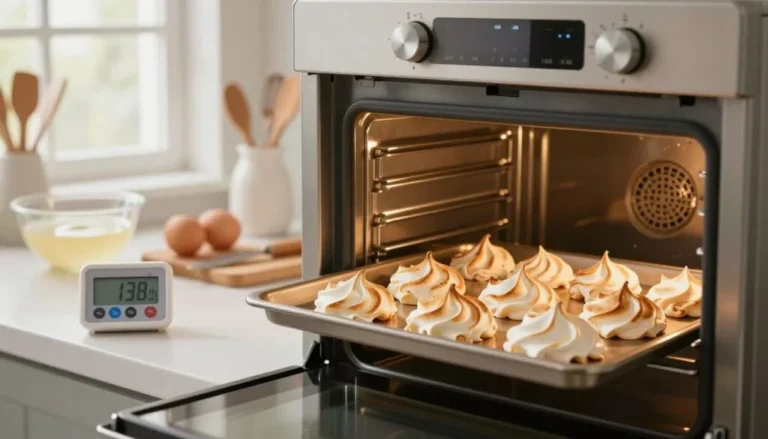
So, what’s the solution? Well, it starts with understanding the science behind reheating. When you bake something fresh, the heat causes the moisture inside to evaporate at a controlled rate, creating that perfect crust and tender interior. But when you reheat, you’re essentially trying to recreate that magic without overcooking or drying out the product. This is where the right oven comes into play. The best commercial ovens for reheating bakery items are designed to mimic the original baking process as closely as possible, using features like steam injection, precise temperature control, and convection fans to ensure even heat distribution.
But here’s where I’ll admit I went wrong early on. I assumed that any oven with a “bake” setting would do the trick. Spoiler alert: It doesn’t. I once tried reheating a batch of almond croissants in a standard convection oven, and let’s just say the almonds were the only thing that survived. The pastry was dry, the filling was leaking, and the whole thing just felt… sad. That’s when I realized that reheating isn’t just about warming something up, it’s about reviving it. And that takes a specialized approach.
What to Look for in a Commercial Oven for Reheating
So, what exactly should you be looking for when shopping for a commercial oven for reheating bakery items? Here’s where I’ll get a little nerdy (because, let’s be honest, I love this stuff). There are a few key features that separate the good ovens from the great ones:
- Even Heat Distribution: This is non-negotiable. You need an oven that can maintain a consistent temperature throughout the cavity. Hot spots are the enemy of reheating, especially for delicate items like pastries or cakes. Look for ovens with convection fans or dual-fan systems to ensure air circulates evenly.
- Steam Injection: This is a game-changer. Steam helps to keep the exterior of your bakery items moist while allowing the interior to warm up gently. It’s especially crucial for items with a crust, like baguettes or sourdough, where you want to avoid drying out. Some ovens come with built-in steam generators, while others require manual water injection, both can work, but the former is definitely more convenient.
- Precise Temperature Control: Reheating isn’t about blasting your items with high heat. It’s about gentle, controlled warmth. Look for ovens with digital controls that allow you to set and maintain temperatures within a few degrees. Some high-end models even come with programmable settings for different types of bakery items, which can be a lifesaver during busy mornings.
- Capacity and Size: This one depends on your volume. If you’re a small café reheating a few dozen items a day, a countertop model might suffice. But if you’re running a wholesale bakery, you’ll need something with a larger capacity, maybe even a double-deck oven or a rotating rack oven. Just remember, bigger isn’t always better. You want an oven that fits your space and your production needs without wasting energy.
- Ease of Cleaning: Let’s be real, no one enjoys cleaning an oven. But if you’re reheating bakery items, you’re going to deal with crumbs, grease, and the occasional melted filling disaster. Look for ovens with self-cleaning features, removable racks, and smooth interior surfaces that are easy to wipe down. Trust me, your future self will thank you.
- Energy Efficiency: Commercial ovens can be energy hogs, and that’s not great for your utility bills or the planet. Look for models with energy-saving features, like insulated doors or programmable standby modes. Some newer ovens even come with smart sensors that adjust energy usage based on what you’re cooking.
Now, I know what you’re thinking: “Sammy, that’s a lot to consider. How do I even start narrowing it down?” And you’re right, it is a lot. But here’s the thing: Once you understand what each of these features brings to the table, the decision becomes a lot easier. And that’s exactly what we’re going to do next.
The Top Commercial Ovens for Reheating Bakery Items in 2026
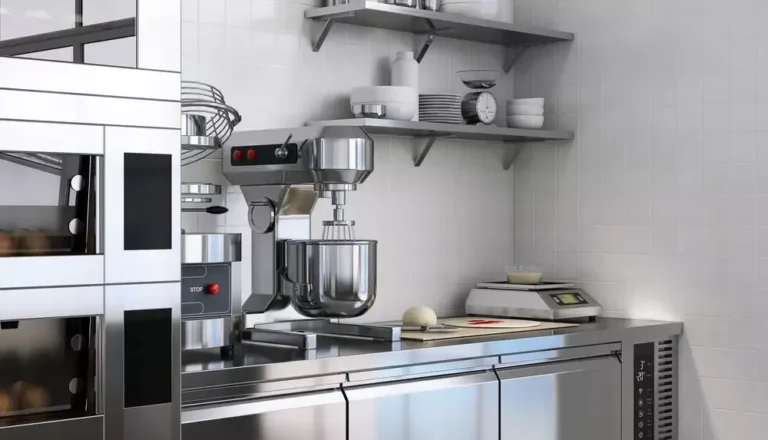
Alright, let’s get to the good stuff. After testing (and sometimes cursing at) a variety of commercial ovens, I’ve narrowed down the top contenders for reheating bakery items efficiently. These aren’t just the ovens that get the job done, they’re the ones that do it well, consistently, and without turning your pastries into hockey pucks. I’ve categorized them based on bakery size and needs, so whether you’re a small operation or a large-scale producer, there’s something here for you.
1. Best for Small Bakeries and Cafés: Rational SelfCookingCenter® XS
Let’s start with the little guys. If you’re running a small bakery or café, space and budget are probably at the top of your mind. Enter the Rational SelfCookingCenter® XS. This thing is a powerhouse in a compact package, and it’s become a favorite among bakers who need versatility without taking up half their kitchen.
The SelfCookingCenter® XS is a combi oven, which means it combines convection, steam, and a combination of both. This is huge for reheating because it gives you the flexibility to adjust the cooking environment based on what you’re working with. Reheating croissants? Use a little steam to keep them flaky. Working with danishes? A combo of convection and steam will give you that perfect balance of crisp and tender. And the best part? It’s self-cleaning. Yes, you read that right. No more scrubbing burnt sugar off the racks at the end of a long day.
But here’s where I’ll admit I was skeptical at first. Combi ovens can be expensive, and I wasn’t sure if the investment was worth it for a small operation. But after using the SelfCookingCenter® XS for a few months, I was sold. The precise temperature control is what really won me over. You can set the oven to maintain a temperature within ±1°F, which is crucial for reheating delicate items. And the intuitive touchscreen interface makes it easy to program settings for different bakery items, so you’re not constantly fiddling with dials and timers.
Now, it’s not perfect. The XS model has a smaller capacity, so if you’re reheating large batches, you might need to do it in stages. And while the self-cleaning feature is a dream, it does take some time to run. But overall, if you’re a small bakery or café looking for a versatile, efficient oven that can handle reheating with ease, this is a solid choice.
2. Best for Medium-Sized Bakeries: Blodgett Combi® CTB/2
If you’re running a medium-sized bakery, you need something that can handle a higher volume without sacrificing quality. That’s where the Blodgett Combi® CTB/2 comes in. This oven is a workhorse, and it’s designed to keep up with the demands of a busy bakery while still delivering consistent results.
The CTB/2 is another combi oven, but it’s built for larger operations. It has a double-deck design, which means you can reheat twice the amount of product in the same footprint as a single-deck oven. This is a game-changer for bakeries that need to maximize space without compromising on efficiency. And like the Rational XS, it offers convection, steam, and combo cooking modes, so you can tailor the environment to whatever you’re reheating.
One of the standout features of the CTB/2 is its steam injection system. Unlike some ovens that require manual water injection, this one has a built-in steam generator, which means you can add steam with the push of a button. This is especially useful for reheating items like baguettes or sourdough, where you want to maintain that crisp crust without drying out the interior. And the even heat distribution is top-notch, no more worrying about hot spots or uneven reheating.
I’ll be honest, though: The CTB/2 is a bit of a beast. It’s larger and heavier than the Rational XS, so you’ll need to make sure you have the space and the infrastructure to support it. And while it’s more affordable than some high-end models, it’s still a significant investment. But if you’re a medium-sized bakery looking for a reliable, high-capacity oven that can handle reheating with precision, this is a great option.
3. Best for Large-Scale Operations: MIWE condo
Alright, let’s talk about the big leagues. If you’re running a large-scale bakery or a wholesale operation, you need an oven that can keep up with your volume without breaking a sweat. Enter the MIWE condo. This thing is a deck oven, and it’s designed for high-volume production. But don’t let the term “deck oven” fool you, this isn’t your grandma’s old-school oven. The condo is packed with modern features that make it a powerhouse for reheating.
The MIWE condo is a stone-hearth oven, which means it uses a thick stone deck to distribute heat evenly. This is ideal for reheating items like bread, rolls, or even pizzas, where you want that crispy bottom and tender interior. But what sets the condo apart is its steam injection system. Unlike traditional deck ovens, which can be dry and harsh, the condo allows you to add steam during the reheating process, which helps to keep your items moist and fresh.
One of the things I love about the condo is its modular design. You can stack multiple decks on top of each other, which means you can reheat large batches of product without taking up a ton of floor space. And the precise temperature control ensures that each deck maintains a consistent temperature, so you don’t have to worry about uneven reheating. Plus, the oven is built to last, with a durable stainless steel exterior and a design that’s easy to clean and maintain.
Now, I’ll admit, the condo isn’t for everyone. It’s a significant investment, and it’s not as versatile as a combi oven. But if you’re a large-scale bakery looking for a high-capacity, durable oven that can handle reheating with precision, this is a fantastic choice. And let’s be real, when you’re reheating hundreds of items a day, you need something that can keep up.
4. Best for Food Trucks and Mobile Bakeries: TurboChef Tornado 2
Okay, let’s switch gears for a second. If you’re running a food truck or a mobile bakery, space and efficiency are everything. You need an oven that’s compact, fast, and energy-efficient, but still capable of delivering great results. That’s where the TurboChef Tornado 2 comes in. This thing is a rapid-cook oven, and it’s designed to reheat items in a fraction of the time of a traditional oven.
The Tornado 2 uses a combination of convection, impingement, and microwave technology to cook food quickly and evenly. This is a game-changer for reheating bakery items because it allows you to revive pastries, bread, and other items in just a few minutes, without sacrificing quality. And the best part? It’s small enough to fit in a food truck or a compact kitchen, but powerful enough to handle high-volume production.
One of the standout features of the Tornado 2 is its speed. You can reheat a croissant in under a minute, which is a lifesaver when you’re serving customers on the go. And the even heat distribution ensures that your items come out perfectly every time, no more worrying about cold centers or burnt edges. Plus, the oven is energy-efficient, which is crucial when you’re operating on a tight budget or working off-grid.
But here’s where I’ll admit I had some doubts. Rapid-cook ovens aren’t typically associated with bakery items, and I was skeptical about whether the Tornado 2 could handle something as delicate as a croissant or a danish. But after testing it out, I was pleasantly surprised. The key is using the right settings, lower power levels and shorter cook times work best for reheating. And while it’s not as versatile as a combi oven, it’s a fantastic option for mobile bakeries or food trucks where space and speed are at a premium.
5. Best Budget-Friendly Option: Vulcan VC4GD
Let’s be real, not everyone has the budget for a high-end combi oven or a deck oven. And that’s okay! If you’re looking for a budget-friendly option that still delivers great results, the Vulcan VC4GD is worth considering. This is a convection oven, and it’s designed for bakeries that need a reliable, affordable oven for reheating.
The VC4GD is a gas-powered convection oven, which means it’s energy-efficient and cost-effective to operate. It has a dual-fan system for even heat distribution, and the interior is spacious enough to handle large batches of bakery items. And while it doesn’t have all the bells and whistles of a combi oven, it’s a solid choice for bakeries that need a no-frills, reliable oven for reheating.
One of the things I like about the VC4GD is its simplicity. There’s no complicated programming or touchscreen interface, just a few dials and a timer. This makes it easy to use, even for staff who aren’t as experienced with commercial ovens. And the durable construction means it’s built to last, even in a busy kitchen environment.
Now, I’ll be the first to admit that the VC4GD isn’t perfect. It doesn’t have steam injection, so you’ll need to be a little more hands-on when reheating items that require moisture. And while it’s great for bread, rolls, and pastries, it might not be the best choice for more delicate items like macarons or meringues. But if you’re on a budget and need a reliable, efficient oven for reheating, this is a great option.
How to Reheat Different Bakery Items Like a Pro
Alright, now that we’ve covered the best ovens for reheating, let’s talk about the how. Because let’s be honest, even the best oven won’t save you if you don’t know what you’re doing. Reheating bakery items is all about technique, and different items require different approaches. So, let’s break it down by category.
1. Croissants and Danishes
Croissants and danishes are some of the trickiest items to reheat because they’re so delicate. The key here is gentle heat and moisture. You want to warm them up without drying out the layers or melting the filling. Here’s how I do it:
- Preheat your oven to 300°F (150°C). This is lower than you might think, but trust me, it’s the sweet spot for reheating croissants and danishes.
- If your oven has a steam injection feature, use it. If not, you can add a small tray of water to the oven to create steam. This will help keep the exterior moist while the interior warms up.
- Place your croissants or danishes on a baking sheet lined with parchment paper. Make sure they’re not touching each other to allow for even heat distribution.
- Reheat for 5-7 minutes, or until they’re warmed through. You’ll know they’re done when they’re slightly crisp on the outside and soft on the inside.
- Let them cool for a minute or two before serving. This will help the filling set and prevent any sogginess.
Pro tip: If you’re reheating filled croissants or danishes, keep an eye on them to make sure the filling doesn’t leak. And if you’re working with a combi oven, use the combo mode (convection + steam) for the best results.
2. Bread and Baguettes
Bread and baguettes are a little more forgiving than croissants, but they still require some finesse. The goal here is to revive the crust without drying out the interior. Here’s how I do it:
- Preheat your oven to 350°F (175°C). This is a bit higher than for croissants, but it’s still gentle enough to avoid drying out the bread.
- If your oven has a steam injection feature, use it. If not, you can spritz the bread with a little water before reheating to help revive the crust.
- Place your bread or baguettes directly on the oven rack or on a baking sheet. If you’re using a deck oven, place them directly on the stone deck for a crispier crust.
- Reheat for 5-10 minutes, depending on the size of the bread. You’ll know it’s done when the crust is crisp and the interior is warm and soft.
- Let it cool for a few minutes before slicing. This will help the crust set and prevent it from becoming soggy.
Pro tip: If you’re reheating a large loaf of bread, you can wrap it in aluminum foil for the first half of the reheating time to help it warm through evenly. Then, remove the foil for the last few minutes to crisp up the crust.
3. Cakes and Cupcakes
Cakes and cupcakes are all about moisture retention. The last thing you want is a dry, crumbly cake. Here’s how I reheat them without turning them into hockey pucks:
- Preheat your oven to 275°F (135°C). This low temperature is key for reheating cakes without drying them out.
- If your oven has a steam injection feature, use it. If not, you can place a small tray of water in the oven to create steam.
- Place your cakes or cupcakes on a baking sheet lined with parchment paper. If you’re reheating cupcakes, you can place them in a muffin tin to help them hold their shape.
- Reheat for 5-10 minutes, or until they’re warmed through. You’ll know they’re done when they’re soft and moist, but not soggy.
- Let them cool for a few minutes before serving. This will help the frosting set and prevent any melting.
Pro tip: If you’re reheating a cake with frosting, keep an eye on it to make sure the frosting doesn’t melt. And if you’re using a combi oven, use the steam mode for the best results.
4. Pastries and Puff Pastry
Pastries and puff pastry are all about layers. The goal here is to warm them up without flattening those beautiful, flaky layers. Here’s how I do it:
- Preheat your oven to 325°F (165°C). This is a gentle temperature that will warm the pastry without melting the butter in the layers.
- If your oven has a steam injection feature, use it. If not, you can add a small tray of water to the oven to create steam.
- Place your pastries on a baking sheet lined with parchment paper. Make sure they’re not touching each other to allow for even heat distribution.
- Reheat for 5-7 minutes, or until they’re warmed through. You’ll know they’re done when they’re slightly crisp on the outside and flaky on the inside.
- Let them cool for a minute or two before serving. This will help the layers set and prevent any sogginess.
Pro tip: If you’re reheating filled pastries, keep an eye on them to make sure the filling doesn’t leak. And if you’re using a combi oven, use the combo mode (convection + steam) for the best results.
Common Mistakes to Avoid When Reheating Bakery Items
Alright, let’s talk about the elephant in the room-mistakes. We’ve all made them, and I’ll be the first to admit that I’ve had my fair share of reheating disasters. But the good news is, you can learn from my mistakes (and the mistakes of others) to avoid some common pitfalls. Here are a few things to watch out for:
1. Using Too High of a Temperature
This is probably the most common mistake I see. When you’re in a rush, it’s tempting to crank up the heat to speed up the process. But here’s the thing: high heat is the enemy of reheating. It dries out your items, melts fillings, and can even burn the exterior while leaving the interior cold. Trust me, I’ve been there. I once tried reheating a batch of danishes at 400°F (200°C) because I was running late for a market. The result? A tray of sad, greasy pastries that nobody wanted to buy. Lesson learned: gentle heat is key.
So, what’s the right temperature? It depends on the item, but as a general rule, I stick to 275°F to 350°F (135°C to 175°C). This is low enough to warm your items gently without drying them out, but high enough to get the job done in a reasonable amount of time.
2. Skipping the Steam
Steam is your best friend when it comes to reheating bakery items. It helps to keep the exterior moist while allowing the interior to warm up gently. But I get it, sometimes, you’re in a hurry, and adding steam feels like an extra step. I’ve been guilty of skipping it myself, and let me tell you, the results are never as good. Without steam, your items are more likely to dry out, especially if they have a crust or a flaky exterior.
If your oven doesn’t have a steam injection feature, don’t worry, you can still add steam manually. Just place a small tray of water in the oven while you’re reheating, or spritz your items with a little water before putting them in. It’s a small step, but it makes a huge difference.
3. Overcrowding the Oven
This is another one I’ve learned the hard way. When you’re trying to reheat a large batch of items, it’s tempting to cram as many as possible into the oven to save time. But here’s the thing: overcrowding leads to uneven reheating. If your items are touching each other or stacked too closely, the heat won’t circulate properly, and you’ll end up with some items that are overcooked and others that are still cold.
So, what’s the solution? Give your items some space. Place them on a baking sheet with a little room between each one, or use multiple trays if you’re reheating a large batch. And if you’re using a deck oven, make sure to rotate the trays halfway through the reheating process to ensure even heat distribution.
4. Not Letting Items Cool Before Serving
This one might seem obvious, but it’s easy to forget when you’re in a rush. After reheating, it’s important to let your items cool for a few minutes before serving. This gives the filling time to set, the crust time to crisp up, and the layers time to firm up. If you serve them too soon, you risk ending up with a soggy mess.
I’ll admit, I’ve been guilty of this more times than I’d like to admit. There’s nothing worse than biting into a warm croissant only to have the filling ooze out all over your hands. Trust me, your customers will thank you for the extra minute or two of patience.
5. Ignoring the Oven’s Calibration
Here’s a mistake I didn’t even realize I was making until it was too late. Over time, ovens can become uncalibrated, meaning the temperature you set isn’t the temperature you’re actually getting. This can lead to inconsistent results, especially when you’re reheating delicate items. I once spent weeks trying to figure out why my croissants were coming out dry and tough, only to realize that my oven was running 25°F hotter than it should have been. A simple calibration fixed the problem, but it was a frustrating lesson to learn.
So, how do you avoid this? Regularly check your oven’s calibration using an oven thermometer. These are inexpensive and easy to use, just place one in your oven and compare the reading to the temperature you’ve set. If there’s a discrepancy, you may need to have your oven serviced or recalibrated.
The Future of Reheating: Smart Ovens and Beyond
Alright, let’s take a step back and look at the bigger picture. The world of commercial ovens is evolving, and smart technology is playing a bigger role than ever. In 2026, we’re seeing ovens that can self-adjust, learn from your habits, and even connect to your inventory system. It’s a brave new world, and it’s changing the way bakeries operate.
One of the most exciting developments is the rise of AI-powered ovens. These ovens use sensors and machine learning to adjust the cooking environment in real-time, ensuring that your items are reheated to perfection every time. For example, some smart ovens can detect the moisture level in your pastries and adjust the steam and heat accordingly. Others can predict how long an item will take to reheat based on its size and type, taking the guesswork out of the process.
But here’s where I’ll admit I’m a little torn. On one hand, I love the idea of an oven that can do the thinking for me. It’s efficient, it’s consistent, and it frees up my time to focus on other things. But on the other hand, I worry about losing that human touch. Baking is an art, and there’s something special about the intuition and experience that comes with doing it yourself. Is a smart oven really going to be able to replicate that? Or will it just turn us into button-pushers, disconnected from the process?
I don’t have the answers, but I do know this: The future of reheating is here, and it’s only going to get smarter. Whether you embrace it or not is up to you. But if you’re running a bakery in 2026, it’s worth keeping an eye on these developments. Because let’s be real, if there’s a way to make reheating easier, faster, and more consistent, we’re all going to want a piece of it.
Should You Invest in a Smart Oven?
So, should you run out and buy a smart oven for your bakery? Well, it depends. If you’re a large-scale operation with a high volume of reheating, a smart oven could be a game-changer. The consistency and efficiency alone might justify the investment. But if you’re a small bakery or café, you might not need all the bells and whistles. A good combi oven or convection oven might be all you need to get the job done.
That said, I think it’s worth considering the long-term benefits. Smart ovens are becoming more affordable, and the technology is only going to improve. If you’re in the market for a new oven, it might be worth looking into a smart model, even if it’s just to future-proof your bakery. And who knows? Maybe one day, we’ll all be using ovens that can order their own replacement parts or diagnose their own issues. Stranger things have happened.
Final Thoughts: Choosing the Right Oven for Your Bakery
Alright, let’s bring it all together. Choosing the best commercial oven for reheating bakery items isn’t just about picking the most expensive model or the one with the most features. It’s about finding the right fit for your bakery’s needs, your budget, and your workflow. Whether you’re a small café, a large-scale wholesale bakery, or a food truck, there’s an oven out there that can help you reheat your items efficiently and consistently.
Here’s my advice: Start by assessing your needs. How much volume are you reheating? What types of items are you working with? Do you need steam injection, or is a simple convection oven enough? Once you have a clear idea of what you’re looking for, you can start narrowing down your options. And don’t be afraid to reach out to other bakers for recommendations, we’re a tight-knit community, and most of us are happy to share our experiences.
And remember, the oven is just one piece of the puzzle. Technique matters. Even the best oven won’t save you if you’re using the wrong temperature or skipping the steam. Take the time to experiment, learn from your mistakes, and refine your process. Because at the end of the day, reheating isn’t just about warming something up, it’s about bringing it back to life.
So, what’s next? If you’re in the market for a new oven, I’d encourage you to do your research, read reviews, and maybe even test a few models before making a decision. And if you’re already using one of the ovens I mentioned, I’d love to hear your thoughts. What do you love about it? What would you change? Let’s keep the conversation going.
FAQ
Q: What’s the best type of oven for reheating croissants?
A: Croissants are delicate, so you’ll want an oven that offers gentle heat and moisture control. A combi oven with steam injection is ideal because it allows you to add steam during the reheating process, which helps keep the layers flaky and the interior soft. If you don’t have a combi oven, a convection oven with a tray of water for steam can also work, but you’ll need to monitor the temperature closely to avoid drying them out.
Q: How do I prevent my bakery items from drying out when reheating?
A: The key to preventing dryness is moisture retention. Use an oven with steam injection or add a tray of water to the oven to create steam. Additionally, reheat at a lower temperature (around 300°F to 350°F) to warm the items gently without evaporating too much moisture. Avoid overcrowding the oven, as this can lead to uneven heat distribution and dryness.
Q: Is it worth investing in a smart oven for my bakery?
A: It depends on your needs and budget. Smart ovens offer consistency, efficiency, and advanced features like real-time adjustments and predictive cooking. If you’re running a high-volume bakery, the investment might be worth it for the time and energy savings. However, if you’re a small operation, a high-quality combi oven or convection oven might be sufficient. Consider your long-term goals and whether the features of a smart oven align with your workflow.
Q: Can I use a microwave to reheat bakery items?
A: While microwaves are fast, they’re not ideal for reheating most bakery items. Microwaves heat unevenly and can make items like croissants or pastries soggy or rubbery. If you’re in a pinch, you can use a microwave for a quick warm-up, but it’s best to finish the item in a convection oven or toaster oven to restore crispness. For the best results, stick to an oven designed for reheating, like a combi oven or convection oven.
@article{the-ultimate-guide-to-the-best-commercial-ovens-for-reheating-bakery-items-efficiently-in-2026,
    title   = {The Ultimate Guide to the Best Commercial Ovens for Reheating Bakery Items Efficiently in 2026},
    author  = {Chef's icon},
    year    = {2026},
    journal = {Chef's Icon},
    url     = {https://chefsicon.com/best-commercial-ovens-for-reheating-bakery-items-efficiently/}
}