The Best Fluffy Pancakes recipe you will fall in love with. Full of tips and tricks to help you make the best pancakes.
The Hidden Costs in Your Kitchen: How Tariffs Are Reshaping What You Pay for Equipment
It was a Tuesday morning in Nashville when I got the call. My buddy Marco, who runs a bustling Italian trattoria downtown, was on the line, voice tight with frustration. “Sammy, I just got the invoice for that new combi oven I ordered. The price jumped 22% since last month. Twenty-two percent! What the hell is going on?” I could hear the clatter of dishes in the background, the familiar hum of a kitchen in full swing. But Marco wasn’t just venting, he was panicking. That oven was supposed to be the centerpiece of his kitchen upgrade, and now he was staring down a budget crisis.
Turns out, Marco wasn’t alone. Over the past year, I’ve fielded calls from chefs, restaurant owners, and even a few food truck operators, all asking the same thing: Why are kitchen equipment prices fluctuating so wildly? And more importantly, what can we do about it? The answer, as I’ve come to learn, isn’t simple. It’s tangled up in global supply chains, shifting trade policies, and a web of tariffs that most of us never thought twice about, until they started hitting our wallets.
This isn’t just about sticker shock. It’s about the ripple effects: delayed openings, scaled-back renovations, and, in some cases, restaurants closing before they even get off the ground. If you’re in the food service industry, you’re already feeling this. Maybe you’ve put off buying that new fryer or held your breath every time a supplier mentions a “price adjustment.” Or maybe you’re just starting to research equipment and wondering if you’re already too late to lock in a decent deal. Either way, you’re in the right place.
In this guide, I’m going to break down how tariffs are impacting kitchen equipment supply chains, what it means for your bottom line, and, most importantly, how you can navigate this mess without sacrificing quality or breaking the bank. We’ll cover everything from the basics of tariffs (yes, even if you slept through economics class) to actionable strategies for sourcing smarter. By the end, you’ll have a clearer picture of what’s happening behind the scenes and a toolkit to make informed decisions, whether you’re outfitting a food truck or a full-service restaurant.
Fair warning: This isn’t a doom-and-gloom piece. Sure, the landscape has changed, but that doesn’t mean you’re powerless. If anything, it’s a wake-up call to get savvier about how the sausage, or in this case, the commercial kitchen equipment-gets made. So grab a coffee (or a whiskey, no judgment), and let’s dive in.
The Tariff Tightrope: Why Your Kitchen Equipment Just Got More Expensive
What Even Is a Tariff, and Why Should You Care?
Okay, let’s start with the basics. A tariff is essentially a tax that a government slaps on imported goods. Think of it like a toll booth at the border: every time a piece of equipment crosses into the U.S. from another country, the importer has to pay a fee. That fee gets passed down the line, from the manufacturer to the distributor to the dealer, and eventually, it lands on your invoice. Simple, right? Well, not quite.
Tariffs aren’t new. They’ve been around for centuries, used to protect domestic industries, retaliate against trade partners, or even just generate revenue. But here’s the thing: they’re not static. They change based on political whims, economic strategies, and, yes, even tweets. (Remember when trade wars were fought in 280 characters or less? Good times.) In the past few years, tariffs have become a political football, and the food service industry, particularly the commercial kitchen equipment sector, has been caught in the crossfire.
So why should you care? Because tariffs don’t just add a few bucks to the price of a blender. They can inflate costs by 10%, 20%, even 30% or more, depending on the product and the country of origin. And when you’re already operating on razor-thin margins, that kind of increase can be the difference between turning a profit and shutting your doors.
But it’s not just about the money. Tariffs also create supply chain disruptions. When costs spike unexpectedly, manufacturers and distributors scramble to adjust. Orders get delayed. Shipments get rerouted. And suddenly, that six-week lead time for your new range turns into six months. For a restaurant owner, that’s not just an inconvenience, it’s a nightmare.
I’ll admit, when I first started digging into this, I assumed tariffs were a temporary blip. A hiccup in the system. But the more I talked to suppliers, the more I realized this isn’t going away anytime soon. If anything, it’s becoming the new normal. So if you’re in the market for kitchen equipment, you can’t afford to ignore it.
The Tariff Timeline: How We Got Here
To understand where we are, we need to rewind a bit. The tariff story of the past decade is a bit like a bad reality TV show: lots of drama, questionable decisions, and a cast of characters you can’t look away from. Here’s the CliffsNotes version:
- 2018-2019: The Trade War Kicks Off – The U.S. imposed tariffs on billions of dollars’ worth of goods from China, including steel and aluminum. China retaliated with its own tariffs, and suddenly, the cost of everything from refrigeration units to stainless steel prep tables started climbing. Manufacturers scrambled to find alternative suppliers, but with limited success. The result? Longer lead times and higher prices.
- 2020: The Pandemic Pile-On – Just when things were starting to stabilize, COVID-19 hit. Factories shut down. Shipping containers became scarce. And tariffs, which were already a headache, became a full-blown migraine. The pandemic exposed just how fragile global supply chains were, and how reliant the food service industry is on overseas manufacturing.
- 2021-2022: The Calm Before the Storm – Things seemed to improve. Vaccines rolled out, factories reopened, and supply chains started to recover. But beneath the surface, tensions were still simmering. The U.S. and China were locked in a standoff over trade policies, and new tariffs were being introduced on everything from electronics to industrial machinery. Kitchen equipment wasn’t immune.
- 2023-2025: The New Normal – By this point, tariffs weren’t just a temporary issue, they were baked into the system. Manufacturers had adjusted their pricing, but the cost increases were still being passed down to consumers. And just when you thought it couldn’t get worse, new tariffs were introduced on goods from Europe, Southeast Asia, and even Canada. The result? A patchwork of tariffs that varies by product, country of origin, and even the time of year.
So where does that leave us in 2026? In a word: complicated. Tariffs aren’t going away, but they’re also not the only factor driving up costs. Inflation, labor shortages, and geopolitical tensions are all playing a role. The good news? There are ways to mitigate the impact. The bad news? It’s going to take some work.
The Kitchen Equipment Hit List: What’s Getting Taxed?
Not all kitchen equipment is created equal, at least not in the eyes of the U.S. government. Some items are hit harder by tariffs than others, depending on where they’re made and what they’re made of. Here’s a breakdown of the most affected categories:
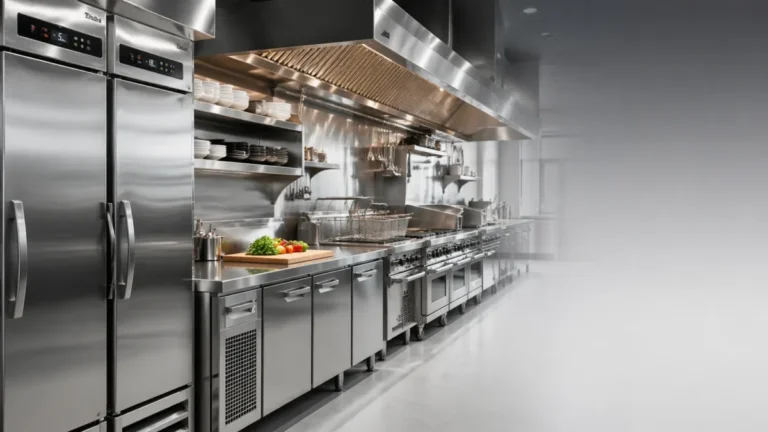
- Stainless Steel Equipment – This is the big one. Stainless steel is the backbone of commercial kitchens, used in everything from prep tables to refrigeration units. But because so much of it is imported (particularly from China), it’s been a prime target for tariffs. The result? Prices for stainless steel equipment have risen by 15-25% over the past two years. And if you’re buying something custom, like a stainless steel worktable or a commercial sink, you’re looking at even steeper increases.
- Cooking Equipment – Ranges, ovens, griddles, if it cooks food, there’s a good chance it’s been affected. The tariffs on these items vary widely depending on the country of origin. For example, a commercial range made in Italy might be subject to different tariffs than one made in China. And if it’s made with imported components (like a European-made burner), the costs can add up quickly.
- Refrigeration Units – Walk-in coolers, reach-in fridges, under-counter freezers, these are all subject to tariffs, especially if they’re made overseas. The problem? Refrigeration units are already expensive, and the added tariffs can push them out of reach for smaller operations. I’ve talked to more than one chef who’s had to downgrade their refrigeration setup because the numbers just didn’t add up.
- Smallwares and Accessories – You might not think twice about the cost of a chef’s knife or a mixing bowl, but tariffs add up. Even small items like thermometers, timers, and kitchen scales can see price increases of 10% or more. And when you’re buying in bulk, those costs can really eat into your budget.
- Electronics and Smart Equipment – This is where things get really tricky. Smart kitchen equipment, like Wi-Fi-enabled ovens or touchscreen POS systems-often relies on components made in China or other countries with high tariffs. The result? Prices for these items have skyrocketed, making them a luxury for all but the most well-funded operations.
So what’s the takeaway? If you’re in the market for kitchen equipment, you can’t just look at the sticker price anymore. You need to dig deeper. Where was it made? What materials does it use? And most importantly, how will tariffs affect the final cost? It’s a lot to consider, but trust me, it’s worth the effort.
Beyond the Price Tag: How Tariffs Are Disrupting Your Supply Chain
The Domino Effect: How One Tariff Can Derail Your Entire Project
Let me tell you a story. Last year, I worked with a client, a mid-sized restaurant group in Austin, who was in the middle of a major kitchen renovation. They had everything planned: new ranges, custom stainless steel prep stations, even a state-of-the-art ventilation system. The budget was tight, but doable. Then, two weeks before the order was supposed to ship, they got the call. The manufacturer was increasing prices by 18% due to “unforeseen tariff adjustments.” Just like that, their budget was blown.
This isn’t an isolated incident. Tariffs don’t just affect the cost of equipment, they create a domino effect that can derail your entire project. Here’s how it plays out:
- Manufacturers Raise Prices – When tariffs go up, manufacturers have two choices: absorb the cost or pass it on to the customer. Spoiler alert: they almost always choose the latter. But here’s the kicker, it’s not just a one-time increase. Manufacturers often adjust their pricing multiple times a year to account for fluctuating tariffs. That means the quote you got last month might not be valid today.
- Distributors Get Squeezed – Distributors are the middlemen in this equation, and they’re caught between a rock and a hard place. They can’t absorb the cost increases, so they pass them on to you. But they also can’t afford to lose customers, so they start cutting corners. Maybe they switch to a cheaper shipping method, or they delay orders to consolidate shipments. Either way, you’re the one who ends up waiting longer for your equipment.
- Lead Times Explode – Remember when you could order a piece of equipment and have it in your kitchen in a few weeks? Those days are gone. Tariffs have created bottlenecks at every stage of the supply chain. Manufacturers are struggling to source materials. Distributors are dealing with delayed shipments. And customs? Oh, customs is a nightmare. I’ve heard stories of equipment sitting in ports for months because of paperwork delays or unexpected tariff assessments. If you’re on a tight timeline, this can be a dealbreaker.
- Quality Takes a Hit – When costs go up, something has to give. Sometimes, that means manufacturers start cutting corners. Maybe they switch to lower-grade materials, or they outsource production to a cheaper (but less reliable) factory. Either way, the end result is the same: equipment that doesn’t last as long or perform as well. And that’s a problem, because in a commercial kitchen, reliability isn’t just a nice-to-have, it’s a must.
- Your Budget Goes Out the Window – This is the part that really stings. You plan your budget months in advance, only to have it blown up by a last-minute price increase. And it’s not just the equipment, it’s everything that goes with it. Installation costs go up. Permits take longer. And if you’re leasing space, you might even have to renegotiate your rent because your project is delayed. It’s a mess, and it’s happening to restaurants all over the country.
So what’s the solution? Is there even a way to protect yourself from this kind of chaos? The short answer: yes, but it’s not easy. You need to be proactive, flexible, and, above all, patient. Because in this new world of tariffs and supply chain disruptions, the old rules no longer apply.
The Hidden Costs of Tariffs: What You’re Not Seeing on the Invoice
When we talk about tariffs, we usually focus on the obvious: the price of the equipment itself. But the real damage is often hidden in the secondary costs-the ones that don’t show up on the invoice but still eat into your budget. Here are a few to watch out for:
- Financing Fees – If you’re financing your equipment (and let’s be honest, most of us are), tariff-related price increases can throw off your entire loan calculation. Lenders might adjust their terms, or they might require a larger down payment to account for the higher cost. Either way, you’re paying more in interest.
- Storage Costs – Let’s say your equipment arrives early (a rare but not unheard-of occurrence). If your kitchen isn’t ready, you’ll have to pay for storage. And if your equipment is delayed? You might have to rent temporary equipment to keep your kitchen running. Either way, you’re shelling out extra cash.
- Installation Delays – If your equipment is delayed, your installation timeline gets thrown off. That means paying contractors for extra hours, or worse, having to reschedule them entirely. And if you’re in a hurry to open, those delays can cost you thousands in lost revenue.
- Training Costs – New equipment often means new training for your staff. If your equipment is delayed, that training gets pushed back, and your team might have to learn on the fly. That can lead to mistakes, wasted ingredients, and even safety issues.
- Opportunity Costs – This is the big one. Every day your kitchen isn’t up and running is a day you’re not making money. If tariffs delay your project by a month, that’s a month of lost revenue. And if you’re a new restaurant, that could be the difference between success and failure.
So how do you account for these hidden costs? It’s not easy, but it starts with building a buffer into your budget. I usually recommend adding at least 10-15% to your equipment budget to account for tariff-related increases. And if you’re financing, make sure your loan terms are flexible enough to accommodate unexpected costs.
But here’s the thing: even with a buffer, you’re not out of the woods. Tariffs are unpredictable, and the only way to really protect yourself is to stay informed. That means keeping an eye on trade policy, talking to your suppliers regularly, and being ready to pivot if things change. It’s a lot of work, but it’s the only way to stay ahead in this new landscape.
Case Study: How One Restaurant Group Beat the Tariff Trap
Earlier this year, I worked with a restaurant group in Chicago that was planning a major expansion. They were opening three new locations, and they needed a ton of equipment: ranges, refrigeration units, prep stations, the works. The budget was tight, but they thought they had it under control. Then, two months into the project, they got hit with a 20% price increase on their refrigeration units. The reason? A new tariff on imported compressors.
At first, they panicked. The price increase blew their budget, and they were looking at major delays. But instead of throwing in the towel, they decided to get creative. Here’s what they did:
- They Diversified Their Suppliers – Instead of relying on one manufacturer for all their equipment, they split their orders among multiple suppliers. That way, if one got hit with a tariff, the others could pick up the slack.
- They Switched to Domestic Manufacturers – Some of their equipment was coming from overseas, which made it vulnerable to tariffs. So they started sourcing more from domestic manufacturers. It wasn’t always cheaper, but it was more stable.
- They Negotiated Long-Term Contracts – Instead of placing one-off orders, they negotiated long-term contracts with their suppliers. That gave them price stability and protected them from future tariff increases.
- They Got Creative with Financing – Instead of taking out a traditional loan, they explored alternative financing options, like equipment leasing. That gave them more flexibility to adjust their payments if costs went up.
- They Built a Buffer into Their Budget – This was the big one. They added a 15% contingency to their budget to account for tariff-related increases. It wasn’t pretty, but it saved their project.
The result? They ended up spending more than they originally planned, but they were able to open all three locations on time. And in the end, that’s what mattered.
So what’s the lesson here? Tariffs are a pain, but they’re not insurmountable. With the right strategy, you can mitigate the impact and keep your project on track. It’s not easy, but it’s doable, and in this economy, it’s essential.
The Sourcing Survival Guide: How to Buy Kitchen Equipment in the Age of Tariffs
Step 1: Know Your Tariff Exposure (Yes, It’s a Thing)
Before you even start shopping for equipment, you need to understand your tariff exposure. That’s a fancy way of saying: How much of your equipment is vulnerable to tariffs? Here’s how to figure it out:
- Identify the Country of Origin – Where is your equipment made? If it’s coming from China, Europe, or certain parts of Southeast Asia, it’s likely subject to tariffs. Even if the equipment is assembled in the U.S., it might still contain imported components that are taxed.
- Check the Harmonized Tariff Schedule (HTS) – This is the official list of tariffs for imported goods. It’s a bit of a beast, but you can search it by product category to see what tariffs apply. For example, if you’re buying a commercial range, you’d look up the HTS code for “ovens, ranges, and stoves” to see what tariffs apply.
- Talk to Your Supplier – Your supplier should be able to tell you what tariffs apply to your equipment and how they’re affecting the price. If they can’t (or won’t), that’s a red flag.
- Calculate the Impact – Once you know what tariffs apply, you can estimate how much they’re adding to the cost. For example, if a tariff adds 10% to the price of a $10,000 refrigeration unit, that’s an extra $1,000 you’ll need to budget for.
I know this sounds like a lot of work, but trust me, it’s worth it. The more you know about your tariff exposure, the better equipped you’ll be to make smart purchasing decisions.
Step 2: Diversify Your Suppliers (Don’t Put All Your Eggs in One Basket)
One of the biggest mistakes I see restaurant owners make is relying on a single supplier for all their equipment. It’s convenient, sure, but it’s also risky, especially in the age of tariffs. If your supplier gets hit with a price increase, you’re stuck. But if you diversify your suppliers, you can spread the risk and keep your costs under control.
Here’s how to do it:
- Split Your Orders – Instead of ordering all your equipment from one supplier, split your orders among multiple suppliers. That way, if one gets hit with a tariff, the others can pick up the slack.
- Source from Different Countries – If all your equipment is coming from China, you’re at the mercy of Chinese tariffs. But if you source some from Europe, some from the U.S., and some from Southeast Asia, you can reduce your exposure.
- Build Relationships with Multiple Distributors – Don’t just rely on one distributor. Build relationships with multiple distributors so you have options if one gets hit with a price increase.
- Consider Domestic Manufacturers – Domestic equipment is often more expensive upfront, but it’s less vulnerable to tariffs. And in some cases, it might even be cheaper in the long run.
I’ll be honest, diversifying your suppliers is a pain. It takes more time, more effort, and more coordination. But in this economy, it’s one of the best ways to protect yourself from tariff-related price increases.
Step 3: Lock in Prices with Long-Term Contracts
One of the biggest challenges of tariffs is their unpredictability. Prices can change overnight, and if you’re not prepared, you could get stuck with a bill you can’t afford. That’s where long-term contracts come in.
A long-term contract is essentially a deal with your supplier to lock in a price for a set period of time. That way, even if tariffs go up, you’re protected. Here’s how to make it work:
- Negotiate Early – The best time to negotiate a long-term contract is before you place your order. That way, you can lock in a price before tariffs have a chance to change.
- Be Flexible – Suppliers are more likely to offer a good deal if you’re flexible on things like delivery dates or order quantities. The more flexible you are, the better your chances of getting a favorable price.
- Ask for Price Protection – Some suppliers offer price protection, which means they’ll honor the original price even if tariffs go up. It’s not always available, but it’s worth asking for.
- Consider Volume Discounts – If you’re ordering a lot of equipment, you might be able to negotiate a volume discount. That can help offset the cost of tariffs and keep your budget on track.
I’ll admit, long-term contracts aren’t for everyone. They require a lot of upfront planning, and they’re not always available. But if you can make them work, they’re one of the best ways to protect yourself from tariff-related price increases.
Step 4: Explore Alternative Financing Options
If tariffs are making it harder to afford equipment, financing might be the answer. But not all financing options are created equal. Here’s what to consider:
- Equipment Leasing – Leasing is a great option if you don’t want to tie up a lot of cash upfront. You make monthly payments, and at the end of the lease, you can either return the equipment or buy it outright. The best part? Leasing companies often have more flexible terms than traditional lenders, which can be a lifesaver if tariffs drive up costs.
- Equipment Loans – If you’d rather own your equipment outright, an equipment loan might be the way to go. These loans are specifically designed for purchasing equipment, and they often come with lower interest rates than traditional business loans. Just make sure the terms are flexible enough to accommodate tariff-related price increases.
- Seller Financing – Some suppliers offer financing directly to their customers. This can be a great option if you’re struggling to get approved for a traditional loan. But be careful, supplier financing often comes with higher interest rates, so make sure you read the fine print.
- Government Programs – Depending on where you’re located, there might be government programs available to help you finance your equipment. For example, the Small Business Administration (SBA) offers loans specifically for small businesses. It’s worth looking into.
Financing isn’t always the answer, but it can be a lifesaver if tariffs are making it hard to afford equipment. Just make sure you understand the terms and choose the option that’s right for your business.
Step 5: Get Creative with Your Equipment Choices
If tariffs are making your dream equipment too expensive, it might be time to get creative. That doesn’t mean sacrificing quality, it just means thinking outside the box. Here are a few ideas:
- Buy Used or Refurbished Equipment – Used equipment is often a fraction of the cost of new, and it can be just as reliable. Just make sure you buy from a reputable dealer and inspect the equipment thoroughly before you buy.
- Opt for Modular Equipment – Modular equipment is designed to be flexible and adaptable. That means you can start with a basic setup and add on as your budget allows. It’s a great way to get the equipment you need without breaking the bank.
- Consider Multi-Functional Equipment – Instead of buying separate pieces of equipment for every task, look for multi-functional options. For example, a combi oven can replace a conventional oven, a steamer, and a proofing cabinet. That can save you money and space.
- Look for Energy-Efficient Models – Energy-efficient equipment is often more expensive upfront, but it can save you money in the long run. And in some cases, you might be eligible for rebates or tax credits that can help offset the cost.
- Explore Alternative Materials – If stainless steel is too expensive, consider alternatives like aluminum or plastic. They’re not always as durable, but they can be a good option for certain applications.
I know it’s not always easy to compromise on equipment. But in this economy, you have to be flexible. The key is to find the right balance between cost and quality, and to be open to new ideas.
Step 6: Build a Buffer into Your Budget (Because Tariffs Are Unpredictable)
If there’s one thing I’ve learned from working with restaurants over the past few years, it’s this: always build a buffer into your budget. Tariffs are unpredictable, and if you don’t have a contingency plan, you could be in for a world of hurt.
So how much should you budget for? It depends on your tariff exposure, but I usually recommend adding at least 10-15% to your equipment budget. That might sound like a lot, but trust me, it’s better to have it and not need it than to need it and not have it.
Here’s how to make it work:
- Start with a Detailed Budget – Before you start shopping, create a detailed budget that includes all your equipment costs. That way, you’ll know exactly how much you’re spending and where you can cut back if needed.
- Prioritize Your Purchases – Not all equipment is created equal. Some items are essential, while others are nice to have. Prioritize your purchases so you can focus on the equipment that’s most important to your operation.
- Negotiate with Your Suppliers – Don’t be afraid to negotiate with your suppliers. Ask for discounts, payment plans, or other concessions that can help you stay within your budget.
- Be Prepared to Pivot – If tariffs drive up costs, be prepared to pivot. That might mean switching to a different supplier, opting for used equipment, or even delaying your purchase until prices come down.
I know it’s not fun to think about worst-case scenarios, but in this economy, you have to be prepared. The more flexible you are, the better equipped you’ll be to handle whatever tariffs throw your way.
The Future of Kitchen Equipment: What’s Next for Tariffs and Supply Chains?
Are Tariffs Here to Stay? (Spoiler: Probably)
Let’s be real, tariffs aren’t going anywhere. At least, not anytime soon. The political and economic forces that drive tariffs are still in play, and there’s no sign that they’re going to disappear. If anything, they’re likely to become even more unpredictable in the coming years.
So what does that mean for you? It means you can’t afford to ignore tariffs. You need to stay informed, stay flexible, and be prepared to adapt. That might sound daunting, but it’s not impossible. The key is to build a tariff-resistant supply chain, one that can weather the ups and downs of global trade.
Here’s what that looks like:
- Diversify Your Suppliers – Don’t rely on one supplier or one country for all your equipment. Spread your orders among multiple suppliers and countries to reduce your exposure.
- Invest in Domestic Manufacturing – Domestic equipment is often more expensive upfront, but it’s less vulnerable to tariffs. And in some cases, it might even be cheaper in the long run.
- Build a Buffer into Your Budget – Always have a contingency plan. That way, if tariffs drive up costs, you’ll be prepared.
- Stay Informed – Keep an eye on trade policy and talk to your suppliers regularly. The more you know, the better equipped you’ll be to make smart decisions.
I know it’s not the most exciting topic, but tariffs are a reality of the modern economy. The sooner you accept that, the better equipped you’ll be to navigate the challenges ahead.
The Rise of Nearshoring: Could This Be the Answer to Tariff Woes?
If tariffs are making it harder to source equipment from overseas, could earshoring be the answer? Nearshoring is the practice of moving manufacturing closer to home, in this case, to countries like Mexico, Canada, or even the U.S. itself. It’s not a new concept, but it’s gaining traction as tariffs and supply chain disruptions make overseas manufacturing less reliable.
Here’s why nearshoring could be a game-changer for the food service industry:
- Lower Tariffs – Equipment made in Mexico or Canada is subject to lower tariffs than equipment made in China or Europe. That can translate to significant cost savings.
- Faster Lead Times – Shipping equipment from Mexico or Canada is faster and cheaper than shipping it from overseas. That means shorter lead times and fewer delays.
- More Reliable Supply Chains – Nearshoring reduces your dependence on overseas suppliers, which can make your supply chain more resilient. If one supplier gets hit with a tariff, you can pivot to another without missing a beat.
- Higher Quality Control – When your equipment is made closer to home, you have more control over the manufacturing process. That can translate to higher quality and fewer defects.
Of course, nearshoring isn’t a silver bullet. It’s not always cheaper, and it’s not always available. But it’s an option worth exploring, especially if you’re struggling with tariff-related cost increases.
I’ve talked to a few suppliers who are already making the switch to nearshoring, and the results have been promising. One supplier told me that by moving production to Mexico, they were able to reduce lead times by 30% and cut costs by 15%. That’s a big deal in an industry where every dollar counts.
So is nearshoring the future of kitchen equipment? Maybe. It’s not going to replace overseas manufacturing overnight, but it’s a trend worth watching. And if tariffs continue to be a problem, it could become the new normal.
What About Automation? Could Robots Save Us from Tariffs?
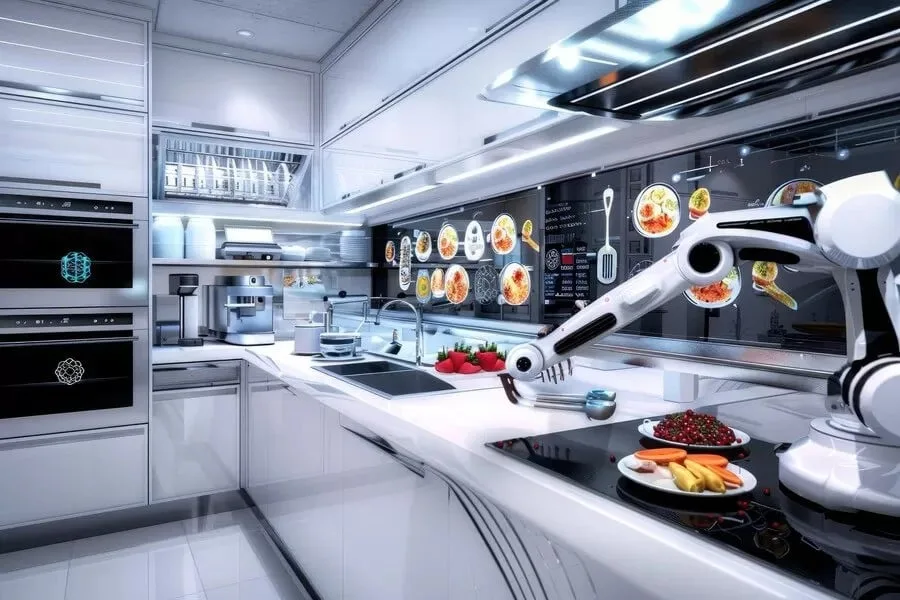
If tariffs are making it harder to source equipment from overseas, could automation be the answer? It’s a wild idea, but hear me out. Automation is already transforming the food service industry, from robotic chefs to automated dishwashers. And as the technology improves, it’s becoming more affordable and more reliable.
Here’s how automation could help mitigate the impact of tariffs:
- Reduced Labor Costs – Automation can help reduce your reliance on human labor, which can free up cash to offset tariff-related cost increases.
- Increased Efficiency – Automated equipment is often more efficient than traditional equipment, which can help you save money on energy and ingredients.
- Longer Lifespans – Automated equipment is often built to last, which can help you save money in the long run. And if it’s made domestically, it’s less vulnerable to tariffs.
- More Predictable Costs – Unlike traditional equipment, which is subject to tariff fluctuations, automated equipment is often made domestically. That means more predictable costs and fewer surprises.
Of course, automation isn’t for everyone. It’s expensive upfront, and it’s not always the right fit for every operation. But if you’re struggling with tariff-related cost increases, it’s an option worth considering.
I’ll admit, I was skeptical about automation at first. But the more I’ve seen it in action, the more I’m convinced that it’s the future of the food service industry. And if tariffs continue to be a problem, it could become a necessity.
The Bottom Line: Tariffs Aren’t Going Away, But Neither Are You
Look, I’m not going to sugarcoat it, tariffs are a pain. They’re unpredictable, they’re expensive, and they’re making it harder to run a profitable food service business. But here’s the thing: you’re not powerless. There are ways to mitigate the impact, from diversifying your suppliers to exploring alternative financing options. And if you stay informed and stay flexible, you can weather the storm.
So what’s the takeaway? Tariffs aren’t going away, but neither are you. The food service industry is resilient, and if there’s one thing I’ve learned from working with chefs and restaurant owners over the years, it’s this: we adapt. We find a way to make it work, no matter what challenges we face.
So don’t let tariffs scare you. Stay informed, stay flexible, and most importantly, stay creative. The future of your kitchen is in your hands, and if you play your cards right, it can be brighter than ever.
Final Thoughts: Your Kitchen, Your Rules
When I first started writing this guide, I’ll admit, I was a little overwhelmed. Tariffs are a complex topic, and the more I dug into it, the more I realized just how much they’re reshaping the food service industry. But here’s the thing: complexity isn’t the enemy. It’s an opportunity. An opportunity to get smarter, to get savvier, and to take control of your kitchen’s future.
So where do you go from here? Start small. Pick one strategy from this guide, maybe it’s diversifying your suppliers, or maybe it’s exploring alternative financing options, and give it a try. See how it works for your operation. And if it doesn’t work? Pivot. Try something else. The key is to keep moving forward, even when the path isn’t clear.
And remember: you’re not alone in this. Every chef, every restaurant owner, every food truck operator is dealing with the same challenges. But the ones who succeed are the ones who refuse to be victims of circumstance. They’re the ones who see tariffs not as a roadblock, but as a puzzle to solve.
So go ahead, solve the puzzle. Your kitchen (and your bottom line) will thank you.
FAQ: Your Tariff Questions, Answered
Q: How do I know if my kitchen equipment is subject to tariffs?
A: The easiest way is to check the Harmonized Tariff Schedule (HTS). This is the official list of tariffs for imported goods, and you can search it by product category. For example, if you’re buying a commercial range, you’d look up the HTS code for “ovens, ranges, and stoves” to see what tariffs apply. You can also ask your supplier, they should be able to tell you what tariffs apply to your equipment and how they’re affecting the price.
Q: Are there any kitchen equipment items that are exempt from tariffs?
A: It depends on the country of origin and the specific product. Some items, like certain types of refrigeration units or smallwares, might be exempt from tariffs if they’re made in countries with favorable trade agreements. But there’s no hard and fast rule, you’ll need to check the HTS or talk to your supplier to be sure.
Q: What’s the best way to protect myself from tariff-related price increases?
A: There’s no one-size-fits-all answer, but here are a few strategies to consider:
- Diversify your suppliers – Don’t rely on one supplier or one country for all your equipment. Spread your orders among multiple suppliers and countries to reduce your exposure.
- Lock in prices with long-term contracts – If possible, negotiate long-term contracts with your suppliers to lock in prices. That way, even if tariffs go up, you’re protected.
- Build a buffer into your budget – Always have a contingency plan. Add at least 10-15% to your equipment budget to account for tariff-related increases.
- Explore alternative financing options – If tariffs are making it harder to afford equipment, consider financing options like equipment leasing or seller financing.
Q: Will tariffs on kitchen equipment ever go away?
A: It’s unlikely. Tariffs are a tool of trade policy, and as long as countries are using them to protect domestic industries or retaliate against trade partners, they’re going to be a part of the landscape. That said, tariffs can change based on political and economic conditions. The best way to stay ahead is to stay informed, keep an eye on trade policy, talk to your suppliers regularly, and be prepared to pivot if things change.
@article{navigating-the-tariff-impact-on-kitchen-equipment-supply-chains-a-chefs-guide-to-smarter-sourcing-in-2026,
    title   = {Navigating the Tariff Impact on Kitchen Equipment Supply Chains: A Chef’s Guide to Smarter Sourcing in 2026},
    author  = {Chef's icon},
    year    = {2026},
    journal = {Chef's Icon},
    url     = {https://chefsicon.com/navigating-tariff-impact-on-kitchen-equipment-supply-chains/}
}