The Best Fluffy Pancakes recipe you will fall in love with. Full of tips and tricks to help you make the best pancakes.
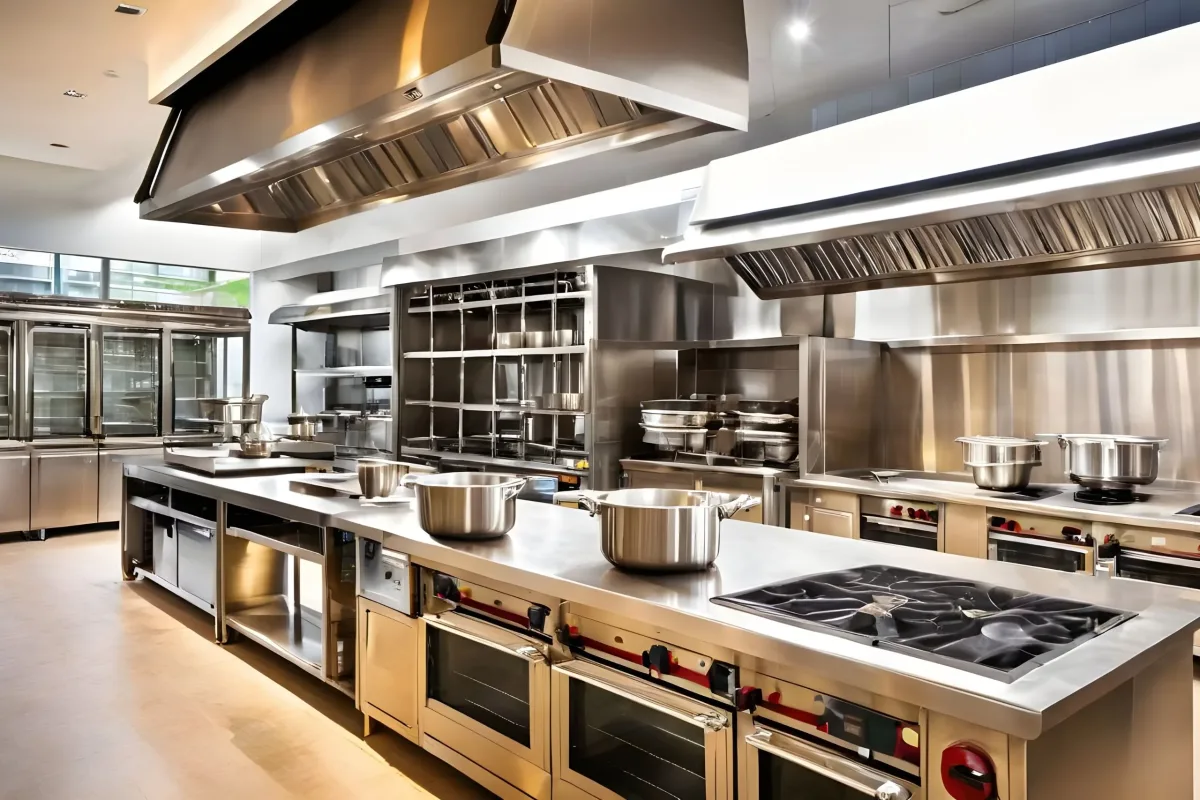
Let me take you back to a sweltering summer night in Nashville, three years ago. I was standing in the back of a packed gastropub, watching the line cooks move like a well-oiled machine, or at least, that’s what they were trying to do. The problem? Their kitchen equipment was fighting them every step of the way. The fryer was too small for the sudden surge in loaded fries orders, the griddle couldn’t keep up with the brunch rush, and the walk-in was stuffed to the gills with ingredients for dishes that barely moved. The chef, a friend of mine, turned to me with a look of exhausted frustration. “We thought we had this nailed,” he said. “But our menu popularity shifted overnight, and now we’re playing catch-up.”
That night stuck with me. It wasn’t just about bad planning, it was about how quickly dish trends can upend even the most carefully designed kitchen. Whether you’re opening a new restaurant or trying to adapt an existing one, understanding how restaurant dish popularity impacts kitchen equipment choices isn’t just smart, it’s survival. And yet, it’s one of those things no one really talks about until it’s too late. How do you predict which dishes will fly off the menu? What happens when a viral TikTok recipe sends your sales through the roof? And most importantly, how do you choose commercial kitchen equipment that won’t leave you stranded when trends shift?
In this guide, I’m going to break it all down. We’ll dive into the nitty-gritty of how menu trends influence everything from your cooking equipment to your storage solutions, why flexibility is your best friend, and how to future-proof your kitchen without breaking the bank. By the end, you’ll have a roadmap for making equipment decisions that align with your menu’s popularity, without the panic of playing catch-up. Sound good? Let’s dig in.
The Hidden Link Between Dish Popularity and Kitchen Equipment
Why Your Menu’s Bestsellers Should Dictate Your Equipment Budget
Here’s the thing about restaurant menus: they’re not static. One day, you’re selling out of your signature short rib ravioli; the next, it’s the vegan grain bowl that’s flying out of the kitchen. And while it’s tempting to invest in equipment that can do a little bit of everything, that’s a fast track to inefficiency. The truth is, your top-selling dishes should be the North Star for your kitchen equipment choices. But how do you actually make that happen?
First, let’s talk about the numbers. Most restaurants see about 20% of their menu items drive 80% of their sales. That’s the Pareto principle in action, and it’s why you can’t afford to treat every dish equally when planning your kitchen. If your fried chicken sandwich is outselling everything else by a mile, your fryer shouldn’t be an afterthought. It should be the centerpiece of your cooking station. But here’s where it gets tricky: what if that sandwich’s popularity is a flash in the pan? What if next month, it’s all about the air-fried Brussels sprouts? Do you buy a second fryer, or do you bet on the trend fading?
I’ve seen this play out in real time. A few years back, I consulted for a small bistro in East Nashville that was killing it with their wood-fired pizzas. They had one oven, and it was working overtime. The owner was torn: should they invest in a second oven, or diversify with a combi oven that could handle pizzas and other dishes? The problem? Their pizza sales were unpredictable. Some nights, they’d sell out in an hour; other nights, they’d have leftovers. The combi oven ended up being the smarter choice, it gave them flexibility without sacrificing quality. But it was a gamble, and not every gamble pays off.
So, how do you strike the right balance? Start by tracking your sales data like a hawk. Most POS systems can spit out reports that show which dishes are moving and which are collecting dust. But don’t just look at the numbers, look at the patterns. Are your top sellers consistent, or do they fluctuate with the seasons? Are they tied to specific promotions or social media buzz? The more you understand the why behind your dish popularity, the better you can plan your equipment investments.
The Domino Effect: How One Popular Dish Can Reshape Your Entire Kitchen
Let’s say your truffle mac and cheese goes viral. Suddenly, you’re selling 200 orders a night instead of 20. That’s great for your bottom line, but it’s a nightmare for your kitchen if you’re not prepared. Here’s how that one dish can send ripples through your entire operation:
- Prep Stations: You’ll need more counter space for grating cheese, boiling pasta, and assembling dishes. If you’re still using a single food processor for all your prep, you’re going to be in trouble.
- Cooking Equipment: That single stock pot you’ve been using? It’s not cutting it anymore. You’ll need a commercial pasta cooker or a steam kettle to keep up with demand.
- Storage: More ingredients mean more refrigeration. If your walk-in is already packed, you’re going to have to get creative, or invest in more space.
- Expediting: More orders mean more tickets, which means you’ll need a better system for keeping track of everything. A kitchen display system (KDS) might become a necessity.
- Cleaning: More dishes mean more commercial dishwashers and more staff to keep up with the load. If you’re still hand-washing everything, you’re going to burn out your team.
I’ve seen this happen with ramen shops in particular. One viral post about their spicy miso ramen, and suddenly, they’re selling out in hours. But if they didn’t have the right broth simmering equipment or enough oodle cookers, they’d be scrambling. The key is to anticipate these shifts before they happen. Easier said than done, right?
Here’s the thing: you don’t have to predict the future, but you do have to plan for flexibility. That might mean investing in modular equipment that can adapt to different needs, or it might mean setting aside a portion of your budget for emergency upgrades. Either way, the goal is to avoid the panic of realizing too late that your kitchen can’t handle the demand.
How to Analyze Your Menu’s Popularity (Without Overcomplicating It)
The Data You Actually Need (And What You Can Ignore)
Let’s be real: most of us don’t have time to dive deep into spreadsheets every week. But if you’re making equipment decisions based on gut feelings alone, you’re setting yourself up for trouble. The good news? You don’t need a degree in data science to figure out which dishes are driving your business. Here’s what you doeed to track:
- Sales Volume: How many units of each dish are you selling per shift, per week, per month? This is your baseline. If a dish is consistently in your top 10, it’s worth paying attention to.
- Profit Margins: Not all popular dishes are created equal. A high-margin dish that sells moderately well might be more valuable than a low-margin dish that flies out the door. Track both.
- Seasonality: Some dishes spike in the summer (think lobster rolls or cold brew coffee), while others dominate in the winter (beef stew, hot chocolate). If your menu trends are seasonal, your equipment needs will be too.
- Customer Feedback: Are people raving about a dish on social media? Are they complaining about wait times? This qualitative data can be just as important as the numbers.
- Prep and Cook Times: How long does it take to make each dish? If your top seller takes 20 minutes to prepare, you’re going to need more hands on deck, or more efficient equipment.
Now, here’s what you don’teed to obsess over:
- One-off spikes: If a dish sells out once because of a social media post, that’s not enough to justify a major equipment investment. Wait to see if the trend sticks.
- Personal preferences: Just because you love your duck confit doesn’t mean it deserves a prime spot in your kitchen. Let the data guide you, not your ego.
- Competitor menus: It’s tempting to copy what’s working for other restaurants, but their dish popularity might not translate to your audience. Focus on your own data first.
I learned this the hard way when I helped a friend open a taco shop in Nashville. We assumed that al pastor tacos would be the star, so we invested in a vertical spit and built our kitchen around it. Turns out, our customers were all about the birria tacos. We had to scramble to add a braising station and reconfigure our prep area. Lesson learned: never assume, always track.
Tools to Make Menu Analysis Easier
You don’t need fancy software to get a handle on your menu trends, but a few tools can make the process a lot smoother. Here’s what I recommend:
- POS Reports: Most modern point-of-sale systems (like Toast, Square, or Clover) can generate detailed sales reports. Look for features that let you track dish popularity over time, compare shifts, and identify top sellers.
- Inventory Management Software: Tools like MarketMan or Upserve can help you see how much of each ingredient you’re using, which can be a proxy for dish popularity. If you’re going through 50 pounds of cheese a week for your mac and cheese, you know it’s a winner.
- Google Sheets or Excel: If you’re not ready for dedicated software, a simple spreadsheet can work wonders. Track sales by dish, by day, and by shift. Add notes about promotions or events that might have influenced sales.
- Social Media Listening Tools: Tools like Hootsuite or Sprout Social can help you track mentions of your dishes online. If a dish is getting a lot of love on Instagram or TikTok, it might be time to invest in the equipment to keep up.
- Customer Surveys: Sometimes, the best data comes straight from the source. Ask your customers what they love (and what they’d like to see more of). You might be surprised by what you learn.
Here’s a pro tip: set up a weekly menu review with your kitchen and front-of-house teams. Have everyone bring their observations, what’s selling, what’s not, what’s causing bottlenecks. This isn’t just about the numbers; it’s about understanding the why behind them. Maybe your burger sales are down because the grill is too slow, or maybe your salad orders are up because the prep station is finally organized. These insights can help you make smarter equipment decisions.
The Equipment You’ll Need for Your Most Popular Dishes
From Fryers to Grills: Matching Equipment to Your Top Sellers
So, you’ve identified your top-selling dishes. Now what? It’s time to match them with the right commercial kitchen equipment. This isn’t just about buying the biggest or most expensive tools, it’s about choosing the ones that will make your kitchen run smoother, faster, and more efficiently. Let’s break it down by dish type.
Fried Foods: The Fryer Dilemma
If your fried chicken, fries, or onion rings are flying out the door, you’re going to need a commercial fryer that can keep up. But not all fryers are created equal. Here’s what to consider:
- Capacity: How many orders can you handle at once? If you’re selling 100 orders of fries an hour, a single countertop fryer won’t cut it. You’ll need a floor model with a larger oil capacity.
- Recovery Time: This is how quickly the fryer can return to the right temperature after adding cold food. A slow recovery time means longer wait times for customers, and frustrated staff.
- Oil Filtration: If you’re frying a lot, you’ll need a system to filter and reuse oil. This isn’t just about saving money, it’s about maintaining consistent flavor and quality.
- Number of Vats: If you’re frying multiple items at once (like fries and chicken), you’ll need a fryer with multiple vats to avoid flavor transfer.
I’ve seen restaurants make the mistake of buying a fryer that’s too small for their needs. One fried chicken joint I worked with had to turn away customers because their fryer couldn’t keep up with demand. They ended up investing in a double-vat fryer, which doubled their capacity and halved their wait times. The lesson? Don’t skimp on fryers if fried foods are your bread and butter.
Grill and Griddle Dishes: The Backbone of Many Menus
From burgers to pancakes, grill and griddle dishes are staples in many restaurants. But the type of grill or griddle you choose can make or break your kitchen’s efficiency. Here’s what to think about:
- Size: A 36-inch griddle might seem like overkill, but if you’re selling 200 burgers a night, it’s a necessity. Measure your counter space and plan accordingly.
- Heat Distribution: Cheap griddles can have hot spots, which means uneven cooking. Look for models with even heat distribution to avoid burnt edges and raw centers.
- Cleaning Ease: Griddles can be a pain to clean, especially if they’re not well-designed. Look for models with grease traps and removable grease troughs to make cleanup easier.
- Versatility: If you’re cooking a variety of dishes (like burgers, eggs, and pancakes), you might want a combination grill/griddle that can handle both.
One of my favorite examples of this is a breakfast diner in Nashville that was struggling with their pancake orders. They had a single griddle that was always backed up, and customers were complaining about wait times. The solution? They added a second griddle and reconfigured their kitchen to create a dedicated breakfast station. The result? Faster service, happier customers, and a 20% increase in sales.
Pasta and Grains: The Unsung Heroes
Pasta dishes might seem simple, but if they’re popular, they can put a serious strain on your kitchen. Here’s what you’ll need:
- Pasta Cookers: A commercial pasta cooker can boil water faster and hold more pasta than a standard stock pot. Look for models with basket lifts to make draining easier.
- Steam Kettles: If you’re making large batches of sauces or soups, a steam kettle can save you time and energy. They’re also great for cooking grains like rice or quinoa.
- Holding Equipment: If you’re prepping pasta ahead of time, you’ll need a way to keep it warm and fresh. A steam table or hot holding cabinet can help.
- Sauce Stations: Don’t forget about the sauces! A dedicated sauce station with heated wells can keep your sauces at the perfect temperature and consistency.
A Italian restaurant I consulted for was struggling with their lasagna orders. They were making it fresh to order, which meant long wait times. The solution? They started prepping lasagna in advance and holding it in a hot holding cabinet. This cut their wait times in half and allowed them to serve more customers during peak hours. Sometimes, the right equipment isn’t about cooking, it’s about holding.
Wood-Fired and Specialty Dishes: When You Need Something Extra
If your wood-fired pizzas or smoked meats are your claim to fame, you’ll need specialty equipment that can handle the job. Here’s what to consider:
- Wood-Fired Ovens: A wood-fired pizza oven isn’t just for show, it’s a workhorse. Look for models with good heat retention and even cooking. If you’re cooking pizzas and other dishes, a combi oven might be a better choice.
- Smokers: If smoked brisket or pulled pork are your top sellers, you’ll need a commercial smoker that can handle large volumes. Look for models with precise temperature control and good insulation.
- Rotisseries: For rotisserie chicken or other roasted meats, a commercial rotisserie can save you time and space. Look for models with multiple spits and good heat distribution.
- Ventilation: Don’t forget about ventilation systems! Wood-fired ovens and smokers produce a lot of smoke and heat, so you’ll need a hood system that can keep up.
I worked with a BBQ joint in Texas that was struggling with their brisket orders. They had a single smoker that could only handle a few briskets at a time, and they were constantly running out. The solution? They invested in a larger smoker with better temperature control, which allowed them to cook more briskets at once. They also added a holding cabinet to keep the briskets warm and tender until they were ready to serve. The result? Faster service, happier customers, and a 30% increase in sales.
Storage Solutions: The Often-Overlooked Piece of the Puzzle
When we think about kitchen equipment, we often focus on the cooking tools, the fryers, grills, and ovens. But storage solutions are just as important, especially if your top-selling dishes require a lot of ingredients. Here’s what to consider:
- Walk-In Coolers and Freezers: If you’re storing large quantities of ingredients, a walk-in cooler or freezer is a must. Look for models with good insulation and energy efficiency to save on costs.
- Shelving and Racks: Don’t underestimate the power of good shelving. Adjustable wire racks can help you maximize your storage space and keep ingredients organized.
- Prep Tables: If your top sellers require a lot of prep work, invest in prep tables with built-in refrigeration. These can keep ingredients cold while you work, saving you time and space.
- Ingredient Bins: For dry ingredients like flour, sugar, or rice, ingredient bins with airtight lids can keep everything fresh and organized.
- Labeling Systems: Don’t forget about labeling! A good labeling system can help you keep track of ingredients and reduce waste.
A Mexican restaurant I worked with was struggling with their taco orders. They were prepping all their ingredients fresh each day, but they didn’t have enough storage space to keep everything organized. The solution? They invested in a larger walk-in cooler and added prep tables with built-in refrigeration. This allowed them to prep ingredients in advance and keep them fresh until they were needed. The result? Faster service, less waste, and happier customers.
Flexibility vs. Specialization: The Great Kitchen Debate
Why Flexible Equipment Might Be Your Best Bet
Here’s the million-dollar question: should you invest in specialized equipment for your top-selling dishes, or should you prioritize flexible equipment that can handle a variety of tasks? The answer, as with most things in life, is: it depends.
Let’s start with the case for flexible equipment. The biggest advantage? Adaptability. If your menu trends shift (and they will), flexible equipment can shift with them. Here are a few examples:
- Combi Ovens: These versatile ovens can steam, bake, roast, and more. If your wood-fired pizzas stop selling, you can use the same oven to roast vegetables or bake bread.
- Tilt Skillets: A tilt skillet can braise, sauté, fry, and even steam. It’s like having a griddle, braising pan, and steam kettle all in one.
- Countertop Mixers: A commercial mixer can handle everything from dough to whipped cream. If your bakery items stop selling, you can use it for sauces or batters.
- Food Processors: A good food processor can chop, slice, shred, and puree. It’s a lifesaver for prep work, no matter what you’re making.
The downside? Flexible equipment often comes with a higher price tag. A combi oven can cost twice as much as a standard oven, and a tilt skillet isn’t cheap either. But if it saves you from having to buy multiple pieces of equipment, it might be worth the investment.
I’ve seen this play out in real time with a fast-casual restaurant in Nashville. They started with a menu focused on wood-fired pizzas, so they invested in a wood-fired oven. But when their salad bowls started outselling the pizzas, they were stuck. The oven couldn’t handle the volume of salads, and they didn’t have enough prep space. The solution? They added a combi oven that could handle both pizzas and roasted vegetables, and they reconfigured their kitchen to create a dedicated salad station. The lesson? Flexibility can save you from costly mistakes.
When Specialized Equipment Is Worth the Investment
That said, there are times when specialized equipment is the way to go. If a dish is consistently one of your top sellers and it requires specific tools, it might be worth the investment. Here are a few examples:
- Sushi Rice Cookers: If sushi is your thing, a commercial rice cooker designed for sushi rice can save you time and ensure consistency.
- Crepe Makers: For crepe restaurants, a dedicated crepe maker can make the process faster and more efficient.
- Espresso Machines: If espresso drinks are your bread and butter, a high-quality espresso machine is a must. Don’t skimp on this one.
- Ice Cream Machines: For ice cream shops, a commercial ice cream machine is non-negotiable. Look for models with good freezing capacity and easy cleaning.
The key here is to make sure the dish is truly a long-term trend, not just a flash in the pan. If your bubble tea sales spike because of a viral TikTok video, but you’re not sure if the trend will stick, it might be better to outsource the production or use flexible equipment until you’re confident in the demand.
One of my favorite examples of this is a ramen shop in Los Angeles. They started with a single broth simmering pot, but when their tonkotsu ramen became a hit, they invested in a large-scale simmering system that could handle the volume. They also added a oodle cooker to speed up the process. The result? Faster service, happier customers, and a reputation for the best ramen in town. Sometimes, specialization is the way to go.
How to Future-Proof Your Kitchen (Without a Crystal Ball)
The Art of Predicting Menu Trends
Let’s be honest: no one can predict the future. But that doesn’t mean you can’t prepare for it. The key to future-proofing your kitchen is to build in flexibility and stay ahead of menu trends. Here’s how to do it:
- Stay on Top of Industry Trends: Follow food blogs, attend trade shows, and keep an eye on what’s happening in the restaurant world. If plant-based proteins are on the rise, it might be time to invest in a veggie burger press or a tofu press.
- Listen to Your Customers: Your customers are your best source of information. If they’re asking for more gluten-free options, it might be time to add a dedicated gluten-free prep area or invest in gluten-free fryers.
- Monitor Social Media: Platforms like Instagram and TikTok can give you a heads-up on emerging trends. If a dish is going viral, it might be time to test it out on your menu.
- Experiment with Limited-Time Offers: Before committing to a new dish, try it out as a limited-time offer (LTO). This can help you gauge demand without overhauling your kitchen.
- Plan for Seasonality: Some dishes are seasonal by nature. If your lobster rolls sell out in the summer but sit untouched in the winter, plan your equipment accordingly. Maybe you only need a lobster tank for part of the year.
I’ve seen this work firsthand with a seafood restaurant in Florida. They noticed that oyster sales were spiking in the summer, so they invested in a larger oyster shucker and added a dedicated oyster station. They also started offering oyster happy hour to drive demand during slower months. The result? A 25% increase in oyster sales year-round. The lesson? Pay attention to the trends, but don’t be afraid to get creative with how you respond to them.
Modular Equipment: The Secret Weapon for Adaptability
If you’re serious about future-proofing your kitchen, modular equipment is your best friend. These are pieces of equipment that can be easily reconfigured or expanded to meet changing needs. Here are a few examples:
- Modular Cooking Stations: These stations can be customized with different cooking equipment, like griddles, fryers, or broilers. If your menu trends shift, you can swap out the equipment without overhauling your entire kitchen.
- Adjustable Shelving: Shelving that can be easily reconfigured can help you maximize your storage space as your needs change.
- Mobile Prep Tables: Prep tables on wheels can be moved around the kitchen as needed, making it easier to adapt to changing workflows.
- Expandable Walk-Ins: Some walk-in coolers and freezers can be expanded with additional panels, allowing you to increase your storage capacity without buying a whole new unit.
- Multi-Functional Equipment: Look for equipment that can serve multiple purposes, like a combi oven or a tilt skillet. These can save you space and money in the long run.
A food truck I worked with in Nashville is a great example of this. They started with a menu focused on gourmet grilled cheese, so they invested in a large griddle. But when their loaded fries started outselling the sandwiches, they were stuck. The solution? They added a modular cooking station that could accommodate both a griddle and a fryer. This allowed them to adapt to changing dish popularity without buying a whole new truck. The lesson? Modular equipment can save you from costly mistakes.
The Hidden Costs of Ignoring Dish Popularity
How Poor Equipment Choices Can Sink Your Restaurant
Let’s talk about the elephant in the room: the cost of getting this wrong. If you ignore your dish popularity when choosing kitchen equipment, you’re setting yourself up for a world of hurt. Here’s what can go wrong:
- Slow Service: If your equipment can’t keep up with demand, your customers will be waiting longer for their food. And in the restaurant business, slow service is a death knell.
- Inconsistent Quality: If you’re rushing to keep up with orders, the quality of your food will suffer. And once you lose a customer’s trust, it’s hard to win it back.
- Higher Labor Costs: If your equipment is inefficient, you’ll need more staff to keep up with demand. This can eat into your profits and make it harder to turn a profit.
- Increased Waste: If you’re prepping too much food because you’re not sure what will sell, you’ll end up with more waste. And waste is money down the drain.
- Equipment Breakdowns: If you’re overworking your equipment, it’s more likely to break down. And equipment repairs can be costly and disruptive.
- Lost Revenue: If you’re turning away customers because you can’t keep up with demand, you’re leaving money on the table. And in a competitive industry like restaurants, every dollar counts.
I’ve seen this happen with a burger joint in Austin. They invested in a small grill because they assumed their burger sales would be moderate. But when they started getting rave reviews online, their sales skyrocketed. The grill couldn’t keep up, and they were constantly turning away customers. The solution? They had to invest in a larger grill and reconfigure their kitchen to accommodate it. The cost? Thousands of dollars in lost revenue and equipment upgrades. The lesson? Don’t underestimate the power of dish popularity.
The Opportunity Cost of Over-Investing in the Wrong Equipment
But it’s not just about the costs of getting it wrong, it’s also about the opportunity cost of over-investing in the wrong kitchen equipment. If you sink all your money into a wood-fired oven for your pizzas, but your salad bowls end up being your top sellers, you’re stuck with an expensive piece of equipment that’s gathering dust.
Here’s how to avoid this trap:
- Start Small: Before investing in expensive equipment, test the demand for a dish. If it’s a hit, then you can justify the investment.
- Lease or Rent: If you’re not sure about the long-term demand for a dish, consider leasing or renting equipment. This can save you money in the short term and give you the flexibility to adapt.
- Prioritize Flexibility: Look for equipment that can serve multiple purposes, like a combi oven or a tilt skillet. This can save you space and money in the long run.
- Plan for Growth: If you’re confident in the demand for a dish, invest in equipment that can grow with you. For example, if you’re opening a coffee shop, start with a small espresso machine and upgrade as your sales increase.
- Track Your Data: Keep an eye on your sales data and adjust your equipment investments accordingly. If a dish stops selling, don’t be afraid to pivot.
A pizzeria in Chicago learned this the hard way. They invested in a wood-fired oven because they assumed their Neapolitan pizzas would be a hit. But when their deep-dish pizzas started outselling the Neapolitan ones, they were stuck. The wood-fired oven couldn’t handle the volume of deep-dish pizzas, and they had to invest in a deck oven to keep up. The cost? Thousands of dollars in lost revenue and equipment upgrades. The lesson? Don’t put all your eggs in one basket.
Case Studies: Real Restaurants, Real Lessons
Case Study 1: The Fried Chicken Joint That Couldn’t Keep Up
Let’s start with a cautionary tale. A fried chicken joint in Atlanta was killing it with their spicy fried chicken sandwich. The problem? Their fryer was too small to keep up with demand. Customers were waiting 45 minutes for their food, and the kitchen was in chaos. The owner knew he had to act fast, but he wasn’t sure what to do.
Here’s what he did:
- Analyzed the Data: He looked at his sales reports and realized that the sandwich was outselling everything else by a mile. He also noticed that the wait times were longest during lunch and dinner rushes.
- Identified the Bottleneck: The fryer was the problem. It could only handle a few orders at a time, and the recovery time was slow. This meant that the kitchen was constantly playing catch-up.
- Invested in the Right Equipment: He upgraded to a double-vat fryer with a faster recovery time. This allowed the kitchen to handle more orders at once and reduced the wait times.
- Reconfigured the Kitchen: He moved the fryer to a more central location and added a dedicated sandwich assembly station. This streamlined the workflow and made it easier for the staff to keep up with demand.
- Monitored the Results: After the upgrades, he tracked the wait times and customer feedback. The results? Wait times dropped to 15 minutes, and customer satisfaction skyrocketed.
The lesson? When a dish becomes a top seller, don’t wait to upgrade your kitchen equipment. Act fast, and don’t be afraid to reconfigure your kitchen to accommodate the demand.
Case Study 2: The Pizzeria That Pivoted to Salads
Now, let’s look at a success story. A pizzeria in Portland was known for their wood-fired pizzas, but when their kale salad started outselling the pizzas, they had to pivot. Here’s how they did it:
- Noticed the Trend: The owner noticed that the salad was consistently one of their top sellers, especially during lunch rushes. She also noticed that the salad was getting a lot of love on social media.
- Tested the Demand: She decided to test the demand by offering the salad as a limited-time offer (LTO). The response was overwhelming, customers were asking for it every day.
- Invested in the Right Equipment: She added a dedicated salad station with a prep table and refrigerated drawers. She also invested in a combi oven that could handle both pizzas and roasted vegetables.
- Reconfigured the Menu: She moved the salad to a more prominent spot on the menu and added a few new salad options to capitalize on the trend.
- Monitored the Results: After the changes, she tracked the sales data and customer feedback. The result? Salad sales increased by 30%, and the pizzeria became known for their salads as much as their pizzas.
The lesson? Don’t be afraid to pivot when your menu trends shift. Invest in flexible equipment that can adapt to changing demands, and don’t be afraid to reconfigure your menu to highlight your top sellers.
Case Study 3: The Coffee Shop That Added a Breakfast Menu
Finally, let’s look at a coffee shop in Seattle that added a breakfast menu to capitalize on their morning rush. Here’s how they did it:
- Identified the Opportunity: The owner noticed that their morning sales were strong, but they were losing customers to nearby breakfast spots. She saw an opportunity to add a breakfast menu to keep those customers in-house.
- Tested the Demand: She started by offering a few breakfast sandwiches as a limited-time offer (LTO). The response was positive, so she decided to expand the menu.
- Invested in the Right Equipment: She added a griddle for the sandwiches, a toaster for the bagels, and a waffle iron for the waffles. She also reconfigured the kitchen to create a dedicated breakfast station.
- Trained the Staff: She trained her staff on the new menu and workflow. This ensured that the kitchen could handle the increased demand without slowing down.
- Monitored the Results: After the changes, she tracked the sales data and customer feedback. The result? Breakfast sales increased by 40%, and the coffee shop became a go-to spot for morning meals.
The lesson? Don’t be afraid to expand your menu to capitalize on dish trends. Invest in the right kitchen equipment to support your new offerings, and don’t forget to train your staff on the new workflow.
Putting It All Together: A Step-by-Step Guide to Smart Equipment Choices
Step 1: Audit Your Current Menu and Sales Data
Before you can make smart equipment decisions, you need to understand your current menu trends. Here’s how to do it:
- Pull Your Sales Reports: Use your POS system to generate reports on your top-selling dishes. Look at sales by day, by shift, and by week to identify patterns.
- Calculate Profit Margins: Not all popular dishes are created equal. Use your inventory management software to calculate the profit margins for each dish. This will help you prioritize your equipment investments.
- Identify Seasonal Trends: Look for patterns in your sales data. Are some dishes more popular in the summer? Others in the winter? This will help you plan for seasonal equipment needs.
- Gather Customer Feedback: Talk to your staff and customers to get a sense of what’s working and what’s not. Are customers complaining about wait times? Are they raving about a particular dish? This qualitative data can be just as important as the numbers.
- Assess Prep and Cook Times: How long does it take to make each dish? If your top seller takes 20 minutes to prepare, you’ll need to plan for that in your kitchen layout and equipment choices.
Step 2: Identify Bottlenecks in Your Kitchen
Once you understand your menu trends, it’s time to identify the bottlenecks in your kitchen. Here’s how:
- Observe Your Kitchen in Action: Spend a few shifts observing your kitchen during peak hours. Where are the slowdowns? Is the fryer backed up? Is the grill taking too long to heat up? Are the prep stations disorganized?
- Talk to Your Staff: Your kitchen staff are on the front lines, and they’ll have insights into what’s working and what’s not. Ask them about the biggest challenges they face during service.
- Track Wait Times: Use your POS system to track how long it takes to fulfill orders. If certain dishes are consistently taking longer than others, that’s a red flag.
- Identify Equipment Limitations: Is your equipment holding you back? Maybe your fryer is too small, or your griddle can’t keep up with demand. Make a list of the equipment that’s causing bottlenecks.
- Assess Workflow: Is your kitchen layout efficient? Are the prep stations too far from the cooking stations? Are the storage solutions causing delays? Look for ways to streamline your workflow.
Step 3: Match Equipment to Your Top Sellers
Now that you’ve identified your top-selling dishes and the bottlenecks in your kitchen, it’s time to match the right equipment to your needs. Here’s how:
- Prioritize Your Top Sellers: Start with the dishes that drive the most sales. What equipment do you need to make them faster and more efficiently?
- Consider Flexibility: If your menu trends are unpredictable, look for flexible equipment that can handle a variety of tasks. A combi oven or a tilt skillet might be a good investment.
- Plan for Growth: If a dish is consistently popular, invest in equipment that can grow with you. For example, if you’re opening a coffee shop, start with a small espresso machine and upgrade as your sales increase.
- Don’t Forget About Storage: More ingredients mean more storage space. Invest in walk-in coolers, shelving, and prep tables to keep your kitchen organized.
- Think About Cleaning: More equipment means more cleaning. Invest in commercial dishwashers and cleaning tools to keep your kitchen running smoothly.
Step 4: Plan for the Future
Finally, it’s time to future-proof your kitchen. Here’s how:
- Stay on Top of Industry Trends: Follow food blogs, attend trade shows, and keep an eye on what’s happening in the restaurant world. This will help you anticipate menu trends and plan your equipment investments accordingly.
- Invest in Modular Equipment: Look for equipment that can be easily reconfigured or expanded. This will give you the flexibility to adapt to changing dish popularity.
- Set Aside a Budget for Upgrades: Things change, and you’ll need to adapt. Set aside a portion of your budget for emergency upgrades or ew equipment.
- Train Your Staff: Make sure your staff is trained on the new equipment and workflow. This will ensure that your kitchen can handle the increased demand without slowing down.
- Monitor Your Results: Keep an eye on your sales data and customer feedback. If a dish stops selling, don’t be afraid to pivot. If a new trend emerges, be ready to adapt.
Final Thoughts: The Kitchen of the Future
Here’s the thing about restaurants: they’re never static. Your menu trends will shift, your customer preferences will change, and your kitchen equipment will need to adapt. The key to success is to stay flexible, stay data-driven, and stay ahead of the curve.
So, what’s the takeaway? Your top-selling dishes should dictate your equipment choices, but you also need to plan for flexibility. Invest in modular equipment that can adapt to changing needs, and don’t be afraid to pivot when your menu trends shift. Most importantly, track your data and listen to your customers. They’ll tell you everything you need to know.
And remember: the best kitchen equipment isn’t the biggest or the most expensive, it’s the equipment that helps you serve your customers faster, better, and more efficiently. So, take a hard look at your menu, identify your top sellers, and invest in the tools that will help you keep up with demand. Your customers (and your bottom line) will thank you.
Now, I’d love to hear from you. What’s the most popular dish on your menu, and how has it shaped your kitchen equipment choices? Have you ever had to pivot because of a sudden shift in dish popularity? Share your stories in the comments, I’m always eager to learn from other restaurateurs.
FAQ
Q: How do I know if a dish is popular enough to justify new equipment?
A: Start by tracking your sales data. If a dish consistently ranks in your top 10 (or even top 5) and has strong profit margins, it’s likely worth investing in the equipment to support it. Also, consider the dish’s prep and cook times, if it’s causing bottlenecks in your kitchen, that’s a sign you need to upgrade your equipment. Finally, pay attention to customer feedback. If people are raving about a dish on social media or asking for it by name, that’s a good indicator of its popularity.
Q: What’s the best way to balance flexibility and specialization in kitchen equipment?
A: The key is to prioritize flexibility for dishes that might fluctuate in popularity and specialize for dishes that are consistently top sellers. For example, if your wood-fired pizzas are always in demand, invest in a wood-fired oven. But if your salad sales spike in the summer, a combi oven that can handle both pizzas and roasted vegetables might be a better choice. Also, consider modular equipment that can be easily reconfigured or expanded as your needs change.
Q: How often should I review my menu and equipment to ensure they’re aligned?
A: I recommend reviewing your menu and equipment at least once a quarter. This gives you enough time to spot trends and make adjustments without overreacting to short-term fluctuations. However, if you notice a sudden spike or drop in sales for a particular dish, don’t wait, review your data and equipment needs immediately. Seasonal changes, promotions, and social media buzz can all impact dish popularity, so stay agile.
Q: What are some common mistakes restaurants make when choosing kitchen equipment based on dish popularity?
A: One of the biggest mistakes is over-investing in equipment for a dish that’s only temporarily popular. If a dish goes viral on TikTok but isn’t a long-term trend, you might end up with expensive equipment gathering dust. Another mistake is underestimating the ripple effects of a popular dish, like not accounting for increased prep space, storage, or cleaning needs. Finally, many restaurants fail to plan for flexibility, which can leave them stranded when trends shift. The best approach is to start small, test demand, and invest in equipment that can grow with you.
@article{how-restaurant-dish-popularity-shapes-kitchen-equipment-choices-a-chefs-guide-to-smart-investments,
    title   = {How Restaurant Dish Popularity Shapes Kitchen Equipment Choices: A Chef’s Guide to Smart Investments},
    author  = {Chef's icon},
    year    = {2026},
    journal = {Chef's Icon},
    url     = {https://chefsicon.com/how-restaurant-dish-popularity-impacts-kitchen-equipment-choices/}
}