The Best Fluffy Pancakes recipe you will fall in love with. Full of tips and tricks to help you make the best pancakes.
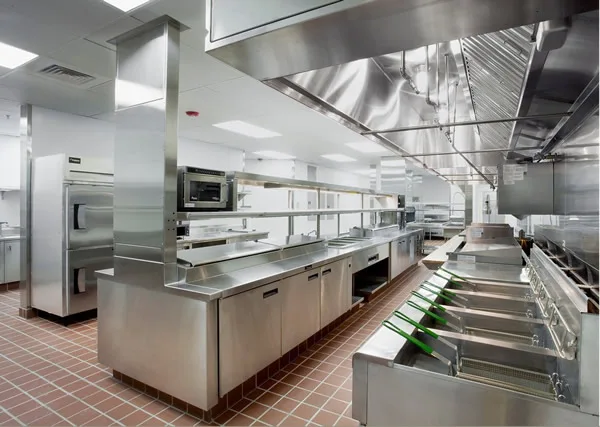
Let me tell you something, standing in my first commercial kitchen, staring at a wall of ovens with price tags that made my eyes water, I felt like I’d just been handed a calculus exam when all I wanted to do was bake a damn croissant. Convection? Combi? Deck? Pizza? The options swirled in my head like a bad risotto. Fast forward a decade, and I’ve burned more than a few dishes (and budgets) learning the hard way what works, and what’s just overpriced hype. So if you’re staring at that same wall of choices, wondering whether to drop $5K on a convection oven or go all-in on a combi that promises to do everything but wash your dishes, pull up a stool. This isn’t just another buyer’s guide. It’s the messy, honest breakdown of what these ovens *actually* do, where they fall short, and how to avoid the mistakes I made.
Here’s the thing: the right oven isn’t about what’s “best” in some abstract sense, it’s about what’s best for your food, your space, and your sanity. A pizzeria in Brooklyn doesn’t need the same oven as a hotel breakfast buffet in Nashville, and a food truck slinging empanadas has entirely different priorities than a high-volume catering operation. So before we dive into specs and brands, let’s get one thing straight: you’re not just buying an oven. You’re buying a tool that will shape your menu, your workflow, and your bottom line for years. And that’s a lot of pressure for a box that gets hot.
In this guide, we’re going to cover:
- The core differences between convection, combi, and pizza ovens, and why those differences matter more than you think.
- The hidden costs no one tells you about (spoiler: it’s not just the sticker price).
- How to match your oven to your menu-because a bad fit is worse than no oven at all.
- The questions to ask before you sign the check (and the ones sales reps hope you don’t).
- Real-world case studies from kitchens that got it right, and a few that got it very, very wrong.
By the end, you’ll know exactly which oven (or ovens) will turn out perfect food *and* keep your staff from mutiny. And if I do my job right, you’ll also avoid the kind of buyer’s remorse that haunts my dreams. Let’s get started.
1. The Big Three: Convection, Combi, and Pizza Ovens Explained
Convection Ovens: The Workhorse You Probably Underestimate
Convection ovens are the unsung heroes of the commercial kitchen. They’re the reliable line cook who shows up early, never complains, and somehow makes everything taste better. At their core, convection ovens use a fan to circulate hot air, which means faster, more even cooking. No more rotating trays halfway through service, just consistent heat, every time. But here’s where people get tripped up: not all convection ovens are created equal.
There are two main types: standard convection and true convection (sometimes called “European convection”). The difference? True convection has a heating element *and* a fan at the back, which eliminates cold spots and reduces cooking time by up to 25%. Standard convection? It’s got a fan, but the heating element is still at the bottom, so you’re not getting that same even heat distribution. If you’re baking pastries, roasting vegetables, or cooking anything delicate, true convection is worth the upgrade. If you’re just reheating frozen appetizers, standard might do the trick.
But here’s the catch: convection ovens dry out food. That’s great for crispy skin on a roast chicken, but terrible for a moist meatloaf. And if you’re trying to proof dough? Forget it. The fan will turn your bread into a sad, deflated hockey puck. So while convection ovens are versatile, they’re not *universal*.
Pros:
- Faster cooking times (up to 25% faster than conventional ovens).
- Even heat distribution (no more rotating trays).
- Lower upfront cost compared to combi ovens.
- Easier to clean (fewer nooks and crannies than combi ovens).
Cons:
- Dries out food (not ideal for moist dishes).
- Limited versatility (can’t steam, proof, or hold at precise temps like a combi).
- Energy hog if you’re running it all day (those fans add up).
Best for: Bakeries, cafes, catering operations, and any kitchen that needs fast, even cooking for a variety of dishes, but not necessarily the same dish all day.
Combi Ovens: The Swiss Army Knife (With a Learning Curve)
If convection ovens are the reliable line cook, combi ovens are the culinary equivalent of a Michelin-starred chef who also happens to be a mechanical engineer. Combi ovens combine convection, steam, and a hybrid of both, giving you precise control over humidity, temperature, and airflow. Want to roast a turkey with crispy skin and juicy meat? Combi. Need to proof dough at the perfect temperature and humidity? Combi. Trying to rethermalize frozen soups without turning them into a sad, watery mess? Combi.
But here’s where things get complicated. **Combi ovens are *not* plug-and-play. They’re powerful, but that power comes with a steep learning curve. You’re not just setting a temperature, you’re managing humidity levels, fan speeds, and cooking modes. And if you get it wrong? You’ll end up with a soggy disaster or a dried-out brick. I’ve seen chefs spend months tweaking settings to get their signature dish just right, only to have a new hire throw it all off with one wrong button press.
There are two main types of combi ovens: boiler-based and boilerless. Boiler-based combis use a built-in water tank to generate steam, which gives you more precise control over humidity. Boilerless combis, on the other hand, inject water directly into the cooking chamber. They’re easier to maintain (no descaling the boiler), but they can’t match the precision of a boiler-based system. If you’re doing delicate work, like baking pastries or proofing dough, boiler-based is the way to go. If you’re just steaming vegetables or reheating pre-cooked food, boilerless might be enough.
Pros:
- Unmatched versatility (can do everything from baking to steaming to holding).
- Precise control over humidity and temperature (great for delicate dishes).
- Faster cooking times than convection ovens (steam speeds up heat transfer).
- Energy-efficient (steam cooking uses less energy than dry heat).
Cons:
- Expensive (both upfront and in maintenance).
- Steep learning curve (not for kitchens with high turnover).
- High maintenance (boiler-based combis need regular descaling).
- Overkill for simple menus (if you’re only baking cookies, you don’t need a combi).
Best for: High-end restaurants, hotels, catering operations, and any kitchen that needs to do *a lot* of different things well.**
Pizza Ovens: The Specialists (That Might Surprise You)
Pizza ovens are the divas of the commercial kitchen world. They’re *amazing* at one thing (making pizza, obviously) and… well, not much else. But here’s the thing: if pizza is your bread and butter (pun intended), a dedicated pizza oven isn’t just a good idea, it’s a non-negotiable. A convection oven can *technically* bake a pizza, but it won’t give you that crispy, charred crust that customers crave. A combi oven can get close, but it’s like using a sledgehammer to hang a picture frame, overkill and not quite right.
There are three main types of pizza ovens: deck, conveyor, and wood-fired.
- Deck ovens are the classic choice. They use a stone or brick deck to transfer heat directly to the pizza, giving you that perfect crispy crust. They’re great for artisanal pizzerias, but they’re slow (each pizza takes 5-10 minutes) and require a skilled operator to get consistent results.
- Conveyor ovens are the workhorses of the pizza world. They use a conveyor belt to move pizzas through the oven, which means you can crank out pies quickly and consistently. They’re perfect for high-volume operations, but they take up a lot of space and can be expensive to maintain.
- Wood-fired ovens are the showstoppers. They use wood to generate heat, which gives pizzas that smoky, charred flavor that’s hard to replicate. But they’re *high* maintenance, you need a steady supply of wood, and they take a long time to heat up. Plus, they’re not exactly energy-efficient.
Pros:
- Unbeatable pizza quality (if pizza is your thing, this is your oven).
- Fast cooking times (especially conveyor ovens).
- Energy-efficient (deck and wood-fired ovens retain heat well).
Cons:
- Limited versatility (not great for anything that’s not pizza).
- High maintenance (especially wood-fired ovens).
- Expensive (both upfront and in operating costs).
Best for: Pizzerias, Italian restaurants, and any kitchen where pizza is a major part of the menu.
2. The Hidden Costs No One Tells You About
Alright, let’s talk money. Because here’s the thing: the sticker price is just the beginning. I’ve seen too many kitchens blow their budget on an oven, only to realize they’ve forgotten about installation, maintenance, and the *actual* cost of running the thing. So before you sign that check, let’s break down the real costs, because trust me, they add up.
Installation: The Silent Budget Killer
You’d think installing an oven would be as simple as plugging in a toaster, right? Wrong. Commercial ovens often require specialized electrical or gas hookups, ventilation systems, and sometimes even reinforced flooring. And if you’re retrofitting an existing kitchen, those costs can skyrocket. Here’s what you need to consider:
- Electrical vs. Gas: Gas ovens are generally cheaper to operate, but they require a gas line (which can be expensive to install if you don’t already have one). Electric ovens are easier to install but can be more expensive to run, especially if you’re in an area with high electricity costs.
- Ventilation: Most commercial ovens require a Type I or Type II hood, depending on whether they produce grease-laden vapors (like a pizza oven) or just steam (like a combi oven). Installing a hood can cost anywhere from $5,000 to $20,000, depending on the size and complexity of your kitchen.
- Floor Reinforcement: Some ovens, especially deck and wood-fired pizza ovens, are *heavy*. Like, “might-need-to-reinforce-the-floor” heavy. If you’re putting one on an upper level, you might need to consult a structural engineer, which adds to the cost.
- Permits: Depending on where you are, you might need permits for installation, which can add time and money to the process. Don’t skip this step, fines for unpermitted work can be brutal.
Pro Tip: Get quotes from at least three contractors before you buy. And make sure they’re familiar with commercial kitchen installations, this isn’t the same as putting in a residential oven.
Maintenance: The Gift That Keeps on Taking
Ovens, like cars, need regular maintenance to keep running smoothly. And just like cars, the cheaper the oven, the more it might cost you in the long run. Here’s what to watch out for:
- Combi Ovens: These are the high-maintenance divas of the oven world. Boiler-based combis need regular descaling (every 1-3 months, depending on water hardness), and the gaskets and seals need to be replaced every few years. If you skip maintenance, you’ll end up with a $10,000 paperweight.
- Convection Ovens: These are the low-maintenance workhorses. The main things to watch for are fan motors (they can burn out over time) and door seals (if they’re worn, you’re losing heat and efficiency).
- Pizza Ovens: Deck ovens need regular stone maintenance (cracking is a common issue), and wood-fired ovens need chimney cleaning to prevent creosote buildup (which is a fire hazard). Conveyor ovens need belt maintenance-if the belt breaks during service, you’re in trouble.
Pro Tip: Ask the manufacturer about warranty coverage and service contracts. Some brands offer extended warranties that cover parts and labor, which can save you a ton of money down the line. And if you’re buying used, get a service history-it’s like a Carfax for ovens.
Energy Costs: The Slow Burn
Ovens are energy hogs. A single commercial oven can cost hundreds, or even thousands, of dollars a year to run. And if you’re running multiple ovens all day, those costs add up fast. Here’s how to estimate your energy costs:
- Gas Ovens: Gas is generally cheaper than electricity, but the cost varies depending on where you are. To estimate your gas costs, check your utility bill for the cost per therm (a therm is 100,000 BTUs). Most commercial ovens use 30,000 to 50,000 BTUs per hour, so if you’re running the oven for 8 hours a day, you’re looking at $10-$30 per day in gas costs.
- Electric Ovens: Electricity is more expensive than gas, but electric ovens are often more efficient. To estimate your electricity costs, check your utility bill for the cost per kilowatt-hour (kWh). Most commercial electric ovens use 5-10 kWh per hour, so if you’re running the oven for 8 hours a day, you’re looking at $5-$20 per day in electricity costs.
Pro Tip: Look for ovens with energy-saving features, like insulated doors (which reduce heat loss) and programmable controls (which let you set precise cooking times and temperatures). And if you’re in a hot climate, consider how much extra you’ll spend on air conditioning to offset the heat from the oven.
Downtime: The Cost You Can’t See
Every minute your oven is down is a minute you’re not making money. And if you’re running a busy kitchen, downtime can cost you hundreds, or even thousands, of dollars per hour. Here’s how to minimize it:
- Buy from a reputable brand: Cheap ovens break down more often. Stick with brands that have a good reputation for reliability and strong customer support.
- Keep spare parts on hand: Things like door seals, fan motors, and heating elements are common failure points. If you have spares on hand, you can fix problems quickly and get back to cooking.
- Train your staff: A lot of oven problems are caused by user error-like slamming the door or overloading the oven. Make sure your staff knows how to use the oven properly, and how to spot problems before they become disasters.
- Schedule regular maintenance: Just like a car, ovens need regular tune-ups to keep running smoothly. Schedule maintenance during slow periods, so you’re not caught off guard during a busy service.
Pro Tip: Ask the manufacturer about average uptime and mean time between failures (MTBF). These stats can give you a sense of how reliable the oven is, and how often you can expect it to break down.
3. How to Match Your Oven to Your Menu (And Why It Matters More Than You Think)
Here’s the thing about commercial ovens: they’re not one-size-fits-all. A convection oven that’s perfect for a bakery might be a disaster for a pizzeria, and a combi oven that’s a dream for a hotel kitchen could be overkill for a food truck. So before you buy, take a hard look at your menu. What are you cooking? How much of it? And how often? Your answers will determine which oven (or ovens) you need.
Step 1: Audit Your Menu
Grab a pen and paper (or a spreadsheet, if you’re fancy) and list every dish you serve that requires an oven. Then, break it down by:
- Cooking Method: Baking? Roasting? Steaming? Proofing? Holding?
- Volume: How many of each dish do you sell per day? Per hour?
- Cooking Time: How long does each dish take to cook?
- Temperature Range: What temperature does each dish require?
- Humidity Needs: Does the dish need steam? Dry heat? A combination?
Here’s an example of what that might look like for a bakery-café hybrid:
| Dish | Cooking Method | Volume/Day | Cooking Time | Temp Range | Humidity Needs |
|---|---|---|---|---|---|
| Croissants | Baking, Proofing | 100 | 20 min (bake), 2 hrs (proof) | 350°F (bake), 80°F (proof) | High (proof), Low (bake) |
| Muffins | Baking | 150 | 25 min | 375°F | Low |
| Quiches | Baking | 50 | 40 min | 350°F | Low |
| Roasted Veggies | Roasting | 80 | 30 min | 400°F | Low |
Now, look for patterns. Are most of your dishes baked? Roasted? Steamed? Do you need precise humidity control? Fast cooking times? The answers will point you toward the right oven.
Step 2: Identify Your Priorities
Once you’ve audited your menu, ask yourself: What’s the most important thing this oven needs to do? Here are some common priorities, and the ovens that fit them:
- Versatility: If you’re cooking a wide variety of dishes (like a hotel kitchen or catering operation), a combi oven is your best bet. It can handle baking, roasting, steaming, and proofing, all in one unit.
- Speed: If you’re cranking out high volumes of the same dish (like a pizzeria or fast-casual restaurant), a conveyor pizza oven or deck oven will give you the fastest cooking times.
- Quality: If you’re serving high-end dishes where texture and moisture matter (like a fine-dining restaurant), a combi oven or deck oven will give you the best results.
- Space: If you’re tight on space (like a food truck or small café), a countertop convection oven or combi oven might be your only option.
- Budget: If you’re watching your pennies, a standard convection oven is the most affordable option. Just be aware of its limitations.
Step 3: Think About Workflow
Your oven isn’t just a cooking tool, it’s a workflow machine. And if it doesn’t fit into your kitchen’s flow, it’ll slow you down, frustrate your staff, and cost you money. Here’s what to consider:
- Size: How much space do you have? A double-deck pizza oven might be great for a pizzeria, but it’s a non-starter for a food truck. Measure your space *before* you buy, and don’t forget to account for ventilation, clearance, and workflow paths.
- Placement: Where will the oven go? If it’s in the back of the kitchen, will your staff have to walk across the entire space to use it? If it’s too close to the prep area, will it create a bottleneck? Think about how your staff moves through the kitchen, and place the oven where it makes the most sense.
- Ease of Use: How intuitive is the oven to operate? If it’s got a touchscreen interface with 50 different settings, will your staff actually use it? Or will they just crank the temperature to “max” and hope for the best? Look for ovens with simple, intuitive controls-or be prepared to invest in training.
- Cleaning: How easy is the oven to clean? Combi ovens have a lot of nooks and crannies, which can be a nightmare to scrub. Convection ovens are simpler, but they still need regular cleaning to prevent grease buildup. And pizza ovens? They’re a whole other beast, deck ovens need stone maintenance, and wood-fired ovens need chimney cleaning.
Pro Tip: If you’re buying a combi oven, look for one with self-cleaning features. Some models have a steam-clean cycle that loosens grease and grime, making cleanup a breeze. Others have removable racks and trays, which are easier to clean than fixed components.
Step 4: Consider Future Growth
Here’s a mistake I see all the time: buying an oven for your current needs, without thinking about the future. Maybe you’re a small café now, but you’ve got plans to expand. Or maybe you’re a food truck, but you’re dreaming of a brick-and-mortar location. Your oven should be able to grow with you.
Here’s how to future-proof your oven purchase:
- Think about capacity: If you’re planning to expand your menu or increase your volume, buy an oven with extra capacity now. It’s cheaper than buying a second oven later.
- Look for modularity: Some ovens, like combi ovens, come in stackable units. That means you can start with one oven and add more as you grow.
- Consider versatility: If you’re not sure what your future menu will look like, a combi oven is a safe bet. It can handle a wide variety of dishes, so you won’t outgrow it as quickly.
- Plan for redundancy: If your oven is mission-critical (like a pizza oven in a pizzeria), consider buying a backup unit. That way, if one oven goes down, you’re not out of business.
Pro Tip: If you’re on a tight budget, look for used ovens. A lot of restaurants go out of business, which means there’s a steady supply of gently used commercial ovens on the market. Just make sure to inspect them thoroughly and get a service history before you buy.
4. The Questions to Ask Before You Buy (And the Ones Sales Reps Hope You Don’t)
Alright, let’s talk about sales reps. Because here’s the thing: they’re not your friends. Their job is to sell you an oven, not to make sure it’s the right fit for your kitchen. And while most of them are honest, some will say *anything* to close the deal. So before you start talking to reps, arm yourself with the right questions. Here’s what to ask, and what to watch out for.
Question 1: “What’s the Total Cost of Ownership?”
What to ask: “Can you break down the total cost of ownership for this oven, including installation, maintenance, and energy costs?”
What to watch out for: A rep who only talks about the sticker price. The total cost of ownership includes:
- Upfront cost (the sticker price).
- Installation (electrical/gas hookups, ventilation, permits).
- Maintenance (regular tune-ups, replacement parts).
- Energy costs (gas or electricity).
- Downtime (how often the oven breaks down, and how long it takes to fix).
Pro Tip: Ask for real-world examples of how much other customers spend on maintenance and energy. If the rep can’t provide them, that’s a red flag.
Question 2: “What’s the Warranty, and What Does It Cover?”
What to ask: “What’s the warranty on this oven, and what does it cover? Are there any exclusions?”
What to watch out for: A rep who glosses over the warranty or says something like, “Oh, don’t worry about that, it’s covered.” **Warranties vary *a lot*. Some cover parts and labor for a year, while others only cover parts for 90 days. And some have exclusions for things like wear and tear, misuse, or lack of maintenance.
Pro Tip: Ask for the warranty in writing before you buy. And read the fine print-exclusions can be a dealbreaker.
Question 3: “How Often Does This Oven Need Maintenance, and What Does It Cost?”
What to ask: “How often does this oven need maintenance, and what does it typically cost? Can you provide a sample maintenance schedule?”
What to watch out for: A rep who says, “Oh, it’s maintenance-free!” No oven is maintenance-free. Even the simplest convection oven needs regular cleaning and occasional part replacements. And combi ovens? They’re high-maintenance divas that need descaling, gasket replacements, and more.
Pro Tip: Ask for a sample maintenance schedule and cost estimates for the first few years. If the rep can’t provide them, that’s a red flag.
Question 4: “What’s the Energy Efficiency Rating?”
What to ask: “What’s the energy efficiency rating for this oven? How much does it cost to run per hour?”
What to watch out for: A rep who says, “It’s super efficient!” without providing numbers. Energy efficiency ratings (like ENERGY STAR) can give you a sense of how much the oven will cost to run. And if the rep can’t provide hourly energy costs, ask for BTU or kWh ratings and calculate it yourself.
Pro Tip: Compare the energy efficiency ratings of different ovens. A more efficient oven might cost more upfront, but it’ll save you money in the long run.
Question 5: “What’s the Uptime Like?”
What to ask: “What’s the average uptime for this oven? How often does it break down, and how long does it take to fix?”
What to watch out for: A rep who says, “It never breaks down!” Every oven breaks down eventually. The question is, how often? And when it does, how long does it take to fix? Some brands have better customer support than others, and some ovens are easier to repair than others.
Pro Tip: Ask for real-world uptime data from other customers. If the rep can’t provide it, that’s a red flag.
Question 6: “Can I See a Demo?”
What to ask: “Can I see a demo of this oven in action? Can I test it with my own recipes?”
What to watch out for: A rep who says, “Oh, you don’t need a demo, it’s amazing!” Always, *always* ask for a demo. And if possible, test the oven with your own recipes. That’s the only way to know if it’ll work for your menu.
Pro Tip: If the rep can’t provide a demo, ask for a video of the oven in action. And if they can’t provide that, walk away.
Question 7: “What’s the Resale Value?”
What to ask: “What’s the resale value of this oven? How easy is it to sell if I outgrow it?”
What to watch out for: A rep who says, “Oh, you’ll never want to sell it!” Even the best ovens get replaced eventually. And when they do, you’ll want to recoup some of your investment. Some brands (like Rational, Alto-Shaam, and Blodgett) have strong resale markets, while others are hard to sell.
Pro Tip: Check eBay, Craigslist, and restaurant supply auctions to see what similar ovens are selling for. If there’s no market for the oven you’re considering, that’s a red flag.
Question 8: “What’s the Customer Support Like?”
What to ask: “What’s the customer support like for this oven? How quickly can I get parts or service if something goes wrong?”
What to watch out for: A rep who says, “Oh, we have great customer support!” without providing details. Customer support varies *a lot*. Some brands have 24/7 phone support, while others make you wait days for a callback. And some have local service technicians, while others ship parts from overseas.
Pro Tip: Ask for customer support contact info and test it out. Call the support line and see how long it takes to get a response. If it’s more than a few hours, that’s a red flag.
5. Real-World Case Studies: Kitchens That Got It Right (And a Few That Got It Very Wrong)
Theory is great, but nothing beats real-world experience. So let’s look at some case studies from kitchens that made smart oven choices, and a few that learned the hard way.
Case Study 1: The Bakery That Bought a Combi Oven (And Regretted It)
Business: A small, artisanal bakery in Portland, Oregon.
Menu: Croissants, sourdough bread, muffins, quiches, and a few roasted veggie dishes.
Oven Choice: A $12,000 combi oven (because the rep said it could “do everything”).
What Happened: The bakery’s owner was seduced by the combi oven’s versatility. “It can bake, steam, proof, it’s like having three ovens in one!” the rep said. And for a while, it worked. The croissants were perfect, the quiches were moist, and the roasted veggies were crispy. But then, reality set in.
The combi oven was overkill for the bakery’s menu. Most of their dishes didn’t need steam, and the ones that did (like croissants) could’ve been done in a cheaper convection oven with a proofing box. Plus, the combi oven was expensive to maintain-the boiler needed descaling every month, and the gaskets needed replacing every few years. And because the bakery was small, they didn’t have the volume to justify the cost.
The Lesson: Just because an oven can do everything doesn’t mean you need it to. If your menu is simple, a cheaper, simpler oven might be a better fit.
Case Study 2: The Pizzeria That Skimped on the Oven (And Paid the Price)
Business: A fast-casual pizzeria in Chicago, Illinois.
Menu: Neapolitan-style pizza, salads, and a few appetizers.
Oven Choice: A $3,000 countertop convection oven (because the owner wanted to save money).
What Happened: The pizzeria’s owner thought he could save money by using a convection oven instead of a deck or wood-fired oven.** And at first, it worked, sort of. The pizzas were *edible*, but they weren’t great. The crust was soggy and pale, and the cheese didn’t melt evenly. Customers complained, and sales suffered. After six months, the owner bit the bullet and bought a $15,000 deck oven. Sales doubled within a month.
The Lesson: If pizza is your main dish, you need a pizza oven. A convection oven can *technically* bake a pizza, but it won’t give you the crispy, charred crust that customers expect.
Case Study 3: The Hotel Kitchen That Went All-In on Combi Ovens (And Nailed It)
Business: A 200-room hotel in Nashville, Tennessee.
Menu: Breakfast buffet (pastries, eggs, bacon, roasted veggies), room service, and catering for events.
Oven Choice: Three combi ovens (two full-size, one countertop).
What Happened: The hotel’s executive chef knew that versatility was key. They needed to bake pastries, roast vegetables, steam eggs, and hold food at precise temperatures-all while keeping up with the demands of a busy breakfast service. So they went all-in on combi ovens.
The results? Perfect pastries every time (thanks to the precise humidity control), crispy roasted veggies (thanks to the convection setting), and fluffy scrambled eggs (thanks to the steam setting). And because the ovens were stackable, they didn’t take up much space. Plus, the self-cleaning feature made maintenance a breeze.
The Lesson: If your menu is diverse and high-volume, combi ovens are worth the investment. They’re versatile, efficient, and precise-perfect for hotel kitchens, catering operations, and high-end restaurants.
Case Study 4: The Food Truck That Chose the Wrong Oven (And Almost Went Out of Business)
Business: A food truck in Austin, Texas, specializing in wood-fired empanadas.
Menu: Empanadas, arepas, and a few sides.
Oven Choice: A $5,000 wood-fired pizza oven (because the owner thought it looked cool).
What Happened: The food truck’s owner was seduced by the romance of wood-fired cooking. But he didn’t realize how high-maintenance a wood-fired oven would be. The oven took an hour to heat up, and it needed constant attention to maintain the right temperature. Plus, wood was expensive and hard to source in the city. And because the oven was so big, it took up most of the truck’s space, leaving little room for prep.
After three months, the owner switched to a $2,000 countertop convection oven. It wasn’t as sexy, but it was faster, easier to use, and more reliable. Sales increased by 30%, and the owner finally started turning a profit.
The Lesson: Just because an oven looks cool doesn’t mean it’s the right fit for your business. Think about practicality, not just aesthetics.
6. The Great Debate: Gas vs. Electric
Alright, let’s talk about the gas vs. electric debate. Because here’s the thing: this isn’t just about fuel type, it’s about your kitchen’s infrastructure, your menu, and your bottom line. And while there’s no one-size-fits-all answer, there are some hard truths you need to consider before you make a decision.
The Case for Gas
Gas ovens are the old-school choice-and for good reason. They’re cheaper to operate (in most areas), heat up faster, and provide more even heat than electric ovens. Plus, they’re less sensitive to power outages (which is a big deal if you’re in an area with unreliable electricity).
But here’s the catch: gas ovens require a gas line. And if you don’t already have one, installation can be expensive. Plus, gas ovens produce more heat than electric ovens, which can make your kitchen uncomfortably hot (especially in the summer). And if you’re in an area with strict emissions regulations, you might run into trouble with a gas oven.
Pros of Gas:
- Cheaper to operate (in most areas).
- Faster heat-up times.
- More even heat distribution.
- Less sensitive to power outages.
Cons of Gas:
- Requires a gas line (expensive to install if you don’t have one).
- Produces more heat (can make your kitchen uncomfortably hot).
- Emissions regulations (might not be allowed in some areas).
- Less precise temperature control (harder to maintain low temperatures).
Best for: Pizzerias, high-volume kitchens, and areas with cheap gas and reliable gas lines.
The Case for Electric
Electric ovens are the new-school choice. They’re easier to install (no gas line required), more precise (better for delicate dishes), and cleaner (no emissions). Plus, they’re better for low-temperature cooking (like proofing dough or holding food).
But here’s the catch: electricity is more expensive than gas in most areas. And electric ovens take longer to heat up than gas ovens. Plus, they’re more sensitive to power outages (which can be a problem if you’re in an area with unreliable electricity). And if you’re cooking high-volume dishes (like pizza), an electric oven might not get hot enough to give you that perfect crispy crust.
Pros of Electric:
- Easier to install (no gas line required).
- More precise temperature control (better for delicate dishes).
- Cleaner (no emissions).
- Better for low-temperature cooking (like proofing dough).
Cons of Electric:
- More expensive to operate (in most areas).
- Slower heat-up times.
- Sensitive to power outages.
- Might not get hot enough for high-volume dishes (like pizza).
Best for: Bakeries, cafes, and kitchens that need precise temperature control for delicate dishes.
How to Decide
So, how do you decide between gas and electric? Here’s a quick decision tree to help you out:
- Do you already have a gas line?
- If yes, gas is probably the way to go (unless you’re in an area with strict emissions regulations).
- If no, electric might be easier (and cheaper) to install.
- What’s the cost of gas vs. electricity in your area?
- If gas is cheaper, gas is probably the better choice.
- If electricity is cheaper, electric might save you money in the long run.
- What’s your menu like?
- If you’re cooking high-volume dishes (like pizza), gas is probably the better choice.
- If you’re cooking delicate dishes (like pastries), electric might be the way to go.
- How reliable is your electricity?
- If power outages are common, gas is the safer choice.
- If power is reliable, electric is fine.
- What’s your budget?
- If you’re on a tight budget, gas is usually cheaper upfront.
- If you can afford a higher upfront cost, electric might save you money in the long run.
Pro Tip: If you’re still torn, talk to other chefs in your area. Ask them what they use, and whether they’re happy with it. Real-world experience is worth more than any sales pitch.
7. The Future of Commercial Ovens: What’s Next?
Alright, let’s take a break from the nitty-gritty and talk about the future. Because here’s the thing: commercial ovens are evolving. And if you’re buying an oven today, you want to make sure it’s not obsolete in five years. So what’s on the horizon? Let’s take a look.
Smart Ovens: The Rise of the Machines
Smart ovens are no longer a gimmick-they’re becoming the new standard. These ovens use sensors, Wi-Fi, and AI to monitor cooking conditions, adjust settings in real-time, and even predict maintenance needs. Some can even connect to your POS system, so they know exactly what’s being cooked and when.
Here are a few smart oven features to watch for:
- Remote Monitoring: Some ovens let you monitor cooking conditions from your phone, so you can check on a dish without leaving your office.
- Automated Cooking Programs: Some ovens come with pre-programmed cooking settings for common dishes (like pizza, roasted chicken, or croissants). Just select the program, and the oven does the rest.
- Predictive Maintenance: Some ovens use AI to predict when parts will fail, so you can replace them before they break.
- Energy Optimization: Some ovens adjust their energy usage based on cooking conditions, which can save you money on utility bills.
Pro Tip: If you’re buying a combi oven, look for one with smart features. They’re more expensive upfront, but they can save you time and money in the long run.
Energy Efficiency: The Green Revolution
Energy efficiency is no longer optional-it’s a necessity. And as energy costs rise and emissions regulations tighten, ovens are getting smarter about how they use energy.
Here are a few energy-efficient features to watch for:
- Insulated Doors: Some ovens have insulated doors that reduce heat loss, which can save you money on energy bills.
- Variable Speed Fans: Some ovens have variable speed fans that adjust their speed based on cooking conditions, which can save energy.
- Heat Recovery Systems: Some ovens recapture waste heat and use it to preheat incoming air, which can save energy.
- ENERGY STAR Certification: Ovens with ENERGY STAR certification meet strict energy efficiency guidelines, which can save you money on utility bills.
Pro Tip: If you’re buying a new oven, look for one with ENERGY STAR certification. It might cost more upfront, but it’ll save you money in the long run.
Modularity: The Lego Approach to Ovens
Modular ovens are the future of commercial cooking. These ovens are designed to be stacked, expanded, and reconfigured as your needs change. Need more capacity? Add another module. Need to save space? Stack them vertically. Need to switch from baking to steaming? Swap out the modules.
Here are a few modular oven features to watch for:
- Stackable Units: Some ovens come in stackable units, so you can add capacity as you grow.
- Interchangeable Modules: Some ovens have interchangeable modules (like baking, steaming, or holding), so you can customize the oven to your menu.
- Compact Designs: Some ovens are designed to be compact, so they take up less space in your kitchen.
Pro Tip: If you’re planning to grow, look for a modular oven. It’ll save you money in the long run by letting you expand without buying a whole new oven.
The Bottom Line
The future of commercial ovens is smart, efficient, and modular. And if you’re buying an oven today, you want to make sure it’s ready for tomorrow. So keep an eye on smart features, energy efficiency, and modularity-they’re the keys to future-proofing your kitchen.
8. The Final Checklist: What to Do Before You Buy
Alright, you’ve made it this far. You’ve learned about convection, combi, and pizza ovens. You’ve seen real-world case studies. You’ve even glimpsed the future of commercial cooking. Now, it’s time to make a decision. But before you do, run through this checklist to make sure you’re not forgetting anything.
1. Audit Your Menu
- List every dish that requires an oven.
- Break it down by cooking method, volume, cooking time, temperature range, and humidity needs.
- Look for patterns, what’s the most important thing your oven needs to do?
2. Measure Your Space
- Measure the space where the oven will go.
- Account for ventilation, clearance, and workflow paths.
- Make sure the oven will fit *and* leave enough room for staff to work.
3. Calculate Your Budget
- Determine your upfront budget (sticker price).
- Estimate installation costs (electrical/gas hookups, ventilation, permits).
- Calculate ongoing costs (maintenance, energy, downtime).
- Compare the total cost of ownership for different ovens.
4. Talk to Other Chefs
- Ask other chefs in your area what ovens they use.
- Find out what they like and dislike about their ovens.
- Ask about reliability, maintenance, and customer support.
5. Demo the Ovens
- Ask for a demo of the ovens you’re considering.
- Test them with your own recipes.
- Make sure they meet your needs in real-world conditions.
6. Ask the Right Questions
- What’s the total cost of ownership?
- What’s the warranty, and what does it cover?
- How often does the oven need maintenance, and what does it cost?
- What’s the energy efficiency rating?
- What’s the uptime like?
- Can I see a demo?
- What’s the resale value?
- What’s the customer support like?
7. Think About the Future
- Will the oven grow with you?
- Is it modular (can you add capacity later)?
- Does it have smart features (remote monitoring, automated programs)?
- Is it energy-efficient (will it save you money in the long run)?
8. Make a Decision
- Compare all your options.
- Weigh the pros and cons of each oven.
- Choose the oven that best fits your menu, your space, and your budget.
Pro Tip: If you’re still torn, sleep on it. Buying an oven is a big decision, and you don’t want to rush it. Take your time, do your research, and trust your gut.
9. The Bottom Line: What’s the Best Oven for You?
So, what’s the best oven for you? It depends. And that’s the honest truth. There’s no one-size-fits-all answer, because every kitchen is different. But here’s a quick cheat sheet to help you decide:
- If you’re a bakery or café: Convection oven (true convection if you’re baking delicate pastries).
- If you’re a pizzeria: Deck oven or conveyor oven (wood-fired if you want that smoky flavor).
- If you’re a hotel or catering operation: Combi oven (boiler-based if you need precise humidity control).
- If you’re a food truck or small kitchen: Countertop convection oven or combi oven (depending on your menu).
- If you’re on a tight budget: Standard convection oven (just be aware of its limitations).
And remember: the best oven isn’t the most expensive one, or the one with the most features. It’s the one that fits your menu, your space, and your budget. So take your time, do your research, and choose wisely.
Because at the end of the day, your oven is more than just a box that gets hot. It’s the heart of your kitchen. And if you get it right, it’ll feed your customers, your staff, and your bottom line for years to come.
10. Final Thoughts: The Oven That Changed My Kitchen (And My Life)
Alright, let’s get personal for a minute. Because here’s the thing: I’ve made a lot of mistakes with ovens. I’ve bought the wrong ones, overpaid for features I didn’t need, and even burned a few dishes because I didn’t understand how my oven worked. But there’s one oven that changed everything for me: a Rational SelfCookingCenter.
I was running a small catering operation in Nashville, and I needed an oven that could bake, steam, roast, and hold-all while keeping up with the demands of a busy event schedule. So I took the plunge and bought a combi oven. And let me tell you, it was a game-changer.
For the first time, I could bake perfect croissants (thanks to the precise humidity control), roast vegetables to perfection (thanks to the convection setting), and hold food at the perfect temperature (thanks to the holding mode). And because the oven was self-cleaning, maintenance was a breeze. Plus, the smart features (like remote monitoring and automated programs) saved me time and money.
But here’s the thing: it wasn’t cheap. The oven cost $15,000, and installation added another $5,000. And for a while, I questioned whether it was worth it. But then I did the math. The oven paid for itself in a year-thanks to faster cooking times, less waste, and happier customers. And today, it’s still running strong, five years later.
So if you’re on the fence about buying a combi oven, let me tell you this: it’s worth it. But only if you need it. If your menu is simple, a convection oven might be enough. If you’re a pizzeria, a deck oven is the way to go. And if you’re on a tight budget, a standard convection oven might be your best bet.
But if you’re running a high-volume, diverse kitchen, and you need an oven that can do it all, a combi oven is the best investment you’ll ever make.
So choose wisely. Your kitchen, and your bottom line, will thank you.
FAQ: Your Burning Oven Questions, Answered
Q: What’s the difference between a convection oven and a combi oven?
A: A convection oven uses a fan to circulate hot air, which gives you faster, more even cooking. A combi oven combines convection, steam, and a hybrid of both, giving you precise control over humidity, temperature, and airflow. Combi ovens are more versatile, but they’re also more expensive and complex.
Q: Do I really need a pizza oven if I’m just making a few pizzas a day?
A: It depends. If pizza is a major part of your menu, a dedicated pizza oven (like a deck or conveyor oven) is worth the investment. But if you’re only making a few pizzas a day, a convection oven might be enough. Just be aware that it won’t give you the same crispy, charred crust as a pizza oven.
Q: How much should I budget for a commercial oven?
A: It depends on the type of oven and your needs. Here’s a rough breakdown:
- Convection oven: $2,000 – $10,000
- Combi oven: $8,000 – $25,000
- Pizza oven (deck): $5,000 – $15,000
- Pizza oven (conveyor): $10,000 – $30,000
- Pizza oven (wood-fired): $8,000 – $20,000
But remember: the sticker price is just the beginning. You’ll also need to budget for installation, maintenance, and energy costs.
Q: What’s the most reliable brand of commercial oven?
A: There’s no one-size-fits-all answer, but some brands have strong reputations for reliability, including:
- Rational (combi ovens)
- Alto-Shaam (combi and holding ovens)
- Blodgett (convection and deck ovens)
- Middleby Marshall (conveyor ovens)
- Vulcan (convection and combi ovens)
But remember: reliability depends on maintenance. Even the best oven will break down if you don’t take care of it.
@article{the-ultimate-guide-to-choosing-the-right-commercial-oven-convection-combi-or-pizza,
    title   = {The Ultimate Guide to Choosing the Right Commercial Oven: Convection, Combi, or Pizza?},
    author  = {Chef's icon},
    year    = {2026},
    journal = {Chef's Icon},
    url     = {https://chefsicon.com/choosing-the-right-commercial-oven-convection-combi-pizza/}
}