The Best Fluffy Pancakes recipe you will fall in love with. Full of tips and tricks to help you make the best pancakes.
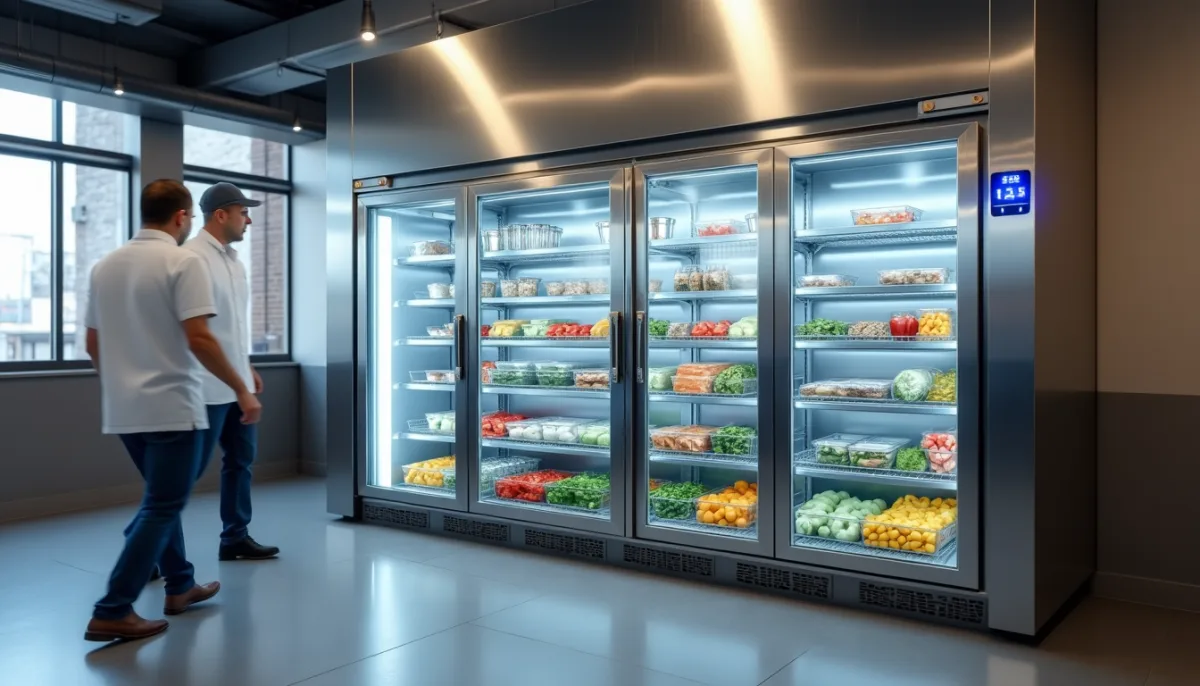
Why Your Walk-In Cooler Might Be the Most Important Decision You’re Not Thinking Hard Enough About
Let me tell you about the time I walked into a brand-new restaurant in East Nashville, one of those trendy spots with reclaimed wood tables and a cocktail menu longer than my arm. The chef, a friend of a friend, was sweating bullets (literally) because his walk-in cooler had failed three health inspections in a row. The problem? It wasn’t just the compressor or the seals. It was the design. The thing was shoehorned into a space that was too small, with shelves that didn’t align with his workflow, and a door that swung right into a prep table. He’d saved money upfront, sure, but now he was bleeding cash in repairs, wasted food, and lost productivity. And the worst part? He’d assumed the contractor knew what they were doing.
Here’s the thing: walk-in coolers aren’t just big refrigerators. They’re the backbone of your kitchen’s efficiency, safety, and profitability. Get the design wrong, and you’re not just dealing with spoiled produce or unhappy health inspectors, you’re creating a daily headache for your staff, wasting energy, and potentially shortening the lifespan of your equipment. But get it right? You’ll save time, money, and a whole lot of stress. So let’s dive into what you *actually* need to consider when choosing the right walk-in cooler design. No fluff, no sales pitches, just the stuff that matters.
By the end of this, you’ll know:
- How to assess your space and workflow to pick the right size and layout
- The pros and cons of different door styles, shelving, and insulation options
- Why energy efficiency isn’t just about saving the planet, it’s about saving your bottom line
- How to avoid the most common (and costly) design mistakes
- When to DIY the planning and when to call in the pros (spoiler: it’s probably more often than you think)
Sound overwhelming? It’s not. Or at least, it doesn’t have to be. Let’s break it down.
The Foundation: Size and Space
How Big Is Too Big? How Small Is Too Small?
First things first: size matters. But not in the way you might think. A walk-in cooler that’s too big is just as problematic as one that’s too small. Too big, and you’re wasting energy cooling empty space. Too small, and you’re cramming food into corners, blocking airflow, and creating a nightmare for your staff. So how do you find the Goldilocks zone?
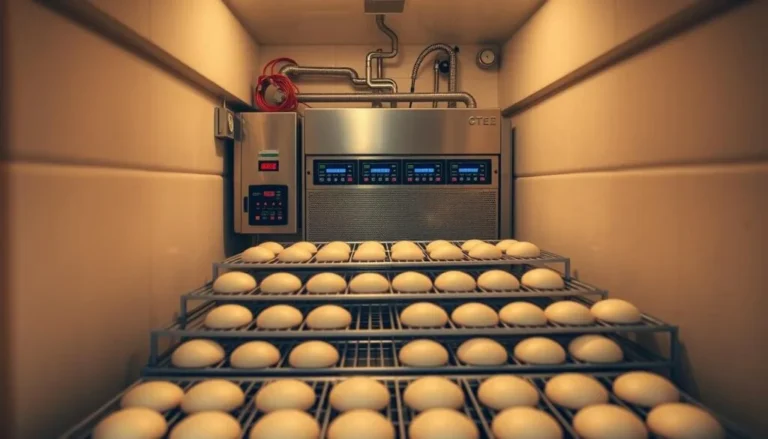
Start by taking inventory of what you’re actually storing. Are you a bakery with racks of dough proofing overnight? A seafood restaurant with daily deliveries of fresh fish? A catering company with bulk ingredients? Each of these scenarios demands a different approach. For example, a bakery might prioritize vertical space for racks, while a seafood restaurant needs easy-to-clean surfaces and quick access to ingredients. I’ve seen too many kitchens where the cooler was designed based on square footage alone, without considering how the space would *actually* be used. Don’t make that mistake.
Here’s a rough guideline to get you started:
- Small restaurants (under 50 seats): 6’ x 6’ to 8’ x 8’ (36–64 sq ft)
- Medium restaurants (50–150 seats): 8’ x 10’ to 10’ x 12’ (80–120 sq ft)
- Large restaurants or catering operations: 12’ x 12’ or larger (144+ sq ft)
But, and this is a big but, these are just starting points. You need to factor in your menu, your delivery schedule, and even your peak hours. If you’re serving 200 covers a night but only get deliveries twice a week, you’ll need more storage than a place with daily deliveries. And if you’re storing large items like whole pigs or kegs, you’ll need to account for that in your shelving and layout. Is this the best approach? Let’s consider: maybe you should also think about future growth. Are you planning to expand your menu or increase your seating? If so, it might be worth investing in a slightly larger cooler now rather than retrofitting later.
The Space You Have vs. The Space You Need
Now, let’s talk about the physical space where your cooler will live. This is where things get tricky. You might have the perfect size in mind, but if your kitchen layout doesn’t accommodate it, you’re stuck. Walk-in coolers need more than just floor space, they need room for doors to swing open, for staff to move around, and for proper airflow. And don’t forget about the clearance requirements for the refrigeration unit itself. Most manufacturers recommend at least 2–3 feet of clearance around the unit for maintenance and airflow. Ignore this, and you’re looking at higher energy costs and more frequent repairs.
Here’s where I see a lot of people go wrong: they assume the cooler can just fit into whatever nook or cranny is left in their kitchen. But that’s like trying to squeeze a couch into a closet and expecting it to be comfortable. Instead, think about your cooler as part of your kitchen’s workflow. Where do your ingredients come in? Where do they get prepped? Where do they get stored? The cooler should be a seamless part of that journey, not an obstacle. For example, if your prep station is on one side of the kitchen and your cooking line is on the other, placing the cooler in the middle might make sense. But if your deliveries come in through the back door, you’ll want the cooler close to that entrance to minimize the distance staff have to carry heavy items.
And here’s a pro tip: if you’re tight on space, consider a modular walk-in cooler. These are pre-fabricated units that can be assembled on-site, often in custom shapes to fit odd spaces. They’re not as cheap as a standard cooler, but they can be a lifesaver if your kitchen layout is unconventional. Just make sure you’re working with a supplier who understands your needs, someone like Chef’s Deal, for example, offers free kitchen design services to help you figure out the best layout for your space. It’s worth taking advantage of that kind of expertise, especially if you’re not 100% confident in your own planning.
Doors: The Gateway to Efficiency (or Frustration)
Swing Doors vs. Sliding Doors: Which One’s Right for You?
Doors might seem like a small detail, but they can make or break your cooler’s functionality. The two main options are swing doors and sliding doors, and each has its pros and cons. Swing doors are the traditional choice, they’re simple, reliable, and usually cheaper. But they take up space when they’re open, which can be a problem in tight kitchens. Sliding doors, on the other hand, save space but can be more expensive and require more maintenance (think tracks and rollers).
So which one should you choose? It depends on your kitchen layout and traffic flow. If you’ve got plenty of space and your staff is used to swing doors, they might be the way to go. But if your kitchen is cramped or your cooler is in a high-traffic area, sliding doors could save you a lot of headaches. I’ve seen kitchens where a poorly placed swing door constantly gets in the way of staff moving around, leading to frustration and even safety hazards. On the flip side, I’ve also seen sliding doors that get jammed because no one bothered to clean the tracks. Neither scenario is ideal.
Another thing to consider is how often the door will be opened. If your cooler is getting accessed multiple times an hour, you might want to look into high-speed doors or air curtains. These can help minimize the amount of warm air that gets in every time the door opens, which saves energy and keeps your cooler running efficiently. It’s a small investment upfront that can pay off big in the long run.
Door Placement: The Devil’s in the Details
Where you place your door might seem like a minor detail, but it’s anything but. A poorly placed door can disrupt your kitchen’s workflow, create bottlenecks, and even lead to accidents. For example, if your cooler door swings open right into a busy prep area, you’re asking for trouble. Staff will be constantly dodging the door, and it’s only a matter of time before someone gets hurt or something gets spilled. Similarly, if the door is too far from your prep stations, you’re wasting time and energy every time someone has to walk back and forth.
Here’s how to get it right: think about the natural flow of your kitchen. Where do people enter and exit? Where are your prep stations, cooking lines, and storage areas? The door should be placed in a way that makes sense for how your staff moves around. And don’t forget about the hinge side-if the door swings open toward a wall or another piece of equipment, it’s going to be a pain to use. Ideally, the door should swing open into an open area where it won’t obstruct traffic.
Another thing to consider is the door handle. It might seem trivial, but a poorly designed handle can be a real nuisance. For example, if the handle is too small or awkwardly placed, staff might struggle to open the door, especially if their hands are full. And if the handle is made of a material that gets slippery when wet (like some plastics), it could be a safety hazard. Look for handles that are ergonomic, easy to grip, and made of durable materials like stainless steel.
Shelving: The Unsung Hero of Walk-In Cooler Design
Material Matters: Stainless Steel vs. Wire vs. Polymer
Shelving might not be the sexiest part of your walk-in cooler, but it’s one of the most important. The right shelving can make your cooler more efficient, easier to clean, and more durable. The wrong shelving? Well, let’s just say it can turn your cooler into a cluttered, hard-to-navigate mess. So what are your options?
The three main materials for walk-in cooler shelving are stainless steel, wire, and polymer. Each has its pros and cons:
- Stainless steel: The gold standard. It’s durable, easy to clean, and resistant to corrosion. But it’s also the most expensive option, and it can be heavy, which might be an issue if you’re dealing with a lot of shelves.
- Wire: More affordable than stainless steel and still durable. Wire shelving allows for better airflow, which can help keep your cooler running efficiently. But it’s not as easy to clean as stainless steel, and it can be prone to rust if not properly maintained.
- Polymer: The budget-friendly option. It’s lightweight, resistant to corrosion, and easy to clean. But it’s not as durable as stainless steel or wire, and it might not hold up as well under heavy loads.
So which one should you choose? It depends on your budget, your needs, and your priorities. If you’re storing heavy items or need something that’s going to last for years, stainless steel is probably your best bet. If you’re on a tighter budget but still want something durable, wire shelving might be the way to go. And if you’re looking for a lightweight, affordable option, polymer could work, but be prepared to replace it sooner than you would with stainless steel or wire.
I’m torn between recommending stainless steel and wire shelving for most kitchens. Stainless steel is the premium option, but is it always worth the extra cost? Maybe not, especially if you’re a smaller operation with a tighter budget. Wire shelving is a great middle-ground option, it’s durable, allows for good airflow, and won’t break the bank. But if you’re storing heavy items or need something that’s going to last for decades, stainless steel is the way to go. Ultimately, it comes down to your specific needs and budget.
Layout and Organization: Because Chaos Is Not a Strategy
Now that you’ve chosen your shelving material, let’s talk about how to organize it. A well-organized cooler isn’t just about aesthetics, it’s about efficiency, safety, and food quality. A cluttered, disorganized cooler is a recipe for wasted food, lost ingredients, and frustrated staff. So how do you get it right?
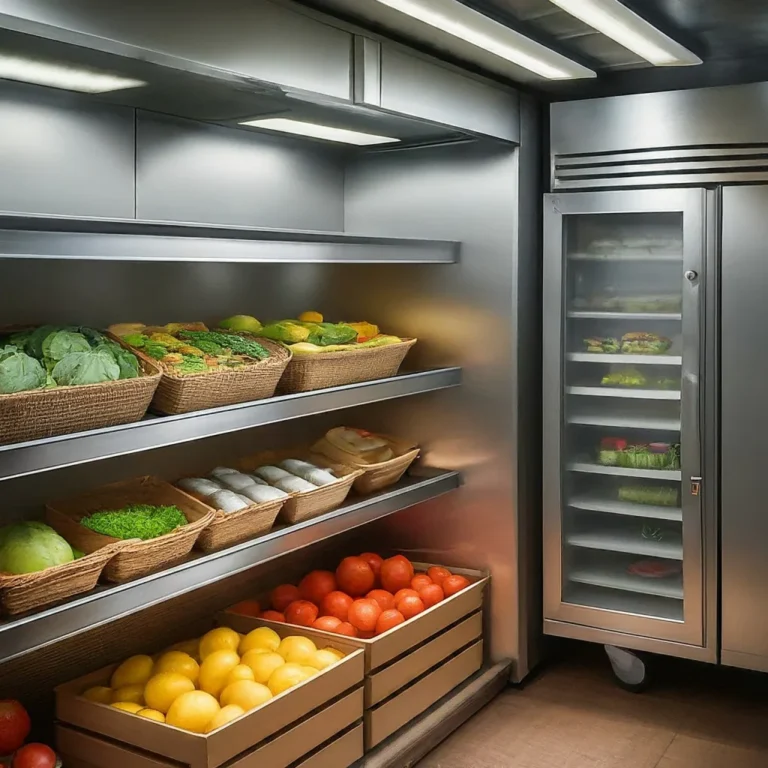
First, think about zoning. Divide your cooler into sections based on what you’re storing. For example, you might have one section for produce, another for dairy, and another for meat. This makes it easier for staff to find what they need quickly and reduces the risk of cross-contamination. You can even label the sections with signs or color-coded tags to make it even clearer.
Next, consider the height and spacing of your shelves. You want to maximize your vertical space, but you also need to make sure your staff can reach everything easily. A good rule of thumb is to place the most frequently used items at eye level or just below, and less frequently used items on higher or lower shelves. And don’t forget about the space between shelves, if they’re too close together, you won’t be able to store larger items, and if they’re too far apart, you’re wasting space.
Another thing to think about is accessibility. If your staff has to move multiple items to get to what they need, you’re wasting time and energy. Arrange your shelves so that the most frequently used items are the easiest to access. And if you’re storing large or heavy items, make sure there’s enough space to move them around safely. The last thing you want is a staff member straining to lift a heavy box because the shelves are too close together.
Finally, don’t forget about cleanliness. A well-organized cooler is easier to clean, which is crucial for food safety. Make sure your shelving is easy to remove and clean, and that there’s enough space between shelves to allow for proper airflow and cleaning. And if you’re using wire shelving, make sure it’s coated to prevent rust and make it easier to clean.
Insulation: The Invisible Workhorse
Why Insulation Is More Important Than You Think
Insulation might not be the most exciting part of your walk-in cooler, but it’s one of the most important. The right insulation can make your cooler more energy-efficient, reduce your operating costs, and even extend the lifespan of your equipment. The wrong insulation? Well, let’s just say it can turn your cooler into a money pit.
So what are your options? The two most common types of insulation for walk-in coolers are polyurethane and polystyrene. Polyurethane is the more expensive option, but it’s also more energy-efficient and durable. Polystyrene is cheaper, but it’s not as efficient and can degrade over time. There’s also extruded polystyrene (XPS), which is a middle-ground option, it’s more efficient than regular polystyrene but not as expensive as polyurethane.
But insulation isn’t just about the material, it’s also about the thickness. The thicker the insulation, the more efficient your cooler will be. But thicker insulation also means a larger footprint, which can be an issue if you’re tight on space. Most walk-in coolers use insulation that’s 3–4 inches thick, but if you’re in a particularly hot climate or storing highly perishable items, you might want to go thicker.
Here’s the thing: insulation is one of those areas where it’s easy to cut corners to save money upfront, but it’s almost always a bad idea. Poor insulation can lead to higher energy costs, more frequent repairs, and even food safety issues if your cooler can’t maintain the right temperature. So don’t skimp on insulation, it’s an investment that will pay off in the long run.
Vapor Barriers: The Unsung Hero of Insulation
If you’ve ever seen a walk-in cooler with condensation dripping from the ceiling or walls, you’ve seen the effects of a poor vapor barrier. A vapor barrier is a layer of material that prevents moisture from seeping into your insulation, which can reduce its effectiveness and lead to mold, mildew, and even structural damage. In other words, it’s a big deal.
Most walk-in coolers come with a built-in vapor barrier, but it’s worth double-checking to make sure it’s up to par. The best vapor barriers are made of materials like aluminum foil or plastic sheeting, and they should be installed on the warm side of the insulation (i.e., the side facing the outside of the cooler). If your cooler doesn’t have a good vapor barrier, you could be looking at higher energy costs, more frequent repairs, and even health code violations.
Another thing to consider is the sealing of your cooler. Even the best insulation and vapor barrier won’t do you any good if your cooler isn’t properly sealed. Make sure all the seams, joints, and edges are sealed with a high-quality sealant to prevent air leaks. And don’t forget about the door, if it’s not properly sealed, warm air will seep in every time it’s opened, which can lead to higher energy costs and temperature fluctuations.
Energy Efficiency: Because Your Electric Bill Doesn’t Have to Be a Mystery
Why Energy Efficiency Matters (Spoiler: It’s Not Just About the Planet)
Let’s talk about energy efficiency. I know, I know, it’s not the most exciting topic. But here’s the thing: an energy-efficient walk-in cooler isn’t just good for the environment. It’s good for your bottom line. A poorly designed cooler can cost you thousands of dollars a year in energy costs, not to mention the cost of repairs and lost food. So if you’re not thinking about energy efficiency when you’re designing your cooler, you’re leaving money on the table.
So what makes a walk-in cooler energy-efficient? There are a few key factors:
- Insulation: As we’ve already discussed, good insulation is crucial for energy efficiency. The better your insulation, the less energy your cooler will need to maintain the right temperature.
- Refrigeration unit: The type and size of your refrigeration unit can have a big impact on your energy costs. A unit that’s too small will have to work harder to keep your cooler cold, while a unit that’s too large will waste energy. Make sure you’re working with a supplier who can help you choose the right unit for your needs.
- Door design: As we’ve already discussed, the type and placement of your door can have a big impact on your energy costs. A well-designed door will minimize the amount of warm air that gets in every time it’s opened, which can save you a lot of money in the long run.
- Lighting: Believe it or not, the type of lighting you use in your cooler can also affect your energy costs. LED lights are the most energy-efficient option, and they also last longer than traditional bulbs.
Another thing to consider is the location of your cooler. If it’s in a hot, sunny area, it’s going to have to work harder to maintain the right temperature. If possible, try to place your cooler in a shaded or climate-controlled area to reduce its energy consumption. And if you’re in a particularly hot climate, you might want to consider adding extra insulation or a more powerful refrigeration unit.
Smart Features: Because the Future Is Now (Whether You Like It or Not)
If you’re not already thinking about smart features for your walk-in cooler, you should be. Smart coolers are becoming more and more common, and for good reason, they can save you time, money, and a whole lot of headaches. Here are a few smart features to consider:
- Remote monitoring: With remote monitoring, you can keep an eye on your cooler’s temperature, humidity, and energy consumption from anywhere. This can help you catch problems early and avoid costly repairs or food spoilage.
- Automated alerts: If your cooler’s temperature starts to rise or the door is left open too long, you’ll get an alert on your phone or computer. This can help you address problems quickly and avoid food safety issues.
- Energy management: Some smart coolers come with energy management features that can help you reduce your energy consumption. For example, they might adjust the temperature based on how often the door is opened, or they might turn off the lights when no one is in the cooler.
- Predictive maintenance: Some smart coolers can even predict when maintenance is needed, which can help you avoid costly repairs and downtime.
I’m torn between recommending smart features for everyone and acknowledging that they’re not always necessary. If you’re a small operation with a tight budget, you might not need all the bells and whistles. But if you’re a larger operation or you’re looking to future-proof your kitchen, smart features can be a great investment. Ultimately, it comes down to your specific needs and budget.
One thing’s for sure, though: smart features are only going to become more common in the coming years. So if you’re not already thinking about them, now’s the time to start.
Avoiding Common Mistakes: Because Hindsight Is 20/20
The Top 5 Walk-In Cooler Design Mistakes (And How to Avoid Them)
Let’s be real: no one sets out to design a bad walk-in cooler. But it happens. A lot. And usually, it’s because of a few common mistakes that could’ve been avoided with a little more planning. So let’s talk about the top 5 walk-in cooler design mistakes, and how to avoid them.
Mistake #1: Skimping on insulation. We’ve already talked about this, but it bears repeating: good insulation is crucial for energy efficiency, food safety, and the longevity of your cooler. If you skimp on insulation to save money upfront, you’re going to pay for it in the long run. Don’t do it.
Mistake #2: Ignoring airflow. A walk-in cooler isn’t just a big box, it’s a carefully designed system that relies on proper airflow to maintain the right temperature. If your cooler is poorly designed, with shelves blocking airflow or a refrigeration unit that’s too small, you’re going to have problems. Make sure you’re working with a supplier who understands the importance of airflow and can help you design a cooler that works.
Mistake #3: Poor door placement. We’ve already talked about this, but it’s worth repeating: a poorly placed door can disrupt your kitchen’s workflow, create bottlenecks, and even lead to accidents. Don’t just stick the door wherever it fits, think about how your staff moves around and where the door will be most convenient.
Mistake #4: Overloading the cooler. It’s tempting to cram as much food as possible into your cooler, but overloading it can lead to poor airflow, higher energy costs, and even food safety issues. Make sure you’re leaving enough space for air to circulate, and don’t exceed the cooler’s weight capacity.
Mistake #5: Not planning for maintenance. Even the best walk-in cooler is going to need maintenance from time to time. If you don’t plan for it, you could be looking at costly repairs and downtime. Make sure you’re leaving enough space around the refrigeration unit for maintenance, and that your staff knows how to properly clean and maintain the cooler.
So how do you avoid these mistakes? It’s simple: plan ahead. Don’t just rush into buying a cooler because you need one, take the time to think about your needs, your space, and your budget. And don’t be afraid to ask for help. If you’re not sure about something, talk to a supplier or a kitchen design expert. It’s better to ask a dumb question than to make a costly mistake.
When to DIY and When to Call in the Pros
Here’s the thing: designing a walk-in cooler isn’t rocket science, but it’s also not something you should tackle without a little know-how. If you’re a small operation with a simple setup, you might be able to handle the design yourself. But if you’re a larger operation or you’re dealing with a complex layout, it’s probably worth calling in the pros.
So how do you know when to DIY and when to call in the experts? Here are a few things to consider:
- Your budget: If you’re on a tight budget, you might need to handle some of the design yourself. But if you’ve got a little more wiggle room, it’s worth hiring a professional to make sure you get it right.
- Your experience: If you’ve designed walk-in coolers before, you might be able to handle it yourself. But if you’re new to the game, it’s probably worth getting some help.
- Your space: If your kitchen is simple and straightforward, you might be able to handle the design yourself. But if your space is complex or unconventional, it’s probably worth hiring a professional.
- Your needs: If you’re storing simple ingredients and don’t have any special requirements, you might be able to handle the design yourself. But if you’ve got specific needs (like storing large items or maintaining precise temperatures), it’s probably worth getting some help.
If you do decide to call in the pros, make sure you’re working with someone who knows what they’re doing. Look for a supplier or a kitchen design expert with a good reputation and plenty of experience. And don’t be afraid to ask questions, if they can’t explain something to you in a way you understand, they’re probably not the right person for the job.
One supplier I’ve had good experiences with is Chef’s Deal. They offer free kitchen design services, which can be a huge help if you’re not sure where to start. They also have a wide range of walk-in coolers and other kitchen equipment, so you can get everything you need in one place. And their team is knowledgeable and responsive, which is always a plus. Is this the best approach? Let’s consider: maybe you should also look into local suppliers or contractors who specialize in walk-in coolers. It’s always a good idea to shop around and compare your options before making a decision.
Installation and Maintenance: Because the Work Doesn’t Stop After You Buy It
Installation: Don’t Mess This Up
You’ve done all the planning, you’ve chosen the perfect walk-in cooler, and now it’s time to install it. This is where a lot of people drop the ball. A poorly installed cooler can lead to all sorts of problems, from energy inefficiency to food safety issues. So don’t mess this up.
First things first: make sure you’re working with a professional installer. This isn’t a job for your cousin who’s “good with his hands.” Walk-in coolers are complex systems that require specialized knowledge to install correctly. A professional installer will know how to properly seal the cooler, install the refrigeration unit, and ensure that everything is working as it should.
Here are a few things to keep in mind during installation:
- Leveling: Your cooler needs to be level to work properly. If it’s not, you could have problems with the door sealing, the refrigeration unit working efficiently, and even the structural integrity of the cooler.
- Sealing: As we’ve already discussed, proper sealing is crucial for energy efficiency and food safety. Make sure all the seams, joints, and edges are sealed with a high-quality sealant.
- Refrigeration unit: The refrigeration unit needs to be installed correctly to work efficiently. Make sure it’s properly sized for your cooler, and that it’s installed in a location where it can get proper airflow.
- Electrical: Your cooler is going to need power, so make sure the electrical work is done by a licensed electrician. This isn’t a job for amateurs, improper electrical work can be a fire hazard.
If you’re working with a supplier like Chef’s Deal, they might offer professional installation services. This can be a great option if you’re not sure where to start or you don’t have a trusted installer in your area. Just make sure you’re working with someone who knows what they’re doing, ask for references, check reviews, and don’t be afraid to ask questions.
Maintenance: Because Your Cooler Isn’t Going to Take Care of Itself
Once your cooler is installed, the work isn’t over. Walk-in coolers require regular maintenance to keep them running efficiently and to prevent costly repairs. Here are a few things you should be doing on a regular basis:
- Cleaning: Your cooler should be cleaned regularly to prevent mold, mildew, and bacteria buildup. This includes the shelves, the walls, the floor, and the refrigeration unit. Make sure you’re using a food-safe cleaner, and that you’re following the manufacturer’s instructions.
- Inspecting the seals: The seals around your door are crucial for energy efficiency and food safety. Check them regularly for cracks, tears, or other damage, and replace them if necessary.
- Checking the temperature: Your cooler’s temperature should be checked regularly to make sure it’s maintaining the right temperature. If it’s not, you could have a problem with the refrigeration unit or the insulation.
- Inspecting the refrigeration unit: The refrigeration unit should be inspected regularly for signs of wear and tear. This includes checking the coils, the fan, and the compressor. If you notice any problems, call a professional to have them fixed.
- Checking the airflow: Proper airflow is crucial for your cooler’s efficiency. Make sure the vents aren’t blocked, and that the air is circulating properly.
Here’s the thing: maintenance isn’t just about preventing problems, it’s also about catching them early. The sooner you catch a problem, the easier (and cheaper) it is to fix. So don’t skip your maintenance checks, your cooler (and your wallet) will thank you.
If you’re not sure how to maintain your cooler, don’t worry, there are plenty of resources out there to help. The manufacturer’s instructions are a great place to start, and you can also find plenty of tutorials and guides online. And if you’re still not sure, don’t be afraid to call in a professional. It’s better to spend a little money on maintenance than a lot of money on repairs.
Putting It All Together: Your Walk-In Cooler Design Checklist
Alright, let’s recap. You’ve learned about size, space, doors, shelving, insulation, energy efficiency, common mistakes, installation, and maintenance. Now it’s time to put it all together. Here’s a checklist to help you design the perfect walk-in cooler for your kitchen:
- Assess your needs: What are you storing? How much space do you need? What’s your budget?
- Measure your space: How much room do you have for your cooler? Don’t forget to account for door swings, airflow, and maintenance access.
- Choose your size: Based on your needs and your space, what size cooler do you need?
- Plan your layout: Where will the door go? How will the shelves be arranged? How will the refrigeration unit be installed?
- Choose your materials: What type of insulation, shelving, and door do you need?
- Think about energy efficiency: How can you make your cooler as energy-efficient as possible?
- Avoid common mistakes: Don’t skimp on insulation, ignore airflow, or overload your cooler.
- Plan for installation: Who will install your cooler? Do you need professional help?
- Plan for maintenance: How will you keep your cooler clean and well-maintained?
- Get help if you need it: Don’t be afraid to call in the pros if you’re not sure about something.
And that’s it! If you’ve checked off all these boxes, you’re well on your way to designing the perfect walk-in cooler for your kitchen. It might seem like a lot of work, but trust me, it’s worth it. A well-designed cooler will save you time, money, and a whole lot of stress in the long run.
The Bottom Line: Don’t Cut Corners on Your Walk-In Cooler
Look, I get it. Walk-in coolers aren’t the most exciting part of opening a restaurant or upgrading your kitchen. They’re not as flashy as a new pizza oven or as Instagram-worthy as a custom bar. But they’re one of the most important pieces of equipment you’ll ever buy. Get the design wrong, and you’re looking at higher energy costs, more frequent repairs, food safety issues, and a whole lot of frustration. Get it right, and you’ll have a cooler that works seamlessly with your kitchen’s workflow, keeps your food fresh, and saves you money in the long run.
So don’t cut corners. Don’t assume the contractor knows what they’re doing. Don’t just go with the cheapest option. Take the time to plan, to ask questions, and to get it right. Your staff, your customers, and your bottom line will thank you.
And if you’re feeling overwhelmed, don’t worry, you’re not alone. Designing a walk-in cooler is a big job, and it’s okay to ask for help. Whether you’re working with a supplier like Chef’s Deal (who offers free kitchen design services, by the way) or hiring a professional kitchen designer, there are plenty of resources out there to help you get it right. So take a deep breath, do your research, and don’t be afraid to lean on the experts. Your future self will thank you.
FAQ
Q: How do I know what size walk-in cooler I need?
A: Start by taking inventory of what you’re storing and how much space you’ll need. A good rule of thumb is to allow about 1 cubic foot of space per 28–30 pounds of food. For example, if you’re storing 1,000 pounds of food, you’ll need a cooler that’s roughly 33–36 cubic feet. But don’t forget to factor in your menu, your delivery schedule, and your peak hours. If you’re serving 200 covers a night but only get deliveries twice a week, you’ll need more storage than a place with daily deliveries. And if you’re storing large items like whole pigs or kegs, you’ll need to account for that in your shelving and layout.
Q: What’s the best type of insulation for a walk-in cooler?
A: The two most common types of insulation for walk-in coolers are polyurethane and polystyrene. Polyurethane is more expensive but more energy-efficient and durable. Polystyrene is cheaper but not as efficient and can degrade over time. There’s also extruded polystyrene (XPS), which is a middle-ground option. The best choice depends on your budget, your climate, and your specific needs. If you’re in a hot climate or storing highly perishable items, you might want to go with polyurethane or XPS for better insulation.
Q: Should I choose swing doors or sliding doors for my walk-in cooler?
A: It depends on your kitchen layout and traffic flow. Swing doors are traditional, reliable, and usually cheaper, but they take up space when they’re open. Sliding doors save space but can be more expensive and require more maintenance. If your kitchen is tight on space or your cooler is in a high-traffic area, sliding doors might be the better choice. But if you’ve got plenty of space and your staff is used to swing doors, they might be the way to go. Another option is high-speed doors or air curtains, which can help minimize the amount of warm air that gets in every time the door opens.
Q: How often should I clean and maintain my walk-in cooler?
A: Your walk-in cooler should be cleaned and inspected regularly to keep it running efficiently and to prevent costly repairs. Here’s a rough schedule to follow:
- Daily: Wipe down shelves and surfaces, check the temperature, and make sure the door seals are intact.
- Weekly: Clean the floor, inspect the refrigeration unit, and check for any signs of wear and tear.
- Monthly: Deep clean the cooler, including the walls, ceiling, and refrigeration unit. Check the airflow and make sure the vents aren’t blocked.
- Quarterly: Inspect the insulation, seals, and electrical components. Call a professional if you notice any problems.
Regular maintenance is key to keeping your cooler running smoothly and avoiding costly repairs. If you’re not sure how to maintain your cooler, check the manufacturer’s instructions or call in a professional.
@article{choosing-the-right-walk-in-cooler-design-a-no-nonsense-guide-for-smart-kitchens,
    title   = {Choosing the Right Walk-In Cooler Design: A No-Nonsense Guide for Smart Kitchens},
    author  = {Chef's icon},
    year    = {2026},
    journal = {Chef's Icon},
    url     = {https://chefsicon.com/choosing-the-right-walk-in-cooler-design/}
}