The Best Fluffy Pancakes recipe you will fall in love with. Full of tips and tricks to help you make the best pancakes.
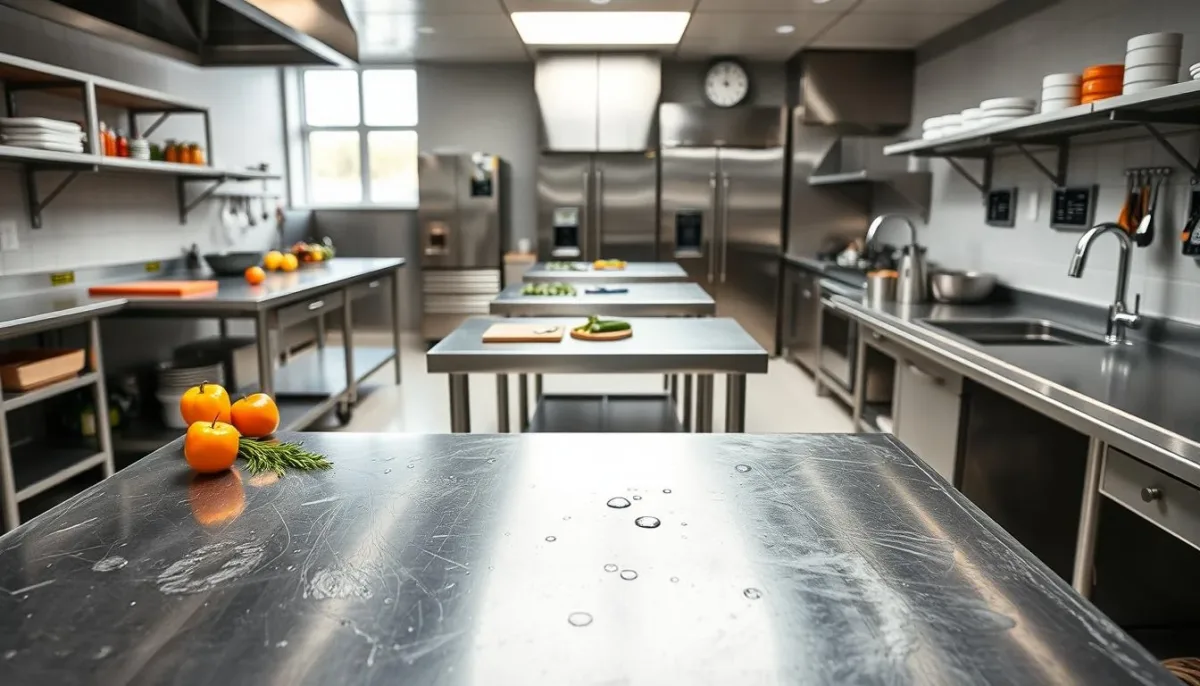
Let me tell you something, I’ve seen my fair share of commercial kitchens. From the cramped, chaotic spaces of food trucks to the sprawling, high-tech setups of Michelin-starred restaurants, one thing always stands out: the work table. It’s the unsung hero of the kitchen, the silent partner in every dish that leaves the pass. And yet, most people don’t give it a second thought until they’re standing in a kitchen with a table that’s too small, too flimsy, or worse, covered in rust.
I remember my first real gig in a commercial kitchen. It was a tiny Italian place in the Bay Area, and the work table was this ancient, pockmarked stainless steel beast that had probably been there since the Reagan administration. The legs wobbled, the surface was warped, and half the time, it felt like it was going to collapse under the weight of a single sheet pan. But here’s the thing: we made it work. We *had* to. That table was where we rolled out pasta, prepped vegetables, and even plated dishes when the line was slammed. It wasn’t pretty, but it was essential. And that’s when I realized, work tables aren’t just furniture. They’re the backbone of your kitchen’s workflow.
So, if you’re setting up a new kitchen, renovating an old one, or just trying to make sense of the overwhelming options out there, this guide is for you. We’re going to dive deep into everything you need to know about commercial kitchen work tables: the types, the materials, the sizes, the features, and even the little details that can make or break your kitchen’s efficiency. By the end, you’ll know exactly what to look for, and what to avoid, when choosing the right work table for your space. Let’s get into it.
Why Work Tables Matter More Than You Think
Before we get into the nitty-gritty, let’s talk about why work tables are such a big deal. I mean, sure, they’re just tables, right? Wrong. A good work table is like a Swiss Army knife, it’s versatile, reliable, and can handle just about anything you throw at it. A bad one? Well, it’s more like a wobbly card table at a garage sale. It might hold your stuff for a little while, but sooner or later, it’s going to let you down.
Here’s the thing: work tables are where the magic happens. They’re where you prep ingredients, assemble dishes, and sometimes even plate food if you’re short on space. They’re where your staff spends most of their time, so if your table is uncomfortable, unstable, or just plain annoying to work with, it’s going to slow everything down. And in a commercial kitchen, time is money. Every second counts, and a bad work table can cost you both.
But it’s not just about efficiency. Work tables also play a huge role in safety and hygiene. A poorly designed table can lead to cross-contamination, accidents, and even injuries. Think about it: if your table is too low, your staff is going to be hunched over all day, which can lead to back problems. If it’s too high, they’re going to be reaching up constantly, which can cause shoulder strain. And if the surface isn’t easy to clean, you’re basically inviting bacteria to throw a party on your prep area.
So, is this the best approach? Let’s consider: maybe we should start by breaking down the different types of work tables and what they’re best suited for. Because not all tables are created equal, and what works for a bakery might not work for a sushi bar. Let’s dive in.
1. The Different Types of Commercial Kitchen Work Tables
When it comes to commercial kitchen work tables, there’s no one-size-fits-all solution. The type of table you need depends on what you’re using it for, how much space you have, and what kind of kitchen you’re running. Here’s a breakdown of the most common types:
- Prep Tables: These are the workhorses of the kitchen. They’re designed for general food prep, chopping, slicing, dicing, you name it. Prep tables usually have a flat, durable surface (usually stainless steel) and can come with or without shelves or drawers for storage. Some even have built-in sinks or cutting boards for added convenience.
- Baking Tables: If you’re running a bakery or a kitchen that does a lot of baking, you’ll want a table that’s specifically designed for the job. Baking tables are usually lower to the ground (around 30 inches high) to make rolling out dough easier, and they often have marble or stainless steel surfaces to keep dough cool. Some even come with built-in proofing cabinets or refrigerated bases.
- Butcher Blocks: These tables are all about durability. They’re made with thick, hardwood tops (usually maple or beech) that can withstand the abuse of knives, cleavers, and other sharp tools. Butcher blocks are perfect for meat and seafood prep, but they do require more maintenance than stainless steel tables. You’ll need to oil them regularly to keep the wood from drying out and cracking.
- Utility Tables: These are the jack-of-all-trades tables. They’re usually simple, flat surfaces with no frills, just a sturdy frame and a durable top. Utility tables are great for kitchens that need extra workspace but don’t have a ton of room to spare. They’re also a good option if you’re on a budget, since they tend to be less expensive than specialized tables.
- Mobile Work Tables: If your kitchen is tight on space or you need to move your prep area around frequently, a mobile work table might be the way to go. These tables come with wheels (usually locking ones) so you can roll them wherever you need them. They’re great for food trucks, catering operations, or any kitchen where flexibility is key.
- Under-Counter Tables: These tables are designed to fit under existing countertops or equipment, giving you extra workspace without taking up more floor space. They’re a great option for small kitchens or for adding prep space to an existing setup. Just make sure you measure carefully, you don’t want to end up with a table that doesn’t fit where you need it.
Okay, so now that we’ve covered the types, let’s talk about materials. Because the material your table is made of can make a *huge* difference in how well it holds up over time.
2. Material Matters: What Your Work Table Should Be Made Of
When it comes to commercial kitchen work tables, the material is everything. It determines how durable your table is, how easy it is to clean, and even how safe it is to use. So, let’s break down the most common materials and what they’re best for.
Stainless Steel: This is the gold standard for commercial kitchen work tables, and for good reason. Stainless steel is durable, easy to clean, and resistant to corrosion, rust, and stains. It’s also non-porous, which means it won’t harbor bacteria or odors. Most stainless steel tables are made from either 304 or 430 grade steel. 304 is more resistant to corrosion and is generally the better choice for kitchens, but 430 is cheaper and still gets the job done. If you’re running a busy kitchen, stainless steel is probably your best bet.
Wood: Wood tables, like butcher blocks, are great for certain tasks, especially meat and seafood prep. They’re durable, easy on knives, and they look great. But they do require more maintenance than stainless steel. You’ll need to oil them regularly to keep the wood from drying out, and you’ll have to be careful about moisture, since too much can cause the wood to warp or crack. Wood tables are also more prone to harboring bacteria if they’re not cleaned properly, so they’re not ideal for every kitchen.
Plastic (Polyethylene): Plastic tables are lightweight, affordable, and resistant to corrosion and stains. They’re a good option if you’re on a budget or if you need a table that’s easy to move around. But they’re not as durable as stainless steel or wood, and they can be prone to scratches and dents. Plastic tables are also not as heat-resistant, so they’re not ideal for kitchens that deal with a lot of hot pans or equipment.
Marble: Marble tables are a favorite in bakeries because they stay cool, which is great for rolling out dough. They’re also beautiful and durable, but they’re heavy, expensive, and can be prone to staining if they’re not sealed properly. Marble tables are also not as easy to clean as stainless steel, so they’re not ideal for every kitchen.
So, which material is right for you? It depends on what you’re using your table for. If you’re doing general prep work, stainless steel is probably your best bet. If you’re rolling out dough or working with pastry, marble might be the way to go. And if you’re on a budget, plastic could work, just don’t expect it to last as long as the other options. Maybe I should clarify: the material you choose will also depend on your budget, your kitchen’s needs, and how much maintenance you’re willing to put in. There’s no one-size-fits-all answer here, so think carefully about what you need before making a decision.
3. Size and Height: Getting the Dimensions Right
Alright, let’s talk about size. Because when it comes to work tables, size *really* matters. A table that’s too small will leave you scrambling for space, while a table that’s too big will take up valuable real estate in your kitchen. And if the height isn’t right? Well, let’s just say your staff won’t be thanking you.
First, let’s talk about width and depth. Most commercial work tables come in standard widths of 24, 30, 36, 48, or 60 inches. The width you choose will depend on how much space you have and what you’re using the table for. For example, if you’re using the table for general prep work, a 30- or 36-inch width is usually plenty. But if you’re rolling out dough or working with large sheet pans, you might want something wider, like 48 or 60 inches.
The depth of your table is also important. Most tables are either 24 or 30 inches deep. A 24-inch depth is great for tight spaces, but it might not give you enough room to work comfortably. A 30-inch depth is more standard and gives you a little more breathing room. If you’re working with large equipment or need extra space for prep, you might even consider a custom depth, but that’ll cost you extra.
Now, let’s talk about height. This is where a lot of people mess up. The height of your work table can make a *huge* difference in how comfortable your staff is while they’re working. If the table is too low, they’ll be hunched over all day, which can lead to back pain and fatigue. If it’s too high, they’ll be reaching up constantly, which can cause shoulder strain. So, what’s the right height?
Most commercial work tables are between 30 and 36 inches high. For general prep work, a height of 34 to 36 inches is usually ideal. But if you’re doing a lot of baking, you might want something lower, around 30 inches, so you can roll out dough more easily. And if you’re working with tall staff members, you might need to go a little higher. The key is to find a height that’s comfortable for the majority of your team. If you’re not sure, a good rule of thumb is to measure the height of your staff’s elbows while they’re standing. The table should be about 2 to 4 inches below that.
Is this the best approach? Let’s consider: maybe you don’t have to stick to standard heights. Some manufacturers offer adjustable-height tables, which can be a great option if you have a diverse team or if you’re not sure what height will work best. Just keep in mind that adjustable tables tend to be more expensive, so they might not be in everyone’s budget.
4. Features to Look For (and What to Avoid)
Alright, so you’ve figured out the type, material, and size of your work table. Now, let’s talk about the features. Because not all work tables are created equal, and some come with bells and whistles that can make your life a whole lot easier. Here are some features to look for, and a few to avoid.
Shelves and Drawers: If you’re short on storage space, a work table with built-in shelves or drawers can be a game-changer. Shelves are great for storing pots, pans, or ingredients, while drawers can hold utensils, knives, or other small tools. Just make sure the shelves and drawers are sturdy and easy to clean. You don’t want anything that’s going to collect grime or be a pain to sanitize.
Undershelves: Undershelves are shelves that sit underneath the main work surface. They’re great for storing frequently used items, like cutting boards or sheet pans, so they’re always within reach. Some tables even come with adjustable undershelves, which can be handy if you need to store different-sized items.
Backsplashes: A backsplash is a raised edge on the back of the table that helps keep spills and splatters from hitting the wall. It’s a small feature, but it can make a big difference in keeping your kitchen clean. Just make sure the backsplash is tall enough to be effective, around 4 to 6 inches is usually good.
Casters (Wheels): If you need to move your table around frequently, look for one with casters. These are wheels that attach to the legs of the table, making it easy to roll from one spot to another. Just make sure the casters have locks, so the table doesn’t roll away when you’re trying to work. And keep in mind that tables with casters might not be as stable as stationary ones, so they’re not ideal for every kitchen.
Built-In Sinks or Cutting Boards: Some work tables come with built-in sinks or cutting boards, which can be super convenient. A sink in your prep table means you don’t have to run to the dish area every time you need to wash something, and a built-in cutting board gives you a dedicated space for chopping. But these features can also take up valuable workspace, so think carefully about whether you really need them.
What to Avoid: Not all features are created equal. Here are a few things to steer clear of:
- Sharp Edges: Tables with sharp edges can be a safety hazard, especially in a busy kitchen. Look for tables with rounded or bullnose edges, which are safer and more comfortable to work around.
- Poor Welds: If you’re buying a stainless steel table, make sure the welds are smooth and even. Poor welds can create crevices where bacteria can hide, and they can also weaken the table over time.
- Flimsy Legs: The legs of your table should be sturdy and stable. If they’re wobbly or thin, the table might not hold up under heavy use. Look for tables with thick, reinforced legs, especially if you’re going to be putting a lot of weight on them.
- Non-Adjustable Feet: If your kitchen floor isn’t perfectly level (and let’s be real, most aren’t), you’ll want a table with adjustable feet. These let you level the table so it doesn’t wobble, which is especially important if you’re working with liquids or delicate ingredients.
I’m torn between whether to go for all the bells and whistles or keep it simple. Ultimately, it depends on your kitchen’s needs. If you’re tight on space or budget, a basic table might be the way to go. But if you have the room and the funds, features like shelves, undershelves, and casters can make your life a whole lot easier. Just don’t go overboard, you don’t want your table to be so loaded with features that it becomes cluttered or hard to clean.
5. Durability and Maintenance: How to Make Your Table Last
Let’s be real: commercial kitchens are tough on equipment. Between the heat, the moisture, the sharp knives, and the heavy pots and pans, your work table is going to take a beating. So, if you want it to last, you need to choose something durable, and then take care of it.
First, let’s talk about durability. The most durable work tables are usually made from stainless steel or hardwood. Stainless steel is resistant to corrosion, rust, and stains, and it can handle just about anything you throw at it. Hardwood, like maple or beech, is also durable, but it requires more maintenance to keep it in good shape. Plastic tables are less durable, but they’re also less expensive, so they might be a good option if you’re on a budget.
When it comes to maintenance, stainless steel is the easiest to clean. You can wipe it down with a damp cloth and a mild detergent, and it’ll look good as new. Just avoid abrasive cleaners, which can scratch the surface. Hardwood tables require more care, you’ll need to oil them regularly to keep the wood from drying out, and you’ll have to be careful about moisture, which can cause warping or cracking. Plastic tables are easy to clean, but they can be prone to scratches and dents, so you’ll want to avoid using sharp tools directly on the surface.
Here are a few tips to keep your work table in top shape:
- Clean Regularly: This might seem obvious, but it’s worth saying. Clean your table after every use to prevent bacteria buildup and keep it looking good. Use a mild detergent and warm water, and avoid abrasive cleaners or scrubbers that can scratch the surface.
- Sanitize Daily: In a commercial kitchen, sanitizing is just as important as cleaning. Use a food-safe sanitizer to kill any bacteria or germs that might be lurking on the surface. This is especially important if you’re working with raw meat, poultry, or seafood.
- Inspect for Damage: Regularly check your table for signs of wear and tear, like scratches, dents, or rust. If you notice any damage, address it right away. Small scratches can be buffed out, but deeper damage might require professional repair or even replacement.
- Avoid Overloading: Every table has a weight limit, so make sure you’re not overloading it. Putting too much weight on the table can cause the legs to bend or the surface to warp, which can shorten its lifespan.
- Use Cutting Boards: If you’re chopping or slicing, always use a cutting board. This will protect the surface of your table from scratches and dents, and it’ll also make cleanup easier.
I’m not going to lie, maintaining a work table takes effort. But it’s worth it. A well-maintained table will last for years, and it’ll make your kitchen a safer, more efficient place to work. So, don’t skimp on the upkeep. Your table (and your staff) will thank you.
6. Budget Considerations: How Much Should You Spend?
Alright, let’s talk money. Because let’s face it, budget is always a factor. Commercial kitchen work tables can range from a few hundred dollars to several thousand, depending on the size, material, and features. So, how much should you spend? And what’s the best way to get the most bang for your buck?
First, let’s break down the price ranges:
- Budget ($200 – $500): If you’re on a tight budget, you can find basic stainless steel or plastic tables in this range. These tables are usually smaller (around 24 to 36 inches wide) and don’t come with a lot of extra features. They’re a good option if you need a simple, no-frills table for light prep work.
- Mid-Range ($500 – $1,500): In this range, you’ll find larger tables (up to 60 inches wide) with more durable materials and features like shelves, undershelves, or casters. These tables are a good option for most commercial kitchens, they’re sturdy, functional, and won’t break the bank.
- High-End ($1,500 – $3,000+): If you’re looking for the best of the best, this is where you’ll find it. High-end tables are usually made from top-quality stainless steel or hardwood, and they come with all the bells and whistles, adjustable heights, built-in sinks, refrigerated bases, you name it. These tables are a good option if you’re running a high-volume kitchen or if you want something that’s built to last.
So, how much should you spend? It depends on your needs. If you’re just starting out or you’re on a tight budget, a budget or mid-range table might be the way to go. But if you’re running a busy kitchen or you want something that’s going to last for years, it might be worth investing in a high-end table. Just remember: the cheapest option isn’t always the best. A flimsy table that falls apart after a year is going to cost you more in the long run than a durable table that lasts for decades.
Here are a few tips for getting the most bang for your buck:
- Buy Used: If you’re on a tight budget, consider buying a used table. You can often find high-quality tables for a fraction of the price of a new one. Just make sure to inspect it carefully for damage before you buy.
- Look for Sales: Many restaurant supply stores offer sales or discounts, especially around the holidays. Keep an eye out for deals, and don’t be afraid to negotiate, some stores will match or beat a competitor’s price.
- Prioritize Durability: It might be tempting to go for the cheapest option, but a durable table will save you money in the long run. Look for tables made from high-quality materials, like 304-grade stainless steel or hardwood, and avoid anything that looks flimsy or poorly made.
- Consider Long-Term Costs: When you’re comparing prices, don’t just look at the upfront cost. Consider the long-term costs, too, like maintenance, repairs, and replacement. A more expensive table might save you money in the long run if it lasts longer and requires less upkeep.
I’m torn between going for the cheapest option and splurging on something high-end. Ultimately, it comes down to your budget and your needs. If you can afford it, I’d recommend investing in a high-quality table, it’ll pay off in the long run. But if you’re on a tight budget, a mid-range table can still get the job done. Just make sure it’s durable and well-made.
7. Custom vs. Standard: Which Is Right for You?
So, you’ve done your research, you know what you need, and you’re ready to buy a work table. But now you’re faced with another decision: should you go for a standard table or a custom one?
Standard tables are pre-made and come in a range of sizes and configurations. They’re usually less expensive and quicker to ship, which makes them a good option if you need something fast or you’re on a budget. Custom tables, on the other hand, are made to order and can be tailored to your exact specifications. They’re more expensive and take longer to arrive, but they’re a good option if you have specific needs that can’t be met by a standard table.
Let’s break down the pros and cons of each:
Standard Tables:
- Pros:
- Less expensive
- Faster shipping
- Wide range of options
- Cons:
- Limited customization
- Might not fit your space perfectly
- Fewer material options
Custom Tables:
- Pros:
- Tailored to your exact needs
- Can fit unique spaces
- More material and feature options
- Cons:
- More expensive
- Longer lead time
- Harder to return or exchange
So, which is right for you? If you have a standard kitchen layout and you’re not picky about the details, a standard table is probably the way to go. But if you have a unique space, specific needs, or you want something that’s truly one-of-a-kind, a custom table might be worth the extra cost and wait time.
Maybe I should clarify: custom tables aren’t just for high-end kitchens. Even if you’re on a budget, a custom table can be a good investment if it means getting exactly what you need. For example, if you have a tight space or an oddly shaped kitchen, a custom table can be designed to fit perfectly, which can save you money in the long run by maximizing your workspace.
8. Installation and Placement: Where Should Your Table Go?
Alright, you’ve chosen your table, it’s arrived, and now you’re ready to set it up. But where should you put it? And how do you make sure it’s installed correctly? Let’s talk about installation and placement.
First, let’s talk about placement. The location of your work table can make a big difference in how efficient your kitchen is. Here are a few things to consider:
- Workflow: Your work table should be placed in a spot that makes sense for your kitchen’s workflow. For example, if you’re using the table for prep work, it should be close to your refrigeration and storage areas so you don’t have to walk across the kitchen every time you need an ingredient. If you’re using it for plating, it should be near the pass so you can quickly get dishes out to the dining room.
- Traffic Flow: Make sure your table isn’t blocking any major traffic paths. You don’t want your staff tripping over each other or having to squeeze past the table every time they need to get to the walk-in or the dish area.
- Ventilation: If your table is near a cooking line or other heat sources, make sure it’s not in the way of your ventilation system. You don’t want smoke, steam, or grease splattering onto your prep area.
- Lighting: Your work table should be well-lit so your staff can see what they’re doing. If possible, place it near a window or under a bright overhead light. If your kitchen is dimly lit, consider adding task lighting above the table.
- Accessibility: Make sure your table is easily accessible to everyone who needs to use it. If it’s too far from the cooking line or the storage area, it’s going to slow everything down.
Now, let’s talk about installation. Most work tables are pretty easy to set up, you just unbox them, assemble the legs (if they’re not already attached), and put them in place. But there are a few things to keep in mind:
- Level the Table: If your kitchen floor isn’t perfectly level (and let’s be real, most aren’t), you’ll need to level your table. Most tables come with adjustable feet that let you raise or lower each leg to keep the table stable. If your table doesn’t have adjustable feet, you can use shims to level it.
- Secure the Table: If your table has casters, make sure to lock them in place once the table is where you want it. If it’s a stationary table, you might want to secure it to the floor or the wall to keep it from moving. This is especially important if you’re working with heavy equipment or liquids that could cause the table to shift.
- Check the Weight Limit: Every table has a weight limit, so make sure you’re not overloading it. If you’re putting a lot of weight on the table (like a heavy mixer or a stack of sheet pans), make sure it’s evenly distributed to avoid warping or damaging the surface.
- Test for Stability: Once your table is in place, give it a good shake to make sure it’s stable. If it wobbles, adjust the legs or add shims until it’s steady. A wobbly table is a safety hazard, so don’t skip this step.
I’m not going to lie, installation can be a pain, especially if you’re working with a large or heavy table. But it’s worth taking the time to do it right. A properly installed table will be safer, more stable, and more efficient to work with. So, don’t rush it. Take your time, follow the instructions, and don’t be afraid to ask for help if you need it.
9. Safety and Compliance: What You Need to Know
Let’s talk about something that’s not as exciting as features or materials but is *just* as important: safety and compliance. Because in a commercial kitchen, safety isn’t just a suggestion, it’s the law. And if your work table isn’t up to code, you could be looking at fines, lawsuits, or even a shutdown.
First, let’s talk about NSF certification. The NSF (National Sanitation Foundation) is an independent organization that sets standards for food safety and sanitation. If a work table is NSF-certified, it means it’s been tested and meets those standards. NSF certification isn’t always required, but it’s a good idea to look for it, especially if you’re running a high-volume kitchen or you want to make sure your table is as safe and hygienic as possible.
Next, let’s talk about OSHA compliance. The Occupational Safety and Health Administration (OSHA) sets standards for workplace safety, and those standards apply to commercial kitchens, too. Here are a few things to keep in mind:
- Ergonomics: OSHA recommends that work surfaces be at a height that allows employees to work comfortably without straining. For most people, that means a height of 34 to 36 inches for standing tasks. If your table is too low or too high, it could lead to back or shoulder injuries.
- Slip Resistance: If your table has casters or wheels, make sure they’re slip-resistant and have locks to keep the table from moving unexpectedly. OSHA also recommends that floors be kept clean and dry to prevent slips and falls.
- Sharp Edges: Tables with sharp edges can be a safety hazard, especially in a busy kitchen. OSHA recommends using tables with rounded or bullnose edges to reduce the risk of cuts and injuries.
- Weight Limits: Every table has a weight limit, and exceeding it can lead to accidents or injuries. Make sure your staff knows the weight limit of your table, and don’t overload it.
Finally, let’s talk about local health codes. Every state and municipality has its own health codes, and they can vary widely. Some common requirements include:
- Non-Porous Surfaces: Most health codes require that work surfaces be non-porous, which means they can’t absorb liquids or bacteria. Stainless steel and plastic are both non-porous, but wood can be if it’s not properly sealed.
- Easy-to-Clean Materials: Health codes usually require that work surfaces be easy to clean and sanitize. Stainless steel is the gold standard here, but plastic and sealed wood can also work.
- Backsplashes: Some health codes require that work tables have backsplashes to prevent spills and splatters from hitting the wall. If your table doesn’t have a backsplash, you might need to install one.
- Proper Drainage: If your table has a built-in sink, make sure it has proper drainage to prevent standing water, which can harbor bacteria.
Is this the best approach? Let’s consider: maybe you should check with your local health department before you buy a table. They can tell you exactly what’s required in your area, and they might even have recommendations for specific brands or models. It’s always better to be safe than sorry, especially when it comes to health and safety.
10. Future-Proofing Your Work Table: Trends and Innovations
Alright, we’ve covered just about everything you need to know about commercial kitchen work tables. But before we wrap up, let’s talk about the future. Because the world of commercial kitchens is always evolving, and what’s cutting-edge today might be outdated tomorrow. So, how do you future-proof your work table?
First, let’s talk about smart tables. Yes, you read that right, smart tables. These are work tables that come with built-in technology, like touchscreens, scales, or even refrigerated bases that can be controlled via an app. Some smart tables even have sensors that can track food temperatures or alert you if something’s not right. If you’re running a high-tech kitchen or you want to stay ahead of the curve, a smart table might be worth considering. Just keep in mind that they’re more expensive and require more maintenance than traditional tables.
Next, let’s talk about modular tables. These are tables that can be easily reconfigured or expanded to meet your changing needs. For example, you might start with a basic table and then add shelves, drawers, or even a refrigerated base later on. Modular tables are a great option if you’re not sure what you’ll need in the future or if you want the flexibility to adapt as your kitchen grows.
Another trend to watch is sustainability. More and more kitchens are looking for eco-friendly options, and work tables are no exception. Some manufacturers are now offering tables made from recycled materials, like reclaimed wood or recycled stainless steel. Others are using sustainable manufacturing processes, like water-based adhesives or low-VOC finishes. If sustainability is important to you, look for tables that are certified by organizations like the Forest Stewardship Council (FSC) or the Green Restaurant Association (GRA).
Finally, let’s talk about design. Commercial kitchen work tables are no longer just functional, they’re also becoming a design statement. More and more kitchens are opting for tables with sleek, modern designs, like minimalist stainless steel or warm, rustic wood. Some tables even come with custom finishes or engravings to match your kitchen’s aesthetic. If you want your kitchen to look as good as it functions, keep an eye out for tables that combine form and function.
I’m not going to lie, future-proofing your work table can be tricky. Trends come and go, and what’s popular today might not be tomorrow. But if you focus on durability, flexibility, and quality, you’ll be in good shape no matter what the future holds. And who knows? Maybe in a few years, we’ll all be working on tables with built-in AI assistants. Stranger things have happened.
Putting It All Together: How to Choose the Right Work Table for Your Kitchen
Alright, let’s recap. We’ve covered a *lot* of ground in this guide, from the different types of work tables to the materials, sizes, features, and even future trends. So, how do you put it all together and choose the right table for your kitchen?
First, start by assessing your needs. What are you using the table for? How much space do you have? What’s your budget? Once you have a clear idea of what you need, you can start narrowing down your options. Here’s a quick checklist to help you get started:
- Type: What type of table do you need? Prep table, baking table, butcher block, utility table, mobile table, or under-counter table?
- Material: What material is best for your needs? Stainless steel, wood, plastic, or marble?
- Size: What size table do you need? Consider the width, depth, and height, and make sure it fits in your space.
- Features: What features do you need? Shelves, drawers, casters, backsplashes, or built-in sinks?
- Budget: How much can you spend? Remember to consider long-term costs, like maintenance and repairs.
- Safety and Compliance: Does the table meet NSF, OSHA, and local health code requirements?
- Future-Proofing: Is the table flexible enough to adapt to your changing needs? Does it incorporate any smart or sustainable features?
Once you’ve answered these questions, you’ll have a much clearer idea of what you’re looking for. From there, it’s just a matter of finding a table that meets your criteria and fits your budget. Don’t be afraid to shop around, read reviews, and ask for recommendations. And if you’re still not sure, consider talking to a kitchen design consultant. They can help you navigate the options and find the perfect table for your space.
I’m torn between whether to go for the cheapest option or invest in something high-end. Ultimately, it comes down to your needs and your budget. If you can afford it, I’d recommend investing in a high-quality table, it’ll pay off in the long run. But if you’re on a tight budget, a mid-range table can still get the job done. Just make sure it’s durable, well-made, and meets all your safety and compliance requirements.
And remember: your work table is more than just a piece of furniture. It’s the backbone of your kitchen’s workflow, the silent partner in every dish that leaves your pass. So, choose wisely. Your staff, your customers, and your bottom line will thank you.
FAQ: Your Commercial Kitchen Work Table Questions Answered
Q: What’s the best material for a commercial kitchen work table?
A: The best material depends on your needs. Stainless steel is the most popular choice because it’s durable, easy to clean, and resistant to corrosion and stains. Wood (like butcher block) is great for meat and seafood prep, but it requires more maintenance. Plastic is lightweight and affordable, but it’s not as durable as stainless steel or wood. Marble is ideal for baking because it stays cool, but it’s heavy and expensive.
Q: How do I know what size work table I need?
A: The size of your work table depends on how much space you have and what you’re using it for. For general prep work, a 30- to 36-inch width is usually plenty. If you’re rolling out dough or working with large sheet pans, you might want something wider, like 48 or 60 inches. The depth should be around 24 to 30 inches, and the height should be between 30 and 36 inches, depending on the task and the height of your staff.
Q: Are mobile work tables a good idea?
A: Mobile work tables can be a great option if you need flexibility or you’re short on space. They’re easy to move around, which makes them ideal for food trucks, catering operations, or small kitchens. Just make sure the casters have locks to keep the table from rolling away when you’re using it. Keep in mind that mobile tables might not be as stable as stationary ones, so they’re not ideal for every kitchen.
Q: How do I maintain my commercial kitchen work table?
A: Maintenance depends on the material. For stainless steel, clean the table regularly with a mild detergent and warm water, and avoid abrasive cleaners that can scratch the surface. For wood, oil the table regularly to keep the wood from drying out, and be careful about moisture, which can cause warping or cracking. For plastic, clean the table with a mild detergent, but avoid using sharp tools directly on the surface. No matter what material your table is made of, sanitize it daily to kill bacteria and germs.
@article{the-essential-guide-to-commercial-kitchen-work-tables-what-every-chef-and-restaurant-owner-needs-to-know,
    title   = {The Essential Guide to Commercial Kitchen Work Tables: What Every Chef and Restaurant Owner Needs to Know},
    author  = {Chef's icon},
    year    = {2026},
    journal = {Chef's Icon},
    url     = {https://chefsicon.com/essential-guide-to-commercial-kitchen-work-tables/}
}