The Best Fluffy Pancakes recipe you will fall in love with. Full of tips and tricks to help you make the best pancakes.
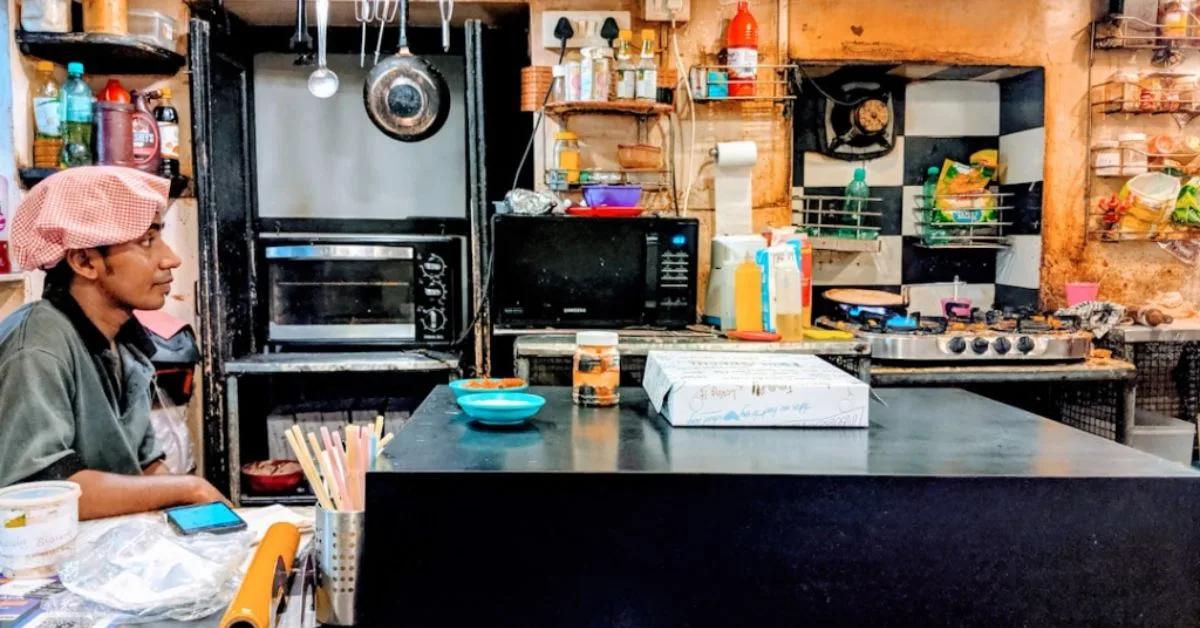
The Ghost Kitchen Gold Rush: Why I Almost Didn’t Write This Article
Let me start with a confession: I hesitated before writing this. Not because I don’t know ghost kitchens, Luna, my rescue cat, has watched me research them while batting at my keyboard at 3 AM, but because the space has become so noisy. Every other LinkedIn post is some “disruptor” promising that ghost kitchens are the future of food. Spoiler: they’re not the future. They’re the ow, and if you’re reading this, you’re either late to the party or smart enough to question the hype. Either way, welcome.
I first stumbled into the ghost kitchen world in 2022 when a friend, let’s call him Marco, because that’s his name, asked me to help him pivot his failing brick-and-mortar Italian spot into a delivery-only concept. He was bleeding money on rent, staff, and the kind of ambiance that only matters if someone’s actually sitting in your chairs. Within six months, his ghost kitchen was doing 3x the volume at half the cost. But here’s the kicker: it wasn’t easy. Not even close. There were permits we didn’t know existed, equipment that broke after two weeks, and a delivery app fee structure that made me question capitalism. So why am I writing this? Because I want you to avoid the landmines we stepped on.
By the end of this guide, you’ll know:
- Whether a ghost kitchen is actually right for your concept (hint: it’s not for everyone)
- The hidden costs no one talks about, like how your “cheap” commissary kitchen might charge you $500 a month just to store a single shelf of ingredients
- How to design a kitchen that doesn’t turn into a health department nightmare
- The brutal truth about delivery apps (and why you might want to kiss them goodbye)
- Real-world numbers from ghost kitchens that are actually profitable, not the Instagram fantasy
Is this the definitive guide to ghost kitchens? No. But it’s the one I wish Marco and I had when we started. Let’s dive in.
The Ghost Kitchen Reality Check: Are You Cut Out for This?
1. The Myth vs. The Math
I’ll never forget the first time I heard a ghost kitchen pitch. It went something like this: “Imagine a restaurant with no rent, no front-of-house staff, and no angry Yelp reviewers complaining about the music. Just pure, unadulterated profit.” Sounds dreamy, right? Here’s the reality:
Ghost kitchens do eliminate some costs, rent for dining space, decor, host stands, but they introduce a whole new set of expenses that no one talks about. For example:
- Commissary kitchen rentals can run $2,000–$10,000/month depending on location and amenities. That’s not nothing.
- Delivery app fees will eat 15–30% of every order. Yes, you read that right. If you’re not careful, you’re working for DoorDash, not the other way around.
- Packaging costs for delivery are 3–5x higher than dine-in. Those compostable bowls? They’re not cheap, and they’re not optional.
- Marketing becomes your lifeline. No storefront means no foot traffic. If you’re not spending on ads, you’re invisible.
So, is the math still in your favor? Let’s run a quick (and very rough) example. Say you’re selling a $15 burger. Here’s how the numbers might shake out:
- Food cost: $4.50 (30%)
- Packaging: $1.50
- Delivery app fee: $3.75 (25%)
- Labor: $2.00 (you’re doing most of the work, but not all)
- Kitchen rent: $1.50 (assuming $3,000/month rent and 2,000 orders)
- Marketing: $1.00
- Profit: $0.75 per burger
Now, $0.75 per burger isn’t terrible, if you’re selling 1,000 burgers a day. But are you? Be honest. The ghost kitchen graveyard is full of concepts that assumed “if you build it, they will order.” They won’t. Not without a plan.
2. Who Ghost Kitchens Actually Work For (And Who Should Run Away)
Not every food concept belongs in a ghost kitchen. Some thrive in the format; others flounder. Here’s how to know which camp you’re in:
✅ Ghost Kitchen Champions:
- Delivery-native cuisines: Think burgers, wings, pizza, tacos, ramen. These travel well and have broad appeal. If your food gets soggy in 10 minutes, reconsider.
- Multi-brand operators: Ghost kitchens let you run 3–4 concepts out of one kitchen. Love sushi and Thai food? Great! But don’t expect customers to order both from the same “restaurant.”
- Test kitchens: Want to validate a concept before signing a 10-year lease? Ghost kitchens are perfect for this. Just don’t expect to scale overnight.
- Catering-heavy businesses: If you’re already doing large orders, a ghost kitchen can help you fulfill them without a storefront.
❌ Ghost Kitchen Flops:
- Fine dining: Sorry, but a $50 steak doesn’t taste the same after 30 minutes in a bag. Ghost kitchens are for volume, not Michelin stars.
- Niche concepts: If your target audience is “people who love 19th-century French desserts,” you’ll struggle to get enough orders to cover costs.
- Experience-driven food: No one’s Instagramming your delivery-only fondue. If the draw is the vibe, not the food, ghost kitchens aren’t for you.
- Low-margin items: If your food cost is 40% or higher, the delivery app fees will kill you. Ghost kitchens reward efficiency, not artistry.
I’m torn here. On one hand, I want to encourage experimentation. On the other, I’ve seen too many chefs burn through savings chasing a ghost kitchen dream that wasn’t right for them. Maybe I should clarify: ghost kitchens aren’t a shortcut. They’re a different kind of restaurant, with different rules. If you’re not ready to play by those rules, you’ll lose.
3. The Legal Landmines You Didn’t See Coming
Here’s where things get messy. Ghost kitchens operate in a legal gray area that’s still being defined in 2026. What’s allowed in Nashville might get you shut down in New York. Here’s what you eed to know:
- Permits: Most cities require a retail food establishment permit, even if you don’t have a storefront. Some, like Los Angeles, have started requiring ghost kitchen-specific permits. Check with your local health department, don’t assume.
- Zoning: Some cities have zoned ghost kitchens out of residential areas. Others require them to be in commercial or industrial zones. If you’re renting a space in a strip mall, make sure it’s zoned for food production.
- Shared kitchens: If you’re operating out of a commissary kitchen, you’ll need to ensure the space is permitted for multiple businesses. Some kitchens are set up for one tenant only, if you’re sharing, you could be in violation.
- Delivery app requirements: Some apps require you to have a physical address for your business, even if it’s just a virtual brand. Others will let you use the commissary kitchen’s address. This varies by app and by city.
- Food safety: Ghost kitchens are held to the same food safety standards as traditional restaurants. That means regular inspections, food handler’s permits for staff, and proper storage for ingredients. The health department doesn’t care if you don’t have customers on-site, they care if you’re making people sick.
Here’s the kicker: many ghost kitchen operators don’t realize they’re breaking the law until it’s too late. I’ve heard stories of kitchens getting shut down because they were operating out of a space that wasn’t zoned for food production, or because they shared a commissary kitchen with another business that got flagged for violations. Don’t be that guy. Do your homework.
Designing Your Ghost Kitchen: Where Efficiency Meets Sanity
4. The Commissary Kitchen Dilemma: Rent, Buy, or Build?
Your first big decision: where will you cook? You’ve got three options, each with its own pros and cons.
Option 1: Rent a Commissary Kitchen
This is the most common path for ghost kitchen newbies. Commissary kitchens are shared spaces designed for food production. They come with equipment, permits, and (usually) some level of support. Here’s what you need to know:
- Pros:
- Low upfront cost (typically $1,500–$5,000/month)
- No long-term commitment (most leases are month-to-month or 6–12 months)
- Permits are usually handled by the kitchen
- Access to equipment you might not be able to afford (like industrial fryers or walk-in freezers)
- Cons:
- Limited customization (you’re working with what they’ve got)
- Shared space means shared problems (like another tenant hogging the oven)
- Hidden fees (storage, extra hours, equipment rental)
- No equity, you’re essentially renting someone else’s dream
Option 2: Buy or Lease a Dedicated Space
If you’re serious about scaling, you might want your own space. This is a bigger commitment, but it gives you more control.
- Pros:
- Full customization (design the kitchen for your exact needs)
- No shared space means no scheduling conflicts
- Potential for equity (if you own the space)
- More professional (some delivery apps prefer dedicated kitchens)
- Cons:
- High upfront cost ($50,000–$200,000+ for buildout and equipment)
- Longer commitment (leases are typically 3–5 years)
- You’re responsible for permits, maintenance, and repairs
- Harder to pivot if your concept flops
Option 3: Build a Dark Store (For the Bold)
This is the most advanced option, but it’s gaining traction. A dark store is a hybrid between a ghost kitchen and a retail space. It’s a small, delivery-only storefront where customers can pick up orders (or you can fulfill them for delivery). Think of it as a ghost kitchen with a tiny storefront for order pickup.
- Pros:
- Lower delivery app fees (if customers pick up)
- Brand visibility (even if it’s just a small sign)
- Flexibility (can pivot to pickup or delivery as needed)
- Cons:
- Higher rent than a pure ghost kitchen
- More permits and regulations (since it’s technically a retail space)
- Still not a full restaurant (so no dine-in revenue)
So, which option is right for you? I’m torn between recommending commissary kitchens for beginners and dedicated spaces for those with more experience. Ultimately, it comes down to your budget and your long-term goals. If you’re just testing a concept, start with a commissary kitchen. If you’re all-in, a dedicated space might be worth the investment.
5. Ghost Kitchen Layout: The 5 Zones You Can’t Ignore
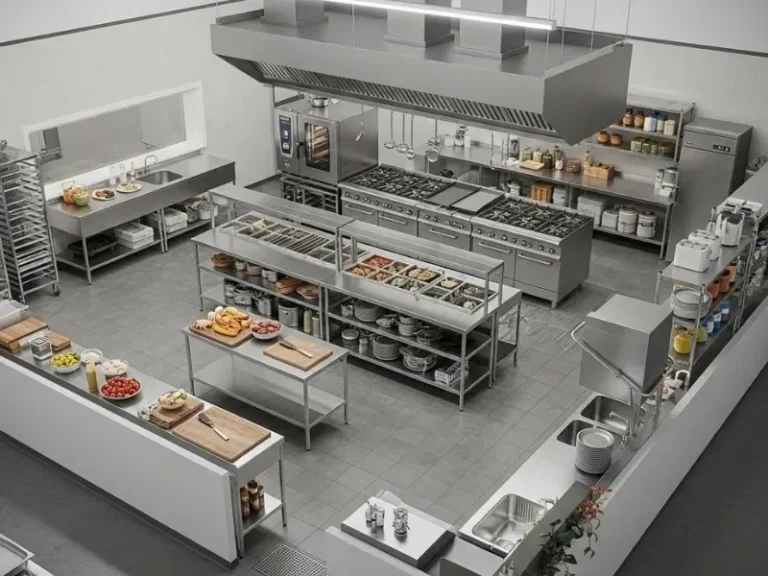
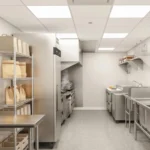
Designing a ghost kitchen is like playing Tetris with health codes. Every inch matters, and one wrong move can bottleneck your entire operation. Here’s how to break it down:
Zone 1: Receiving and Storage
This is where ingredients come in and get stored. Key considerations:
- Dock space: If you’re getting daily deliveries, you need a loading dock or at least a space where trucks can pull up. No dock? You’ll be hauling boxes through the kitchen, which is a recipe for chaos.
- Dry storage: Shelving should be 6 inches off the floor (health code requirement) and organized by ingredient type. Label everything, trust me, you’ll thank me later.
- Cold storage: Walk-in coolers and freezers are ideal, but reach-in units work for smaller spaces. Just make sure they’re NSF-certified (that’s the gold standard for commercial refrigeration).
- Inventory rotation: Use the FIFO method (First In, First Out) to avoid waste. Label everything with dates and use the oldest ingredients first.
Zone 2: Prep
This is where the magic happens, or where it all falls apart. Your prep area should be:
- Separate from cooking: Health codes often require raw prep (like chopping vegetables) to be separate from cooked food prep. If space is tight, at least use separate cutting boards and utensils.
- Ergonomic: Your staff will be standing here for hours. Invest in anti-fatigue mats and make sure work surfaces are at a comfortable height.
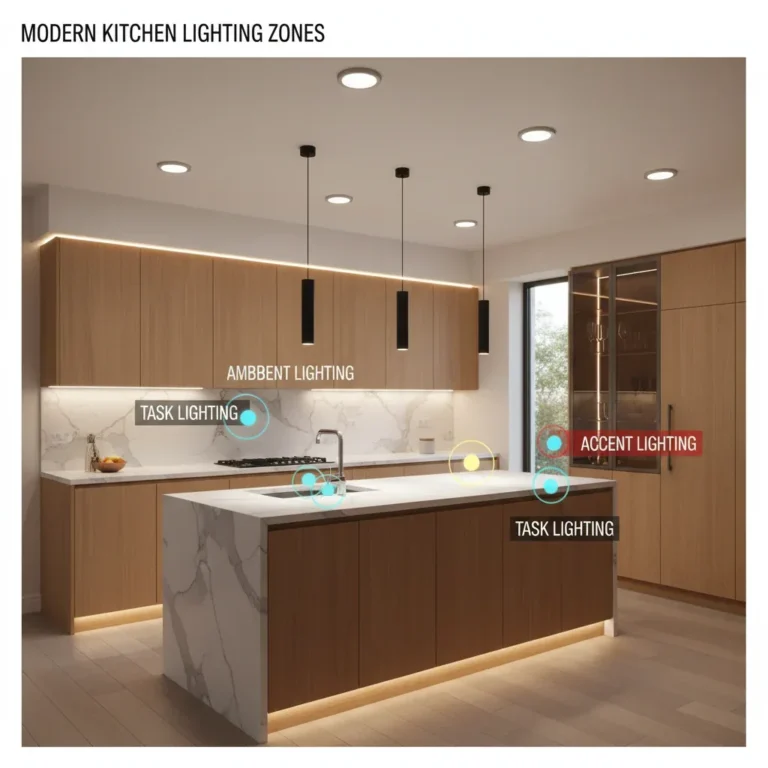
- Well-lit: No one wants to chop onions in the dark. LED lighting is energy-efficient and bright.
- Easy to clean: Stainless steel counters are ideal because they’re non-porous and easy to sanitize. Avoid wood or porous materials.
Zone 3: Cooking
This is the heart of your ghost kitchen. Key considerations:
- Equipment layout: Arrange your equipment in the order of your cooking process. For example, if you’re making burgers, your grill should be next to your prep station, which should be next to your assembly line.
- Ventilation: This is non-negotiable. A commercial hood system is required by code, and it’s not cheap. Expect to spend $10,000–$30,000 on installation. But it’s worth it, no one wants to work in a kitchen that feels like a sauna.
- Fire suppression: If you’re using gas equipment, you’ll need a fire suppression system. This is another non-negotiable (and another $5,000–$15,000 expense).
- Space between equipment: Health codes require 18 inches of clearance between equipment and walls for cleaning. Don’t skimp on this, inspectors will notice.
Zone 4: Assembly and Packaging
This is where orders come together and get packed for delivery. It’s also where most ghost kitchens fail. Here’s how to get it right:
- Dedicated assembly line: Don’t just throw orders together on a random counter. Create a linear assembly line where each step has its own station (e.g., sauces, toppings, packaging).
- Packaging station: This is where you’ll store your delivery containers, utensils, and condiments. Keep it organized, nothing slows you down like digging through a pile of boxes for the right lid.
- Quality control: Assign someone to double-check orders before they go out. Missing a side of fries might seem small, but it’s a surefire way to get a bad review.
- Temperature control: If you’re packing hot food, use insulated bags to keep it warm. If you’re packing cold food, use ice packs. No one wants lukewarm pad thai.
Zone 5: Dispatch
This is where orders get handed off to delivery drivers. It’s the last step, but it’s critical:
- Driver staging area: Create a space where drivers can wait without blocking your kitchen. This could be as simple as a shelf with numbered slots for orders.
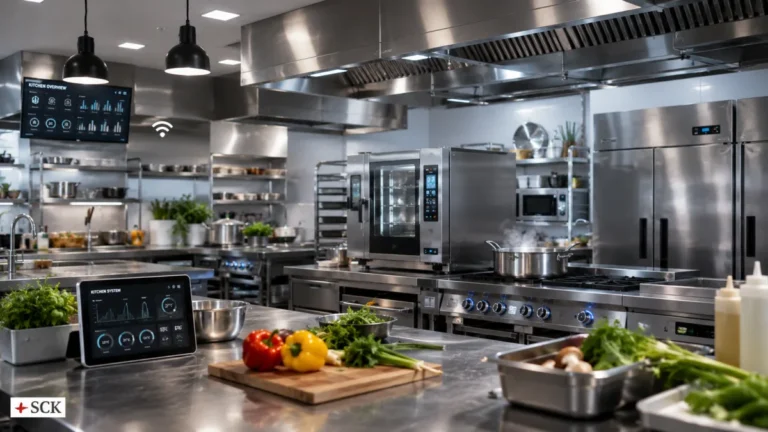
- Order tracking: Use a kitchen display system (KDS) to track orders in real time. This helps you prioritize orders and avoid bottlenecks.
- Communication: If you’re using third-party delivery apps, make sure your kitchen is synced with their system. Nothing’s worse than a driver showing up for an order that isn’t ready.
- Security: Ghost kitchens are targets for theft. Keep your dispatch area secure, and consider installing cameras if you’re in a high-traffic area.
Is this the best approach? Let’s consider: some ghost kitchens skip the dispatch zone entirely and just hand orders to drivers at the assembly line. That works for low-volume kitchens, but if you’re doing 100+ orders a day, you’ll need a dedicated space. Maybe I should clarify: the size of your dispatch zone depends on your volume. Start small, but leave room to grow.
6. Equipment: The Ghost Kitchen Essentials (And What You Can Skip)
Equipment is where ghost kitchens can get expensive fast. Here’s what you actuallyeed, and what you can live without:
Must-Haves:
- Commercial range and oven: A 6-burner range with a convection oven is the workhorse of most ghost kitchens. Expect to spend $3,000–$8,000.
- Fryer: If you’re serving fried food (and let’s be honest, most ghost kitchens are), you’ll need a commercial fryer. A 35-pound fryer runs about $1,500–$3,000.
- Grill or griddle: For burgers, sandwiches, and searing proteins. A 36-inch griddle will set you back $2,000–$5,000.
- Refrigeration: At minimum, you’ll need a reach-in fridge and freezer ($2,000–$5,000 each). If you’re storing a lot of ingredients, consider a walk-in cooler ($8,000–$20,000).
- Prep tables: Stainless steel tables with sinks are essential for food prep. Budget $500–$1,500 per table.
- Ventilation hood: As mentioned earlier, this is non-negotiable. A Type I hood (for grease-laden vapors) is required for most ghost kitchens. Expect to spend $10,000–$30,000.
- Fire suppression system: Required if you’re using gas equipment. Budget $5,000–$15,000.
- Sinks: Health codes require three-compartment sinks for washing, rinsing, and sanitizing. You’ll also need a handwashing sink. Budget $1,000–$3,000 for both.
- Smallwares: This includes pots, pans, utensils, cutting boards, and storage containers. Budget $1,000–$3,000 for a basic setup.
Nice-to-Haves (But Not Essential):
- Combi oven: These versatile ovens can steam, bake, and roast, but they’re expensive ($10,000–$30,000). If you’re not doing fine dining, you can skip this.
- Sous vide machine: Great for precision cooking, but overkill for most ghost kitchens. Stick to traditional methods unless you’re doing something niche.
- Automated fryers: These can save labor, but they’re expensive ($10,000–$20,000). If you’re frying a lot, they might be worth it.
- High-end blenders: Unless you’re making smoothies or sauces, a basic commercial blender will do.
- Espresso machine: Unless you’re running a coffee-focused ghost kitchen, skip this. It’s a lot of money for a small revenue stream.
What You Can Skip:
- Dining furniture: You don’t need tables, chairs, or decor. Save your money.
- POS system: Most ghost kitchens use delivery app integrations or a simple tablet-based system. A full POS is overkill.
- Dishwasher: If you’re in a commissary kitchen, they might have one. If not, a three-compartment sink will do.
- Decorative lighting: No one’s Instagramming your ghost kitchen. Stick to functional lighting.
I’m torn between recommending new equipment and used. New equipment comes with warranties and reliability, but it’s expensive. Used equipment can save you money, but it comes with risks (like hidden repairs). Ultimately, it depends on your budget. If you’re just starting out, consider leasing equipment or buying used from a reputable dealer. If you’re scaling, invest in new.
The Delivery App Dilemma: Your Best Friend and Worst Enemy
7. The Brutal Truth About Third-Party Delivery Apps
Let’s talk about the elephant in the room: delivery apps. They’re the reason ghost kitchens exist, but they’re also the reason many of them fail. Here’s the deal:
Delivery apps like DoorDash, Uber Eats, and Grubhub are essential for most ghost kitchens. They handle delivery, marketing, and customer acquisition, things you’d otherwise have to do yourself. But they also take a huge cut of your revenue. Here’s how the fees break down:
- Commission fees: 15–30% of each order. Yes, you read that right. If you sell a $20 burger, the app takes $3–$6.
- Delivery fees: If you’re not handling delivery yourself, the app will charge you (or the customer) for delivery. This can add another $3–$5 per order.
- Service fees: Some apps charge a service fee on top of the commission. This is usually 5–10% of the order total.
- Promotion fees: If you want to appear at the top of the app’s search results, you’ll have to pay for promoted placements. This can add another 5–15% to your costs.
So, let’s revisit that $20 burger. After fees, here’s what you might actually take home:
- Order total: $20.00
- Commission (25%): -$5.00
- Service fee (5%): -$1.00
- Promotion fee (10%): -$2.00
- Your revenue: $12.00
Now, subtract your food cost ($6.00), packaging ($1.50), labor ($2.00), and kitchen rent ($1.50). You’re left with $1.00 profit per burger. That’s not sustainable unless you’re selling a lot of burgers.
Is there a way around this? Yes, but it’s not easy. Here are your options:
Option 1: Negotiate Lower Fees
Some delivery apps offer volume discounts for high-performing kitchens. If you’re doing 500+ orders a month, reach out to your account manager and ask for a better rate. You might be able to get your commission down to 15–20%.
Option 2: Use Delivery Apps for Marketing, Not Delivery
Some ghost kitchens use delivery apps to drive orders to their own website. Here’s how it works:
- List your menu on the app.
- When customers order, direct them to your website for future orders (e.g., “Order directly from us next time and save 10%!”).
- Use the app’s data to retarget customers with ads for your website.
This is a great way to reduce your dependency on delivery apps, but it requires a strong marketing strategy.
Option 3: Build Your Own Delivery Fleet
This is the most ambitious option, but it’s also the most profitable. If you handle delivery yourself, you keep 100% of the revenue. Here’s what you’ll need:
- Drivers: You can hire your own drivers or use a delivery management platform like Bringg or Onfleet.
- Vehicles: Drivers can use their own cars, or you can provide bikes or scooters for short distances.
- Insurance: You’ll need commercial auto insurance to cover your drivers. This can be expensive, so shop around.
- Technology: You’ll need a delivery app or website where customers can place orders. This can be as simple as a Shopify store with a delivery plugin.
Building your own delivery fleet is a big investment, but it pays off in the long run. Just ask Domino’s, they’ve been doing it for decades.
Option 4: Focus on Pickup Orders
If you’re operating a dark store, you can encourage customers to pick up their orders. This eliminates delivery fees entirely. Here’s how to make it work:
- Offer discounts: Give customers a 10% discount for picking up their order.
- Promote convenience: Highlight that pickup orders are ready faster than delivery.
- Create a seamless experience: Make sure your pickup process is easy and efficient. Use a kiosk or app to streamline orders.
I’m torn between recommending delivery apps and pushing for independence. On one hand, apps are a great way to get started. On the other, they’re a crutch that can stunt your growth. Ultimately, the best approach is to use delivery apps as a stepping stone, not a long-term solution. Start with them, but work toward building your own customer base.
8. The Dark Side of Delivery: What No One Tells You
Delivery apps aren’t just expensive, they’re also unpredictable. Here are some of the hidden challenges no one talks about:
1. Algorithm Changes
Delivery apps frequently update their algorithms, and these changes can destroy your business overnight. For example:
- In 2023, DoorDash changed its algorithm to prioritize “high-quality” restaurants (based on ratings, order volume, and other factors). Overnight, some ghost kitchens saw their order volume drop by 50%.
- Uber Eats has been known to deactivate restaurants without warning if they don’t meet certain performance metrics.
There’s no way to predict these changes, but you can mitigate the risk by diversifying your delivery platforms. Don’t rely on just one app.
2. Customer Expectations
When customers order delivery, they expect restaurant-quality food. But here’s the reality:
- Food degrades during delivery. Fries get soggy, burgers get cold, and sauces separate. You have to design your menu with delivery in mind.
- Customers blame you, not the delivery driver. If their food arrives late or cold, they’ll leave a bad review for your restaurant, not the app.
- Delivery apps don’t filter reviews. A customer who had a bad experience with the driver can leave a review that tanks your rating.
How do you manage this? Here are a few strategies:
- Design delivery-friendly food: Avoid dishes that don’t travel well. If you’re serving pizza, use a sturdy box and consider a pizza saver to prevent the top from sticking.
- Set realistic expectations: If your food takes 20 minutes to prepare, don’t promise 10-minute delivery. Underpromise and overdeliver.
- Respond to reviews: If a customer leaves a bad review, respond professionally and offer to make it right. This can turn a negative into a positive.
3. Driver Issues
Delivery drivers are the face of your business, but you have o control over them. Here are some common problems:
- Late deliveries: If a driver gets lost or takes too long, your food arrives cold and your customer is unhappy.
- Missing items: Drivers might forget a side of fries or a drink, and the customer will blame you.
- Rude behavior: If a driver is rude to a customer, it reflects poorly on your business.
How do you mitigate this? Here are a few ideas:
- Use driver ratings: Most delivery apps let you rate drivers. If a driver consistently gets bad ratings, request that they not deliver your orders.
- Include a thank-you note: A handwritten note in the delivery bag can go a long way toward building goodwill with customers.
- Offer driver incentives: Some ghost kitchens offer bonuses to drivers who deliver on time or get good ratings. This can improve your delivery experience.
4. Fraud and Chargebacks
Delivery apps are a hotbed for fraud. Here’s what you need to watch out for:
- Fake orders: Scammers will place orders with stolen credit cards, then dispute the charge after the food is delivered. You’re left with no food and no payment.
- Chargebacks: Even legitimate customers can dispute charges if they’re unhappy with their order. This can result in chargeback fees ($15–$30 per dispute) and lost revenue.
- Driver theft: Some drivers will steal food or cash from deliveries. This is hard to prove, but it happens.
How do you protect yourself?
- Verify orders: If an order seems suspicious (e.g., a large order from a new customer), call the customer to verify.
- Use fraud detection tools: Some delivery apps offer fraud detection tools that flag suspicious orders.
- Require CVV codes: For orders placed on your website, require customers to enter their CVV code (the 3-digit code on the back of their card). This reduces fraud.
I’m not trying to scare you, but these are real issues that ghost kitchen operators face every day. The key is to be prepared. Know the risks, and have a plan to mitigate them.
Marketing Your Ghost Kitchen: How to Stand Out in a Sea of Sameness
9. The Ghost Kitchen Marketing Playbook (That Actually Works)
Here’s the hard truth: o one cares about your ghost kitchen. Not yet, anyway. You’re competing with thousands of other delivery-only concepts, and most of them are forgettable. To succeed, you need a marketing strategy that cuts through the noise. Here’s how to do it:
1. Start with Your Brand
Your brand is more than just a logo, it’s the personality of your ghost kitchen. Here’s how to build one that resonates:
- Define your mission: Why does your ghost kitchen exist? Are you solving a problem (e.g., “healthy fast food”) or filling a gap (e.g., “authentic Nashville hot chicken”)?
- Create a unique voice: Are you playful? Serious? Irreverent? Your tone should be consistent across all your marketing channels.
- Design a memorable logo: Your logo should look good on a delivery bag, a website, and a social media profile. Keep it simple and scalable.
- Develop a color scheme: Colors evoke emotions. For example, red is associated with appetite, while green is associated with health. Choose colors that align with your brand.
2. Build a Website (Yes, Really)
You might think you don’t need a website, after all, you’re not a traditional restaurant. But here’s why you do:
- Direct orders: A website lets you bypass delivery app fees by taking orders directly from customers.
- SEO: A well-optimized website can help you rank in Google searches for terms like “best burgers near me.”
- Credibility: A professional website makes your ghost kitchen look legitimate. Without one, you’re just another fly-by-night operation.
- Email marketing: A website lets you collect email addresses for future marketing campaigns.
Here’s what your website should include:
- Online ordering: Use a platform like Toast, Square, or Shopify to let customers place orders directly.
- Menu: Keep it simple and easy to navigate. Include high-quality photos of your food.
- About page: Tell your story. Why did you start this ghost kitchen? What makes you unique?
- Contact information: Include your phone number, email, and social media links.
- FAQ: Answer common questions like “How long does delivery take?” and “Do you offer catering?”
3. Master Social Media (Without Going Broke)
Social media is the great equalizer for ghost kitchens. You don’t need a big budget, just a smart strategy. Here’s how to make it work:
Instagram:
- Post consistently: Aim for 3–5 posts per week. Mix food photos, behind-the-scenes content, and customer testimonials.
- Use hashtags: Hashtags like #NashvilleEats, #FoodDelivery, and #GhostKitchen can help you reach new audiences.
- Engage with followers: Respond to comments and messages. The more you engage, the more the algorithm will favor your posts.
- Run giveaways: Giveaways are a great way to grow your following. For example, “Tag 2 friends and follow us to win a free meal!”
TikTok:
- Show your process: People love behind-the-scenes content. Show how you make your food, package orders, or train your staff.
- Jump on trends: TikTok is all about trends. If there’s a viral food challenge, put your own spin on it.
- Use trending sounds: The right sound can make your video go viral. Check out the TikTok Creative Center to see what’s trending.
- Post at the right time: TikTok’s algorithm favors videos posted during peak hours (usually 6–9 PM).
Facebook:
- Run targeted ads: Facebook’s ad platform lets you target customers based on location, interests, and behaviors. Start with a small budget ($5–$10/day) and test different audiences.
- Join local groups: Join Facebook groups for your city or neighborhood and share your ghost kitchen with the group. Just make sure to follow the group’s rules, no spam!
- Post updates: Share news, promotions, and behind-the-scenes content. Facebook’s algorithm favors engaging content, so ask questions and encourage comments.
4. Email Marketing: The Underrated Powerhouse
Email marketing is one of the most cost-effective ways to market your ghost kitchen. Here’s how to do it right:
- Build your list: Offer a discount or free item in exchange for email signups. For example, “Sign up for our newsletter and get 10% off your first order!”
- Segment your list: Not all customers are the same. Segment your list based on order history, location, or preferences. For example, send vegetarian customers a promo for your veggie burger.
- Send regular emails: Aim for 1–2 emails per week. Mix promotions, news, and engaging content. For example:
- “This week only: 20% off all burgers!”
- “Meet our chef: How we make the perfect pizza.”
- “Customer spotlight: How Sarah discovered our ghost kitchen.”
- Automate your emails: Use a platform like Mailchimp or Klaviyo to automate your emails. For example, send a welcome email when someone signs up, or a follow-up email after their first order.
5. Paid Ads: How to Spend Smart
Paid ads can be a game-changer for ghost kitchens, but they can also be a money pit. Here’s how to spend smart:
Google Ads:
- Target local keywords: Bid on keywords like “best burgers near me” or “Nashville delivery food.”
- Use location targeting: Focus your ads on customers within a 5–10 mile radius of your ghost kitchen.
- Create landing pages: Don’t send ad traffic to your homepage. Create a dedicated landing page for each ad campaign.
- Track conversions: Use Google Analytics to track how many ad clicks turn into orders. If an ad isn’t converting, kill it.
Facebook/Instagram Ads:
- Use video ads: Video ads have higher engagement than static ads. Show your food being made or customers enjoying your meals.
- Target lookalike audiences: Upload your email list to Facebook and create a lookalike audience of people who are similar to your customers.
- Retarget website visitors: Use Facebook Pixel to retarget people who visited your website but didn’t order.
- Test different creatives: Run multiple ad variations to see what works best. Test different images, headlines, and calls to action.
6. Influencer Marketing: The Ghost Kitchen Secret Weapon
Influencer marketing is one of the most effective ways to market a ghost kitchen. Here’s how to do it right:
- Find the right influencers: Look for influencers who have a local following and a food-focused audience. Micro-influencers (10K–100K followers) often have higher engagement than macro-influencers.
- Offer value: Don’t just ask influencers to post about you. Offer them something in return, like a free meal, a discount code for their followers, or a commission on sales.
- Track results: Give influencers a unique discount code so you can track how many sales they drive.
- Build relationships: Don’t just work with influencers once. Build long-term relationships so they become brand ambassadors.
I’m torn between recommending organic marketing and paid ads. On one hand, organic marketing is free and builds long-term relationships. On the other, paid ads can scale quickly. Ultimately, the best approach is to do both. Start with organic marketing to build your audience, then use paid ads to scale.
10. The Future of Ghost Kitchens: Where Do We Go From Here?
Ghost kitchens aren’t going away. In fact, they’re evolving. Here’s what the future might hold:
1. Automation and AI
Automation is already making its way into ghost kitchens. Here’s how it might change the game:
- Robot chefs: Companies like Miso Robotics are developing robots that can flip burgers, fry food, and even assemble pizzas. These robots aren’t cheap, but they can reduce labor costs and improve consistency.
- AI-driven menus: AI can analyze customer data to optimize your menu for profitability and popularity. For example, if your data shows that customers who order burgers also order fries, AI might suggest a burger-and-fries combo.
- Automated delivery: Drones and self-driving cars are still in the early stages, but they could revolutionize delivery in the next decade.
2. Hybrid Models
Ghost kitchens are starting to blend with other business models. Here are a few examples:
- Dark stores: As mentioned earlier, dark stores are a hybrid between ghost kitchens and retail spaces. They’re becoming more popular as customers demand faster delivery times.
- Pop-up restaurants: Some ghost kitchens are experimenting with pop-up dining experiences. For example, a ghost kitchen might host a one-night-only dinner to build brand awareness.
- Subscription models: Some ghost kitchens are offering subscription services, where customers pay a monthly fee for unlimited delivery. This can create recurring revenue and build customer loyalty.
3. Sustainability
Sustainability is becoming a major focus for ghost kitchens. Here’s how they’re adapting:
- Eco-friendly packaging: Compostable containers, reusable bags, and edible packaging are becoming more common.
- Local sourcing: Ghost kitchens are partnering with local farms and suppliers to reduce their carbon footprint.
- Waste reduction: Some ghost kitchens are using AI-driven inventory systems to reduce food waste. Others are donating excess food to local charities.
4. Virtual Brands
Virtual brands are delivery-only concepts that operate out of existing kitchens. For example, a pizza shop might launch a virtual burger brand out of the same kitchen. Here’s why this trend is growing:
- Low overhead: Virtual brands don’t require a separate kitchen or staff. They can operate out of an existing space.
- Diversified revenue: Virtual brands let you test new concepts without risking your main brand.
- Targeted marketing: Virtual brands let you target niche audiences. For example, a pizza shop might launch a vegan pizza brand to attract vegan customers.
Is this the future of ghost kitchens? Maybe. But here’s the thing: the fundamentals won’t change. Ghost kitchens will still need to focus on efficiency, quality, and customer experience. The tools might evolve, but the principles will stay the same.
Wrapping Up: Your Ghost Kitchen Checklist
We’ve covered a lot of ground, so let’s recap the key steps to launching your ghost kitchen:
- Validate your concept: Is there demand for your food? Test it with a pop-up or catering gig before committing.
- Choose your kitchen: Rent a commissary kitchen, lease a dedicated space, or build a dark store. Start small and scale as you grow.
- Design your layout: Focus on efficiency and compliance. Every inch matters in a ghost kitchen.
- Invest in equipment: Buy what you need, not what you want. Start with the essentials and upgrade as you grow.
- Navigate the legal landscape: Get the right permits, follow zoning laws, and comply with food safety regulations.
- Master delivery: Use delivery apps as a stepping stone, but work toward building your own customer base.
- Market like a pro: Build a brand, create a website, and leverage social media, email marketing, and influencers.
- Focus on sustainability: Reduce waste, source locally, and use eco-friendly packaging.
- Plan for the future: Stay ahead of trends like automation, hybrid models, and virtual brands.
- Never stop improving: Listen to customer feedback, analyze your data, and pivot when necessary.
Launching a ghost kitchen isn’t easy, but it’s one of the most exciting opportunities in the food industry right now. The barriers to entry are lower than ever, and the potential for growth is massive. But success won’t come overnight. It takes hard work, smart decisions, and a willingness to adapt.
So, are you ready to take the leap? I can’t promise it’ll be easy, but I can promise it’ll be worth it. And if you ever feel like giving up, just remember: every ghost kitchen that’s thriving today started with someone who was willing to try something new.
Now, go build something great. And if you ever need a second opinion, you know where to find me, probably typing away at 3 AM with Luna curled up on my lap.
FAQ: Ghost Kitchen Questions You’re Too Embarrassed to Ask
Q: Do I need a business license to start a ghost kitchen?
A: Yes, you’ll need a business license and a retail food establishment permit from your local health department. Some cities also require a ghost kitchen-specific permit. Check with your local government to make sure you’re compliant.
Q: How much does it cost to start a ghost kitchen?
A: The cost varies widely depending on your location, equipment, and kitchen setup. Here’s a rough breakdown:
- Commissary kitchen rental: $1,500–$5,000/month
- Equipment: $10,000–$50,000 (new) or $5,000–$20,000 (used)
- Permits and licenses: $1,000–$5,000
- Marketing: $500–$2,000/month
- Miscellaneous (packaging, smallwares, etc.): $1,000–$3,000
Total startup cost: $20,000–$100,000+. You can start smaller, but this is a realistic range for most ghost kitchens.
Q: Can I run multiple brands out of one ghost kitchen?
A: Yes! This is one of the biggest advantages of ghost kitchens. You can run 3–4 brands out of one kitchen, as long as they don’t compete with each other. For example, you could run a burger brand, a taco brand, and a pizza brand all out of the same space. Just make sure each brand has its own menu, branding, and marketing strategy.
Q: How do I handle customer complaints in a ghost kitchen?
A: Customer complaints are inevitable, but how you handle them can make or break your ghost kitchen. Here’s what to do:
- Respond quickly: The faster you respond, the more likely you are to resolve the issue.
- Apologize sincerely: Even if the issue wasn’t your fault, apologize for the customer’s experience.
- Offer a solution: This could be a refund, a replacement order, or a discount on their next order.
- Learn from the feedback: Use customer complaints to improve your operations. If multiple customers complain about the same issue, it’s a sign that something needs to change.
@article{ghost-kitchen-setup-in-2026-the-brutally-honest-guide-to-launching-without-the-dining-drama,
    title   = {Ghost Kitchen Setup in 2026: The Brutally Honest Guide to Launching Without the Dining Drama},
    author  = {Chef's icon},
    year    = {2026},
    journal = {Chef's Icon},
    url     = {https://chefsicon.com/ghost-kitchen-setup/}
}