The Best Fluffy Pancakes recipe you will fall in love with. Full of tips and tricks to help you make the best pancakes.
I’ll admit it, I used to think breadcrumbs were just for meatballs, crab cakes, or that sad, dry topping on a casserole that no one actually eats. It wasn’t until I spent a week shadowing a chef in a Nashville hot chicken joint (yes, the one with the line out the door) that I realized how wrong I was. The secret to their signature white sauce? A whisper of toasted panko, stirred in at the last second. It didn’t just thicken the sauce; it gave it this almost *luxurious* mouthfeel, like someone had snuck a little velvet into the mix. That’s when it hit me: breadcrumbs aren’t just a filler. They’re a tool. And if you’re only using them for pesto or as a binder, you’re missing out on one of the cheapest, most versatile ingredients in your commercial kitchen.
Now, I’m not saying you should start dumping handfuls of stale bread into every sauce that crosses your line. (Please don’t.) But there’s a whole world of texture, body, and even flavor waiting for you if you’re willing to get a little creative. The problem? Most chefs treat breadcrumbs like an afterthought, something to toss in when a sauce is too thin or a dish needs a little crunch. But what if I told you they could be the star of the show? Or at least the unsung hero that takes your sauces from *good* to *”how did you make this so damn good?”*?
In this deep dive, we’re going beyond the basics. We’ll talk about how breadcrumbs can thicken, emulsify, add body, and even carry flavor in ways you might not expect. We’ll cover the science (yes, there’s science), the techniques, and the *why* behind each method, plus a few mistakes I’ve made so you don’t have to. By the end, you’ll never look at that box of panko the same way again. And if you’re skeptical? Fair. But hear me out: if a humble breadcrumb can turn a simple white sauce into something people wait in line for, what else can it do?
Let’s find out.
The Forgotten Role of Breadcrumbs in Sauces: More Than Just a Thickener
Why Breadcrumbs Work (And When They Don’t)
First, let’s talk about what breadcrumbs actually *do* in a sauce. At their core, they’re a starch. But unlike flour or cornstarch, which dissolve into a sauce and create a smooth, often pasty texture, breadcrumbs retain some of their structure. That’s the key. When you add them to a liquid, they absorb moisture but don’t fully break down, at least, not right away. This gives you control over the final texture. Want a sauce with a little *bite*? Use coarse breadcrumbs and add them late. Need something silky but still substantial? Finer crumbs, toasted, and blended in early.
But here’s where it gets interesting: breadcrumbs aren’t just a mechanical tool. They’re a flavor carrier. Think about it. When you toast breadcrumbs, you’re creating Maillard reactions, those same chemical processes that give seared meat and roasted coffee their depth. That means your breadcrumbs aren’t just adding texture; they’re adding *flavor*. And depending on what you toast them in (olive oil, butter, rendered fat from your protein), you can layer in even more complexity. I’ve seen chefs use everything from smoked paprika-infused oil to brown butter to give their breadcrumbs a signature taste. It’s like having a secret weapon in your back pocket.
Now, I’m not saying breadcrumbs are the answer to every sauce problem. There are times when they’re the wrong choice. If you’re making a delicate beurre blanc or a consommé, for example, you’re not reaching for panko. (Please don’t.) Breadcrumbs work best in sauces where you want *body* and *texture*-think gravies, pan sauces, reductions, and even some creamy or tomato-based sauces. They’re also a game-changer for vegan and vegetarian dishes, where you might not have the benefit of animal fats or collagen to create richness. But even in those cases, you’ve got to use them thoughtfully. Too many, and your sauce turns into a gritty paste. Too few, and you won’t notice they’re there at all. It’s a balance, and like most things in cooking, it’s part science, part intuition.
So, when *should* you use breadcrumbs? Here’s a quick cheat sheet:
- Thickening without gumminess: Unlike flour, breadcrumbs add body without making a sauce feel heavy or starchy. Perfect for pan sauces where you want a light, velvety texture.
- Adding texture: Want a sauce with a little *crunch* or *chew*? Toasted breadcrumbs can give you that without adding chunks of vegetables or nuts.
- Emulsifying: Breadcrumbs can help stabilize emulsions, especially in vinaigrettes or lighter sauces where oil and acid might separate.
- Extending sauces: In a commercial kitchen, every penny counts. Breadcrumbs can stretch a sauce further without sacrificing quality, which is a win for your bottom line.
- Flavor absorption: Breadcrumbs soak up flavors like a sponge. Toast them in rendered fat, herbs, or spices, and they’ll carry those flavors into your sauce.
But, and this is a big but, breadcrumbs aren’t a one-size-fits-all solution. They work best in certain contexts, and if you force them into a sauce where they don’t belong, you’ll end up with a mess. So, before you start sprinkling them into everything, let’s talk about how to choose the right type of breadcrumb for the job.
Choosing the Right Breadcrumbs: It’s Not Just About Panko
Walk into any grocery store, and you’ll see at least three types of breadcrumbs: plain, Italian-style, and panko. But in a commercial kitchen, you’ve got way more options, and each one behaves differently in a sauce. The type of breadcrumb you use can make or break your dish, so let’s break it down.
1. Panko: The king of texture. Panko is made from crustless white bread that’s processed into flakes, not crumbs. That means it’s lighter, airier, and stays crispier longer than traditional breadcrumbs. In sauces, panko is your best friend when you want *presence*-think of it as the *crunch* in a creamy sauce or the *bite* in a pan sauce. But because it’s so light, it can also absorb a ton of liquid without turning mushy. That makes it ideal for thickening sauces where you don’t want a pasty texture. The downside? Panko doesn’t have a ton of flavor on its own, so you’ll need to toast it in fat or season it well before adding it to a sauce.
2. Fresh Breadcrumbs: These are made from stale bread that’s been pulsed in a food processor. They’re softer and more absorbent than panko, which makes them great for sauces where you want a smoother texture. Think of them as the *velvet* of breadcrumbs, they’ll thicken a sauce without adding grittiness. Fresh breadcrumbs are also fantastic for binding sauces, especially in dishes like meatloaf or stuffed vegetables where you need a little extra cohesion. The catch? They can turn a sauce gluey if you’re not careful. You’ve got to add them gradually and give them time to absorb liquid without overmixing.
3. Dried Breadcrumbs: These are your standard, store-bought breadcrumbs. They’re convenient, shelf-stable, and consistent, which is why they’re a staple in most commercial kitchens. Dried breadcrumbs are great for thickening sauces, but they lack the texture of panko or the absorbency of fresh crumbs. That means they’re best used in sauces where you want *subtle* body, like a tomato sauce or a gravy, rather than something with a lot of character. The downside? They can be a little bland, so you’ll want to toast them in fat or season them before adding them to a sauce.
4. Seasoned Breadcrumbs: These are dried breadcrumbs that have been pre-seasoned with herbs, spices, or even cheese. They’re a shortcut for adding flavor, but they can also be a trap. If you’re using them in a sauce, you’ve got to be careful not to overpower the other ingredients. Seasoned breadcrumbs work best in dishes where you want a *specific* flavor profile, like an Italian-style tomato sauce or a cheesy béchamel. But if you’re making a delicate pan sauce, you’re better off starting with plain breadcrumbs and seasoning them yourself.
5. Homemade Breadcrumbs: If you’ve got stale bread lying around, why not turn it into breadcrumbs? Homemade breadcrumbs are the most customizable option, and they’re a great way to reduce waste in your kitchen. You can make them from any type of bread, sourdough, baguette, whole wheat, and toast them in whatever fat or seasoning you like. The downside? They’re not as consistent as store-bought breadcrumbs, so you’ll need to adjust your ratios depending on the bread you use. But if you’re willing to put in the effort, homemade breadcrumbs can take your sauces to the next level.
So, which one should you use? It depends on the sauce. Here’s a quick guide:
- For texture: Panko (toasted in fat for extra flavor).
- For thickening: Fresh breadcrumbs (add gradually to avoid gumminess).
- For convenience: Dried breadcrumbs (toast in fat to enhance flavor).
- For flavor: Seasoned or homemade breadcrumbs (use sparingly to avoid overpowering the sauce).
Now that you’ve got your breadcrumbs sorted, let’s talk about how to prep them for maximum impact.
Prepping Breadcrumbs for Sauces: The Toasting and Seasoning Game
To Toast or Not to Toast? (Spoiler: Toast.)
Here’s a hard truth: raw breadcrumbs are the enemy of good sauce. If you dump them into a liquid without toasting them first, you’re basically adding a bunch of flavorless, soggy sponges. Toasting breadcrumbs does two things: it removes moisture, which prevents them from turning mushy in your sauce, and it develops flavor through the Maillard reaction. That’s the same process that gives seared meat and roasted vegetables their depth, and it’s why toasted breadcrumbs taste so much better than raw ones.
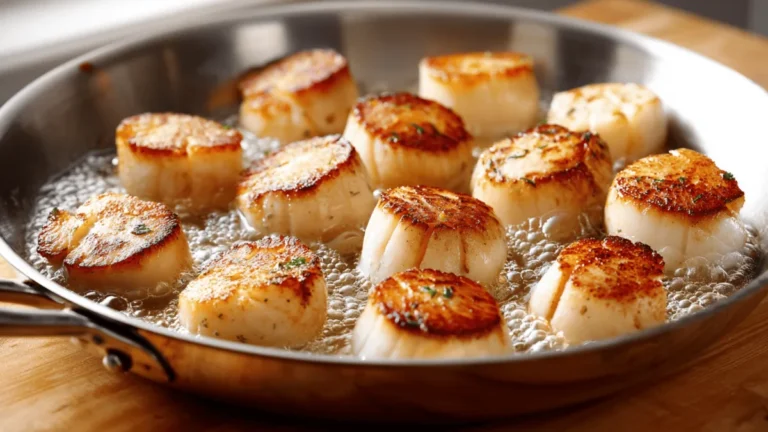
But here’s where it gets tricky: how you toast your breadcrumbs matters. Dry-toasting in a pan will give you a neutral flavor, which is fine if you’re using the breadcrumbs purely for texture. But if you want to add layers of flavor to your sauce, you’ve got to toast them in fat. Butter, olive oil, rendered bacon fat, whatever you choose, the fat will carry the flavor of the breadcrumbs into your sauce. I’ve seen chefs get *really* creative with this. One of my favorites was a chef who toasted panko in brown butter and thyme, then used it to thicken a pan sauce for scallops. The result? A sauce that tasted like it had been simmering for hours, but it only took 10 minutes.
Here’s how to do it:
- Choose your fat: Butter adds richness, olive oil adds fruitiness, and rendered fat (like bacon or duck fat) adds depth. For most sauces, I recommend starting with a neutral oil like grapeseed or vegetable oil, then finishing with butter for flavor.
- Heat the fat: Warm your fat in a pan over medium heat. You want it hot enough to sizzle when you add the breadcrumbs, but not so hot that it smokes.
- Add the breadcrumbs: Sprinkle the breadcrumbs into the pan in an even layer. Don’t overcrowd the pan, you want them to toast evenly, not steam.
- Stir frequently: Keep the breadcrumbs moving so they toast evenly and don’t burn. This should take about 3-5 minutes for dried breadcrumbs and 2-3 minutes for panko.
- Season: Once the breadcrumbs are golden brown, add your seasonings. Salt is a must, but you can also add herbs, spices, or even grated cheese. Stir to coat the breadcrumbs evenly, then remove them from the heat.
- Cool: Spread the toasted breadcrumbs on a baking sheet to cool. This stops the cooking process and prevents them from turning soggy.
Now, you’ve got toasted, seasoned breadcrumbs that are ready to add texture and flavor to your sauce. But how do you incorporate them without turning your sauce into a gritty mess? Let’s talk technique.
Seasoning Breadcrumbs: The Flavor Layer You’re Probably Missing
If you’re only toasting your breadcrumbs in fat and calling it a day, you’re missing out on a huge opportunity. Breadcrumbs are like little flavor sponges, they’ll soak up whatever you throw at them. That means you can use them to carry herbs, spices, citrus zest, or even umami bombs like nutritional yeast or fish sauce into your sauce. The key is to season them *before* you add them to the liquid. Once they’re in the sauce, it’s too late, they’ll just absorb the flavors that are already there.
Here are a few of my favorite ways to season breadcrumbs for sauces:
- Herb-Infused: Toast your breadcrumbs in olive oil, then stir in fresh herbs like thyme, rosemary, or parsley. This works especially well in pan sauces for chicken or fish.
- Spiced: Add ground spices like cumin, coriander, or smoked paprika to the breadcrumbs while they’re toasting. This is a great way to add depth to tomato sauces or gravies.
- Cheesy: Stir grated Parmesan or pecorino into the breadcrumbs after toasting. The cheese will melt slightly and coat the breadcrumbs, adding a salty, umami punch to your sauce.
- Citrusy: Add lemon or orange zest to the breadcrumbs for a bright, fresh flavor. This works well in creamy sauces or vinaigrettes.
- Umami Bomb: Toast your breadcrumbs in butter, then stir in nutritional yeast, fish sauce, or even a splash of soy sauce. This adds a savory depth that’s perfect for gravies or meat-based sauces.
But here’s the thing: you’ve got to be careful not to overdo it. Breadcrumbs can amplify flavors, but they can also overpower them if you’re not careful. Start with a small amount of seasoning, taste as you go, and remember that the flavors will mellow slightly once the breadcrumbs are added to the sauce. And if you’re using fresh herbs, add them at the very end of toasting, they’ll burn if you add them too early.
Now that your breadcrumbs are prepped and seasoned, let’s talk about how to actually use them in sauces. Because this is where things can get messy if you’re not careful.
Mastering the Technique: How to Add Breadcrumbs to Sauces Without Ruining Them
The Right Way to Incorporate Breadcrumbs (And the Wrong Way)
Okay, so you’ve got your toasted, seasoned breadcrumbs ready to go. Now what? How do you actually add them to a sauce without turning it into a grainy, lumpy disaster? The key is to treat breadcrumbs like you would any other thickening agent: add them gradually, stir constantly, and give them time to work their magic. But there are a few tricks that can make the process smoother.
First, let’s talk about the wrong way to do it. I’ve seen chefs dump a handful of breadcrumbs into a sauce, stir once, and walk away. Five minutes later, they’ve got a pot of glue. Breadcrumbs absorb liquid quickly, and if you don’t keep them moving, they’ll clump together and turn your sauce into a textural nightmare. The same goes for adding them all at once. If you dump a cup of breadcrumbs into a sauce, you’re basically guaranteeing that some of them will clump while others stay dry. You’ve got to add them gradually, stirring constantly, so they absorb the liquid evenly.
Here’s how to do it right:
- Start with a slurry: This is the easiest way to incorporate breadcrumbs into a sauce without clumping. Mix your breadcrumbs with a small amount of the sauce’s liquid (or water, if you’re in a pinch) to form a paste. Then, whisk this slurry into the sauce a little at a time. This ensures that the breadcrumbs are evenly distributed and prevents clumping.
- Add gradually: If you’re not using a slurry, add the breadcrumbs a tablespoon at a time, stirring constantly. This gives the breadcrumbs time to absorb the liquid without clumping. It’s a little more labor-intensive, but it’s worth it for a smooth sauce.
- Use the right tool: A whisk is your best friend when adding breadcrumbs to a sauce. It breaks up clumps and ensures that the breadcrumbs are evenly distributed. If you’re working with a thicker sauce, a wooden spoon or spatula will work, but you’ll need to stir more vigorously to prevent clumping.
- Simmer gently: Once the breadcrumbs are incorporated, let the sauce simmer gently for a few minutes. This gives the breadcrumbs time to absorb the liquid and thicken the sauce. But don’t walk away, you’ll need to stir occasionally to prevent the sauce from sticking to the bottom of the pan.
- Adjust the seasoning: Breadcrumbs can dilute the flavor of a sauce, so you’ll likely need to adjust the seasoning after adding them. Taste as you go, and don’t be afraid to add a little more salt, acid, or fat to bring the flavors back into balance.
Now, let’s talk about when to add the breadcrumbs. This is where things get a little more nuanced. The timing depends on the type of sauce you’re making and the texture you’re going for.
- Early addition: If you’re making a sauce that needs to simmer for a while, like a tomato sauce or a gravy, add the breadcrumbs early. This gives them time to break down and thicken the sauce without leaving a gritty texture. Just be aware that the longer the sauce simmers, the more the breadcrumbs will break down, so you might need to add a little extra to get the right consistency.
- Late addition: If you’re making a pan sauce or a quick-cooking sauce, add the breadcrumbs at the end. This preserves their texture and gives the sauce a little *bite*. It’s also a great way to add a finishing touch to a creamy sauce, like a béchamel or a velouté.
- As a garnish: Don’t underestimate the power of breadcrumbs as a finishing touch. A sprinkle of toasted panko on top of a creamy sauce can add a satisfying crunch, while a dusting of seasoned breadcrumbs can elevate a simple tomato sauce. This is a great way to add texture without altering the sauce itself.
But what if things go wrong? Because let’s be real, sometimes they do. Here’s how to fix common breadcrumb-related sauce disasters.
Troubleshooting: When Breadcrumbs Go Wrong (And How to Fix It)
Even the best-laid plans can go awry, and breadcrumbs are no exception. Maybe your sauce turned out too thick, or maybe it’s gritty instead of smooth. Whatever the issue, don’t panic, there’s usually a fix. Here are some common problems and how to solve them.
Problem 1: The sauce is too thick.
This is the most common issue, and it’s usually the result of adding too many breadcrumbs or not accounting for how much they’ll absorb. The good news? It’s an easy fix. Just thin the sauce with a little more liquid, water, stock, or even wine, and stir until it reaches the desired consistency. If you’re worried about diluting the flavor, use a liquid that complements the sauce, like chicken stock for a gravy or tomato juice for a marinara.
Problem 2: The sauce is gritty.
Grittiness is usually the result of adding breadcrumbs too quickly or not stirring enough. If your sauce is gritty, try blending it with an immersion blender or transferring it to a regular blender. This will break up any clumps and smooth out the texture. If you don’t have a blender, you can try straining the sauce through a fine-mesh sieve, but this will remove some of the breadcrumbs and may thin the sauce.
Problem 3: The sauce is bland.
Breadcrumbs can dilute the flavor of a sauce, especially if you’re using a lot of them. If your sauce tastes bland, try adding a little more salt, acid (like lemon juice or vinegar), or fat (like butter or olive oil). You can also boost the flavor with umami-rich ingredients like soy sauce, Worcestershire sauce, or nutritional yeast. And if all else fails, a splash of wine or stock can help bring the flavors back into balance.
Problem 4: The sauce is too starchy.
This usually happens when you use too many breadcrumbs or don’t toast them properly. If your sauce tastes starchy, try adding a little acid (like lemon juice or vinegar) to cut through the starchiness. You can also thin the sauce with a little more liquid to dilute the starch. And if you’re really in a bind, a pat of butter can help smooth out the texture and add richness.
Problem 5: The breadcrumbs didn’t absorb enough liquid.
This can happen if you add the breadcrumbs too late or don’t give them enough time to absorb the liquid. If your sauce is still thin after adding the breadcrumbs, try simmering it for a few more minutes to give the breadcrumbs time to work. You can also add a little more breadcrumbs, but be careful not to overdo it, you don’t want to end up with a thick, pasty sauce.
Now that we’ve covered the basics, let’s talk about some specific sauces where breadcrumbs can shine. Because while they’re versatile, they’re not a one-size-fits-all solution. Some sauces benefit from breadcrumbs more than others, and knowing which ones can help you get the most out of this humble ingredient.
Breadcrumb Sauce Recipes: 5 Commercial Kitchen Favorites
1. Creamy Pan Sauce with Toasted Panko
Pan sauces are one of the easiest ways to elevate a simple protein, and breadcrumbs can take them to the next level. The key is to use them sparingly, just enough to add body and texture without overwhelming the sauce. This recipe is a riff on a classic pan sauce, with toasted panko adding a subtle crunch and a nutty depth.
Ingredients:
- 2 tbsp butter
- 1/4 cup panko breadcrumbs
- 1 shallot, minced
- 1/2 cup dry white wine
- 1 cup chicken stock
- 1/4 cup heavy cream
- 1 tbsp Dijon mustard
- Salt and pepper to taste
- 1 tbsp fresh parsley, chopped
Instructions:
- Melt the butter in a skillet over medium heat. Add the panko and toast, stirring frequently, until golden brown, about 3-4 minutes. Remove the panko from the skillet and set aside.
- In the same skillet, add the shallot and cook until softened, about 2 minutes. Deglaze the pan with the white wine, scraping up any browned bits from the bottom of the skillet.
- Add the chicken stock and bring to a simmer. Let the sauce reduce by half, about 5 minutes.
- Stir in the heavy cream and Dijon mustard. Simmer for another 2 minutes, then remove from heat.
- Gradually whisk in the toasted panko, a tablespoon at a time, until the sauce reaches your desired consistency. Season with salt and pepper to taste.
- Garnish with fresh parsley and serve over your favorite protein.
Why it works: The toasted panko adds a subtle crunch and a nutty flavor to the sauce, while also thickening it without making it feel heavy. The key is to add the panko at the end, so it retains its texture. And because the sauce is already rich from the butter and cream, the panko doesn’t need to do all the heavy lifting, it’s just there to add a little something extra.
2. Tomato Sauce with Herb-Infused Breadcrumbs
Tomato sauce is a staple in most commercial kitchens, and breadcrumbs can help stretch it further without sacrificing flavor. This recipe uses herb-infused breadcrumbs to add depth and texture to a simple marinara. It’s a great way to use up stale bread, and it’s a hit with customers who love a little *bite* in their sauce.
Ingredients:
- 2 tbsp olive oil
- 1/2 cup fresh breadcrumbs
- 2 cloves garlic, minced
- 1/4 cup fresh basil, chopped
- 1/4 cup fresh parsley, chopped
- 1 (28 oz) can crushed tomatoes
- 1 tsp red pepper flakes (optional)
- Salt and pepper to taste
- 1/4 cup grated Parmesan cheese
Instructions:
- Heat the olive oil in a large pot over medium heat. Add the breadcrumbs and toast, stirring frequently, until golden brown, about 3-4 minutes.
- Add the garlic, basil, and parsley to the pot. Cook for another minute, until the herbs are fragrant.
- Pour in the crushed tomatoes and stir to combine. Add the red pepper flakes (if using) and season with salt and pepper to taste.
- Bring the sauce to a simmer, then reduce the heat to low. Let the sauce cook for at least 20 minutes, stirring occasionally, to allow the flavors to meld.
- Stir in the Parmesan cheese and adjust the seasoning if needed. Serve over pasta or use as a base for other dishes.
Why it works: The fresh breadcrumbs absorb the liquid from the tomatoes, thickening the sauce without making it feel heavy. The herbs infuse the breadcrumbs with flavor, adding depth to the sauce. And because the breadcrumbs are added early, they break down slightly during cooking, giving the sauce a smooth, velvety texture. This is a great way to stretch a tomato sauce further without sacrificing quality.
3. Mushroom Gravy with Umami Breadcrumbs
Gravy is a staple in any commercial kitchen, and breadcrumbs can help thicken it without making it feel pasty. This recipe uses umami-rich breadcrumbs to add depth and texture to a classic mushroom gravy. It’s a great way to elevate a simple dish, and it’s a hit with customers who love a little *savory* in their meals.
Ingredients:
- 2 tbsp butter
- 1/4 cup dried breadcrumbs
- 1 tbsp soy sauce
- 1 tbsp Worcestershire sauce
- 1 lb mushrooms, sliced
- 1 shallot, minced
- 2 cloves garlic, minced
- 2 tbsp all-purpose flour
- 2 cups beef stock
- Salt and pepper to taste
- 1 tbsp fresh thyme, chopped
Instructions:
- Melt the butter in a large skillet over medium heat. Add the breadcrumbs and toast, stirring frequently, until golden brown, about 3-4 minutes.
- Stir in the soy sauce and Worcestershire sauce. Cook for another minute, then remove the breadcrumbs from the skillet and set aside.
- In the same skillet, add the mushrooms and cook until they release their liquid and begin to brown, about 5-7 minutes. Add the shallot and garlic, and cook for another 2 minutes, until softened.
- Sprinkle the flour over the mushrooms and stir to coat. Cook for 1 minute to remove the raw flour taste.
- Gradually whisk in the beef stock, a little at a time, until the gravy is smooth. Bring to a simmer and let the gravy cook for 5-7 minutes, until thickened.
- Stir in the umami breadcrumbs and fresh thyme. Season with salt and pepper to taste. Serve over mashed potatoes, meatloaf, or your favorite protein.
Why it works: The umami-rich breadcrumbs add a savory depth to the gravy, while also thickening it without making it feel heavy. The key is to toast the breadcrumbs in butter and soy sauce, which infuses them with flavor before they’re added to the gravy. And because the breadcrumbs are added at the end, they retain some of their texture, giving the gravy a little *bite*.
4. Vegan Alfredo with Nutritional Yeast Breadcrumbs
Vegan sauces can be tricky, they often lack the richness and body of their dairy-based counterparts. But breadcrumbs can help. This recipe uses nutritional yeast-infused breadcrumbs to add a cheesy, umami depth to a vegan Alfredo sauce. It’s a great way to create a creamy, satisfying sauce without dairy, and it’s a hit with vegan and non-vegan customers alike.
Ingredients:
- 2 tbsp olive oil
- 1/4 cup panko breadcrumbs
- 2 tbsp nutritional yeast
- 1/2 cup raw cashews, soaked in hot water for 10 minutes
- 2 cloves garlic, minced
- 1 cup vegetable stock
- 1/4 cup lemon juice
- Salt and pepper to taste
- 1 tbsp fresh basil, chopped
Instructions:
- Heat the olive oil in a skillet over medium heat. Add the panko and toast, stirring frequently, until golden brown, about 3-4 minutes.
- Stir in the nutritional yeast and cook for another minute. Remove the breadcrumbs from the skillet and set aside.
- In a blender, combine the soaked cashews, garlic, vegetable stock, and lemon juice. Blend until smooth and creamy.
- Pour the cashew mixture into a saucepan and heat over medium-low heat, stirring constantly, until thickened, about 5 minutes.
- Gradually whisk in the nutritional yeast breadcrumbs, a tablespoon at a time, until the sauce reaches your desired consistency. Season with salt and pepper to taste.
- Garnish with fresh basil and serve over pasta or your favorite vegetable.
Why it works: The nutritional yeast-infused breadcrumbs add a cheesy, umami depth to the sauce, while also thickening it without dairy. The cashews provide the creamy base, and the breadcrumbs give the sauce a little *bite*. This is a great way to create a vegan Alfredo that’s rich, satisfying, and full of flavor.
5. White Barbecue Sauce with Smoky Breadcrumbs
White barbecue sauce is a Southern classic, and breadcrumbs can help thicken it without making it feel heavy. This recipe uses smoky breadcrumbs to add depth and texture to the sauce. It’s a great way to elevate a simple dish, and it’s a hit with customers who love a little *smoke* in their barbecue.
Ingredients:
- 2 tbsp vegetable oil
- 1/4 cup dried breadcrumbs
- 1 tsp smoked paprika
- 1 cup mayonnaise
- 1/4 cup apple cider vinegar
- 2 tbsp prepared horseradish
- 1 tbsp Dijon mustard
- 1 tbsp honey
- Salt and pepper to taste
- 1 tbsp fresh chives, chopped
Instructions:
- Heat the vegetable oil in a skillet over medium heat. Add the breadcrumbs and toast, stirring frequently, until golden brown, about 3-4 minutes.
- Stir in the smoked paprika and cook for another minute. Remove the breadcrumbs from the skillet and set aside.
- In a bowl, whisk together the mayonnaise, apple cider vinegar, horseradish, Dijon mustard, and honey. Season with salt and pepper to taste.
- Gradually whisk in the smoky breadcrumbs, a tablespoon at a time, until the sauce reaches your desired consistency.
- Garnish with fresh chives and serve with grilled chicken, pork, or your favorite barbecue dish.
Why it works: The smoky breadcrumbs add a subtle depth to the sauce, while also thickening it without making it feel heavy. The key is to toast the breadcrumbs in oil and smoked paprika, which infuses them with flavor before they’re added to the sauce. And because the sauce is already rich from the mayonnaise, the breadcrumbs don’t need to do all the heavy lifting, they’re just there to add a little something extra.
Beyond the Basics: Creative Ways to Use Breadcrumbs in Sauces
Breadcrumbs as a Flavor Bridge: Connecting Ingredients in Complex Sauces
Here’s something I’ve been thinking about a lot lately: breadcrumbs aren’t just a tool for thickening or adding texture. They can also act as a *flavor bridge*, connecting disparate ingredients in a complex sauce. Think about it. If you’re making a sauce with multiple components, say, a reduction, a purée, and a cream base, breadcrumbs can help tie everything together. They absorb the flavors of each component and distribute them evenly throughout the sauce, creating a cohesive final product.
Let me give you an example. I was working on a sauce for a duck confit dish a few months ago. The sauce had three parts: a duck stock reduction, a cherry purée, and a touch of cream. On their own, each component was delicious, but together, they were a little disjointed. The reduction was rich and savory, the purée was sweet and tart, and the cream was, well, creamy. But they didn’t quite *sing* together. So, I toasted some panko in duck fat, then stirred it into the sauce at the end. The breadcrumbs absorbed the flavors of the reduction, the purée, and the cream, and suddenly, the sauce had this *harmony* that it was missing before. It wasn’t just a sauce with three parts, it was a cohesive whole.
This is where breadcrumbs really shine. They’re not just a thickening agent; they’re a *flavor conductor*. And the best part? They’re cheap, shelf-stable, and easy to customize. You can toast them in any fat, season them with any herbs or spices, and use them to bridge the gap between ingredients in a way that’s almost magical.
So, how do you use breadcrumbs as a flavor bridge? Here are a few tips:
- Toast them in the right fat: The fat you use to toast your breadcrumbs will carry its flavor into the sauce. If you’re making a duck sauce, toast the breadcrumbs in duck fat. If you’re making a seafood sauce, use butter or olive oil. The fat should complement the other ingredients in the sauce.
- Season them well: Breadcrumbs are a blank canvas, so don’t be afraid to get creative with your seasonings. Herbs, spices, citrus zest, and even umami-rich ingredients like soy sauce or fish sauce can add depth to your sauce.
- Add them at the right time: If you’re using breadcrumbs as a flavor bridge, add them at the end of cooking. This ensures that they absorb the flavors of the sauce without breaking down completely.
- Use them sparingly: Breadcrumbs can amplify flavors, but they can also overpower them if you’re not careful. Start with a small amount and add more as needed.
Now, let’s talk about another creative way to use breadcrumbs in sauces: as an emulsifier.
Breadcrumbs as an Emulsifier: Stabilizing Sauces Without Eggs or Dairy
Emulsions are tricky. Getting oil and water (or vinegar, or lemon juice) to play nicely together is a delicate balancing act, and if you’re not careful, your sauce can break, leaving you with a greasy, separated mess. Traditionally, chefs use eggs or dairy to stabilize emulsions, but what if you’re making a vegan sauce or a dish where eggs aren’t an option? Enter breadcrumbs.
Breadcrumbs can act as an emulsifier because they contain starch, which helps bind fat and water together. This makes them a great tool for stabilizing vinaigrettes, pan sauces, and even some creamy sauces. And because they’re neutral in flavor, they won’t alter the taste of your sauce, just the texture.
Here’s how to use breadcrumbs as an emulsifier:
- Make a slurry: Mix your breadcrumbs with a small amount of the sauce’s liquid (or water) to form a paste. This helps distribute the breadcrumbs evenly and prevents clumping.
- Whisk in the fat: Gradually whisk the fat (oil, butter, etc.) into the slurry, a little at a time. This helps the breadcrumbs absorb the fat and create a stable emulsion.
- Add the remaining liquid: Once the fat is incorporated, gradually whisk in the remaining liquid (vinegar, lemon juice, stock, etc.). The breadcrumbs will help bind the fat and liquid together, creating a smooth, stable sauce.
- Adjust the seasoning: Taste the sauce and adjust the seasoning as needed. Breadcrumbs can dilute the flavor of a sauce, so you might need to add a little more salt, acid, or fat to bring the flavors back into balance.
This technique works especially well for vinaigrettes. I’ve used it to make a stable, creamy vinaigrette for salads, and it’s a game-changer. The breadcrumbs help bind the oil and vinegar together, so the dressing doesn’t separate, and they add a little body without making the dressing feel heavy. It’s a great way to create a vegan-friendly dressing that’s just as rich and satisfying as its dairy-based counterparts.
But breadcrumbs aren’t just for vinaigrettes. You can also use them to stabilize pan sauces, gravies, and even some creamy sauces. The key is to use them sparingly, just enough to bind the ingredients together without altering the texture of the sauce. And because they’re so versatile, you can customize them to fit any flavor profile. Toast them in rendered fat for a rich, savory sauce, or use them plain for a neutral base.
Now, let’s talk about another creative use for breadcrumbs: as a textural contrast in creamy sauces.
Breadcrumbs as a Textural Contrast: Adding Crunch to Creamy Sauces
Creamy sauces are delicious, but they can also be a little *one-note*. That’s where breadcrumbs come in. A sprinkle of toasted panko or seasoned breadcrumbs on top of a creamy sauce can add a satisfying crunch, turning a smooth, velvety sauce into a textural masterpiece. And the best part? It’s ridiculously easy.
Here’s how to do it:
- Toast the breadcrumbs: Heat a little fat (butter, olive oil, etc.) in a skillet over medium heat. Add the breadcrumbs and toast, stirring frequently, until golden brown. Season with salt, pepper, and any other herbs or spices you like.
- Cool the breadcrumbs: Spread the toasted breadcrumbs on a baking sheet to cool. This stops the cooking process and ensures that they stay crispy.
- Sprinkle on top: Just before serving, sprinkle the toasted breadcrumbs over the creamy sauce. The contrast between the smooth sauce and the crunchy breadcrumbs is *chef’s kiss*.
- Toast the breadcrumbs: Heat a little fat (butter, olive oil, etc.) in a skillet over medium heat. Add the breadcrumbs and toast, stirring frequently, until golden brown. The breadcrumbs will absorb some of the fat, which helps balance out the richness of the sauce.
- Add to the sauce: Stir the toasted breadcrumbs into the sauce a little at a time, until it reaches your desired consistency. The breadcrumbs will absorb excess fat, making the sauce feel lighter and more balanced.
- Adjust the seasoning: Taste the sauce and adjust the seasoning as needed. Breadcrumbs can dilute the flavor of a sauce, so you might need to add a little more salt, acid, or fat to bring the flavors back into balance.
This technique works especially well for dishes like mac and cheese, Alfredo pasta, or even creamy soups. The key is to use a light hand, you don’t want to overwhelm the sauce with breadcrumbs. Just a sprinkle will do. And because the breadcrumbs are added at the end, they retain their texture, giving the dish a little *pop* with every bite.
But breadcrumbs aren’t just for topping creamy sauces. You can also stir them into the sauce itself for a more subtle texture. This works best with panko, which stays crispier longer than traditional breadcrumbs. Just toast the panko in fat, then stir it into the sauce at the end of cooking. The result? A sauce with a little *bite*-not quite crunchy, but not smooth either. It’s a great way to add texture without altering the flavor of the sauce.
Now, let’s talk about one of the most underrated uses for breadcrumbs in sauces: as a fat absorber.
Breadcrumbs as a Fat Absorber: Balancing Rich Sauces
Rich sauces are delicious, but they can also be *too* rich. Think about a classic béchamel, it’s creamy, velvety, and full of butter and cream. But if you’re not careful, it can also be cloying, leaving your customers feeling weighed down. That’s where breadcrumbs come in. They can absorb excess fat, balancing out the richness of a sauce and making it more palatable.
Here’s how to use breadcrumbs as a fat absorber:
This technique works especially well for sauces like béchamel, velouté, or even some gravies. The key is to use a light hand, you don’t want to absorb *all* the fat, just enough to balance out the richness. And because breadcrumbs are so absorbent, you don’t need to use a lot. Just a tablespoon or two can make a big difference.
But breadcrumbs aren’t just for balancing rich sauces. You can also use them to *enhance* the richness of a sauce. Toast them in butter or rendered fat, then stir them into the sauce at the end. The breadcrumbs will absorb the fat, creating a sauce that’s rich, velvety, and full of depth. It’s a great way to add body to a sauce without making it feel heavy.
Now, let’s talk about one of the most creative ways to use breadcrumbs in sauces: as a flavor extractor.
Breadcrumbs as a Flavor Extractor: Infusing Sauces with Depth
Here’s something I bet you haven’t tried: using breadcrumbs to extract flavor from other ingredients. It sounds weird, I know, but hear me out. Breadcrumbs are like little sponges, they absorb whatever flavors they come into contact with. That means you can use them to *pull* flavors out of ingredients like herbs, spices, or even proteins, and then infuse those flavors into your sauce.
Let me give you an example. I was making a sauce for a grilled steak a few months ago, and I wanted to add a little *smoke* to the dish. But I didn’t want to use liquid smoke or smoked salt, I wanted something more natural. So, I toasted some panko in a dry skillet until it was golden brown, then added a handful of wood chips (the same ones I use for smoking meat). I let the breadcrumbs absorb the smoke for a few minutes, then removed the wood chips and used the smoked breadcrumbs to thicken the sauce. The result? A sauce with a subtle, natural smokiness that didn’t taste artificial or overpowering.
This technique works for all sorts of flavors. Here are a few ideas to get you started:
- Herb-infused breadcrumbs: Toast breadcrumbs in olive oil, then add fresh herbs like thyme, rosemary, or sage. Let the breadcrumbs absorb the herb flavors for a few minutes, then use them to thicken a sauce. This works especially well for pan sauces or gravies.
- Spice-infused breadcrumbs: Toast breadcrumbs in butter, then add ground spices like cumin, coriander, or smoked paprika. Let the breadcrumbs absorb the spice flavors for a few minutes, then use them to thicken a sauce. This is a great way to add depth to tomato sauces or curries.
- Umami-infused breadcrumbs: Toast breadcrumbs in butter, then add umami-rich ingredients like soy sauce, fish sauce, or nutritional yeast. Let the breadcrumbs absorb the flavors for a few minutes, then use them to thicken a sauce. This works well for gravies, meat sauces, or even vegan dishes.
- Citrus-infused breadcrumbs: Toast breadcrumbs in olive oil, then add citrus zest (lemon, orange, lime) and let the breadcrumbs absorb the flavors for a few minutes. Use them to thicken a sauce for fish or seafood.
The key to this technique is to let the breadcrumbs absorb the flavors *before* you add them to the sauce. If you add the breadcrumbs to the sauce first, they’ll just absorb the flavors that are already there. But if you infuse them with flavor beforehand, they’ll carry those flavors into the sauce, adding depth and complexity.
Now, let’s talk about one of the most practical uses for breadcrumbs in a commercial kitchen: cost savings.
The Business Case: How Breadcrumbs Save Money in Commercial Kitchens
Stretching Sauces Without Sacrificing Quality
Let’s be real: running a commercial kitchen is expensive. Ingredients, labor, equipment, it all adds up. And when you’re trying to keep costs down without sacrificing quality, every penny counts. That’s where breadcrumbs come in. They’re one of the cheapest ingredients in your kitchen, and they can help you stretch sauces further without compromising on flavor or texture.
Here’s how it works. Let’s say you’re making a tomato sauce for pasta. You’ve got your base, tomatoes, garlic, onions, herbs, but it’s a little thin. You could add more tomatoes, but that’s expensive. You could add flour or cornstarch, but that can make the sauce feel pasty. Or you could add breadcrumbs. A tablespoon or two of toasted breadcrumbs will thicken the sauce without altering the flavor, and it’ll cost you pennies. That means you can stretch your sauce further, serving more customers without increasing your food costs.
But breadcrumbs aren’t just for stretching sauces. They can also help you reduce waste. Stale bread? Turn it into breadcrumbs. Day-old rolls? Breadcrumbs. Even the crusts from your sandwich bread can be toasted and pulsed into crumbs. It’s a great way to use up ingredients that might otherwise go to waste, and it’s a win for your bottom line.
Here’s a quick breakdown of how breadcrumbs can save you money:
- Lower ingredient costs: Breadcrumbs are cheap, especially when you make them yourself. Using them to thicken sauces means you can use less of more expensive ingredients like cream, butter, or stock.
- Reduced waste: Turning stale bread into breadcrumbs is a great way to reduce waste in your kitchen. It’s also a sustainable practice, which can be a selling point for eco-conscious customers.
- Increased yield: Breadcrumbs can help you stretch sauces further, which means you can serve more customers without increasing your food costs. This is especially useful for high-volume kitchens where every penny counts.
- Versatility: Breadcrumbs can be used in a variety of dishes, from sauces to soups to casseroles. This means you can buy them in bulk, reducing your overall ingredient costs.
But here’s the thing: breadcrumbs aren’t a magic bullet. They won’t turn a bad sauce into a good one, and they won’t save you money if you’re using them to cover up poor-quality ingredients. The key is to use them thoughtfully, as part of a larger strategy for reducing costs and improving efficiency in your kitchen.
So, how do you incorporate breadcrumbs into your cost-saving strategy? Here are a few tips:
- Make your own: Homemade breadcrumbs are cheaper than store-bought, and they’re a great way to use up stale bread. Invest in a good food processor or blender, and you’ll be able to make breadcrumbs in bulk.
- Buy in bulk: If you don’t have the time or equipment to make your own breadcrumbs, buy them in bulk. This will reduce your per-unit cost and ensure that you always have breadcrumbs on hand.
- Use them strategically: Breadcrumbs work best in certain sauces, so use them where they’ll have the most impact. Tomato sauces, gravies, and pan sauces are all great candidates for breadcrumb thickening.
- Train your staff: Make sure your kitchen staff knows how to use breadcrumbs effectively. This includes how to toast them, how to season them, and how to incorporate them into sauces without clumping.
- Track your savings: Keep track of how much you’re saving by using breadcrumbs. This will help you justify the cost of buying them in bulk and give you a clear picture of their impact on your bottom line.
Now, let’s talk about another way breadcrumbs can save you money: by improving efficiency in your kitchen.
Improving Kitchen Efficiency with Breadcrumbs
In a commercial kitchen, time is money. The faster you can get dishes out the door, the more customers you can serve, and the more money you can make. Breadcrumbs can help you improve efficiency in a few key ways.
First, they’re a quick and easy way to thicken sauces. Unlike roux, which requires time to cook, or cornstarch, which needs to be mixed with a cold liquid before adding to a sauce, breadcrumbs can be added directly to a sauce with minimal prep. This means you can thicken a sauce in a matter of minutes, rather than waiting for a roux to cook or a cornstarch slurry to thicken.
Second, breadcrumbs can help you reduce the number of ingredients you need to keep on hand. Instead of stocking multiple thickeners (flour, cornstarch, arrowroot, etc.), you can use breadcrumbs for most of your thickening needs. This simplifies your inventory and reduces the amount of space you need to store ingredients.
Third, breadcrumbs can help you streamline your cooking process. Because they’re so versatile, you can use them in a variety of dishes, from sauces to soups to casseroles. This means you can standardize your recipes, making it easier for your staff to follow and reducing the risk of mistakes.
Here’s how to use breadcrumbs to improve efficiency in your kitchen:
- Standardize your recipes: Create standardized recipes that use breadcrumbs as a thickener. This will make it easier for your staff to follow and ensure consistency across dishes.
- Train your staff: Make sure your kitchen staff knows how to use breadcrumbs effectively. This includes how to toast them, how to season them, and how to incorporate them into sauces without clumping.
- Simplify your inventory: Reduce the number of thickeners you keep on hand by using breadcrumbs for most of your thickening needs. This will simplify your inventory and reduce the amount of space you need to store ingredients.
- Use them in multiple dishes: Breadcrumbs can be used in a variety of dishes, so look for opportunities to incorporate them into your menu. This will help you streamline your cooking process and reduce the number of ingredients you need to keep on hand.
- Track your efficiency gains: Keep track of how much time and money you’re saving by using breadcrumbs. This will help you justify the cost of buying them in bulk and give you a clear picture of their impact on your kitchen’s efficiency.
But breadcrumbs aren’t just about saving time and money. They can also help you improve the quality of your dishes, which can lead to happier customers and repeat business. Let’s talk about how.
Enhancing Customer Satisfaction with Breadcrumbs
At the end of the day, the goal of any commercial kitchen is to create dishes that customers love. And breadcrumbs can help you do that in a few key ways.
First, they can improve the texture of your sauces. A well-made sauce should be smooth, velvety, and full of body. Breadcrumbs can help you achieve that texture without making the sauce feel heavy or pasty. And because they’re so versatile, you can use them to create a variety of textures, from smooth and creamy to chunky and rustic.
Second, breadcrumbs can add depth and complexity to your sauces. Toasted breadcrumbs have a nutty, savory flavor that can enhance the taste of a sauce. And because they’re a blank canvas, you can season them with herbs, spices, or other flavorings to create a sauce that’s uniquely yours.
Third, breadcrumbs can help you create dishes that stand out from the competition. In a crowded market, it’s important to offer something that customers can’t get anywhere else. Using breadcrumbs in creative ways, like as a flavor bridge or a textural contrast, can help you create dishes that are memorable and unique.
Here’s how to use breadcrumbs to enhance customer satisfaction:
- Focus on texture: Use breadcrumbs to create sauces with a variety of textures, from smooth and creamy to chunky and rustic. This will keep your customers coming back for more.
- Experiment with flavor: Don’t be afraid to get creative with your breadcrumbs. Toast them in different fats, season them with herbs and spices, and use them to add depth and complexity to your sauces.
- Differentiate your menu: Use breadcrumbs in unique ways to create dishes that stand out from the competition. This could be as simple as adding a sprinkle of toasted panko to a creamy sauce or as complex as using breadcrumbs as a flavor bridge in a multi-component sauce.
- Listen to your customers: Pay attention to what your customers are saying about your dishes. If they’re raving about the texture of your sauce or the depth of your gravy, you’re on the right track. If they’re not, it might be time to rethink your approach.
- Train your staff: Make sure your kitchen staff knows how to use breadcrumbs effectively. This includes how to toast them, how to season them, and how to incorporate them into sauces without clumping. The better your staff understands how to use breadcrumbs, the better your dishes will be.
Now, let’s wrap things up with a few final thoughts.
Final Thoughts: Why Breadcrumbs Deserve a Place in Your Sauce Arsenal
I’ll be honest: when I first started writing this article, I wasn’t sure if breadcrumbs were worth all the hype. Sure, they’re a great thickener, but could they really transform a sauce in the way I’d seen in that Nashville hot chicken joint? After diving deep into the science, the techniques, and the creative possibilities, I’m convinced. Breadcrumbs aren’t just a tool, they’re a *game-changer*.
They can thicken without gumminess, add texture without chunks, emulsify without eggs, and carry flavor in ways that other ingredients can’t. They’re cheap, shelf-stable, and endlessly customizable. And in a commercial kitchen, where every penny and every minute counts, they’re a secret weapon for saving money, improving efficiency, and creating dishes that customers love.
But here’s the thing: breadcrumbs aren’t a magic bullet. They won’t turn a bad sauce into a good one, and they won’t save you money if you’re using them to cover up poor-quality ingredients. The key is to use them thoughtfully, as part of a larger strategy for creating great food. Toast them, season them, and incorporate them into your sauces with care. And don’t be afraid to experiment, some of the best dishes come from taking risks and trying something new.
So, the next time you’re making a sauce, ask yourself: could breadcrumbs take this to the next level? Maybe it’s a sprinkle of toasted panko on top of a creamy Alfredo, or a handful of herb-infused breadcrumbs stirred into a tomato sauce. Maybe it’s a slurry of umami-rich breadcrumbs whisked into a pan sauce, or a dusting of citrusy breadcrumbs on top of a seafood dish. Whatever it is, don’t underestimate the power of this humble ingredient. Because if a simple breadcrumb can turn a white sauce into something people wait in line for, imagine what it could do for your menu.
Now, go forth and crumb.
FAQ
Q: Can I use breadcrumbs in any type of sauce?
A: Breadcrumbs work best in sauces where you want body and texture, like gravies, pan sauces, reductions, and some creamy or tomato-based sauces. They’re not ideal for delicate sauces like beurre blanc or consommé, where you want a smooth, refined texture. The key is to use them where they’ll enhance the sauce, not overpower it.
Q: What’s the best type of breadcrumb to use for thickening sauces?
A: It depends on the sauce and the texture you’re going for. Panko is great for adding texture and crunch, fresh breadcrumbs are ideal for thickening without grittiness, and dried breadcrumbs are a convenient, shelf-stable option. For most sauces, I recommend toasting the breadcrumbs in fat and seasoning them well before adding them to the sauce.
Q: How do I prevent breadcrumbs from making my sauce gritty?
A: Grittiness is usually the result of adding breadcrumbs too quickly or not stirring enough. To prevent it, add the breadcrumbs gradually, stirring constantly, and use a whisk to break up any clumps. If your sauce is already gritty, try blending it with an immersion blender or straining it through a fine-mesh sieve.
Q: Can I use breadcrumbs in vegan sauces?
A: Absolutely! Breadcrumbs are a great way to thicken vegan sauces without using eggs or dairy. They can also add texture and body to sauces that might otherwise feel thin or watery. Just be sure to toast them in a vegan-friendly fat, like olive oil or vegetable oil, and season them well to enhance the flavor of the sauce.
@article{how-to-use-breadcrumbs-in-commercial-kitchen-sauces-beyond-pesto-for-next-level-texture-and-flavor,
    title   = {How to Use Breadcrumbs in Commercial Kitchen Sauces: Beyond Pesto for Next-Level Texture and Flavor},
    author  = {Chef's icon},
    year    = {2026},
    journal = {Chef's Icon},
    url     = {https://chefsicon.com/how-to-use-breadcrumbs-in-commercial-kitchen-sauces-beyond-pesto/}
}