The Best Fluffy Pancakes recipe you will fall in love with. Full of tips and tricks to help you make the best pancakes.
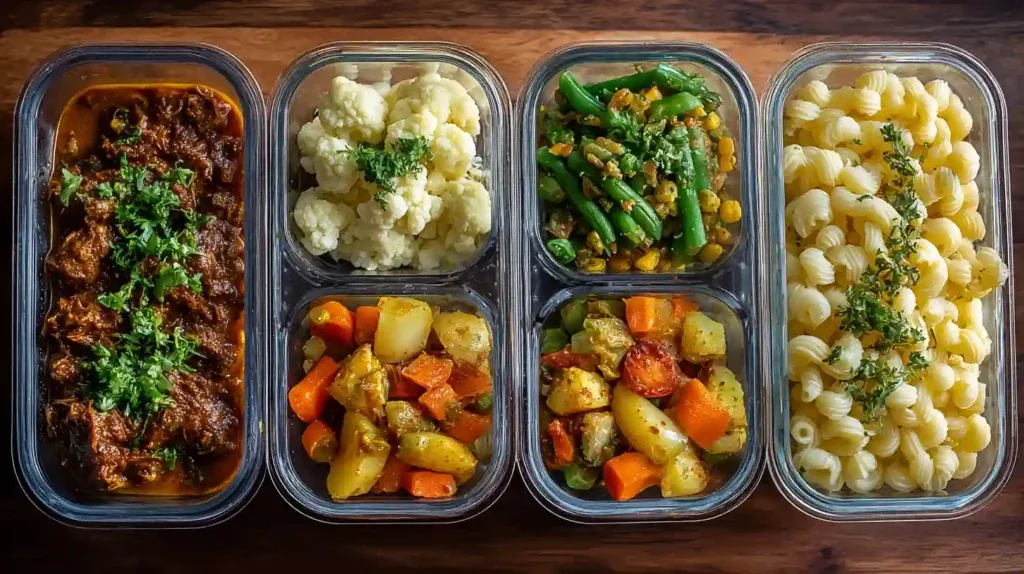
Let me set the scene: It’s 6:47 PM on a Tuesday, and I’m standing in my kitchen, staring at a pile of unwashed spinach, a half-empty bag of quinoa, and a sad-looking chicken breast that’s been thawing on the counter since this morning. Luna, my rescue cat, is weaving between my legs, judging me silently. I’ve got a Zoom call in 20 minutes, a fridge that’s basically a science experiment, and zero desire to cook. Sound familiar?
This, my friends, is where the slow cooker swoops in like a culinary superhero. I’ll admit, I used to side-eye slow cookers. They seemed like the domain of mid-century housewives or overworked parents who just wanted to throw a bunch of random ingredients into a pot and call it dinner. But after moving to Nashville and diving headfirst into its chaotic, creative energy, I realized something: slow cookers aren’t about cutting corners. They’re about working smarter, not harder. They’re about reclaiming your time, reducing food waste, and, let’s be honest, avoiding the existential dread of deciding what to eat at 8 PM.
In this article, I’m going to walk you through slow cooker meal prep ideas that will save you time, keep you fed, and maybe even make you feel like you’ve got your life together (even if the rest of your apartment looks like a tornado hit it). We’ll cover everything from the psychology of meal prep (yes, really) to practical, no-fuss recipes that actually taste good. By the end, you’ll be armed with strategies to eat well without spending hours in the kitchen, or resorting to takeout every night. Ready? Let’s dig in.
The Slow Cooker Paradox: Why We Resist What We Need Most
Before we dive into the how, let’s talk about the why. Why do so many of us, even those of us who *love* cooking, resist the slow cooker? I think it boils down to a few things, and none of them are about the food itself.
First, there’s the illusion of control. When you’re standing over a stove, stirring a pot of risotto or searing a steak, you feel like you’re in charge. You can adjust the heat, taste as you go, and tweak the seasoning. The slow cooker, on the other hand, feels like you’re handing over the reins to some mysterious, low-simmering magic. What if it burns? What if it’s bland? What if I forget to plug it in? (Spoiler: I’ve done this. Twice. Luna still loves me.)
Then there’s the time paradox. Slow cookers are, well, slow. You have to think ahead. You have to prep ingredients in the morning (or the night before) and trust that they’ll turn into something edible by dinnertime. In a world where we’re conditioned to expect instant gratification, same-day delivery, one-click purchases, 30-minute meals, planning six hours ahead feels almost rebellious. But here’s the thing: that six hours of cooking time? It’s *your* time. You’re not chained to the stove. You’re at work, running errands, or, let’s be real, scrolling through memes on the couch. The slow cooker is working for you, not the other way around.
And finally, there’s the fear of monotony. Let’s face it: slow cooker meals have a reputation. They’re often associated with mushy vegetables, overcooked meat, and a general lack of texture. But that’s not the slow cooker’s fault, that’s the fault of bad recipes and lazy prep. A well-executed slow cooker meal can be just as vibrant, complex, and delicious as anything you’d make on the stove. The key is treating it like any other cooking method: with respect, creativity, and a little bit of strategy.
So, how do we get past these mental blocks? Start small. Pick *one* day a week to try a slow cooker meal. Don’t overcomplicate it. And remind yourself that the goal isn’t perfection, it’s sustainability. Can you realistically cook from scratch every night? Maybe. But do you *want* to? Probably not. And that’s okay.
Slow Cooker Meal Prep 101: The Foundations You Need to Know
1. The Gear: What You Actually Need (and What You Don’t)
Let’s talk equipment. You don’t need a fancy, multi-function slow cooker with a dozen settings to make great meals. But you *do* need a few basics. Here’s what I recommend:
- A 6-quart slow cooker: This is the sweet spot for most households. It’s big enough to feed 4-6 people but not so large that it takes up your entire counter. I’ve had my Crock-Pot for five years, and it’s still going strong. (No, this isn’t a sponsored post. I just really like my slow cooker.)
- Removable ceramic insert: This makes cleanup *so* much easier. Look for a model where the insert is dishwasher-safe. Trust me, you’ll thank yourself later.
- Programmable settings: You don’t need all the bells and whistles, but being able to set a cook time (and have the slow cooker switch to “warm” automatically) is a game-changer. Nothing ruins a meal like coming home to overcooked, dried-out food.
- Lid with a tight seal: This might seem obvious, but a loose lid = lost moisture = sad, dry food. Make sure your lid fits snugly and has a little steam vent if possible.
What you *don’t* need:
- A slow cooker with a “browning” function. Yes, it’s convenient, but you can sear meat in a skillet on the stove just as easily (and with better results).
- Expensive “smart” slow cookers with Wi-Fi. Unless you’re the kind of person who needs to adjust your slow cooker settings from the grocery store, this is overkill.
- Multiple slow cookers. Unless you’re feeding a small army or meal prepping for the week, one is plenty.
Pro tip: If you’re tight on space, look for a slow cooker with a locking lid. It makes storage and transport (hello, potlucks!) a breeze.
2. The Science of Slow Cooking: Why Low and Slow Works
Slow cookers work by cooking food at a low temperature (usually between 170°F and 280°F) over an extended period. This gentle heat breaks down tough fibers in meat, melts connective tissue, and allows flavors to meld together in a way that high-heat cooking can’t replicate. But there’s more to it than just “set it and forget it.” Here’s what’s really happening in that ceramic pot:
- Collagen breakdown: Tough cuts of meat (like chuck roast, pork shoulder, or chicken thighs) are full of collagen, a protein that turns into gelatin when cooked slowly. This is what gives slow-cooked meat its signature melt-in-your-mouth texture.
- Maillard reaction: This is the chemical reaction that gives browned food its rich, complex flavor. It doesn’t happen in a slow cooker (since the temperature is too low), which is why searing meat before adding it to the slow cooker is so important. (More on that later.)
- Flavor infusion: Slow cooking allows ingredients to release their flavors gradually, creating a depth of taste that’s hard to achieve with quick cooking methods. This is why slow cooker soups and stews taste even better the next day.
- Moisture retention: Because the slow cooker is a sealed environment, moisture can’t escape. This means your food stays juicy and tender, even after hours of cooking.
But here’s the catch: slow cooking isn’t just about throwing everything in and walking away. There’s an art to layering ingredients, balancing liquids, and timing additions. For example, delicate vegetables (like zucchini or spinach) should be added toward the end of cooking, or they’ll turn to mush. Hearty vegetables (like carrots or potatoes) can go in at the beginning. And dairy? It’s best added at the end to prevent curdling.
Is this starting to feel overwhelming? Don’t worry. The more you use your slow cooker, the more intuitive this stuff becomes. Start with simple recipes, pay attention to how ingredients behave, and soon you’ll be adjusting cooking times and techniques like a pro.
3. The Meal Prep Mindset: How to Think Like a Slow Cooker Pro
Meal prep isn’t just about cooking, it’s about systems. It’s about creating a workflow that works for *your* life, not someone else’s Instagram-perfect version of meal prep. Here’s how I approach it:
- Batch cooking vs. ingredient prep: There’s a difference between cooking a big pot of chili to eat all week and prepping ingredients (like chopping onions or marinating meat) to use in multiple meals. Both are valid, but they serve different purposes. Batch cooking is great for when you want ready-to-eat meals. Ingredient prep is better for when you want flexibility.
- The “two-meal rule”: I try to prep at least two meals at a time. This could mean cooking a big pot of pulled pork (one meal) and a batch of shredded chicken (another meal) in the same session. Or it could mean prepping ingredients for two different slow cooker recipes. The key is efficiency, why dirty your kitchen for one meal when you can do it for two?
- Repurposing leftovers: Leftovers don’t have to be boring. That slow cooker pot roast from Monday? Shred the meat and use it for tacos on Tuesday. The chili from Wednesday? Serve it over baked potatoes on Thursday. Get creative, and you’ll never feel like you’re eating the same thing twice.
- The freezer is your friend: Slow cooker meals freeze beautifully. Make a double batch of soup or stew, portion it out, and freeze it for future you. (Future you will be *so* grateful.)
But here’s the thing about meal prep: it’s not all or nothing. Some weeks, I go all-in, chopping, marinating, and cooking like a well-oiled machine. Other weeks, I just throw a few ingredients into the slow cooker and call it a day. The goal isn’t perfection; it’s consistency. Even one slow cooker meal a week is a win.
Slow Cooker Meal Prep Ideas: 10 Recipes to Save Your Sanity
Alright, let’s get to the good stuff: the recipes. These are my go-to slow cooker meal prep ideas that are simple, delicious, and, most importantly, actually save time. I’ve included a mix of batch cooking recipes (for ready-to-eat meals) and ingredient prep recipes (for flexible meals throughout the week). Pick what works for you.
1. The Ultimate Pulled Pork (Batch Cooking)
Pulled pork is the holy grail of slow cooker meals. It’s versatile, freezer-friendly, and makes enough to feed a crowd (or just you for a week). Here’s how I make it:
- Ingredients:
- 3-4 lbs pork shoulder (or pork butt)
- 1 tbsp brown sugar
- 1 tbsp smoked paprika
- 1 tbsp garlic powder
- 1 tbsp onion powder
- 1 tsp salt
- 1 tsp black pepper
- 1 cup chicken or vegetable broth
- 1/2 cup apple cider vinegar
- 1/4 cup BBQ sauce (plus more for serving)
- Instructions:
- Rub the pork shoulder with the brown sugar, smoked paprika, garlic powder, onion powder, salt, and pepper. Let it sit for at least 30 minutes (or overnight).
- Sear the pork in a skillet over medium-high heat until browned on all sides. This step is *crucial* for flavor.
- Transfer the pork to your slow cooker. Add the broth, apple cider vinegar, and BBQ sauce.
- Cook on low for 8 hours or on high for 5-6 hours, until the pork shreds easily with a fork.
- Shred the pork in the slow cooker, mix it with the juices, and serve on buns, over rice, or in tacos.
Meal prep tip: Portion the pulled pork into freezer bags or containers. It’ll keep in the fridge for 4-5 days or in the freezer for up to 3 months. Use it for sandwiches, tacos, salads, or even pizza toppings.
2. Shredded Chicken for Days (Ingredient Prep)
Shredded chicken is the ultimate meal prep ingredient. It’s neutral enough to work in a variety of dishes but flavorful enough to stand on its own. Here’s my go-to method:
- Ingredients:
- 2 lbs boneless, skinless chicken breasts or thighs
- 1 cup chicken broth
- 1 tsp salt
- 1 tsp garlic powder
- 1 tsp onion powder
- 1 tsp dried oregano
- 1 bay leaf
- Instructions:
- Place the chicken in the slow cooker. Add the broth, salt, garlic powder, onion powder, oregano, and bay leaf.
- Cook on low for 4-5 hours or on high for 2-3 hours, until the chicken is cooked through and shreds easily.
- Shred the chicken in the slow cooker using two forks. Mix it with the juices.
Meal prep tip: Divide the shredded chicken into portions and store it in the fridge for up to 4 days or in the freezer for up to 3 months. Use it in tacos, salads, soups, casseroles, or sandwiches. Pro tip: Add a little of the cooking liquid when reheating to keep the chicken moist.
3. Hearty Beef Stew (Batch Cooking)
There’s nothing like a warm bowl of beef stew on a cold day. This version is rich, flavorful, and packed with vegetables. Plus, it tastes even better the next day.
- Ingredients:
- 2 lbs stew beef (chuck roast cut into cubes)
- 1 tbsp olive oil
- 1 onion, diced
- 3 carrots, peeled and chopped
- 3 celery stalks, chopped
- 3 garlic cloves, minced
- 1/4 cup tomato paste
- 4 cups beef broth
- 1 cup red wine (optional, but recommended)
- 1 tbsp Worcestershire sauce
- 1 tsp dried thyme
- 1 tsp dried rosemary
- 1 bay leaf
- 1 lb potatoes, peeled and cubed
- Salt and pepper to taste
- Instructions:
- Heat the olive oil in a skillet over medium-high heat. Sear the beef in batches until browned on all sides. Transfer to the slow cooker.
- In the same skillet, sauté the onion, carrots, and celery until softened, about 5 minutes. Add the garlic and tomato paste, and cook for another minute.
- Transfer the vegetable mixture to the slow cooker. Add the beef broth, red wine, Worcestershire sauce, thyme, rosemary, and bay leaf. Stir to combine.
- Cook on low for 7-8 hours or on high for 4-5 hours. Add the potatoes in the last 2 hours of cooking.
- Season with salt and pepper to taste before serving.
Meal prep tip: This stew freezes beautifully. Portion it into containers and freeze for up to 3 months. Reheat on the stove or in the microwave, adding a little broth if needed to thin it out.
4. Creamy Chicken and Wild Rice Soup (Batch Cooking)
This soup is like a warm hug in a bowl. It’s creamy, hearty, and packed with flavor. Plus, it’s a great way to use up leftover chicken (or that shredded chicken you prepped earlier).
- Ingredients:
- 1 lb boneless, skinless chicken breasts or thighs
- 1 cup wild rice blend (or brown rice)
- 1 onion, diced
- 2 carrots, peeled and chopped
- 2 celery stalks, chopped
- 3 garlic cloves, minced
- 4 cups chicken broth
- 1 cup water
- 1 tsp dried thyme
- 1 tsp dried rosemary
- 1 bay leaf
- 1 cup heavy cream or half-and-half
- 1/4 cup all-purpose flour
- Salt and pepper to taste
- Instructions:
- Place the chicken, wild rice, onion, carrots, celery, garlic, chicken broth, water, thyme, rosemary, and bay leaf in the slow cooker. Stir to combine.
- Cook on low for 6-7 hours or on high for 3-4 hours, until the chicken is cooked through and the rice is tender.
- Remove the chicken and shred it using two forks. Return it to the slow cooker.
- In a small bowl, whisk together the heavy cream and flour. Stir the mixture into the slow cooker.
- Cook on high for another 30 minutes, until the soup has thickened. Season with salt and pepper to taste.
Meal prep tip: This soup freezes well, but the rice may absorb more liquid as it sits. If freezing, undercook the rice slightly and add a little extra broth when reheating. Store in the fridge for up to 4 days or in the freezer for up to 3 months.
5. Vegetarian Chili (Batch Cooking)
Who says chili has to have meat? This vegetarian version is packed with protein, fiber, and flavor. It’s hearty, satisfying, and perfect for meal prep.
- Ingredients:
- 1 onion, diced
- 1 bell pepper, diced
- 3 garlic cloves, minced
- 1 jalapeño, seeded and diced (optional)
- 1 can (15 oz) black beans, drained and rinsed
- 1 can (15 oz) kidney beans, drained and rinsed
- 1 can (15 oz) pinto beans, drained and rinsed
- 1 can (15 oz) diced tomatoes
- 1 can (6 oz) tomato paste
- 2 cups vegetable broth
- 1 cup frozen corn
- 1 tbsp chili powder
- 1 tsp ground cumin
- 1 tsp smoked paprika
- 1 tsp dried oregano
- Salt and pepper to taste
- Instructions:
- Add the onion, bell pepper, garlic, jalapeño, black beans, kidney beans, pinto beans, diced tomatoes, tomato paste, vegetable broth, corn, chili powder, cumin, smoked paprika, and oregano to the slow cooker. Stir to combine.
- Cook on low for 6-8 hours or on high for 3-4 hours.
- Season with salt and pepper to taste before serving.
Meal prep tip: This chili freezes beautifully. Portion it into containers and freeze for up to 3 months. Serve it with cornbread, over rice, or with a dollop of sour cream and some shredded cheese.
6. Honey Garlic Chicken Thighs (Ingredient Prep)
These honey garlic chicken thighs are sticky, sweet, and packed with flavor. They’re perfect for meal prep because they reheat well and work in a variety of dishes.
- Ingredients:
- 2 lbs boneless, skinless chicken thighs
- 1/2 cup honey
- 1/4 cup soy sauce
- 1/4 cup ketchup
- 2 tbsp rice vinegar
- 3 garlic cloves, minced
- 1 tsp grated ginger
- 1/2 tsp red pepper flakes (optional)
- 2 tbsp cornstarch mixed with 2 tbsp water
- Instructions:
- Place the chicken thighs in the slow cooker.
- In a bowl, whisk together the honey, soy sauce, ketchup, rice vinegar, garlic, ginger, and red pepper flakes. Pour the mixture over the chicken.
- Cook on low for 4-5 hours or on high for 2-3 hours, until the chicken is cooked through.
- Remove the chicken and set it aside. Stir the cornstarch slurry into the sauce in the slow cooker. Cook on high for another 10-15 minutes, until the sauce has thickened.
- Return the chicken to the slow cooker and coat it in the sauce.
Meal prep tip: Store the chicken in the fridge for up to 4 days or in the freezer for up to 3 months. Use it in stir-fries, salads, wraps, or over rice. The sauce is *so* good, don’t waste a drop!
7. Minestrone Soup (Batch Cooking)
Minestrone is the ultimate “clean out the fridge” soup. It’s packed with vegetables, beans, and pasta, and it’s endlessly customizable. Plus, it’s a great way to use up those random veggies that are about to go bad.
- Ingredients:
- 1 onion, diced
- 2 carrots, peeled and chopped
- 2 celery stalks, chopped
- 3 garlic cloves, minced
- 1 zucchini, diced
- 1 can (15 oz) diced tomatoes
- 1 can (15 oz) kidney beans, drained and rinsed
- 1 can (15 oz) white beans, drained and rinsed
- 4 cups vegetable broth
- 1 cup water
- 1 tsp dried basil
- 1 tsp dried oregano
- 1 bay leaf
- 1 cup small pasta (like ditalini or elbow macaroni)
- 2 cups fresh spinach
- Salt and pepper to taste
- Grated Parmesan cheese for serving
- Instructions:
- Add the onion, carrots, celery, garlic, zucchini, diced tomatoes, kidney beans, white beans, vegetable broth, water, basil, oregano, and bay leaf to the slow cooker. Stir to combine.
- Cook on low for 6-7 hours or on high for 3-4 hours.
- Add the pasta and cook on high for another 30 minutes, until the pasta is tender.
- Stir in the spinach until wilted. Season with salt and pepper to taste.
Meal prep tip: This soup freezes well, but the pasta may absorb more liquid as it sits. If freezing, undercook the pasta slightly and add a little extra broth when reheating. Store in the fridge for up to 4 days or in the freezer for up to 3 months.
8. BBQ Chicken Sliders (Batch Cooking)
These BBQ chicken sliders are a crowd-pleaser. They’re perfect for game day, potlucks, or just a quick weeknight dinner. Plus, they’re easy to customize, serve them on buns, over coleslaw, or even on a salad.
- Ingredients:
- 2 lbs boneless, skinless chicken breasts or thighs
- 1 cup BBQ sauce
- 1/4 cup apple cider vinegar
- 1/4 cup brown sugar
- 1 tbsp smoked paprika
- 1 tsp garlic powder
- 1 tsp onion powder
- 1/2 tsp salt
- 1/2 tsp black pepper
- Slider buns or rolls
- Coleslaw for serving (optional)
- Instructions:
- Place the chicken in the slow cooker.
- In a bowl, whisk together the BBQ sauce, apple cider vinegar, brown sugar, smoked paprika, garlic powder, onion powder, salt, and pepper. Pour the mixture over the chicken.
- Cook on low for 4-5 hours or on high for 2-3 hours, until the chicken is cooked through and shreds easily.
- Shred the chicken in the slow cooker and mix it with the sauce.
- Serve on slider buns with coleslaw, if desired.
Meal prep tip: Store the BBQ chicken in the fridge for up to 4 days or in the freezer for up to 3 months. Reheat it in the microwave or on the stove, adding a little extra BBQ sauce if needed to keep it moist.
9. Lentil Curry (Batch Cooking)
This lentil curry is creamy, spicy, and packed with protein. It’s a great vegetarian option that’s hearty enough to satisfy even the most dedicated meat-eaters. Plus, it’s a great way to use up those lentils that have been sitting in your pantry for months.
- Ingredients:
- 1 onion, diced
- 3 garlic cloves, minced
- 1 tbsp grated ginger
- 1 jalapeño, seeded and diced (optional)
- 1 cup dried brown or green lentils, rinsed
- 1 can (15 oz) diced tomatoes
- 1 can (15 oz) coconut milk
- 2 cups vegetable broth
- 1 tbsp curry powder
- 1 tsp ground cumin
- 1 tsp ground coriander
- 1/2 tsp turmeric
- Salt and pepper to taste
- Fresh cilantro for serving
- Cooked rice for serving
- Instructions:
- Add the onion, garlic, ginger, jalapeño, lentils, diced tomatoes, coconut milk, vegetable broth, curry powder, cumin, coriander, and turmeric to the slow cooker. Stir to combine.
- Cook on low for 6-7 hours or on high for 3-4 hours, until the lentils are tender.
- Season with salt and pepper to taste. Serve over rice with fresh cilantro.
Meal prep tip: This curry freezes beautifully. Portion it into containers and freeze for up to 3 months. Reheat on the stove or in the microwave, adding a little water or broth if needed to thin it out.
10. Breakfast Oatmeal (Batch Cooking)
Yes, you can make oatmeal in the slow cooker! This is a game-changer for busy mornings. Just set it up the night before, and wake up to a warm, creamy breakfast. Here’s how:
- Ingredients:
- 2 cups steel-cut oats
- 6 cups water or milk (or a combination)
- 1/4 cup brown sugar or maple syrup
- 1 tsp vanilla extract
- 1 tsp ground cinnamon
- 1/2 tsp salt
- Toppings: fresh fruit, nuts, seeds, yogurt, etc.
- Instructions:
- Grease the inside of your slow cooker with a little butter or cooking spray to prevent sticking.
- Add the oats, water or milk, brown sugar or maple syrup, vanilla extract, cinnamon, and salt to the slow cooker. Stir to combine.
- Cook on low for 6-7 hours or on high for 3-4 hours, until the oats are creamy and tender.
- Stir the oatmeal before serving. Top with your favorite toppings.
Meal prep tip: Store the oatmeal in the fridge for up to 4 days. Reheat it in the microwave with a little extra liquid to loosen it up. You can also freeze portions for up to 3 months.
The Slow Cooker Meal Prep Workflow: How to Actually Make This Happen
Okay, so you’ve got the recipes. But how do you actually fit slow cooker meal prep into your life? Here’s my step-by-step workflow, honed over years of trial, error, and more than a few burnt dinners.
1. Plan Ahead (But Not Too Much)
I used to think meal prep meant spending my entire Sunday cooking. Spoiler: it doesn’t. In fact, I’ve found that small, consistent efforts work better than marathon cooking sessions. Here’s how I plan:
- Pick 1-2 slow cooker meals per week: Start small. Maybe it’s a big pot of chili on Sunday and shredded chicken on Wednesday. Don’t overwhelm yourself.
- Check your schedule: Look at your week and identify the days when you’ll be too busy (or too tired) to cook. Those are your slow cooker days.
- Make a grocery list: Based on your chosen recipes, write down what you need. Pro tip: Check your pantry first to avoid buying duplicates.
- Shop once, cook twice: Buy ingredients that can be used in multiple meals. For example, a bag of carrots can go into beef stew, minestrone soup, and even breakfast oatmeal.
Is this the most organized approach? Maybe not. But it’s realistic, and that’s what matters. The goal isn’t to have a Pinterest-perfect meal plan, it’s to make your life easier.
2. Prep Ingredients in Advance
The key to stress-free slow cooking is prepping ingredients ahead of time. Here’s how I do it:
- Chop vegetables the night before: Most vegetables will keep in the fridge for a day or two. Store them in airtight containers or resealable bags to keep them fresh.
- Marinate meat in advance: If your recipe calls for marinated meat, do it the night before. This not only saves time but also allows the flavors to develop.
- Measure out spices and liquids: I like to measure out all my spices and liquids into small bowls or containers before I start cooking. This way, I’m not scrambling to find the cumin while the onions are burning.
- Use pre-cut or frozen vegetables: No shame in taking shortcuts. Frozen vegetables are just as nutritious as fresh, and they’re already chopped. Win-win.
Pro tip: If you’re really short on time, look for pre-chopped vegetables in the produce section of your grocery store. They’re usually more expensive, but they can be a lifesaver on busy weeks.
3. Layer Ingredients Like a Pro
Not all ingredients are created equal. Some can handle hours of slow cooking, while others turn to mush if you add them too early. Here’s how to layer your ingredients for the best results:
- Bottom layer: Hearty vegetables (like carrots, potatoes, or celery) and tough cuts of meat (like chuck roast or pork shoulder) go on the bottom. They can handle the heat and will benefit from the long cooking time.
- Middle layer: Liquids (like broth, sauce, or wine) go in the middle. This helps distribute the heat evenly and prevents burning.
- Top layer: Delicate vegetables (like zucchini, spinach, or peas) and dairy (like cream or cheese) go on top. Add these toward the end of cooking to prevent them from overcooking or curdling.
Is this an exact science? Not really. But it’s a good rule of thumb to follow, especially when you’re first starting out. The more you use your slow cooker, the more you’ll get a feel for how ingredients behave.
4. Use the Right Cooking Time
One of the biggest mistakes people make with slow cookers is using the wrong cooking time. Here’s a quick guide:
- Low setting (170°F-200°F): Best for tough cuts of meat, large batches, or recipes that need a long cooking time (6-8 hours). This is my go-to setting for most recipes.
- High setting (260°F-280°F): Best for smaller batches, quicker cooking times (3-4 hours), or when you’re short on time. Be careful, food can overcook on high if left too long.
- Warm setting: This is for keeping food warm after it’s cooked. Don’t use it to cook food, it’s not hot enough.
Pro tip: If you’re not sure how long to cook something, start with the low setting. You can always switch to high if you need to speed things up, but you can’t undo overcooked food.
5. Store and Reheat Like a Boss
Proper storage and reheating are key to making your slow cooker meals last. Here’s how I do it:
- Cool food quickly: Don’t leave cooked food sitting out for more than 2 hours. Divide it into shallow containers and refrigerate or freeze it as soon as possible.
- Portion it out: Store food in single-serving or family-sized portions, depending on your needs. This makes reheating easier and prevents waste.
- Label everything: Use masking tape and a marker to label containers with the name of the dish and the date. Trust me, you won’t remember what that mysterious Tupperware contains a week from now.
- Reheat safely: Reheat food to an internal temperature of 165°F. For soups and stews, this usually means bringing them to a boil on the stove. For other dishes, the microwave works fine, just stir occasionally to ensure even heating.
Pro tip: If you’re freezing slow cooker meals, leave a little space at the top of the container. Liquids expand as they freeze, and you don’t want your containers to crack.
6. Repurpose Leftovers Creatively
Leftovers don’t have to be boring. In fact, they can be the starting point for entirely new meals. Here are a few ideas to get you started:
- Pulled pork: Use it for tacos, nachos, pizza toppings, or even breakfast hash.
- Shredded chicken: Toss it into salads, wraps, pasta dishes, or soups.
- Beef stew: Serve it over mashed potatoes, polenta, or noodles. Or use it as a filling for pot pies or empanadas.
- Chili: Top baked potatoes with it, use it as a dip for tortilla chips, or stuff it into bell peppers.
- Lentil curry: Serve it over rice, quinoa, or cauliflower rice. Or use it as a filling for stuffed sweet potatoes.
Is this starting to feel like a lot? Don’t worry. You don’t have to repurpose every leftover. But if you’re tired of eating the same thing for days, a little creativity can go a long way.
Slow Cooker Meal Prep: The Good, the Bad, and the Mushy
Let’s be real: slow cooker meal prep isn’t perfect. There are trade-offs, and it’s important to acknowledge them. Here’s the good, the bad, and the (occasionally) mushy:
The Good
- Saves time: Once you’ve prepped your ingredients, the slow cooker does the rest. No standing over a stove, no last-minute scrambling.
- Saves money: Slow cookers are great for using up inexpensive cuts of meat, pantry staples, and leftovers. Plus, cooking at home is almost always cheaper than takeout.
- Reduces food waste: Slow cookers are perfect for using up odds and ends, those half-used bags of vegetables, the last bit of broth in the carton, or the random herbs in your fridge.
- Improves your cooking skills: Slow cooking teaches you patience, timing, and how to layer flavors. These are skills that translate to other cooking methods, too.
- Makes your home smell amazing: There’s nothing like walking into a house that smells like simmering garlic, onions, and herbs. It’s the ultimate comfort.
The Bad
- Requires planning: Slow cookers aren’t great for last-minute meals. You have to think ahead, which can be a challenge if you’re not used to it.
- Limited texture variety: Slow cookers excel at soups, stews, and braises, but they’re not great for crispy, crunchy, or seared foods. If you’re craving a steak or a perfectly roasted chicken, you’ll need to use another method.
- Can be bland if not seasoned properly: Because slow cookers don’t allow for evaporation, flavors can get diluted. You’ll need to use more seasoning than you would for stovetop cooking.
- Not all ingredients work well: Delicate vegetables, dairy, and seafood can be tricky in a slow cooker. You’ll need to adjust your recipes accordingly.
- Takes up counter space: Slow cookers are bulky, and if you don’t have a lot of counter space, they can be a pain to store.
The Mushy
- Vegetables can turn to mush: This is the most common complaint about slow cookers. The solution? Add delicate vegetables (like zucchini or spinach) toward the end of cooking, or use heartier vegetables (like carrots or potatoes) that can handle the heat.
- Meat can dry out: This usually happens if you cook it for too long or use lean cuts. Stick to tough, fatty cuts (like chuck roast or pork shoulder) and monitor the cooking time.
- Food can stick to the bottom: This is usually a sign that you didn’t use enough liquid or that your slow cooker runs hot. Stir the food occasionally, and make sure there’s enough liquid to cover the bottom of the pot.
Is slow cooker meal prep worth it? Absolutely. But it’s not a magic bullet. Like any cooking method, it has its strengths and weaknesses. The key is to use it as *one tool in your toolkit*, not the only tool. Combine it with other cooking methods (like stovetop, oven, or Instant Pot) to create a well-rounded meal prep strategy.
Final Thoughts: Slow Cooker Meal Prep as a Lifestyle, Not a Chore
Here’s the thing about slow cooker meal prep: it’s not about becoming a meal prep robot. It’s not about spending your entire Sunday cooking or eating the same thing every day. It’s about making your life easier, one meal at a time.
When I first started using my slow cooker, I treated it like a novelty. I’d use it once a month, usually for something simple like chili or pulled pork. But over time, I realized that the slow cooker wasn’t just a tool, it was a mindset. It was about slowing down, planning ahead, and giving myself permission to take shortcuts without sacrificing quality.
These days, my slow cooker is a staple in my kitchen. It’s not perfect, and neither am I. Some weeks, I meal prep like a pro. Other weeks, I throw a bunch of random ingredients into the pot and hope for the best. But here’s what I’ve learned: progress is more important than perfection. Even one slow cooker meal a week is a win. Even if that meal is just a big pot of soup that you eat for three days straight, it’s still a win.
So, here’s my challenge to you: Pick *one* slow cooker meal from this article and try it this week. Don’t overthink it. Don’t stress about making it perfect. Just give it a shot. See how it feels to come home to a house that smells like dinner is already done. See how it feels to open your fridge and know that you’ve got a meal (or two) ready to go. See how it feels to reclaim a little bit of your time and energy.
And if it doesn’t work out? That’s okay. Luna and I will be here, judging you silently from the sidelines. (Just kidding. Mostly.)
FAQ: Slow Cooker Meal Prep Questions You’re Too Afraid to Ask
Q: Can I leave my slow cooker on while I’m at work?
A: Yes! Slow cookers are designed to be left unattended. Just make sure your slow cooker is in good working order (no frayed cords or cracked ceramic inserts) and that you’re following the manufacturer’s instructions. If you’re worried, you can use a slow cooker with a programmable timer that switches to “warm” after the cooking time is up.
Q: Do I need to sear meat before adding it to the slow cooker?
A: Technically, no. But searing meat adds a ton of flavor, so I highly recommend it. The Maillard reaction (that’s the chemical reaction that gives browned food its rich, complex flavor) doesn’t happen in a slow cooker, so searing meat in a skillet before adding it to the slow cooker makes a big difference. If you’re short on time, you can skip this step, but your food won’t be as flavorful.
Q: Can I cook frozen meat in the slow cooker?
A: It’s not recommended. Frozen meat takes longer to cook, which means it spends more time in the “danger zone” (between 40°F and 140°F), where bacteria can grow. Thaw meat in the fridge overnight before cooking it in the slow cooker. If you forget to thaw it, you can use the defrost setting on your microwave, but be sure to cook it immediately afterward.
Q: Why does my slow cooker food taste bland?
A: Slow cookers don’t allow for evaporation, so flavors can get diluted. Here are a few tips to fix bland slow cooker food:
- Use more seasoning than you would for stovetop cooking. Taste as you go (if possible) and adjust the seasoning at the end.
- Sear meat and sauté vegetables before adding them to the slow cooker. This builds a flavor base that makes a big difference.
- Use flavorful liquids (like broth, wine, or coconut milk) instead of water.
- Add fresh herbs (like parsley, cilantro, or basil) at the end of cooking for a bright, fresh flavor.
- Acid (like lemon juice, vinegar, or tomatoes) can brighten up a dish. Add it at the end of cooking.
@article{slow-cooker-meal-prep-ideas-how-to-save-time-and-eat-well-without-losing-your-mind,
    title   = {Slow Cooker Meal Prep Ideas: How to Save Time and Eat Well Without Losing Your Mind},
    author  = {Chef's icon},
    year    = {2026},
    journal = {Chef's Icon},
    url     = {https://chefsicon.com/slow-cooker-meal-prep-ideas-save-time-eat-well/}
}