The Best Fluffy Pancakes recipe you will fall in love with. Full of tips and tricks to help you make the best pancakes.
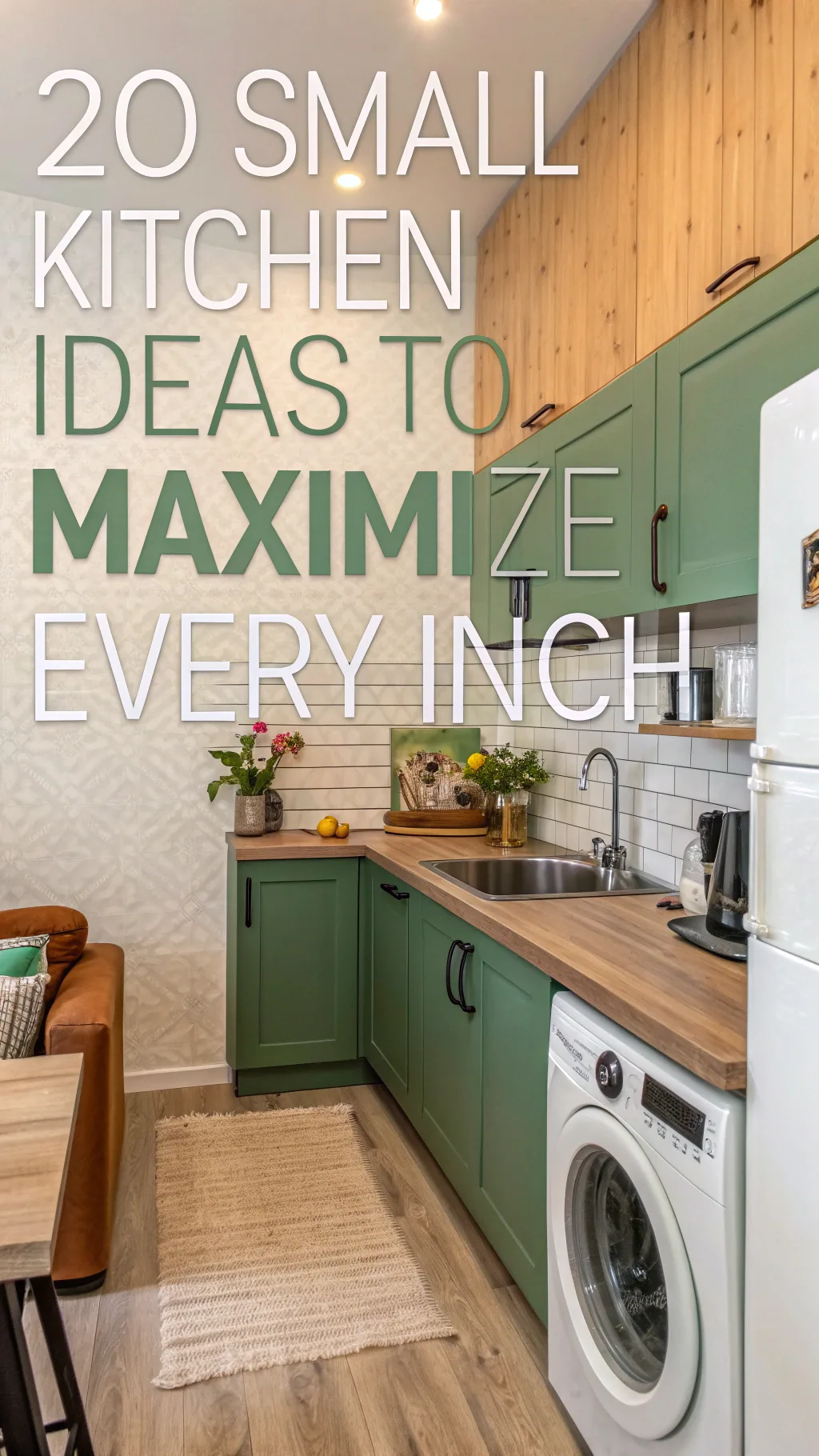
The Tiny Kitchen Dilemma: When Your Culinary Dreams Outgrow Your Square Footage
Let me tell you about the first time I realized my kitchen was plotting against me. It was a Tuesday, because of course it was a Tuesday, when I attempted to make a simple grilled cheese sandwich while simultaneously brewing coffee and chopping vegetables for a stir-fry. My elbows collided with the toaster, my coffee mug nearly toppled into the sink, and I swear the refrigerator door sighed in disappointment when I opened it for the third time in five minutes. That was the day I accepted my 8×10-foot kitchen wasn’t just small, it was a spatial conspiracy.
If you’re reading this, chances are you’ve had your own kitchen-based existential crisis. Maybe you’ve stood in the middle of your galley kitchen, arms outstretched, realizing you can touch both counters without moving. Or perhaps you’ve stared longingly at those Pinterest-perfect kitchens with their sprawling islands and walk-in pantries, wondering if you accidentally signed a lease in a dollhouse. Here’s the truth: small kitchens aren’t a design flaw, they’re a challenge. And like any good challenge, they force us to get creative, strategic, and occasionally ruthless about what we truly need.
In this guide, we’re diving deep into small kitchen layout ideas that maximize space without requiring a construction crew, a second mortgage, or a personality transplant. We’ll cover everything from the psychology of spatial perception (yes, your brain is lying to you about how big your kitchen is) to the nitty-gritty of vertical storage solutions, multi-functional appliances, and layout hacks that make even the most cramped kitchen feel like a Michelin-starred workspace. By the end, you’ll have a toolkit of ideas, some practical, some borderline genius, and a few that might make your contractor raise an eyebrow, but all designed to help you cook, store, and move like a pro in a space that’s working with you, not against you.
Oh, and a quick disclaimer: I’m not an architect. I’m just a guy who’s spent way too much time rearranging his kitchen (and writing about commercial kitchen design for Chef’s Deal, where we obsess over space optimization like it’s our job, because it is). Some of these ideas might feel counterintuitive at first. Some might require you to part with that garlic press you’ve used exactly once. But all of them are tested, tweaked, and ready to help you reclaim your kitchen from the chaos.
The Psychology of Small Kitchens: Why Your Brain Hates Your Space (And How to Trick It)
Why Tiny Kitchens Feel Like a Claustrophobic Nightmare
Before we dive into the tactical stuff, like where to put your spice rack or how to fit a dishwasher into a shoebox, we need to talk about the elephant in the room: your brain is sabotaging you. That’s right. The real reason your kitchen feels like a prison cell isn’t just the square footage. It’s the way your brain processes space, light, and movement. And until you address that, no amount of clever storage will save you.
Here’s the science-y part: Humans are hardwired to feel uncomfortable in small, enclosed spaces. It’s a leftover survival instinct from our cave-dwelling days. When your kitchen feels cramped, your brain interprets it as a threat, like you’re trapped in a tiny cave with a very angry bear. (In this metaphor, the bear is your inability to find the can opener.) This triggers stress responses, which is why cooking in a small kitchen can feel more like a chore than a joy. The good news? You can hack your brain’s perception of space with a few simple tricks.
First, let’s talk about sightlines. Your brain judges space based on how far you can see. If you walk into your kitchen and immediately hit a wall (literally), your brain registers that as “small.” But if you can see through to another area, like a dining nook or even just a window, your brain perceives the space as larger. This is why open-concept kitchens feel so much bigger, even if the actual square footage is the same. If you can’t knock down walls, try removing upper cabinets near entryways or using glass-front cabinets to create the illusion of depth. Even something as simple as a mirror backsplash can trick your brain into thinking the space extends further than it does.
Next up: lighting. Dim lighting makes small spaces feel smaller because your brain associates darkness with enclosure. On the flip side, bright, even lighting can make a tiny kitchen feel airy and open. But here’s the catch: not all light is created equal. Warm, yellow-toned light (like from incandescent bulbs) can make a space feel cozy but also smaller. Cool, white light (like from LEDs) mimics daylight and makes spaces feel more expansive. If you’re stuck with a single overhead light, consider adding under-cabinet lighting or even a plug-in pendant light to brighten up dark corners. And if you’re really feeling fancy, recessed lighting can make a ceiling feel higher, which, you guessed it, makes the whole kitchen feel bigger.
Finally, let’s talk about color. You’ve probably heard that white kitchens feel bigger, and that’s true, but it’s not the whole story. The real key is contrast. High-contrast kitchens (think dark cabinets with light countertops) create visual boundaries that make a space feel smaller. Low-contrast kitchens (like all-white or light gray) blur those boundaries, making the space feel more open. But here’s where it gets interesting: cool colors (blues, greens, grays) recede visually, while warm colors (reds, oranges, yellows) advance. So if you’re dead-set on painting your cabinets a bold color, opt for a cool tone to keep the space feeling open. And if you’re feeling really bold, try painting your ceiling a lighter color than your walls, it’ll draw the eye upward and make the room feel taller.
Is this the best approach? Let’s consider: maybe you love your dark cabinets and don’t want to paint them. That’s fine! The goal isn’t to turn your kitchen into a sterile white box. It’s to work with your brain’s perception of space, not against it. So if you’re not ready to commit to a full kitchen makeover, start small. Swap out your lightbulbs. Add a mirror. Clear the clutter from your countertops. These tiny changes can make a bigger difference than you’d think.
Why Clutter Is the Real Enemy (And How to Exorcise It)
Here’s a hard truth: no amount of clever layout hacks will save you if your kitchen is drowning in clutter. I learned this the hard way when I moved into my current place in Nashville. My previous kitchen was a sprawling 12×15 feet, complete with a walk-in pantry and enough counter space to host a small cooking show. My new kitchen? A cozy 8×10 feet with exactly one usable counter. I thought I could make it work with some vertical storage and a rolling cart. Spoiler: I couldn’t. Not until I faced the real problem, my hoarding tendencies.
Clutter isn’t just ugly; it’s a spatial parasite. Every unnecessary gadget, duplicate utensil, or expired spice takes up valuable real estate in your brain *and* your kitchen. And here’s the kicker: clutter makes small kitchens feel smaller because it disrupts the flow of movement. Think about it. When you’re cooking, you’re not just standing still, you’re pivoting, reaching, bending, and occasionally cursing under your breath. Every extra item in your way is a potential obstacle, which means every time you move, your brain has to recalculate the path. It’s exhausting. And it makes a small kitchen feel like a minefield.
So how do you exorcise the clutter demon? Start with the “one in, one out” rule. For every new item you bring into your kitchen, you have to get rid of something else. This forces you to be intentional about what you keep. Next, try the “box test”. Grab a box and fill it with everything you haven’t used in the past six months. Store it somewhere out of sight (like a closet or the garage) and see if you miss anything. If you don’t use it within the next three months, donate it. No exceptions. And if you’re feeling really brave, try the “naked counter” challenge. Clear everything off your countertops and only put back what you *absolutely* need on a daily basis. You’ll be shocked at how much space you free up.
But here’s the part no one tells you: decluttering is emotional. That garlic press your aunt gave you for your wedding? The fondue set you used once in 2012? The collection of mismatched Tupperware lids with no containers? They’re not just objects, they’re memories, or guilt, or aspirational versions of yourself that you’re not quite ready to let go of. And that’s okay. You don’t have to get rid of everything. But you *do* have to be honest with yourself about what you actually use. If you haven’t touched it in a year, it’s not a tool, it’s clutter. And clutter is the enemy of small kitchen optimization.
I’m torn between telling you to be ruthless and acknowledging that everyone has their own tolerance for clutter. Maybe you *do* use that fondue set once a year, and that’s enough for you. That’s fine! The goal isn’t to live like a minimalist monk. It’s to create a kitchen that works for you, not against you. So if keeping a few sentimental items makes you happy, do it. Just find a way to store them out of the way, like in a decorative basket on top of your fridge or in a pull-out pantry-so they’re not taking up valuable real estate.
Layout 101: The Holy Trinity of Small Kitchen Design
The Work Triangle: Why Your Kitchen’s Traffic Flow Matters More Than You Think
If you’ve ever read anything about kitchen design, you’ve heard of the work triangle. It’s the holy grail of kitchen layouts, the golden rule, the thing your contractor will mutter about while scratching their head and staring at your floor plan. But what *is* it, exactly? And why does it matter so much in a small kitchen?
The work triangle is a concept developed in the 1940s (yes, really) that maps out the three most important work zones in your kitchen: the sink, the stove, and the refrigerator. The idea is that these three points should form a triangle, with each side measuring between 4 and 9 feet. The total distance around the triangle should be between 13 and 26 feet. Why? Because this layout minimizes the number of steps you take while cooking, making your kitchen more efficient. In a small kitchen, where every inch counts, this isn’t just a nice-to-have, it’s a game-changer.
But here’s the thing: the work triangle isn’t one-size-fits-all. In a tiny kitchen, you might not have the luxury of spacing these zones perfectly. Maybe your sink and stove are crammed next to each other, or your fridge is on the opposite side of the room. That’s okay! The work triangle is a guideline, not a law. The real goal is to minimize unnecessary movement while cooking. So if your kitchen is too small for a perfect triangle, focus on grouping related tasks together. For example, keep your prep area (cutting board, knives, mixing bowls) near the sink. Store your cooking utensils (spatulas, tongs, ladles) near the stove. And keep your most-used ingredients (oil, salt, pepper) within arm’s reach of both.
Now, let’s talk about the three most common small kitchen layouts and how to make the work triangle work for each:
- Galley Kitchens: These are the long, narrow kitchens that feel like a hallway. The work triangle in a galley kitchen is usually a straight line, sink, stove, fridge, all in a row. The challenge here is avoiding the “corridor effect,” where you feel like you’re cooking in a tunnel. To fix this, try placing the sink and stove on opposite walls, with the fridge at one end. This creates a more dynamic triangle and prevents you from feeling trapped.
- L-Shaped Kitchens: These are the most versatile for small spaces because they create a natural work triangle. The sink, stove, and fridge can each occupy one “leg” of the L, with the corner acting as a prep zone. The key here is to avoid dead space in the corner. Use a lazy Susan or a pull-out pantry to make the most of that tricky angle.
- U-Shaped Kitchens: These are the dream for small kitchens because they maximize counter space and create an efficient work triangle. But they can also feel claustrophobic if not designed carefully. The trick is to keep one side of the U open-either by removing upper cabinets or using open shelving, to prevent the space from feeling like a box.
I’m torn between telling you to stick rigidly to the work triangle and acknowledging that sometimes, you just have to work with what you’ve got. Maybe your kitchen is so small that the fridge is in the living room (no judgment). Maybe you’re renting and can’t move anything. That’s fine! The work triangle is a tool, not a rule. Use it as a starting point, but don’t be afraid to bend the rules if it makes your kitchen more functional.
Zoning: The Secret to a Kitchen That Actually Works for You
If the work triangle is the skeleton of your kitchen layout, zoning is the muscle. Zoning is the practice of dividing your kitchen into distinct areas based on function, like a prep zone, a cooking zone, and a cleaning zone. In a large kitchen, zoning happens naturally. But in a small kitchen, it’s easy for these zones to blur together, creating chaos. The key is to define your zones intentionally, even if they overlap.
Let’s break it down:
- Prep Zone: This is where you chop, mix, and assemble. Ideally, it’s near the sink (for easy cleanup) and has plenty of counter space. In a small kitchen, this might be a pull-out cutting board or a fold-down table. The goal is to have a dedicated spot for prep work so you’re not juggling knives and mixing bowls on a tiny counter.
- Cooking Zone: This is where the magic happens, your stove, oven, and microwave. Keep your cooking utensils, pots, and pans within arm’s reach. In a small kitchen, this might mean installing a pegboard above the stove or using a wall-mounted rack for spices.
- Cleaning Zone: This is your sink, dishwasher, and trash/recycling bins. The key here is to minimize cross-contamination-you don’t want to be washing dishes in the same spot where you’re prepping raw chicken. In a small kitchen, this might mean using a double-basin sink (one for prep, one for cleanup) or keeping a small compost bin under the sink.
- Storage Zone: This is where you keep your non-perishables, appliances, and less-frequently used items. In a small kitchen, this might be a pull-out pantry, over-the-fridge shelves, or even a rolling cart that doubles as extra counter space.
The beauty of zoning is that it forces you to think about how you actually use your kitchen. Maybe you’re a baker, so your prep zone needs more counter space. Maybe you’re a coffee addict, so your morning routine needs its own dedicated spot. The goal isn’t to create rigid boundaries, it’s to design a kitchen that flows with your habits, not against them.
Here’s where it gets tricky: in a small kitchen, zones will inevitably overlap. That’s okay! The key is to minimize friction between zones. For example, if your prep zone is next to your cooking zone, make sure you have a landing spot for hot pots and pans. If your cleaning zone is next to your storage zone, keep your trash bin within easy reach. The less you have to move around, the more efficient your kitchen will be.
Maybe I should clarify: zoning isn’t about creating separate rooms in your kitchen. It’s about creating mental and physical boundaries so your brain knows where to focus. In a small kitchen, this is especially important because every movement counts. The less time you spend searching for the colander or the olive oil, the more time you’ll have to actually cook.
Storage Hacks: Where to Put All Your Stuff When There’s Nowhere to Put It
Vertical Storage: The Art of Looking Up (Because You’ve Already Looked Down)
If you’ve ever stared at your kitchen cabinets and thought, “There’s no way all my stuff fits in here,” congratulations, you’ve officially entered the small kitchen storage crisis. The good news? You’ve been looking in the wrong direction. The real estate you’re missing isn’t on your counters or in your cabinets, it’s on your walls. Vertical storage is the secret weapon of small kitchens, and if you’re not using it, you’re leaving space (and sanity) on the table.
Let’s start with the obvious: open shelving. I know, I know, open shelving is controversial. Some people love the airy, minimalist look. Others (like me) worry about dust, clutter, and the fact that my mismatched mugs look like a thrift store exploded. But here’s the thing: open shelving isn’t just about aesthetics. It’s about accessibility. In a small kitchen, every second counts. If you can reach your most-used items without opening a cabinet door, you’re saving time *and* energy. Plus, open shelving forces you to curate your collection-no more hiding ugly dishes in the back of the cabinet. If it’s out in the open, it’s got to look good (or at least intentional).
But open shelving isn’t the only way to go vertical. Here are a few other ideas to maximize your wall space:
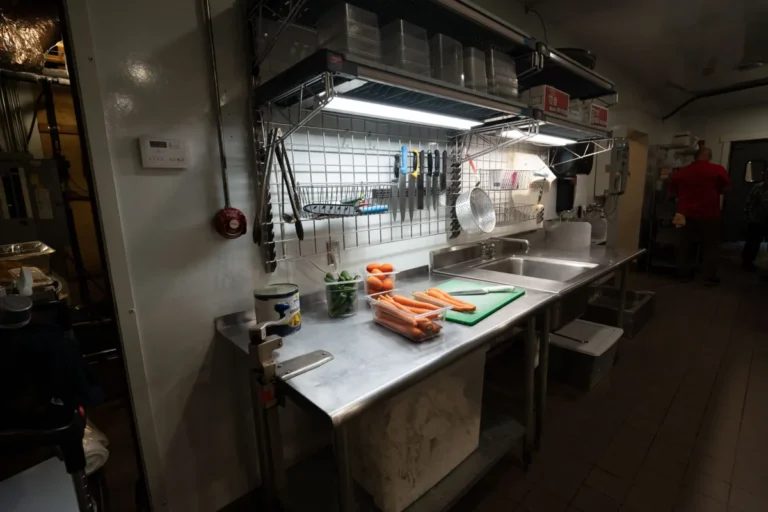
- Pegboards: If you’ve ever been to a commercial kitchen, you’ve seen pegboards in action. They’re the ultimate customizable storage solution-you can hang pots, pans, utensils, and even cutting boards, all within arm’s reach. The best part? You can rearrange them whenever your needs change. And if you’re worried about the industrial look, there are plenty of sleek, modern pegboards on the market that won’t make your kitchen feel like a hardware store.
- Magnetic Strips: These are a game-changer for knives, spice jars, and even small metal utensils. Install a magnetic strip on the wall or under a cabinet, and suddenly, you’ve freed up valuable drawer space. Just make sure it’s out of reach of kids (or clumsy adults, no judgment).
- Wall-Mounted Racks: From spice racks to pot racks, there’s a wall-mounted solution for almost everything. The key is to group like items together. For example, keep your cooking oils and vinegars on a rack near the stove, and your coffee supplies on a shelf near the coffee maker. The less you have to move around, the more efficient your kitchen will be.
- Over-the-Door Storage: Don’t overlook the back of your cabinet doors! Over-the-door organizers are perfect for cleaning supplies, spices, or even snacks. They’re easy to install, and they don’t take up any extra space.
Now, let’s talk about the elephant in the room: does vertical storage make your kitchen feel cluttered? It can, if you’re not careful. The key is to balance form and function. If you’re going to install open shelving, make sure your dishes are cohesive in color and style. If you’re using a pegboard, keep it organized and intentional-no random utensils hanging everywhere. And if you’re really worried about clutter, try closed vertical storage, like tall, narrow cabinets or pull-out pantries. These give you the benefits of vertical storage without the visual chaos.
I’m torn between telling you to go all-in on vertical storage and acknowledging that it’s not for everyone. Maybe you hate the look of open shelving. Maybe you don’t have the wall space. That’s fine! The goal isn’t to turn your kitchen into a storage unit. It’s to find the solutions that work for you. So if vertical storage isn’t your thing, don’t force it. There are plenty of other ways to maximize space (which we’ll get to in a minute).
Underutilized Spaces: The Nooks and Crannies You’re Ignoring
If you’ve ever stared at the gap between your fridge and the wall and thought, “There’s got to be a way to use that space,” congratulations, you’re thinking like a small kitchen ninja. The truth is, most kitchens are full of underutilized spaces-tiny nooks, awkward corners, and dead zones that are just begging to be put to work. The key is to think outside the cabinet (literally).
Let’s start with the space above your cabinets. If you have upper cabinets that don’t reach the ceiling, you’ve got a prime storage opportunity. This is the perfect spot for decorative baskets, cookbooks, or even infrequently used appliances. Just make sure whatever you store up there is lightweight and easy to access-you don’t want to be climbing on a step stool every time you need your waffle maker. And if you’re worried about dust, opt for closed baskets or bins.
Next up: the sides of your cabinets. These are perfect for magnetic spice racks, paper towel holders, or even small shelves. If you’re feeling really ambitious, you can install pull-out shelves on the sides of your lower cabinets. These are great for spices, oils, or even trash bins-anything you want to keep hidden but accessible.
Now, let’s talk about the space under your sink. This is one of the most underutilized areas in any kitchen, and it’s a goldmine for storage. The key is to work around the plumbing. Install a tension rod for spray bottles, use stackable bins for cleaning supplies, or add a small shelf for extra storage. And if you’re really tight on space, consider a pull-out trash bin that fits under the sink. It’s a game-changer for small kitchens.
But here’s where it gets really creative: the space between your appliances. That gap between your fridge and the wall? Perfect for a narrow rolling cart. The space between your stove and the counter? A pull-out cutting board or spice rack. Even the side of your fridge can be put to work with a magnetic knife strip or dry-erase board. The key is to measure carefully and choose storage solutions that fit snugly without blocking access to your appliances.
And let’s not forget about the ceiling. If you have high ceilings, you can install hanging pot racks, shelves, or even a bike rack (for all your bike-riding, small-kitchen-having friends out there). The key is to keep it functional-don’t just hang things for the sake of hanging them. Every item should have a purpose, or it’s just clutter in disguise.
Maybe I should clarify: not every underutilized space is worth using. If you’ve got a tiny gap between your counter and the wall that’s only big enough for a single spice jar, it’s probably not worth the effort. The goal is to find the spaces that make sense for your needs. So take a good look at your kitchen and ask yourself: *Where am I wasting space?* The answer might surprise you.
Appliances and Tools: How to Fit a Commercial Kitchen into a Tiny Apartment
Multi-Functional Appliances: The Swiss Army Knives of the Kitchen World
Let’s talk about the elephant in the room: appliances are space hogs. Your fridge, stove, and dishwasher take up a significant chunk of real estate in any kitchen, but in a small kitchen, they can feel like monolithic obstacles standing between you and culinary freedom. The solution? Multi-functional appliances-the Swiss Army knives of the kitchen world. These are the tools that do double (or triple) duty, saving you space, money, and sanity.
First up: the Instant Pot. If you haven’t jumped on the Instant Pot bandwagon yet, now’s the time. This magical device is a pressure cooker, slow cooker, rice cooker, steamer, sauté pan, and yogurt maker all in one. It’s the ultimate space-saver for small kitchens, and it’s a game-changer for meal prep. Plus, it’s energy-efficient, which means you’ll save money on your utility bills. If you’re tight on counter space, look for a wall-mounted Instant Pot holder or a rolling cart that can double as extra storage.
Next, let’s talk about combination microwaves. These aren’t your grandma’s microwave ovens. Modern microwave-convection ovens can bake, roast, and even air-fry, all while taking up the same amount of space as a standard microwave. Some models even come with built-in toasters or grills, so you can ditch the toaster oven and save even more space. If you’re really tight on space, consider a countertop microwave that can be mounted under a cabinet or on a shelf.
But here’s where it gets really interesting: appliance garages. These are the hidden compartments that keep your countertop appliances out of sight when you’re not using them. You can install an appliance garage in a cabinet or even build one into a rolling cart. The key is to choose appliances that are easy to move-like a lightweight blender or food processor-so you’re not struggling to lift them in and out. And if you’re really short on space, consider a wall-mounted appliance garage that folds down when not in use.
Now, let’s talk about the big guns: your fridge, stove, and dishwasher. In a small kitchen, these appliances need to pull their weight. For example, a French-door refrigerator with a bottom freezer gives you more usable space than a traditional top-freezer model. A slide-in range with a built-in griddle or warming drawer can replace multiple appliances. And a compact dishwasher (like a countertop or drawer-style model) can save you from the soul-crushing task of hand-washing dishes every night.
But here’s the catch: multi-functional appliances aren’t always the best at everything. An Instant Pot is great for pressure cooking, but it’s not going to replace your Dutch oven for braising. A microwave-convection oven can bake a cake, but it’s not going to give you the same results as a full-sized oven. The key is to prioritize your needs. If you’re a baker, invest in a good oven. If you’re a meal-prepper, an Instant Pot is your best friend. And if you’re really tight on space, consider appliances that can be stored away when not in use, like a foldable induction cooktop or a collapsible drying rack.
I’m torn between telling you to go all-in on multi-functional appliances and acknowledging that sometimes, you just need a dedicated tool. Maybe you love your stand mixer, and no amount of Instant Pot magic is going to replace it. That’s fine! The goal isn’t to turn your kitchen into a minimalist showroom. It’s to find the tools that work for you. So if you’re happy with your setup, don’t feel like you need to replace everything. But if you’re struggling with space, multi-functional appliances are a great place to start.
Compact and Commercial: How to Steal Ideas from Professional Kitchens
If you’ve ever watched a cooking show and marveled at how effortlessly chefs move around their kitchens, you’re not alone. Professional kitchens are designed for efficiency, with every tool, appliance, and ingredient within arm’s reach. The good news? You can steal their ideas and apply them to your small kitchen. The key is to think like a chef: prioritize function over form, and don’t be afraid to get a little commercial with your setup.
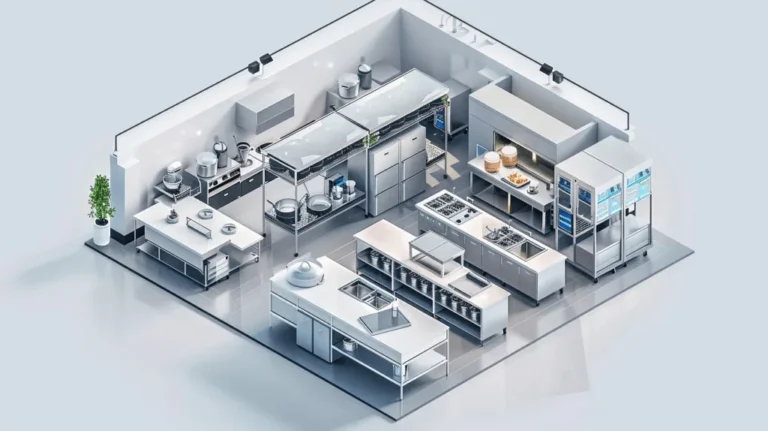
First, let’s talk about workflow. In a professional kitchen, the workflow is everything. Chefs move in a predictable pattern-from prep to cooking to plating, with minimal wasted movement. In a small kitchen, you can mimic this by grouping related tasks together. For example, keep your cutting board, knives, and mixing bowls near the sink for easy prep. Store your cooking utensils, pots, and pans near the stove. And keep your most-used ingredients (like oil, salt, and pepper) within arm’s reach of both zones. The less you have to move around, the more efficient your kitchen will be.
Next, let’s talk about storage. Professional kitchens use every inch of space, from the walls to the ceiling. You can do the same in your small kitchen by installing pegboards, magnetic strips, and wall-mounted racks. These solutions keep your tools visible and accessible, so you’re not digging through drawers every time you need a spatula. And if you’re really tight on space, consider under-cabinet storage-like a pull-out spice rack or a magnetic knife strip-to free up counter space.
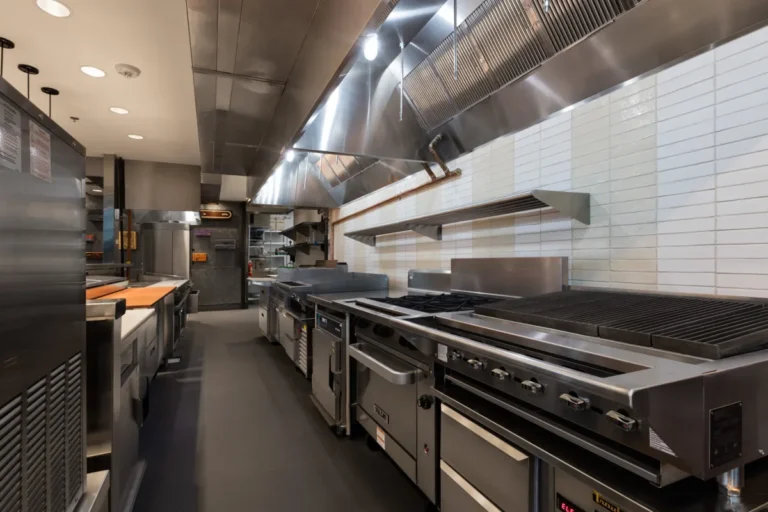
But here’s where it gets really interesting: commercial-grade appliances. You don’t need a six-burner range or a walk-in freezer to benefit from commercial kitchen design. Many compact, commercial-style appliances are designed for small spaces, and they’re built to last. For example, a commercial-grade toaster or blender will outperform its residential counterpart, and it’ll take up the same amount of space. And if you’re really ambitious, you can even find commercial-style refrigerators and dishwashers designed for home use.
Now, let’s talk about suppliers. If you’re in the market for commercial-grade appliances, Chef’s Deal is a great place to start. They offer a wide range of commercial kitchen equipment, from compact refrigerators to space-saving prep tables, and their free kitchen design services can help you maximize every inch of your small kitchen. Plus, they offer professional installation services, so you don’t have to worry about DIY disasters. And if you’re on a budget, they’ve got financing options to make your dream kitchen a reality.
But here’s the catch: commercial appliances aren’t always the best fit for home kitchens. They’re designed for heavy use, which means they can be louder, hotter, and more energy-intensive than residential models. The key is to choose wisely. If you’re only cooking for one or two people, a commercial-grade range might be overkill. But if you’re a serious home cook, it could be a game-changer. And if you’re really tight on space, consider multi-functional appliances that can do double duty, like a combination microwave-convection oven or a countertop induction cooktop.
Maybe I should clarify: you don’t need to turn your kitchen into a restaurant-grade workspace to benefit from commercial design ideas. The goal is to borrow the principles that make professional kitchens so efficient, like zoning, workflow, and smart storage-and apply them to your small kitchen. So if you’re feeling inspired, start small. Install a pegboard. Upgrade your knife set. Or invest in a commercial-grade blender. Every little change adds up, and before you know it, your small kitchen will feel like a culinary powerhouse.
Layout Hacks: The Tiny Tweaks That Make a Big Difference
The Power of Pull-Outs: Why Your Cabinets Are Lying to You
Let’s talk about the biggest lie your kitchen cabinets are telling you: “I’m full.” Spoiler alert: they’re not. Most cabinets are designed with dead space-awkward corners, deep shelves, and hard-to-reach areas that are just begging to be put to work. The solution? Pull-out shelves, drawers, and organizers. These are the secret weapons of small kitchen design, and they can double (or triple) your storage space without requiring a single square foot of extra room.
First, let’s talk about pull-out shelves. These are the sliding shelves that replace your standard cabinet shelves, and they’re a game-changer for small kitchens. Instead of digging through a deep cabinet to find the last can of tomatoes, you can pull the shelf out and see everything at once. No more forgotten ingredients, no more wasted space. And the best part? You can install them yourself with a DIY kit or hire a professional to do it for you. If you’re really tight on space, consider narrow pull-out shelves for spices, oils, or even trash bins.
Next up: pull-out drawers. These are the deep, wide drawers that replace your lower cabinets, and they’re perfect for pots, pans, and small appliances. Instead of stacking your cookware in a cabinet (and risking a Tetris-style avalanche every time you open the door), you can pull the drawer out and see everything at once. And if you’re really ambitious, you can even install dividers to keep your drawers organized. The key is to group like items together-keep your baking sheets in one drawer, your pots and pans in another, and your small appliances in a third.
But here’s where it gets really creative: pull-out pantries. These are the narrow, floor-to-ceiling cabinets that fit in the tightest of spaces, and they’re a game-changer for small kitchens. Instead of cramming your pantry items into a deep cabinet (and losing half of them in the back), you can pull the pantry out and see everything at once. And if you’re really tight on space, consider a rolling pantry that can be tucked into a corner or even stored in a closet when not in use.
Now, let’s talk about the awkward spaces-the corners, the gaps, the nooks and crannies that most people ignore. These are the hidden gems of small kitchen design, and they’re perfect for pull-out solutions. For example, a corner pull-out can turn a dead zone into a spice rack, trash bin, or even a pet food station. A gap pull-out can fit between your fridge and the wall, giving you extra storage for cleaning supplies or snacks. And a toe-kick drawer can turn the space under your cabinets into a hidden storage spot for flat items like baking sheets or cutting boards.
The key to pull-outs is to think vertically. Instead of just pulling things out, think about pulling them up, down, or sideways. For example, a pull-down shelf can turn an upper cabinet into a coffee station or spice rack. A pull-up shelf can turn a lower cabinet into a wine rack or cookbook holder. And a pull-out cutting board can turn a narrow gap into a prep zone. The possibilities are endless, and the best part? You don’t need to remodel your entire kitchen to make it happen.
I’m torn between telling you to go all-in on pull-outs and acknowledging that they’re not for everyone. Maybe you love your deep cabinets and don’t want to change them. Maybe you’re renting and can’t install anything permanent. That’s fine! The goal isn’t to turn your kitchen into a pull-out paradise. It’s to find the solutions that work for you. So if you’re not ready to commit to a full cabinet overhaul, start small. Install a pull-out spice rack. Add a rolling cart. Or just reorganize your cabinets to make the most of the space you’ve got. Every little change adds up, and before you know it, your small kitchen will feel like a storage powerhouse.
Fold-Down and Slide-Out: The Magic of Disappearing Countertops
If you’ve ever wished for a magic wand to make your countertops bigger, you’re not alone. Counter space is the holy grail of small kitchens, and when you don’t have enough of it, cooking can feel like a high-stakes game of Tetris. The solution? Fold-down and slide-out countertops. These are the space-saving superheroes of small kitchen design, and they can double your counter space without requiring a single square foot of extra room.
First, let’s talk about fold-down tables. These are the wall-mounted tables that fold down when not in use, and they’re a game-changer for small kitchens. Instead of cramming a dining table into your kitchen (and losing valuable floor space), you can fold the table down when you’re not using it. And the best part? You can install them anywhere-next to the fridge, under a window, or even in a hallway. If you’re really tight on space, consider a fold-down table with built-in storage, like a bench or a shelf.
Next up: slide-out countertops. These are the pull-out extensions that attach to your existing counters, and they’re perfect for prep work, serving, or even dining. Instead of squeezing everything onto a tiny counter, you can slide the extension out when you need extra space. And if you’re really ambitious, you can even install a slide-out countertop with a built-in cutting board or sink. The key is to choose a material that matches your existing counters, so it blends seamlessly when not in use.
But here’s where it gets really creative: fold-down cutting boards. These are the wall-mounted or under-cabinet cutting boards that fold down when not in use, and they’re a game-changer for small kitchens. Instead of taking up valuable counter space, you can fold the cutting board down when you’re not using it. And if you’re really tight on space, consider a fold-down cutting board with built-in storage, like a knife block or a spice rack. The key is to install it near the sink, so you can easily wash fruits and vegetables without making a mess.
Now, let’s talk about the awkward spaces-the gaps, the nooks, the corners that most people ignore. These are the hidden gems of small kitchen design, and they’re perfect for fold-down and slide-out solutions. For example, a fold-down shelf can turn a narrow gap into a coffee station or spice rack. A slide-out pantry can fit between your fridge and the wall, giving you extra storage for snacks or cleaning supplies. And a fold-down desk can turn a hallway into a home office or breakfast nook. The possibilities are endless, and the best part? You don’t need to remodel your entire kitchen to make it happen.
The key to fold-down and slide-out solutions is to think creatively. Instead of just adding more counter space, think about how you can make your existing space work harder. For example, a fold-down table can double as a prep zone, a dining table, or even a desk. A slide-out countertop can be used for serving, chopping, or even as a bar. And a fold-down cutting board can be installed anywhere-next to the sink, under a cabinet, or even on the side of the fridge. The goal is to maximize every inch of space, so you’re not wasting a single opportunity.
Maybe I should clarify: fold-down and slide-out solutions aren’t just for tiny kitchens. They’re for anyone who wants to make their kitchen more functional. Maybe you’ve got a large kitchen but not enough counter space. Maybe you’re a serious home cook who needs extra prep area. Or maybe you just want to keep your counters clutter-free. Whatever your reason, these solutions can help you get the most out of your kitchen, no matter how big or small it is.
The Future of Small Kitchens: Smart Tech and Modular Design
Smart Kitchens: How Tech Can Save You Space (Without Making You Feel Like a Robot)
Let’s be real: smart home tech has a reputation for being either life-changing or completely unnecessary. A smart fridge that tells you when you’re out of milk? Cool. A smart toaster that texts you when your bagel is done? Maybe overkill. But in a small kitchen, smart tech isn’t just a gimmick, it’s a space-saving superhero. The key is to choose the right tools-the ones that actually make your life easier, not just more complicated.
First, let’s talk about smart appliances. These are the Wi-Fi-enabled, app-controlled, voice-activated versions of your favorite kitchen tools, and they’re designed to save you time, energy, and space. For example, a smart oven can preheat itself while you’re still at the grocery store, so you’re not wasting time (or energy) waiting for it to heat up. A smart coffee maker can brew your morning cup before you even get out of bed. And a smart slow cooker can adjust its cooking time based on the recipe, so you’re not stuck with overcooked chili. The best part? Many smart appliances are compact and multi-functional, so they can replace multiple tools in your kitchen.
But here’s where it gets really interesting: smart storage. These are the high-tech solutions that help you organize, track, and access your kitchen items more efficiently. For example, a smart pantry can scan your groceries as you put them away and remind you when you’re running low. A smart spice rack can rotate to bring the spice you need to the front, so you’re not digging through a cluttered cabinet. And a smart trash can can open with a wave of your hand, so you’re not fumbling with a foot pedal. The key is to choose solutions that fit your needs-if you’re not a tech person, a simple app-controlled light might be enough to make your kitchen feel smarter.
Now, let’s talk about smart lighting. This is one of the easiest and most affordable ways to make your small kitchen feel bigger and more functional. Smart bulbs can adjust their color temperature to mimic daylight, making your kitchen feel brighter and more open. Smart switches can turn lights on and off automatically, so you’re not wasting energy (or money) on lights you’re not using. And smart plugs can control your appliances remotely, so you can turn off the coffee maker from your phone. The best part? You don’t need to rewire your entire kitchen to make it happen. Just swap out a few bulbs or plugs, and you’ll be amazed at the difference.
But here’s the catch: smart tech isn’t always the best solution. Some smart appliances are expensive, complicated, and prone to glitches. And if you’re not careful, you can end up with a kitchen full of gadgets that don’t actually make your life easier. The key is to start small. Instead of buying a smart fridge right away, try a smart plug or a smart bulb. See how it fits into your routine, and go from there. And if you’re really tight on space, consider multi-functional smart appliances-like a smart microwave-convection oven or a smart air fryer-that can replace multiple tools in your kitchen.
I’m torn between telling you to go all-in on smart tech and acknowledging that it’s not for everyone. Maybe you love your analog kitchen and don’t want to deal with apps and voice commands. That’s fine! The goal isn’t to turn your kitchen into a sci-fi movie set. It’s to find the tools that work for you. So if you’re not ready to commit to a full smart kitchen, start small. Try a smart plug. Install a smart bulb. Or just reorganize your cabinets to make the most of the space you’ve got. Every little change adds up, and before you know it, your small kitchen will feel like a tech-savvy powerhouse.
Modular Kitchens: The LEGO Approach to Small Kitchen Design
If you’ve ever wished you could rearrange your kitchen like a LEGO set, you’re in luck. Modular kitchens are the future of small kitchen design, and they’re designed to adapt to your needs-not the other way around. The idea is simple: instead of building a kitchen that’s set in stone, you build a kitchen that’s flexible, customizable, and easy to update. And the best part? You don’t need to be a contractor to make it happen.
First, let’s talk about modular cabinets. These are the pre-fabricated, interchangeable cabinets that you can mix and match to create your perfect kitchen. Instead of ordering custom cabinets (which can be expensive and time-consuming), you can choose from a variety of sizes, styles, and finishes to create a kitchen that fits your space and your budget. And if you ever need to update or rearrange your kitchen, you can just swap out a few cabinets instead of starting from scratch. The key is to choose a modular system that’s easy to install and update, so you’re not stuck with a kitchen that doesn’t work for you.
Next up: modular countertops. These are the interchangeable, customizable countertops that you can mix and match to create your perfect workspace. Instead of committing to a single material (like granite or quartz), you can choose from a variety of options-like butcher block, stainless steel, or even concrete-to create a countertop that fits your style and your budget. And if you ever need to update or replace your countertop, you can just swap out a few sections instead of tearing out the whole thing. The key is to choose a modular system that’s durable and easy to maintain, so you’re not stuck with a countertop that’s high-maintenance or prone to damage.
But here’s where it gets really interesting: modular appliances. These are the interchangeable, customizable appliances that you can mix and match to create your perfect kitchen. Instead of buying a fixed-range stove, you can choose a modular cooktop that fits your needs, like a two-burner induction cooktop for small spaces or a griddle and grill combo for serious home cooks. And if you ever need to update or replace your appliances, you can just swap out a few modules instead of buying a whole new stove. The key is to choose a modular system that’s flexible and easy to update, so you’re not stuck with appliances that don’t work for you.
Now, let’s talk about modular storage. These are the interchangeable, customizable storage solutions that you can mix and match to create your perfect kitchen. Instead of committing to a single storage system (like fixed shelves or drawers), you can choose from a variety of options-like pull-out pantries, wall-mounted racks, or even pegboards-to create a storage system that fits your needs. And if you ever need to update or rearrange your storage, you can just swap out a few modules instead of starting from scratch. The key is to choose a modular system that’s easy to install and update, so you’re not stuck with a storage solution that doesn’t work for you.
The beauty of modular kitchens is that they’re designed to evolve with you. Maybe you start with a basic galley kitchen, but as your needs change, you can add a rolling island, a fold-down table, or even a wall-mounted desk. The possibilities are endless, and the best part? You don’t need to remodel your entire kitchen to make it happen. Just swap out a few modules, and you’ll have a kitchen that’s perfectly tailored to your needs.
Maybe I should clarify: modular kitchens aren’t just for tiny spaces. They’re for anyone who wants a kitchen that’s flexible, customizable, and easy to update. Maybe you’ve got a large kitchen but want to rearrange the layout without tearing out the cabinets. Maybe you’re a renter who wants to customize your kitchen without losing your security deposit. Or maybe you just want a kitchen that grows with you. Whatever your reason, modular kitchens are a smart, affordable, and sustainable way to get the kitchen of your dreams.
If you’re ready to take the plunge, Chef’s Deal offers a wide range of modular kitchen solutions, from customizable cabinets to space-saving appliances. Their free kitchen design services can help you create a modular kitchen that fits your space and your budget, and their professional installation services can make the process as smooth as possible. Plus, they offer financing options to help you get the kitchen you want without breaking the bank.
Putting It All Together: Your Small Kitchen Action Plan
Alright, let’s take a step back. We’ve covered a lot of ground-psychology, layout, storage, appliances, tech, and modular design-and if you’re feeling a little overwhelmed, I don’t blame you. Small kitchen design is a puzzle, and it’s easy to get lost in the details. But here’s the good news: you don’t need to implement every single idea in this guide to make a difference. In fact, you don’t even need to implement half of them. The key is to start small, focus on what matters most to you, and build from there.
So where do you begin? Here’s your small kitchen action plan, broken down into three simple steps:
- Assess Your Space: Take a good, hard look at your kitchen. What’s working? What’s not? Where are you wasting space? Where are you constantly bumping into things? Grab a notebook and sketch out your kitchen layout. Mark the sink, stove, and fridge (your work triangle), and note any awkward corners, dead zones, or underutilized spaces. This is your baseline-the starting point for your small kitchen transformation.
- Prioritize Your Needs: Now, think about how you *actually* use your kitchen. Are you a meal-prepper who needs more counter space? A baker who needs more storage for ingredients? A coffee addict who needs a dedicated morning station? Make a list of your top three pain points, and focus on solving those first. Remember, the goal isn’t to create a Pinterest-perfect kitchen. It’s to create a kitchen that works for you.
- Start Small: You don’t need to gut your kitchen to make a difference. Start with one or two small changes-like installing a pull-out spice rack, adding a fold-down cutting board, or swapping out your lightbulbs for smart LEDs. See how it feels, and go from there. The key is to test and iterate. If something doesn’t work, don’t be afraid to try something else. And if you’re not sure where to start, Chef’s Deal offers free kitchen design consultations to help you brainstorm ideas and find the solutions that fit your space and your budget.
Here’s the thing: small kitchen design is a journey, not a destination. Your needs will change over time, and that’s okay. The goal isn’t to create a perfect kitchen-it’s to create a kitchen that evolves with you. So don’t be afraid to experiment, make mistakes, and try new things. And if you ever feel stuck, just remember: every small change adds up. Before you know it, your tiny kitchen will feel like a culinary powerhouse.
And hey, if all else fails, there’s always takeout. But let’s be real, you didn’t come this far to give up now. You’ve got this. Now go forth and conquer your small kitchen.
FAQ: Your Small Kitchen Questions, Answered
Q: I’m renting and can’t make permanent changes. What are my options for maximizing space?
A: Renters, rejoice! There are plenty of non-permanent solutions to maximize your small kitchen. Start with freestanding storage-like a rolling cart, a bookshelf, or a pegboard-that you can take with you when you move. Use over-the-door organizers for spices, cleaning supplies, or snacks. Install tension rods under the sink for spray bottles or magnetic strips on the fridge for knives. And don’t forget about fold-down and slide-out solutions-like a wall-mounted table or a pull-out cutting board-that can be easily removed when you move out. The key is to think temporary, but functional.
Q: How do I choose the right layout for my small kitchen?
A: The right layout depends on your space, your needs, and your cooking habits. Start by mapping out your work triangle-the sink, stove, and fridge, and see how they’re currently arranged. If they’re too far apart, you’ll waste time moving around. If they’re too close, you’ll feel cramped. Next, think about zoning-grouping related tasks together, like prep, cooking, and cleaning. And finally, consider traffic flow. Can you move around your kitchen without bumping into things? If not, it’s time to rearrange or declutter. If you’re still stuck, Chef’s Deal offers free kitchen design consultations to help you brainstorm ideas and find the layout that works best for you.
Q: What’s the best way to organize a small pantry?
A: A small pantry is all about maximizing vertical space and minimizing clutter. Start by grouping like items together-canned goods, baking supplies, snacks, etc. and use clear bins or baskets to keep everything organized. Next, install shelves or risers to make the most of your vertical space. If you’re really tight on space, consider a pull-out pantry or a rolling cart that can be tucked into a corner. And don’t forget about the back of the door-an over-the-door organizer is perfect for spices, snacks, or small items. The key is to keep things visible and accessible, so you’re not digging through a cluttered pantry every time you need something.
Q: How do I make my small kitchen feel bigger without knocking down walls?
A: Making a small kitchen feel bigger is all about tricking your brain’s perception of space. Start with lighting-bright, even lighting can make a tiny kitchen feel airy and open. Next, declutter your countertops-every unnecessary item makes your kitchen feel smaller. Then, use mirrors or glass to create the illusion of depth, like a mirror backsplash or glass-front cabinets. And finally, paint your kitchen in light, cool colors-like white, gray, or pale blue, to make the space feel more expansive. The key is to focus on what you can control-like lighting, color, and clutter, and let your brain do the rest.
@article{small-kitchen-layout-ideas-to-maximize-every-inch-of-space-without-losing-your-mind,
    title   = {Small Kitchen Layout Ideas to Maximize Every Inch of Space (Without Losing Your Mind)},
    author  = {Chef's icon},
    year    = {2026},
    journal = {Chef's Icon},
    url     = {https://chefsicon.com/small-kitchen-layout-ideas-maximize-space/}
}