The Best Fluffy Pancakes recipe you will fall in love with. Full of tips and tricks to help you make the best pancakes.
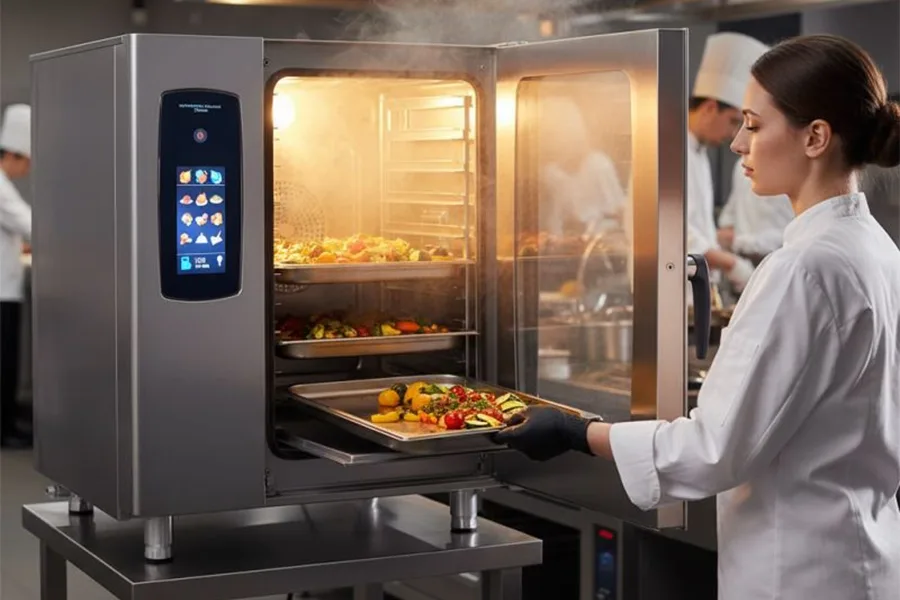
Let me set the scene: It’s 2026, and I’m standing in the middle of a bustling Nashville restaurant kitchen, sweat dripping down my forehead as the line cook next to me curses under his breath. The combi oven we’d just installed, supposedly the “next big thing”-was acting more like a temperamental diva than a reliable workhorse. One minute it was steaming vegetables to perfection, the next it was scorching them into charcoal. The chef de cuisine looked ready to throw it out the window. That’s when it hit me: choosing the right combi oven for your commercial kitchen</’t just about specs and price tags. It’s about understanding your menu, your team, and the kind of chaos you’re signing up for.
Fast forward a few months, and I’ve done my homework, talked to suppliers, grilled manufacturers (pun intended), and even spent a weekend shadowing a kitchen consultant who specializes in high-efficiency cooking equipment. What I learned? There’s no one-size-fits-all answer, but there *are* ways to avoid the kind of buyer’s remorse that leaves you staring at a $20,000 appliance like it’s a bad Tinder date. In this guide, I’ll walk you through everything I wish I’d known before pulling the trigger on a combi oven. From steam modes to energy efficiency, we’ll cover the nitty-gritty so you can make a decision that won’t haunt you during dinner service.
By the end of this, you’ll know:
- How to match a combi oven’s capacity and features to your kitchen’s actual needs (not just what the sales rep tells you).
- The hidden costs of ownership, because the sticker price is just the beginning.
- Why programmability and user interface matter more than you think (trust me, your line cooks will thank you).
- How to test-drive a combi oven before committing (yes, it’s possible).
- The questions to ask suppliers that’ll separate the pros from the hype.
Let’s dive in, before your current oven gives up the ghost.
Why a Combi Oven? The Case for Versatility in a Commercial Kitchen
First, let’s address the elephant in the room: Why even bother with a combi oven? After all, traditional ovens, steamers, and convection units have been keeping kitchens running for decades. Why fix what isn’t broken?
Here’s the thing: Modern commercial kitchens aren’t just about cooking food anymore. They’re about speed, consistency, and flexibility. A combi oven, short for combination oven-merges three cooking methods into one: convection, steam, and a hybrid of both. This trifecta means you can roast a chicken, steam vegetables, and bake a soufflé all in the same unit. For kitchens where space is at a premium (and when isn’t it?), that’s a game-changer.
But it’s not just about saving square footage. Combi ovens excel at precision cooking. Need to hold a batch of prime rib at the perfect temperature for hours without drying it out? A combi oven’s low-temperature steam mode has you covered. Want to blast a tray of fries with superheated air for that crispy exterior while keeping the inside fluffy? The convection mode does that too. And if you’re dealing with delicate seafood or vegetables, the pure steam function ensures they come out tender and vibrant, not mushy or overcooked.
I’ll admit, when I first heard about combi ovens, I was skeptical. I’d seen too many “revolutionary” kitchen gadgets gather dust after the initial hype wore off. But after talking to chefs who’ve made the switch, the pattern was clear: kitchens that adopt combi ovens don’t go back. The reasons? Reduced cook times, lower energy bills, and, perhaps most importantly-fewer dishes to wash. Because let’s be real, no one misses scrubbing multiple pans when one combi oven can do the job of three separate units.
Still, it’s not all sunshine and perfectly seared scallops. Combi ovens come with their own learning curve. If your team isn’t trained properly, you might end up with a $15,000 paperweight. And not all combi ovens are created equal, some are better suited for high-volume restaurants, while others are ideal for small cafés or catering operations. So before you start dreaming of all the ways a combi oven will transform your kitchen, let’s get into the details.
Understanding the Basics: How Combi Ovens Work
Alright, let’s geek out for a minute. How does a combi oven actually work? At its core, a combi oven is a convection oven with a built-in steam generator. The magic happens when you combine these two elements in different ratios, giving you three primary cooking modes:
- Convection mode: Dry heat circulated by a fan, perfect for roasting, baking, and browning. Think crispy skin on a duck breast or golden-brown croissants.
- Steam mode: Pure steam for gentle cooking, ideal for vegetables, fish, and delicate items like custards. This mode preserves color, texture, and nutrients better than boiling or blanching.
- Combination mode: A mix of steam and convection heat, which is where the real versatility shines. This mode is perfect for moist-heat roasting (like a juicy pork shoulder) or proofing dough without drying it out.
But here’s where it gets interesting: modern combi ovens don’t just toggle between these modes. Many models allow you to fine-tune the ratio of steam to dry heat, giving you granular control over humidity levels. Some even let you adjust the fan speed, which can make a big difference in how evenly your food cooks. For example, a slower fan speed might be better for delicate pastries, while a higher speed ensures even browning on a rack of lamb.
Now, you might be wondering: Isn’t this just overcomplicating things? After all, if you’ve got a convection oven and a steamer, why not just use both? The answer lies in efficiency and consistency. When you’re cooking in a combi oven, the steam and heat are distributed uniformly throughout the cavity, which means no hot spots or uneven cooking. This is especially important in a commercial setting where you’re cooking large quantities of food at once. Imagine trying to roast 20 chickens in a conventional oven, some will be perfect, some undercooked, and others overdone. In a combi oven, they’ll all come out the same.
Another key feature of combi ovens is their self-cleaning capabilities. Most models come with a automatic cleaning cycle that uses high-temperature steam to loosen grease and grime, making maintenance a breeze. Some even have built-in water filters to prevent limescale buildup, which can be a lifesaver if you’re in an area with hard water. But we’ll get into maintenance later, because trust me, it’s not as simple as the brochures make it sound.
Types of Combi Ovens: Which One Fits Your Kitchen?
Not all combi ovens are created equal, and choosing the right type depends on your kitchen’s specific needs. Here’s a breakdown of the main categories:
1. Countertop Combi Ovens
These are the compact, plug-and-play models designed for smaller kitchens or operations with limited space. They’re typically electric-powered and can fit on a countertop or a mobile stand. Countertop combi ovens are great for cafés, food trucks, or catering businesses that need flexibility. However, they come with some limitations:
- Smaller capacity: Usually holds 6-10 half-size pans, which might not be enough for high-volume restaurants.
- Lower power output: They may struggle with heavy-duty tasks like roasting large cuts of meat.
- Limited programmability: Fewer preset cooking modes compared to larger models.
That said, if you’re running a small operation or need a secondary oven for specific tasks, a countertop combi oven can be a cost-effective solution. Just don’t expect it to handle the same workload as its bigger siblings.
2. Floor-Standing Combi Ovens
These are the heavy hitters of the combi oven world. Floor-standing models are designed for high-volume commercial kitchens and can handle everything from banquet service to à la carte dining. They come in a variety of sizes, typically holding 10-20 half-size pans, and are available in both electric and gas-powered versions.
Floor-standing combi ovens offer several advantages:
- Greater capacity: Ideal for restaurants, hotels, and institutional kitchens.
- More cooking modes: Advanced models come with dozens of preset programs for everything from sous vide to dehydration.
- Better durability: Built to withstand the rigors of a busy kitchen.
- Energy efficiency: Many models feature heat recovery systems that reuse waste heat, reducing energy costs.
But they’re not without drawbacks. Floor-standing combi ovens are expensive, both in terms of upfront cost and installation. They also take up a significant amount of space, so you’ll need to plan your kitchen layout carefully. And if you’re in an older building, you might need to upgrade your electrical or gas lines to accommodate the oven’s power requirements.
3. Roll-In Combi Ovens
These are the big guns of the combi oven world, designed for large-scale food production like hospitals, universities, or banquet halls. Roll-in combi ovens feature a mobile rack system that allows you to load and unload food without transferring it to separate pans. This makes them ideal for operations that need to cook massive quantities of food quickly and efficiently.
Roll-in combi ovens come with their own set of considerations:
- Huge capacity: Can hold 20+ full-size pans, making them perfect for bulk cooking.
- Labor-saving: The roll-in design reduces the need for manual handling, which can speed up service and reduce injuries.
- High initial cost: These are serious investments, often costing $30,000 or more.
- Space requirements: You’ll need a dedicated area with proper ventilation and utility hookups.
If you’re running a high-volume operation, a roll-in combi oven can be a game-changer. But for most restaurants, it’s probably overkill. Unless you’re feeding an army, you might want to stick with a floor-standing model.
4. Boilerless vs. Boiler-Based Combi Ovens
This is where things get a little technical, but it’s an important distinction. Combi ovens can be categorized based on how they generate steam:
- Boilerless combi ovens: These use a direct steam injection system, where water is sprayed onto a hot surface inside the oven cavity to create steam. Boilerless models are generally more energy-efficient and easier to maintain because they don’t have a separate boiler that can scale or fail. They’re also faster to heat up, which is a big plus in a busy kitchen. However, they may not produce as much steam as boiler-based models, which can be a limitation for certain cooking tasks.
- Boiler-based combi ovens: These have a dedicated boiler that generates steam, which is then injected into the oven cavity. Boiler-based models can produce higher volumes of steam, making them better suited for tasks like proofing dough or steaming large quantities of vegetables. They also tend to have more precise humidity control. The downside? Boilers require regular maintenance to prevent limescale buildup, and they can be less energy-efficient than boilerless models.
So which one should you choose? If you’re cooking a lot of bread or need high-volume steam capabilities, a boiler-based model might be worth the extra maintenance. But for most restaurants, a boilerless combi oven is the way to go, it’s simpler, more efficient, and just as capable for the majority of cooking tasks.
Key Features to Look for in a Combi Oven
Now that you’ve got a handle on the basics, let’s talk about the features that’ll make or break your combi oven experience. Not all features are created equal, and some might be overkill for your specific needs. Here’s what to prioritize:
1. Capacity and Size: How Much Can It Really Hold?
One of the biggest mistakes I see kitchens make is underestimating their capacity needs. It’s easy to look at a combi oven’s specs and think, “Oh, it holds 10 half-size pans, that’s plenty.” But here’s the thing: you’re not always cooking in half-size pans. If you’re roasting whole chickens, baking sheet trays of cookies, or proofing large batches of dough, you’ll need to adjust your calculations.
When evaluating capacity, ask yourself:
- What’s the largest item you’ll be cooking? A whole turkey? A full sheet pan of lasagna?
- How many different items will you be cooking simultaneously? Combi ovens excel at multitasking, but only if there’s enough space for air and steam to circulate.
- Do you need multiple racks for batch cooking? If so, make sure the oven has enough clearance between racks.
A good rule of thumb is to oversize slightly. If you think you need a 10-pan oven, consider going for a 12- or 14-pan model. The extra capacity will give you more flexibility during peak service, and it’s better to have it and not need it than to be scrambling for space when the dinner rush hits.
Also, don’t forget to measure your kitchen. Combi ovens come in a variety of dimensions, and even a few inches can make a difference in tight spaces. And if you’re planning to install the oven in an existing kitchen, make sure your doorways and hallways are wide enough to accommodate it. The last thing you want is to order a shiny new combi oven only to realize it won’t fit through the door.
2. Programmability and User Interface: Why Your Line Cooks Will Love (or Hate) You
Here’s a hard truth: the best combi oven in the world is useless if your team can’t figure out how to use it. That’s why programmability and user interface should be at the top of your priority list. A combi oven with a clunky, unintuitive interface will slow down your kitchen, frustrate your staff, and lead to inconsistent results.
Look for models with:
- Touchscreen controls: These are easier to clean and more intuitive than physical buttons. Some even come with customizable dashboards that let you prioritize the functions you use most.
- Preset programs: The more presets, the better. A good combi oven should come with programs for common tasks like roasting, steaming, baking, and proofing. Some high-end models even include chef-inspired programs for specific dishes, like “perfectly cooked salmon” or “crispy fries.”
- Customizable programs: You should be able to save your own programs for frequently cooked items. This ensures consistency and saves time during service.
- Remote monitoring: Some newer models come with Wi-Fi or Bluetooth connectivity, allowing you to monitor and control the oven from a tablet or smartphone. This can be a lifesaver if you’re managing multiple stations or need to check on a long cook while you’re prepping elsewhere.
- Multi-language support: If your team includes non-native English speakers, look for a model with multiple language options. This can reduce errors and speed up training.
I’ll never forget the first time I used a combi oven with a poorly designed interface. The buttons were tiny, the menu was confusing, and the presets were labeled in a way that made no sense. By the end of the shift, the line cook had given up and was using it as a regular convection oven. Don’t let that happen to your team. If possible, test the interface before you buy. Have your chefs play around with it and see if it feels intuitive. If it doesn’t, keep looking.
3. Energy Efficiency: Saving Money (and the Planet)
Let’s talk about everyone’s favorite topic: operating costs. Combi ovens aren’t cheap to run, and if you’re not careful, they can drive up your utility bills faster than you can say “dinner rush.” But here’s the good news: ot all combi ovens are energy hogs. Some are designed with energy efficiency in mind, and choosing the right one can save you thousands of dollars over the life of the oven.
Here’s what to look for:
- Energy Star certification: If a combi oven has the Energy Star label, it meets strict efficiency guidelines set by the EPA. These models use 10-20% less energy than standard ovens, which can add up to significant savings over time.
- Heat recovery systems: Some combi ovens feature heat exchangers that capture waste heat and reuse it to preheat the oven or generate steam. This reduces energy consumption and speeds up cooking times.
- Insulation: Thicker insulation means less heat loss, which translates to lower energy bills. Look for models with high-quality insulation materials like ceramic fiber or mineral wool.
- Boilerless design: As mentioned earlier, boilerless combi ovens are generally more energy-efficient than boiler-based models because they don’t have to heat a separate water tank.
- Variable fan speeds: Some combi ovens allow you to adjust the fan speed, which can reduce energy consumption when you don’t need maximum airflow.
But energy efficiency isn’t just about saving money, it’s also about sustainability. If you’re running a green kitchen or trying to reduce your carbon footprint, choosing an energy-efficient combi oven is a no-brainer. Plus, it’s a great selling point for customers who care about where their food comes from and how it’s prepared.
That said, don’t assume that the most energy-efficient model is always the best choice. Sometimes, you’ll need to balance efficiency with performance. For example, a boiler-based combi oven might use more energy, but if it’s the only model that can handle your high-volume steam needs, it might be worth the extra cost.
4. Maintenance and Cleaning: The Dirty Truth
Here’s something no one tells you about combi ovens: they’re high-maintenance. I’m not talking about the occasional wipe-down, I’m talking about daily cleaning, descaling, and regular maintenance to keep them running smoothly. Neglect this, and you’ll end up with a grease-caked, limescale-encrusted nightmare that cooks unevenly and breaks down when you need it most.
So what does proper maintenance look like? Here’s a quick rundown:
- Daily cleaning: After each service, you’ll need to wipe down the interior with a on-abrasive cleaner to remove grease and food debris. Some models have self-cleaning cycles that use high-temperature steam to loosen grime, but you’ll still need to wipe it down afterward.
- Descaling: If you’re in an area with hard water, limescale buildup is a constant battle. Most combi ovens have a descaling cycle that uses a special solution to dissolve mineral deposits. How often you need to descale depends on your water quality, but it’s typically every 1-3 months.
- Boiler maintenance (for boiler-based models): If you have a boiler-based combi oven, you’ll need to flush the boiler regularly to prevent scale buildup. Some models have automatic boiler flushing, which makes this process easier.
- Filter changes: Many combi ovens have air and water filters that need to be replaced periodically. Check the manufacturer’s recommendations for how often to change them.
- Professional servicing: Even with regular cleaning, combi ovens need professional servicing at least once a year. This includes checking the heating elements, fans, and steam generator for wear and tear.
Now, here’s the kicker: ot all combi ovens are equally easy to maintain. Some models are designed with tool-less access panels, making it easier to clean hard-to-reach areas. Others have removable racks and trays that can be washed in a dishwasher. And some high-end models come with automated cleaning programs that do most of the work for you.
Before you buy, ask the supplier about the maintenance requirements for the model you’re considering. How often does it need to be descaled? Are there any parts that need to be replaced regularly? What’s the typical lifespan of the heating elements and steam generator? The answers to these questions will give you a better idea of the true cost of ownership.
And here’s a pro tip: train your staff on proper cleaning procedures from day one. I’ve seen too many kitchens where the combi oven is treated like a regular oven, wiped down occasionally but never properly maintained. Don’t let that happen to you. Make cleaning part of your closing checklist, and assign someone to be responsible for descaling and filter changes.
5. Durability and Build Quality: Will It Survive the Dinner Rush?
A combi oven is a major investment, and the last thing you want is for it to break down after a year of use. That’s why durability and build quality should be at the top of your priority list. A well-built combi oven should last 10-15 years with proper maintenance, but a poorly made one might not make it past the warranty period.
So what should you look for?
- Stainless steel construction: The interior and exterior of the oven should be made from high-quality stainless steel. This material is durable, easy to clean, and resistant to corrosion. Avoid models with plastic or thin metal components, as they’re more likely to warp or crack over time.
- Heavy-duty doors: The door is one of the most frequently used parts of the oven, so it needs to be sturdy and well-sealed. Look for models with double-pane glass doors (which stay cooler to the touch) and robust hinges that can withstand repeated opening and closing.
- High-quality heating elements: The heating elements are the heart of the oven, so they need to be reliable and long-lasting. Ask the supplier about the warranty on the heating elements-a good warranty is a sign of confidence in the product’s durability.
- Fan and motor quality: The fan is responsible for circulating heat and steam, so it needs to be powerful and durable. Look for models with brushless motors, which are more reliable and require less maintenance than traditional motors.
- Steam generator durability: If you’re opting for a boiler-based model, make sure the steam generator is built to last. Some models use copper or stainless steel boilers, which are more resistant to corrosion than cheaper materials.
But durability isn’t just about the materials, it’s also about how the oven is put together. A well-built combi oven should feel solid and well-engineered, with no loose parts or flimsy components. If possible, inspect the oven in person before you buy. Open and close the door a few times, check the seals, and look for any signs of poor craftsmanship.
And here’s something else to consider: brand reputation. Some manufacturers have a long history of producing high-quality combi ovens, while others are newer to the market and may not have the same track record. Do your research, read reviews, talk to other chefs, and ask suppliers about their experiences with different brands. A little due diligence now can save you a lot of headaches down the road.
Hidden Costs of Owning a Combi Oven
Alright, let’s talk about the real cost of owning a combi oven. I’m not just talking about the sticker price, I’m talking about the hidden expenses that can sneak up on you if you’re not prepared. Because trust me, they will.
1. Installation Costs: More Than Just Plugging It In
First up: installation. Unless you’re buying a countertop model, installing a combi oven isn’t as simple as plugging it in and turning it on. Here’s what you might need to budget for:
- Electrical or gas upgrades: Combi ovens require a dedicated power source, and if your kitchen isn’t already set up for it, you’ll need to hire an electrician or plumber to install the necessary wiring or gas lines. This can cost $1,000-$5,000 or more, depending on the complexity of the job.
- Ventilation: Combi ovens generate a lot of heat and steam, so you’ll need a proper ventilation system to keep your kitchen comfortable and safe. If your current hood system isn’t up to the task, you might need to upgrade it, which can cost $2,000-$10,000.
- Water line installation: If your combi oven has a direct water connection (for automatic steam generation), you’ll need to run a water line to the oven. This typically requires a plumber and can cost $500-$2,000.
- Floor reinforcement: Floor-standing combi ovens are heavy, some weigh 500+ pounds. If your kitchen floor isn’t reinforced, you might need to add support beams, which can cost $1,000-$3,000.
- Delivery and setup: Even if the oven is “free delivery,” you might need to pay extra for white-glove service, which includes uncrating, positioning, and initial setup. This can add $200-$1,000 to your bill.
Pro tip: Get a site survey before you buy. Many suppliers offer this service for free, and it can save you a lot of headaches. A site survey will identify any potential issues with your kitchen’s layout, utilities, or ventilation, so you can budget accordingly.
2. Maintenance and Repairs: The Gift That Keeps on Giving
We touched on maintenance earlier, but it’s worth repeating: combi ovens require regular upkeep. And that upkeep isn’t free. Here’s what you can expect to spend:
- Cleaning supplies: You’ll need specialized cleaners and descaling solutions, which can cost $100-$300 per year.
- Filter replacements: Air and water filters need to be replaced regularly, typically $50-$200 per year.
- Professional servicing: Even with regular cleaning, combi ovens need annual professional servicing, which can cost $300-$1,000 per year.
- Repairs: No matter how well you maintain your oven, things will eventually break. Heating elements, fans, and steam generators can fail, and repairs can cost $500-$2,000 or more.
And here’s the kicker: some manufacturers require you to use their authorized service technicians for repairs, which can be more expensive than hiring a third-party technician. Before you buy, ask about the warranty terms and whether you’re locked into using the manufacturer’s service network.
3. Energy Costs: The Silent Budget Killer
Combi ovens are energy-intensive, and if you’re not careful, they can drive up your utility bills. Here’s what to watch out for:
- Electricity: Electric combi ovens can draw 10-30 kW of power, depending on the model. At an average electricity rate of $0.12 per kWh, that can add up to $500-$1,500 per year in energy costs.
- Gas: Gas-powered combi ovens are generally more energy-efficient than electric models, but they still consume a lot of fuel. Depending on your gas rates, you can expect to spend $300-$1,000 per year on gas.
- Water: If your combi oven has a direct water connection, you’ll need to factor in water costs. This is usually minimal-$50-$200 per year-but it’s still something to consider.
To keep energy costs in check, look for models with energy-saving features like heat recovery systems, variable fan speeds, and programmable cooking modes. And don’t forget to train your staff on efficient cooking practices, like preheating the oven only when necessary and using the right cooking mode for each task.
4. Training Costs: Your Team Isn’t Born Knowing How to Use It
Here’s something that catches a lot of kitchens off guard: combi ovens require training. They’re not as intuitive as a regular oven, and if your team doesn’t know how to use them properly, you’ll end up with inconsistent results, wasted food, and frustrated cooks.
So how much should you budget for training? It depends on the complexity of the oven and your team’s experience, but here’s a rough estimate:
- Initial training: Most suppliers offer free or low-cost training when you buy the oven, but this is usually just a basic overview. For more in-depth training, you might need to hire a kitchen consultant or manufacturer rep, which can cost $500-$2,000.
- Ongoing training: As your team turns over, you’ll need to train new hires. This can be done in-house, but you might need to budget for additional training sessions if your oven has advanced features.
- Time: Training takes time, and time is money in a busy kitchen. Factor in the lost productivity while your team is learning how to use the new oven.
Pro tip: assign a “combi oven champion”-someone on your team who’s responsible for mastering the oven and training others. This person should be detail-oriented, patient, and comfortable with technology. Having a go-to expert will make the transition smoother and reduce the risk of costly mistakes.
How to Test-Drive a Combi Oven Before You Buy
Alright, you’ve done your research, narrowed down your options, and now you’re ready to pull the trigger. But before you sign on the dotted line, there’s one more step you shouldn’t skip: test-driving the oven. Yes, you read that right, just like you’d test-drive a car before buying it, you should test-drive a combi oven to make sure it’s the right fit for your kitchen.
Here’s how to do it:
1. Schedule a Demo
Most suppliers offer free demos of their combi ovens, either at their showroom or in your kitchen. This is your chance to see the oven in action, so don’t be shy about asking questions. Here’s what to look for during the demo:
- Ease of use: Is the interface intuitive? Can you figure out how to use the basic functions without reading the manual?
- Cooking performance: Does the oven cook food evenly? Are there any hot spots or cold zones?
- Steam generation: Does the oven produce enough steam for your needs? Is the steam distribution even?
- Noise level: Is the oven loud? This might not seem like a big deal, but in a busy kitchen, excessive noise can be a real nuisance.
- Build quality: Does the oven feel solid and well-built? Are there any loose parts or flimsy components?
If possible, bring your own food to the demo. This will give you a better idea of how the oven performs with the items you actually cook. Don’t just rely on the supplier’s demo dishes, test it with your own recipes.
2. Ask for a Loaner
Some suppliers offer loaner programs, where you can borrow a combi oven for a week or two to test it in your kitchen. This is the best way to see how the oven performs in real-world conditions, but it’s not always an option. If a supplier offers a loaner, take them up on it, it’s a great way to get hands-on experience before committing.
During the loaner period, put the oven through its paces. Use it for all your regular cooking tasks and see how it holds up. Pay attention to:
- Consistency: Does the oven produce the same results every time?
- Speed: Does it cook food faster than your current oven?
- Ease of cleaning: Is the oven easy to clean after use?
- Staff feedback: Ask your team what they think. Do they find the oven easy to use? Are there any features they love or hate?
3. Talk to Other Chefs
One of the best ways to test-drive a combi oven is to talk to other chefs who’ve used it. Ask the supplier for references, and reach out to other kitchens that have the same model. Here are some questions to ask:
- How long have you had the oven?
- What do you like about it?
- What don’t you like about it?
- How often does it break down?
- How easy is it to clean and maintain?
- Would you buy it again?
You can also check online reviews and forums for feedback on specific models. Just keep in mind that every kitchen is different, so take reviews with a grain of salt. What works for one restaurant might not work for yours.
4. Check the Warranty and Support
Before you buy, make sure you understand the warranty terms and what kind of customer support you can expect. Here’s what to look for:
- Warranty length: Most combi ovens come with a 1-2 year warranty, but some manufacturers offer extended warranties for an additional cost.
- Warranty coverage: What’s included in the warranty? Does it cover parts and labor, or just parts? Are there any exclusions?
- Response time: How quickly does the manufacturer respond to service requests? In a busy kitchen, you can’t afford to wait days for a repair.
- Parts availability: Are replacement parts readily available, or will you have to wait weeks for them to ship?
- Training and support: Does the manufacturer offer ongoing training and support? This can be a lifesaver if you run into issues down the road.
And here’s a pro tip: ask the supplier what happens if the oven breaks down during the warranty period. Do they offer a loaner oven while yours is being repaired? If not, you might want to look elsewhere.
Top Combi Oven Brands to Consider (and What Sets Them Apart)
Not all combi oven brands are created equal, and choosing the right one can make a big difference in your kitchen’s efficiency and longevity. Here’s a rundown of some of the top brands in the market, along with what sets them apart:
1. Rational
Why they’re great: Rational is one of the most respected names in the combi oven world, known for their innovative technology and durability. Their ovens are used in everything from Michelin-starred restaurants to high-volume catering operations, and for good reason. Rational’s combi ovens feature SelfCookingControl®, a fully automatic cooking system that adjusts cooking times and temperatures based on the food’s weight and desired doneness. This takes the guesswork out of cooking and ensures consistent results every time.
Best for: High-end restaurants, hotels, and institutional kitchens that need precision and reliability.
Models to consider:
- Rational SelfCookingCenter®: The flagship model, available in electric and gas versions. Features SelfCookingControl® and a touchscreen interface.
- Rational CombiMaster® Plus: A more affordable option with many of the same features as the SelfCookingCenter®, but with a simpler interface.
2. Alto-Shaam
Why they’re great: Alto-Shaam is known for their high-quality, durable combi ovens that are built to last. Their ovens feature Halo Heat®, a low-temperature cooking technology that uses radiant heat to cook food evenly and retain moisture. Alto-Shaam’s combi ovens are also energy-efficient, with features like heat recovery systems and variable fan speeds.
Best for: Restaurants, hotels, and healthcare facilities that need versatility and energy efficiency.
Models to consider:
- Alto-Shaam Combitherm®: A floor-standing combi oven available in electric and gas versions. Features Halo Heat® and a touchscreen interface.
- Alto-Shaam Quickchiller®: A countertop combi oven with a smaller footprint, ideal for smaller kitchens.
3. Convotherm
Why they’re great: Convotherm is a German brand known for their precision engineering and innovative features. Their combi ovens feature EasyTouch®, a user-friendly interface that makes it easy to program and operate the oven. Convotherm’s ovens also come with automatic cleaning programs and energy-saving features like heat recovery systems.
Best for: High-volume kitchens, catering operations, and bakeries that need speed and consistency.
Models to consider:
- Convotherm 4: A floor-standing combi oven with EasyTouch® and a wide range of cooking modes.
- Convotherm Mini: A countertop combi oven with a compact design, ideal for smaller kitchens.
4. Electrolux
Why they’re great: Electrolux is a global leader in kitchen equipment, and their combi ovens are no exception. Their ovens feature Air-O-Steam®, a patented cooking system that combines convection and steam for perfect results every time. Electrolux’s combi ovens are also easy to clean, with features like automatic cleaning programs and removable racks.
Best for: Restaurants, hotels, and institutional kitchens that need versatility and ease of use.
Models to consider:
- Electrolux Air-O-Steam®: A floor-standing combi oven with Air-O-Steam® and a touchscreen interface.
- Electrolux Combi Wave: A countertop combi oven with a compact design, ideal for smaller kitchens.
5. Blodgett
Why they’re great: Blodgett is a trusted name in commercial ovens, and their combi ovens are known for their durability and reliability. Their ovens feature steam-on-demand, a boilerless steam generation system that’s energy-efficient and easy to maintain. Blodgett’s combi ovens are also built to last, with stainless steel construction and heavy-duty components.
Best for: Restaurants, hotels, and institutional kitchens that need durability and low maintenance.
Models to consider:
- Blodgett Combi: A floor-standing combi oven with steam-on-demand and a touchscreen interface.
- Blodgett Combi Countertop: A countertop combi oven with a compact design, ideal for smaller kitchens.
Making the Final Decision: A Step-by-Step Guide
Alright, you’ve done your research, test-driven a few models, and now it’s time to make the final decision. But how do you choose between two or three ovens that all seem like a good fit? Here’s a step-by-step guide to help you narrow it down:
Step 1: List Your Must-Haves
Start by making a list of the features and capabilities that are non-negotiable for your kitchen. This might include:
- Minimum capacity (e.g., 10 half-size pans)
- Specific cooking modes (e.g., low-temperature steam, dehydration)
- Programmability (e.g., customizable programs, touchscreen interface)
- Energy efficiency (e.g., Energy Star certification, heat recovery system)
- Ease of cleaning (e.g., automatic cleaning programs, removable racks)
Once you have your list, eliminate any models that don’t meet your must-haves. This will help you narrow down your options.
Step 2: Compare Total Cost of Ownership
Next, calculate the total cost of ownership for each model. This includes:
- Purchase price
- Installation costs
- Energy costs
- Maintenance and repair costs
- Training costs
Don’t just focus on the sticker price, consider the long-term costs as well. A cheaper oven might end up costing you more in the long run if it’s less energy-efficient or requires more maintenance.
Step 3: Evaluate Warranty and Support
Review the warranty terms and customer support for each model. Look for:
- Warranty length and coverage
- Response time for service requests
- Availability of replacement parts
- Training and support options
If one model has a better warranty or more responsive customer support, it might be worth the extra cost.
Step 4: Get Feedback from Your Team
Before you make the final decision, get feedback from your team. After all, they’re the ones who’ll be using the oven every day. Ask them:
- Which model do they prefer?
- Which interface is the most intuitive?
- Which oven feels the most durable?
Their input can be invaluable in making the right choice.
Step 5: Trust Your Gut
Finally, trust your gut. If one model just feels like the right fit for your kitchen, go with it. You’ve done your research, evaluated the options, and gotten feedback from your team, now it’s time to make the call.
Final Thoughts: Is a Combi Oven Right for You?
So, is a combi oven the right choice for your commercial kitchen? The answer, as with most things in life, is: it depends. If you’re running a high-volume kitchen where speed, consistency, and versatility are paramount, a combi oven can be a game-changer. It can replace multiple pieces of equipment, reduce cook times, and improve the quality of your food. But if you’re a small café with a limited menu, it might be overkill.
Here’s the thing: a combi oven isn’t a magic bullet. It won’t solve all your kitchen’s problems, and it won’t turn a mediocre chef into a culinary genius. But if you choose the right model, train your team properly, and maintain it regularly, it can be a powerful tool that takes your kitchen to the next level.
So take your time, do your research, and don’t be afraid to ask questions. Talk to suppliers, test-drive models, and get feedback from other chefs. And remember: the best combi oven for your kitchen is the one that meets your specific needs, not the one with the most bells and whistles.
Now, go forth and cook, smartly.
FAQ
Q: How much does a good combi oven cost?
A: The cost of a combi oven varies widely depending on the size, features, and brand. Countertop models typically start around $5,000-$10,000, while floor-standing models can range from $10,000-$30,000 or more. Roll-in models are the most expensive, often costing $30,000-$50,000. Don’t forget to factor in installation, maintenance, and energy costs when budgeting.
Q: Can a combi oven replace a convection oven, steamer, and proofing cabinet?
A: In many cases, yes. A combi oven can perform the functions of a convection oven, steamer, and proofing cabinet, making it a versatile addition to any kitchen. However, there are some limitations. For example, a combi oven might not be able to generate as much steam as a dedicated steamer, and it might not have the same capacity as a dedicated proofing cabinet. It’s also worth noting that some kitchens prefer to keep separate units for specific tasks to avoid bottlenecks during service.
Q: How often should I clean and descale my combi oven?
A: Cleaning and descaling frequency depends on how often you use the oven and the hardness of your water. As a general rule, you should wipe down the interior after each use to remove grease and food debris. For descaling, most manufacturers recommend every 1-3 months, but if you’re in an area with hard water, you might need to descale more frequently. Check the manufacturer’s guidelines for specific recommendations.
Q: What’s the difference between a combi oven and a convection oven?
A: A convection oven uses dry heat circulated by a fan to cook food, while a combi oven combines convection heat with steam. This gives a combi oven three primary cooking modes: convection, steam, and a combination of both. The addition of steam allows for more precise cooking, better moisture retention, and faster cook times. Combi ovens are also more versatile, as they can perform the functions of a convection oven, steamer, and proofing cabinet.
@article{choosing-the-right-combi-oven-for-your-commercial-kitchen-a-chefs-guide-to-smarter-cooking,
    title   = {Choosing the Right Combi Oven for Your Commercial Kitchen: A Chef’s Guide to Smarter Cooking},
    author  = {Chef's icon},
    year    = {2026},
    journal = {Chef's Icon},
    url     = {https://chefsicon.com/choosing-the-right-combi-oven-for-your-commercial-kitchen/}
}