The Best Fluffy Pancakes recipe you will fall in love with. Full of tips and tricks to help you make the best pancakes.
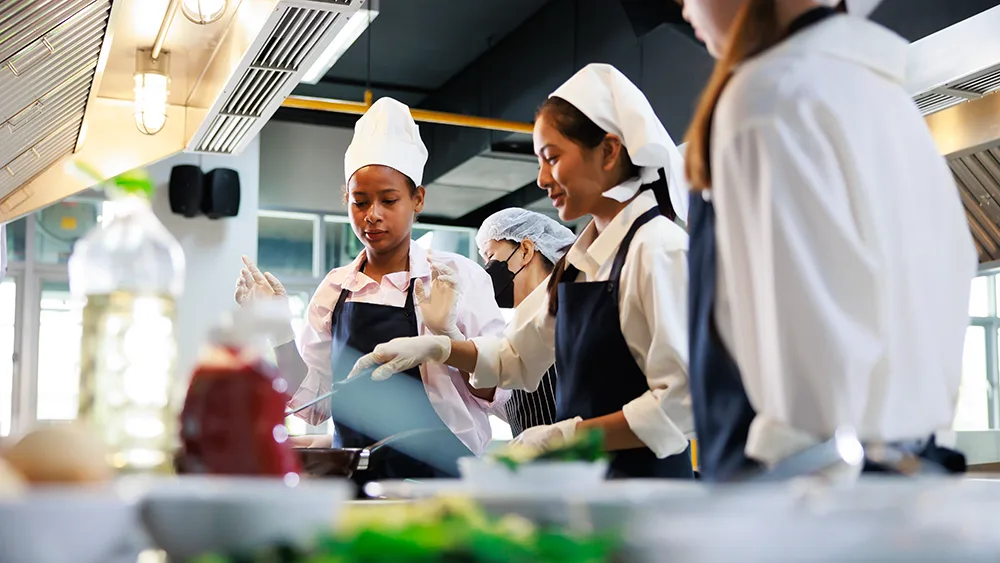
Let me tell you about the first time I really *felt* what safety training in a restaurant could mean. It wasn’t during some formal session with laminated slides and a clipboard. It was 3 AM, in a tiny diner in Oakland where I used to work weekends during college. A grease fire erupted on the flattop, nothing dramatic, just a sudden whoosh of flame that sent the line cook jumping back with a yelp. In that split second, I watched as the sous chef, without missing a beat, grabbed the metal lid from a nearby pot and smothered the flames. No panic. No shouting. Just instinct. That moment stuck with me, not because it was heroic, but because it was *quiet*. It was proof that training isn’t just about knowing what to do; it’s about having the muscle memory to act when everything else is chaos.
Now, years later, running a food and culture blog from Nashville with a rescue cat named Luna curled up beside me, I think a lot about that night. Because here’s the thing: essential safety training for restaurant staff isn’t just a box to check for compliance. It’s the difference between a team that freezes and one that moves. It’s the difference between a near-miss and a disaster. And in an industry where margins are thin, turnover is high, and the stakes, foodborne illness, injuries, legal liability, are real, getting this right isn’t optional. It’s survival.
But here’s the problem: most safety training feels like it’s designed to *pass an inspection*, not to actually protect people. You’ve seen it, those mandatory videos where actors in bad wigs pretend to wash their hands, or the binder full of policies that no one reads after the first week. That’s not training. That’s theater. And theater doesn’t save lives.
So in this guide, I’m not just going to walk you through the usual checklist of fire extinguishers and food temps. I’m going to dig into *why* these things matter, how to make them stick, and how to build a culture where safety isn’t just something you *do*-it’s something you *are*. Whether you’re a line cook, a manager, or an owner, this is for you. Because when it comes to safety, we’re all in this together.
The Hidden Costs of Skipping Safety Training (Spoiler: It’s Not Just Fines)
Let’s start with a hard truth: most restaurants treat safety training like a necessary evil. You do it because the health inspector says so, or because your insurance company demands it. But here’s what no one tells you-the real cost of poor safety training isn’t the fine. It’s the things you can’t put a price on.
Think about it. A single foodborne illness outbreak can tank a restaurant’s reputation overnight. I’ve seen it happen, a local spot in Nashville that was packed every weekend suddenly became a ghost town after a norovirus scare. The Yelp reviews didn’t just talk about the food; they talked about *feeling unsafe*. And once that trust is broken, it’s nearly impossible to rebuild. The same goes for injuries. A slip-and-fall in the kitchen isn’t just a workers’ comp claim, it’s a team member who might not come back. It’s morale that takes a hit. It’s the ripple effect of a shift where everyone’s on edge because they’re covering for someone who’s hurt.
And then there’s the legal side. I’m not a lawyer, but I’ve talked to enough of them to know this: if something goes wrong in your restaurant, the first question they’ll ask is, “Did you train your staff?” Not “Did you mean to?” Not “Was it an accident?” But “Did you do everything you could to prevent it?” And if the answer is no, or even *maybe*-you’re in trouble. We’re talking lawsuits, higher insurance premiums, and in some cases, criminal charges. That’s not fear-mongering. That’s reality.
But here’s the thing I keep coming back to: safety training isn’t just about avoiding bad outcomes. It’s about creating good ones. A team that’s well-trained in safety is a team that communicates better. That trusts each other. That takes pride in their work. I’ve worked in kitchens where safety was an afterthought, and I’ve worked in ones where it was part of the culture. The difference? In the latter, the food was better. The service was smoother. The energy was lighter. Because when people feel safe, they can focus on what really matters, making great food and taking care of guests.
So before we dive into the nuts and bolts, ask yourself: *What’s your relationship with safety training right now?* Is it a chore? A checkbox? Or is it something deeper, a value, a commitment, a promise to your team and your customers? Because how you answer that question will shape everything that comes next.
1. Food Safety Basics: More Than Just “Wash Your Hands”
Alright, let’s start with the foundation: food safety. I know, I know, this is the part where everyone rolls their eyes. “Sammy, we *know* we have to wash our hands.” But here’s the thing: if handwashing were as simple as everyone thinks, we wouldn’t still be dealing with foodborne illnesses in 2026. The CDC estimates that 48 million people get sick from foodborne diseases every year in the U.S. alone. That’s not just a statistic. That’s someone’s kid, someone’s grandparent, someone’s friend. And a lot of those cases? They start in restaurants.
So let’s go deeper than “wash your hands for 20 seconds.” Because handwashing isn’t just about soap and water. It’s about *when* you wash, *how* you wash, and *why* it matters. For example: Do you know that you should wash your hands after touching your face, your phone, or your apron? Most people don’t. Or that using hand sanitizer isn’t a substitute for washing when you’re handling raw meat? These aren’t nitpicky rules. They’re the difference between a safe kitchen and a dangerous one.
But handwashing is just the beginning. Let’s talk about cross-contamination, the silent killer of food safety. You’ve probably heard the basics: don’t cut raw chicken on the same board as vegetables. But do you know *why* that matters? It’s not just about bacteria. It’s about biofilms-those slimy layers of microorganisms that can cling to surfaces and resist cleaning. Once a biofilm forms, it’s like a fortress for pathogens. And guess what? They *love* cutting boards. Especially wooden ones. That’s why a lot of kitchens have switched to color-coded boards: red for raw meat, green for produce, blue for seafood. It’s not just for show. It’s a visual cue that helps prevent mistakes.
And then there’s temperature control. This is where a lot of restaurants drop the ball. You know you’re supposed to keep hot foods hot and cold foods cold, but do you know *how* to check that? A lot of people rely on those little dial thermometers that come with the fridge, but those things can be off by 10 degrees or more. A digital thermometer is your best friend in the kitchen. And don’t just check the temperature once. Check it *regularly*. Because here’s the thing: bacteria don’t care if you’re busy. They don’t care if it’s Friday night and the line is out the door. They’ll multiply just the same.
But here’s where things get tricky. Because food safety isn’t just about following rules. It’s about judgment. For example: Let’s say you’re prepping a batch of chicken salad, and you realize the mayo was left out on the counter for an hour. Do you throw it out? Or do you cross your fingers and hope for the best? The right answer is obvious, but in the moment, when you’re behind, when the manager’s breathing down your neck, it’s not always easy to do the right thing. That’s why food safety training can’t just be about memorizing steps. It has to be about building a mindset. A mindset where safety comes first, no matter what.
So how do you make that happen? Start by making food safety *visible*. Post reminders near handwashing stations. Use color-coded labels for food storage. Have regular “temperature checks” where everyone stops what they’re doing to verify that the walk-in is at the right temp. And most importantly, lead by example. If the chef is cutting corners, the rest of the team will too. But if the chef is the one reminding everyone to wash their hands? That’s how you build a culture.
Key Food Safety Practices Every Restaurant Should Enforce
- Handwashing: 20 seconds with soap, after *any* potential contamination (not just after using the restroom).
- Cross-contamination prevention: Use separate cutting boards, utensils, and storage for raw and ready-to-eat foods.
- Temperature control: Hot foods at 140°F or above, cold foods at 40°F or below. Use a calibrated thermometer.
- Proper storage: FIFO (First In, First Out) for inventory. Store raw meats below ready-to-eat foods to prevent drips.
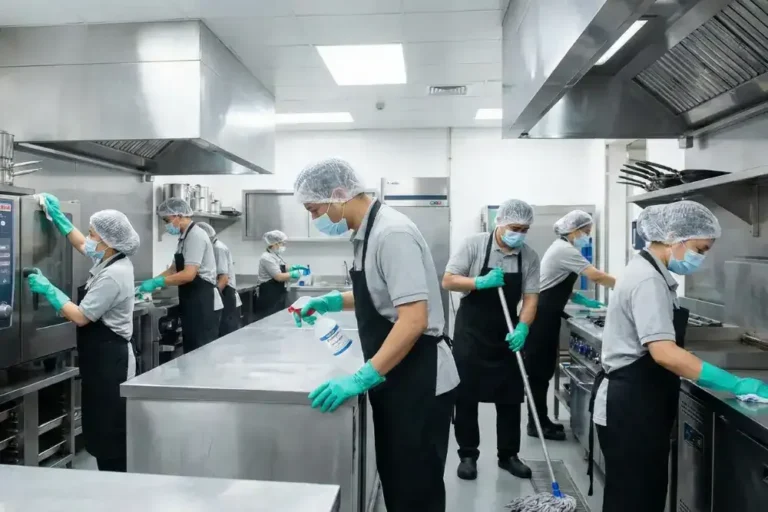
- Cleaning and sanitizing: Surfaces should be cleaned (with soap and water) *and* sanitized (with a chemical solution) between uses.
- Employee health: No one should be handling food if they’re sick, especially with symptoms like vomiting or diarrhea.
Is this everything? No. But it’s a start. And if you can get these basics right, you’re already ahead of 90% of restaurants out there.
2. Fire Safety: Because “It Won’t Happen Here” Is a Lie
Let’s talk about fire. Specifically, let’s talk about the fact that restaurant fires happen all the time. According to the National Fire Protection Association, there are an average of 7,410 structure fires in eating and drinking establishments every year in the U.S. That’s *20 fires a day*. And while most of them don’t make the news, they’re still devastating, lost revenue, damaged equipment, injured staff, and in the worst cases, lives lost.
I remember talking to a chef in Chicago who lost his entire kitchen to a grease fire. He told me, “I thought I knew what I was doing. I’d been cooking for 20 years. But when the flames shot up, I froze. I didn’t know where the extinguisher was. I didn’t know how to use it. By the time I figured it out, the fire had spread to the hood.” That’s the thing about fires, they don’t wait for you to get your act together. They move fast. And if you’re not prepared, you’re already behind.
So let’s start with the basics: fire extinguishers. You probably have one in your kitchen. But do you know what kind it is? And more importantly, do you know how to use it? There are different types of extinguishers for different types of fires:
- Class A: Ordinary combustibles (wood, paper, cloth)
- Class B: Flammable liquids (grease, oil, gasoline)
- Class C: Electrical fires (wiring, appliances)
- Class K: Cooking oils and fats (this is the one you *need* in a restaurant kitchen)
Most restaurant kitchens should have a Class K extinguisher for grease fires, and a Class ABC extinguisher for general use. But here’s the catch: an extinguisher is useless if no one knows how to use it. That’s why training isn’t just about having the right equipment. It’s about making sure everyone on the team knows how to PASS:
- Pull the pin
- Aim at the base of the fire
- Squeeze the handle
- Sweep side to side
But here’s where things get tricky. Because in the moment, when flames are leaping and smoke is filling the room, even the best training can go out the window. That’s why fire drills are non-negotiable. I’m not talking about the kind where you gather everyone in the break room and talk about what *might* happen. I’m talking about the kind where you simulate a fire-turn off the lights, set off a smoke machine, and make people *actually* use the extinguisher. Because when it’s real, there’s no time to think. There’s only time to react.
And let’s talk about grease fires for a second, because they’re the most common type of fire in restaurant kitchens. Here’s what you *don’t* do: Never use water on a grease fire. Water and oil don’t mix, and when you throw water on a grease fire, it can cause the oil to explode, sending flames everywhere. Instead, you smother the fire-with a metal lid, a baking sheet, or a Class K extinguisher. And if you can’t get it under control in a few seconds? Get out and call 911. Because no meal is worth risking your life.
But fire safety isn’t just about putting out fires. It’s about preventing them. And that starts with maintenance. How often do you clean your hood system? If the answer is “when it gets gross,” you’re playing with fire (literally). Grease buildup in hoods and ducts is one of the leading causes of restaurant fires. That’s why most fire codes require monthly hood cleanings by a professional. And don’t even get me started on deep fryers. If you’re not filtering your oil regularly, you’re basically asking for trouble.
Here’s the thing I keep coming back to: fire safety isn’t just the manager’s job. It’s everyone’s job. Because in the moment, when the fire alarm is blaring and smoke is filling the kitchen, the person who’s going to make the difference isn’t the one with the title. It’s the one who’s prepared. So ask yourself: *Is your team ready?*
3. Knife Safety: Because Fingers Don’t Grow Back
Let’s talk about knives. Because in the kitchen, they’re both your best friend and your worst enemy. A sharp knife is a safe knife-yes, you read that right. A dull knife requires more force, which means it’s more likely to slip and cut you. But a sharp knife? It does the work for you. It glides through food with precision. And when used correctly, it’s actually *safer* than a dull one.
But here’s the problem: most people don’t know how to use a knife properly. I’ve seen line cooks chop onions like they’re playing whack-a-mole, fingers curled under like they’re trying to hide them from the blade. I’ve seen prep cooks use the wrong knife for the job, like trying to butcher a chicken with a paring knife. And I’ve seen the aftermath: stitches, scars, and in one case, a severed fingertip that had to be reattached in the ER.
So let’s start with the basics: the claw grip. This is the *only* way you should be holding food when you’re cutting. Here’s how it works: curl your fingers inward, so your knuckles are facing the blade. This way, if the knife slips, it’ll hit your knuckles, not your fingertips. It feels weird at first, but once you get the hang of it, it’s the safest way to cut. And for the love of all that is holy, don’t rush. Speed comes with practice. Safety comes with patience.
But knife safety isn’t just about how you hold the knife. It’s about how you move. For example: Never cut toward yourself. Always cut away from your body. And if you’re cutting something round, like an onion or a potato-cut it in half first so it has a flat side to rest on the board. That way, it won’t roll around and send the knife flying.
And let’s talk about knife storage. I can’t tell you how many kitchens I’ve walked into where knives are just tossed into a drawer with the tongs and the can opener. That’s a recipe for disaster. Knives should be stored in a knife block, a magnetic strip, or a knife roll. And when you’re passing a knife to someone else, never hand it to them blade-first. Either lay it down on the counter and let them pick it up, or hold it by the blade and offer them the handle.
But here’s the thing that no one talks about: knife safety isn’t just about technique. It’s about mindset. Because in a busy kitchen, it’s easy to get distracted. Someone calls your name. The expediter is yelling for tickets. The fry cook is waving at you to hurry up. And in that moment, it’s tempting to rush. To cut corners. To take risks. But that’s when accidents happen. That’s when fingers get sliced. That’s when someone ends up in the ER.
So how do you build a culture of knife safety? Start by making it part of the onboarding process. Every new hire should get a knife skills demo on their first day. And not just a quick “here’s how to hold it.” A full breakdown of grips, cuts, and safety protocols. And then, practice. Set aside time during prep to work on knife skills. Make it a game. See who can julienne a carrot the fastest without cutting themselves. Because the more comfortable people are with their knives, the safer they’ll be.
And here’s a pro tip: keep a first aid kit in the kitchen. Not just any first aid kit, a *good* one, with butterfly bandages, sterile gauze, and a tourniquet. Because if someone does get cut (and let’s be real, it’s going to happen), you don’t want to be scrambling for supplies. You want to be able to stop the bleeding, clean the wound, and get them to the hospital if needed.
Because at the end of the day, a knife is just a tool. It’s not inherently dangerous. But in the wrong hands, it can be deadly. So ask yourself: *Is your team trained to use knives safely?* Or are you just hoping for the best?
4. Slips, Trips, and Falls: The Silent Epidemic of Restaurant Injuries
Let’s talk about something that doesn’t get enough attention: slips, trips, and falls. Because while fires and knife cuts make for dramatic stories, the truth is that falls are the leading cause of injury in restaurants. According to the Bureau of Labor Statistics, slips, trips, and falls account for nearly 25% of all workplace injuries in the food service industry. That’s more than burns, more than cuts, more than anything else. And yet, most restaurants don’t take them seriously enough.
I’ll never forget the time I slipped on a wet floor in a kitchen and went down hard. I wasn’t even carrying anything, just walking from the prep station to the walk-in. But the floor was slick with grease, and my shoes had no traction. One second I was standing, the next I was on my back, staring at the ceiling, wondering if I’d broken something. Luckily, I was fine. But it could have been a lot worse. And that’s the thing about falls, they happen in an instant, but the consequences can last a lifetime.
So let’s break down the biggest hazards:
- Wet floors: Spills happen. But if you don’t clean them up *immediately*, they become a hazard. And I’m not just talking about water. Grease, oil, even soap residue can make floors dangerously slippery.
- Clutter: Boxes in the walkway. Cords stretched across the floor. A mop bucket left in the middle of the kitchen. These are all accidents waiting to happen.
- Poor lighting: If you can’t see where you’re going, you’re more likely to trip. And yet, so many kitchens have dim lighting or burnt-out bulbs that never get replaced.
- Worn-out shoes: Those non-slip shoes you bought on day one? If the tread is worn down, they’re not doing you any good. And yet, how many people keep wearing them until they’re basically slick?
But here’s the thing: most falls are preventable. It’s not rocket science. It’s about awareness, maintenance, and culture. For example: If you see a spill, clean it up. If you see clutter, move it. If you see a hazard, report it. But too often, people don’t. They assume someone else will take care of it. Or they’re too busy to stop. Or they just don’t think it’s a big deal. And that’s how people get hurt.
So how do you make fall prevention a priority? Start by making it part of your daily routine. At the start of every shift, do a quick walkthrough of the kitchen and dining area. Look for hazards. Fix what you can. Report what you can’t. And make sure everyone knows that it’s their job to speak up. Because safety isn’t just the manager’s responsibility. It’s *everyone’s*.
And let’s talk about shoes for a second, because this is a big one. Non-slip shoes are non-negotiable in a restaurant. But not all non-slip shoes are created equal. Some are better than others. And some lose their grip over time. So if you’re in charge, provide your team with high-quality, non-slip shoes. And if you’re an employee, invest in a good pair. Because your shoes are your first line of defense against falls. And trust me, a $50 pair of shoes is a lot cheaper than a trip to the ER.
But here’s the thing I keep coming back to: fall prevention isn’t just about rules. It’s about mindset. Because in a busy restaurant, it’s easy to cut corners. To rush. To assume that nothing bad will happen. But that’s how accidents occur. That’s how people get hurt. So the next time you’re tempted to walk past a spill or step over a cord, ask yourself: *Is it worth the risk?*
5. Chemical Safety: Because Not All Hazards Are Visible
Let’s talk about something that’s easy to overlook: chemical safety. Because while knives and fires get all the attention, the truth is that chemicals are one of the biggest hazards in a restaurant kitchen. From cleaning supplies to sanitizers to degreasers, these substances are *everywhere*. And if they’re not handled properly, they can cause burns, respiratory problems, and even long-term health issues.
I remember working in a kitchen where the dishwasher used to mix bleach and ammonia to “get the dishes extra clean.” Spoiler: that’s a terrible idea. Bleach and ammonia create a toxic gas called chloramine, which can cause coughing, shortness of breath, and in severe cases, death. Luckily, someone caught him before anything bad happened. But it was a wake-up call. Because chemicals aren’t just dangerous when they’re misused. They’re dangerous when they’re *mishandled*.
So let’s start with the basics: read the label. Every chemical in your kitchen should have a Safety Data Sheet (SDS) that tells you what it is, what the hazards are, and how to use it safely. And if you don’t have those sheets, get them. They’re not just a good idea, they’re the law. OSHA requires that all employers provide access to SDSs for any hazardous chemicals in the workplace.
But here’s where things get tricky. Because even if you have the SDSs, not everyone reads them. And even if they do, not everyone follows the instructions. For example: Never mix chemicals. I don’t care if you think it’ll make the cleaner stronger. Mixing chemicals can create toxic gases, explosions, or other hazards. And always wear gloves and eye protection when handling chemicals. Because even something as “harmless” as dish soap can cause skin irritation if you’re exposed to it all day.
And let’s talk about storage for a second. Because where you keep your chemicals is just as important as how you use them. Never store chemicals near food. That means no bleach under the prep table. No degreaser next to the fryer. And always store chemicals in their original containers. If you transfer a chemical to a different bottle, you lose all the safety information on the label. And that’s a recipe for disaster.
But here’s the thing that no one talks about: chemical safety isn’t just about the big hazards. It’s about the small ones, too. For example: Do you know how to properly dilute sanitizer? If you use too much, it can leave a residue on dishes that can make people sick. If you use too little, it won’t kill bacteria. And do you know how to dispose of chemicals safely? Pouring them down the drain can contaminate the water supply. And yet, how many people just dump them without thinking?
So how do you make chemical safety a priority? Start by training your team. Every new hire should get a crash course in chemical safety, what the hazards are, how to use the chemicals properly, and what to do in case of an emergency. And make sure everyone knows where the SDSs are. Because if there’s a spill or an exposure, you don’t want to be scrambling to find the safety information.
And here’s a pro tip: keep a spill kit in the kitchen. A spill kit should include absorbent pads, gloves, goggles, and a disposal bag. Because if there’s a chemical spill, you don’t want to be running around looking for supplies. You want to be able to contain the spill, clean it up, and dispose of it safely.
Because at the end of the day, chemicals are a necessary part of restaurant life. But they don’t have to be a hazard. With the right training and the right precautions, you can keep your team safe, and your kitchen running smoothly.
6. Allergen Awareness: Because “Just a Little Bit” Can Kill
Let’s talk about something that keeps me up at night: food allergies. Because while most people think of allergies as a minor inconvenience, like a rash or a stomachache, the truth is that food allergies can be deadly. Every year, about 30,000 people are rushed to the ER for food allergy reactions, and around 200 die from anaphylaxis. And a lot of those cases? They start in restaurants.
I remember a story from a friend who works in a high-end restaurant in Nashville. A guest ordered a dish that was supposed to be nut-free, but the server didn’t double-check with the kitchen. The guest took one bite, started wheezing, and had to use their EpiPen. Luckily, they were okay. But it could have been a lot worse. And that’s the thing about allergies, they’re not something you can take lightly. A tiny amount of an allergen can trigger a life-threatening reaction.
So let’s start with the basics: the Big 9 allergens. These are the foods that cause the majority of allergic reactions:
- Milk
- Eggs
- Fish
- Shellfish
- Tree nuts
- Peanuts
- Wheat
- Soy
- Sesame (added in 2023)
If a guest tells you they have an allergy, you need to take it seriously. That means:
- Asking the right questions: “Are you allergic or intolerant?” “How severe is your allergy?” “Have you had a reaction before?”
- Communicating with the kitchen: The server should tell the chef about the allergy, and the chef should confirm that the dish is safe.
- Preventing cross-contact: That means using clean utensils, clean cutting boards, and clean fryer oil for allergen-free dishes.
- Having an action plan: If someone does have a reaction, do you know what to do? Do you have an EpiPen on hand? Do you know how to use it?
But here’s where things get tricky. Because allergen awareness isn’t just about the front of the house. It’s about the entire team. The dishwasher needs to know not to use the same sponge for allergen-free dishes. The prep cook needs to know not to chop nuts on the same board as the salad. The line cook needs to know not to fry allergen-free food in the same oil as everything else. And the manager needs to know how to train the team and enforce the protocols.
So how do you make allergen awareness a priority? Start by training your team. Every new hire should get a crash course in allergens, what they are, how to prevent cross-contact, and what to do in case of a reaction. And make sure everyone knows where the allergen protocols are. Because if a guest has an allergy, you don’t want to be scrambling to figure out what to do.
And here’s a pro tip: create an allergen-free zone in your kitchen. That could be a separate prep area, a separate fryer, or even just a designated set of utensils and cutting boards. Because the more you can isolate allergen-free food, the safer it’ll be.
Because at the end of the day, allergen awareness isn’t just about following rules. It’s about saving lives. And in a restaurant, that’s the most important job of all.
7. Emergency Response: Because When Disaster Strikes, You Need a Plan
Let’s talk about something that no one wants to think about: emergencies. Because while we all hope that nothing bad will happen, the truth is that disasters strike when you least expect them. A fire. A flood. A power outage. A medical emergency. And when they do, you need a plan. Because in the moment, when everything is chaos, you don’t want to be figuring out what to do. You want to be *doing it*.
I remember a night in Oakland when the power went out in the middle of service. One second, the kitchen was humming along. The next, everything was dark. The line cooks couldn’t see what they were cooking. The dishwasher couldn’t run. The servers were bumping into tables. And the manager? He was running around like a chicken with its head cut off, trying to figure out what to do. It was a mess. And it didn’t have to be. Because if we’d had an emergency plan, we could have handled it a lot better.
So let’s start with the basics: every restaurant should have an emergency action plan. That plan should cover:
- Fires: How to evacuate, where to meet, and who’s in charge.
- Medical emergencies: How to respond to a heart attack, a choking incident, or an allergic reaction.
- Power outages: How to keep food safe, how to communicate with guests, and how to close down if needed.
- Natural disasters: How to respond to a flood, an earthquake, or a tornado.
- Violent incidents: How to handle a robbery, an active shooter, or a guest who becomes aggressive.
But here’s the thing: a plan is useless if no one knows about it. That’s why emergency training is non-negotiable. Every new hire should get a crash course in the emergency plan, what the hazards are, what to do in case of an emergency, and who’s in charge. And regular drills are a must. Because in the moment, when the adrenaline is pumping, you don’t want to be thinking. You want to be reacting.
And let’s talk about communication for a second. Because in an emergency, you need to be able to communicate with your team. That means having a way to get in touch with everyone, whether it’s a group text, a walkie-talkie, or just a good old-fashioned phone tree. And you need to be able to communicate with guests. Because if there’s a fire or a power outage, they’re going to have questions. And you need to be able to answer them.
But here’s the thing that no one talks about: emergency response isn’t just about the big disasters. It’s about the small ones, too. For example: What do you do if a guest chokes? Do you know how to perform the Heimlich maneuver? What do you do if someone has a heart attack? Do you know how to use an AED? What do you do if there’s a gas leak? Do you know how to shut off the gas? These are the kinds of things that can save lives. And yet, most restaurants don’t train their staff on them.
So how do you make emergency response a priority? Start by creating a plan. Sit down with your team and figure out what the hazards are, what to do in case of an emergency, and who’s in charge. And train your team. Every new hire should get a crash course in emergency response, what the hazards are, what to do in case of an emergency, and who to call for help.
And here’s a pro tip: keep an emergency kit in the kitchen. That kit should include:
- A first aid kit
- An AED (if you can afford one)
- A flashlight
- A list of emergency contacts
- A copy of the emergency plan
Because when disaster strikes, you don’t want to be scrambling for supplies. You want to be ready.
8. Mental Health and Stress Management: Because Safety Isn’t Just Physical
Let’s talk about something that doesn’t get enough attention in the restaurant industry: mental health. Because while we spend a lot of time talking about physical safety, knives, fires, slips, and falls, we don’t spend nearly enough time talking about the mental and emotional toll of working in a restaurant. And the truth is, mental health is a safety issue. Because when people are stressed, exhausted, or burned out, they’re more likely to make mistakes. And in a restaurant, mistakes can be dangerous.
I remember working in a kitchen where the chef was a tyrant. He yelled. He threw things. He belittled people in front of the team. And the result? The turnover was through the roof. The morale was in the gutter. And the food? It suffered. Because when people are afraid, they can’t focus. They can’t think. They can’t do their best work. And that’s not just bad for business. It’s bad for safety.
So let’s start with the basics: stress management. Because working in a restaurant is *hard*. The hours are long. The work is physical. The pressure is intense. And if you don’t have a way to cope, it can take a toll. That’s why every restaurant should have a stress management plan. That plan should include:
- Breaks: Everyone should get a break during their shift. Even if it’s just 10 minutes to sit down and eat something.
- Support: Managers should check in with their team regularly. Ask how they’re doing. Listen to their concerns.
- Resources: If someone is struggling, they should know where to turn. That could be a therapist, a support group, or even just a trusted friend.
But here’s the thing: mental health isn’t just about stress. It’s about trauma, too. Because working in a restaurant can be traumatic. You see things, accidents, injuries, even violence. And if you don’t have a way to process that, it can build up. That’s why every restaurant should have a trauma-informed approach to safety. That means:
- Acknowledging the trauma: If something bad happens, talk about it. Don’t sweep it under the rug.
- Providing support: If someone is struggling, offer them resources. That could be therapy, time off, or just a listening ear.
- Creating a safe space: Everyone should feel safe at work. That means no bullying, no harassment, and no toxic behavior.
And let’s talk about burnout for a second. Because burnout is real. And it’s dangerous. When people are burned out, they’re more likely to make mistakes. They’re more likely to get injured. They’re more likely to quit. And yet, most restaurants don’t do enough to prevent it. That’s why every restaurant should have a burnout prevention plan. That plan should include:
- Fair scheduling: No one should be working 80-hour weeks. No one should be closing one night and opening the next.
- Time off: Everyone should get regular days off. And if someone is burned out, they should be able to take a break.
- Recognition: People need to feel valued. That means acknowledging their hard work, giving them feedback, and rewarding them for a job well done.
So how do you make mental health a priority in your restaurant? Start by talking about it. Make it okay to say, “I’m struggling.” Make it okay to ask for help. And lead by example. If the manager is open about their own struggles, the team will be more likely to open up, too.
Because at the end of the day, safety isn’t just about physical hazards. It’s about mental and emotional well-being, too. And in a restaurant, that’s just as important as anything else.
9. Training That Sticks: How to Make Safety Second Nature
Alright, let’s talk about the elephant in the room: most safety training doesn’t work. You know it. I know it. And yet, we keep doing it, those mandatory videos, those boring PowerPoints, those binders full of policies that no one reads. Why? Because it’s easy. Because it checks a box. Because it’s what we’ve always done. But here’s the thing: if your safety training isn’t engaging, it’s not effective. And if it’s not effective, it’s not worth doing.
I remember sitting through a safety training session where the instructor droned on for an hour about fire extinguishers. By the end, half the room was asleep. The other half was scrolling on their phones. And no one-*no one*-could tell me how to use an extinguisher. That’s not training. That’s a waste of time.
So how do you make safety training stick? Start by making it interactive. People learn by doing, not by listening. That means:
- Hands-on practice: If you’re teaching knife safety, have people *actually* cut something. If you’re teaching fire safety, have them *actually* use an extinguisher.
- Role-playing: If you’re teaching allergen awareness, have people *actually* take an order from a guest with an allergy.
- Quizzes and games: Make learning fun. Turn safety into a competition. See who can spot the most hazards in the kitchen.
But here’s the thing: interactive training isn’t enough. You also need to make it relevant. Because if people don’t see how safety applies to their job, they’re not going to care. That means:
- Tailoring the training: A line cook doesn’t need the same training as a dishwasher. Make sure the content is relevant to the person’s role.
- Using real-world examples: Instead of talking about “hypothetical” hazards, talk about *real* ones. “Remember when the fryer caught fire last month? Here’s how to prevent that.”
- Making it personal: People care more about safety when they see how it affects *them*. “If you don’t wash your hands, you could get sick. And if you get sick, you could miss work. And if you miss work, you don’t get paid.”
And let’s talk about repetition for a second. Because safety isn’t something you learn once and then forget about. It’s something you *practice*. That’s why regular refresher training is a must. That could be a monthly safety meeting, a weekly tip of the week, or even just a quick reminder at the start of every shift. Because the more you talk about safety, the more it becomes second nature.
But here’s the thing that no one talks about: safety training isn’t just about the content. It’s about the culture. Because if the leadership doesn’t take safety seriously, the team won’t either. That’s why managers need to lead by example. If the chef is cutting corners, the line cooks will too. But if the chef is the one reminding everyone to wash their hands? That’s how you build a culture of safety.
So how do you make safety training stick? Start by making it engaging. Make it interactive. Make it relevant. And most importantly, make it a priority. Because at the end of the day, safety isn’t just a training session. It’s a way of life.
10. Building a Culture of Safety: Because Rules Aren’t Enough
Let’s wrap this up with the most important part: building a culture of safety. Because here’s the hard truth: rules don’t keep people safe. People keep people safe. And if your team doesn’t buy into safety, all the training in the world won’t make a difference.
I remember working in a kitchen where safety was an afterthought. The manager didn’t care. The chef didn’t care. And the team? They didn’t care either. The result? A kitchen full of hazards, grease on the floor, knives left on the counter, chemicals stored next to food. And it was only a matter of time before someone got hurt. Spoiler: they did. A line cook slipped on a wet floor and broke his wrist. And the worst part? It could have been prevented.
So how do you build a culture of safety? Start by making it a priority. That means:
- Leading by example: If the manager doesn’t take safety seriously, the team won’t either. That means following the rules, enforcing the protocols, and holding people accountable.
- Encouraging open communication: Everyone should feel comfortable speaking up about hazards. That means no retaliation, no eye-rolling, and no “it’s not my job” mentality.
- Recognizing safe behavior: When someone does something safe, acknowledge it. “Hey, I noticed you cleaned up that spill right away. Thanks for keeping the kitchen safe.”
- Making safety part of the conversation: Talk about safety at every meeting. Post reminders around the kitchen. Make it a part of the daily routine.
But here’s the thing: building a culture of safety isn’t a one-time thing. It’s an ongoing process. That means:
- Regular training: Safety isn’t something you learn once and then forget about. It’s something you *practice*.
- Continuous improvement: Safety protocols should evolve as your restaurant evolves. That means regularly reviewing your policies and updating them as needed.
- Accountability: If someone isn’t following the rules, there should be consequences. Because safety isn’t optional.
And let’s talk about ownership for a second. Because safety isn’t just the manager’s job. It’s *everyone’s* job. That means:
- Empowering the team: Give people the tools and the authority to make the kitchen safer. That means letting them stop work if they see a hazard, and giving them the resources to fix it.
- Encouraging teamwork: Safety is a team effort. That means looking out for each other, holding each other accountable, and working together to make the kitchen safer.
- Making it personal: People care more about safety when they see how it affects *them*. That means talking about the risks, the consequences, and the benefits of a safe kitchen.
So how do you build a culture of safety? Start by making it a priority. Make it a part of the conversation. Make it a part of the routine. And most importantly, make it personal. Because at the end of the day, safety isn’t just about following rules. It’s about taking care of each other.
Putting It All Together: Your Safety Training Action Plan
Alright, let’s bring this home. Because if you’ve made it this far, you’re probably feeling a little overwhelmed. And that’s okay. Safety training is a lot. But here’s the good news: you don’t have to do it all at once. Start small. Pick one area, food safety, fire safety, knife safety, and focus on that. Then move on to the next. Because the goal isn’t to be perfect. The goal is to get better every day.
So here’s your action plan:
- Assess your risks: Walk through your restaurant and identify the hazards. What’s the biggest risk? What’s the most common? Start there.
- Train your team: Don’t just tell them what to do. Show them. Practice with them. Make it interactive.
- Build a culture: Make safety a priority. Talk about it. Recognize it. Reward it.
- Review and improve: Safety isn’t a one-time thing. It’s an ongoing process. Regularly review your protocols and update them as needed.
And here’s the thing I keep coming back to: safety training isn’t just about avoiding bad outcomes. It’s about creating good ones. A safe kitchen is a happy kitchen. A happy kitchen is a productive kitchen. And a productive kitchen is a successful kitchen. So don’t think of safety training as a chore. Think of it as an investment. An investment in your team, your guests, and your business.
Because at the end of the day, safety isn’t just a set of rules. It’s a way of life. And in a restaurant, that’s the most important thing of all.
FAQ: Essential Safety Training for Restaurant Staff
Q: How often should restaurant staff receive safety training?
A: Safety training should be an ongoing process, not a one-time event. At a minimum, staff should receive annual refresher training on key topics like food safety, fire safety, and emergency response. However, new hires should receive comprehensive safety training on their first day, and regular toolbox talks or safety meetings (e.g., monthly or quarterly) can help reinforce best practices. The frequency may also depend on local regulations, so it’s important to check with your health department or OSHA guidelines.
Q: What’s the most common safety mistake restaurants make?
A: The most common mistake is treating safety training as a checkbox exercise rather than a cultural priority. Many restaurants provide initial training but fail to reinforce it, leading to complacency. Another major issue is poor communication-hazards aren’t reported, protocols aren’t followed, and team members don’t feel empowered to speak up. Finally, lack of hands-on practice (e.g., fire drills, knife skills demos) means staff may freeze in an emergency instead of acting instinctively.
Q: How can small restaurants with limited budgets implement effective safety training?
A: You don’t need a big budget to prioritize safety. Start with free or low-cost resources, like OSHA’s online training modules, local health department workshops, or YouTube videos from reputable sources (e.g., ServSafe, the National Restaurant Association). Peer training can also be effective, have experienced staff mentor newcomers. For hands-on practice, simulate emergencies (e.g., mock fire drills, allergen role-playing) using what you already have in the kitchen. The key is consistency and engagement-even simple daily reminders (e.g., “Safety Tip of the Day”) can make a big difference.
Q: What should be included in an emergency action plan for a restaurant?
A: An emergency action plan should cover all potential hazards and outline clear steps for response. Key components include:
- Evacuation routes: Clearly marked exits and assembly points for fires, floods, or other emergencies.
- Emergency contacts: Phone numbers for local fire, police, poison control, and medical services.
- Roles and responsibilities: Who calls 911? Who assists guests? Who shuts off utilities?
- Medical response: How to handle choking, heart attacks, allergic reactions, or injuries (including where the first aid kit and AED are located).
- Communication plan: How to alert staff and guests during an emergency (e.g., PA system, text alerts).
- Training and drills: Regular practice to ensure everyone knows what to do.
The plan should be easily accessible (e.g., posted in the kitchen and break room) and reviewed regularly to account for changes in staff or layout.
@article{essential-safety-training-for-restaurant-staff-what-every-team-needs-to-know-and-why-its-not-just-about-following-rules,
    title   = {Essential Safety Training for Restaurant Staff: What Every Team Needs to Know (And Why It’s Not Just About Following Rules)},
    author  = {Chef's icon},
    year    = {2026},
    journal = {Chef's Icon},
    url     = {https://chefsicon.com/essential-safety-training-for-restaurant-staff/}
}