The Best Fluffy Pancakes recipe you will fall in love with. Full of tips and tricks to help you make the best pancakes.
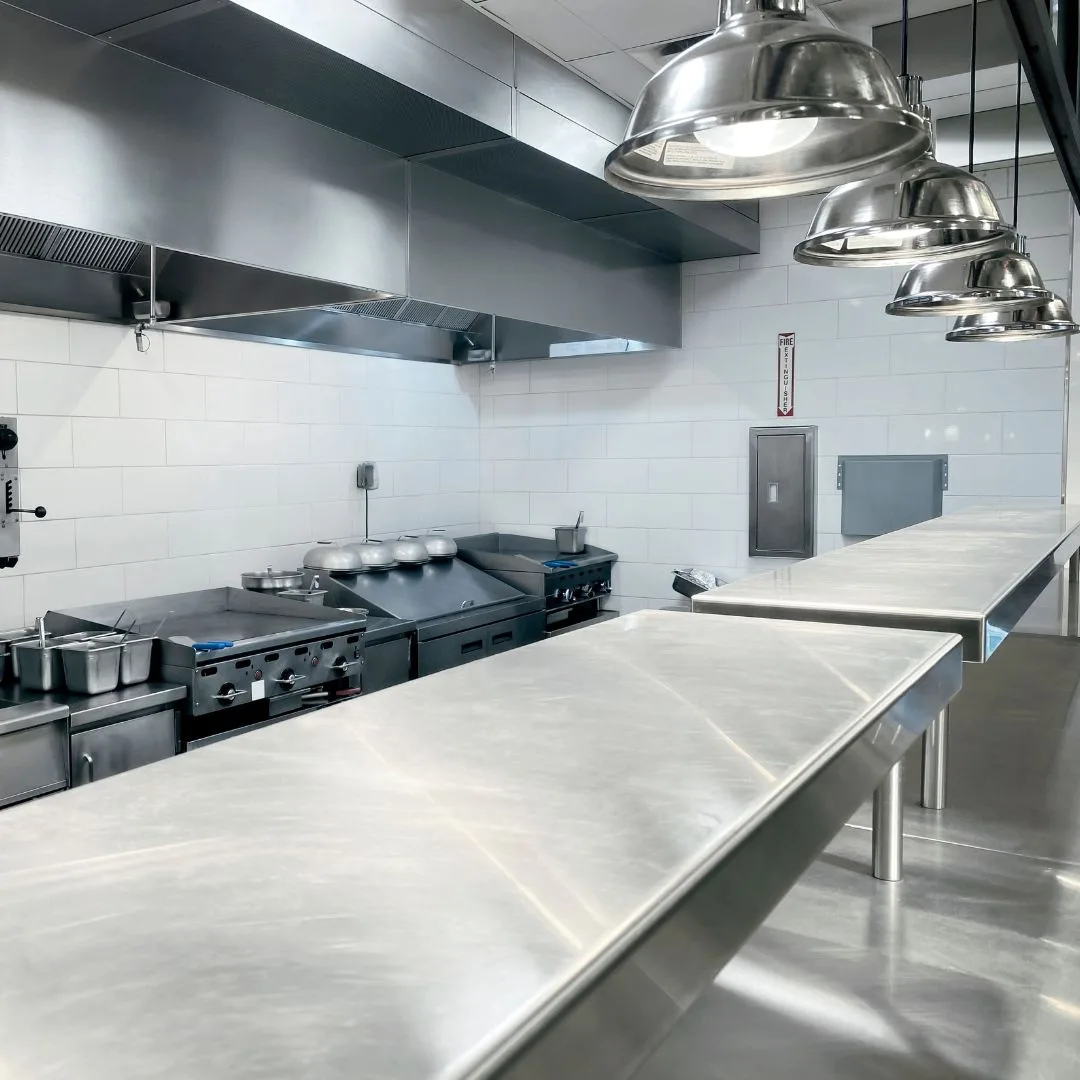
Why Space-Efficient Kitchen Layouts Are the Secret Sauce for Food Trucks and Ghost Kitchens
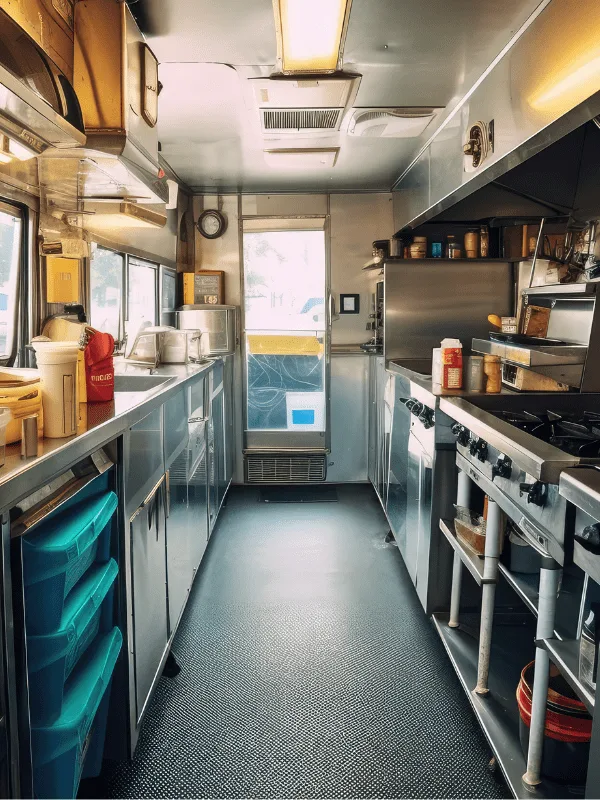
Let me tell you about the first time I stepped into a food truck kitchen. It was a sweltering Nashville afternoon, and I was there to interview the owner of a wildly popular hot chicken concept for a piece on ghost kitchen trends. What I expected: a cramped, chaotic mess. What I got: a masterclass in space-efficient kitchen layouts. The entire operation, fryers, prep stations, plating area, fit into a space smaller than my home office, yet it was churning out orders with military precision. That’s when it hit me: these kitchens aren’t just small; they’re smart.
Fast forward to today, and I’ve toured dozens of food trucks and ghost kitchens, from LA’s taco trucks to New York’s delivery-only ramen spots. The one thing they all have in common? They’ve cracked the code on making every square inch count. But here’s the thing: space efficiency isn’t just about squeezing in more equipment. It’s about designing a workflow that keeps your team sane, your food consistent, and your customers happy. And let’s be real, if you’re running a food truck or ghost kitchen, you don’t have the luxury of wasted space or wasted steps.
So, how do you design a kitchen that’s tight but not claustrophobic, efficient but not robotic? That’s what we’re diving into today. By the end of this, you’ll have a toolkit of strategies to optimize your layout, whether you’re retrofitting a food truck or building a ghost kitchen from scratch. And trust me, I’ve made enough mistakes in my own hypothetical kitchen designs to know what ot to do. (Pro tip: don’t put the fryer next to the fridge unless you enjoy melted butter.)
Let’s get started.
The Psychology of Small Spaces: Why Your Brain Hates (and Loves) Compact Kitchens
Before we talk dimensions and equipment, let’s talk about the elephant in the room: working in a tiny kitchen can feel like performing surgery in a phone booth. There’s a reason chefs in traditional restaurants have the luxury of sprawling prep stations and walk-in coolers. Space equals breathing room, and breathing room equals creativity, or at least, fewer bruised elbows.
But here’s the paradox: small kitchens force you to be better. When you’re working in a food truck or ghost kitchen, every movement has to count. There’s no room for wasted steps, no space for clutter, and zero tolerance for inefficient workflows. This isn’t just about saving space; it’s about saving time, energy, and sanity. A well-designed compact kitchen can actually reduce stress because everything has its place, and everything is within arm’s reach.
That said, there’s a fine line between “efficient” and “oppressive.” I’ve seen kitchens so tightly packed that the staff had to perform a choreographed dance just to plate a single dish. (Spoiler: those kitchens didn’t last long.) The key is to design for human ergonomics as much as for square footage. Ask yourself: Can someone reach the salt without climbing over a prep table? Can two people pass each other without playing Twister? If the answer is no, you’ve got a problem.
So, how do you strike that balance? Let’s break it down.
1. The Golden Triangle: The OG of Kitchen Efficiency
If you’ve ever read anything about kitchen design, you’ve probably heard of the kitchen work triangle. It’s the idea that the three main work zones-cooking, cleaning, and food storage-should form a triangle, with each side between 4 and 9 feet long. In a traditional kitchen, this is gospel. But in a food truck or ghost kitchen? It’s more like a suggestion. A very flexible suggestion.
Here’s the thing: in a compact kitchen, you might not have the luxury of a perfect triangle. Your “triangle” might look more like a squished oval or a lopsided trapezoid. And that’s okay. The goal isn’t to adhere to some arbitrary rule; it’s to minimize the distance between the three key zones. For example, in a food truck, your cooking zone (grill, fryer, etc.) should be within a step or two of your prep area, and your prep area should be close to your refrigeration. If your staff has to walk more than a few steps between these zones, you’re wasting time, and in a high-volume kitchen, time is money.
But here’s where I’m torn. The work triangle is a great starting point, but it doesn’t account for modern kitchen realities, like multiple cooking stations or delivery-only workflows. For example, in a ghost kitchen, you might have a dedicated area for packaging orders, which isn’t part of the traditional triangle. So, do you stick to the triangle, or do you evolve it? I think the answer is to use the triangle as a foundation but adapt it to your specific needs. Maybe your “triangle” becomes a “diamond” or a “square.” The shape doesn’t matter as much as the principle: keep the most critical tasks close together.
2. Vertical Space: The Final Frontier (That You’re Probably Ignoring)
When most people think about space-efficient kitchen layouts, they focus on the floor plan. But here’s a secret: the real estate above your head is just as valuable. I can’t tell you how many food trucks I’ve seen with empty walls and unused overhead space. It’s like leaving money on the table, except the table is your ceiling.
Vertical space is your friend, especially in a food truck where every inch counts. Think about it: shelving, magnetic knife strips, hanging pot racks, and wall-mounted spice organizers can free up precious counter space. In a ghost kitchen, you might have more room to work with, but vertical storage can still be a game-changer. For example, installing overhead shelves for dry goods or wall-mounted utensil holders can keep your prep area clutter-free.
But here’s the catch: vertical storage isn’t just about slapping shelves on the wall. You’ve got to think about accessibility and safety. For example, heavy items should be stored at waist level or lower to avoid straining (or dropping things on your head). And in a food truck, you’ve got to secure everything so it doesn’t become a projectile when you’re driving. (Trust me, a flying cast-iron skillet is not a fun surprise.)
One of my favorite vertical storage hacks is using pegboard walls. They’re cheap, customizable, and perfect for hanging everything from ladles to cutting boards. Plus, they look pretty damn cool. If you’re feeling fancy, you can even paint them to match your brand’s aesthetic. Just make sure they’re installed securely, no one wants a pegboard avalanche mid-service.
Ghost Kitchens vs. Food Trucks: How Their Layouts Differ (and Why It Matters)
Okay, let’s address the elephant in the room: ghost kitchens and food trucks are not the same. Sure, they’re both about maximizing space, but their layouts serve different purposes. A food truck is a mobile restaurant, which means it’s got to accommodate cooking, serving, and storage in a single, road-worthy unit. A ghost kitchen, on the other hand, is a delivery-only operation, so it’s all about speed, efficiency, and order fulfillment. The layouts reflect these differences.
Let’s break it down.
3. Food Truck Layouts: The Art of the Mobile Kitchen
Food trucks are like Tetris on wheels. You’ve got to fit everything into a confined space while ensuring it’s all secure, functional, and compliant with health codes. And let’s not forget the driving factor, literally. A food truck layout has to account for movement, which means weight distribution, stability, and road safety are just as important as workflow efficiency.
So, what does a well-designed food truck kitchen look like? Here’s the blueprint I’ve seen work time and time again:
- Front of the truck (customer-facing): This is where the magic happens, literally. The serving window, cash register, and any display items (like menu boards or sample dishes) go here. Keep this area as uncluttered as possible. The last thing you want is customers feeling like they’re ordering from a storage closet.
- Middle of the truck (cooking and prep): This is the heart of the operation. Your cooking equipment (grill, fryer, etc.) should be here, along with your prep station. If you’re serving multiple items, consider a modular setup where you can swap out equipment based on the day’s menu. For example, a taco truck might have a griddle for tortillas and a fryer for chips, while a burger truck would prioritize a flat-top grill and a bun toaster.
- Back of the truck (storage and refrigeration): This is where you’ll store ingredients, utensils, and any backup equipment. Refrigeration is key here, whether it’s a under-counter fridge or a portable cooler, you need to keep perishables cold without taking up too much space. Pro tip: use stackable storage bins to maximize vertical space.
But here’s where it gets tricky: food trucks have to balance cooking and serving. Unlike a ghost kitchen, where the entire operation is focused on fulfilling orders, a food truck has to handle both cooking and customer interaction. This means your layout has to be flexible enough to accommodate rushes without turning into a chaotic free-for-all. One solution? Designate a “hot zone” and a “cold zone.” The hot zone is where the cooking happens, and the cold zone is where orders are assembled and handed out. This keeps the workflow smooth and prevents bottlenecks.
And let’s not forget about safety. Food trucks have to comply with health codes, which means things like handwashing stations, fire suppression systems, and proper ventilation are non-negotiable. I’ve seen too many food trucks skimp on these, and it never ends well. (Looking at you, truck with the “temporary” handwashing bucket that’s been there for six months.)
4. Ghost Kitchen Layouts: The Delivery-Only Powerhouse
Ghost kitchens are a different beast. Since they’re delivery-only, they don’t have to worry about customer interaction or serving windows. This means the entire layout can be optimized for speed, efficiency, and order fulfillment. But don’t let the lack of dine-in space fool you, ghost kitchens come with their own set of challenges.
First, let’s talk about order volume. Ghost kitchens often handle a high number of orders, which means they need a layout that can keep up. This usually involves:
- Multiple cooking stations: If you’re running multiple virtual brands out of one kitchen, you’ll need dedicated stations for each. For example, a ghost kitchen might have one area for burgers, another for pizzas, and a third for salads. This prevents cross-contamination and keeps the workflow smooth.
- A dedicated packaging area: Since ghost kitchens are all about delivery, you’ll need a space to assemble and package orders. This area should be close to the cooking stations but separate enough to avoid congestion. Some kitchens even have a “packing line” where orders move from cooking to packaging to delivery in a single flow.
- Efficient refrigeration: Ghost kitchens often deal with large quantities of ingredients, so you’ll need ample refrigeration. Consider walk-in coolers or under-counter fridges to keep things organized. And don’t forget about dry storage-shelving units or pallet racks can help keep non-perishables tidy.
But here’s the thing: ghost kitchens aren’t just about speed. They’re also about flexibility. Since many ghost kitchens host multiple virtual brands, the layout has to be adaptable. For example, you might need to swap out equipment or reconfigure stations based on the day’s menu. This is where modular kitchen designs come in handy. Think mobile prep tables, adjustable shelving, and portable cooking equipment. The more flexible your layout, the easier it is to pivot when needed.
And let’s not forget about technology. Ghost kitchens rely heavily on digital ordering systems, so your layout should accommodate things like tablets for order management, printers for receipts, and charging stations for devices. I’ve seen kitchens where the tablets are mounted on the wall next to the cooking stations, which keeps everything within arm’s reach. It’s a small detail, but it makes a big difference.
The Equipment Dilemma: What to Keep, What to Ditch, and What to Reinvent
Alright, let’s talk about the elephant in the room: equipment. In a traditional kitchen, you’ve got the luxury of space, which means you can afford to have a dedicated tool for every task. But in a food truck or ghost kitchen? Every piece of equipment has to earn its keep. That means multi-functional tools, compact appliances, and creative workarounds are your best friends.
But here’s the problem: ot all equipment is created equal. Some tools are worth their weight in gold, while others are just taking up space. So, how do you decide what to keep and what to ditch? Let’s break it down.
5. Must-Have Equipment for Food Trucks
Food trucks have unique needs, which means their equipment list looks a little different from a traditional kitchen. Here’s what I consider non-negotiable:
- Compact cooking equipment: Think countertop grills, induction burners, and under-counter fryers. These are designed to fit in tight spaces without sacrificing performance. For example, a countertop griddle can replace a full-sized range, and a portable induction burner can handle everything from sautéing to simmering.
- Space-saving refrigeration: You’ll need a fridge, but it doesn’t have to be a walk-in. Under-counter fridges, portable coolers, and even refrigerated prep tables can keep ingredients cold without taking up too much space. Just make sure they’re energy-efficient-food trucks run on generators, and you don’t want to drain your power supply.
- Multi-functional prep tools: In a food truck, every inch of counter space counts. That’s why tools like food processors, immersion blenders, and mandolines are worth their weight in gold. They can handle multiple tasks, which means you don’t need a separate tool for each job.
- Secure storage: Since food trucks are mobile, everything has to be secured. That means on-slip mats, bungee cords, and locking storage bins. You don’t want your knives flying around when you hit a pothole.
But here’s where I’m torn: do you prioritize versatility or specialization? For example, a combi oven can handle baking, roasting, and steaming, but it’s also bulky and expensive. Is it worth it for a food truck? Maybe, if you’re serving a menu that requires all three functions. But if you’re just frying chicken, it’s overkill. The key is to match your equipment to your menu. Don’t buy a tool just because it’s “cool” or “high-tech.” Buy it because it makes your life easier.
6. Must-Have Equipment for Ghost Kitchens
Ghost kitchens have a different set of needs. Since they’re all about speed and volume, their equipment list tends to be more specialized. Here’s what I recommend:
- High-capacity cooking equipment: Ghost kitchens often handle large orders, so you’ll need equipment that can keep up. Think convection ovens, high-volume fryers, and industrial grills. For example, a double-stack convection oven can bake dozens of pizzas at once, while a high-capacity fryer can handle multiple orders of fries simultaneously.
- Efficient refrigeration: Ghost kitchens deal with large quantities of ingredients, so you’ll need ample refrigeration. Walk-in coolers, under-counter fridges, and refrigerated prep tables are all great options. Just make sure they’re energy-efficient-ghost kitchens run 24/7, and your utility bills can add up fast.
- Order management tools: Since ghost kitchens rely on digital orders, you’ll need tools to manage them. Tablets for order tracking, printers for receipts, and digital kitchen displays can keep everything running smoothly. Some kitchens even use automated order routing systems to prioritize orders based on prep time.
- Packaging stations: Ghost kitchens are all about delivery, so you’ll need a dedicated area for packaging orders. This should include containers, labels, and sealing machines. Some kitchens even have a “packing line” where orders move from cooking to packaging to delivery in a single flow.
But here’s the thing: ghost kitchens can get away with more specialized equipment because they’re not constrained by space in the same way food trucks are. That said, you still need to be strategic. For example, if you’re running multiple virtual brands out of one kitchen, you might need dedicated equipment for each. But if you’re running a single concept, you can get away with multi-functional tools.
And let’s not forget about maintenance. Ghost kitchens run at full tilt, which means equipment breaks down faster. Invest in durable, easy-to-clean tools, and make sure you have a plan for repairs. The last thing you want is a broken fryer during a dinner rush.
Workflow Hacks: How to Keep Your Kitchen Running Like a Well-Oiled Machine
Alright, let’s talk about workflow. This is where the rubber meets the road in space-efficient kitchen layouts. A well-designed kitchen isn’t just about fitting everything in; it’s about creating a flow that keeps your team moving efficiently. And trust me, I’ve seen enough chaotic kitchens to know what ot to do.
So, how do you design a workflow that keeps things running smoothly? Let’s break it down.
7. The Assembly Line Approach: Why It Works (and When It Doesn’t)
If you’ve ever worked in a fast-food kitchen, you’re familiar with the assembly line approach. It’s the idea that orders move from one station to the next in a single, linear flow. This works great for high-volume kitchens because it minimizes bottlenecks and keeps things moving. But here’s the catch: it only works if your menu is simple.
For example, let’s say you’re running a burger truck. Your assembly line might look like this:
- Grill station: Cook the patties.
- Toppings station: Add cheese, lettuce, tomato, etc.
- Packaging station: Wrap the burger and add fries.
- Handoff station: Give the order to the customer.
This works because the process is linear and predictable. But what if your menu is more complex? What if you’re serving tacos, burritos, and quesadillas, all with different prep times? In that case, the assembly line approach might not work. You’d end up with bottlenecks at the grill station while the toppings station sits idle.
So, what’s the solution? Flexibility. In a food truck or ghost kitchen, your workflow has to adapt to your menu. That might mean:
- Parallel stations: Instead of a single assembly line, you might have multiple stations working in parallel. For example, one person grills burgers while another assembles tacos.
- Modular prep areas: Use mobile prep tables that can be moved around based on the day’s menu. This way, you can reconfigure your workflow as needed.
- Dedicated zones: Divide your kitchen into hot zones (cooking), cold zones (prep), and packaging zones. This keeps things organized and prevents cross-contamination.
But here’s where I’m torn: do you prioritize speed or quality? An assembly line is fast, but it can also feel robotic. If you’re serving gourmet dishes, you might want a more flexible workflow that allows for creativity. On the other hand, if you’re running a high-volume operation, speed is everything. The key is to find a balance that works for your concept.
8. The One-Touch Rule: How to Minimize Wasted Movement
Here’s a rule I wish I’d known when I first started designing kitchens: the one-touch rule. It’s the idea that every ingredient and tool should be touched as few times as possible. The more you handle something, the more time you waste, and in a compact kitchen, time is precious.
For example, let’s say you’re prepping onions. In a traditional kitchen, you might:
- Grab the onions from the fridge.
- Carry them to the prep station.
- Chop them.
- Carry them to the cooking station.
- Cook them.
That’s five touches. In a compact kitchen, you want to reduce that to as few as possible. Here’s how:
- Store ingredients near where they’re used: If you’re using onions for a stir-fry, keep them near the wok. If you’re using them for burgers, keep them near the grill.
- Prep in batches: Instead of chopping one onion at a time, chop a whole bag at once. This saves time and reduces movement.
- Use multi-functional tools: A food processor can chop, slice, and shred, which means you don’t need separate tools for each task.
But here’s the thing: the one-touch rule isn’t just about ingredients. It’s also about tools. For example, if you’re using a knife, keep it within arm’s reach. If you’re using a spatula, don’t store it across the kitchen. The less you have to move, the faster you’ll work.
And let’s not forget about ergonomics. The one-touch rule isn’t just about efficiency; it’s also about reducing strain. If you’re constantly reaching for tools or ingredients, you’re going to get tired, and fast. Keep everything within easy reach, and your team will thank you.
The Hidden Costs of Poor Layouts (and How to Avoid Them)
Alright, let’s talk about the hidden costs of poor kitchen layouts. I’ve seen too many food trucks and ghost kitchens fail because their layouts were an afterthought. And trust me, the costs add up fast, both in terms of money and morale.
So, what are the hidden costs? Let’s break it down.
9. Wasted Time = Wasted Money
Time is money, especially in a high-volume kitchen. Every second your team spends searching for a tool or walking across the kitchen is a second they’re not cooking, plating, or serving. And in a food truck or ghost kitchen, those seconds add up fast.
For example, let’s say your prep station is on the opposite side of the kitchen from your cooking station. Every time your team needs to grab an ingredient, they have to walk across the kitchen. If they do this 100 times a day, that’s 100 wasted steps. And if each step takes 5 seconds, that’s 500 seconds, or about 8 minutes, wasted every day. Over a year, that’s 48 hours of wasted time. That’s two full days of labor you’re paying for but not using.
So, how do you avoid this? Design your layout for efficiency. Keep your most-used tools and ingredients within arm’s reach, and minimize the distance between stations. And don’t forget about vertical space-it’s a great way to keep things accessible without cluttering your countertops.
10. Employee Burnout: The Silent Killer
Here’s something they don’t tell you in culinary school: a poorly designed kitchen can burn out your team faster than a 12-hour shift. If your layout is chaotic, cluttered, or inefficient, your staff is going to feel it. And when they’re exhausted, they’re more likely to make mistakes, get injured, or quit.
For example, let’s say your kitchen is so cramped that your team has to perform a choreographed dance just to plate a dish. That might be funny the first time, but after a few hours, it’s just exhausting. Or let’s say your prep station is so cluttered that your team has to dig through a pile of tools just to find a knife. That’s frustrating, and it slows everything down.
So, how do you avoid burnout? Design your kitchen for human comfort. That means:
- Ergonomic workstations: Keep tools and ingredients within easy reach, and make sure your team can work without straining.
- Clear pathways: Ensure there’s enough space for your team to move around without bumping into each other.
- Good lighting: A well-lit kitchen is a safer, more pleasant place to work. Don’t skimp on lighting, it’s worth the investment.
- Ventilation: A hot, stuffy kitchen is miserable to work in. Make sure your ventilation system is up to par.
And let’s not forget about mental health. A chaotic kitchen is stressful, and stress leads to burnout. Design your layout to minimize chaos, and your team will be happier, and more productive.
11. Customer Dissatisfaction: The Domino Effect
Here’s the thing: your kitchen layout doesn’t just affect your team, it affects your customers too. If your kitchen is inefficient, orders will take longer, mistakes will happen, and your customers will notice. And in today’s world of instant gratification, that’s a recipe for disaster.
For example, let’s say your ghost kitchen is so poorly designed that orders are constantly getting mixed up. Customers receive the wrong items, or their food arrives cold. They’re not going to be happy, and they’re not going to order from you again. Or let’s say your food truck is so cramped that your team can’t keep up with demand. Customers wait in line for 20 minutes, only to receive their food lukewarm. Again, not a great experience.
So, how do you avoid this? Design your layout for speed and accuracy. That means:
- Clear order flow: Ensure orders move smoothly from cooking to packaging to delivery.
- Dedicated packaging area: In a ghost kitchen, this is non-negotiable. You need a space to assemble and package orders without slowing down the cooking process.
- Efficient serving window: In a food truck, your serving window should be uncluttered and easy to access. Customers shouldn’t feel like they’re ordering from a storage closet.
And let’s not forget about communication. In a compact kitchen, it’s easy for things to get lost in the shuffle. Make sure your team can communicate clearly and efficiently, whether it’s through digital kitchen displays or good old-fashioned shouting. (Just kidding, please don’t shout. It’s stressful.)
Putting It All Together: A Step-by-Step Guide to Designing Your Space-Efficient Kitchen
Alright, let’s bring it all together. By now, you’ve got a toolkit of strategies for designing a space-efficient kitchen layout. But how do you actually put it into practice? Here’s a step-by-step guide to help you get started.
Step 1: Define Your Menu (and Stick to It)
Your menu is the foundation of your kitchen layout. It determines what equipment you need, how much space you’ll require, and how your workflow will function. So, before you start designing, define your menu, and stick to it. Don’t try to be everything to everyone. A food truck or ghost kitchen is not the place for a 20-page menu. Keep it simple, focused, and efficient.
For example, if you’re running a taco truck, your menu might include tacos, burritos, and quesadillas. That means you’ll need a grill for tortillas, a fryer for chips, and a prep station for toppings. If you’re running a ghost kitchen specializing in burgers, you’ll need a grill, a bun toaster, and a dedicated packaging area. The key is to match your menu to your equipment, and your equipment to your space.
Step 2: Measure Your Space (and Don’t Forget the Details)
Once you’ve defined your menu, it’s time to measure your space. This might seem obvious, but you’d be surprised how many people skip this step. Measure everything, walls, doors, windows, and any obstacles (like support beams or electrical panels). And don’t forget about clearance. You’ll need enough space for your team to move around comfortably, as well as for equipment like refrigerators and ovens to vent properly.
In a food truck, this step is especially critical. You’ll need to account for things like wheel wells, gas tanks, and the driver’s seat. And don’t forget about weight distribution. A food truck is a mobile unit, so you’ll need to balance the weight of your equipment to ensure it’s road-worthy.
Step 3: Sketch Your Layout (and Be Willing to Iterate)
Now it’s time to put pen to paper. Sketch out your layout, keeping in mind the work triangle, vertical space, and workflow. Don’t worry about making it perfect, this is just a starting point. The key is to get your ideas down on paper so you can refine them.
Here’s a pro tip: use graph paper or a digital design tool to create a scale model of your kitchen. This will help you visualize the space and make adjustments as needed. And don’t be afraid to iterate. Your first layout might not be perfect, and that’s okay. The goal is to refine it until it works.
Step 4: Choose Your Equipment (and Prioritize Versatility)
Once you’ve sketched your layout, it’s time to choose your equipment. Remember: every piece of equipment has to earn its keep. That means prioritizing multi-functional tools, compact appliances, and creative workarounds. And don’t forget about safety and compliance. Your equipment should meet health code requirements and be easy to clean.
For example, in a food truck, you might choose a countertop griddle instead of a full-sized range, or a portable induction burner instead of a traditional stove. In a ghost kitchen, you might opt for a double-stack convection oven to maximize baking capacity. The key is to match your equipment to your menu, and your space.
Step 5: Test Your Layout (and Be Willing to Pivot)
This is the step most people skip, and it’s the most important. Test your layout before you commit to it. That means setting up a mock kitchen (or using a digital simulation) and running through a typical service. Does the workflow make sense? Are there any bottlenecks? Can your team move around comfortably? If the answer is no, it’s time to pivot.
For example, let’s say you’re designing a ghost kitchen and you realize that your packaging area is too far from the cooking stations. That’s a problem, it’s going to slow down your workflow. The solution? Move the packaging area closer. Or let’s say you’re designing a food truck and you realize that your team is constantly bumping into each other. That’s a sign that your layout is too cramped. The solution? Reconfigure your stations to create more space.
The key is to be flexible. Your first layout might not be perfect, and that’s okay. The goal is to refine it until it works.
Final Thoughts: The Future of Space-Efficient Kitchens
So, where do we go from here? The world of space-efficient kitchen layouts is evolving fast, and I’m excited to see what the future holds. With the rise of ghost kitchens, food trucks, and delivery-only concepts, the demand for compact, efficient kitchens is only going to grow. And that means we’ll see more innovation in equipment, workflows, and design.
But here’s the thing: o matter how much technology advances, the principles of good kitchen design will remain the same. It’s all about efficiency, ergonomics, and workflow. Whether you’re running a food truck or a ghost kitchen, those principles are your North Star. So, as you design your kitchen, keep them in mind. And don’t be afraid to experiment. The best kitchens are the ones that evolve with their needs.
And with that, I’ll leave you with a challenge: take a look at your current kitchen layout and ask yourself, “What’s one thing I can do to make it more efficient?” It might be as simple as moving a shelf or reorganizing your prep station. Or it might be as big as redesigning your entire workflow. Whatever it is, take the first step. Your team, your customers, and your bottom line will thank you.
FAQ: Your Burning Questions About Space-Efficient Kitchen Layouts
Q: What’s the biggest mistake people make when designing a space-efficient kitchen?
A: The biggest mistake is prioritizing equipment over workflow. It’s easy to get caught up in buying the latest gadgets, but if your layout doesn’t support a smooth workflow, you’re just creating bottlenecks. Always design your layout around how your team moves and works, not just where you can fit the most equipment.
Q: How do I know if my kitchen layout is too cramped?
A: If your team is constantly bumping into each other, struggling to find tools, or feeling stressed during service, your layout is probably too cramped. A good rule of thumb: if two people can’t pass each other without playing Twister, it’s time to rethink your design. Also, pay attention to your order times. If they’re consistently longer than expected, your layout might be slowing things down.
Q: What’s the most underrated piece of equipment for a compact kitchen?
A: Hands down, it’s the under-counter fridge. It’s compact, energy-efficient, and keeps ingredients within arm’s reach. In a food truck or ghost kitchen, where space is at a premium, an under-counter fridge can be a game-changer. It frees up counter space and keeps your workflow smooth. Plus, it’s easy to clean and maintain, which is a bonus.
Q: How do I balance efficiency with creativity in a compact kitchen?
A: This is a tough one, but it’s all about flexibility. A compact kitchen doesn’t have to be rigid. Use modular equipment, adjustable shelving, and mobile prep tables to create a layout that can adapt to your needs. For example, if you’re serving a menu that changes daily, design your kitchen so you can easily swap out equipment or reconfigure stations. And don’t forget about vertical space, it’s a great way to keep things organized without sacrificing creativity.
@article{space-efficient-kitchen-layouts-for-food-trucks-and-ghost-kitchens-maximizing-every-inch-without-sacrificing-functionality,
    title   = {Space-Efficient Kitchen Layouts for Food Trucks and Ghost Kitchens: Maximizing Every Inch Without Sacrificing Functionality},
    author  = {Chef's icon},
    year    = {2026},
    journal = {Chef's Icon},
    url     = {https://chefsicon.com/space-efficient-kitchen-layouts-for-food-trucks-and-ghost-kitchens/}
}