The Best Fluffy Pancakes recipe you will fall in love with. Full of tips and tricks to help you make the best pancakes.
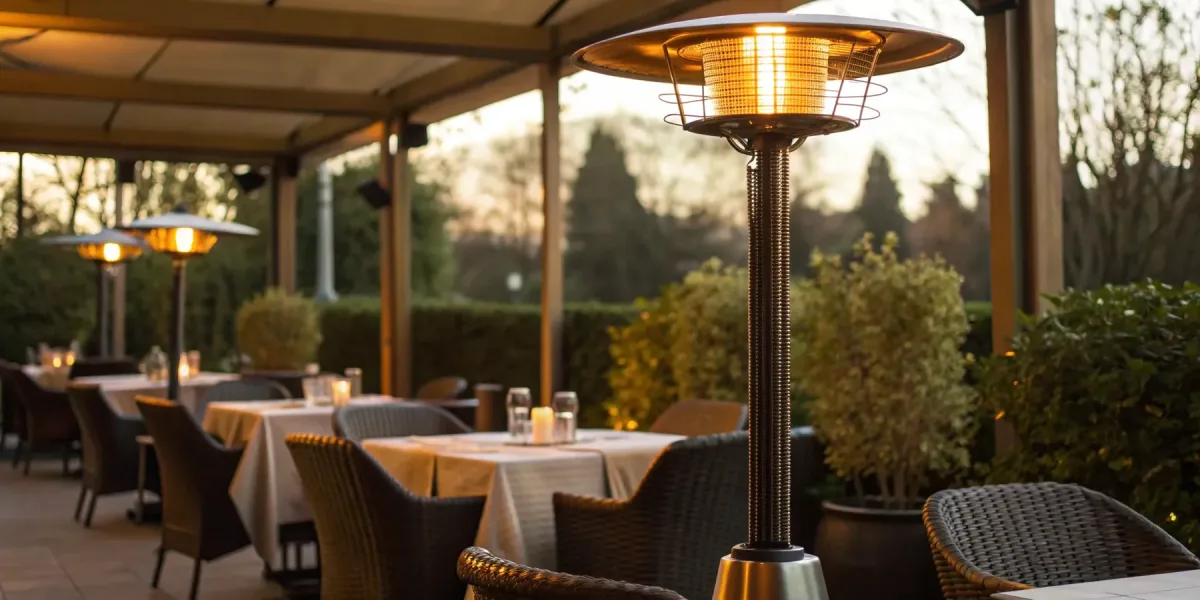
Patio Heater Safety Tips for Restaurant Outdoor Dining Spaces: Because Warmth Shouldn’t Come With Worry
Let me set the scene: It’s a crisp October evening in Nashville, the kind where the air carries just enough chill to make you crave a bourbon and a bowl of hot chicken. My rescue cat, Luna, is curled up on the windowsill inside, watching me through the glass as I sit on the patio of my favorite local spot, sipping something warm. The heater above me hums softly, casting a golden glow over the table. It’s perfect, until I notice the server struggling to adjust the unit, nearly knocking over a candle in the process. That’s when it hits me: how much do we really think about patio heater safety in restaurant outdoor dining spaces?
I’ve been in the food and hospitality industry long enough to know that outdoor dining isn’t just a trend, it’s a lifeline for many restaurants. But with that comes responsibility. Patio heaters are like the unsung heroes of al fresco dining, but they’re also potential hazards if not handled correctly. And let’s be real: no one wants their cozy evening ruined by a preventable accident. So, I started digging, talking to restaurant owners, equipment suppliers, and even a few fire marshals (yes, I have those kinds of conversations now). What I found was a mix of common sense, overlooked details, and a few surprises. This guide is my attempt to break it all down, because keeping your guests warm should never come at the cost of their safety.
By the end of this, you’ll know how to choose the right heater, where to place it, how to maintain it, and what to do if something goes wrong. And if you’re a restaurant owner or manager, you’ll walk away with a checklist you can actually use. Is this the *definitive* guide? Maybe not. But it’s the one I wish I’d had when I first started paying attention to these things. Let’s dive in.
The Unseen Risks of Patio Heaters in Outdoor Dining Spaces
Why Patio Heaters Are More Dangerous Than You Think
I’ll admit it: I used to think patio heaters were pretty straightforward. Plug ‘em in, turn ‘em on, and boom, instant warmth. But after talking to a few restaurant owners who’ve dealt with everything from minor burns to full-on fire scares, I realized I was way off. The truth is, patio heaters are powerful pieces of equipment, and like anything that generates heat, they come with risks. The most obvious one? Fire. But it’s not just about the heater itself catching fire, it’s about what’s *around* it. A stray napkin, a tablecloth blowing in the wind, or even a guest’s scarf can turn a cozy setup into a dangerous situation in seconds.
Then there’s the issue of carbon monoxide (CO). Now, I know what you’re thinking: “But Sammy, those are propane heaters, and my place uses electric.” Fair point. But even electric heaters can pose risks if they’re not properly ventilated or if they’re used in enclosed spaces. And let’s not forget about burns. I’ve seen guests (okay, fine, I’ve *been* a guest) who’ve brushed up against a hot heater without realizing it. It’s not just about the heater’s surface, it’s the radiant heat they emit. That warmth you feel? It’s not just in the air; it’s coming from a source that can get *really* hot.
So, what’s the takeaway here? Patio heaters aren’t inherently dangerous, but they *are* powerful tools that require respect. And that starts with understanding the risks. Is this making you paranoid? Good. A little paranoia is healthy when it comes to safety. But don’t worry, we’re not here to scare you. We’re here to make sure you’re prepared.
Common Mistakes Restaurants Make (And How to Avoid Them)
I get it: running a restaurant is chaotic. Between managing staff, keeping guests happy, and making sure the food is on point, it’s easy to overlook the little things, like whether your patio heaters are up to code. But here’s the thing: safety isn’t a “little thing.” It’s the foundation of everything else. So, let’s talk about the most common mistakes I’ve seen (and, okay, maybe made myself in past lives).
First up: improper placement. I can’t tell you how many times I’ve seen heaters crammed into tight corners, too close to tables, or worse, near flammable decorations. One restaurant I visited had their heaters lined up along a wooden fence, which was *not* a good look. The general rule? Keep heaters at least three feet away from anything flammable, including walls, furniture, and decor. And if you’re using propane, make sure the tanks are stored in a well-ventilated area, away from ignition sources.
Next: skipping maintenance. I know, I know, maintenance is boring. But so is dealing with a heater that conks out mid-service or, worse, starts a fire. Regular checks are non-negotiable. That means inspecting hoses for cracks, checking for gas leaks (if you’re using propane), and making sure the ignition system is working properly. And don’t even get me started on extension cords. If you’re using electric heaters, make sure they’re plugged directly into a grounded outlet. No daisy-chaining, no “just this once” exceptions.
Finally: ignoring local regulations. This one’s a biggie. Every city has its own rules about outdoor heating, and if you’re not following them, you’re not just risking safety, you’re risking fines, lawsuits, or even shutdowns. I talked to a restaurant owner in Austin who had to completely redo their patio setup after an inspector flagged their heaters for being too close to the building. Don’t be that guy. Do your homework, and if you’re not sure, ask. Your local fire marshal is a great resource (and, trust me, they’d rather answer your questions than show up for an emergency).
So, what’s the fix? Start with a safety audit. Walk your space, identify potential hazards, and make a plan to address them. And if you’re not sure where to start, there are companies (like Chef’s Deal) that offer free kitchen design services-yes, even for outdoor spaces, that can help you optimize your setup for both safety and efficiency. It’s worth the call.
Choosing the Right Patio Heater for Your Outdoor Dining Space
Propane vs. Electric vs. Natural Gas: Which Is Best for Your Restaurant?
Alright, let’s talk heaters. Not all patio heaters are created equal, and choosing the right one for your space isn’t just about aesthetics, it’s about functionality, safety, and cost. So, how do you decide between propane, electric, and natural gas? Let’s break it down.
First up: propane heaters. These are the most common type you’ll see in outdoor dining spaces, and for good reason. They’re portable, powerful, and don’t require a permanent installation. That means you can move them around depending on your seating arrangement or even take them down during the off-season. But (and this is a big but) they come with some serious safety considerations. Propane tanks are flammable, and if they’re not stored or handled properly, they can be a major hazard. Plus, you’ve got to keep an eye on the fuel levels, nothing worse than a heater dying mid-service because you forgot to check the tank.
Then there’s electric heaters. These are great if you’ve got a reliable power source and want something low-maintenance. No fuel tanks, no gas lines, just plug ‘em in and you’re good to go. They’re also quieter and cleaner than propane heaters, which is a plus if you’re going for a more upscale vibe. But here’s the catch: they’re not as powerful as propane or natural gas heaters, so they might not cut it in colder climates. And if you’re using them outdoors, you’ve got to make sure they’re rated for outdoor use (not all of them are). Oh, and don’t even think about using extension cords unless you want to risk a fire.
Finally, atural gas heaters. These are the heavy hitters of the patio heater world. They’re powerful, efficient, and since they’re hooked up to a gas line, you don’t have to worry about running out of fuel. But (you knew there was a but) they’re not portable, and they require professional installation. That means you’re looking at higher upfront costs, and if you ever want to rearrange your space, you’re kind of stuck with where the gas line is. Still, if you’re committed to outdoor dining and want a permanent solution, natural gas is a solid choice.
So, which one’s right for you? It depends. If you’re in a warmer climate and want flexibility, propane might be the way to go. If you’ve got a power source and want something low-maintenance, electric could work. And if you’re all-in on outdoor dining and want a permanent solution, natural gas is worth the investment. But no matter what you choose, make sure it’s UL-listed or CSA-certified. That’s your first line of defense against safety issues.
Key Features to Look for in a Commercial-Grade Patio Heater
Okay, so you’ve narrowed it down to propane, electric, or natural gas. Now what? Not all heaters are created equal, and if you’re running a restaurant, you need something that’s built to last. Here are the key features to look for when shopping for a commercial-grade patio heater:
- Adjustable heat settings: This one’s a no-brainer. You don’t want your guests roasting in the summer or freezing in the winter. Look for heaters with multiple heat settings so you can adjust based on the weather and your guests’ comfort.
- Tip-over protection: This is a big one. If a heater gets knocked over (and let’s be real, in a busy restaurant, it’s bound to happen), you want it to shut off automatically. Tip-over protection is a must-have safety feature.
- Overheat protection: Another non-negotiable. If a heater gets too hot, it should shut off automatically to prevent fires. This is especially important if you’re using the heater for long periods of time.
- Durable construction: Commercial-grade heaters should be built to withstand the elements. Look for models with stainless steel or aluminum construction, and make sure they’re rated for outdoor use.
- Easy maintenance: Let’s face it, no one wants to spend hours cleaning or servicing a heater. Look for models with removable parts and easy-to-access components. And if you’re using propane, make sure the hoses and connections are easy to inspect.
- Warranty and support: This one’s often overlooked, but it’s important. A good warranty can save you a lot of headaches (and money) down the line. And if you’re buying from a supplier like Chef’s Deal, make sure they offer professional installation services and expert consultation to help you get the most out of your investment.
I’ll be honest: I’ve made the mistake of skimping on quality before. A few years back, I bought a cheap patio heater for a pop-up event, and let’s just say it didn’t end well. The thing conked out halfway through the night, and I spent the rest of the evening apologizing to guests while trying to troubleshoot. Lesson learned: you get what you pay for. If you’re running a restaurant, invest in a heater that’s built to last.
Proper Placement and Installation: Where and How to Set Up Your Patio Heaters
The 3-Foot Rule and Other Critical Spacing Guidelines
Alright, let’s talk placement. This is where a lot of restaurants go wrong, and it’s not always because they’re being careless, sometimes, it’s just a lack of information. So, let’s clear things up. The 3-foot rule is your new best friend. That means keeping your heaters at least three feet away from anything flammable, including walls, furniture, decor, and even plants. Yes, plants. I’ve seen restaurants with heaters right next to potted palms, and let me tell you, dry leaves + heat = not a good combo.
But it’s not just about flammable materials. You also need to think about airflow. Patio heaters need room to breathe, especially if you’re using propane or natural gas. If a heater is too close to a wall or another obstruction, it can overheat or even cause a buildup of carbon monoxide. And speaking of carbon monoxide, if you’re using propane or natural gas heaters, make sure they’re in a well-ventilated area. That means no enclosed patios, no covered walkways, and definitely no tents (unless they’re specifically designed for ventilation).
Now, let’s talk about height. Most patio heaters are designed to be mounted on a stand or a wall, but the height matters. If a heater is too low, it can be a burn hazard for guests. Too high, and it’s not doing its job. The general rule is to mount heaters at least 7 feet off the ground, but check the manufacturer’s guidelines, some models have specific height requirements.
And here’s a pro tip: think about your seating arrangement. You want your heaters to be close enough to keep guests warm, but not so close that they’re uncomfortable. A good rule of thumb is to place heaters about 6 to 8 feet apart, depending on the size of your space and the type of heater you’re using. And if you’re not sure, experiment. Move them around, ask your staff for feedback, and adjust as needed.
DIY vs. Professional Installation: What You Need to Know
I’ll be honest: I’m a DIY guy at heart. I love the satisfaction of fixing something myself, and I’ve saved a ton of money over the years by tackling projects on my own. But when it comes to patio heaters, DIY isn’t always the best option. Here’s why.
First, there’s the issue of safety. If you’re installing a propane or natural gas heater, you’re dealing with flammable fuel sources. One wrong move, like a loose connection or a poorly sealed gas line, and you could be looking at a fire or a gas leak. And let’s not forget about carbon monoxide. If a heater isn’t installed properly, it can release CO into the air, which is odorless, colorless, and deadly. Not exactly the vibe you’re going for in your outdoor dining space.
Then there’s the issue of compliance. Every city has its own rules about outdoor heating, and if you’re not following them, you could be looking at fines, lawsuits, or even a shutdown. I talked to a restaurant owner in Denver who installed his own natural gas heaters, only to find out later that he needed a permit. He ended up having to rip everything out and start over, which cost him way more than if he’d just hired a professional in the first place.
So, when should you call in the pros? If you’re installing a natural gas heater, the answer is simple: always. Natural gas lines should *never* be installed by anyone other than a licensed professional. And if you’re installing propane heaters, it’s still a good idea to have a professional check your work, especially if you’re not familiar with gas lines or electrical systems.
But what if you’re using electric heaters? Here’s where things get a little murkier. If you’re just plugging in a portable electric heater, you can probably handle it yourself. But if you’re mounting a heater on a wall or a ceiling, or if you’re running new electrical lines, it’s best to call in a pro. And if you’re not sure, err on the side of caution. Companies like Chef’s Deal offer professional installation services for a reason, because they know how important it is to get it right the first time.
At the end of the day, it’s about balancing cost and safety. Yes, hiring a professional costs more upfront, but it can save you a ton of money (and headaches) in the long run. And let’s be real: when it comes to safety, it’s not worth cutting corners.
Maintaining Your Patio Heaters: A Restaurant Owner’s Checklist
Daily, Weekly, and Monthly Maintenance Tasks
Let’s talk maintenance. I know, I know, it’s not the most exciting topic. But if you want your patio heaters to last (and keep your guests safe), you’ve got to stay on top of it. Think of it like changing the oil in your car: skip it, and eventually, something’s going to break. So, let’s break it down into a simple checklist you can actually use.
Daily Tasks:
- Visual inspection: Before you turn on the heaters each day, give them a quick once-over. Look for any signs of damage, like cracks, dents, or frayed wires. And if you’re using propane, check the hoses for leaks (more on that later).
- Clean the exterior: Wipe down the heater with a damp cloth to remove dust, dirt, or debris. This isn’t just about aesthetics, dirt can clog vents and reduce efficiency.
- Check for obstructions: Make sure nothing’s blocking the heater, like furniture, decor, or even guests’ belongings. And if you’re using propane, make sure the tank is stored in a well-ventilated area.
Weekly Tasks:
- Inspect hoses and connections: If you’re using propane, check the hoses and connections for cracks, leaks, or wear. And if you smell gas (which has a distinct rotten-egg smell), turn off the heater immediately and call a professional.
- Test safety features: Make sure the tip-over protection and overheat protection are working properly. You can test the tip-over protection by gently tilting the heater (but don’t actually knock it over, no need to tempt fate).
- Clean the burner: If you’re using a propane or natural gas heater, the burner can get clogged with dirt and debris over time. Use a soft brush to clean it out, and make sure the flame is burning blue (a yellow flame is a sign of incomplete combustion, which can produce carbon monoxide).
Monthly Tasks:
- Deep clean: Give your heaters a thorough cleaning, inside and out. For electric heaters, this means wiping down the heating element and checking for any signs of wear. For propane and natural gas heaters, it means cleaning the burner, the pilot light, and the vents.
- Check for rust or corrosion: If you’re using metal heaters, check for any signs of rust or corrosion. This is especially important if you’re in a humid or coastal climate. If you find rust, clean it off with a wire brush and apply a rust-resistant coating.
- Inspect electrical components: If you’re using electric heaters, check the cords, plugs, and outlets for any signs of damage. And if you’re using extension cords (which, again, you shouldn’t be), make sure they’re rated for outdoor use and in good condition.
I’ll be honest: I’ve skipped maintenance before. A few years back, I was running a pop-up event, and I didn’t have time to clean the heaters between setups. Big mistake. One of the heaters started smoking mid-service, and I had to evacuate the area. Not exactly the impression I was going for. Lesson learned: maintenance isn’t optional. It’s a non-negotiable part of running a safe and successful outdoor dining space.
How to Spot (and Fix) Common Patio Heater Problems
Even with regular maintenance, things can go wrong. Maybe your heater won’t turn on, or it’s not producing enough heat. Or worse, it’s making a weird noise or emitting a strange smell. Here’s how to troubleshoot some of the most common patio heater problems.
Problem: Heater won’t turn on.
- Check the power source: If you’re using an electric heater, make sure it’s plugged in and the outlet is working. If you’re using propane, make sure the tank is turned on and there’s fuel in it.
- Inspect the ignition system: If the heater has a pilot light, make sure it’s lit. If it’s an electric ignition, check the batteries (if it has them) or the wiring.
- Look for error codes: Some heaters have digital displays that show error codes. Check the manual to see what the code means and how to fix it.
Problem: Heater isn’t producing enough heat.
- Check the fuel level: If you’re using propane, make sure the tank isn’t empty. And if you’re using natural gas, make sure the gas line is turned on.
- Clean the burner: A clogged burner can reduce heat output. Use a soft brush to clean it out, and make sure the flame is burning blue.
- Check the thermostat: If your heater has a thermostat, make sure it’s set to the right temperature. And if it’s an adjustable heater, make sure the heat setting is turned up.
Problem: Heater is making a weird noise.
- Check for obstructions: Sometimes, debris can get stuck in the heater, causing it to make noise. Turn off the heater and inspect it for any obstructions.
- Inspect the fan: If your heater has a fan, it might be loose or damaged. Turn off the heater and check the fan for any signs of wear.
- Look for loose parts: Over time, parts can come loose, causing rattling or other noises. Turn off the heater and tighten any loose screws or bolts.
Problem: Heater is emitting a strange smell.
- Check for gas leaks: If you’re using propane or natural gas, a strange smell could be a sign of a gas leak. Turn off the heater immediately and call a professional.
- Clean the burner: Sometimes, dirt or debris can cause a heater to emit a strange smell. Turn off the heater and clean the burner thoroughly.
- Inspect the wiring: If you’re using an electric heater, a strange smell could be a sign of overheating or damaged wiring. Turn off the heater and inspect the wiring for any signs of damage.
If you’re not comfortable troubleshooting on your own, don’t hesitate to call in a professional. Companies like Chef’s Deal offer expert consultation and support to help you keep your equipment running smoothly. And remember: when in doubt, turn it off and call for help. It’s better to be safe than sorry.
Training Your Staff: The Often-Overlooked Key to Patio Heater Safety
What Every Employee Should Know About Patio Heater Operation
Here’s the thing about safety: it’s not just about the equipment. It’s about the people using it. And if your staff doesn’t know how to operate your patio heaters properly, all the maintenance and placement guidelines in the world won’t matter. So, let’s talk about staff training-because this is where a lot of restaurants drop the ball.
First, every employee who works in your outdoor dining space should know the basics of patio heater operation. That means:
- How to turn the heater on and off: This might seem obvious, but you’d be surprised how many staff members don’t know the proper startup and shutdown procedures. For propane heaters, that means turning the gas on slowly and lighting the pilot light correctly. For electric heaters, it means plugging them in properly and setting the thermostat.
- How to adjust the heat settings: If your heaters have adjustable settings, your staff should know how to use them. That way, they can keep guests comfortable without overheating the space.
- How to recognize and respond to safety hazards: This is a big one. Your staff should know how to spot potential hazards, like a heater that’s too close to flammable materials or a propane tank that’s leaking. And they should know what to do if something goes wrong, like turning off the heater and calling a manager.
- How to handle emergencies: What if a heater tips over? What if there’s a gas leak? What if a guest gets burned? Your staff should have a clear plan for handling these situations, including who to call and what steps to take.
But here’s the catch: training isn’t a one-and-done deal. You’ve got to reinforce it regularly. That means holding refresher courses, posting safety guidelines in staff areas, and encouraging employees to ask questions. And don’t just rely on verbal instructions, put it in writing. Create a simple cheat sheet that staff can reference if they’re unsure about something.
I’ve seen restaurants where staff training is treated like an afterthought, and it shows. One place I visited had a server who didn’t know how to turn off the heaters at the end of the night. Another had a bartender who thought it was fine to move a propane heater while it was still on. These aren’t just minor oversights, they’re accidents waiting to happen. So, take the time to train your staff properly. It’s one of the best investments you can make in your restaurant’s safety.
Creating a Safety Protocol for Your Outdoor Dining Area
Okay, so you’ve trained your staff. Now what? You need a safety protocol-a clear, step-by-step plan for keeping your outdoor dining space safe. This isn’t just about patio heaters; it’s about everything that could go wrong in your outdoor area. But since we’re focusing on heaters, let’s start there.
Here’s what your safety protocol should include:
- Daily safety checks: Before opening each day, a manager or designated staff member should walk the outdoor area and check for potential hazards. That means inspecting heaters, checking for obstructions, and making sure nothing’s blocking the exits.
- Emergency procedures: What do you do if a heater tips over? What if there’s a gas leak? What if a guest gets burned? Your protocol should outline the steps to take in each scenario, including who to call and how to evacuate the area if necessary.
- Guest safety guidelines: This is often overlooked, but it’s important. Your staff should know how to educate guests about patio heater safety. That means reminding them not to touch the heaters, not to hang bags or coats on them, and to keep their distance if the heater is hot.
- Incident reporting: If something goes wrong, even if it’s minor, it should be documented. That way, you can track patterns and address issues before they become bigger problems. Create a simple form for staff to fill out, and make sure they know how to use it.
- Regular safety drills: This might sound overkill, but it’s not. Just like you’d practice a fire drill, you should practice your outdoor safety protocol. That way, if something goes wrong, your staff will know exactly what to do.
I’ll be honest: creating a safety protocol isn’t the most exciting part of running a restaurant. But it’s one of the most important. And here’s the thing: it doesn’t have to be complicated. Start with the basics, and build from there. The goal is to create a culture of safety, where everyone, staff and guests alike, knows what to do in case of an emergency.
And if you’re not sure where to start, there are resources out there to help. Companies like Chef’s Deal offer consulting services to help restaurants optimize their spaces for safety and efficiency. It’s worth the call, especially if you’re new to outdoor dining or just want to make sure you’re doing everything right.
Emergency Preparedness: What to Do If Something Goes Wrong
Fire Safety: How to Respond to a Patio Heater Fire
Let’s talk about the worst-case scenario: a fire. It’s not something anyone wants to think about, but if it happens, you need to be prepared. So, what do you do if a patio heater catches fire?
First, don’t panic. Easier said than done, I know, but staying calm is key. Here’s the step-by-step:
- Turn off the fuel source: If you’re using a propane or natural gas heater, turn off the gas immediately. This will cut off the fuel supply and help contain the fire.
- Use a fire extinguisher: Every outdoor dining space should have a fire extinguisher nearby. Make sure your staff knows how to use it (hint: PASS, Pull the pin, Aim at the base of the fire, Squeeze the handle, Sweep side to side). And make sure the extinguisher is rated for the type of fire you’re dealing with (Class B for flammable liquids like propane, Class C for electrical fires).
- Evacuate the area: If the fire is spreading or you can’t control it, evacuate the area immediately. Make sure all guests and staff are safely outside, and call 911.
- Do not use water: This is a big one. If you’re dealing with a propane or electrical fire, water can make it worse. Stick to the fire extinguisher or, if the fire is small, a fire blanket.
After the fire is out, document what happened. Take photos, write down what you did, and report the incident to your insurance company. And don’t forget to review your safety protocols to see what you can do better next time.
I know this all sounds scary, but here’s the thing: fires are preventable. With the right precautions, you can minimize the risk and keep your guests safe. And if something does go wrong, being prepared can make all the difference.
Carbon Monoxide Poisoning: Signs, Symptoms, and Prevention
Carbon monoxide (CO) is the silent killer. It’s odorless, colorless, and deadly, and if your patio heaters aren’t properly ventilated, it can build up in your outdoor dining space. So, how do you protect your guests (and your staff) from CO poisoning?
First, let’s talk about prevention. If you’re using propane or natural gas heaters, make sure they’re in a well-ventilated area. That means no enclosed patios, no covered walkways, and definitely no tents (unless they’re specifically designed for ventilation). And if you’re using multiple heaters, make sure they’re spaced far enough apart to allow for proper airflow.
Next, install carbon monoxide detectors. These are a must-have for any outdoor dining space that uses propane or natural gas heaters. Place them near the heaters and in any enclosed areas, and make sure they’re working properly. Test them regularly, and replace the batteries as needed.
Now, let’s talk about the signs and symptoms of CO poisoning. These can be subtle, so it’s important to know what to look for. Early symptoms include:
- Headache
- Dizziness
- Nausea
- Fatigue
- Shortness of breath
As CO levels rise, symptoms can become more severe, including:
- Confusion
- Vomiting
- Loss of consciousness
- Death
If you suspect someone is suffering from CO poisoning, get them outside immediately and call 911. And if you’re using propane or natural gas heaters, turn them off and ventilate the area.
I’ll be honest: CO poisoning is one of my biggest fears when it comes to outdoor dining. It’s so easy to overlook, and the consequences can be devastating. But with the right precautions, you can keep your guests safe. And if you’re not sure whether your space is properly ventilated, call in a professional. Companies like Chef’s Deal offer expert consultation to help you optimize your setup for safety and efficiency. It’s worth the peace of mind.
Seasonal Considerations: Adjusting Your Patio Heater Safety for Different Weather Conditions
Winterizing Your Patio Heaters: A Step-by-Step Guide
Winter is coming. And if you’re in a colder climate, that means it’s time to winterize your patio heaters. This isn’t just about keeping them running, it’s about protecting your investment and ensuring they’re ready to go when the temperatures drop. So, how do you winterize a patio heater? Let’s break it down.
First, clean the heater thoroughly. This means wiping down the exterior, cleaning the burner (if you’re using propane or natural gas), and removing any debris or dirt. If you’re using an electric heater, make sure the heating element is clean and free of dust.
Next, inspect the heater for damage. Look for cracks, dents, or signs of wear. If you find any damage, repair or replace the heater before storing it. And if you’re using propane, check the hoses and connections for leaks or cracks.
Now, drain the fuel. If you’re using a propane heater, turn off the gas and disconnect the tank. Then, run the heater until the fuel is completely drained. This will prevent any residual fuel from causing problems during storage. If you’re using a natural gas heater, you don’t need to drain the fuel, but you should turn off the gas line and cap it to prevent leaks.
Finally, store the heater properly. If you’re storing it outdoors, cover it with a waterproof cover to protect it from the elements. If you’re storing it indoors, make sure it’s in a dry, well-ventilated area. And if you’re using propane, store the tanks in a cool, dry place, away from ignition sources.
I’ll be honest: I’ve skipped winterizing before. One year, I left my propane heater outside all winter, and when I went to use it in the spring, the hoses were cracked and the burner was clogged. It took me hours to clean and repair it, and I ended up having to replace the hoses. Lesson learned: winterizing isn’t optional. It’s a necessary part of keeping your heaters in good condition.
Summer Storage: How to Keep Your Heaters Safe During the Off-Season
Summer’s here, and your patio heaters are taking a well-deserved break. But before you tuck them away, there are a few things you should do to keep them safe during the off-season. Here’s how to store your heaters properly:
First, clean the heater thoroughly. This means wiping down the exterior, cleaning the burner (if you’re using propane or natural gas), and removing any debris or dirt. If you’re using an electric heater, make sure the heating element is clean and free of dust.
Next, inspect the heater for damage. Look for cracks, dents, or signs of wear. If you find any damage, repair or replace the heater before storing it. And if you’re using propane, check the hoses and connections for leaks or cracks.
Now, disconnect the fuel source. If you’re using a propane heater, turn off the gas and disconnect the tank. Store the tank in a cool, dry place, away from ignition sources. If you’re using a natural gas heater, turn off the gas line and cap it to prevent leaks.
Finally, store the heater properly. If you’re storing it outdoors, cover it with a waterproof cover to protect it from the elements. If you’re storing it indoors, make sure it’s in a dry, well-ventilated area. And if you’re using propane, store the tanks in a cool, dry place, away from ignition sources.
I know this all sounds like a lot of work, but trust me: it’s worth it. Proper storage can extend the life of your heaters and save you a ton of money in the long run. And if you’re not sure how to store your heaters properly, don’t hesitate to call in a professional. Companies like Chef’s Deal offer expert consultation and support to help you keep your equipment in top condition.
Legal and Insurance Implications: Protecting Your Business
Understanding Local Regulations and Compliance Requirements
Let’s talk about the boring (but important) stuff: legal and insurance implications. I know, I know, it’s not as exciting as talking about heat settings or placement guidelines. But if you’re running a restaurant, it’s something you can’t afford to ignore. So, let’s break it down.
First, local regulations. Every city has its own rules about outdoor heating, and if you’re not following them, you could be looking at fines, lawsuits, or even a shutdown. I talked to a restaurant owner in Chicago who had to completely redo their patio setup after an inspector flagged their heaters for being too close to the building. Don’t be that guy. Do your homework, and if you’re not sure, ask. Your local fire marshal is a great resource, and they’d rather answer your questions than show up for an emergency.
So, what do you need to know? Here are a few key things to check:
- Permits: Some cities require permits for outdoor heating, especially if you’re using propane or natural gas. Make sure you’ve got all the necessary paperwork before you set up your heaters.
- Spacing requirements: Most cities have rules about how far heaters need to be from flammable materials, buildings, and property lines. Make sure you’re following these guidelines to the letter.
- Ventilation requirements: If you’re using propane or natural gas heaters, you’ll need to make sure your space is properly ventilated. That means no enclosed patios, no covered walkways, and definitely no tents (unless they’re specifically designed for ventilation).
- Fire extinguisher requirements: Most cities require restaurants to have fire extinguishers on hand, especially if they’re using propane or natural gas heaters. Make sure you’ve got the right type of extinguisher (Class B for flammable liquids, Class C for electrical fires) and that it’s easily accessible.
I’ll be honest: I’ve made the mistake of ignoring local regulations before. A few years back, I set up a pop-up event without checking the rules, and I ended up having to move my heaters at the last minute. It was a pain, and it cost me time and money. Lesson learned: do your homework. It’s not worth the risk.
How Patio Heater Safety Affects Your Insurance Coverage
Now, let’s talk about insurance. If you’re running a restaurant, you’ve got insurance, liability, property, workers’ comp, the works. But did you know that your patio heater setup can affect your coverage? It’s true. Insurance companies take safety seriously, and if you’re not following best practices, you could be looking at higher premiums or even a denied claim.
So, how do you make sure your patio heaters don’t mess with your insurance? Here are a few tips:
- Document everything: Keep records of your safety protocols, maintenance checks, and staff training. If something goes wrong, you’ll want to show your insurance company that you took all the necessary precautions.
- Follow manufacturer guidelines: Insurance companies love it when you follow the rules. Make sure you’re using your heaters as intended, and keep the manuals on hand in case you need to reference them.
- Work with a reputable supplier: If you’re buying your heaters from a company like Chef’s Deal, make sure they’re providing UL-listed or CSA-certified equipment. Insurance companies are more likely to cover equipment that meets industry standards.
- Review your policy: Not all insurance policies are created equal. Make sure your policy covers outdoor heating, and if it doesn’t, talk to your agent about adding it. And if you’re not sure, ask. It’s better to be safe than sorry.
I’ve seen restaurants get burned (pun intended) by insurance issues before. One place I visited had a fire in their outdoor dining area, and when they filed a claim, their insurance company denied it because they didn’t have the right coverage. Don’t let that happen to you. Take the time to review your policy and make sure you’re protected.
Beyond the Basics: Innovative Ways to Enhance Patio Heater Safety
Smart Patio Heaters: The Future of Outdoor Dining Safety
Alright, let’s talk about the future. Smart patio heaters are a thing, and they’re changing the game when it comes to safety. These aren’t your grandpa’s heaters, they’re equipped with sensors, timers, and even Wi-Fi connectivity, so you can control them from your phone. But how do they enhance safety? Let’s break it down.
First, automatic shut-off. Smart heaters can detect when something’s wrong, like a tip-over or an obstruction, and shut off automatically. Some models even have overheat protection, so if the heater gets too hot, it’ll turn itself off before it becomes a hazard. And if you’re using propane, some smart heaters can detect gas leaks and shut off the fuel supply before it becomes a problem.
Next, remote monitoring. With a smart heater, you can monitor its status from your phone. That means you can check the fuel levels, adjust the heat settings, and even turn it off if you forget. And if something goes wrong, you’ll get an alert, so you can address the issue before it becomes a bigger problem.
Finally, energy efficiency. Smart heaters can adjust their output based on the weather, so you’re not wasting fuel or electricity. That’s good for your bottom line *and* the environment. And if you’re using propane, some smart heaters can track your fuel usage, so you’ll know when it’s time to refill.
I’ll be honest: I was skeptical about smart heaters at first. I thought they were just a gimmick, another way for companies to upsell me on features I didn’t need. But after talking to a few restaurant owners who’ve made the switch, I’m a believer. One guy in San Francisco told me his smart heaters paid for themselves in a year, just from the energy savings. And another in New York said they’ve never had a safety issue since switching to smart models. So, if you’re in the market for new heaters, it’s worth considering.
Creative Safety Solutions for Unique Outdoor Dining Setups
Not all outdoor dining spaces are created equal. Some are small and cozy, while others are sprawling and open. Some are on rooftops, while others are in alleyways. And if you’re running a unique setup, you might need creative safety solutions to keep your guests warm and secure. So, let’s talk about some outside-the-box ideas.
First, heated floors. If you’ve got a permanent outdoor space, heated floors are a game-changer. They’re not cheap, but they’re incredibly efficient, and they eliminate the need for standalone heaters. Plus, they’re a great selling point for guests. Imagine sipping a cocktail while standing on a warm floor, it’s the little things, right?
Next, radiant heat panels. These are mounted on walls or ceilings, and they emit heat without taking up floor space. They’re great for small patios or rooftop setups, where every square foot counts. And because they’re mounted, they’re less likely to be knocked over or tampered with.
Finally, fire pits and fire tables. These are a great alternative to traditional patio heaters, especially if you’re going for a more rustic or cozy vibe. But they come with their own set of safety considerations. Make sure they’re in a well-ventilated area, away from flammable materials, and never leave them unattended. And if you’re using propane, make sure the tanks are stored properly and the connections are secure.
I’ve seen some really creative setups over the years. One restaurant in Portland had a patio with heated benches, yes, benches! that kept guests warm without the need for standalone heaters. Another in Miami used radiant heat panels on their rooftop, so they could keep the space open and airy while still providing warmth. The point is, there’s no one-size-fits-all solution. It’s all about finding what works for your space and your guests.
And if you’re not sure where to start, don’t hesitate to call in the pros. Companies like Chef’s Deal offer free kitchen design services-yes, even for outdoor spaces, that can help you optimize your setup for safety and efficiency. It’s worth the call, especially if you’re dealing with a unique or challenging space.
Wrapping Up: Your Patio Heater Safety Checklist
Alright, let’s bring it all together. We’ve covered a lot of ground here, from choosing the right heater to training your staff to handling emergencies. And if you’ve made it this far, you’re probably feeling a little overwhelmed. That’s okay. Safety isn’t something you figure out overnight. It’s an ongoing process, and it’s okay to take it one step at a time.
So, here’s your patio heater safety checklist. Print it out, hang it in your staff area, and refer to it often. And if you’re not sure about something, don’t hesitate to ask. Your local fire marshal, your equipment supplier, and even your insurance agent are all great resources. And remember: when it comes to safety, there’s no such thing as a stupid question.
- Choose the right heater: Make sure it’s UL-listed or CSA-certified, and that it’s the right type for your space (propane, electric, or natural gas).
- Place it properly: Keep heaters at least three feet away from anything flammable, and make sure they’re in a well-ventilated area.
- Install it correctly: If you’re using natural gas or propane, call in a professional. And if you’re using electric, make sure it’s plugged directly into a grounded outlet.
- Maintain it regularly: Clean it daily, inspect it weekly, and deep clean it monthly. And don’t forget to winterize it when the season’s over.
- Train your staff: Make sure everyone knows how to operate the heaters safely, and create a safety protocol for your outdoor dining area.
- Prepare for emergencies: Know how to respond to a fire or a gas leak, and make sure your staff does too. And don’t forget to install carbon monoxide detectors if you’re using propane or natural gas.
- Follow local regulations: Make sure you’ve got all the necessary permits, and that you’re following spacing and ventilation requirements.
- Review your insurance: Make sure your policy covers outdoor heating, and document everything in case you need to file a claim.
Is this everything? Probably not. But it’s a start. And if you follow these guidelines, you’ll be well on your way to creating a safe and comfortable outdoor dining space for your guests. So, take a deep breath, pat yourself on the back, and get to work. Your guests (and your bottom line) will thank you.
FAQ: Patio Heater Safety for Restaurant Outdoor Dining Spaces
Q: How often should I inspect my patio heaters for safety?
A: You should inspect your patio heaters daily for any visible damage, obstructions, or signs of wear. A more thorough inspection, including checking hoses, connections, and safety features, should be done weekly. And don’t forget to deep clean and inspect your heaters monthly to keep them in top condition. Regular maintenance is key to preventing accidents and extending the life of your equipment.
Q: Can I use patio heaters in an enclosed outdoor dining space, like a tent or a covered patio?
A: It depends. If you’re using propane or natural gas heaters, you need to make sure the space is well-ventilated to prevent carbon monoxide buildup. That means no fully enclosed tents or patios unless they’re specifically designed for ventilation. If you’re using electric heaters, ventilation is less of an issue, but you still need to make sure the space is safe and up to code. When in doubt, check with your local fire marshal or a professional.
Q: What’s the best way to store propane tanks when they’re not in use?
A: Propane tanks should be stored in a cool, dry place, away from ignition sources and direct sunlight. That means no storing them near heaters, grills, or electrical equipment. And if you’re storing them outdoors, make sure they’re covered and protected from the elements. Never store propane tanks indoors or in an enclosed space, as this can lead to gas buildup and potential hazards.
Q: Are there any specific safety features I should look for when buying a patio heater for my restaurant?
A: Absolutely. Look for heaters with tip-over protection, which automatically shuts off the heater if it gets knocked over. Overheat protection is another must-have, it shuts off the heater if it gets too hot. And if you’re using propane or natural gas, make sure the heater has a flame failure device, which shuts off the gas if the flame goes out. Finally, look for heaters that are UL-listed or CSA-certified, as these meet industry safety standards. Companies like Chef’s Deal offer a wide range of commercial-grade heaters with these features, so you can find the right fit for your space.
@article{patio-heater-safety-tips-for-restaurant-outdoor-dining-spaces-a-complete-guide-to-keeping-guests-warm-and-secure,
    title   = {Patio Heater Safety Tips for Restaurant Outdoor Dining Spaces: A Complete Guide to Keeping Guests Warm and Secure},
    author  = {Chef's icon},
    year    = {2026},
    journal = {Chef's Icon},
    url     = {https://chefsicon.com/patio-heater-safety-tips-for-restaurant-outdoor-dining-spaces/}
}