The Best Fluffy Pancakes recipe you will fall in love with. Full of tips and tricks to help you make the best pancakes.
How Commercial Kitchens Can Promote Mental Wellness for Staff, Without Sacrificing the Hustle
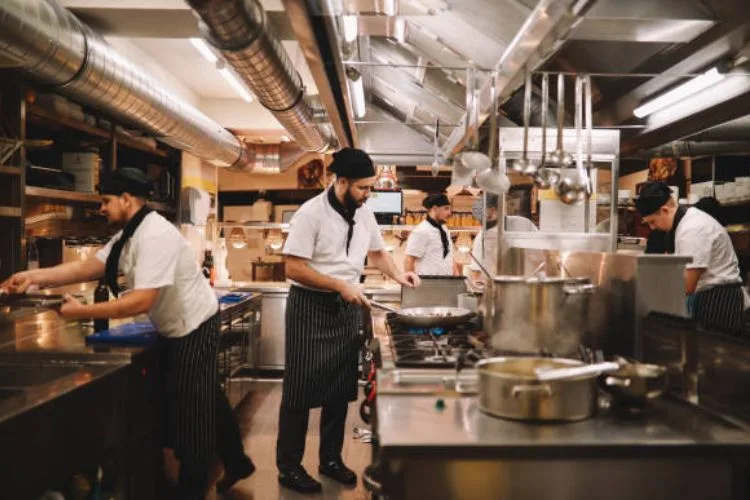
Let me start with a confession: I’ve worked in enough restaurant kitchens to know that the phrase “mental wellness” doesn’t exactly roll off the tongue when you’re in the weeds during a Friday night dinner rush. The heat, the noise, the relentless pace, it’s a world where stress isn’t just a buzzword, it’s the air you breathe. But here’s the thing: just because high-pressure environments are part of the job doesn’t mean they have to break the people who work in them. In fact, the best kitchens I’ve seen aren’t the ones that push their teams to the brink; they’re the ones that figure out how to keep them sharp, engaged, and, dare I say, happy, even when the tickets are piling up.
Now, I’m not naive. I know that suggesting a commercial kitchen should prioritize mental wellness can feel like asking a line cook to plate a five-course tasting menu with one hand tied behind their back. Time is money, margins are thin, and the industry’s reputation for burnout isn’t exactly a myth. But here’s the kicker: ignoring mental health doesn’t just hurt your staff, it hurts your bottom line. High turnover, mistakes under pressure, and a toxic work culture aren’t just HR problems; they’re operational nightmares. And the good news? You don’t need a complete overhaul to make a difference. Small, intentional changes can shift the culture in ways that keep your team firing on all cylinders without sacrificing the energy that makes your kitchen great.
In this guide, I’m going to walk through practical, actionable ways commercial kitchens can promote mental wellness for their staff. We’ll cover everything from ergonomic tweaks that reduce physical strain to cultural shifts that make the kitchen feel less like a pressure cooker and more like a team. I’ll share real examples from kitchens that are getting it right, along with a few of my own missteps (because, let’s be honest, I’ve had my fair share). By the end, you’ll have a toolkit of ideas you can start implementing tomorrow, no therapy dogs or meditation pods required (though if that’s your thing, no judgment).
So, let’s dive in. Is this the silver bullet for all the industry’s problems? Probably not. But if it helps even one kitchen run a little smoother, or one cook feel a little less fried at the end of their shift, then it’s worth the effort. And who knows? Maybe the next time someone asks what makes your kitchen stand out, you’ll say it’s not just the food, it’s the people who make it.
The Hidden Cost of Ignoring Mental Wellness in Commercial Kitchens
Before we talk solutions, let’s talk about the problem. Because if you’re running a commercial kitchen, you already know that stress is part of the job. But what you might not realize is how much that stress is costing you, both in dollars and in the intangible stuff, like morale and creativity.
First, the numbers. The restaurant industry has one of the highest turnover rates of any sector, with some estimates putting it at over 70% annually. That’s not just a HR headache; it’s a financial sinkhole. Training new staff takes time and money, and every time someone walks out the door, you’re losing institutional knowledge, those little shortcuts and tricks that make your kitchen run like a well-oiled machine. And let’s not forget the cost of mistakes. A stressed-out cook is more likely to misfire an order, burn a dish, or, worst of all, compromise food safety. One bad Yelp review or health inspection can undo months of hard work.
But the real cost isn’t just financial. It’s the slow erosion of what makes a kitchen special. I’ve worked in places where the energy was electric, where the team fed off each other’s creativity and pushed each other to do better. And I’ve worked in places where the air was so thick with tension you could cut it with a knife (pun intended). In those kitchens, the food suffered. The staff suffered. And eventually, the business suffered too. Because here’s the thing: people don’t leave jobs, they leave cultures. And if your kitchen culture is built on stress, burnout, and exhaustion, you’re not just losing staff, you’re losing the soul of your operation.
So, what’s the alternative? Is it possible to run a high-performing kitchen without burning out your team? I think so. But it requires flipping the script on how we think about mental wellness in this industry. It’s not about coddling your staff or turning your kitchen into a spa. It’s about creating an environment where people can do their best work without sacrificing their well-being. And that starts with understanding the unique pressures of commercial kitchens, and how to design around them.
The Physical Environment: Designing a Kitchen That Doesn’t Break Your Team
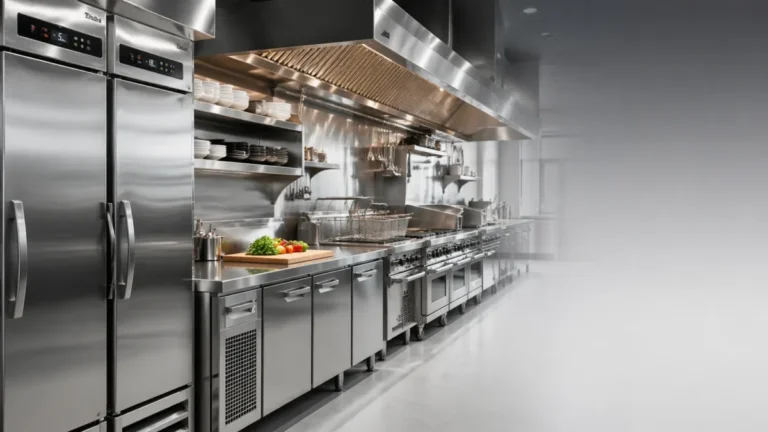
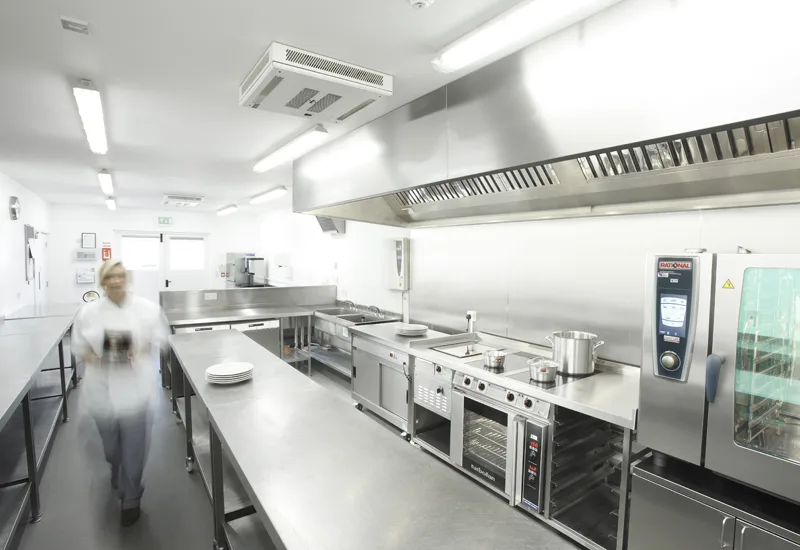
Let’s start with the obvious: the physical space. Commercial kitchens are loud, hot, and chaotic by nature. But that doesn’t mean they have to be unnecessarily punishing. Small tweaks to your layout, equipment, and workflow can make a big difference in reducing physical strain, and by extension, mental stress.
First, let’s talk about ergonomics. I’ve lost count of how many kitchens I’ve worked in where the prep tables were the wrong height, the walk-in freezer was a maze, or the line was set up in a way that forced cooks to twist and turn like contortionists just to get through a shift. These might seem like minor annoyances, but over time, they add up. Poor ergonomics lead to chronic pain, fatigue, and injuries-all of which make it harder for your team to stay focused and engaged. And when people are in pain, they’re not just physically uncomfortable; they’re mentally drained too.
So, what can you do? Start by auditing your space with an eye toward efficiency and comfort. Are your prep tables at a height that allows cooks to work without hunching? Are your most frequently used ingredients and tools within easy reach? Is there enough space for staff to move around without bumping into each other? These might seem like small details, but they can make a world of difference. For example, I worked in a kitchen once where the chef had the foresight to install adjustable-height prep tables. It was a game-changer. Cooks could set the table to their ideal height, which reduced back strain and made prep work feel less like a chore. Another kitchen I know invested in anti-fatigue mats for the line. They weren’t cheap, but the reduction in foot and leg pain was noticeable, and so was the drop in grumpy cooks by the end of the shift.
Next, let’s talk about temperature control. Kitchens are hot. That’s just a fact. But there are ways to mitigate the heat without sacrificing performance. Proper ventilation is key. If your hood system is outdated or underpowered, it’s not just a safety hazard, it’s a mental wellness issue. Excessive heat makes people irritable, sluggish, and more prone to mistakes. If upgrading your ventilation system isn’t in the budget, consider smaller fixes like portable cooling fans or hydration stations with cold water and electrolytes. One kitchen I visited had a policy where cooks could take a 30-second break to splash cold water on their wrists if they were feeling overheated. It sounds simple, but it worked. Those tiny moments of relief added up to a team that was more alert and less frazzled.
Finally, let’s not forget about oise. Kitchens are loud. Between the clatter of pots and pans, the hum of equipment, and the constant chatter of the team, it’s easy for noise levels to reach a point where they’re not just annoying, they’re downright stressful. Chronic noise exposure can lead to increased cortisol levels, difficulty concentrating, and even hearing loss. And while you can’t eliminate noise entirely, you can manage it. Sound-absorbing panels, rubber mats to dampen the clatter of dropped utensils, and even something as simple as designating a “quiet zone” for tasks that require focus can help. One kitchen I know took it a step further and installed a white noise system to mask some of the background chaos. It didn’t make the kitchen silent, but it made it feel less overwhelming.
Is any of this rocket science? No. But that’s the point. Promoting mental wellness in a commercial kitchen isn’t about reinventing the wheel. It’s about paying attention to the physical environment and making small, intentional changes that reduce unnecessary stress. Because when your team isn’t fighting against their workspace, they can focus on what really matters: the food.
Scheduling: The Art of Keeping Your Team (and Your Sanity) Intact
If there’s one thing that can make or break a kitchen’s culture, it’s scheduling. Get it right, and your team feels respected, balanced, and motivated. Get it wrong, and you’ve got a revolving door of burnt-out cooks and a kitchen that runs on fumes. The problem is, scheduling in a commercial kitchen is a bit like playing Tetris with people’s lives. You’ve got to balance availability, skill sets, labor costs, and the unpredictable nature of the business. It’s a lot. But here’s the thing: a well-thought-out schedule isn’t just about filling shifts, it’s about respecting your team’s time and energy.
First, let’s talk about predictability. One of the biggest stressors for kitchen staff is not knowing when they’re working. I’ve seen schedules posted last-minute, changed on a whim, or, worst of all, expected to be flexible with zero notice. This kind of unpredictability doesn’t just mess with people’s personal lives; it messes with their mental health. When you don’t know when you’re working, it’s hard to plan anything, doctor’s appointments, family time, even just a night out with friends. And when your life feels like it’s at the mercy of a spreadsheet, it’s easy to feel like you’re not in control. That lack of control is a major source of stress.
So, how do you fix it? Start by posting schedules at least two weeks in advance. This gives your team time to plan their lives around their shifts. If last-minute changes are unavoidable (and let’s be real, they sometimes are), communicate them as early as possible and offer something in return, like a shift swap or a small bonus. One kitchen I know has a policy where if a shift change is made within 48 hours of the scheduled time, the affected staff member gets a $20 “flexibility bonus.” It’s not a huge amount, but it acknowledges the inconvenience and shows that the kitchen values their time.
Next, let’s talk about shift length. Long shifts are a reality in this industry, but that doesn’t mean they have to be the norm. I’ve worked 12-hour shifts that felt like 24, and I’ve worked 8-hour shifts that flew by. The difference? How the shift was structured. If you’re running a kitchen with long shifts, think about how you can break them up to give your team a mental reset. For example, could you build in a mandatory 15-minute break every few hours? Could you rotate tasks so that no one is stuck doing the same monotonous job for hours on end? One kitchen I visited had a “rotation rule” where no cook could work the same station for more than four hours straight. It kept things fresh and prevented the kind of mental fatigue that leads to mistakes.
Another big issue is over-scheduling. It’s tempting to stack shifts to cover every possible busy period, but if you’re not careful, you’ll end up with a team that’s running on empty. Pay attention to how many hours your staff are working. Are they consistently pulling 50, 60, or even 70-hour weeks? If so, you’re not just risking burnout, you’re risking safety. Fatigued cooks are more likely to make mistakes, and in a kitchen, mistakes can be dangerous. If you’re consistently short-staffed, it might be time to hire more help or rethink your coverage strategy. One kitchen I know implemented a “no more than 50 hours” rule for full-time staff. It forced them to get creative with scheduling, but it also meant their team was sharper, happier, and less likely to call out sick.
Finally, let’s talk about time off. In an industry where “the show must go on” is the mantra, it can be hard to prioritize rest. But here’s the thing: rest isn’t a luxury, it’s a necessity. If your team is running on fumes, they’re not doing their best work. And if they’re not doing their best work, your business suffers. So, how do you make sure your team is getting the time off they need? Start by respecting their days off. I’ve seen too many kitchens where calling out on a scheduled day off is treated like a cardinal sin. If someone needs a day off, let them take it. And if they’re consistently asking for time off, it might be a sign that they’re overworked or unhappy. Either way, it’s worth having a conversation.
Scheduling isn’t just about filling shifts, it’s about respecting your team’s time, energy, and well-being. Get it right, and you’ll have a team that’s engaged, motivated, and ready to bring their A-game. Get it wrong, and you’ll be stuck in a cycle of burnout and turnover. The choice is yours.
Communication: The Glue That Holds a Kitchen Together
If there’s one thing I’ve learned from working in kitchens, it’s that communication is everything. A kitchen can have the best equipment, the most talented staff, and the most efficient layout, but if the team isn’t communicating, it’s all for nothing. Poor communication leads to mistakes, frustration, and a toxic work environment. Great communication, on the other hand, can turn a group of individuals into a well-oiled machine. But here’s the catch: communication in a commercial kitchen isn’t just about shouting orders or calling out tickets. It’s about creating a culture where people feel heard, respected, and empowered to speak up.
Let’s start with the basics: clear, concise communication. In a fast-paced kitchen, there’s no time for ambiguity. Orders need to be called out clearly, questions need to be answered quickly, and expectations need to be set in stone. But clear communication isn’t just about the words you use, it’s about the tone you set. I’ve worked in kitchens where the chef barked orders like a drill sergeant, and I’ve worked in kitchens where the team communicated like a well-rehearsed orchestra. The difference? In the latter, people felt respected. They felt like their input mattered. And that made all the difference in how they performed.
So, how do you foster that kind of communication? Start by setting expectations. Make it clear that everyone, from the dishwasher to the head chef, is expected to communicate clearly and respectfully. That means no yelling, no belittling, and no passive-aggressive comments. It also means encouraging your team to speak up if they’re unsure about something. One kitchen I know has a “no stupid questions” policy. If someone is unsure about an order, a technique, or even just where something is stored, they’re encouraged to ask. It might slow things down in the moment, but it prevents mistakes in the long run.
Next, let’s talk about feedback. In a high-pressure environment like a commercial kitchen, feedback is often limited to what went wrong. “That sauce is too salty.” “You plated that wrong.” “Why is this ticket still sitting here?” But feedback shouldn’t just be about what’s going wrong, it should also be about what’s going right. Positive reinforcement isn’t just a feel-good tactic; it’s a performance booster. When people feel appreciated, they’re more motivated to do their best work. So, make it a point to acknowledge good work. It doesn’t have to be a big production, just a simple “great job on that ticket” or “I appreciate how you handled that rush” can go a long way.
Of course, feedback isn’t just about praise. It’s also about constructive criticism. But here’s the thing: criticism is only effective if it’s delivered in a way that people can hear. I’ve seen too many chefs deliver feedback in a way that feels more like a personal attack than a teaching moment. If you want your team to improve, you need to make them feel safe enough to listen. That means delivering criticism in private, focusing on the behavior rather than the person, and offering solutions rather than just pointing out problems. For example, instead of saying “You’re always slow on the grill,” try “I’ve noticed the grill station is getting backed up. Let’s talk about how we can streamline your process.”
Finally, let’s talk about team meetings. I know, I know, no one wants to sit through another meeting. But hear me out. Regular team meetings, even if they’re just 10 minutes at the start of a shift, can be a game-changer. They give everyone a chance to sync up, share concerns, and feel like they’re part of a team. One kitchen I know holds a “daily huddle” where the team goes over the specials, discusses any potential issues (like a shortage of a key ingredient), and sets goals for the shift. It’s quick, it’s efficient, and it makes everyone feel like they’re on the same page.
Communication isn’t just about talking, it’s about listening. And in a commercial kitchen, where the pressure is high and the stakes are even higher, good communication can be the difference between a team that thrives and one that falls apart. So, take the time to foster a culture where people feel heard, respected, and empowered to speak up. Your team, and your business, will thank you.
Building a Culture of Respect: It’s Not Just About the Food
Let’s be real: the restaurant industry has a reputation for being tough. Long hours, high pressure, and a culture that often glorifies suffering, it’s no wonder so many people burn out. But here’s the thing: a tough kitchen doesn’t have to be a toxic kitchen. In fact, the best kitchens I’ve worked in weren’t the ones with the most intense environments; they were the ones where respect was the default. Respect for the food, respect for the craft, and, most importantly, respect for the people doing the work.
So, how do you build a culture of respect in a commercial kitchen? It starts with leading by example. If you’re a chef or a manager, your team is watching you. They’re taking cues from how you treat them, how you treat your customers, and how you treat the food. If you’re yelling, belittling, or cutting corners, they’ll do the same. But if you’re calm, respectful, and committed to doing things the right way, they’ll follow suit. I’ve seen this firsthand. In one kitchen, the chef was known for his temper. He’d yell, throw things, and make the team feel like they were constantly walking on eggshells. The result? A toxic environment where no one wanted to stick around. In another kitchen, the chef was firm but fair. He expected a lot from his team, but he also gave them the tools and support they needed to succeed. The result? A team that was loyal, motivated, and proud of their work.
Respect isn’t just about how you treat your team, it’s also about how you treat the work. In a commercial kitchen, it’s easy to get caught up in the hustle and forget about the craft. But when you take pride in what you’re doing, whether it’s perfectly dicing an onion or nailing a complex sauce, it shows. And that pride is contagious. One kitchen I know has a “no shortcuts” policy. If a dish isn’t up to standard, it doesn’t go out. Period. It might mean a few extra minutes of work, but it also means the team takes pride in what they’re serving. And that pride translates into better food, happier customers, and a team that feels good about what they’re doing.
Another key aspect of respect is recognizing the value of every role. In a kitchen, it’s easy to focus on the chefs, the ones who are plating the dishes and calling the shots. But the truth is, every role is essential. The dishwasher who keeps the plates clean, the prep cook who chops the vegetables, the line cook who fires the tickets, none of it happens without them. And when you treat every role with respect, it creates a culture where everyone feels valued. One kitchen I visited had a “team shout-out” board where staff could write notes recognizing each other’s hard work. It was a small gesture, but it made a big difference in how the team saw each other.
Finally, respect is about creating a safe space. In a high-pressure environment like a commercial kitchen, it’s easy for tensions to run high. But when people feel safe, safe to make mistakes, safe to ask questions, safe to be themselves, they’re more likely to take risks, innovate, and bring their best selves to work. So, how do you create that kind of environment? Start by setting boundaries. Make it clear that harassment, bullying, or disrespectful behavior won’t be tolerated. And if someone crosses the line, address it immediately. It’s not about being punitive, it’s about sending a message that this is a place where everyone is treated with dignity.
Building a culture of respect isn’t something that happens overnight. It takes time, effort, and a commitment to doing things the right way. But the payoff is worth it. A respectful kitchen isn’t just a happier place to work, it’s a more productive, creative, and successful one. And at the end of the day, isn’t that what we’re all striving for?
Training and Development: Investing in Your Team’s Future
Let’s talk about training. In an industry where turnover is high and margins are tight, it’s tempting to see training as a luxury, something you do when you have time, but not a priority. But here’s the thing: training isn’t just about teaching people how to do their jobs, it’s about investing in their future. And when you invest in your team, you’re not just making them better at their jobs; you’re making them more engaged, more loyal, and more likely to stick around.
First, let’s address the elephant in the room: training takes time and money. And in a commercial kitchen, both are in short supply. But here’s the thing: the cost of not training your team is even higher. Untrained staff make mistakes. They slow down the line. They compromise food safety. And in the long run, that costs you more than a few hours of training ever would. So, if you’re not investing in training, you’re not saving money, you’re just shifting the cost elsewhere.
So, how do you make training work in a fast-paced kitchen? Start by making it a priority. That means setting aside time for it, whether it’s a weekly training session, a monthly skills workshop, or even just 10 minutes at the start of each shift to go over a new technique. One kitchen I know holds a “skills lab” every Friday morning, where the team practices everything from knife skills to plating techniques. It’s not a huge time commitment, but it keeps everyone sharp and engaged.
Next, let’s talk about cross-training. In a commercial kitchen, it’s easy for people to get siloed into their roles. The grill cook grills, the prep cook preps, and the pastry chef does pastry. But when people are only trained in one area, it limits their growth, and it makes your kitchen less flexible. Cross-training, on the other hand, gives your team the skills they need to step into different roles when needed. It also makes them more valuable to your kitchen, and more engaged in their work. One kitchen I visited has a policy where every cook is trained on at least two stations. It takes time, but it means the kitchen can adapt to absences, busy periods, and even staff turnover without skipping a beat.
Another key aspect of training is career development. In an industry where many people see kitchen work as a stepping stone to something else, it’s easy to assume that your team isn’t interested in long-term growth. But that’s not always the case. Many cooks are passionate about their craft and want to grow within the industry. And when you give them the opportunity to do that, they’re more likely to stick around. So, how do you support career development in a commercial kitchen? Start by having conversations. Ask your team what they’re interested in. Do they want to learn more about pastry? Do they want to move into a management role? Do they want to explore a different cuisine? Once you know what they’re interested in, you can help them get there, whether it’s through training, mentorship, or even just giving them opportunities to take on new challenges.
Finally, let’s talk about mentorship. In a kitchen, the best training often happens on the job. But that doesn’t mean it has to be haphazard. Pairing newer staff with experienced mentors can accelerate their learning and make them feel more supported. One kitchen I know has a “buddy system” where every new hire is paired with a more experienced cook for their first month. The buddy’s job isn’t just to teach them the ropes, it’s to make them feel welcome and supported. It’s a small gesture, but it makes a big difference in how quickly new hires get up to speed, and how long they stick around.
Training isn’t just about teaching people how to do their jobs, it’s about investing in their future. And when you invest in your team, you’re not just making them better at their jobs; you’re making them more engaged, more loyal, and more likely to stick around. So, if you’re not already making training a priority, now’s the time to start. Your team, and your business, will thank you.
Mental Health Resources: You Don’t Have to Be a Therapist to Help
Let’s get one thing straight: I’m not a therapist, and I’m not suggesting that commercial kitchens should turn into therapy offices. But here’s the reality: mental health is a workplace issue. And in an industry as high-pressure as ours, it’s not something we can afford to ignore. The good news? You don’t have to be a mental health professional to make a difference. Small, intentional steps can create a culture where people feel supported, and where they’re more likely to seek help when they need it.
First, let’s talk about awareness. Mental health is still a taboo topic in many kitchens. People are expected to “tough it out,” and admitting that you’re struggling can feel like a sign of weakness. But the truth is, mental health issues are common, and they’re nothing to be ashamed of. According to the Substance Abuse and Mental Health Services Administration (SAMHSA), nearly 1 in 5 adults in the U.S. experience mental illness each year. And in an industry as stressful as ours, those numbers are likely even higher. So, how do you break the stigma? Start by talking about it. That doesn’t mean you have to turn every staff meeting into a group therapy session. But it does mean acknowledging that mental health is a real issue, and that it’s okay to ask for help. One kitchen I know has a “mental health check-in” as part of their weekly team meeting. It’s not a deep dive, just a quick opportunity for people to share how they’re doing. It’s a small gesture, but it sends a big message: we care about you as a person, not just as an employee.
Next, let’s talk about resources. You don’t have to provide therapy, but you can make it easier for your team to access help when they need it. That might mean partnering with a local mental health organization to offer discounted counseling services, or it might mean providing information about hotlines and support groups. One kitchen I visited has a “mental health resource board” in the break room, where staff can find information about everything from stress management techniques to local therapists. It’s not a cure-all, but it’s a start. And for some people, it might be the nudge they need to seek help.
Another key aspect of supporting mental health is flexibility. In a commercial kitchen, it’s easy to assume that everyone is available all the time. But the truth is, life happens. People get sick. They have family emergencies. They go through tough times. And when you’re inflexible, it adds an extra layer of stress to an already difficult situation. So, how do you balance flexibility with the needs of the business? Start by having open conversations. If someone is going through a tough time, ask them what they need. Maybe it’s a few days off. Maybe it’s a lighter schedule. Maybe it’s just someone to listen. The key is to meet people where they are-and to make it clear that you’re there to support them.
Finally, let’s talk about self-care. In an industry where “hustle culture” is often glorified, it’s easy to forget that rest is a necessity, not a luxury. But the truth is, burnout is real. And when people are burnt out, they’re not just less productive, they’re also more likely to make mistakes, call out sick, or quit. So, how do you encourage self-care in a commercial kitchen? Start by leading by example. If you’re constantly working 80-hour weeks and never taking a day off, your team will feel like they have to do the same. But if you’re open about the importance of rest, and if you model healthy behaviors, your team will be more likely to follow suit. One kitchen I know has a “no overtime” policy for non-management staff. It’s not always easy to enforce, but it sends a clear message: we value your time and your well-being.
Supporting mental health in a commercial kitchen isn’t about turning your workplace into a therapy office. It’s about creating a culture where people feel supported, valued, and empowered to seek help when they need it. And the good news? You don’t have to do it alone. Small steps, like talking about mental health, providing resources, and encouraging self-care, can make a big difference. So, if you’re not already thinking about mental health in your kitchen, now’s the time to start. Your team, and your business, will thank you.
Breaks and Downtime: The Secret Weapon Against Burnout
Here’s a radical idea: breaks are not a luxury, they’re a necessity. In an industry where the pressure is always on, it’s easy to see breaks as a waste of time. But the truth is, downtime is what keeps your team sharp, engaged, and productive. And if you’re not building breaks into your kitchen’s workflow, you’re not just risking burnout, you’re risking mistakes, accidents, and a team that’s running on empty.
First, let’s talk about the science. Studies have shown that taking regular breaks improves focus, creativity, and productivity. In fact, research from the Draugiem Group found that the most productive workers take a 17-minute break for every 52 minutes of work. Now, I’m not suggesting that you start timing your cooks’ breaks with a stopwatch. But the principle holds: people need downtime to perform at their best. And in a high-pressure environment like a commercial kitchen, that downtime is even more important.
So, how do you make breaks work in a fast-paced kitchen? Start by scheduling them. That might mean building a 10-minute break into every hour of prep work, or it might mean giving your team a 15-minute breather between lunch and dinner service. One kitchen I know has a “no questions asked” break policy. If someone needs a minute to step away, they can, no explanation required. It’s not a huge time commitment, but it makes a big difference in how the team feels at the end of the shift.
Next, let’s talk about what people do during their breaks. In a commercial kitchen, breaks often mean standing around the walk-in, scrolling on their phones, or grabbing a quick bite. And while there’s nothing wrong with any of those things, they’re not exactly restorative. So, how do you make breaks more effective? Start by creating a break space. That doesn’t mean you need a fancy lounge, just a quiet corner where people can sit down, stretch, or even just close their eyes for a few minutes. One kitchen I visited has a “chill zone” in the back of the kitchen, complete with a couch, some plants, and a white noise machine. It’s not a spa, but it’s a place where people can step away from the chaos and recharge.
Another key aspect of effective breaks is encouraging movement. Sitting or standing in one place for hours on end is hard on the body, and the mind. Encouraging your team to move during their breaks can help reduce physical strain and mental fatigue. That might mean taking a quick walk around the block, doing some stretches, or even just stepping outside for some fresh air. One kitchen I know has a “walking break” policy. Every hour, the team is encouraged to take a 5-minute walk, no phones, no talking, just moving. It’s a small gesture, but it makes a big difference in how the team feels at the end of the shift.
Finally, let’s talk about the culture around breaks. In many kitchens, taking a break is seen as a sign of weakness. People feel guilty for stepping away, even for a few minutes. And that’s a problem. Because when people don’t take breaks, they burn out. So, how do you change the culture? Start by leading by example. If you’re a chef or a manager, take your breaks, and talk about them. Make it clear that breaks aren’t just allowed, they’re encouraged. One kitchen I know has a “break buddy” system, where cooks are paired up to cover for each other during breaks. It’s not a formal policy, but it sends a clear message: we’ve got your back.
Breaks aren’t just a nice-to-have, they’re a ecessity. And in a high-pressure environment like a commercial kitchen, they’re even more important. So, if you’re not already building breaks into your workflow, now’s the time to start. Your team, and your business, will thank you.
Putting It All Together: Small Steps, Big Impact
Let’s take a step back. We’ve covered a lot of ground, everything from ergonomic tweaks to mental health resources to the importance of breaks. And if you’re feeling a little overwhelmed, I get it. Changing a kitchen’s culture isn’t something that happens overnight. But here’s the good news: you don’t have to do it all at once. Small, intentional steps can add up to big changes over time. And the best part? You don’t have to sacrifice performance to make it happen.
So, where do you start? Pick one or two areas that resonate with you and your team. Maybe it’s improving communication by holding a daily huddle. Maybe it’s investing in training by setting up a weekly skills lab. Maybe it’s creating a break space where your team can recharge. Whatever it is, start small, and build from there. One kitchen I know started with a simple “gratitude board” in the break room, where staff could write notes recognizing each other’s hard work. It wasn’t a huge change, but it shifted the culture in a big way. People started to feel more appreciated, more connected, and more motivated to do their best work.
And remember: this isn’t just about making your team happier, it’s about making your kitchen better. When your team is engaged, motivated, and supported, they’re more productive, more creative, and less likely to make mistakes. They’re also more likely to stick around, which means you’re not constantly training new staff or dealing with the fallout of high turnover. In other words, promoting mental wellness isn’t just the right thing to do, it’s the smart thing to do.
So, what’s your next move? Maybe it’s sitting down with your team and asking them what they need. Maybe it’s auditing your kitchen’s physical environment to see where you can make small improvements. Maybe it’s just taking a step back and asking yourself: are we doing everything we can to support our team? Whatever it is, don’t wait. Because the best time to start promoting mental wellness in your kitchen was yesterday. The second-best time is now.
FAQ
Q: Isn’t mental wellness just a corporate buzzword? How does it apply to a fast-paced commercial kitchen?
A: It’s easy to dismiss mental wellness as something that doesn’t belong in a high-pressure environment like a commercial kitchen. But here’s the thing: mental wellness isn’t about turning your kitchen into a spa, it’s about creating an environment where your team can do their best work without burning out. That means reducing unnecessary stress, fostering a culture of respect, and giving your team the tools they need to succeed. And the best part? It doesn’t have to be complicated. Small changes, like better communication, more predictable schedules, or even just encouraging breaks, can make a big difference.
Q: We’re already short-staffed and overworked. How can we possibly find time to focus on mental wellness?
A: I get it, when you’re short-staffed, every minute counts. But here’s the thing: promoting mental wellness isn’t about adding more to your plate, it’s about working smarter. For example, building breaks into your workflow can actually make your team more productive, not less. Or investing in training can reduce mistakes and turnover, which saves you time and money in the long run. The key is to start small. Pick one or two areas where you can make a difference, and build from there. You don’t have to do it all at once.
Q: What if my team doesn’t take mental wellness seriously? How do I get buy-in?
A: Change is hard, especially in an industry where “toughing it out” is often seen as a badge of honor. But the key to getting buy-in is to lead by example. If you’re a chef or a manager, your team is watching you. If you’re open about the importance of mental wellness, and if you model healthy behaviors, your team will be more likely to follow suit. It’s also important to frame mental wellness in a way that resonates with your team. For example, instead of talking about “self-care,” talk about how breaks can make them more productive. Or instead of talking about “mental health,” talk about how better communication can reduce mistakes and make the kitchen run smoother.
Q: What are some low-cost ways to promote mental wellness in a commercial kitchen?
A: You don’t need a big budget to make a difference. Some of the most effective changes are also the simplest. For example, you could start by posting schedules in advance to give your team more predictability. Or you could create a break space where people can recharge during their downtime. Even something as simple as encouraging open communication can make a big difference. The key is to start small, and to focus on changes that have a big impact without breaking the bank.
@article{how-commercial-kitchens-can-promote-mental-wellness-for-staff-a-practical-guide-for-owners-and-managers,
    title   = {How Commercial Kitchens Can Promote Mental Wellness for Staff: A Practical Guide for Owners and Managers},
    author  = {Chef's icon},
    year    = {2026},
    journal = {Chef's Icon},
    url     = {https://chefsicon.com/how-commercial-kitchens-can-promote-mental-wellness-for-staff/}
}