The Best Fluffy Pancakes recipe you will fall in love with. Full of tips and tricks to help you make the best pancakes.
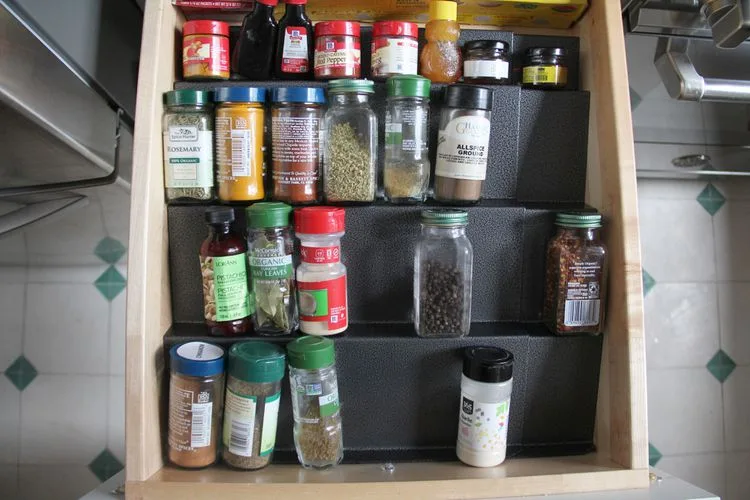
How to Organize Commercial Spice Storage for Efficiency, Before Your Kitchen Descends Into Chaos
Let me set the scene: It’s 6:47 PM on a Friday, the dinner rush is already building, and your line cook is screaming for the smoked paprika. You yank open the spice cabinet, if you can even call it that, and suddenly you’re staring at what looks like a hoarder’s garage sale. Half-empty containers of cumin, jars of dried oregano that expired before the last election, and a sad little bag of star anise that someone bought for a single special and then abandoned. Sound familiar? If you’ve ever wasted precious minutes digging through a spice graveyard while tickets pile up, you know this isn’t just annoying, it’s costing you money, time, and sanity.
I’ve been there. More times than I’d like to admit. When I first moved to Nashville and started working with local restaurants as a consultant, I walked into a kitchen where the “spice system” was literally a cardboard box labeled “SPICES” with a Sharpie. No joke. And yet, this place was doing over $3 million in annual sales. If that doesn’t tell you how overlooked spice organization is, I don’t know what will. Over the years, I’ve learned, sometimes the hard way, that how you store and access your spices isn’t just about tidiness. It’s about efficiency, consistency, and profitability. And yes, it can actually be done without turning your kitchen into a sterile, joyless laboratory.
In this guide, I’m going to walk you through how to organize commercial spice storage for real-world efficiency, no fluff, no corporate jargon, just practical, tested strategies that work in busy kitchens. You’ll learn how to choose the right containers, design a system that actually gets used, keep your spices fresh (yes, they expire), and even how to train your team so the system doesn’t collapse the minute you turn your back. And don’t worry, I’ll keep it real. There will be mistakes. There will be compromises. But by the end, you’ll have a system that saves time, reduces waste, and maybe, just maybe, makes your kitchen feel a little more like the well-oiled machine it’s supposed to be.
So grab a notepad, pour yourself a coffee (or something stronger), and let’s get into it.
Why Spice Organization Matters More Than You Think
Before we dive into shelves and labels, let’s talk about why this even matters. Because I get it, when you’re running a restaurant, spices are the last thing on your mind. You’ve got staffing issues, supply chain nightmares, and a Yelp review that just called your signature dish “mid.” But here’s the thing: spice organization isn’t just about aesthetics. It’s about operational efficiency, food safety, and your bottom line.
Think about it. How much time do your cooks waste every shift searching for the right spice? A minute here, two minutes there. That adds up. In a high-volume kitchen, those minutes become hours. And hours become lost revenue. One study I came across (from the Cornell School of Hotel Administration, no less) found that inefficient kitchen workflows can reduce productivity by up to 30%. Thirty percent! That’s like giving away one out of every three orders for free. And a big chunk of that inefficiency? You guessed it, poorly organized ingredients.
But it’s not just about speed. It’s about consistency. Ever had a dish come back because it was “too salty” or “not spicy enough”? That’s not always the cook’s fault. Sometimes, it’s because the cayenne in the back of the cabinet is three years old and has lost its punch, while the one in front is fresh. Or because someone grabbed the wrong jar because the labels were faded. Inconsistent spice quality means inconsistent food. And inconsistent food means unhappy customers.
And then there’s food safety. Yes, spices can go bad. They don’t rot like milk, but they can lose flavor, absorb moisture, and even grow mold if stored improperly. The FDA actually has guidelines on spice storage (yes, really), and while they’re not as strict as, say, meat handling, they’re still important. Cross-contamination is another risk, imagine grabbing the garlic powder with a wet spoon and then putting it back. Now you’ve got a jar of clumpy, bacteria-laden powder. Not ideal.
So, is organizing your spices going to solve all your problems? Of course not. But it’s one of those small, low-cost changes that can have a big impact. And the best part? It doesn’t require a massive overhaul. You can start small, today, and build from there. That’s what we’re going to focus on.
What Happens When Spices Aren’t Organized? A Cautionary Tale
I once worked with a mid-sized Italian restaurant in East Nashville that was struggling with ticket times. The owner, Marco, was convinced it was a staffing issue. “We just need more hands,” he kept saying. But when I spent a shift in the kitchen, I noticed something else: every time a cook needed oregano, they’d spend 30 seconds to a minute digging through a cluttered shelf. Multiply that by 20 tickets a night, and suddenly you’ve lost 10–20 minutes of productivity. And that was just one spice.
Marco’s “system” was a series of mismatched containers, some plastic, some glass, some just bags with twist ties, stacked haphazardly on a wire shelf. Labels were written in Sharpie, half of them smudged or faded. The worst part? The spices weren’t even grouped logically. Salt was next to cinnamon, which was next to chipotle powder. It was like someone had played a game of spice roulette and lost.
After we reorganized the spices (more on how we did that later), ticket times dropped by an average of 8 minutes per shift. That’s 8 minutes of extra capacity, 8 minutes of less stress, 8 minutes of happier customers. And all it took was a little organization.
So, if you’re still on the fence, ask yourself: How much time and money are you losing because your spices are a mess? If the answer is “more than I’d like,” then keep reading.
Step 1: Audit Your Current Spice Situation (Prepare for Brutal Honesty)
Before you can fix anything, you need to know what you’re working with. And I’m not just talking about taking a quick glance at your spice cabinet. I mean a full-on, no-holds-barred audit. This is where you channel your inner Marie Kondo and ask: Does this spice spark joy? Or does it spark food poisoning?
Here’s how to do it:
- Empty everything out. Yes, everything. Pull every jar, bag, and container off the shelves and put them on a table. This is the only way you’ll see what you actually have.
- Check expiration dates. Most spices don’t have “use by” dates, but they do have a shelf life. Ground spices last about 6 months, whole spices about a year, and dried herbs about 1–3 years. If it’s older than that, toss it. (I know, it hurts. But stale spices are worse than no spices.)
- Look for signs of spoilage. This includes clumping (a sign of moisture), discoloration, or a musty smell. If it looks or smells off, it’s time to go.
- Check for cross-contamination. Are there wet spoons in the jars? Crumbs in the salt? If so, you’ve got a training issue (we’ll get to that).
- Take inventory. Write down every spice you have, how much is left, and whether it’s still good. This will help you avoid over-ordering (or under-ordering) in the future.
Now, I’ll be honest, this step is tedious. It’s the kind of thing that makes you want to put it off until “tomorrow.” But trust me, it’s worth it. When I did this at Marco’s restaurant, we found:
- Three jars of oregano, all from different brands, all half-empty.
- A bag of “mystery spice” that no one could identify (turns out it was asafoetida, which no one had used in months).
- A jar of paprika that was so old it had lost all its color and flavor.
- Two containers of salt, one iodized, one kosher, mixed together.
By the end of the audit, we’d thrown out about 30% of what was in the cabinet. That’s 30% of wasted money, wasted space, and wasted time. And that’s just one restaurant. Imagine what you’ll find in yours.
Once you’ve audited, you’ll have a clear picture of what you’re working with. Now, it’s time to think about how to store it.
Step 2: Choose the Right Containers (Because Not All Jars Are Created Equal)
Here’s where things get fun, or overwhelming, depending on how you look at it. The container you choose for your spices isn’t just about looks. It’s about durability, visibility, and functionality. And let me tell you, not all containers are created equal. I’ve seen kitchens use everything from mason jars to old takeout containers, and while I admire the creativity, some of these choices are downright dangerous.
So, what makes a good spice container? Here’s what to look for:
- Air-tight seals. This is non-negotiable. Spices lose flavor when exposed to air, so you need containers that seal tightly. Look for jars with rubber gaskets or flip-top lids with silicone seals.
- Clear or semi-transparent material. You want to be able to see how much spice is left without opening the container. Glass is ideal, but if you’re using plastic, make sure it’s food-grade and shatterproof.
- Uniform size and shape. This might seem nitpicky, but it’s not. When all your containers are the same size, they stack neatly, take up less space, and are easier to grab. If you’re mixing and matching, you’ll end up with wasted space and a cluttered shelf.
- Easy-to-open lids. In a busy kitchen, no one has time to wrestle with a stubborn lid. Look for containers with flip-tops, shaker lids, or wide-mouth openings that are easy to scoop from.
- Labeling space. More on this later, but you want containers that have room for clear, visible labels. Some containers come with built-in label holders, which are a game-changer.
Now, let’s talk about materials. You’ve got three main options:
- Glass. This is my top pick. Glass is non-porous, so it doesn’t absorb odors or flavors, and it’s easy to clean. It’s also more durable than you might think, just make sure it’s tempered glass to reduce the risk of shattering. The downside? It’s heavier and more expensive than plastic. But in my opinion, it’s worth it.
- Plastic. Plastic is lightweight, cheap, and shatterproof, which makes it a popular choice for commercial kitchens. But not all plastic is created equal. Look for food-grade, BPA-free plastic that’s thick and sturdy. Avoid thin, flimsy plastic, it’s more likely to crack or warp over time. And be aware that plastic can absorb odors, so it’s not ideal for strong-smelling spices like garlic or curry powder.
- Stainless steel. This is the most durable option, but it’s also the most expensive. Stainless steel containers are great for spices you use frequently (like salt or pepper) because they’re easy to clean and won’t absorb odors. The downside? You can’t see how much spice is left without opening the container, which defeats the purpose of efficiency.
So, which should you choose? If you’re on a budget, go with plastic. If you want durability and don’t mind spending a little more, go with glass. And if you’re really committed (or have a high-volume kitchen), consider a mix of both, glass for most spices, stainless steel for the ones you use every day.
One last thing: avoid using the original spice containers. I know it’s tempting, why waste perfectly good jars? But those containers are usually flimsy, poorly labeled, and not designed for long-term storage. Plus, they’re all different sizes, which makes organization a nightmare. Invest in a set of uniform containers. Your future self will thank you.
Where to Buy Spice Containers (Without Breaking the Bank)
You don’t need to drop a fortune on fancy containers. Here are some affordable options:
- Restaurant supply stores. Places like WebstaurantStore or KaTom have bulk options for commercial-grade containers. Look for “spice jars” or “ingredient bins.”
- Amazon. Yes, really. You can find sets of glass or plastic containers with airtight lids for a reasonable price. Just read the reviews to make sure they’re durable.
- IKEA. If you’re on a tight budget, IKEA’s 365+ series has glass jars with airtight lids that work surprisingly well for spices. They’re not as sturdy as commercial-grade containers, but they’ll do in a pinch.
- Thrift stores. This is a bit of a gamble, but you can sometimes find glass jars (like old mason jars) at thrift stores. Just make sure they’re clean and in good condition.
Pro tip: If you’re buying in bulk, look for containers that come with labels or label holders. It’ll save you time (and headaches) later.
Step 3: Design a Logical Storage System (That Your Team Will Actually Use)
Here’s where most spice organization systems fall apart: they’re designed for robots, not humans. You can have the fanciest containers and the prettiest labels, but if your system isn’t intuitive, your team won’t use it. And a system that isn’t used is worse than no system at all.
So, how do you design a system that works? It’s all about logical grouping, accessibility, and consistency. Here’s how to do it:
Group Spices by Usage, Not Alphabetically
I know, I know, alphabetical order sounds like the most logical way to organize spices. But in a kitchen, it’s not about logic. It’s about speed and muscle memory. Your cooks don’t have time to scan a list of spices in alphabetical order. They need to grab what they need and move on.
Instead of alphabetizing, group spices by how they’re used. Here’s a system that works for most kitchens:
- Everyday essentials. These are the spices you use in almost every dish, salt, pepper, garlic powder, onion powder, paprika, etc. Keep these in the most accessible spot, like the front of the shelf or a countertop rack.
- Cuisine-specific spices. Group spices by the type of cuisine they’re used in. For example, keep Italian spices (oregano, basil, thyme) together, Mexican spices (cumin, chili powder, cayenne) together, and so on. This makes it easier for cooks to find what they need when they’re working on a specific dish.
- Baking spices. If you do any baking in-house, keep those spices separate. Cinnamon, nutmeg, and cloves don’t belong with your savory spices.
- Specialty spices. These are the spices you use occasionally, things like star anise, cardamom, or saffron. Keep them in a less accessible spot, like the back of the shelf or a separate cabinet.
- Blends and rubs. If you make your own spice blends (like taco seasoning or Italian herb mix), keep them in their own section. Label them clearly so no one mistakes them for single spices.
This system works because it mirrors how cooks think. When they’re making a dish, they’re not thinking, “I need something that starts with a C.” They’re thinking, “I need something for this taco.” Grouping spices by cuisine makes it easier for them to find what they need quickly.
Think About Accessibility
Not all spices are created equal. Some you use every day; others you use once a month. Your storage system should reflect that. Here’s how to prioritize accessibility:
- Eye-level is prime real estate. Keep your most-used spices at eye level, where they’re easy to see and grab. This might seem obvious, but I’ve seen kitchens where the salt was on the top shelf and the rarely used spices were at eye level. It’s backwards.
- Heavy containers go on the bottom. If you’re using glass or stainless steel containers, keep the heavier ones on the lower shelves to prevent accidents.
- Less-used spices go higher or lower. Specialty spices or blends you don’t use often can go on the top shelf or in the back of the cabinet.
- Consider a countertop rack. If you have the space, a small countertop rack for your most-used spices can save time. Just make sure it’s not in the way of food prep.
One thing I’ve learned the hard way: don’t overcomplicate it. The simpler your system, the more likely your team will use it. If you have to explain it more than once, it’s too complicated.
Label Everything (No, Really, Everything)
I can’t stress this enough: label your spices. And I don’t mean scribbling the name on the lid with a Sharpie (though that’s better than nothing). I mean clear, professional-looking labels that are easy to read at a glance.
Here’s why labeling matters:
- Prevents mistakes. Ever grabbed the wrong spice because the containers looked similar? It happens more often than you’d think. Clear labels prevent this.
- Saves time. No one has time to open a jar to see what’s inside. Labels let your cooks grab what they need and move on.
- Reduces waste. When spices are labeled, they’re less likely to get lost or forgotten. And that means less waste.
- Makes training easier. New cooks can find what they need without asking a million questions.
So, how do you label effectively? Here are some tips:
- Use a label maker. This is the easiest and most professional-looking option. Label makers let you print clear, uniform labels that are easy to read. Plus, you can update them if you need to.
- Write in large, bold letters. If you’re hand-labeling, use a thick marker and write in all caps. Make sure the text is large enough to read from a distance.
- Include the date. Write the date you opened the spice on the label. This makes it easier to track freshness.
- Use color-coding. This is optional, but it can be helpful. For example, you could use red labels for hot spices, green for herbs, and blue for blends. Just make sure the system is simple and easy to remember.
- Label the top and the front. Sometimes, spices get turned around. Labeling both the top and the front ensures the name is always visible.
Pro tip: If you’re using a label maker, print extra labels for your spice blends. That way, if you run out, you can quickly relabel a new container without having to reprint.
Step 4: Keep Your Spices Fresh (Because Stale Spices Are Worse Than No Spices)
Here’s a hard truth: spices don’t last forever. They lose flavor, aroma, and potency over time. And using stale spices is like cooking with one hand tied behind your back, you’re not getting the full potential of your ingredients. Worse, stale spices can make your food taste bland or even off, which is the last thing you want in a restaurant.
So, how do you keep your spices fresh? It’s all about storage conditions and rotation. Here’s what you need to know:
Understand Spice Shelf Life
Not all spices have the same shelf life. Here’s a general guide:
- Ground spices: 6 months to 1 year. Ground spices lose flavor faster because more of their surface area is exposed to air.
- Whole spices: 1 to 2 years. Whole spices (like cinnamon sticks or peppercorns) last longer because they’re less exposed to air.
- Dried herbs: 1 to 3 years. Herbs like oregano and thyme last longer than ground spices but can still lose flavor over time.
- Spice blends: 6 months to 1 year. Blends lose flavor faster because they’re a mix of different spices, each with its own shelf life.
These are just guidelines. The actual shelf life depends on how the spices are stored. If they’re exposed to heat, light, or moisture, they’ll go bad faster. If they’re stored properly, they might last a little longer. But when in doubt, throw it out. It’s not worth risking your food’s flavor (or your customers’ satisfaction) for a few dollars’ worth of spices.
Store Spices Properly
Where and how you store your spices has a big impact on their freshness. Here’s what to do:
- Keep them away from heat and light. Heat and light are the enemies of fresh spices. Store your spices in a cool, dark place, like a cabinet or pantry. Avoid storing them near the stove, oven, or dishwasher, where they’ll be exposed to heat and steam.
- Avoid moisture. Moisture can cause spices to clump, mold, or lose flavor. Keep your spices in airtight containers, and never use wet spoons to scoop them. If you live in a humid climate, consider using silica gel packets in your spice containers to absorb excess moisture.
- Don’t store spices in the fridge or freezer. This is a common myth, but it’s not a good idea. The temperature fluctuations in the fridge or freezer can cause condensation, which leads to moisture and clumping. Plus, spices can absorb odors from other foods. Keep them at room temperature in a dry, dark place.
One thing I’ve learned: if you’re not sure if a spice is still good, do the sniff test. Open the container and take a whiff. If it smells weak or off, it’s time to toss it. If it smells strong and vibrant, it’s probably still good. And if it doesn’t smell like anything? Definitely toss it.
Rotate Your Stock (Like a Grocery Store)
Here’s a simple trick to keep your spices fresh: rotate your stock. This means using the oldest spices first and putting new spices in the back. It’s the same system grocery stores use to keep their shelves stocked with fresh products.
Here’s how to do it:
- When you open a new container of spice, write the date on the label.
- Put the new container in the back of the shelf, and move the older containers to the front.
- Use the older containers first.
This system ensures that you’re always using the freshest spices and not letting old ones languish in the back of the cabinet. It’s simple, but it works.
Pro tip: If you buy spices in bulk, consider dividing them into smaller containers. That way, you’re not opening a large container every time you need a little spice, which exposes the rest to air and moisture.
Step 5: Train Your Team (Because a System Is Only as Good as the People Using It)
You can have the most beautifully organized spice cabinet in the world, but if your team doesn’t use it correctly, it’s all for nothing. Training is the key to making your system stick. And I’m not just talking about a five-minute chat during pre-shift. I mean real, ongoing training that reinforces good habits and addresses bad ones.
Here’s how to do it:
Start with a Team Meeting
Gather your team and explain the new system. Show them where everything is, how it’s organized, and why it matters. Be clear about your expectations, no wet spoons, no leaving containers open, no putting spices back in the wrong spot. And don’t just tell them what to do; tell them why. When people understand the reasoning behind a system, they’re more likely to follow it.
For example, instead of saying, “Don’t leave the salt open,” say, “If the salt is left open, it’ll absorb moisture and clump, which means we’ll have to waste time breaking it up or replacing it. And that slows us all down.”
One thing I’ve found helpful: make it personal. Ask your team how much time they waste searching for spices. Ask them if they’ve ever grabbed the wrong spice because the labels were faded. When they see that the system is designed to make their lives easier, they’ll be more invested in using it.
Lead by Example
If you want your team to follow the system, you have to follow it too. That means no cutting corners, no “I’ll fix it later,” and no “just this once.” If you’re not consistent, your team won’t be either.
I’ll be honest, this is the hardest part. When you’re in the weeds, it’s tempting to skip the small stuff. But those small things add up. If you leave a container open, someone else will think it’s okay to do the same. If you put a spice back in the wrong spot, someone else will follow your lead. Consistency is key.
Use Visual Aids
People learn in different ways. Some respond to verbal instructions, others to visual aids. To make your training stick, use both.
Here are some ideas:
- Post a diagram. Create a simple diagram of your spice cabinet and post it near the spices. Label where each spice goes. This is especially helpful for new hires.
- Use color-coding. If you’re using color-coded labels, post a key that explains what each color means.
- Take photos. Take before-and-after photos of your spice cabinet and share them with your team. Show them what a well-organized cabinet looks like, and what it looks like when it’s a mess.
Visual aids reinforce your verbal instructions and give your team something to refer back to. They’re especially helpful for visual learners.
Reinforce Good Habits
Training isn’t a one-and-done thing. It’s an ongoing process. To keep your system running smoothly, you need to reinforce good habits and address bad ones.
Here’s how:
- Praise good behavior. When you see someone using the system correctly, acknowledge it. A simple “thanks for putting the paprika back in the right spot” goes a long way.
- Address bad habits immediately. If you see someone leaving a container open or putting a spice back in the wrong spot, correct them on the spot. Don’t wait, addressing it immediately reinforces the behavior you want.
- Hold regular check-ins. Once a month, do a quick audit of your spice cabinet. Are the spices where they’re supposed to be? Are the containers sealed? Are the labels still legible? If not, address it with your team.
One thing I’ve learned: people respond better to positive reinforcement than negative reinforcement. Instead of scolding someone for leaving a container open, thank them when they close it. Instead of criticizing someone for putting a spice in the wrong spot, praise them when they put it in the right spot. Positive reinforcement builds good habits and creates a culture of accountability.
Make It Part of Your Culture
Finally, make spice organization part of your kitchen culture. Talk about it in pre-shift meetings. Include it in your training manual. Make it a point of pride. When spice organization becomes part of your kitchen’s DNA, it’s more likely to stick.
At Marco’s restaurant, we made spice organization a team effort. We had a rule: if you used the last of a spice, you had to write it on the whiteboard. That way, we knew when to reorder. It wasn’t a perfect system, but it worked because everyone was invested in it. And that’s the key-getting your team invested in the system.
Step 6: Maintain Your System (Because Entropy Is Real)
Here’s the thing about organization: it doesn’t maintain itself. Left to its own devices, your spice cabinet will slowly descend into chaos. It’s like a garden, if you don’t tend to it, weeds will take over. The same is true for your spices. If you don’t maintain your system, it’ll fall apart.
So, how do you keep your system running smoothly? It’s all about routine and accountability. Here’s what you need to do:
Do a Weekly Check-In
Once a week, take 10 minutes to check your spice cabinet. Are the spices where they’re supposed to be? Are the containers sealed? Are the labels still legible? If something’s out of place, fix it. If a label is faded, replace it. If a container is empty, refill it.
This might seem like a small thing, but it makes a big difference. A weekly check-in prevents small problems from becoming big ones. And it keeps your system running smoothly.
Pro tip: Assign this task to someone on your team. It doesn’t have to be you. In fact, it’s better if it’s not, it gives your team ownership of the system. Just make sure it gets done.
Do a Monthly Deep Clean
Once a month, do a deep clean of your spice cabinet. This means:
- Wiping down the shelves.
- Cleaning the containers (inside and out).
- Checking for expired spices.
- Reorganizing if necessary.
A monthly deep clean keeps your spice cabinet looking and smelling fresh. And it gives you a chance to reassess your system. Is it still working? Are there any tweaks you need to make?
One thing I’ve learned: a clean spice cabinet is a happy spice cabinet. When your spices are clean and organized, your team is more likely to use them correctly. And that means less waste, less stress, and better food.
Reassess Your System Regularly
Your spice needs will change over time. Maybe you’ll add a new dish to the menu that requires a new spice. Maybe you’ll realize that a spice you thought you’d use a lot isn’t getting much play. Maybe you’ll find that your current system isn’t working as well as you’d hoped.
That’s why it’s important to reassess your system regularly. Every few months, take a step back and ask yourself: Is this system still working? If not, what needs to change?
For example, at Marco’s restaurant, we realized that our Italian spices were getting more use than our Mexican spices. So, we moved the Italian spices to a more accessible spot and put the Mexican spices in the back. It was a small change, but it made a big difference in efficiency.
Don’t be afraid to tweak your system. The goal is to make it work for you, not the other way around.
Step 7: Scale Your System as Your Kitchen Grows
If you’re running a small kitchen, you might be able to get away with a single spice cabinet. But as your kitchen grows, your spice storage needs will grow too. You’ll need more space, more containers, and a more robust system. And if you don’t plan for that growth, your spice storage will become a bottleneck.
So, how do you scale your system? It’s all about planning and flexibility. Here’s what you need to consider:
Plan for More Space
As your menu expands, so will your spice collection. You’ll need more space to store everything. That means planning for additional shelves, cabinets, or even a dedicated spice room (yes, that’s a thing in large kitchens).
When planning for more space, think about:
- Accessibility. Will your cooks still be able to find what they need quickly?
- Organization. Will your current system still work with more spices, or do you need to tweak it?
- Workflow. Will the new space fit into your kitchen’s workflow, or will it create bottlenecks?
One thing I’ve learned: it’s better to overestimate your space needs than underestimate them. If you think you’ll need two shelves, plan for three. If you think you’ll need one cabinet, plan for two. It’s easier to scale back than to scramble for more space later.
Invest in More Containers
As your spice collection grows, you’ll need more containers. That means investing in more of the same containers you’re already using (to maintain consistency) or upgrading to larger containers if you’re buying in bulk.
When investing in more containers, think about:
- Uniformity. Will the new containers match your existing ones? If not, will that create confusion?
- Durability. Will the new containers hold up to daily use?
- Cost. Will the new containers fit into your budget?
Pro tip: If you’re buying in bulk, consider investing in a label printer. It’ll save you time and ensure your labels are consistent.
Upgrade Your Labeling System
As your spice collection grows, your labeling system will need to grow too. That might mean upgrading to a more robust label maker, using color-coding, or even investing in a digital inventory system.
When upgrading your labeling system, think about:
- Clarity. Will the new labels be easy to read at a glance?
- Durability. Will the new labels hold up to daily use?
- Flexibility. Will the new system allow you to add or remove spices easily?
One thing I’ve found helpful: using a digital inventory system. There are apps and software programs that let you track your spice inventory, expiration dates, and reordering. It’s a bit of an investment, but it can save you time and money in the long run.
Train New Staff
As your kitchen grows, you’ll hire new staff. And if you don’t train them on your spice system, it’ll fall apart. That means making spice training part of your onboarding process and reinforcing it regularly.
When training new staff, think about:
- Consistency. Will the new staff use the system the same way as your existing staff?
- Accountability. Will the new staff be held accountable for using the system correctly?
- Feedback. Will the new staff have a way to give feedback on the system?
Pro tip: Assign a “spice captain” to each shift. This person is responsible for making sure the spice cabinet is organized and that everyone is using the system correctly. It’s a small role, but it makes a big difference.
Step 8: Automate What You Can (Because Who Has Time for Manual Inventory?)
Let’s be real: no one has time to manually track spice inventory. Between prepping for service, managing staff, and putting out fires (sometimes literally), inventory is the last thing on your mind. But if you don’t track your spices, you’ll end up with shortages, overstock, and wasted money.
That’s where automation comes in. There are tools and systems that can help you track your spice inventory, reorder supplies, and even predict usage. And the best part? They do it all without you lifting a finger.
Here’s how to automate your spice storage:
Use a Digital Inventory System
There are apps and software programs designed specifically for restaurant inventory. These systems let you track your spice usage, set reorder points, and even generate purchase orders. Some popular options include:
- Toast Inventory. This is a cloud-based system that integrates with your POS. It lets you track inventory in real-time, set reorder points, and generate reports.
- MarketMan. This is another cloud-based system that’s designed for restaurants. It lets you track inventory, manage vendors, and even create recipes.
- UpKeep. This is a maintenance and inventory system that’s great for tracking non-perishable items like spices. It lets you set reorder points and generate work orders.
These systems aren’t cheap, but they can save you time and money in the long run. And if you’re running a large kitchen, they’re a game-changer.
Set Up Automatic Reordering
Once you’ve set up a digital inventory system, you can set up automatic reordering. This means the system will automatically generate a purchase order when your spice stock gets low. No more running out of salt mid-service or realizing you’re out of cumin when you’re in the middle of prep.
To set up automatic reordering, you’ll need to:
- Set reorder points for each spice.
- Connect your inventory system to your vendors.
- Set up approval workflows (so you don’t end up with 50 jars of turmeric).
Automatic reordering takes the guesswork out of inventory. And it frees up your time to focus on more important things (like, you know, running your restaurant).
Use Barcode Scanners
If you’re not ready for a full-blown inventory system, you can still automate parts of your process. One easy way to do this is with barcode scanners. Here’s how it works:
- Print barcodes for each of your spice containers.
- Use a barcode scanner to track usage (e.g., scan a container every time you use it).
- Use the data to predict usage and set reorder points.
Barcode scanners are affordable and easy to use. And they can save you a ton of time on manual inventory.
One thing I’ve learned: automation isn’t about replacing people. It’s about freeing them up to do more important things. When you automate your spice inventory, you’re not just saving time, you’re reducing stress, preventing mistakes, and improving efficiency. And that’s a win for everyone.
Step 9: Troubleshoot Common Problems (Because Nothing Ever Goes According to Plan)
No matter how well you plan, things will go wrong. Containers will get misplaced. Labels will fade. Spices will expire. And when that happens, you’ll need to troubleshoot. The key is to anticipate problems before they happen and have a plan for fixing them.
Here are some common spice storage problems and how to fix them:
Problem: Spices Are Getting Lost or Misplaced
Solution: This usually happens when there’s no clear system for putting spices back. To fix it:
- Make sure your labels are clear and visible.
- Assign a “spice captain” to each shift to make sure spices are put back correctly.
- Do a weekly check-in to make sure everything is where it’s supposed to be.
Problem: Labels Are Fading or Falling Off
Solution: This is a common issue with handwritten labels or cheap label makers. To fix it:
- Use a high-quality label maker with waterproof labels.
- If you’re hand-labeling, use a thick marker and write in all caps.
- Consider using color-coding to make labels more visible.
Problem: Spices Are Clumping or Losing Flavor
Solution: This usually happens when spices are exposed to moisture or air. To fix it:
- Make sure your containers are airtight.
- Never use wet spoons to scoop spices.
- Store spices in a cool, dry place.
- Consider using silica gel packets to absorb excess moisture.
Problem: The System Isn’t Being Used
Solution: This is the most common problem, and it’s usually a training issue. To fix it:
- Re-train your team on the system.
- Make sure everyone understands why the system matters.
- Hold people accountable for using the system correctly.
- Make the system as simple and intuitive as possible.
One thing I’ve learned: problems are inevitable, but they’re not insurmountable. The key is to anticipate them, address them quickly, and learn from them. When you do that, your system will only get better over time.
Step 10: Make It Your Own (Because There’s No One-Size-Fits-All Solution)
Here’s the thing about spice organization: there’s no one-size-fits-all solution. What works for a small café won’t work for a large restaurant. What works for a Mexican restaurant won’t work for an Italian one. And what works for your kitchen might not work for someone else’s.
That’s why it’s important to make the system your own. Take the principles I’ve outlined here and adapt them to your kitchen’s needs. Experiment. Tweak. Adjust. And don’t be afraid to break the rules if it works for you.
For example, at Marco’s restaurant, we realized that our cooks were using certain spices together all the time. So, we created a “spice station” on the line with those spices in small, easy-to-grab containers. It wasn’t part of the original system, but it worked for us. And that’s the key-finding what works for your kitchen.
Here are some ways to make the system your own:
- Customize your groupings. If your kitchen uses certain spices together all the time, group them together. If you use a lot of Italian spices, create an Italian spice section. If you use a lot of Mexican spices, create a Mexican spice section.
- Adjust your storage. If you don’t have a lot of cabinet space, consider a wall-mounted rack or a countertop organizer. If you have a lot of space, consider a dedicated spice room.
- Experiment with containers. If you find that glass containers are too heavy, try plastic. If you find that flip-top lids are too hard to open, try screw-top lids.
- Involve your team. Ask your cooks what would make their lives easier. Maybe they’d prefer a different labeling system. Maybe they’d like the spices grouped differently. When you involve your team in the process, they’re more likely to use the system.
One thing I’ve learned: the best systems are the ones that evolve. Your kitchen’s needs will change over time, and your spice system should change with them. Don’t be afraid to tweak, adjust, and experiment. The goal is to create a system that works for you, not the other way around.
Final Thoughts: Is It Worth It?
After all this, you might be wondering: Is organizing my spice cabinet really worth all this effort? The answer is a resounding yes. But not for the reasons you might think.
Sure, a well-organized spice cabinet saves time, reduces waste, and improves efficiency. But it’s about more than that. It’s about creating a kitchen that runs smoothly, a team that works together, and food that tastes its best. It’s about taking pride in your space and your work. And it’s about showing your customers that you care enough to get the details right.
I’ll leave you with this: When I first started working with Marco, his spice cabinet was a mess. But after we reorganized it, something unexpected happened. His cooks started taking more pride in their work. They moved faster, made fewer mistakes, and even started suggesting new dishes. The spice cabinet wasn’t just a storage space, it was a symbol of how much they cared about their craft.
So, is it worth it? Absolutely. But don’t take my word for it. Try it for yourself. Start small. Audit your spices. Invest in a few good containers. Train your team. And see what happens. I think you’ll be surprised.
And who knows? Maybe one day, your spice cabinet will be the envy of every chef in town.
FAQ: Your Spice Storage Questions, Answered
Q: How often should I replace my spices?
A: It depends on the spice. Ground spices last about 6 months, whole spices about a year, and dried herbs about 1–3 years. But these are just guidelines, the actual shelf life depends on how the spices are stored. If they’re exposed to heat, light, or moisture, they’ll go bad faster. When in doubt, do the sniff test: if it doesn’t smell strong and vibrant, it’s time to toss it.
Q: What’s the best way to label spices?
A: The best way to label spices is with a label maker. It’s quick, easy, and professional-looking. If you’re hand-labeling, use a thick marker and write in all caps. Make sure the labels are clear and visible, and include the date you opened the spice. You can also use color-coding to make labels more visible.
Q: Should I store spices in the fridge or freezer?
A: No. Storing spices in the fridge or freezer can cause condensation, which leads to moisture and clumping. Plus, spices can absorb odors from other foods. Keep them at room temperature in a cool, dark, dry place.
Q: How do I prevent spices from clumping?
A: Clumping is usually caused by moisture. To prevent it, make sure your containers are airtight, never use wet spoons to scoop spices, and store spices in a dry place. If your spices are already clumpy, you can break them up with a fork or sift them through a fine-mesh strainer. To prevent future clumping, consider using silica gel packets in your spice containers to absorb excess moisture.
@article{how-to-organize-commercial-spice-storage-for-maximum-efficiency-without-losing-your-mind,
    title   = {How to Organize Commercial Spice Storage for Maximum Efficiency (Without Losing Your Mind)},
    author  = {Chef's icon},
    year    = {2026},
    journal = {Chef's Icon},
    url     = {https://chefsicon.com/how-to-organize-commercial-spice-storage-for-efficiency/}
}