The Best Fluffy Pancakes recipe you will fall in love with. Full of tips and tricks to help you make the best pancakes.
Let me start with a confession: I didn’t always get it. When I first moved to Nashville from the Bay Area, I thought I understood what “local culture” meant. I’d been to enough farmers’ markets and food festivals to know that people loved a good origin story, farm-to-table, artisanal, small-batch, all that. But it wasn’t until I sat in a tiny, neon-lit hot chicken joint on a Tuesday night, watching a line of tourists and locals snake out the door, that I realized something bigger was happening. The food was incredible, sure, but it was the *story* that had people leaning in, snapping photos, and, most importantly, coming back. That’s when it clicked: local culture isn’t just a backdrop for your restaurant. It’s the secret sauce.
Now, I’m not talking about slapping a “Nashville Hot” label on your menu and calling it a day. (Though, let’s be real, that’s worked for some.) I’m talking about digging into the *why* behind the food, the *how* behind the traditions, and the *who* that makes a place feel like more than just a spot to eat. It’s about turning your restaurant into a living, breathing extension of the community it serves. And here’s the thing: it’s not as hard as you think. It’s messy, sure. It requires listening more than talking. And yeah, sometimes you’ll get it wrong before you get it right. But when you do? It’s the kind of storytelling that turns first-time guests into regulars and regulars into evangelists.
So, how do you actually do it? How do you weave local culture into your brand’s storytelling without feeling like you’re forcing it, or worse, appropriating it? That’s what we’re diving into today. By the end of this, you’ll have a roadmap for turning your restaurant into a cultural touchstone, not just another stop on the foodie trail. And who knows? Maybe you’ll even see your own city in a new light.
Fair warning: This isn’t a one-size-fits-all guide. What works in Nashville might flop in Portland, and that’s okay. The goal isn’t to copy, it’s to *connect*. So grab a coffee (or a whiskey, no judgment), and let’s get into it.
The Big Misconception: Local Culture Isn’t Just About the Plate
Here’s where most restaurants trip up: they assume local culture starts and ends with the food. Don’t get me wrong, the food *matters*-a lot. But if you’re only telling the story of your ingredients or your chef’s resume, you’re missing the bigger picture. Local culture is about the people, the history, the inside jokes, the shared memories, and the little quirks that make a place feel like home. It’s the way your bartender knows your usual order before you sit down. It’s the mural on the wall that locals pose in front of for Instagram. It’s the playlist that makes your Friday night crowd feel like they’re at a backyard BBQ, even if they’re crammed into a tiny booth.
Think about it this way: When you walk into a great restaurant, what’s the first thing that makes you feel like you’re *somewhere*? Is it the menu? Maybe. But more likely, it’s the vibe, the way the space feels alive with stories. That’s not an accident. It’s the result of a brand that’s done its homework and isn’t afraid to show its personality. **The best local storytelling doesn’t just describe the culture; it *participates* in it.**
So, where do you start? I’d argue with the *why*. Why does your restaurant exist in this neighborhood, in this city, at this moment? Is it filling a gap? Reviving a tradition? Riffing on a local obsession? Your answer to that question is the foundation of your story. And spoiler alert: It’s probably not just “to make money.” (Though, let’s be real, that’s part of it.)
Let’s take a step back. Maybe I’m getting ahead of myself. Is this the best approach? Let’s consider: If you’re a new restaurant, you might not have deep roots in the community yet. That’s okay. Authenticity isn’t about how long you’ve been around, it’s about how deeply you’re willing to listen. So before you start slapping local references on your menu, ask yourself: *What does this community care about?* And more importantly, *How can we be part of that conversation?*
Case Study: The Hot Chicken Wars (And What They Teach Us About Storytelling)
Nashville’s hot chicken scene is a masterclass in leveraging local culture, sometimes brilliantly, sometimes messily. For those who don’t know, hot chicken is a Nashville original: fried chicken drenched in a cayenne-infused oil, served with pickles and white bread. It’s spicy, it’s messy, and it’s *everywhere* now. But here’s the thing: **the best hot chicken spots don’t just sell chicken. They sell the *myth* of hot chicken.**
Take Prince’s Hot Chicken Shack, the OG. The story goes that Prince’s was born out of a lover’s spat, founder Thornton Prince’s girlfriend allegedly tried to get revenge by making his fried chicken unbearably spicy. Instead, he loved it, and a legend was born. That story isn’t just a fun anecdote; it’s *part of the experience*. When you eat at Prince’s, you’re not just eating chicken. You’re eating a piece of Nashville’s history, wrapped in a cautionary tale about love and revenge. That’s storytelling at its finest.
But here’s where it gets tricky. As hot chicken exploded in popularity, chains and newcomers started jumping on the bandwagon. Some did it well, like Hattie B’s, which leans into the “Nashville experience” with its retro vibe and local references. Others? Not so much. I’ve seen menus that treat hot chicken like a gimmick, slapping the name on everything from tacos to ice cream. (Yes, hot chicken ice cream is a thing. No, I don’t recommend it.) The lesson? You can’t fake local culture. You have to live it.
So, what can we learn from Nashville’s hot chicken wars? A few things:
- Own your origin story. Even if it’s messy or imperfect, it’s yours. Don’t whitewash it.
- Don’t just borrow, contribute. If you’re using a local tradition, ask yourself: *How are we giving back to the community that created it?*
- Know when to riff and when to respect. Some traditions are sacred. Others are ripe for playful reinvention. Learn the difference.
- Let your customers be part of the story. The best local restaurants don’t just serve food; they create memories. How can you make your guests feel like they’re part of the narrative?
I’m torn between two thoughts here. On one hand, I love seeing local traditions get the spotlight they deserve. On the other, I worry about what happens when those traditions get commodified. Maybe I should clarify: **Leveraging local culture isn’t about exploiting it. It’s about celebrating it in a way that feels true to your brand *and* respectful to the community. That’s a fine line to walk, but it’s worth it.
Step 1: Listen Before You Speak (Or Post, Or Design, Or Menu-Write)
Here’s the thing about local culture: you don’t get to define it. The community does. And if you want to be part of the conversation, you’ve got to start by listening. That means more than just scrolling through local hashtags or skimming Yelp reviews. It means showing up, literally and figuratively.
Start with the basics: Who are the people who make this neighborhood tick? Not just the influencers or the business owners, but the regulars, the ones who’ve been here for decades and remember when the block was nothing but empty storefronts. Talk to them. Ask questions. What do they love about this place? What do they miss? What’s changed, and how do they feel about it? You’d be surprised how much you can learn from a 10-minute conversation with the guy who runs the corner bodega or the woman who’s been cutting hair at the same salon since the ‘80s.
But don’t stop there. Local culture isn’t just about the past, it’s about the present. What are people talking about right now? What’s got them excited, frustrated, or nostalgic? In Nashville, for example, the conversation around gentrification is impossible to ignore. Some restaurants lean into it, hosting events that celebrate old-school Nashville or partnering with local nonprofits. Others pretend it’s not happening. Guess which approach resonates more with locals?
Here’s a practical exercise: Go on a listening tour.** Set aside a week to visit local hangouts, coffee shops, bars, community centers, even the DMV (okay, maybe not the DMV). Strike up conversations. Ask open-ended questions. Take notes. You’re not just gathering intel; you’re building relationships. And those relationships? They’re the foundation of your storytelling.
I’ll be honest: This part can feel overwhelming. Where do you even start? Maybe you’re thinking, *I don’t have time to play anthropologist. I’ve got a restaurant to run.* Fair. But here’s the thing: You don’t have to do it all at once. Start small. Talk to one person a week. Visit one new spot a month. Over time, you’ll start to see patterns, little threads that you can weave into your brand’s story. And trust me, it’s worth it. Because when you listen first, your storytelling will feel less like marketing and more like a natural extension of the community.
What to Listen For: The Hidden Threads of Local Culture
Not all local culture is obvious. Some of it’s hiding in plain sight, waiting for someone to connect the dots. Here are a few things to tune into:
- Language and slang. How do locals talk about their city? In Nashville, it’s “The Gulch,” “East Nasty,” “The Nations.” In New Orleans, it’s “uptown,” “downtown,” “the Quarter.” These aren’t just directions, they’re shorthand for a way of life. Using them in your branding (sparingly) can make your restaurant feel like an insider.
- Shared experiences. What do locals bond over? Is it a sports team? A music venue? A annual festival? A long-gone landmark? These are the things that create collective memory. How can you tap into that?
- Food rituals. What do people eat when they’re celebrating? What do they crave when they’re hungover? What’s the go-to late-night snack? These aren’t just menu items, they’re cultural touchstones.
- Inside jokes and references. Every city has them. Maybe it’s a weird local mascot, a viral meme, or a long-running feud between neighborhoods. Using these in your marketing can make locals feel like you *get* them.
- Controversies and debates. What’s dividing the city right now? Is it a new development? A political issue? A changing skyline? These conversations might feel risky, but they’re also opportunities to show that your brand is engaged with the community.
Let me give you an example. A few years ago, a Nashville brewery released a beer called “East Nasty.” For those who don’t know, “East Nasty” is a nickname for East Nashville, a neighborhood that’s gone through rapid gentrification. Some locals love the name; others hate it. The brewery didn’t shy away from the controversy. Instead, they leaned into it, hosting events that celebrated East Nashville’s history and donating a portion of proceeds to local nonprofits. The result? A beer that wasn’t just a drink, it was a conversation starter. That’s the power of listening.
Step 2: Find Your Angle (And No, “We’re Local” Isn’t Enough)
Here’s a hard truth: ”We’re local” is not a story. It’s a statement. And in 2026, it’s not enough to set you apart. Everyone’s local now. Every restaurant sources from nearby farms, supports community causes, and claims to be “authentic.” So how do you stand out? You find your *angle*.
Your angle is the unique lens through which you tell your story. It’s the thing that makes your restaurant different from every other place in town. And it doesn’t have to be complicated. In fact, the best angles are often the simplest. Here’s how to find yours:
- Start with your “why.” Why did you open this restaurant? Why this neighborhood? Why this cuisine? Your answer to that question is the seed of your angle.
- Look for the gaps. What’s missing in your community? Is it a type of cuisine? A dining experience? A gathering space? How can you fill that gap in a way that feels true to your brand?
- Embrace your quirks. What’s something weird or unexpected about your restaurant? Maybe it’s your decor, your staff, or your hours. How can you turn that into part of your story?
- Connect the dots. How does your restaurant fit into the larger narrative of your city? Are you reviving a tradition? Riffing on a local obsession? Pushing back against a stereotype?
Let’s look at a few examples:
- The Revivalist: A restaurant that brings back a forgotten local dish or tradition. Example: A diner in Detroit that specializes in the “Coney Island” hot dog, a local staple that’s been around since the 1920s. Their angle? “We’re keeping Detroit’s history alive, one chili dog at a time.”
- The Rebel: A restaurant that challenges a local stereotype or expectation. Example: A vegan BBQ joint in Texas. Their angle? “You don’t have to eat meat to love Texas.”
- The Connector: A restaurant that brings people together around a shared experience. Example: A ramen shop in Portland that hosts weekly “ramen and karaoke” nights. Their angle? “Good food and bad singing, what’s more Portland than that?”
- The Storyteller: A restaurant that weaves local history into the dining experience. Example: A New Orleans restaurant that serves dishes inspired by the city’s jazz legends. Their angle? “Dine like it’s 1925.”
I’ll be honest: Finding your angle isn’t always easy. It requires self-awareness, creativity, and a willingness to take risks. But here’s the good news: You don’t have to get it perfect right away. Your angle can evolve as your restaurant grows. The key is to start somewhere and stay true to your voice.
Maybe you’re thinking, *What if my angle isn’t “big” enough?* Let me stop you right there. **Your angle doesn’t have to be revolutionary. It just has to be *yours*.** Some of the best local restaurants have the simplest stories. Take a pizza place in Brooklyn that’s been around for 50 years. Their angle? “We’ve been here since before it was cool.” That’s it. And you know what? It works. Because it’s true, it’s specific, and it gives people a reason to care.
How to Test Your Angle Before You Commit
So, you’ve got an angle in mind. Now what? Before you go all-in on a rebrand or a new marketing campaign, test it. Here’s how:
- Run it by locals. Share your angle with a few trusted customers or community members. Do they get it? Does it resonate? Do they have suggestions?
- Try it out in small doses. Before you overhaul your entire menu or website, test your angle in one area. Maybe it’s a social media post, a special event, or a limited-time offer. See how people respond.
- Look for the “hell yeah” or “no” reaction. If people’s response is lukewarm, it’s not working. Keep refining until you get a strong reaction, positive or negative. (Just make sure it’s the right kind of negative.)
- Ask yourself: Is this *us*? Your angle should feel like a natural extension of your brand, not a gimmick. If it doesn’t feel authentic, it’s not the right fit.
Here’s a personal example. When I first started writing about food, I thought I had to be the “expert.” I’d use big words, cite studies, and try to sound like a food critic. But that wasn’t me. What felt natural was writing like I was talking to a friend, sharing my thoughts, asking questions, and sometimes admitting when I didn’t know something. That’s my angle: ”I’m not an expert. I’m just someone who loves food and wants to understand it better.” It’s not flashy, but it’s *me*. And that’s what matters.
Step 3: Turn Your Space Into a Storytelling Canvas
Your restaurant’s physical space is one of your most powerful storytelling tools. And no, I’m not just talking about the decor. Every inch of your space, from the front door to the bathroom, should tell a story. It should give people a sense of where they are, who you are, and why they should care.
Let’s start with the obvious: the decor. But not just any decor-*meaningful* decor. I’m talking about pieces that have a story behind them. Maybe it’s a mural painted by a local artist. Maybe it’s a collection of vintage signs from old businesses in the neighborhood. Maybe it’s a wall of Polaroids taken by customers. The key is to choose pieces that *mean* something, not just ones that look good.
Take a page from the playbook of Swan Dive, a bar in Austin, Texas. Their space is a love letter to Austin’s weird, creative spirit. The walls are covered in local art, the bathrooms are filled with quirky quotes, and the patio features a stage for live music. But here’s the thing: It’s not just for show. Swan Dive hosts events that celebrate Austin’s culture, from poetry slams to drag shows. Their space isn’t just a backdrop, it’s an active participant in the story.
But decor is just the beginning. Here are a few other ways to turn your space into a storytelling canvas:
- Your menu. It’s not just a list of dishes, it’s a chance to share your story. How can you weave local culture into your descriptions? Can you include a brief history of a dish? A shout-out to a local ingredient? A playful nod to a local tradition?
- Your staff. They’re not just employees, they’re characters in your story. How can you empower them to share their own connections to the community? Maybe it’s through their uniforms, their bios on the website, or the way they interact with customers.
- Your music. The right playlist can transport people to another time and place. How can you use music to reinforce your story? Maybe it’s a curated list of local artists. Maybe it’s a genre that’s tied to your city’s history. Maybe it’s a live performance by a local musician.
- Your tabletop. Even the smallest details can tell a story. Maybe it’s a custom coaster with a local landmark. Maybe it’s a napkin with a fun fact about the neighborhood. Maybe it’s a QR code that links to a video about your restaurant’s history.
- Your bathroom. Yes, really. The bathroom is often the most overlooked space in a restaurant, but it’s also a captive audience. How can you make it part of the experience? Maybe it’s a chalkboard where customers can leave messages. Maybe it’s a display of local art. Maybe it’s just a really great playlist.
I’ll admit: This part can feel overwhelming. Where do you even start? Maybe you’re thinking, *I don’t have the budget for a mural or a custom playlist.* That’s okay. Storytelling doesn’t have to be expensive. It just has to be intentional. Start small. Choose one area of your space to focus on, and build from there.
Here’s a quick exercise: Walk through your restaurant with fresh eyes. Pretend you’re a first-time customer. What do you notice? What stands out? What feels generic? What feels *yours*? Take notes. Then, ask yourself: *How can I make this space feel more like a story and less like a restaurant?*
Case Study: The Power of a Well-Placed Detail
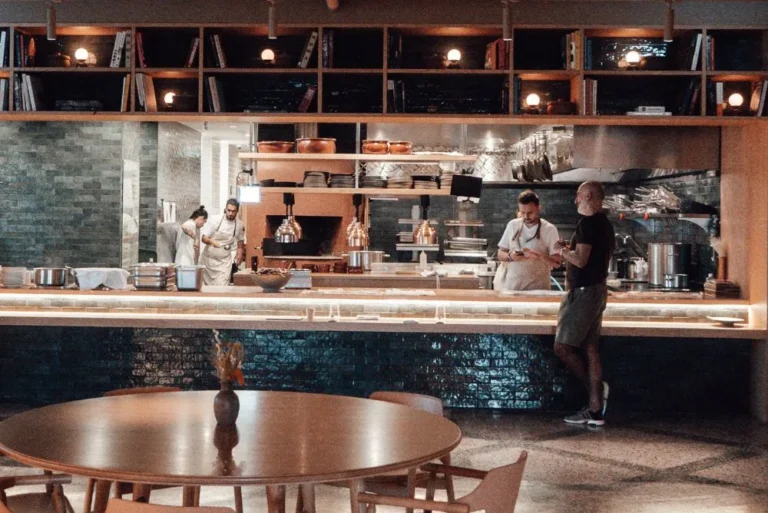
Let me tell you about The Catbird Seat, a restaurant in Nashville that takes storytelling to the next level. From the moment you walk in, you know you’re somewhere special. The space is intimate, with just 22 seats at a counter that wraps around the open kitchen. But it’s not just the layout that makes it unique, it’s the *details*.
Here’s one example: The restaurant’s name is a nod to a line from a Harper Lee novel, but it’s also a reference to the chef’s philosophy of “flying by the seat of your pants.” That dual meaning isn’t explained anywhere, it’s just there, waiting for customers to discover it. And that’s the beauty of it. The best storytelling doesn’t hit you over the head. It invites you to lean in and uncover the layers.
Another detail: The restaurant doesn’t have a traditional menu. Instead, the chef creates a new tasting menu for each service, often inspired by local ingredients or traditions. But here’s the twist: The menu is recited, not printed. The server stands in front of the guests and describes each dish in vivid detail, often sharing the story behind it. That’s storytelling in its purest form, personal, immersive, and unforgettable.
Now, I know what you’re thinking: *That’s great for a high-end tasting menu restaurant, but what about my casual spot?* Fair. But here’s the thing: You don’t have to be fancy to be intentional. Even a fast-casual joint can use details to tell a story. Maybe it’s a chalkboard with a daily special that changes based on what’s in season. Maybe it’s a server who shares a fun fact about the dish they’re serving. Maybe it’s a playlist that changes based on the time of day. The key is to find the details that feel true to your brand and your community.
Step 4: Make Your Customers Part of the Story
Here’s a hard truth: Your story isn’t just about you. It’s about your customers, too. The best local restaurants don’t just serve food, they create *shared experiences*. They give people a reason to gather, to celebrate, to connect. And when your customers feel like they’re part of the story, they’ll keep coming back.
So, how do you make your customers part of the narrative? It starts with inclusion. How can you make people feel like they belong in your space? Maybe it’s through events that celebrate local traditions. Maybe it’s through a loyalty program that rewards regulars. Maybe it’s through a simple gesture, like remembering a customer’s name or their usual order.
Let’s look at a few examples:
- Host community-driven events. Think beyond the typical happy hour. How can you create events that bring people together around a shared interest? Maybe it’s a trivia night with questions about local history. Maybe it’s a cooking class that teaches a traditional dish. Maybe it’s a live music night featuring local artists.
- Encourage user-generated content. Give people a reason to take photos and share their experience. Maybe it’s a photogenic mural. Maybe it’s a fun hashtag. Maybe it’s a contest that rewards the best customer photo of the week.
- Feature your customers. People love seeing themselves represented. How can you highlight your regulars? Maybe it’s through a “Customer of the Month” feature on social media. Maybe it’s through a wall of Polaroids. Maybe it’s through a simple shout-out on Instagram.
- Create traditions. Traditions give people a sense of belonging. How can you create rituals that customers look forward to? Maybe it’s a weekly special. Maybe it’s a holiday event. Maybe it’s a signature dish that people associate with your restaurant.
I’ll be honest: This part can feel scary. What if people don’t participate? What if it falls flat? What if it feels forced? Those are valid concerns. But here’s the thing: You won’t know until you try. And the best way to start is small. Pick one idea, test it out, and see how people respond. If it works, build on it. If it doesn’t, try something else.
Let me give you an example. A few years ago, a Nashville coffee shop started hosting a weekly “Storytime” event. The idea was simple: Customers could sign up to share a story, funny, heartwarming, or just plain weird, with the group. At first, the owner was nervous. Would anyone show up? Would people be willing to share? But the response was overwhelming. People loved it. They came back week after week, not just for the coffee, but for the connection. That’s the power of making your customers part of the story.
How to Turn Regulars Into Evangelists
Every restaurant has regulars. But not every restaurant turns those regulars into *evangelists*-people who spread the word about your place because they feel personally invested in its success. So, how do you make that happen? Here are a few strategies:
- Give them a sense of ownership. How can you make your regulars feel like they’re part of the family? Maybe it’s through a loyalty program that rewards them for bringing friends. Maybe it’s through a private Facebook group where they can share feedback. Maybe it’s through a simple gesture, like letting them name a dish.
- Surprise and delight. People love feeling like they’re in on a secret. How can you create moments that make your regulars feel special? Maybe it’s a free dessert on their birthday. Maybe it’s a handwritten note with their check. Maybe it’s a sneak peek at a new menu item.
- Listen to their feedback. Your regulars are a goldmine of insights. How can you make it easy for them to share their thoughts? Maybe it’s through a suggestion box. Maybe it’s through a quick survey. Maybe it’s just by asking them directly.
- Make them part of your marketing. People trust their peers more than they trust brands. How can you leverage that? Maybe it’s through a referral program. Maybe it’s through user-generated content. Maybe it’s through a simple ask: “If you love us, tell your friends.”
Here’s a personal story. When I first moved to Nashville, I didn’t know anyone. But I found a coffee shop that felt like home. The baristas remembered my name. They asked about my day. They made me feel like I belonged. And you know what? I told everyone about that place. I brought friends there. I wrote about it. I became an evangelist. That’s the power of making your customers feel seen.
Step 5: Use Social Media to Amplify (Not Replace) Your Story
Let’s talk about social media. Because if you’re not using it to tell your story, you’re missing out. But here’s the catch: Social media should amplify your story, not replace it. It’s a tool, not a crutch. And if you’re not careful, it can feel like you’re shouting into the void instead of connecting with your community.
So, how do you use social media effectively? It starts with authenticity. People can spot a fake from a mile away. So, how can you make your social media feel like a natural extension of your brand? Maybe it’s through behind-the-scenes content. Maybe it’s through user-generated posts. Maybe it’s through a tone of voice that feels true to who you are.
Here are a few strategies to try:
- Show, don’t tell. Instead of saying “We’re local,” show it. Post photos of your farmers’ market haul. Share videos of your chef chatting with a local producer. Highlight the little details that make your restaurant unique.
- Tell stories, not just promotions. People don’t follow brands, they follow *stories*. How can you use social media to share the stories behind your dishes, your staff, your space? Maybe it’s through a series of posts about the history of a local ingredient. Maybe it’s through a day-in-the-life video of your chef. Maybe it’s through a customer spotlight.
- Engage, don’t just broadcast. Social media is a two-way street. How can you make it easy for people to engage with your content? Maybe it’s through polls. Maybe it’s through questions. Maybe it’s through a simple call-to-action: “Tag a friend who needs to try this.”
- Use local hashtags and geotags. This might seem obvious, but it’s worth mentioning. How can you make it easy for locals to find you? Maybe it’s through a branded hashtag. Maybe it’s through a geotag that puts you on the map. Maybe it’s through a partnership with a local influencer.
I’ll be honest: Social media can feel overwhelming. There’s always a new platform, a new trend, a new algorithm to figure out. But here’s the thing: You don’t have to do it all. Pick one or two platforms that feel true to your brand, and focus on doing them well. For most restaurants, that’s Instagram and Facebook. But if you’re targeting a younger crowd, maybe it’s TikTok. If you’re in a tight-knit community, maybe it’s a private Facebook group.
Let me give you an example. Hattie B’s, the Nashville hot chicken chain, does a great job of using social media to amplify their story. Their Instagram feed is a mix of mouthwatering food photos, behind-the-scenes content, and customer shout-outs. But here’s the thing: They don’t just post about their food. They post about Nashville. They share photos of local landmarks. They highlight local events. They even post about the weather (because, let’s be real, Nashville’s weather is a character in its own right). The result? A social media presence that feels like a love letter to the city, and to their customers.
How to Handle the Pressure to Be “Always On”
One of the biggest challenges of social media is the pressure to be “always on.” There’s always another post to write, another photo to take, another trend to jump on. And if you’re not careful, it can feel like a never-ending cycle. So, how do you handle it?
Here’s my advice: Don’t try to keep up. Try to stand out. Instead of posting just to post, focus on creating content that *means* something. Maybe it’s a behind-the-scenes video that gives people a glimpse into your process. Maybe it’s a customer story that tugs at the heartstrings. Maybe it’s a simple photo that captures the vibe of your space.
And remember: It’s okay to take a break. Social media is a marathon, not a sprint. If you’re feeling burnt out, step back. Recharge. Come back when you have something to say.
Here’s a personal example. When I first started writing for Chefsicon, I felt like I had to post every day. I’d stay up late writing, editing, scheduling. And you know what? It wasn’t sustainable. I was exhausted, and my content was suffering. So, I took a step back. I started posting less frequently, but with more intention. And guess what? My engagement went up. Quality over quantity.
Step 6: Partner With Local Creators (And Not Just Influencers)
Here’s a controversial opinion: Influencers are overrated. Don’t get me wrong, they have their place. But if you’re only partnering with influencers, you’re missing out on a huge opportunity to connect with your community. Because the best local creators aren’t always the ones with the biggest followings. They’re the ones who *live* the culture, the artists, the musicians, the writers, the activists, the small business owners. They’re the ones who can help you tell your story in a way that feels authentic and meaningful.
So, how do you find these creators? Start by looking for people who are already part of your community. Maybe it’s the muralist who painted the wall down the street. Maybe it’s the musician who plays at the coffee shop next door. Maybe it’s the writer who runs the local food blog. These are the people who can help you tell your story in a way that resonates with locals.
Here are a few ways to partner with local creators:
- Collaborate on an event. How can you bring together local creators for a shared experience? Maybe it’s a pop-up dinner featuring a local chef and a local musician. Maybe it’s a art show featuring local artists. Maybe it’s a panel discussion about a local issue.
- Commission a piece of art. How can you use local art to tell your story? Maybe it’s a mural. Maybe it’s a series of illustrations for your menu. Maybe it’s a custom playlist curated by a local musician.
- Feature them on your social media. How can you highlight the work of local creators? Maybe it’s through a series of Instagram posts. Maybe it’s through a blog feature. Maybe it’s through a simple shout-out.
- Invite them to take over your social media. How can you give local creators a platform to share their perspective? Maybe it’s through an Instagram takeover. Maybe it’s through a live Q&A. Maybe it’s through a guest blog post.
I’ll be honest: This part can feel intimidating. What if you reach out and they say no? What if the collaboration doesn’t work out? What if it feels forced? Those are valid concerns. But here’s the thing: Most local creators are excited to collaborate. They’re looking for opportunities to share their work, just like you are. And the worst they can say is no.
Let me give you an example. A few years ago, a Nashville restaurant partnered with a local muralist to create a custom piece for their space. The mural wasn’t just a decoration, it was a celebration of Nashville’s history and culture. And you know what? It became a destination in its own right. People came to the restaurant just to see the mural. They took photos in front of it. They shared it on social media. That’s the power of partnering with local creators.
How to Find the Right Creators for Your Brand
Not all creators are created equal. So, how do you find the ones who are the right fit for your brand? Here are a few things to look for:
- Shared values. Do their values align with yours? Do they care about the same things you do?
- Authenticity. Do they have a genuine connection to the community? Or are they just looking for a paycheck?
- Engagement. Do they have an engaged audience? Or are their followers just there for the free stuff?
- Creativity. Do they bring something unique to the table? Or are they just regurgitating the same old ideas?
Here’s a quick exercise: Make a list of local creators who inspire you. It could be artists, musicians, writers, activists, anyone who’s making a mark on your community. Then, reach out. Introduce yourself. Share your vision. And see if there’s a way to collaborate.
And remember: It’s okay to start small. You don’t have to partner with the biggest name in town. Sometimes, the best collaborations come from the most unexpected places.
Step 7: Embrace the Messiness (Because Local Culture Isn’t Always Pretty)
Here’s the thing about local culture: It’s not always pretty. It’s messy, complicated, and sometimes downright uncomfortable. And if you’re going to tell your community’s story, you’ve got to be willing to embrace that messiness. That means acknowledging the hard parts, the history, the struggles, the controversies, as well as the good.
Let me give you an example. A few years ago, a Nashville restaurant opened with a menu inspired by the city’s immigrant communities. On the surface, it seemed like a great idea, celebrating the diversity that makes Nashville special. But there was a problem: The restaurant was owned by a group of white chefs who had no personal connection to the cultures they were representing. The backlash was swift. Locals accused the restaurant of appropriation, and the owners were forced to rethink their approach.
So, what went wrong? The restaurant tried to tell a story that wasn’t theirs to tell. They focused on the *aesthetic* of local culture, the food, the decor, the vibe, without engaging with the *people* behind it. And that’s a recipe for disaster.
Here’s how to avoid that mistake:
- Do your homework. If you’re telling a story about a community that isn’t yours, make sure you’re doing it with respect and accuracy. Talk to people. Listen to their perspectives. And be willing to change your approach if it’s not working.
- Give credit where credit is due. If you’re drawing inspiration from a specific culture or tradition, acknowledge it. Don’t try to pass it off as your own.
- Be willing to have hard conversations. If you’re telling a story that touches on sensitive topics, be prepared for pushback. Listen to the feedback. Apologize if you get it wrong. And be willing to make changes.
- Focus on the people, not just the product. Local culture isn’t just about the food or the decor, it’s about the people who create it. How can you highlight their stories? How can you give them a platform?
I’ll be honest: This part can feel scary. What if you get it wrong? What if you offend someone? What if it backfires? Those are valid concerns. But here’s the thing: You’re going to make mistakes. It’s inevitable. The key is to approach your storytelling with humility, curiosity, and a willingness to learn.
Let me give you an example of a restaurant that got it right. The Wild Detectives, a bookstore-cafe in Dallas, has built its brand around celebrating local culture, warts and all. Their space is filled with books by local authors, art by local artists, and events that tackle tough topics. And you know what? People love it. Because it feels *real*. It’s not a sanitized version of local culture, it’s the messy, complicated, beautiful truth.
How to Handle Backlash (Because It’s Going to Happen)
No matter how careful you are, you’re going to face backlash at some point. Someone’s going to call you out. Someone’s going to disagree with your approach. Someone’s going to say you got it wrong. So, how do you handle it?
Here’s my advice:
- Listen. Don’t get defensive. Don’t dismiss the feedback. Listen to what people are saying, and try to understand their perspective.
- Apologize if you need to. If you got it wrong, own up to it. A sincere apology can go a long way.
- Make changes. If the feedback is valid, be willing to make changes. That might mean tweaking your menu, adjusting your marketing, or even rethinking your entire approach.
- Learn from it. Every mistake is an opportunity to learn. How can you use this experience to improve your storytelling moving forward?
Here’s a personal example. A few years ago, I wrote an article about a local food trend that touched on a sensitive topic. I thought I was being thoughtful, but I got some pushback from readers who felt I’d missed the mark. At first, I was defensive. But then I took a step back. I listened to the feedback. I apologized. And I used the experience to inform my writing moving forward. That’s the power of embracing the messiness.
Step 8: Keep Your Story Alive (Because Culture Doesn’t Stand Still)
Here’s the thing about local culture: It’s always evolving. The stories that resonate today might not resonate tomorrow. The traditions that feel sacred now might feel outdated in a few years. And if you want your restaurant to stay relevant, you’ve got to evolve with it.
So, how do you keep your story alive? It starts with staying engaged. How can you keep your finger on the pulse of your community? Maybe it’s through regular check-ins with locals. Maybe it’s through attending local events. Maybe it’s through following local news and trends.
Here are a few strategies to try:
- Refresh your menu regularly. How can you keep your menu fresh and exciting? Maybe it’s through seasonal specials. Maybe it’s through collaborations with local chefs. Maybe it’s through limited-time offers that celebrate local events.
- Update your decor. How can you keep your space feeling current? Maybe it’s through rotating art exhibits. Maybe it’s through seasonal decorations. Maybe it’s through small tweaks that reflect the changing culture.
- Host regular events. How can you create events that keep people coming back? Maybe it’s through a monthly book club. Maybe it’s through a weekly live music night. Maybe it’s through a seasonal festival.
- Stay active on social media. How can you keep your social media presence fresh and engaging? Maybe it’s through regular behind-the-scenes content. Maybe it’s through user-generated posts. Maybe it’s through a consistent tone of voice.
I’ll be honest: This part can feel exhausting. There’s always something new to learn, something new to try, something new to adapt to. But here’s the thing: It’s worth it. Because when you keep your story alive, you give people a reason to keep coming back.
Let me give you an example. The Skillery, a Nashville-based cooking school, has built its brand around celebrating local food culture. But they don’t just rest on their laurels. They’re constantly evolving, hosting new classes, partnering with new chefs, and adapting to the changing needs of their community. The result? A brand that feels fresh, relevant, and deeply connected to Nashville.
How to Know When It’s Time for a Change
Not every change is a good one. So, how do you know when it’s time to refresh your story? Here are a few signs to look for:
- Your customers are bored. If people are starting to tune out, it might be time for a refresh.
- Your story feels outdated. If your brand feels like it’s stuck in the past, it might be time for an update.
- Your community is changing. If the neighborhood around you is evolving, your story might need to evolve with it.
- You’re not excited about it anymore. If *you* don’t feel inspired by your story, how can you expect your customers to?
Here’s a quick exercise: **Take a step back and ask yourself: *Does our story still feel true?* If the answer is no, it might be time for a change.
Step 9: Measure What Matters (Because Storytelling Isn’t Just About Likes)
Let’s talk about metrics. Because if you’re not measuring the impact of your storytelling, you’re flying blind. But here’s the catch: Not all metrics are created equal. Likes and follows are great, but they don’t tell the whole story. If you want to know if your storytelling is working, you’ve got to dig deeper.
So, what should you measure? Here are a few things to consider:
- Customer retention. Are people coming back? Are they bringing friends? Are they becoming regulars?
- Word of mouth. Are people talking about you? Are they tagging you in posts? Are they recommending you to their friends?
- Community engagement. Are you building relationships with locals? Are you partnering with other businesses? Are you participating in local events?
- Sales. Are people buying what you’re selling? Are they trying new dishes? Are they spending more?
- Feedback. What are people saying about you? Are they leaving reviews? Are they sharing their thoughts on social media? Are they giving you direct feedback?
I’ll be honest: Measuring the impact of storytelling can feel tricky. How do you quantify something as intangible as a feeling? But here’s the thing: You don’t have to have all the answers. Start small. Pick one or two metrics to focus on, and build from there.
Let me give you an example. A few years ago, a Nashville coffee shop started tracking how many customers came back within a week of their first visit. They noticed that customers who engaged with their storytelling, whether it was through a conversation with a barista or a post on social media, were more likely to return. So, they doubled down on their storytelling efforts, and their retention rates went up. That’s the power of measuring what matters.
How to Use Data to Refine Your Story
Data isn’t just about measuring success, it’s about refining your approach. So, how can you use data to make your storytelling even stronger? Here are a few strategies:
- Look for patterns. What’s resonating with your customers? What’s falling flat? Use that information to inform your future storytelling efforts.
- Test and iterate. Try different approaches, and see what works. Maybe it’s a new social media campaign. Maybe it’s a different menu description. Maybe it’s a new event.
- Listen to feedback. What are people saying about your brand? What do they love? What do they wish was different? Use that feedback to make changes.
- Stay flexible. The best storytelling is adaptable. If something’s not working, be willing to pivot.
Here’s a personal example. When I first started writing for Chefsicon, I thought I had to be the “expert.” I’d cite studies, use big words, and try to sound like a food critic. But then I started paying attention to the data. I noticed that my most popular posts were the ones where I shared personal stories, asked questions, and admitted when I didn’t know something. So, I changed my approach. I started writing like I was talking to a friend. And you know what? My engagement went up. That’s the power of using data to refine your story.
Step 10: Remember Why You’re Doing This (Because It’s Not Just About the Bottom Line)
Let’s end where we started: Local culture isn’t just a marketing tool. It’s not just a way to sell more food or attract more customers. It’s a way to connect with your community, to celebrate what makes your city special, and to create something that lasts.
So, why are you doing this? Is it to make money? Sure, that’s part of it. But I’d argue it’s about more than that. It’s about creating a space where people feel like they belong. It’s about telling stories that resonate. It’s about being part of something bigger than yourself.
And here’s the thing: That’s not always easy. There will be days when it feels like no one’s listening. There will be days when you question whether it’s worth it. There will be days when you want to throw in the towel. But on those days, I want you to remember why you started. I want you to remember the first time a customer told you how much your restaurant meant to them. I want you to remember the feeling of seeing your space come alive with stories.
Because at the end of the day, that’s what this is all about. It’s not about the likes, the follows, or the sales. It’s about the people. It’s about the connections. It’s about the stories. And if you can keep that in mind, you’ll be just fine.
So, what’s your story going to be?
Closing Thoughts: The Story’s Just Beginning
I’ll be honest: When I first started writing this, I wasn’t sure where it would go. I had a lot of ideas, a lot of questions, and a lot of self-doubt. But as I dug deeper, I realized something: Storytelling isn’t about having all the answers. It’s about asking the right questions.
So, let me leave you with a challenge: Don’t just read this and move on.** Take one idea, just one, and try it out. Maybe it’s hosting a community event. Maybe it’s partnering with a local creator. Maybe it’s just striking up a conversation with a regular. Whatever it is, take that first step. Because the best stories aren’t written in a day. They’re built over time, one chapter at a time.
And who knows? Maybe in a year, you’ll look back and realize that your restaurant isn’t just a place to eat. It’s a place where stories come to life. And that’s a pretty great legacy to leave behind.
FAQ
Q: How do I know if my restaurant’s storytelling is resonating with locals?
A: The best way to gauge resonance is to listen. Pay attention to customer feedback, both direct (like reviews or comments) and indirect (like repeat visits or social media engagement). Are people mentioning your story in their posts or reviews? Are they bringing friends to experience it? Are they asking questions about your brand’s history or values? If the answer is yes, your storytelling is likely hitting the mark. If not, it might be time to revisit your approach and ask yourself: *Are we telling the right story, or just the story we want to tell?*
Q: What if my restaurant is new and doesn’t have deep roots in the community yet?
A: That’s okay! Authenticity isn’t about how long you’ve been around, it’s about how deeply you’re willing to listen and engage. Start by asking yourself: *What gap are we filling in this community?* Maybe it’s a type of cuisine that’s missing, a dining experience that’s lacking, or a space for people to gather. Then, lean into that. Share your journey, your challenges, your wins, your learnings. People love a good origin story, especially when it feels genuine. And don’t forget to partner with local creators, businesses, or organizations to build credibility and connections.
Q: How can I incorporate local culture into my storytelling without feeling like I’m forcing it?
A: The key is to focus on *meaningful* connections, not just surface-level references. Start by identifying the aspects of local culture that genuinely resonate with your brand’s values and mission. For example, if your restaurant is all about sustainability, highlight local farmers or eco-friendly practices in your community. If your brand is playful and irreverent, lean into local humor or inside jokes. The goal is to weave local culture into your story in a way that feels natural and true to who you are. And remember: It’s okay to start small. A single detail, like a local ingredient or a community event, can be enough to create a connection.
Q: What are some common mistakes restaurants make when trying to leverage local culture in storytelling?
A: One of the biggest mistakes is treating local culture like a gimmick rather than a living, breathing part of the community. For example, slapping a local dish on the menu without understanding its history or significance can come across as inauthentic. Another mistake is assuming you know what locals want without actually listening to them. It’s easy to fall into the trap of thinking you’re “giving the people what they want,” but if you’re not engaging with the community, you might miss the mark. Finally, some restaurants try to tell a story that isn’t theirs to tell, like appropriating a cultural tradition without permission or credit. The best approach is to collaborate with locals, give credit where it’s due, and always approach storytelling with humility and respect.
@article{how-restaurant-brands-can-leverage-local-culture-in-storytelling-and-why-its-not-just-about-the-food,
    title   = {How Restaurant Brands Can Leverage Local Culture in Storytelling (And Why It’s Not Just About the Food)},
    author  = {Chef's icon},
    year    = {2026},
    journal = {Chef's Icon},
    url     = {https://chefsicon.com/how-restaurant-brands-can-leverage-local-culture-in-storytelling/}
}