The Best Fluffy Pancakes recipe you will fall in love with. Full of tips and tricks to help you make the best pancakes.
Let me be honest here, I’ve been in enough kitchens to know that introducing new equipment is like trying to teach an old dog new tricks while it’s still herding sheep. You’re excited about the KRO-KLD Dual-its promise of faster prep times, energy efficiency, and that sleek, space-saving design, but the second you start unboxing it, you’re hit with a wave of doubt. *Will this actually fit?* *Will my team resist it?* *What if it breaks my workflow instead of improving it?*
I get it. Last year, I helped a friend’s Nashville bistro integrate a similar system, and let’s just say it wasn’t all smooth sailing. There was the time the sous chef accidentally programmed the wrong settings, sending a batch of risotto into a mushy abyss. Or the night the line cooks forgot to calibrate the temperature zones, leaving half the proteins undercooked. But here’s the thing: once we ironed out the kinks, the KRO-KLD Dual didn’t just slot into their workflow, it transformed it. Orders moved faster, waste dropped, and even the pickiest chef admitted it was worth the headache.
So, if you’re staring at your shiny new KRO-KLD Dual and wondering where to start, you’re in the right place. This isn’t just another generic guide. I’m going to walk you through the itty-gritty of integrating this system into your kitchen, from the initial setup to training your team, troubleshooting common issues, and even measuring whether it’s actually making a difference. By the end, you’ll know exactly how to make the KRO-KLD Dual work for you, not against you. And hey, if I can do it, so can you.
1. Understanding the KRO-KLD Dual: What It Is and Why It Matters
Before you even plug it in, let’s talk about what the KRO-KLD Dual actually is. At its core, it’s a dual-zone cooking and holding system designed to streamline high-volume kitchens. Think of it as the Swiss Army knife of commercial cooking, it can sear, hold, finish, and even proof, all while keeping food at precise temperatures. The “dual” part? That refers to its two independent zones, which can operate at different temps and functions simultaneously. One side might be blasting heat for a quick sear, while the other gently holds sauces at the perfect consistency.
But here’s where it gets interesting (and a little overwhelming). The KRO-KLD Dual isn’t just a fancy oven. It’s a smart system with programmable settings, remote monitoring, and even energy-saving modes. That means it can adapt to your menu, not the other way around. For example, if you’re running a brunch spot with a mix of eggs, bacon, and pancakes, you can set one zone to a high heat for crisping and the other to a lower temp for gentle holding. Or, if you’re a caterer dealing with large batches of proteins, you can use both zones for searing and then switch one to holding mode while you finish the rest.
Now, I know what you’re thinking: *Do I really need all these bells and whistles?* Maybe not. But here’s the kicker, the KRO-KLD Dual isn’t just about adding capabilities. It’s about reclaiming space, time, and sanity in a kitchen that’s probably already bursting at the seams. If you’re still using separate holding cabinets, warming drawers, and countertop grills, this system could consolidate all of that into one unit. And in a world where every square foot of kitchen real estate counts, that’s a game-changer.
But, and this is a big but, it’s not a magic wand. The KRO-KLD Dual won’t fix a broken workflow on its own. It’s a tool, and like any tool, it’s only as good as the person wielding it. So, before you start rearranging your kitchen, ask yourself: *What problem am I trying to solve?* Are you struggling with ticket times? Food waste? Space constraints? The answer to that question will shape how you integrate this system. And trust me, skipping this step is like trying to build IKEA furniture without reading the instructions, you’ll end up with a wobbly mess and a lot of regret.
2. Assessing Your Current Workflow: Where Does the KRO-KLD Dual Fit?
Alright, let’s get real for a second. Your kitchen has a rhythm. Maybe it’s a well-oiled machine, or maybe it’s more like a jazz improvisation where everyone’s making it up as they go. Either way, introducing the KRO-KLD Dual is going to disrupt that rhythm, at least temporarily. The key is to figure out where it fits before you start moving things around.
First, grab a notebook (or a whiteboard if you’re feeling fancy) and map out your current workflow. Start with the basics: Where does food come in? How does it move through prep, cooking, and plating? Where are the bottlenecks? For example, if your line cooks are constantly waiting for the grill to free up, that’s a bottleneck. If your holding area is a chaotic mess of half-empty trays, that’s another one. The KRO-KLD Dual can help with both of these issues, but only if you place it in the right spot.
Here’s how I like to break it down:
- Prep Stage: If you’re using the KRO-KLD Dual for early-stage cooking (like par-cooking proteins or blanching veggies), it should be near your prep station. This way, your prep cooks can quickly move ingredients in and out without clogging up the main line.
- Cooking Stage: If it’s replacing or supplementing your grill or oven, it needs to be within arm’s reach of your line cooks. Think about how orders flow, does your team move left to right? Right to left? The KRO-KLD Dual should fit into that motion, not force them to backtrack.
- Holding/Finishing Stage: If you’re using it primarily for holding or finishing dishes, it should be near the pass or plating area. This is especially useful for restaurants with a lot of à la carte orders, where timing is everything.
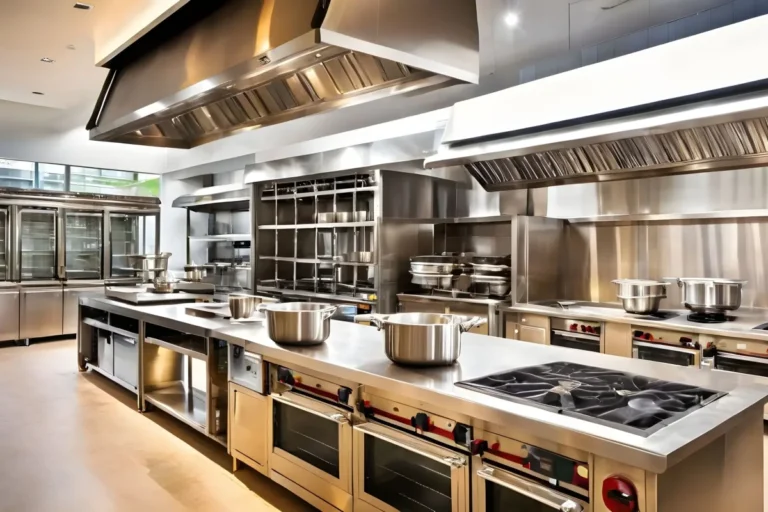
Now, I’m not saying you need to redesign your entire kitchen. But you doeed to think about how the KRO-KLD Dual will interact with your existing setup. For example, if you’re placing it near your fryer, make sure there’s enough ventilation to handle the extra heat. If it’s going next to your prep station, ensure there’s enough counter space for ingredients to land before they go into the unit. And if you’re tight on space, consider mounting it on a wall or under a counter, just make sure it’s easily accessible for cleaning and maintenance.
One thing I’ve learned the hard way? Don’t assume your team will “figure it out.” Even the most intuitive equipment can throw people off if it’s not in the right spot. I once saw a kitchen where the KRO-KLD Dual was placed at the far end of the line, forcing cooks to walk past three other stations to use it. Needless to say, it became a glorified shelf for utensils within a week. Don’t let that be you.
3. The Physical Integration: Finding the Right Spot
Okay, so you’ve mapped out your workflow and have a rough idea of where the KRO-KLD Dual should go. Now comes the fun part: actually installing it. And by “fun,” I mean “potentially frustrating but ultimately rewarding.” Let’s break this down into manageable steps.
First, measure everything. I cannot stress this enough. The KRO-KLD Dual is a beast, it’s not a countertop unit you can shove into a corner and forget about. You need to account for:
- Footprint: How much floor or counter space will it take up? Remember, you’ll need room for the unit itself, plus clearance for ventilation and door swings.
- Height: Will it fit under your existing hood system? If not, you might need to adjust your ventilation setup.
- Power and Gas: Does it require a dedicated circuit? A specific gas line? If you’re not sure, call an electrician or plumber. Trust me, you do ot want to fry your kitchen’s electrical system because you assumed it would work with your current setup.
- Accessibility: Can your team easily reach the controls? Are the doors easy to open and close, even when someone’s holding a tray of food?
Once you’ve got the measurements down, it’s time to think about placement. Here are a few common setups I’ve seen work well:
- Along the Line: If you’re using the KRO-KLD Dual as a primary cooking tool, placing it along your main line makes sense. This keeps it within arm’s reach of your cooks and ensures it’s part of the natural flow of orders. Just make sure it’s not blocking any other stations.
- Near the Pass: If you’re using it for holding or finishing, placing it near the pass (where dishes are plated and sent out) is ideal. This way, your expediters can quickly grab and plate food without running back and forth.
- Prep Area: For kitchens that do a lot of batch cooking, putting the KRO-KLD Dual near your prep station can save time. Your prep cooks can par-cook proteins or veggies, then move them to the line as needed.
- Under Counter: If space is tight, consider an under-counter model. This frees up valuable real estate on your line or prep area. Just make sure it’s still easy to access for cleaning and maintenance.
Now, let’s talk about ventilation. The KRO-KLD Dual generates a lot of heat, and if it’s not properly ventilated, your kitchen is going to turn into a sauna. If you’re placing it under an existing hood, make sure the hood is rated for the unit’s BTU output. If not, you might need to install a new hood or adjust your current setup. And don’t forget about the exhaust, you don’t want smoke or steam building up in your kitchen.
Finally, think about ergonomics. Your team is going to be using this thing all day, every day, so it needs to be comfortable to use. Are the controls at a good height? Are the doors easy to open and close? Can your cooks reach the back of the unit without straining? If not, you might need to adjust the placement or invest in a step stool (yes, really).
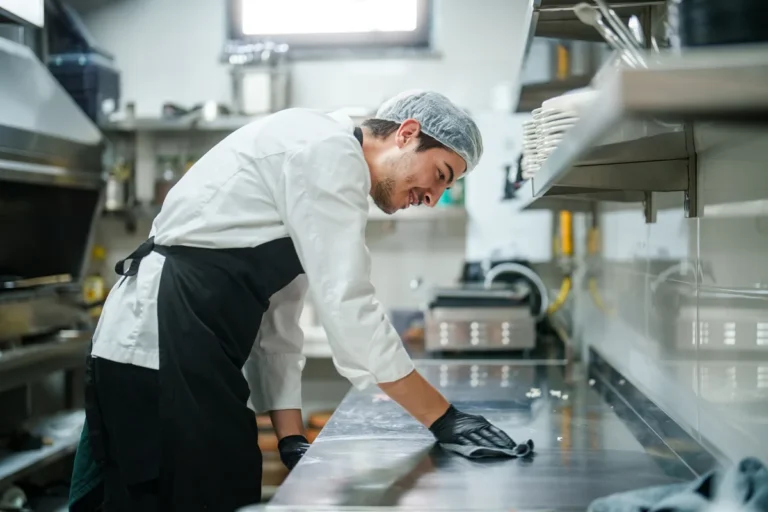
Oh, and one more thing-don’t forget about cleaning. The KRO-KLD Dual is going to get dirty, and it needs to be easy to clean. Make sure there’s enough space around it for your team to access all sides, and that it’s not wedged into a corner where grease and grime can build up. Trust me, your future self will thank you.
4. Electrical and Gas Requirements: Don’t Blow Up Your Kitchen
Alright, let’s talk about the not-so-sexy but absolutely critical part of integrating the KRO-KLD Dual: power and gas. I’ve seen too many kitchens make the mistake of assuming their current setup can handle a new piece of equipment, only to end up with blown fuses, gas leaks, or worse. So, let’s avoid that, shall we?
First, check the electrical requirements. The KRO-KLD Dual is a high-powered unit, and it’s not going to run on the same circuit as your blender or toaster. Most models require a dedicated 208/220V circuit, which means you’ll need to run a new line from your electrical panel. If you’re not comfortable doing this yourself (and let’s be real, most of us aren’t), hire an electrician. It’s not worth the risk of overloading your system or, you know, starting a fire.
Here’s what you need to know about electrical setups:
- Voltage: The KRO-KLD Dual typically requires 208V or 220V. Check your kitchen’s current setup to see what you’re working with. If you’re not sure, your electrician can help you figure it out.
- Amperage: Most models draw between 30-50 amps. Again, check the specs for your specific unit. You’ll need a circuit breaker that can handle this load.
- Plug Type: The KRO-KLD Dual usually comes with a NEMA 6-50 or similar plug. Make sure your outlet matches. If not, you’ll need to have one installed.
- Phase: Most commercial kitchens run on single-phase power, but some larger setups use three-phase. Check your unit’s requirements to make sure you’re compatible.
Now, let’s talk gas. If your KRO-KLD Dual is gas-powered (and many are), you’ll need to make sure your gas line can handle the additional load. This is ot something you want to DIY. Gas leaks are no joke, and even a small mistake can have catastrophic consequences. Call a licensed plumber or gas fitter to assess your setup and make any necessary adjustments.
Here’s what you need to know about gas setups:
- BTU Rating: The KRO-KLD Dual will have a specific BTU rating, which tells you how much gas it consumes. Make sure your gas line can supply enough BTUs to power the unit, as well as any other gas appliances you’re running.
- Pipe Size: The size of your gas pipe determines how much gas can flow through it. If your pipe is too small, your unit won’t get enough gas to operate efficiently. Your plumber can help you determine if you need a larger pipe.
- Pressure: Gas appliances require a specific pressure to operate correctly. If your pressure is too low, your unit won’t perform well. If it’s too high, you could damage the unit or create a safety hazard. A plumber can test your pressure and make adjustments as needed.
- Venting: Gas appliances produce carbon monoxide, which needs to be properly vented. Make sure your kitchen’s ventilation system is up to code and can handle the additional load.
One more thing-don’t forget about permits. Depending on where you’re located, you might need a permit to install a new gas line or electrical circuit. Check with your local building department to make sure you’re in compliance. It’s a hassle, but it’s better than getting fined (or worse) down the line.
And finally, test everything. Once your electrician or plumber has finished the installation, don’t just assume it’s good to go. Test the unit to make sure it’s getting the right voltage and gas pressure. If something seems off, don’t ignore it. Better to catch a problem now than after your kitchen is up and running.
5. Training Your Team: Because No One Reads the Manual
You’ve got the KRO-KLD Dual installed, powered up, and ready to go. Now comes the hard part: getting your team to actually use it. And let me tell you, this is where most kitchens drop the ball. You can have the fanciest equipment in the world, but if your team doesn’t know how to use it (or worse, is too intimidated to try), it’s just a very expensive paperweight.
So, how do you train your team effectively? First, forget the manual. I know, I know, it’s full of useful information. But let’s be real: no one in a busy kitchen has time to sit down and read a 50-page manual. Instead, focus on hands-on training. Here’s how I like to do it:
- Start with the Basics: Before you dive into the fancy features, make sure your team understands the fundamentals. How do you turn it on? How do you adjust the temperature? How do you clean it? These might seem like no-brainers, but you’d be surprised how many people skip this step and end up making avoidable mistakes.
- Demo, Then Practice: Show your team how to use the KRO-KLD Dual, then have them try it themselves. Start with simple tasks, like searing a steak or holding a sauce, then gradually introduce more complex functions. The goal is to build confidence, not overwhelm them.
- Assign a “Champion”: Every kitchen has that one person who’s always eager to learn new things. Find that person and make them the KRO-KLD Dual “champion.” They’ll be your go-to for questions, troubleshooting, and training new hires. This takes some of the pressure off you and ensures there’s always someone on the floor who knows how to use the unit.
- Create Cheat Sheets: Even the best-trained teams forget things under pressure. Create simple, one-page cheat sheets with the most important information, temperature settings, cleaning instructions, troubleshooting tips, and post them near the unit. Bonus points if you laminate them so they don’t get covered in grease.
- Make It Part of the Routine: The best way to get your team comfortable with the KRO-KLD Dual is to make it part of their daily routine. Start by using it for one or two dishes, then gradually expand as they get more comfortable. For example, you might start by using it to hold sauces, then add proteins, then veggies. This way, it becomes second nature, not a scary new gadget.
Now, let’s talk about resistance. Because let’s face it, some of your team members are going to push back. Maybe they’re set in their ways, or maybe they’re just skeptical of new technology. Either way, you need to address their concerns head-on. Here’s how:
- Acknowledge Their Concerns: If someone says, “This thing is too complicated,” don’t dismiss them. Instead, say something like, “I get it, new equipment can be intimidating. But let’s walk through it together.” This shows that you’re listening and makes them more open to learning.
- Show, Don’t Tell: Instead of explaining how the KRO-KLD Dual works, show them. Cook a dish side by side, one using the old method, one using the new unit, and let them taste the difference. If the food is better (or at least the same), they’ll be more likely to get on board.
- Make It Fun: Turn training into a game. Challenge your team to see who can cook the perfect steak using the KRO-KLD Dual, or who can hold a sauce at the right temperature the longest. Offer a small prize (like a gift card or an extra break) to the winner. This makes learning feel less like a chore and more like a team-building exercise.
- Lead by Example: If you want your team to use the KRO-KLD Dual, you need to use it yourself. Show them that you’re not afraid to get your hands dirty and that you’re committed to making it work. This sets the tone for the rest of the team.
And finally, be patient. Change takes time, and not everyone is going to adapt at the same pace. Some of your team members will take to the KRO-KLD Dual like a fish to water, while others will need more time and encouragement. That’s okay. The goal isn’t to force everyone to love it, it’s to make sure they know how to use it effectively.
6. Programming the KRO-KLD Dual: Customizing It for Your Menu
Alright, so your team is (mostly) on board, and the KRO-KLD Dual is humming along nicely. Now comes the fun part: programming it. This is where the magic happens, where you take this versatile piece of equipment and tailor it to your menu, your workflow, and your kitchen’s unique needs. But let’s be real: programming a smart cooking system can feel a little like trying to teach a robot to cook. Where do you even start?
First, let’s talk about the basics of programming. The KRO-KLD Dual comes with a user-friendly interface (usually a touchscreen or digital display) that lets you create and save custom programs. Each program can include:
- Temperature Settings: Set the exact temperature for each zone. This is crucial for dishes that require precise heat, like sous vide or delicate sauces.
- Timing: Program how long each stage of cooking should take. This is especially useful for dishes that require multiple steps, like searing then holding.
- Fan Speed: Adjust the fan speed to control airflow and heat distribution. Higher speeds are great for searing, while lower speeds work better for gentle holding.
- Humidity Control: Some models allow you to adjust humidity levels, which is great for dishes that need to stay moist, like braised meats or proofed dough.
Now, let’s dive into how to create programs for your menu. The key here is to start simple. Don’t try to program every dish in your menu at once. Instead, pick a few key items and build from there. Here’s how I like to approach it:
- Identify Your Most Popular Dishes: What are the dishes your kitchen runs the most? Start with those. For example, if you’re a steakhouse, you might start with programs for rare, medium-rare, and well-done steaks. If you’re a café, you might start with programs for eggs, bacon, and pancakes.
- Break Down the Cooking Process: For each dish, think about how it’s currently cooked. What temperature is used? How long does it take? Are there multiple stages (like searing then holding)? Write this down, it’ll be the foundation of your program.
- Create a Test Program: Using the KRO-KLD Dual’s interface, create a program based on your notes. For example, if you’re programming a steak, you might set Zone 1 to 450°F for searing and Zone 2 to 140°F for holding. Then, set the timing for each stage (e.g., 2 minutes for searing, 5 minutes for holding).
- Test It Out: Cook a few test batches using your new program. How does the food turn out? Is it cooked evenly? Does it hold well? If not, tweak the settings and try again. This is where the “dual” part of the KRO-KLD Dual really shines, you can experiment with different combinations of heat and timing until you find the perfect balance.
- Save and Name Your Program: Once you’ve nailed it, save the program and give it a clear, descriptive name. Something like “Steak – Medium Rare” or “Eggs – Over Easy” works well. This makes it easy for your team to find and use the right program during service.
- Train Your Team: Show your team how to access and use the saved programs. Make sure they understand the importance of selecting the right program for each dish. And don’t forget to update your cheat sheets with the new programs!
But what if your menu changes frequently? No problem. The KRO-KLD Dual is designed to be flexible. Here’s how to handle seasonal or rotating menus:
- Create a “Template” Program: If you have dishes that follow a similar cooking process (e.g., all proteins are seared then held), create a template program that you can tweak as needed. For example, you might have a “Protein – Sear & Hold” template that you adjust for different cuts of meat.
- Use the “Quick Edit” Feature: Most models allow you to quickly adjust temperature and timing on the fly. This is great for specials or last-minute menu changes. Just make sure your team knows how to use this feature safely.
- Archive Old Programs: If you’re not using a program regularly, archive it to keep your interface clean. You can always bring it back later if needed.
Now, let’s talk about troubleshooting. Because let’s face it, even the best-laid plans can go awry. Here are a few common issues and how to fix them:
- Food Isn’t Cooking Evenly: If some parts of your dish are overcooked while others are undercooked, check the fan speed. Too much airflow can create hot spots, while too little can lead to uneven cooking. Adjust the fan speed and test again.
- Food Is Drying Out: If your dishes are coming out dry, try reducing the temperature or adding humidity (if your model supports it). You might also need to adjust the timing, longer holding times can dry out food, even at lower temperatures.
- Programs Aren’t Saving: If your programs keep disappearing, check the memory settings. Some models have limited storage, so you might need to delete old programs to make room for new ones. If that doesn’t work, consult the manual or contact customer support.
- Unit Isn’t Heating Up: If the KRO-KLD Dual isn’t reaching the right temperature, check the power and gas connections. If those are fine, it might be a calibration issue. Most models have a calibration mode, refer to the manual for instructions.
And finally, don’t be afraid to get creative. The KRO-KLD Dual isn’t just for cooking, it can also be used for proofing dough, dehydrating fruits and veggies, or even making yogurt. If you’ve got a dish that’s been giving you trouble, think outside the box. You might be surprised at what this thing can do.
7. Adjusting Your Workflow: Making the KRO-KLD Dual Work for You
You’ve got the KRO-KLD Dual installed, your team is trained, and your programs are dialed in. Now comes the real test: integrating it into your daily workflow. This is where the rubber meets the road, where you find out if all that time and effort was worth it. And let me tell you, it’s not always smooth sailing. But with a little patience and a lot of flexibility, you can make the KRO-KLD Dual a seamless part of your kitchen’s rhythm.
First, let’s talk about ticket times. One of the biggest promises of the KRO-KLD Dual is that it can speed up service. But if you’re not careful, it can also slow things down. Here’s how to make sure it’s helping, not hurting:
- Batch Cooking: If you’re using the KRO-KLD Dual for proteins or sides, consider batch cooking during slower periods. For example, you might sear and hold a batch of steaks during prep, then finish them to order during service. This keeps your line moving and reduces wait times.
- Staggered Cooking: If you’re cooking multiple dishes at once, stagger the start times to avoid overloading the unit. For example, if you’re cooking steaks and veggies, start the steaks first (since they take longer), then add the veggies a few minutes later. This ensures everything comes out at the same time.
- Holding Strategies: The KRO-KLD Dual’s holding capabilities are a game-changer, but only if you use them wisely. Don’t just shove food in there and forget about it, plan ahead. For example, if you know you’re going to be busy at 7 PM, start holding sauces or sides at 6:30 PM so they’re ready to go when the rush hits.
Next, let’s talk about communication. In a busy kitchen, communication is everything. If your team isn’t on the same page about how to use the KRO-KLD Dual, chaos will ensue. Here’s how to keep everyone in sync:
- Pre-Shift Meetings: Start every shift with a quick meeting to go over the menu, specials, and any KRO-KLD Dual programs that will be used. This ensures everyone knows what’s expected and can ask questions before service starts.
- Clear Labels: Label the KRO-KLD Dual’s zones and programs clearly. For example, you might label Zone 1 as “Sear” and Zone 2 as “Hold,” or use color-coded labels for different programs. This makes it easy for your team to know what’s what at a glance.
- Expediter Coordination: If you have an expediter (or someone who calls the shots during service), make sure they’re familiar with the KRO-KLD Dual’s capabilities. They should know which dishes can be held, which need to be cooked to order, and how to time everything so it comes out hot and fresh.
Now, let’s talk about flexibility. The KRO-KLD Dual is a powerful tool, but it’s not a one-size-fits-all solution. You’ll need to adjust your workflow based on your menu, your team, and your kitchen’s unique needs. Here are a few ways to do that:
- Menu Adjustments: If you’re struggling to integrate the KRO-KLD Dual into your current menu, consider making some adjustments. For example, if you’re a pizzeria, you might use the KRO-KLD Dual to hold sauces or proof dough, freeing up your oven for pizzas. Or, if you’re a café, you might use it to cook eggs and bacon in batches, reducing wait times during brunch rushes.
- Team Roles: If your team is resistant to using the KRO-KLD Dual, consider reassigning roles. For example, you might designate one person as the “KRO-KLD Dual specialist” during service, responsible for monitoring the unit and ensuring everything is cooked correctly. This takes some of the pressure off the rest of the team and ensures the unit is used effectively.
- Equipment Swaps: If the KRO-KLD Dual is replacing an older piece of equipment (like a holding cabinet or warming drawer), think about how that changes your workflow. For example, if you’re no longer using a holding cabinet, you might need to adjust your plating process to account for the extra space on the line.
And finally, don’t forget about feedback. Your team is on the front lines, and they’ll be the first to notice if something isn’t working. Encourage them to speak up if they’re struggling with the KRO-KLD Dual or if they have ideas for how to use it more effectively. You might be surprised at the creative solutions they come up with.
Here’s a quick checklist to help you adjust your workflow:
- Have you identified the dishes that will use the KRO-KLD Dual?
- Have you adjusted your prep and cooking schedules to account for batch cooking or holding?
- Have you trained your team on the new workflow?
- Have you communicated the changes to your expediter (if you have one)?
- Have you tested the new workflow during a slow period to work out any kinks?
If you can answer “yes” to all of these, you’re well on your way to making the KRO-KLD Dual a seamless part of your kitchen. If not, don’t worry, adjusting your workflow takes time. Keep tweaking, keep communicating, and keep an open mind. You’ll get there.
8. Troubleshooting Common Issues: Because Nothing Is Perfect
Let’s be real for a second, no matter how well you plan, things are going to go wrong. Maybe the KRO-KLD Dual won’t heat up, or maybe your team keeps burning the food. Maybe it’s something as simple as a misplaced utensil or as complicated as a software glitch. Whatever the issue, the key is to stay calm and troubleshoot. Here’s how to handle some of the most common problems.
First, let’s talk about temperature issues. If the KRO-KLD Dual isn’t heating up properly, or if it’s overheating, here’s what to check:
- Power and Gas Connections: This might seem obvious, but it’s always worth double-checking. Make sure the unit is plugged in and that the gas line is connected and turned on. If everything looks good, check the circuit breaker or gas valve to make sure they haven’t tripped or been turned off.
- Calibration: If the temperature seems off, the unit might need to be recalibrated. Most models have a calibration mode, refer to the manual for instructions. If you’re not comfortable doing this yourself, contact customer support or a technician.
- Fan Speed: If the unit is overheating, check the fan speed. Too much airflow can create hot spots, while too little can lead to uneven cooking. Adjust the fan speed and test again.
- Ventilation: If the unit is overheating, it might not be getting enough ventilation. Check the hood and exhaust system to make sure they’re working properly. If you’re not sure, call a technician to assess your setup.
Next, let’s talk about food quality issues. If your dishes are coming out dry, overcooked, or undercooked, here’s what to check:
- Temperature Settings: Double-check the temperature settings for each zone. If the food is overcooked, try reducing the temperature. If it’s undercooked, try increasing it. Remember, the KRO-KLD Dual’s dual zones give you a lot of flexibility, experiment with different combinations to find the perfect balance.
- Timing: If the food is overcooked or dry, try reducing the cooking time. If it’s undercooked, try increasing it. Keep in mind that holding times can also affect food quality, longer holding times can dry out food, even at lower temperatures.
- Humidity Control: If your model supports humidity control, try adjusting the settings. Higher humidity can help keep food moist, while lower humidity is better for crisping or dehydrating.
- Food Placement: Make sure food is placed evenly in the unit. Overcrowding can lead to uneven cooking, while underloading can cause hot spots. If you’re cooking multiple items at once, stagger them to ensure even heat distribution.
Now, let’s talk about mechanical issues. If the KRO-KLD Dual isn’t turning on, or if it’s making strange noises, here’s what to check:
- Power Supply: If the unit won’t turn on, check the power supply. Make sure it’s plugged in and that the circuit breaker hasn’t tripped. If everything looks good, try plugging the unit into a different outlet to see if the issue is with the power source.
- Error Codes: Most models display error codes when something goes wrong. Refer to the manual to decode the error and determine the best course of action. If you’re not sure, contact customer support.
- Noises: If the unit is making strange noises, it might be a sign of a mechanical issue. Check for loose parts or debris in the fan or vents. If you can’t find the source of the noise, contact a technician.
- Software Glitches: If the unit’s interface is frozen or unresponsive, try resetting it. Most models have a reset button or a specific sequence of buttons to press. Refer to the manual for instructions. If that doesn’t work, contact customer support.
And finally, let’s talk about user errors. Because let’s face it, most issues are caused by human error. Here’s how to avoid some of the most common mistakes:
- Wrong Program: If the food isn’t turning out right, double-check that the correct program is selected. It’s easy to accidentally choose the wrong one, especially during a busy service. Consider color-coding or labeling programs to make them easier to identify.
- Overcrowding: If the unit is overcrowded, food won’t cook evenly. Make sure there’s enough space between items for heat to circulate. If you’re cooking multiple items at once, stagger them to ensure even cooking.
- Improper Cleaning: If the unit isn’t cleaned properly, it can affect performance and food quality. Make sure your team knows how to clean the KRO-KLD Dual correctly, refer to the manual for instructions. And don’t forget to clean the vents and fans regularly to prevent buildup.
- Ignoring Warnings: If the unit displays a warning or error code, don’t ignore it. Address the issue immediately to prevent further damage. If you’re not sure what the warning means, refer to the manual or contact customer support.
Here’s a quick troubleshooting checklist to keep on hand:
- Is the unit plugged in and turned on?
- Are the power and gas connections secure?
- Is the correct program selected?
- Are the temperature and timing settings correct?
- Is the unit overcrowded?
- Is the unit clean and free of debris?
- Are there any error codes or warnings displayed?
If you’ve checked all of these and the issue persists, don’t panic. Contact customer support or a technician for help. And remember, it’s always better to address a problem early than to let it fester and cause bigger issues down the line.
9. Measuring Success: Is the KRO-KLD Dual Actually Helping?
Alright, so you’ve integrated the KRO-KLD Dual into your kitchen, trained your team, and (hopefully) ironed out the kinks. Now comes the million-dollar question: Is it actually making a difference? Because let’s be honest, if it’s not improving your workflow, reducing waste, or making your food better, what’s the point?
Measuring success isn’t just about gut feelings. You need hard data to know if the KRO-KLD Dual is worth the investment. Here’s how to track its impact:
- Ticket Times: One of the biggest promises of the KRO-KLD Dual is faster service. Track your ticket times before and after integration. Are orders going out faster? Are customers waiting less time? If the answer is yes, that’s a win. If not, you might need to adjust your workflow or training.
- Food Waste: Another big selling point of the KRO-KLD Dual is its ability to reduce waste. Track how much food you’re throwing away before and after integration. Are you wasting less? Are you able to repurpose leftovers more effectively? If so, that’s money in your pocket.
- Energy Usage: The KRO-KLD Dual is designed to be energy-efficient, but is it actually saving you money? Track your energy bills before and after integration. Are they lower? If not, you might need to adjust your usage or settings.
- Customer Feedback: Ultimately, the success of the KRO-KLD Dual comes down to one thing: is your food better? Ask your customers for feedback. Are they noticing a difference in quality? Are they coming back more often? If the answer is yes, that’s the best sign of all.
- Team Feedback: Don’t forget to ask your team for their input. Are they finding the KRO-KLD Dual easier to use? Are they able to work more efficiently? Are they enjoying the process more? Their feedback can be invaluable in determining whether the unit is a success.
Now, let’s talk about setting benchmarks. Before you integrate the KRO-KLD Dual, set clear benchmarks for success. For example:
- Reduce ticket times by 15%.
- Reduce food waste by 20%.
- Lower energy bills by 10%.
- Increase customer satisfaction scores by 5%.
These benchmarks will give you something to aim for and help you determine whether the KRO-KLD Dual is meeting your expectations. And don’t be afraid to adjust them as you go. If you’re not hitting your targets, it might be time to rethink your approach.
But what if the KRO-KLD Dual isn’t living up to the hype? Don’t panic. There are plenty of ways to troubleshoot and improve its performance:
- Revisit Your Programs: If your food isn’t turning out right, your programs might need tweaking. Go back to the drawing board and experiment with different temperature and timing settings.
- Retrain Your Team: If your team is struggling with the KRO-KLD Dual, it might be time for a refresher. Schedule another training session and focus on the areas where they’re having the most trouble.
- Adjust Your Workflow: If the KRO-KLD Dual isn’t fitting seamlessly into your workflow, it might be time to make some adjustments. Talk to your team and see if there are any bottlenecks or inefficiencies that need to be addressed.
- Consult Customer Support: If you’re still having issues, don’t hesitate to reach out to customer support. They’ve seen it all and can offer valuable insights and solutions.
And finally, don’t forget to celebrate your successes. If the KRO-KLD Dual is making a positive impact on your kitchen, let your team know. Celebrate the wins, no matter how small. This keeps morale high and reinforces the value of the unit.
Here’s a quick checklist to help you measure success:
- Have you set clear benchmarks for success?
- Are you tracking ticket times, food waste, and energy usage?
- Are you collecting customer and team feedback?
- Are you revisiting your programs and workflow regularly?
- Are you celebrating your successes?
If you can answer “yes” to all of these, you’re well on your way to making the KRO-KLD Dual a valuable part of your kitchen. If not, don’t worry, measuring success takes time. Keep tweaking, keep tracking, and keep an open mind. You’ll get there.
10. Long-Term Maintenance: Keeping the KRO-KLD Dual in Top Shape
You’ve integrated the KRO-KLD Dual into your kitchen, trained your team, and (hopefully) seen some positive results. But the work doesn’t stop there. Like any piece of equipment, the KRO-KLD Dual requires long-term maintenance to keep it running smoothly. And let me tell you, neglecting maintenance is a surefire way to turn your shiny new unit into a expensive paperweight.
First, let’s talk about daily maintenance. This is the stuff your team should be doing every single day to keep the KRO-KLD Dual in top shape:
- Cleaning: After every use, wipe down the interior and exterior of the unit with a damp cloth and mild detergent. Pay special attention to the vents, fans, and heating elements, these areas can accumulate grease and debris, which can affect performance and create a fire hazard.
- Emptying Grease Trays: Most models have a grease tray or drip pan that collects excess fat and oil. Empty and clean this tray daily to prevent buildup and odors.
- Checking for Debris: Before each use, check the interior of the unit for any debris or leftover food. Remove anything that could interfere with cooking or airflow.
- Inspecting Seals and Gaskets: The seals and gaskets around the doors help maintain temperature and prevent heat loss. Check them daily for signs of wear or damage. If they’re cracked or broken, replace them immediately.
Next, let’s talk about weekly maintenance. This is the stuff that doesn’t need to be done every day but is still crucial for keeping the KRO-KLD Dual in top shape:
- Deep Cleaning: Once a week, give the unit a deep clean. Remove the racks and trays and wash them in hot, soapy water. Scrub the interior with a non-abrasive cleaner and a soft brush. Don’t forget to clean the vents and fans, these areas can accumulate a lot of grease and debris over time.
- Descaling: If your water is hard, mineral deposits can build up inside the unit, affecting performance and efficiency. Use a descaling solution to remove these deposits. Refer to the manual for instructions on how to descale your specific model.
- Inspecting Electrical Components: Check the power cord, plug, and any exposed wiring for signs of wear or damage. If you notice anything suspicious, contact a technician immediately.
- Testing Safety Features: Most models have safety features like automatic shut-off or overheat protection. Test these features weekly to make sure they’re working properly.
Now, let’s talk about monthly maintenance. This is the stuff that doesn’t need to be done as frequently but is still important for keeping the KRO-KLD Dual running smoothly:
- Calibrating the Unit: Over time, the KRO-KLD Dual’s temperature settings can drift. Once a month, calibrate the unit to ensure it’s heating accurately. Refer to the manual for instructions on how to calibrate your specific model.
- Lubricating Moving Parts: If your model has moving parts (like hinges or fans), lubricate them monthly to keep them running smoothly. Use a food-safe lubricant and follow the manufacturer’s instructions.
- Inspecting Gas Lines: If your unit is gas-powered, inspect the gas line and connections monthly for signs of wear or damage. If you notice anything suspicious, contact a plumber or gas fitter immediately.
- Updating Software: If your model has smart features or software, check for updates monthly. These updates can improve performance, add new features, and fix bugs.
And finally, let’s talk about annual maintenance. This is the stuff that should be done once a year to keep the KRO-KLD Dual in top shape:
- Professional Inspection: Once a year, have a technician inspect the unit. They can check for any issues that might not be visible to the naked eye, like worn-out heating elements or faulty wiring.
- Deep Cleaning of Vents and Fans: Over time, grease and debris can build up in the vents and fans, affecting performance and creating a fire hazard. Once a year, have a professional clean these areas thoroughly.
- Replacing Worn Parts: If any parts are worn or damaged, replace them annually. This includes seals, gaskets, heating elements, and fans. Refer to the manual for a list of replacement parts and instructions on how to install them.
Here’s a quick maintenance checklist to keep on hand:
- Daily: Cleaning, emptying grease trays, checking for debris, inspecting seals and gaskets.
- Weekly: Deep cleaning, descaling, inspecting electrical components, testing safety features.
- Monthly: Calibrating the unit, lubricating moving parts, inspecting gas lines, updating software.
- Annually: Professional inspection, deep cleaning of vents and fans, replacing worn parts.
And remember, prevention is key. The better you maintain the KRO-KLD Dual, the longer it will last and the better it will perform. Don’t wait until something breaks to take action, stay on top of maintenance and address issues as soon as they arise.
Conclusion: The KRO-KLD Dual Is What You Make of It
So, there you have it, everything you need to know to integrate the KRO-KLD Dual into your existing kitchen workflow. It’s been a journey, hasn’t it? From the initial excitement (and maybe a little fear) of unboxing the unit, to the nitty-gritty of installation, training, and troubleshooting, it’s a lot to take in. But here’s the thing: the KRO-KLD Dual isn’t just another piece of equipment. It’s a tool for transformation-one that can streamline your workflow, reduce waste, and even improve the quality of your food. But only if you use it right.
I won’t lie to you, integrating the KRO-KLD Dual isn’t always easy. There will be bumps in the road, moments of frustration, and maybe even a few regrets. But if you take the time to plan, train your team, and adjust your workflow, it can be one of the best decisions you make for your kitchen. And who knows? Maybe, just maybe, it’ll even make your job a little easier.
So, what’s next? It’s time to take action. Start by assessing your current workflow and figuring out where the KRO-KLD Dual fits. Then, take it one step at a time, installation, training, programming, and so on. Don’t rush the process, and don’t be afraid to ask for help when you need it. And remember, the goal isn’t perfection. It’s progress. Every small improvement, every tweak to your workflow, every bit of feedback from your team brings you one step closer to making the KRO-KLD Dual a seamless part of your kitchen.
And hey, if you ever feel like you’re in over your head, just remember: you’re not alone. Every kitchen goes through this process, and every chef has been where you are now. The difference between those who succeed and those who don’t? Persistence. Keep pushing, keep learning, and keep an open mind. You’ve got this.
FAQ
Q: Do I need a professional to install the KRO-KLD Dual, or can I do it myself?
A: While it’s possible to install the KRO-KLD Dual yourself, I highly recommend hiring a professional, especially for electrical and gas connections. These systems require specific voltage, amperage, and gas pressure to operate safely and efficiently. A licensed electrician or plumber can ensure everything is set up correctly and up to code. The last thing you want is to void the warranty or, worse, create a safety hazard because of a DIY installation gone wrong.
Q: How long does it take to train my team on the KRO-KLD Dual?
A: Training time varies depending on your team’s experience and the complexity of your menu. For a basic understanding of the unit’s functions, you can get your team up to speed in a few hours. However, for more advanced programming and workflow integration, it might take a few days or even weeks. The key is to start simple and gradually introduce more complex tasks as your team gets comfortable. And don’t forget, training isn’t a one-and-done deal. Schedule regular refresher sessions to keep everyone sharp.
Q: What’s the biggest mistake kitchens make when integrating the KRO-KLD Dual?
A: The biggest mistake I see is assuming the KRO-KLD Dual will magically fix a broken workflow. It’s not a magic wand, it’s a tool, and like any tool, it’s only as good as the person using it. Kitchens that fail to assess their current workflow, train their team, or adjust their processes often end up frustrated and disappointed. Another common mistake is placing the unit in a spot that’s inconvenient or inaccessible, which leads to it being underutilized or ignored. Take the time to plan, train, and integrate the KRO-KLD Dual properly, and you’ll avoid these pitfalls.
Q: Can the KRO-KLD Dual replace other equipment in my kitchen, or does it need to work alongside existing tools?
A: The KRO-KLD Dual is incredibly versatile, but it’s not a complete replacement for all your existing equipment. Instead, think of it as a supplement that can consolidate multiple functions into one unit. For example, it can replace a holding cabinet, warming drawer, and even a countertop grill, but it might not replace your oven or fryer entirely. The key is to assess your menu and workflow to determine which pieces of equipment the KRO-KLD Dual can supplement or replace. This will help you maximize its potential and free up valuable space in your kitchen.
@article{how-to-integrate-kro-kld-dual-into-your-existing-kitchen-workflow-without-the-chaos,
    title   = {How to Integrate KRO-KLD Dual into Your Existing Kitchen Workflow Without the Chaos},
    author  = {Chef's icon},
    year    = {2026},
    journal = {Chef's Icon},
    url     = {https://chefsicon.com/how-to-integrate-kro-kld-dual-into-existing-kitchen-workflow/}
}