The Best Fluffy Pancakes recipe you will fall in love with. Full of tips and tricks to help you make the best pancakes.
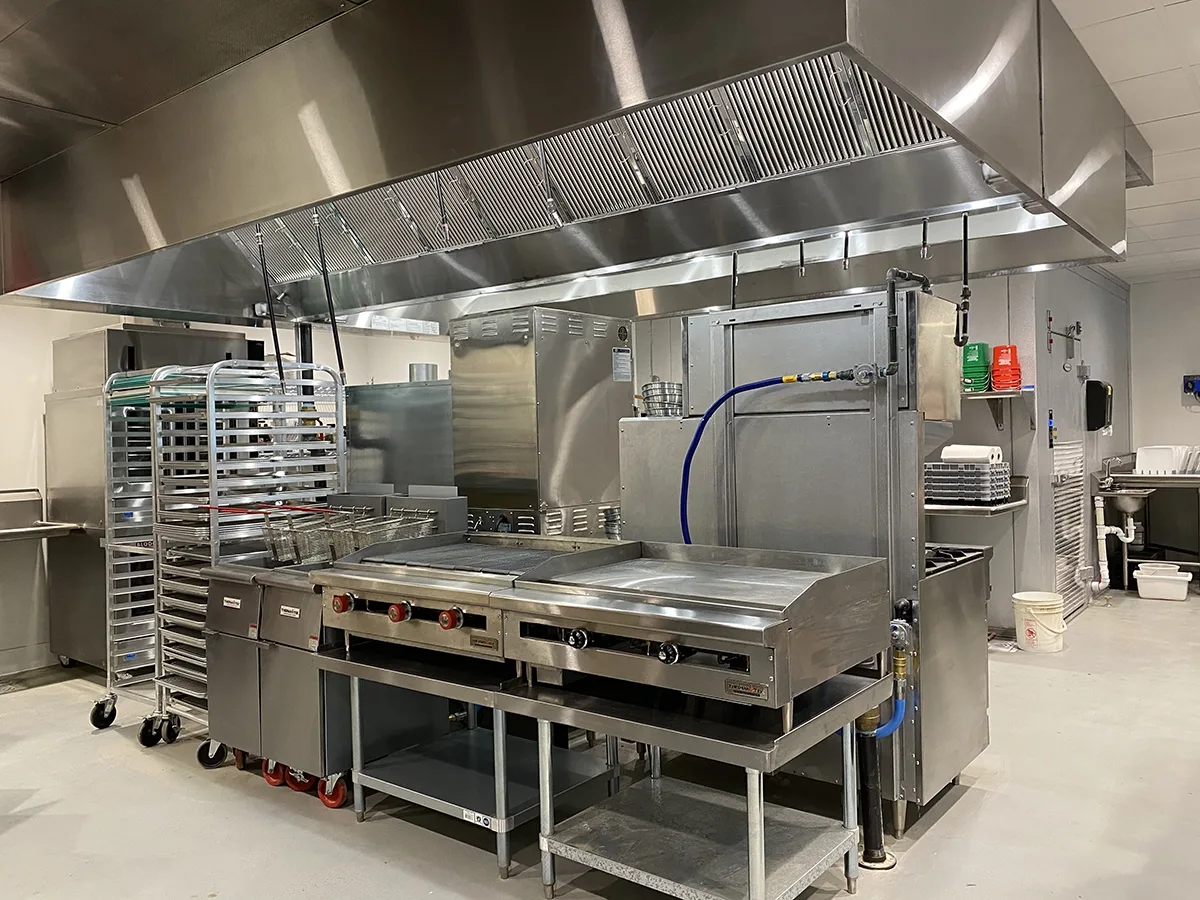
Let me tell you something, I’ve spent more time than I’d like to admit standing in the back of seafood restaurants, watching chefs wrestle with equipment that just wasn’t built for the job. There’s something about seafood that demands precision, patience, and the right tools. And if you’re running a place that specializes in redfish? Well, you’re playing an entirely different game. It’s not just about frying up a fillet; it’s about respecting the fish, the technique, and the expectations of customers who know their way around a well-prepared seafood dish.
I remember the first time I walked into a small seafood joint in New Orleans, right off Bourbon Street. The place was packed, the air thick with the smell of garlic, butter, and something smoky. The chef, a guy named Jacques who’d been cooking redfish for thirty years, was working a flat-top grill like it was an extension of his arm. He had this old, beat-up fryer that looked like it had seen better days, but it was *perfect*-crispy skin, tender flesh, no sticking. I asked him what his secret was, half-expecting some ancient family recipe. He just laughed and said, “Kid, it’s not the recipe. It’s the damn equipment.” That stuck with me. Because he was right. The right tools don’t just make the job easier; they make the food better.
So, if you’re setting up a seafood restaurant, or looking to upgrade your current setup, this guide is for you. We’re diving deep into the world of commercial kitchen equipment for seafood restaurants, with a special focus on what you need to cook redfish like a pro. By the end of this, you’ll know exactly what to look for, what to avoid, and how to set up your kitchen so it runs like a well-oiled machine (or, in this case, a well-oiled fryer).
Why Redfish Demands Specialized Equipment
Before we get into the nitty-gritty, let’s talk about redfish. It’s not your average fish. Redfish, also known as red drum, has a unique texture, a rich flavor, and a skin that can be either your best friend or your worst enemy. When cooked right, it’s crispy, flaky, and full of that buttery, slightly sweet taste that keeps customers coming back. But when it’s cooked wrong? Well, let’s just say you’ll be scraping burnt, stuck-on fish off your pans all night. And nobody wants that.
So, what makes redfish different? For starters, its skin is thicker than most fish, which means it needs higher heat to crisp up properly. But here’s the catch: if your heat is too high, the flesh will dry out before the skin even starts to sizzle. It’s a delicate balance, and it’s one that requires equipment that can handle those nuances. You can’t just throw a redfish fillet on a standard grill or in a generic fryer and expect magic. You need tools that are built for the job.
I’m torn between two schools of thought here. On one hand, there’s the argument that a great chef can make do with almost any equipment. And sure, that’s true to some extent. But on the other hand, why make the job harder than it needs to be? If you’re running a seafood restaurant, especially one that’s known for redfish, your equipment isn’t just a tool, it’s part of your brand. It’s what allows you to deliver consistency, night after night. And consistency? That’s what turns first-time customers into regulars.
The Unique Challenges of Cooking Redfish
Let’s break down the challenges of cooking redfish, because once you understand those, the equipment choices start to make a lot more sense.
- Skin Crisping: Redfish skin is tougher than most, which means it needs higher heat to crisp up. But if your heat source isn’t even, you’ll end up with some parts burnt and others still soggy. That’s a no-go.
- Moisture Retention: The flesh of redfish is lean, which means it dries out quickly if you’re not careful. You need equipment that can cook the fish evenly without sucking all the moisture out of it.
- Sticking: This is the big one. Redfish has a tendency to stick to pans, especially if they’re not properly seasoned or if the heat isn’t right. And once it sticks? You’re in for a long night of scrubbing.
- Flavor Infusion: Redfish has a mild, sweet flavor that pairs well with bold seasonings. But if your equipment isn’t up to snuff, those flavors won’t penetrate the way they should.
So, how do you tackle these challenges? It starts with the right equipment. Let’s dive in.
Essential Commercial Kitchen Equipment for Redfish
Alright, let’s get into the meat of it. If you’re setting up a seafood kitchen, or upgrading your current one, these are the pieces of equipment you absolutely need to cook redfish like a pro. I’m not talking about the basics here. This isn’t your run-of-the-mill grill or fryer. We’re talking about specialized tools that are built to handle the unique demands of redfish.
1. The Right Grill: Flat-Top vs. Charbroiler
First up, the grill. This is where a lot of seafood restaurants go wrong. They assume that any grill will do, but that’s like assuming any knife can fillet a fish. Sure, it *can*, but you’re not going to get the best results. For redfish, you’ve got two main options: a flat-top grill or a charbroiler. Both have their pros and cons, and the right choice depends on the kind of dishes you’re serving.
A flat-top grill is a workhorse. It gives you even heat distribution, which is crucial for cooking redfish evenly. The surface is large, so you can cook multiple fillets at once without crowding, and the heat is consistent, which means no hot spots that’ll burn your fish. Plus, flat-tops are versatile. You can sear, sauté, or even use them for delicate fish like flounder if you’re offering a mixed menu. But, and this is a big but, they don’t give you that smoky, charred flavor that a lot of customers expect from grilled redfish. If you’re going for a more refined, buttery preparation, a flat-top is the way to go. But if you want that classic grilled taste, you might want to consider a charbroiler.
Charbroilers, on the other hand, are all about that smoky flavor. They use radiant heat, which gives you those beautiful grill marks and that unmistakable charred taste. But here’s the thing: charbroilers are trickier to work with. The heat isn’t as even, which means you’ve got to be on your toes to avoid burning the skin while keeping the flesh moist. And if you’re not careful, the fish can stick to the grates, which is a nightmare. Is this the best approach? Let’s consider: if you’re serving a more casual crowd that’s all about that smoky, grilled flavor, a charbroiler might be worth the hassle. But if you’re going for a more upscale, refined preparation, a flat-top is probably the better choice.
I’m leaning toward the flat-top for most seafood restaurants, especially if redfish is your star. The even heat and versatility make it a safer bet, and you can always add a smoky flavor with wood chips or a smoker box if that’s what you’re going for. But hey, that’s just me. What do you think?
2. The Perfect Fryer: Why Standard Fryers Won’t Cut It
If you’re serving fried redfish, and let’s be real, who isn’t? you need a fryer that’s up to the task. But not just any fryer. Standard fryers are designed for things like fries, chicken, or onion rings. They’re not built for the delicate, flaky texture of redfish. You need something that can handle the moisture content, the breading, and the quick cook time without turning your fish into a greasy mess.
First, let’s talk about oil temperature control. Redfish cooks quickly, and if your oil isn’t at the right temperature, you’re going to end up with fish that’s either undercooked or overcooked. A good commercial fryer for seafood should have precise temperature controls, so you can set it and forget it (well, not *forget* it, but you get the idea). Look for fryers with digital controls and a fast recovery time. That way, when you drop in a batch of fish, the oil temperature doesn’t plummet, and you don’t end up with soggy, greasy fillets.
Next, consider the size and capacity of your fryer. If you’re running a high-volume seafood restaurant, you’re going to need a fryer that can handle multiple batches at once. But here’s the thing: bigger isn’t always better. If your fryer is too large, you’ll waste oil and energy trying to keep it at the right temperature. On the other hand, if it’s too small, you’ll be constantly refilling it, which slows down your service. It’s a balancing act, and it’s one that requires a bit of trial and error. Maybe I should clarify: start with a mid-sized fryer, around 35-50 pounds of oil capacity, and see how it goes. You can always add another fryer later if you need to.
And then there’s the filtration system. This is something a lot of restaurants overlook, but it’s crucial for seafood. Fish releases a lot of moisture into the oil, which can break it down quickly. A good filtration system will remove those impurities, extend the life of your oil, and keep your fried redfish tasting fresh and crispy. Trust me, your customers will notice the difference.
Oh, and one more thing: ventilation. Fried seafood creates a lot of smoke and grease, which means your ventilation system needs to be top-notch. If it’s not, your kitchen will be a greasy, smoky mess, and your staff will be miserable. More on that later.
3. The Underrated Hero: A High-Quality Fish Poacher
Now, let’s talk about something that doesn’t get enough love in seafood restaurants: the fish poacher. If you’re not poaching redfish, you’re missing out. Poaching is one of the best ways to cook fish because it keeps the flesh moist and tender while infusing it with flavor. And when it comes to redfish, which can dry out quickly, poaching is a game-changer.
But not all poachers are created equal. You need a commercial-grade poacher that’s large enough to handle multiple fillets at once, with precise temperature controls to keep the liquid at the perfect simmer. Look for a poacher with a stainless steel interior-it’s durable, easy to clean, and won’t react with acidic poaching liquids like wine or citrus. And make sure it has a removable rack, so you can easily lift the fish out without breaking it apart.
Here’s a pro tip: poach your redfish in a mixture of water, white wine, aromatics (like onions, garlic, and herbs), and a splash of vinegar. The vinegar helps to firm up the flesh, so the fish holds its shape better. And don’t forget to cover the poacher with a lid to keep the heat even. Is this the best approach? Let’s consider: poaching might not be as flashy as grilling or frying, but it’s a technique that delivers consistent, delicious results every time. And in a seafood restaurant, consistency is everything.
4. The Workhorse: A Heavy-Duty Food Processor
You might be thinking, “A food processor? Really?” Yes, really. If you’re serving redfish, chances are you’re also serving things like fish cakes, tartar sauce, or even a seafood stuffing. And for that, you need a heavy-duty food processor. A good one will save you hours of chopping, mixing, and pureeing, and it’ll give you consistent results every time.
When choosing a food processor for your seafood kitchen, look for one with a powerful motor-at least 1 horsepower. Seafood can be tough to process, especially if you’re working with raw fish or crustaceans. You’ll also want a machine with a large capacity bowl, so you can process big batches at once. And don’t forget about the attachments. A good food processor should come with a variety of blades and discs, so you can chop, slice, shred, or puree with ease.
Here’s something else to consider: ease of cleaning. Seafood can be messy, and if your food processor is a pain to take apart and clean, it’s going to become a hassle. Look for models with dishwasher-safe parts and a design that’s easy to disassemble. Trust me, your staff will thank you.
5. The Secret Weapon: A Steam-Jacketed Kettle
Alright, let’s talk about something that might not be on your radar but should be: a steam-jacketed kettle. If you’re serving dishes like seafood gumbo, étouffée, or even a simple fish stock, a steam-jacketed kettle is a game-changer. It’s essentially a giant, industrial-sized pot that’s heated by steam, which means it cooks food evenly and gently, without scorching.
Why is this important for redfish? Well, if you’re making a gumbo or stew, you want the fish to cook gently so it doesn’t fall apart. A steam-jacketed kettle gives you precise temperature control, so you can simmer your dish at the perfect heat without worrying about hot spots. Plus, it’s great for making large batches, which is a huge time-saver in a busy kitchen.
When choosing a steam-jacketed kettle, look for one with a tilting mechanism. This makes it easy to pour out your finished product without lifting a heavy pot. And make sure it has a stainless steel interior-it’s durable, easy to clean, and won’t react with acidic ingredients. Oh, and one more thing: insulation. A well-insulated kettle will keep your food hot longer, which is great for holding dishes until service.
Supporting Equipment: The Unsung Heroes of a Seafood Kitchen
Now that we’ve covered the big-ticket items, let’s talk about the supporting equipment, the tools that don’t get as much attention but are just as important. These are the things that make your kitchen run smoothly, keep your staff happy, and ensure your food is consistently delicious.
6. The Right Knives: Because Not All Knives Are Created Equal
If you’re working with seafood, you need the right knives. And no, your standard chef’s knife isn’t going to cut it (pun intended). Seafood knives are specialized tools, and they’re designed to handle the unique challenges of filleting, portioning, and prepping fish.
First up, the fillet knife. This is the knife you’ll use for filleting redfish, and it’s a must-have in any seafood kitchen. A good fillet knife has a long, thin, flexible blade that allows you to glide along the bones and remove the flesh cleanly. Look for one with a high-carbon stainless steel blade-it’s durable, holds an edge well, and won’t rust. And make sure the handle is comfortable to hold, because you’ll be using this knife a lot.
Next, the boning knife. This is the knife you’ll use for removing bones from fillets or portioning fish. It has a shorter, stiffer blade than a fillet knife, which gives you more control. Again, look for one with a high-carbon stainless steel blade and a comfortable handle.
And don’t forget about the cleaver. Yes, a cleaver. If you’re working with whole fish, a cleaver is essential for breaking down larger fish into manageable pieces. It’s also great for chopping through bones if you’re making fish stock. Look for a cleaver with a heavy blade-it’ll make quick work of even the toughest fish.
Oh, and one more thing: knife maintenance. Seafood is tough on knives, so you’ll need to keep them sharp. Invest in a good honing steel and a knife sharpener, and make sure your staff knows how to use them. A dull knife is not only frustrating to use, but it’s also dangerous.
7. The Importance of a Good Scale
This might seem like a no-brainer, but you’d be surprised how many seafood restaurants skimp on scales. And that’s a mistake. When you’re working with fish, portion control is everything. You need to be able to weigh your fillets accurately to ensure consistency, and that means having a high-quality digital scale.
Look for a scale with a high weight capacity-at least 20 pounds, and a precision of 0.1 ounces. This will give you the accuracy you need for portioning fish. And make sure it’s easy to clean, because seafood can be messy. A scale with a stainless steel platform is a good choice, it’s durable and easy to wipe down.
Here’s something else to consider: tare function. This allows you to subtract the weight of a container, so you can weigh your fish directly on the scale without having to do any math. It’s a small thing, but it makes a big difference in a busy kitchen.
8. The Right Cutting Boards: Because Plastic Isn’t Always the Answer
When it comes to cutting boards, there’s a lot of debate about what’s best for seafood. Some people swear by plastic, because it’s easy to sanitize. Others prefer wood, because it’s gentler on knives and has natural antimicrobial properties. So, which is the right choice for a seafood kitchen?
Here’s the thing: both have their pros and cons. Plastic cutting boards are durable, easy to clean, and can be sanitized in the dishwasher. But they’re also hard on knives, and they can develop deep grooves over time, which can harbor bacteria. Wood cutting boards, on the other hand, are gentler on knives and have natural antimicrobial properties, but they’re harder to sanitize and can warp over time.
So, what’s the solution? I’m torn between the two, but ultimately, I think a combination of both is the way to go. Use plastic cutting boards for raw seafood, because they’re easier to sanitize. And use wood cutting boards for prepped seafood, because they’re gentler on knives and won’t dull them as quickly. Just make sure to clean and oil your wood boards regularly to keep them in good condition.
Oh, and one more thing: color-coding. If you’re using multiple cutting boards in your kitchen, color-code them to prevent cross-contamination. For example, use red boards for raw seafood, green for vegetables, and yellow for cooked foods. It’s a simple system, but it can make a big difference in food safety.
9. The Overlooked Essential: A High-Quality Ice Machine
If you’re running a seafood restaurant, you need ice. A lot of ice. And not just any ice, you need high-quality, clear ice that won’t dilute your drinks or melt too quickly. That means you need a commercial ice machine that’s up to the task.
When choosing an ice machine, there are a few things to consider. First, ice type. For seafood restaurants, I recommend cube ice or ugget ice. Cube ice is great for drinks, because it melts slowly and doesn’t water down your beverages. Nugget ice, on the other hand, is softer and chewier, which makes it great for seafood displays or chilling drinks quickly.
Next, ice production capacity. How much ice do you need? This depends on the size of your restaurant and how much seafood you’re serving. A good rule of thumb is to estimate about 1.5 pounds of ice per customer per day. So, if you’re serving 200 customers a day, you’ll need an ice machine that can produce at least 300 pounds of ice daily. But here’s the thing: ice machines don’t produce ice continuously. They produce ice in batches, and then they need time to freeze the next batch. So, you’ll want to choose a machine with a storage bin that can hold enough ice to get you through your busiest periods.
And don’t forget about water filtration. The quality of your ice depends on the quality of your water. If your water is hard or has a lot of minerals, your ice will be cloudy and taste bad. A good water filtration system will remove those impurities, so your ice is clear and clean.
10. The Unsung Hero: A Reliable Vacuum Sealer
Last but not least, let’s talk about the vacuum sealer. This is one of those tools that doesn’t get a lot of attention, but it’s a game-changer for seafood restaurants. A good vacuum sealer will extend the shelf life of your seafood, prevent freezer burn, and make your kitchen more efficient.
When choosing a vacuum sealer, look for one with a strong suction-at least 25 inches of mercury. This will ensure that your bags are sealed tightly, so no air can get in. You’ll also want a machine with a large sealing bar, so you can seal big bags of fish or seafood. And make sure it’s easy to clean, because seafood can be messy.
Here’s something else to consider: bag compatibility. Some vacuum sealers only work with specific types of bags, so make sure the machine you choose is compatible with the bags you want to use. And don’t forget about maintenance. Vacuum sealers need regular cleaning and upkeep to keep them running smoothly, so make sure your staff knows how to care for the machine.
Oh, and one more thing: labeling. If you’re vacuum-sealing seafood, make sure to label the bags with the date and the type of fish. This will help you keep track of your inventory and ensure that you’re using the oldest fish first. It’s a small thing, but it can make a big difference in food safety and waste reduction.
Setting Up Your Kitchen for Success: Layout and Workflow
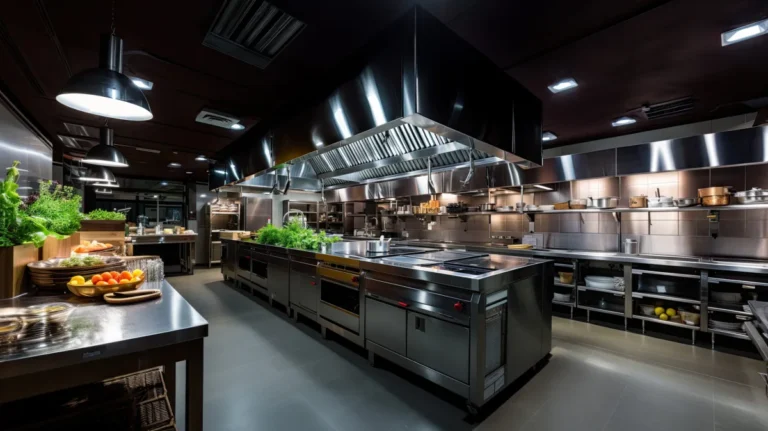
Alright, now that we’ve covered the equipment, let’s talk about how to set up your kitchen for success. Because even the best tools won’t do you any good if your kitchen is a chaotic mess. A well-designed kitchen layout will make your staff more efficient, reduce cross-contamination, and ensure that your food is consistently delicious.
The Importance of Workflow
First things first: workflow. This is the path that food takes from the moment it enters your kitchen to the moment it leaves. A good workflow will minimize backtracking, reduce the risk of cross-contamination, and make your staff more efficient. So, how do you design a good workflow?
Start by dividing your kitchen into zones. Most commercial kitchens follow a basic layout: receiving, storage, prep, cooking, plating, and dishwashing. Each of these zones should be clearly defined, with enough space for staff to move around comfortably.
For seafood restaurants, there are a few extra considerations. First, separate raw and cooked seafood. This is crucial for food safety. Make sure your prep area for raw seafood is separate from your prep area for cooked seafood, and that your staff knows not to cross-contaminate. Second, keep your seafood cold. Seafood is highly perishable, so you’ll want to keep it as cold as possible until it’s ready to be cooked. That means having plenty of refrigeration space near your prep area.
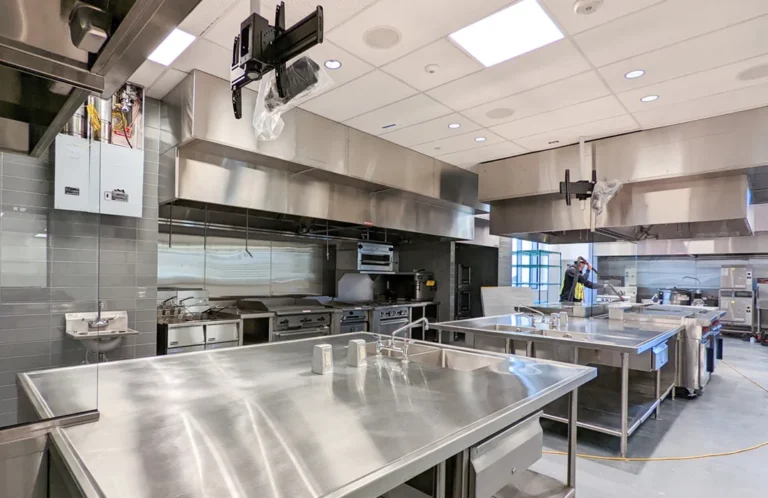
And don’t forget about ventilation. Seafood can be smelly, and if your kitchen isn’t properly ventilated, those smells will linger. Make sure your hood system is up to code and that it’s powerful enough to remove smoke, grease, and odors from your kitchen.
Equipment Placement: The Devil Is in the Details
Now, let’s talk about equipment placement. This is where a lot of kitchens go wrong. They cram too much equipment into too little space, or they place things in a way that makes no sense for the workflow. So, how do you avoid these mistakes?
Start by thinking about how your staff moves. Where do they need to go to get from one task to the next? For example, your fryer should be close to your prep area, so your staff doesn’t have to walk across the kitchen to drop in a batch of fish. Your grill should be near your plating area, so the chef can plate the fish as soon as it’s done cooking. And your refrigeration should be near your prep area, so your staff doesn’t have to walk far to grab ingredients.
Here’s something else to consider: ergonomics. Your staff is going to be on their feet for hours, so you want to make sure they’re not constantly bending, reaching, or stretching. Place your equipment at a comfortable height, and make sure there’s enough space for your staff to move around without bumping into each other.
And don’t forget about safety. Make sure your equipment is placed in a way that minimizes the risk of accidents. For example, don’t place your fryer near a doorway, where someone could accidentally bump into it. And make sure your hood system is properly installed, so it doesn’t interfere with your staff’s movement.
Storage Solutions: Because Seafood Is High-Maintenance
Seafood is high-maintenance, and it requires specialized storage solutions. If you’re not storing your seafood properly, it’ll spoil quickly, and you’ll end up with unhappy customers and a lot of waste. So, how do you store seafood the right way?
First, temperature control. Seafood needs to be kept at a consistent, cold temperature, ideally between 30°F and 34°F. That means you’ll need plenty of refrigeration space, including walk-in coolers and under-counter refrigerators. Make sure your refrigeration units are well-maintained and that they’re keeping your seafood at the right temperature.
Next, organization. Seafood should be stored in a way that minimizes cross-contamination and makes it easy for your staff to find what they need. Use color-coded bins to separate different types of seafood, and make sure to label everything with the date and the type of fish. And don’t forget about FIFO-first in, first out. This means that the oldest seafood should be used first, so nothing goes to waste.
And here’s something that a lot of restaurants overlook: humidity control. Seafood needs to be stored in a high-humidity environment to keep it fresh. If your walk-in cooler is too dry, your seafood will dry out and spoil. Make sure your refrigeration units are equipped with humidity controls, and consider adding a humidifier if necessary.
Wrapping It Up: The Big Picture
So, there you have it, the ultimate guide to commercial kitchen equipment for seafood restaurants, with a special focus on redfish. We’ve covered everything from the right grill to the perfect fryer, from the underrated fish poacher to the unsung hero of the vacuum sealer. And we’ve talked about how to set up your kitchen for success, with a focus on workflow, equipment placement, and storage solutions.
But here’s the thing: equipment is just one piece of the puzzle. The real secret to a successful seafood restaurant is the people. You need a team that knows how to use the equipment, that understands the nuances of cooking redfish, and that’s passionate about delivering great food. So, invest in your staff. Train them, empower them, and give them the tools they need to succeed. Because at the end of the day, it’s not the equipment that makes the food, it’s the people.
I’ll leave you with this: the next time you’re standing in your kitchen, take a look around. Are your tools working for you, or are they working against you? Are they making your job easier, or are they making it harder? If it’s the latter, it might be time for an upgrade. Because when it comes to seafood, especially redfish, the right equipment isn’t just a luxury, it’s a necessity.
FAQ
Q: What’s the most important piece of equipment for cooking redfish?
A: It’s hard to pick just one, but if I had to choose, I’d say a high-quality flat-top grill. It gives you even heat distribution, which is crucial for cooking redfish evenly, and it’s versatile enough to handle a variety of preparations. But don’t overlook the importance of a good fryer, poacher, or even a vacuum sealer, each plays a key role in delivering great results.
Q: How do I prevent redfish from sticking to the grill?
A: There are a few tricks to prevent sticking. First, make sure your grill is hot enough before you add the fish. If it’s not hot enough, the fish will stick. Second, oil the grill grates thoroughly before cooking. And third, don’t move the fish too soon. Let it cook for a few minutes before you try to flip it, so the skin has time to crisp up and release from the grates.
Q: What’s the best way to store redfish in a commercial kitchen?
A: Redfish should be stored in a high-humidity environment at a temperature between 30°F and 34°F. Use color-coded bins to separate different types of seafood, and label everything with the date and the type of fish. And don’t forget about FIFO-first in, first out, to ensure that nothing goes to waste.
Q: Do I need a specialized fryer for seafood, or will a standard fryer work?
A: While a standard fryer can work in a pinch, a specialized seafood fryer is a much better choice. Seafood fryers have precise temperature controls, fast recovery times, and good filtration systems, which are crucial for cooking redfish evenly and keeping it crispy. If you’re serious about serving great fried redfish, it’s worth the investment.
@article{the-ultimate-guide-to-commercial-kitchen-equipment-for-seafood-restaurants-redfish-edition,
    title   = {The Ultimate Guide to Commercial Kitchen Equipment for Seafood Restaurants: Redfish Edition},
    author  = {Chef's icon},
    year    = {2026},
    journal = {Chef's Icon},
    url     = {https://chefsicon.com/commercial-kitchen-equipment-for-seafood-restaurants-redfish-edition/}
}