The Best Fluffy Pancakes recipe you will fall in love with. Full of tips and tricks to help you make the best pancakes.

You know that feeling when you walk into a tiny commercial kitchen and it just works? Everything’s within arm’s reach, the line moves like clockwork, and somehow, despite the cramped quarters, the food comes out fast and consistent. Then there’s the other kind, the kind where you’re constantly dodging coworkers, bumping into equipment, and praying you don’t burn yourself on the fryer while reaching for a pan. I’ve worked in both, and let me tell you, the difference isn’t just luck. It’s layout.
I remember my first gig in a food truck back in the Bay Area. The owner, a stubborn but brilliant guy named Marco, had crammed every piece of equipment he could into that 10×6 space. “More tools, more options,” he’d say. But by the end of my first shift, I had a burn on my forearm from the griddle, a bruise on my hip from the edge of the prep table, and a newfound hatred for the word “efficiency.” It wasn’t until I started consulting for small restaurants in Nashville, helping them design their galley kitchens, that I realized Marco’s mistake wasn’t the equipment. It was the flow. Or lack thereof.
So, if you’re staring at a narrow strip of space and wondering how the hell you’re supposed to fit a commercial kitchen into it, you’re in the right place. This guide isn’t just about squeezing in equipment. It’s about creating a small commercial galley kitchen layout that feels spacious, safe, and, most importantly, functional. We’ll cover everything from the golden rules of galley design to the nitty-gritty of equipment placement, workflow optimization, and even a few hacks I’ve picked up along the way. By the end, you’ll have a blueprint for a kitchen that doesn’t just fit your space but enhances it.
Ready? Let’s dive in.
Why Galley Kitchens Are the Unsung Heroes of Small Commercial Spaces
First, let’s talk about why galley kitchens are so damn popular in small commercial spaces. It’s not just because they’re the only layout that fits. There’s a science to it. Galley kitchens, those long, narrow setups with parallel counters or a single wall of equipment, are designed for linear workflow. That means less backtracking, fewer collisions, and a natural progression from prep to cooking to plating. In a small space, this is gold.
But here’s the thing: not all galley kitchens are created equal. I’ve seen too many that feel more like obstacle courses than workspaces. The key is intentionality. Every inch of that narrow footprint needs to serve a purpose, and every piece of equipment needs to earn its place. That’s easier said than done, especially when you’re working with limited square footage. So, before we get into the weeds, let’s establish some ground rules.
Rule #1: Workflow is king. Your kitchen should move in one direction, prep to cook to serve, without forcing staff to zigzag or double back. Rule #2: Safety trumps convenience. No matter how tight the space, you can’t sacrifice clear walkways or proper ventilation. Rule #3: Flexibility is your friend. In a small kitchen, equipment that does double duty isn’t just nice to have; it’s a lifesaver. Keep these in mind, and you’ll avoid 90% of the headaches that come with small-kitchen design.
Now, let’s get into the specifics.
The Golden Rules of Small Commercial Galley Kitchen Layouts
1. The 3-Zone Rule: Prep, Cook, Serve
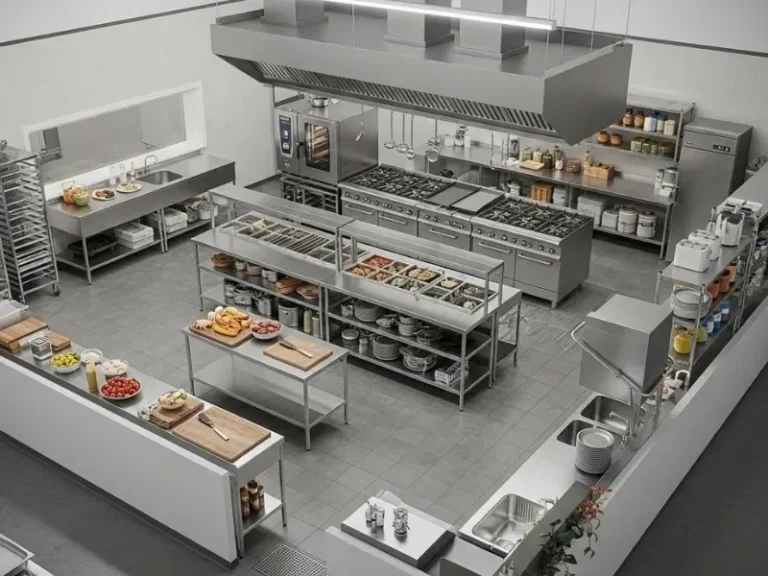
I can’t stress this enough: your kitchen should be divided into three distinct zones. Prep, cook, and serve. Sounds simple, right? But you’d be surprised how many kitchens blur these lines, creating chaos in the process. In a galley setup, these zones should flow linearly, like a conveyor belt. Prep at one end, cooking in the middle, and plating/serving at the other. This isn’t just about organization, it’s about speed and safety.
For example, let’s say you’re running a breakfast spot. Your prep zone might include a worktable, food processor, and cutting boards. The cooking zone would house your griddle, range, and fryer. The serve zone? That’s where your hot holding and plating station live. The key is to keep these zones separate but adjacent. You don’t want your prep team reaching over the fryer to grab a knife, and you definitely don’t want finished plates crossing paths with raw ingredients.
Is this the best approach for every kitchen? Maybe not. If you’re running a pizzeria, for instance, your prep and cook zones might overlap more. But for most small commercial kitchens, the 3-zone rule is a solid starting point. It’s like the mise en place of kitchen design, everything in its place, and a place for everything.
2. The 36-Inch Rule: Why Walkways Matter More Than You Think
Here’s a hard truth: no matter how small your kitchen, you cannot skimp on walkways. The National Fire Protection Association (NFPA) and most local health codes require a minimum of 36 inches of clear space between equipment and walls or other obstacles. That’s not just a suggestion, it’s the law. And for good reason. Narrow walkways are a recipe for accidents, especially during peak hours when the kitchen’s packed and tempers are flaring.
But here’s the catch: in a galley kitchen, 36 inches can feel like a luxury. So how do you make it work? First, measure everything. I mean everything. Your equipment, your counters, your storage shelves. Then, map it out. Use graph paper or a digital tool like SketchUp or AutoCAD to visualize the space. If you’re tight on room, consider wall-mounted equipment or under-counter storage to free up floor space. And whatever you do, don’t forget about door swings. A fridge door that opens into a walkway is a disaster waiting to happen.
I’m torn between recommending a 42-inch walkway for extra comfort and sticking to the 36-inch minimum to save space. Ultimately, it depends on your kitchen’s traffic. If you’ve got three line cooks working side by side, go wider. If it’s just you and one other person, 36 inches might be enough. But don’t push it. Trust me, your staff will thank you.
3. The Triangle of Efficiency: The Workflow Secret No One Talks About
You’ve probably heard of the kitchen work triangle-the idea that the three main work areas (sink, stove, fridge) should form a triangle for maximum efficiency. In a small galley kitchen, this concept is everything. But here’s the twist: in commercial kitchens, the triangle isn’t just about the sink, stove, and fridge. It’s about the three most critical tasks in your workflow.
For example, in a coffee shop, your triangle might be the espresso machine, grinder, and milk fridge. In a bakery, it could be the mixer, oven, and proofing station. The goal is to minimize the steps between these three points. In a galley kitchen, this usually means placing them along the same wall or on opposite sides of the aisle, depending on your layout.
Let’s say you’re setting up a small sandwich shop. Your triangle might look like this: prep table (where you assemble sandwiches), toaster (for melting cheese), and fridge (for meats and cheeses). By keeping these three points close, you reduce the time (and steps) it takes to make each sandwich. Multiply that by a hundred sandwiches a day, and suddenly, you’re saving hours of labor.
Maybe I should clarify: the work triangle isn’t a one-size-fits-all solution. It’s a framework. Use it as a starting point, but don’t be afraid to adapt it to your specific needs. If your kitchen’s workflow doesn’t fit neatly into a triangle, that’s okay. The point is to minimize movement and maximize efficiency.
Equipment Placement: Where the Magic (and Mistakes) Happen
4. The Backbone of Your Kitchen: Choosing the Right Equipment
Alright, let’s talk equipment. In a small galley kitchen, every piece needs to justify its existence. That means o vanity purchases. No “we might need this someday” items. If it’s not essential to your daily operations, it doesn’t belong in your kitchen. Period.
Start with the big three: cooking, refrigeration, and prep. These are the non-negotiables. For cooking, you’ll likely need a range, griddle, or fryer (or all three, depending on your menu). For refrigeration, a reach-in fridge and under-counter freezer are usually enough for small operations. Prep? That’s where worktables, food processors, and cutting boards come in.
But here’s where it gets tricky: in a galley kitchen, you don’t just need the right equipment, you need the right size equipment. A 60-inch range might sound great, but if it leaves you with only 24 inches of walkway, it’s a no-go. Instead, opt for compact or modular equipment. For example, a 36-inch range with a 24-inch griddle on top might give you the same cooking space as a larger range but with a smaller footprint. Similarly, a half-size convection oven can handle most baking tasks without taking up the space of a full-size model.
And don’t forget about multi-functional equipment. A combi oven, for instance, can steam, bake, and roast, replacing three separate pieces of equipment. A tilt skillet can act as a griddle, braising pan, and even a stockpot. These might seem like splurges, but in a small kitchen, they’re investments.
5. The Art of the Galley: Single-Wall vs. Parallel Layouts
Now, let’s talk about the two main types of galley kitchens: single-wall and parallel. Both have their pros and cons, and the right choice depends on your space and workflow.
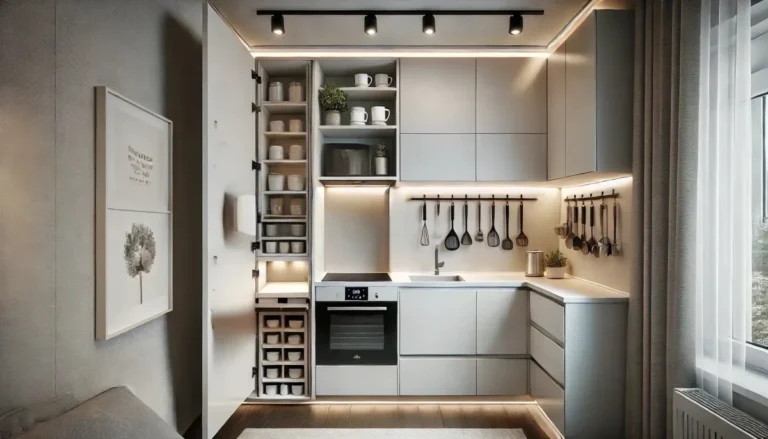
A single-wall layout is exactly what it sounds like: all your equipment lined up along one wall. This is the simplest setup, and it works well for very small spaces or kitchens where one person is doing most of the work. The downside? It can feel cramped, especially if you’re trying to fit multiple stations. To make it work, you’ll need to prioritize vertical space. Think wall-mounted shelves, under-counter storage, and equipment that can be stacked or nested.
A parallel layout, on the other hand, has equipment on two facing walls with a walkway in between. This is the more common setup for small commercial kitchens because it allows for better workflow separation. For example, you could have prep on one side and cooking on the other, with the walkway acting as a natural divider. The challenge here is space management. You’ll need to be strategic about what goes where to avoid bottlenecks. For instance, don’t put your fryer directly across from your prep table, unless you want your staff playing dodgeball with hot oil.
I’m torn between recommending one over the other. Single-wall layouts are great for ultra-small spaces, but they can feel limiting. Parallel layouts offer more flexibility but require more square footage. Ultimately, it comes down to your menu and staffing. If you’re running a food truck or a tiny café with a simple menu, single-wall might be the way to go. If you’ve got a bit more room and a more complex workflow, parallel is probably better.
6. The Devil’s in the Details: Small Equipment, Big Impact
It’s easy to focus on the big-ticket items, the ovens, the fridges, the ranges, but the small equipment is what really makes or breaks a galley kitchen. These are the tools that fill in the gaps, save time, and keep your workflow smooth. And in a small space, they’re often the difference between a kitchen that works and one that struggles.
First up: storage. In a galley kitchen, clutter is the enemy. You need a place for everything, and everything needs to be within arm’s reach. That means wall-mounted shelves, magnetic knife strips, under-counter drawers, and pegboards for hanging utensils. I’ve seen kitchens where the staff spends more time searching for tools than actually cooking. Don’t let that be you.
Next, small appliances. These are the unsung heroes of the galley kitchen. A countertop mixer can save you from hauling a heavy stand mixer around. A immersion blender takes up a fraction of the space of a traditional blender. A panini press can double as a griddle. And don’t forget about speed racks-they’re great for holding sheet pans, trays, or even extra ingredients.
Finally, organization tools. Things like color-coded cutting boards, labeled bins, and stackable containers might seem trivial, but they add up. In a small kitchen, every second counts, and anything that reduces friction is worth its weight in gold.
Maybe I should clarify: small equipment isn’t just about saving space. It’s about saving time and reducing stress. When you’re working in a tight space, the last thing you want is to be constantly moving things around or searching for tools. The right small equipment keeps your kitchen lean and efficient.
Workflow Optimization: Making the Most of Every Inch
7. The Psychology of Workflow: Why Your Kitchen’s Layout Affects Your Mood
Here’s something no one tells you about small commercial kitchens: your layout affects your mental state. A well-designed kitchen can make you feel calm, focused, and in control. A poorly designed one? It’ll leave you feeling frustrated, overwhelmed, and exhausted. And in a high-pressure environment like a restaurant, that’s a big deal.
So, how do you design a kitchen that feels good? Start with sightlines. In a galley kitchen, you want to be able to see what’s happening at all times. That means no blind corners, no hidden equipment, and no clutter blocking your view. If you’re working in a parallel layout, angle your equipment slightly so you can see both sides of the kitchen without turning your head. If you’re in a single-wall setup, keep your prep area open and unobstructed.
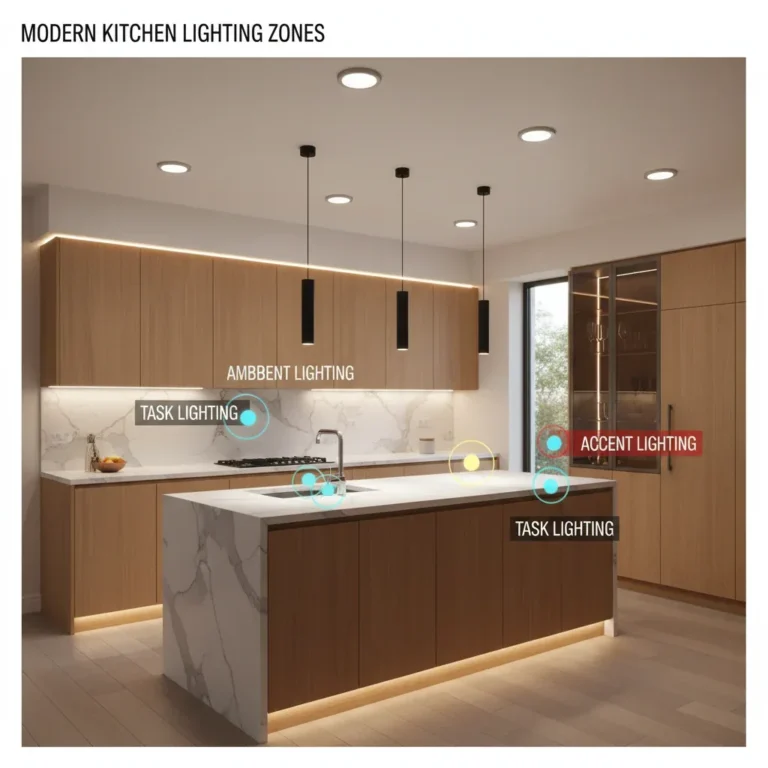
Next, lighting. This is a big one. Poor lighting is a surefire way to make a small kitchen feel even smaller. You want bright, even lighting that eliminates shadows and reduces eye strain. LED panels are great for this, they’re energy-efficient, long-lasting, and they don’t generate a lot of heat. And don’t forget about task lighting. Under-cabinet lights over your prep area or above your cooking station can make a world of difference.
Finally, ergonomics. In a small kitchen, you’re going to be moving a lot, so you want to minimize strain. That means placing frequently used items at waist height or slightly below, so you’re not constantly reaching up or bending down. It means choosing equipment with easy-to-use controls and comfortable handles. And it means ensuring that your counters are at the right height for your staff. A few inches might not seem like a big deal, but after eight hours on your feet, it’ll make all the difference.
I’m torn between calling this “psychology” and just calling it common sense. But the truth is, most people don’t think about how their kitchen’s layout affects their mood. They focus on the practical stuff, equipment, workflow, safety, and forget about the human element. But in a small space, that human element is everything. If your staff is comfortable and happy, they’ll work faster, make fewer mistakes, and stick around longer. And that’s good for business.
8. The Hidden Costs of Poor Workflow (And How to Avoid Them)
Let’s talk about inefficiency. In a small commercial kitchen, poor workflow doesn’t just slow you down, it costs you money. Every extra step, every unnecessary movement, every second wasted adds up. And in an industry where margins are already razor-thin, that’s a problem.
Take, for example, a kitchen where the prep area is on the opposite side of the cooking station. Every time a cook needs a new ingredient, they have to walk across the kitchen, grab it, and walk back. Multiply that by a hundred orders a night, and suddenly, you’re losing hours of productivity. Or consider a kitchen where the fridge is tucked away in a corner, forcing staff to weave through the line to grab ingredients. That’s not just inefficient, it’s a safety hazard.
So, how do you avoid these hidden costs? First, map your workflow. Literally. Draw out your kitchen and trace the steps your staff takes to complete a task. Look for bottlenecks, redundancies, and wasted movement. Then, eliminate them. That might mean rearranging equipment, adding storage closer to workstations, or even changing your menu to reduce complexity.
Second, standardize your processes. In a small kitchen, consistency is key. That means having a set place for everything and a set way of doing things. For example, if your prep team always keeps the cutting boards on the left side of the worktable and the knives on the right, they’ll spend less time searching for tools and more time prepping. Similarly, if your cooks always plate dishes in the same order, they’ll move faster and make fewer mistakes.
Finally, train your staff. A well-designed kitchen is only as good as the people using it. Make sure your team understands the why behind your layout. Show them how to move efficiently, how to use equipment properly, and how to keep the space organized. And don’t just tell them-show them. Walk them through the kitchen, demonstrate the workflow, and give them time to practice. The more comfortable they are with the layout, the more efficient they’ll be.
Maybe I should clarify: optimizing workflow isn’t just about speed. It’s about reducing stress, improving safety, and boosting morale. When your kitchen runs smoothly, your staff is happier, your food is better, and your customers are more satisfied. And that’s the ultimate goal, isn’t it?
9. The Role of Technology in Small Commercial Kitchens
Let’s talk tech. In 2026, you’d think every commercial kitchen would be decked out with the latest gadgets, but the truth is, a lot of small kitchens are still stuck in the Stone Age. And that’s a shame, because the right technology can save time, reduce waste, and improve efficiency-all of which are critical in a small space.
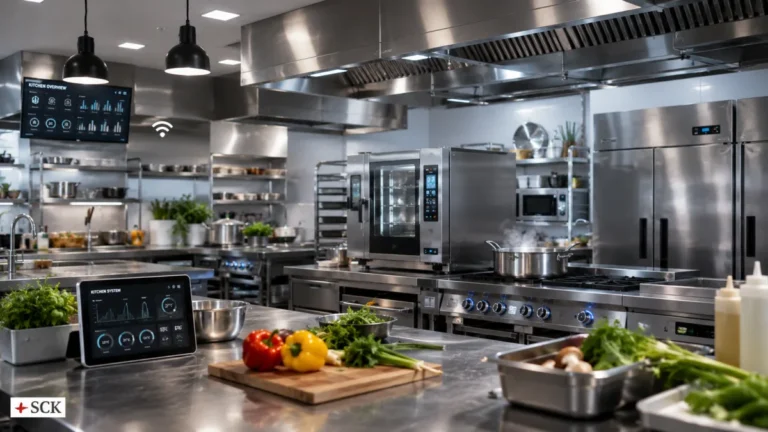
First up: smart equipment. We’re not talking about gimmicks here. We’re talking about connected ovens that can be controlled remotely, fryers that adjust temperature automatically, and refrigerators that monitor inventory levels. These might seem like luxuries, but in a small kitchen, they’re game-changers. For example, a smart oven can free up counter space by eliminating the need for a separate timer or probe. A connected fridge can alert you when ingredients are running low, so you never run out mid-service.
Next, kitchen management software. This is a big one. Tools like Toast, Square, or Upserve can help you track inventory, manage orders, and analyze sales data. In a small kitchen, where every ingredient counts, this is invaluable. For example, if you notice that a particular dish is consistently underperforming, you can adjust your menu or portion sizes to reduce waste. Or if you see that a certain ingredient is flying off the shelves, you can stock up to avoid running out.
And don’t forget about digital signage. In a small kitchen, communication is key. Digital displays can show orders in real-time, so your staff always knows what’s coming up next. They can also display timers, reminders, and safety alerts, keeping everyone on the same page. And because they’re digital, they’re easy to update and customize.
I’m torn between recommending tech for every kitchen and cautioning against overcomplicating things. The truth is, not every small kitchen needs a full suite of smart equipment. But if you’re struggling with efficiency, waste, or communication, technology can help. The key is to start small. Pick one or two tools that address your biggest pain points, and go from there. You don’t need to turn your kitchen into a sci-fi movie set, you just need to make it smarter.
Common Mistakes (And How to Avoid Them)
10. The Top 5 Galley Kitchen Layout Mistakes (And How to Fix Them)
Alright, let’s get real. No matter how much planning you do, mistakes are going to happen. But the good news is, most of them are avoidable. Here are the five most common galley kitchen layout mistakes I see, and how to fix them before they become problems.
Mistake #1: Overcrowding the Space
This is the big one. It’s tempting to cram as much equipment as possible into your kitchen, but that’s a recipe for disaster. Overcrowding leads to bottlenecks, safety hazards, and inefficiency. The fix? Prioritize. Ask yourself: what equipment do I reallyeed? What can I live without? And what can I replace with a smaller or multi-functional alternative? For example, do you really need a full-size range, or would a countertop induction burner work just as well?
Mistake #2: Ignoring the 36-Inch Rule
I mentioned this earlier, but it’s worth repeating: walkways matter. If your kitchen doesn’t have at least 36 inches of clear space between equipment, you’re asking for trouble. The fix? Measure twice, install once. Before you finalize your layout, grab a tape measure and mark out your walkways. If they’re too narrow, it’s time to rethink your equipment placement.
Mistake #3: Poor Ventilation
In a small kitchen, ventilation is on-negotiable. Without it, you’ll be dealing with heat, smoke, and odors-none of which are good for your staff or your customers. The fix? Invest in a good hood system. Make sure it’s the right size for your equipment and that it’s properly installed. And don’t forget about makeup air-you need a way to replace the air that’s being exhausted.
Mistake #4: Neglecting Storage
Clutter is the enemy of efficiency. If your kitchen doesn’t have enough storage, you’ll end up with piles of equipment, overflowing counters, and owhere to put anything. The fix? Think vertically. Use wall-mounted shelves, under-counter drawers, and overhead racks to maximize your storage space. And don’t forget about mobile storage-things like speed racks and utility carts can be moved around as needed.
Mistake #5: Forgetting About Ergonomics
In a small kitchen, you’re going to be moving a lot. If your equipment isn’t ergonomically placed, you’ll end up with sore backs, tired arms, and grumpy staff. The fix? Design for comfort. Place frequently used items at waist height, choose equipment with easy-to-use controls, and make sure your counters are at the right height for your staff.
Maybe I should clarify: these mistakes aren’t just annoying, they’re costly. Overcrowding leads to wasted time. Poor ventilation leads to health code violations. Neglecting storage leads to clutter, which leads to mistakes. And ignoring ergonomics leads to injuries and turnover. The good news is, all of these are fixable. The key is to plan ahead and think critically about your layout.
Putting It All Together: Your Galley Kitchen Layout Checklist
Alright, let’s wrap this up. By now, you’ve got a solid understanding of what it takes to design a small commercial galley kitchen that’s efficient, safe, and functional. But before you start moving equipment around, let’s recap the key points with a handy checklist.
1. Define Your Zones
- Divide your kitchen into prep, cook, and serve zones.
- Keep these zones separate but adjacent.
- Ensure your workflow moves in one direction.
2. Measure Everything
- Measure your space, equipment, and walkways.
- Ensure you have at least 36 inches of clear space between equipment.
- Don’t forget about door swings and aisle widths.
3. Choose the Right Equipment
- Prioritize essential equipment (cooking, refrigeration, prep).
- Opt for compact or modular equipment to save space.
- Consider multi-functional equipment to reduce clutter.
4. Optimize Your Workflow
- Map out your workflow and look for bottlenecks.
- Standardize your processes and storage.
- Train your staff on the layout and workflow.
5. Don’t Forget the Details
- Invest in storage solutions (shelves, drawers, racks).
- Choose ergonomic equipment and comfortable workstations.
- Ensure proper lighting and ventilation.
6. Avoid Common Mistakes
- Don’t overcrowd your space.
- Don’t ignore the 36-inch rule.
- Don’t neglect storage, ventilation, or ergonomics.
And there you have it, a step-by-step guide to designing a small commercial galley kitchen that works. But here’s the thing: no matter how much planning you do, your kitchen will evolve. You’ll add new equipment, tweak your workflow, and maybe even change your menu. And that’s okay. The best kitchens aren’t set in stone, they’re living, breathing spaces that adapt to your needs.
So, what’s next? Start small. Pick one or two changes to implement first, and see how they work. Maybe it’s rearranging your equipment to improve workflow. Maybe it’s adding more storage to reduce clutter. Whatever it is, take it one step at a time. And remember: the goal isn’t to create a perfect kitchen. It’s to create a kitchen that works for you.
Now, I’ve got a question for you: what’s the biggest challenge you’re facing with your galley kitchen layout? Is it space? Workflow? Equipment? Let me know in the comments, I’d love to hear from you. And if you found this guide helpful, share it with a fellow chef or restaurant owner. Because at the end of the day, we’re all in this together.
FAQ: Your Small Commercial Galley Kitchen Questions, Answered
Q: What’s the minimum width for a small commercial galley kitchen?
A: The minimum width for a galley kitchen depends on your layout, but you’ll need at least 7 feet for a single-wall setup and 10 feet for a parallel layout. This allows for 36 inches of walkway space and enough room for equipment. However, local health codes may have stricter requirements, so always check with your local authorities before finalizing your design.
Q: How do I maximize storage in a small galley kitchen?
A: Maximizing storage in a small galley kitchen is all about thinking vertically. Use wall-mounted shelves, under-counter drawers, and overhead racks to free up floor space. Consider mobile storage like speed racks or utility carts, which can be moved around as needed. And don’t forget about multi-functional equipment-things like combi ovens or tilt skillets can reduce the need for extra storage.
Q: What’s the best way to improve workflow in a galley kitchen?
A: Improving workflow in a galley kitchen starts with zoning. Divide your kitchen into prep, cook, and serve zones, and keep them separate but adjacent. Map out your workflow to identify bottlenecks, and standardize your processes to reduce wasted movement. Finally, train your staff on the layout and workflow to ensure everyone’s on the same page.
Q: Are there any space-saving equipment recommendations for galley kitchens?
A: Absolutely! In a small galley kitchen, every inch counts, so opt for compact or modular equipment. A 36-inch range with a 24-inch griddle on top can save space compared to a larger range. A half-size convection oven is great for baking without taking up too much room. And don’t forget about multi-functional equipment like combi ovens or tilt skillets, which can replace multiple pieces of equipment.
@article{the-ultimate-small-commercial-galley-kitchen-equipment-layout-guide-maximizing-space-without-sacrificing-efficiency,
    title   = {The Ultimate Small Commercial Galley Kitchen Equipment Layout Guide: Maximizing Space Without Sacrificing Efficiency},
    author  = {Chef's icon},
    year    = {2026},
    journal = {Chef's Icon},
    url     = {https://chefsicon.com/small-commercial-galley-kitchen-equipment-layout-guide/}
}