The Best Fluffy Pancakes recipe you will fall in love with. Full of tips and tricks to help you make the best pancakes.
I’ll never forget the first time I watched a chef deliberately burn something in a high-end restaurant kitchen. Not by accident, not because they were distracted, no, this was a calculated move. The chef, a friend of mine who runs a Michelin-starred spot in Nashville, was working on a new dish, and he’d just torched a piece of fish skin until it was nearly black. When I raised an eyebrow, he smirked and said, “It’s not burnt. It’s Maillard reaction optimization.” That moment stuck with me. It wasn’t just cooking; it was applied food science, and it was happening right in front of me.
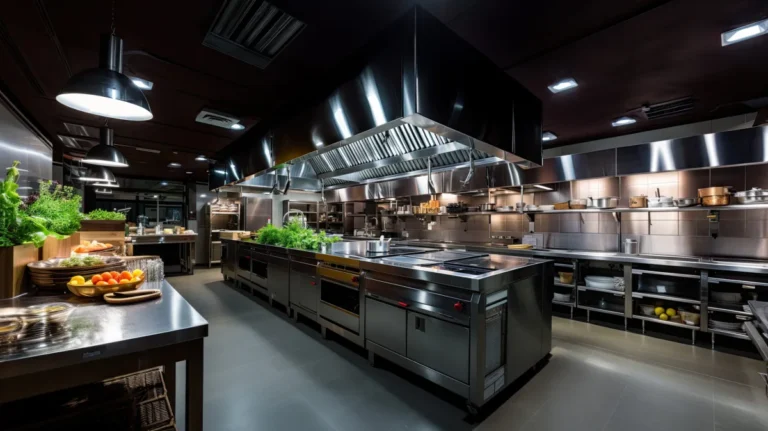
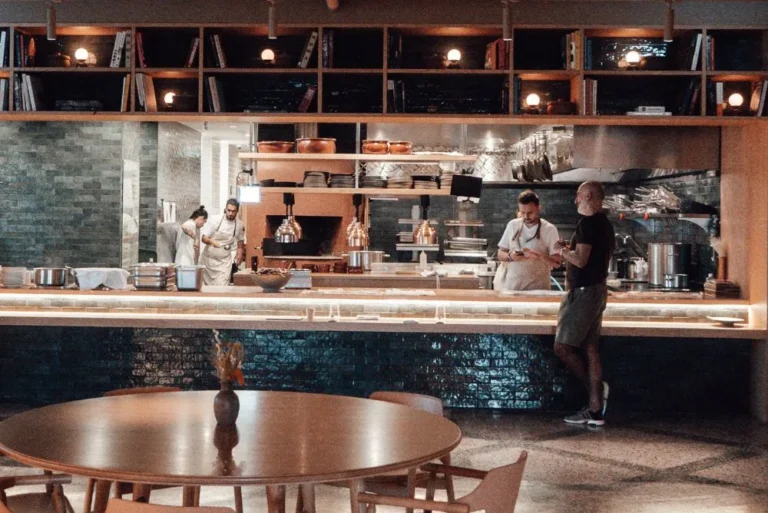
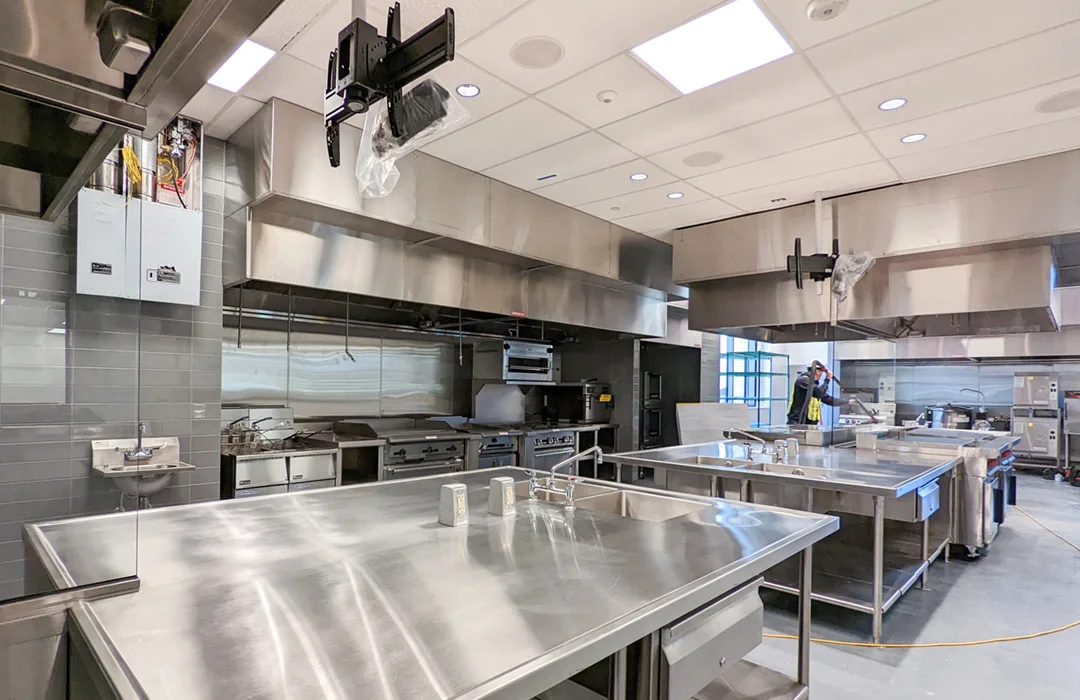
But here’s the thing: most diners don’t realize how much food science research goes into their meal. They see a beautifully plated dish, taste something that blows their mind, and assume it’s all instinct or tradition. And while instinct and tradition play a huge role, the reality is that modern restaurant kitchens are labs in disguise. Chefs are constantly borrowing from food science, whether they’re tweaking textures, playing with flavors, or rethinking how ingredients interact. The question is, how exactly are they doing it? And more importantly, why should you care?
In this deep dive, I’m going to pull back the curtain on how restaurant chefs apply food science research in their kitchens. We’ll look at everything from the chemistry of umami to the physics of perfect searing, and we’ll explore how these principles aren’t just for fine dining, they’re trickling down into every corner of the food world, from food trucks to your home kitchen. By the end, you’ll never look at a menu (or your own cooking) the same way again. Is this the best way to approach the topic? Let’s consider: maybe I should start with the basics, like what food science even is, before jumping into the nitty-gritty. But then again, if you’re reading this, you probably already have a hunch. So let’s dive in.
The Unseen Lab: Why Restaurant Kitchens Are More Science Than Art (Sometimes)
What Even Is Food Science, Anyway?
Before we get into how chefs use it, let’s clarify what food science actually is. At its core, food science is the study of the physical, biological, and chemical makeup of food, and how those elements change during cooking, processing, and storage. It’s a field that blends chemistry, microbiology, engineering, and even psychology. Think of it as the “why” behind the “how” of cooking.
For example, why does bread rise? That’s food science. Why does meat get tender when you slow-cook it? Food science. Why does a pinch of salt make everything taste better? You guessed it, food science. But here’s where it gets interesting: while food scientists work in labs with beakers and microscopes, chefs are the ones translating that research into real-world dishes. They’re the bridge between theory and plate.
I’m torn between calling this a collaboration and a happy accident. Some chefs actively seek out food science research, reading journals like Food Chemistry or attending seminars at places like the Culinary Institute of America. Others stumble into it by trial and error, only later realizing they’ve been applying food science principles all along. Either way, the result is the same: dishes that are more precise, more consistent, and often more delicious than what came before.
The Chef as Mad Scientist: A Day in the Life
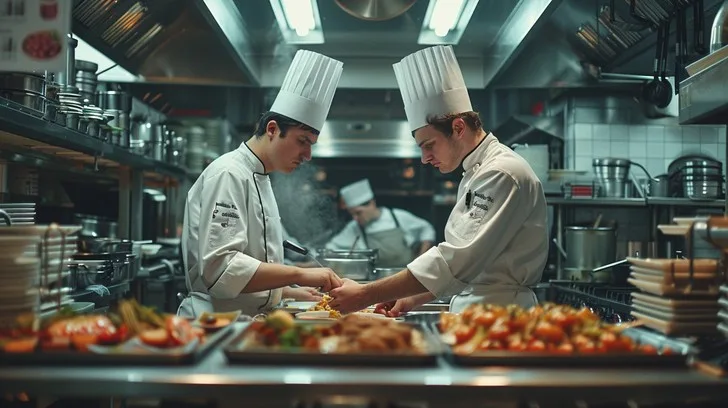
Let’s take a peek into a typical day in a restaurant kitchen where food science is in play. It’s 10 AM, and the chef is already at work, but they’re not just chopping onions or prepping mise en place. No, today they’re experimenting with sous vide-a cooking method that involves vacuum-sealing food and cooking it in a water bath at precise temperatures. Why? Because food science tells them that cooking meat at, say, 135°F (57°C) for 24 hours will break down the collagen in a way that results in butter-soft texture without overcooking the protein.
Meanwhile, the pastry chef is in the corner, playing with hydrocolloids-ingredients like agar-agar or xanthan gum that can change the texture of liquids and gels. They’re trying to create a fruit “caviar” that bursts in your mouth, and they’re using food science to figure out the exact ratio of sodium alginate to calcium chloride needed to make it work. It’s like something out of a sci-fi movie, but it’s happening in a kitchen near you.
And then there’s the line cook, who’s using a blowtorch to caramelize the sugar on a crème brûlée. That crackly top? It’s not just for show. It’s a perfect example of the Maillard reaction-a chemical process that occurs when sugars and amino acids react under heat, creating hundreds of new flavor compounds. The chef isn’t just torching sugar; they’re engineering flavor.
But here’s the thing: not every kitchen is like this. In fact, most aren’t. So why do some chefs go all-in on food science while others stick to tradition? Maybe it’s about resources, fine dining restaurants have the time and money to experiment, while a busy diner might not. Or maybe it’s about philosophy. Some chefs see food science as a tool to elevate their craft, while others worry it takes the soul out of cooking. I’m not sure which side I’m on yet. What do you think?
From Lab to Plate: The Most Common Food Science Principles Chefs Use
1. The Maillard Reaction: Why Brown Food Tastes Better
If there’s one food science concept that every chef, consciously or not, uses, it’s the Maillard reaction. Named after French chemist Louis-Camille Maillard, this is the chemical process that gives browned food its rich, complex flavor. It’s why seared steak tastes better than boiled steak, why toasted bread is more flavorful than fresh bread, and why roasted coffee beans smell so damn good.
But here’s the thing: the Maillard reaction isn’t just about browning. It’s about creating hundreds of new flavor compounds that didn’t exist before. When you sear a piece of meat, the heat causes the amino acids and sugars on the surface to react, forming new molecules that taste savory, nutty, or even slightly sweet. Chefs leverage this by:
- Controlling the temperature: Too hot, and you’ll burn the food before the Maillard reaction can fully develop. Too cool, and it won’t happen at all. The sweet spot is usually between 280°F and 330°F (138°C to 166°C).
- Managing moisture: Water inhibits the Maillard reaction, which is why patting meat dry before searing is so important. It’s also why chefs often use dry heat methods (like grilling or roasting) for browning.
- Adding catalysts: Ingredients like baking soda can raise the pH of the food’s surface, speeding up the Maillard reaction. This is why some chefs brush a baking soda solution on pretzels before baking, they get that deep brown color faster.
I’ve seen chefs take this to the extreme. One friend of mine, who runs a high-end steakhouse, uses a blowtorch to sear his steaks after they’ve been sous vide. Why? Because the Maillard reaction happens faster at higher temperatures, and the torch gives him more control than a pan. Is it overkill? Maybe. But the results are undeniable.
2. Emulsification: The Magic Behind Creamy Sauces
Ever wonder why some sauces are silky smooth while others separate into a greasy mess? That’s emulsification at work. An emulsion is a mixture of two liquids that don’t normally mix, like oil and water. In cooking, the most common emulsions are vinaigrettes, mayonnaise, and hollandaise sauce. But here’s the catch: emulsions are inherently unstable. Left to their own devices, they’ll separate. So how do chefs keep them together?
Food science has the answer. Emulsifiers, like egg yolks, mustard, or lecithin-act as bridges between the oil and water, allowing them to mix. Chefs use a few key principles to create stable emulsions:
- Slow incorporation: Adding oil too quickly to a vinaigrette or mayonnaise will cause it to break. Chefs know to drizzle it in slowly while whisking constantly.
- Temperature control: Emulsions are sensitive to temperature. If a hollandaise gets too hot, it’ll curdle. If it’s too cold, it won’t thicken properly. Chefs use double boilers or sous vide baths to keep things steady.
- Acidity balance: A little acid, like lemon juice or vinegar, can help stabilize an emulsion. That’s why vinaigrettes often include a splash of vinegar.
I remember watching a chef make mayonnaise once. He cracked an egg, separated the yolk, and then started whisking like his life depended on it. At first, nothing happened. Then, as he slowly drizzled in oil, the mixture transformed from a thin liquid into a thick, creamy sauce. It was like watching a magic trick. But it wasn’t magic, it was food science in action.
3. Sous Vide: Precision Cooking for Perfect Results
Sous vide might sound like a fancy French technique, but at its core, it’s just precision temperature control. The method involves vacuum-sealing food in a bag and cooking it in a water bath at a very specific temperature. Why? Because food science tells us that proteins denature (or break down) at precise temperatures. Cook a steak to 130°F (54°C), and it’ll be medium-rare. Cook it to 140°F (60°C), and it’ll be medium. There’s no guesswork.
Chefs love sous vide for a few reasons:
- Consistency: Every steak comes out the same, every time. No more overcooked edges or undercooked centers.
- Texture control: Cooking meat at lower temperatures for longer periods breaks down collagen without toughening the muscle fibers, resulting in butter-soft texture.
- Flavor retention: Because the food is sealed in a bag, none of the juices or aromas escape. The result is more intense flavor.
But sous vide isn’t just for meat. Chefs use it for everything from eggs (63°C for the perfect soft-boiled texture) to vegetables (85°C for tender-crisp carrots). I’ve even seen it used for desserts, like custards that come out perfectly set every time. The only downside? It takes time. And in a fast-paced restaurant, time is money. Maybe that’s why sous vide is more common in fine dining than in your average diner. Or maybe it’s just a matter of equipment, most home cooks don’t have a sous vide machine lying around. But if you’ve ever eaten a steak that melted in your mouth, there’s a good chance sous vide was involved.
4. Spherification: Turning Liquids into Caviar
If you’ve ever had a dish with little bursts of flavor, like a spoonful of olive oil “caviar” or a bite of fruit “pearls”-you’ve experienced spherification. This is a molecular gastronomy technique that turns liquids into gel-like spheres that pop in your mouth. It’s like eating flavor bombs, and it’s all thanks to food science.
There are two main types of spherification:
- Basic spherification: This involves dropping a liquid (like fruit juice) mixed with sodium alginate into a bath of calcium chloride. The reaction forms a thin gel membrane around the liquid, creating a sphere.
- Reverse spherification: This is the opposite, you drop a liquid mixed with calcium chloride into a bath of sodium alginate. It’s used for thicker liquids, like yogurt or purées, that would otherwise gel too quickly.
Chefs use spherification to add surprise and texture to dishes. Imagine a salad where every bite releases a burst of balsamic vinegar, or a dessert where a spoonful of chocolate mousse is punctuated by popping pearls of passion fruit. It’s not just about flavor, it’s about theater.
But here’s the catch: spherification is finicky. The spheres can break if they’re handled too roughly, and they’ll continue to gel if left in the bath too long. Chefs have to time everything perfectly, and even then, it’s a bit of a gamble. I’ve seen dishes where the spheres worked beautifully, and others where they turned into a sad, mushy mess. Is it worth the effort? For some chefs, absolutely. For others, it’s just a gimmick. What do you think?
The Psychology of Food Science: Why We Care About Texture and Mouthfeel
5. Mouthfeel: The Unsung Hero of Flavor
Flavor isn’t just about taste. It’s also about mouthfeel-the way food feels in your mouth. Is it creamy? Crunchy? Silky? Gritty? Mouthfeel plays a huge role in how we perceive flavor, and chefs use food science to manipulate it.
Take ice cream, for example. The best ice cream isn’t just sweet, it’s smooth and creamy. That texture comes from a few key factors:
- Fat content: Fat coats the tongue, creating a rich, creamy sensation. That’s why premium ice cream has more fat than the cheap stuff.
- Ice crystal size: Smaller ice crystals = smoother texture. Chefs use techniques like rapid freezing or adding stabilizers (like guar gum) to keep crystals small.
- Overrun: This is the amount of air whipped into the ice cream. Too much air, and it’ll taste icy. Too little, and it’ll be dense and heavy. The sweet spot is usually around 20-30% overrun.
But mouthfeel isn’t just about creaminess. It’s also about contrast. Think of a dish like fried chicken and waffles. The crunch of the chicken skin contrasts with the soft, fluffy waffle, creating a textural experience that’s as important as the flavor. Chefs use food science to create these contrasts, whether it’s through frying (which creates a crispy crust via the Maillard reaction) or baking (which can create everything from flaky to chewy textures).
I’m torn between calling mouthfeel a science and an art. On one hand, there are measurable factors, like fat content or ice crystal size, that determine texture. On the other hand, there’s something intangible about how food feels in your mouth. It’s like the difference between hearing a song and feeling it in your bones. Maybe that’s why some chefs spend years perfecting the mouthfeel of a single dish.
6. Umami: The Fifth Taste and How Chefs Amplify It
You’ve probably heard of umami, the fifth taste, alongside sweet, sour, salty, and bitter. But what is it, exactly? Umami is a savory, meaty flavor that comes from glutamates, a type of amino acid. It’s found in foods like tomatoes, mushrooms, Parmesan cheese, and soy sauce. And chefs? They love umami. Why? Because it makes food taste richer, deeper, and more satisfying.
Food science has helped chefs understand how to amplify umami in their dishes. Here are a few ways they do it:
- Fermentation: Fermenting foods, like miso, soy sauce, or kimchi, breaks down proteins into glutamates, boosting umami. Chefs use fermented ingredients to add depth to dishes.
- Aging: Aging meat or cheese allows enzymes to break down proteins, creating more glutamates. That’s why aged beef tastes more intense than fresh beef.
- Combining umami-rich ingredients: Some foods have a synergistic effect when combined. For example, tomatoes (which are high in glutamates) and Parmesan cheese (also high in glutamates) create a flavor that’s greater than the sum of its parts. That’s why they’re such a classic pairing.
- Using MSG: Monosodium glutamate (MSG) is a pure form of umami. While it’s controversial, some chefs use it to enhance flavor without adding salt.
I’ve seen chefs take umami to the extreme. One friend of mine makes a “umami bomb” sauce by combining soy sauce, fish sauce, mushrooms, and Parmesan cheese. It’s intense, salty, and deeply savory, like a flavor explosion in your mouth. Is it overkill? Maybe. But it’s also delicious. And that’s the power of umami.
7. The Science of Salt: Why It’s the Most Important Ingredient in the Kitchen
Salt is the unsung hero of the kitchen. It’s not just a seasoning, it’s a flavor enhancer, a preservative, and even a texturizer. And chefs use food science to wield it like a scalpel, not a sledgehammer.
Here’s what food science tells us about salt:
- It enhances flavor: Salt suppresses bitterness and amplifies sweetness, making food taste more balanced. That’s why a pinch of salt can make a dessert taste sweeter.
- It changes texture: Salt draws moisture out of food, which can make meat more tender (by breaking down muscle fibers) or vegetables more crisp (by dehydrating them).
- It preserves food: Salt inhibits the growth of bacteria, which is why it’s used in curing meats like bacon or prosciutto.
- It affects cooking: Salt raises the boiling point of water, which can change how pasta or vegetables cook. It also affects how proteins denature, which is why brining a turkey makes it juicier.
Chefs use salt in a few key ways:
- Seasoning in layers: Instead of dumping all the salt in at once, chefs season food at multiple stages, when they’re prepping, cooking, and finishing. This builds flavor gradually.
- Using different types of salt: Not all salt is created equal. Kosher salt is great for seasoning, while flaky sea salt is perfect for finishing. Some chefs even use smoked salt or Himalayan pink salt for specific dishes.
- Brining: Soaking meat in a saltwater solution (often with sugar and spices) helps it retain moisture during cooking. The salt breaks down muscle fibers, allowing the meat to hold onto more water.
I’ll admit, I used to think salt was just salt. But after talking to chefs, I’ve realized it’s so much more. It’s a tool, a seasoning, and a science all in one. And the best chefs? They treat it with the respect it deserves.
Beyond the Plate: How Food Science Is Changing the Restaurant Industry
8. Consistency: The Holy Grail of Restaurant Cooking
One of the biggest challenges in restaurant cooking is consistency. How do you make sure every dish tastes the same, night after night, no matter who’s cooking it? Food science is the answer. By understanding the chemical and physical processes behind cooking, chefs can create standardized recipes that produce the same results every time.
Take fast-food chains, for example. Ever wonder why a McDonald’s burger tastes the same in Nashville as it does in Tokyo? It’s not just the ingredients, it’s the cooking process. McDonald’s uses food science to determine the exact temperature and time needed to cook their patties, ensuring they’re the same every time. The same goes for their fries, which are blanched, frozen, and then fried at a precise temperature to achieve that signature crispiness.
But consistency isn’t just for fast food. Fine dining restaurants use food science to ensure their dishes are perfect every time, too. For example:
- Sous vide: As we talked about earlier, sous vide allows chefs to cook food to precise temperatures, ensuring consistent results.
- Standardized recipes: Chefs write recipes with exact measurements and instructions, so even if a line cook is having an off day, the dish will still turn out right.
- Temperature control: Restaurants use thermometers and probes to monitor food temperatures, ensuring everything is cooked to the perfect doneness.
I’m torn between calling this a good thing and a bad thing. On one hand, consistency is what makes a restaurant reliable. You know what you’re getting, every time. On the other hand, it can take the soul out of cooking. Where’s the room for creativity if every dish has to be exactly the same? Maybe the answer is balance, using food science to create a foundation, but leaving room for a little spontaneity.
9. Sustainability: How Food Science Is Reducing Waste
Food waste is a huge problem in the restaurant industry. According to the Food and Agriculture Organization of the United Nations, about one-third of all food produced globally is wasted. But food science is helping chefs reduce waste and make their kitchens more sustainable.
Here are a few ways chefs are using food science to cut down on waste:
- Fermentation: Fermenting food not only enhances flavor but also extends shelf life. Chefs use fermentation to preserve ingredients that would otherwise go bad.
- Dehydration: Removing moisture from food prevents bacterial growth, allowing chefs to preserve ingredients for longer. Dehydrated fruits, vegetables, and even meats can be rehydrated and used in dishes later.
- Nose-to-tail cooking: This is a philosophy that involves using every part of an animal, from the snout to the tail. Chefs use food science to transform less desirable cuts into delicious dishes. For example, they might braise tough cuts of meat to break down collagen, turning them into tender, flavorful meals.
- Upcycling: This involves taking food byproducts, like fruit peels or vegetable scraps, and turning them into new ingredients. For example, chefs might use citrus peels to make candied zest or vegetable scraps to make stock.
I’ve seen chefs get incredibly creative with sustainability. One friend of mine runs a restaurant where they use spent grain from a local brewery to make bread. Another chef I know turns fish bones and heads into a rich, flavorful stock. It’s not just about reducing waste, it’s about reimagining what’s possible.
But here’s the thing: sustainability isn’t just good for the planet, it’s good for business. Reducing waste saves money, and diners are increasingly looking for restaurants that prioritize sustainability. Maybe that’s why more and more chefs are turning to food science to make their kitchens greener.
10. The Future of Food Science in Restaurants: What’s Next?
Food science isn’t standing still. As technology advances, chefs are finding new ways to apply research in their kitchens. Here are a few trends to watch:
- 3D food printing: This might sound like something out of The Jetsons, but 3D food printers are already being used in some restaurants. Chefs can use them to create intricate designs, customize dishes, or even print with alternative ingredients like insect protein or lab-grown meat.
- AI and machine learning: Some restaurants are using AI to analyze customer preferences and optimize menus. For example, an AI might suggest pairing a dish with a specific wine based on flavor profiles, or it might predict which dishes will be most popular on a given night.
- Alternative proteins: With the rise of plant-based diets, chefs are turning to food science to create meat alternatives that mimic the taste and texture of animal products. Companies like Beyond Meat and Impossible Foods use food science to create burgers that bleed, sizzle, and taste like the real thing.
- Personalized nutrition: Some restaurants are using food science to create customized meals based on a diner’s dietary needs or preferences. For example, a chef might use a DNA test to determine which flavors a diner is most sensitive to, then tailor a dish accordingly.
I’m not sure what the future holds, but one thing’s for certain: food science will continue to shape the way we eat. Will 3D-printed food become the norm? Will AI replace chefs? Probably not. But I do think we’ll see more chefs embracing food science to create dishes that are healthier, more sustainable, and more delicious than ever before.
And who knows? Maybe one day, we’ll all have sous vide machines in our homes, or we’ll be printing our own custom meals. Until then, I’ll be here, watching chefs turn their kitchens into labs, and loving every minute of it.
Putting It All Together: How You Can Apply Food Science in Your Own Kitchen
You don’t need a Michelin-starred kitchen to apply food science. In fact, some of the most useful principles are the simplest. Here’s how you can start experimenting at home:
- Master the Maillard reaction: Next time you’re cooking meat, pat it dry and sear it in a hot pan. You’ll be amazed at how much more flavorful it is.
- Experiment with emulsions: Try making your own mayonnaise or vinaigrette. Remember to add the oil slowly and whisk constantly.
- Play with umami: Add a dash of soy sauce or a sprinkle of Parmesan cheese to your next dish. You’ll be surprised at how much deeper the flavor becomes.
- Use salt wisely: Season your food in layers, and don’t be afraid to use different types of salt for different purposes.
- Reduce waste: Try fermenting vegetables, dehydrating fruit, or making stock from scraps. You’ll save money and create delicious new ingredients.
Food science isn’t just for chefs, it’s for anyone who loves food. And the best part? You don’t need a lab coat or a PhD to start experimenting. All you need is a little curiosity and a willingness to play.
So go ahead. Burn something. Whisk something. Ferment something. Who knows? You might just discover the next great culinary breakthrough.
FAQ
Q: Do all chefs use food science in their cooking?
A: Not all chefs consciously apply food science, but many use its principles without realizing it. Fine dining chefs are more likely to actively incorporate food science research, while home cooks and chefs in smaller restaurants might rely more on tradition and instinct. That said, even the most traditional chefs are using food science, whether they know it or not, when they sear meat, emulsify sauces, or ferment ingredients.
Q: What’s the most important food science principle for home cooks to know?
A: If I had to pick one, I’d say the Maillard reaction. It’s the reason why browned food tastes so good, and it’s something you can apply in almost every meal. Whether you’re searing a steak, toasting bread, or roasting vegetables, understanding how to control the Maillard reaction will take your cooking to the next level. Other key principles include emulsification (for sauces), umami (for depth of flavor), and salt science (for seasoning).
Q: Is food science making cooking less creative?
A: This is a common concern, but I don’t think it’s true. Food science isn’t about replacing creativity, it’s about giving chefs more tools to express it. Think of it like a painter learning about color theory. Knowing how colors mix and contrast doesn’t limit their creativity; it expands it. The same goes for food science. Understanding the “why” behind cooking allows chefs to experiment in new ways, push boundaries, and create dishes that wouldn’t have been possible otherwise. That said, there’s always a risk of over-reliance on technique. The best chefs strike a balance between science and art.
Q: What’s the weirdest food science technique chefs use?
A: There are plenty of weird and wonderful food science techniques out there, but one of the strangest has to be spherification. Turning liquids into caviar-like spheres might sound like something out of a mad scientist’s lab, but it’s actually a staple of molecular gastronomy. Another odd one is “flash freezing” with liquid nitrogen, which chefs use to create ultra-smooth ice cream or to shatter ingredients into delicate shards. And then there’s centrifuging, where chefs spin ingredients at high speeds to separate them into their component parts. For example, a chef might centrifuge a fruit purée to extract the clear juice, leaving behind the pulp and seeds. It’s all very Breaking Bad, but the results can be stunning.
@article{how-restaurant-chefs-apply-food-science-research-in-kitchens-the-hidden-experiments-behind-your-meal,
    title   = {How Restaurant Chefs Apply Food Science Research in Kitchens: The Hidden Experiments Behind Your Meal},
    author  = {Chef's icon},
    year    = {2026},
    journal = {Chef's Icon},
    url     = {https://chefsicon.com/how-restaurant-chefs-apply-food-science-research-in-kitchens/}
}